Meet Wenya Liu | Architectural Designer
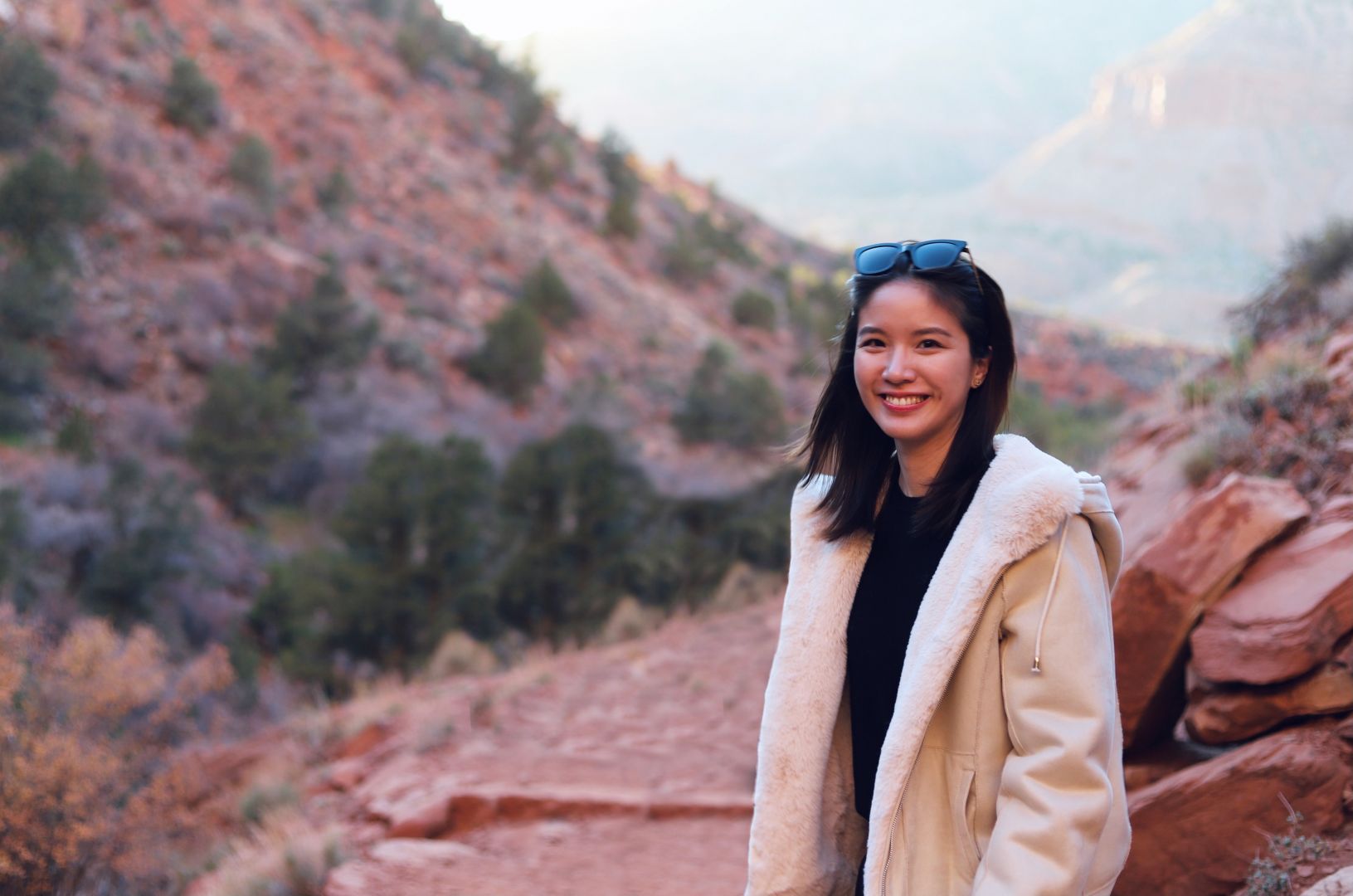


We had the good fortune of connecting with Wenya Liu and we’ve shared our conversation below.
Hi Wenya, what do you attribute your success to?
Conventionally, proficiency in architecture is believed to require an array of abilities, such as a discerning eye for aesthetic proportions, attention to detail, comprehensive construction experience, proficiency in applying new technologies into designs, and excellent communication skills with clients and teams. However, I believe that beyond these qualities directly associated with functionally tied competencies, the key to my success as an architectural designer lies in the amount of research I undertake with each project and the deep understanding of a space’s inherent value beyond its physical existence. I firmly believe that buildings and spaces carry memories. And through my work, I always seek to revitalize spaces, incorporating the memories and history of the site while bringing a fresh perspective to its reinterpretation.
My perspective was profoundly shaped by my childhood spent in a small, traditional town in China during its rapid development in the 1990s. This era, characterized by the simultaneous flurry of construction and destruction, generated a constantly changing landscape. At times, I experienced a nomadic lifestyle within this small city, as the physical locations of my home, school, and after-school spots like the library and sports field underwent changes. Amid these transformations, I felt an overwhelming sense of loss and disorientation, despite the excitement brought by the enhanced living conditions. As the physical spaces of my past disappeared, my memories and emotions attached to them seemed to lose their tangible anchors and failed to relocate with the physical displacement. This experience ignited my curiosity about the concept of space, architecture, and its underlying significance.
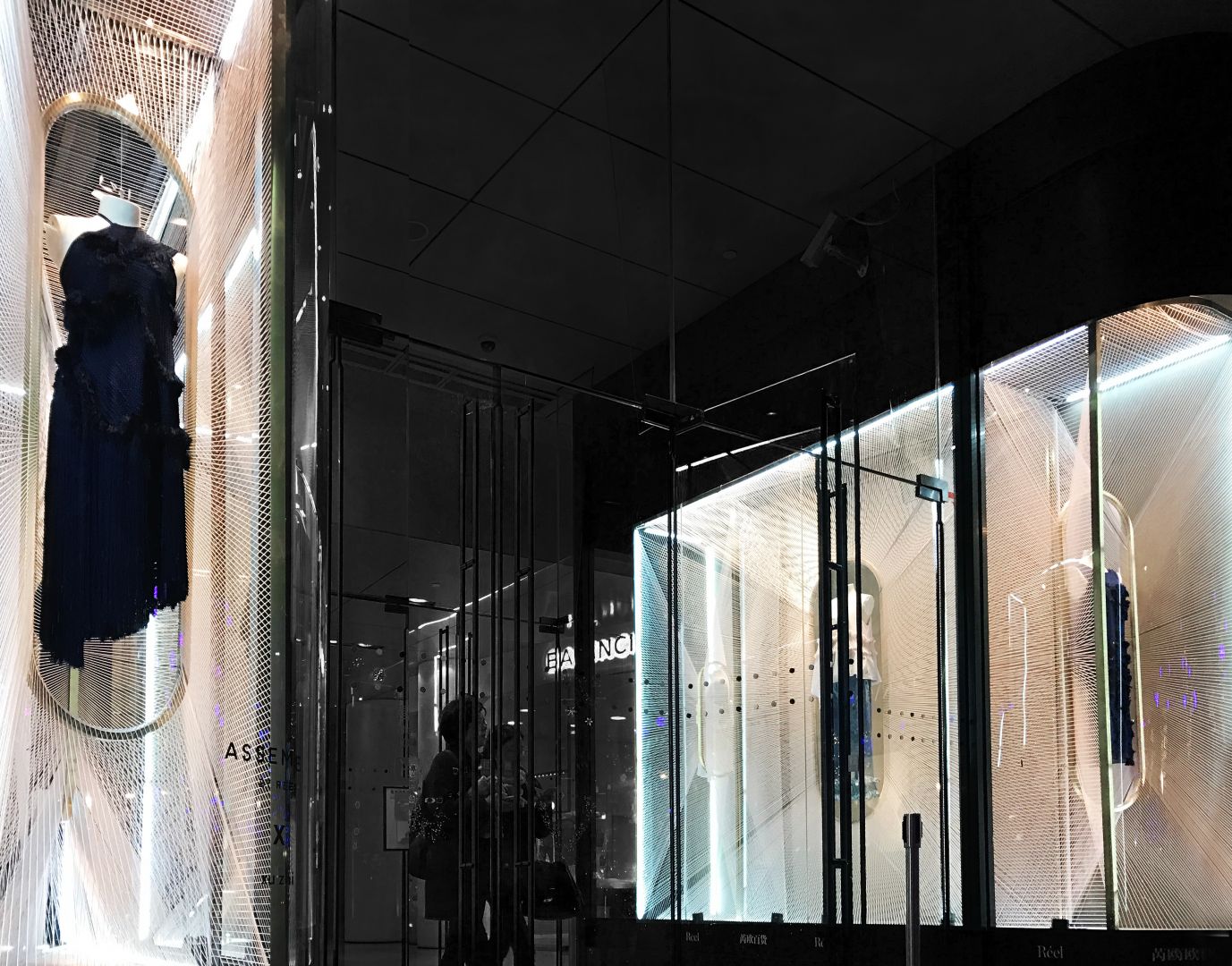
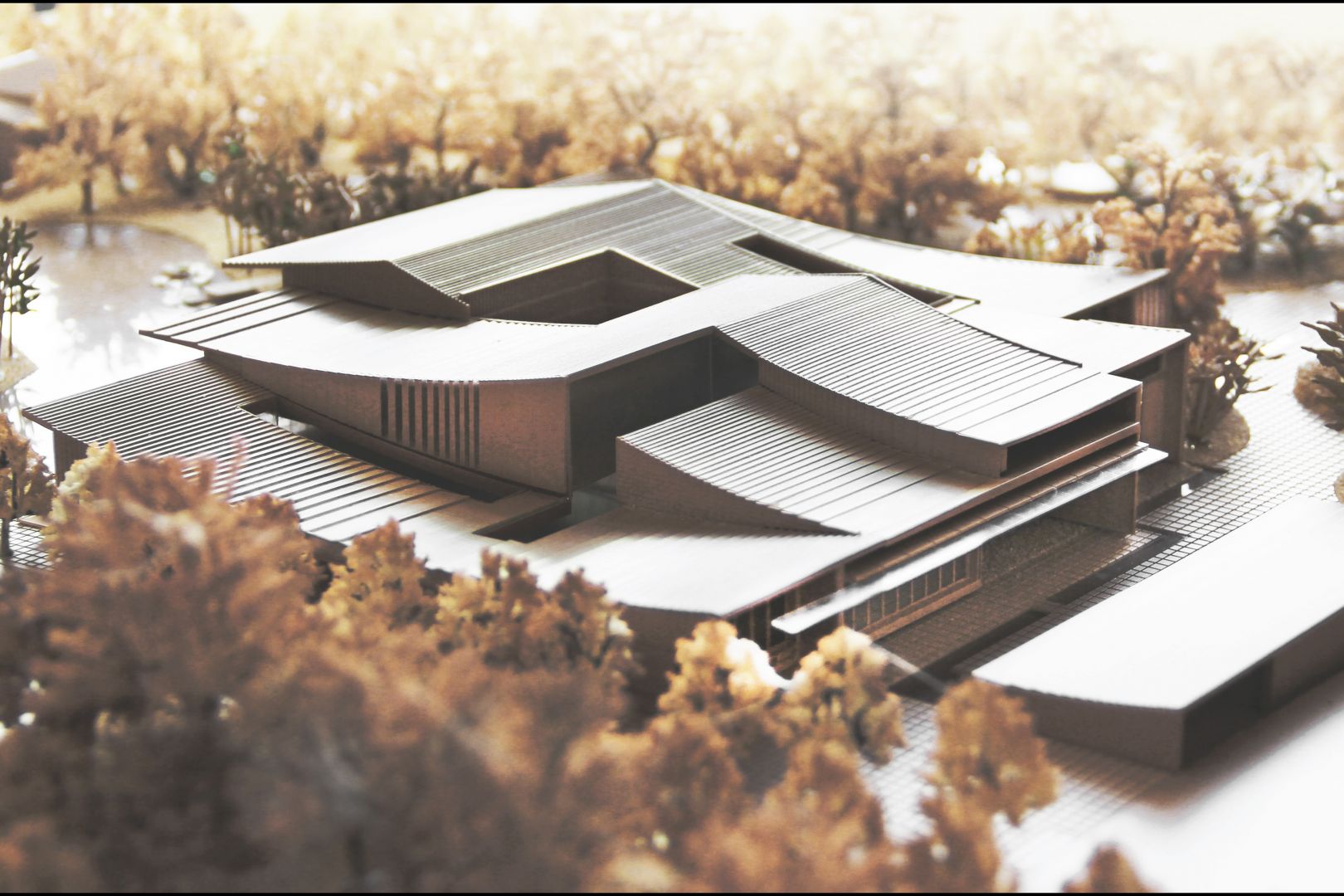
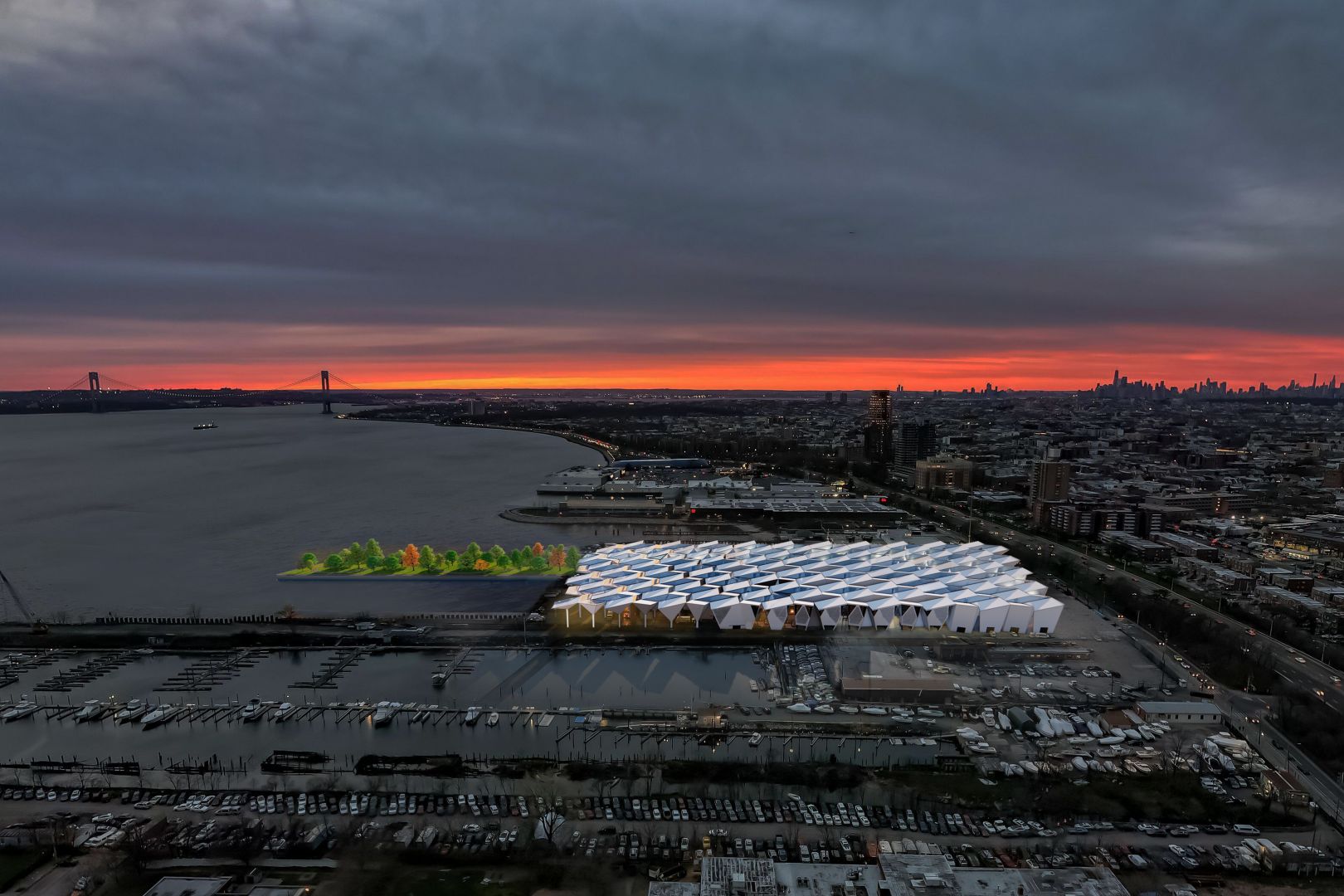
To me, design goes beyond the mere creation of functional and visually pleasing structures. I see it as a vehicle for societal transformation and a medium for conveying cultural narratives, often daring to challenge conventional perspectives and present non-traditional solutions. My design process consistently engages with local history and heritage, forging a dialogue between the past and the present through various approaches. This principle, in practice, translates into diverse methodologies tailored to each project’s unique circumstances. This could mean reinterpreting local typologies to celebrate and amplify the ordinary and mundane or rediscovering and improving the use of local materials. Engaging in conversations with various local groups, not limited to the client, can also offer me unexpected insights or starting points for a design project. Through my work, I strive to use design as a tool to prompt individuals to reassess their habitual behaviors or simply to cultivate self-awareness of their actions and identities. This multifaceted approach enables me to intertwine elements of history, culture, and personal experiences into a design narrative that both represents and influences the community it serves.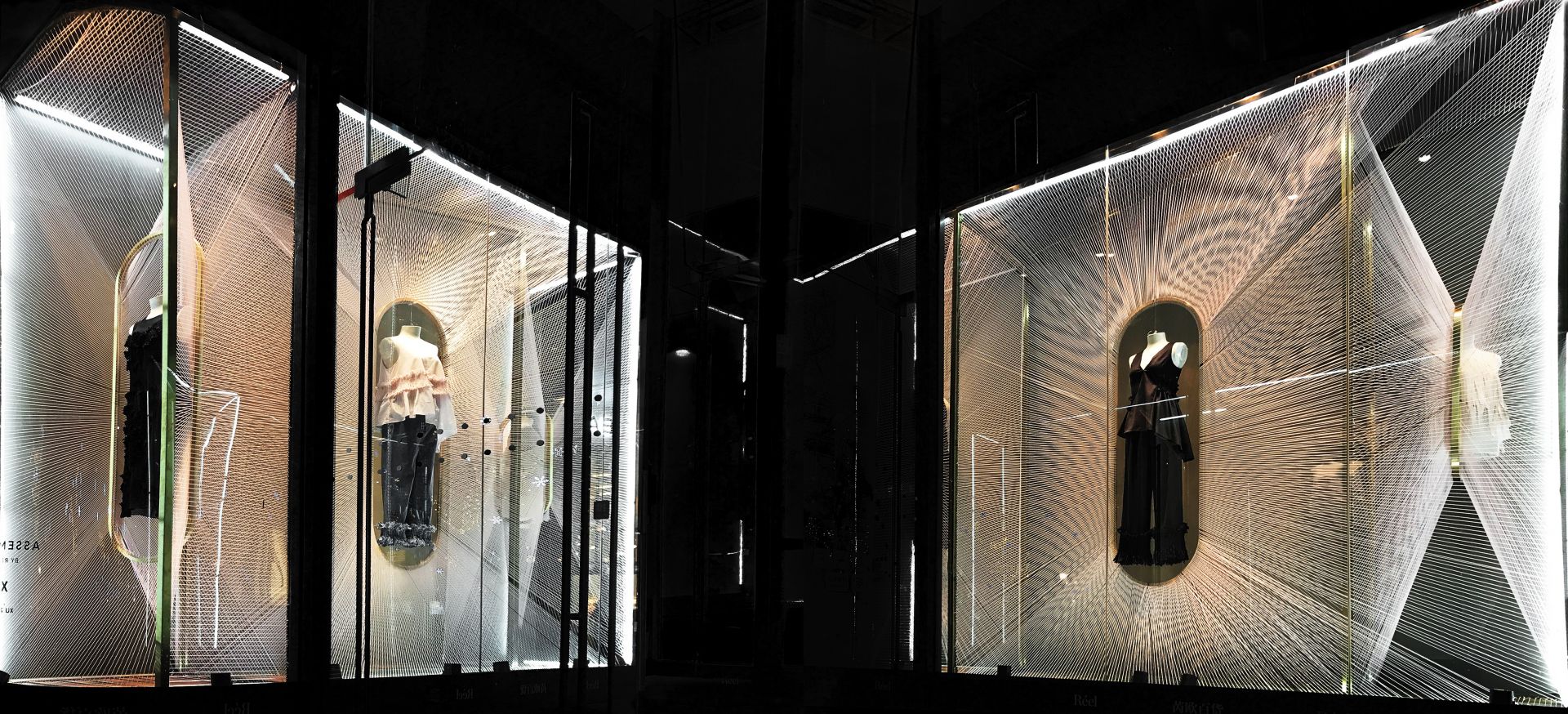
Can you open up a bit about your work and career? We’re big fans and we’d love for our community to learn more about your work.
I believe that a strong sense of curiosity and resolute determination are the keys to my success. I am passionate about facing challenges and willing to commit fully to them. This mindset also explains my ability to continuously embrace new challenges. Since my student days, I have actively participated in architectural design competitions. Some may argue that such competitions often require a substantial amount of time and energy, with the returns not always being evident. However, I believe that the value I gain from these competitions far exceeds any immediate reward. They allow me to engage in intellectual collisions with various collaborators and explore different types of architectural designs and functions in a short time that I wouldn’t have the opportunity to try in school. These experiences have laid a solid foundation for my future career.
I am always proactive in seeking opportunities, despite considering this perhaps the most challenging step for an architectural designer. In reality, many opportunities surround us, and as long as we are proactive and take action, we can seize some of them. For example, my recent lighting pavilion project was successfully selected for the 13th Amsterdam Light Festival. This was an opportunity I secured through a global open call.
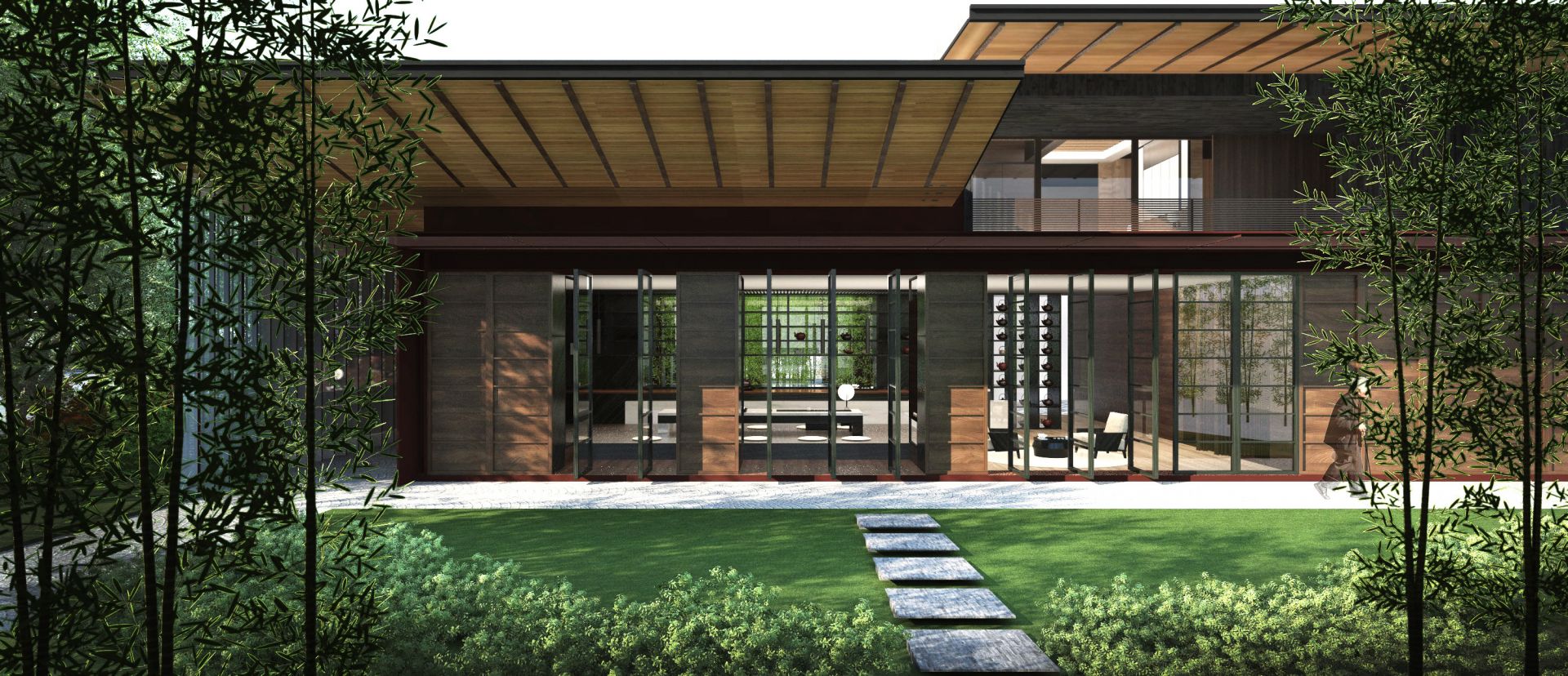
I understand that success often comes after a difficult process, and the effort put in does not always translate into immediate returns. Rejection is a normal part of this journey. The key is to maintain a humble attitude, not to give up trying after a single failure, and not to lose confidence in ourselves. Sometimes, opportunities arise from consistent efforts and accumulations. For instance, one of our private residential projects was awarded to us after the client saw one of our competition projects (which didn’t win) on our website and took an interest in our work. It may sound cliché, but I firmly believe that as long as we keep trying, time will eventually reward our efforts.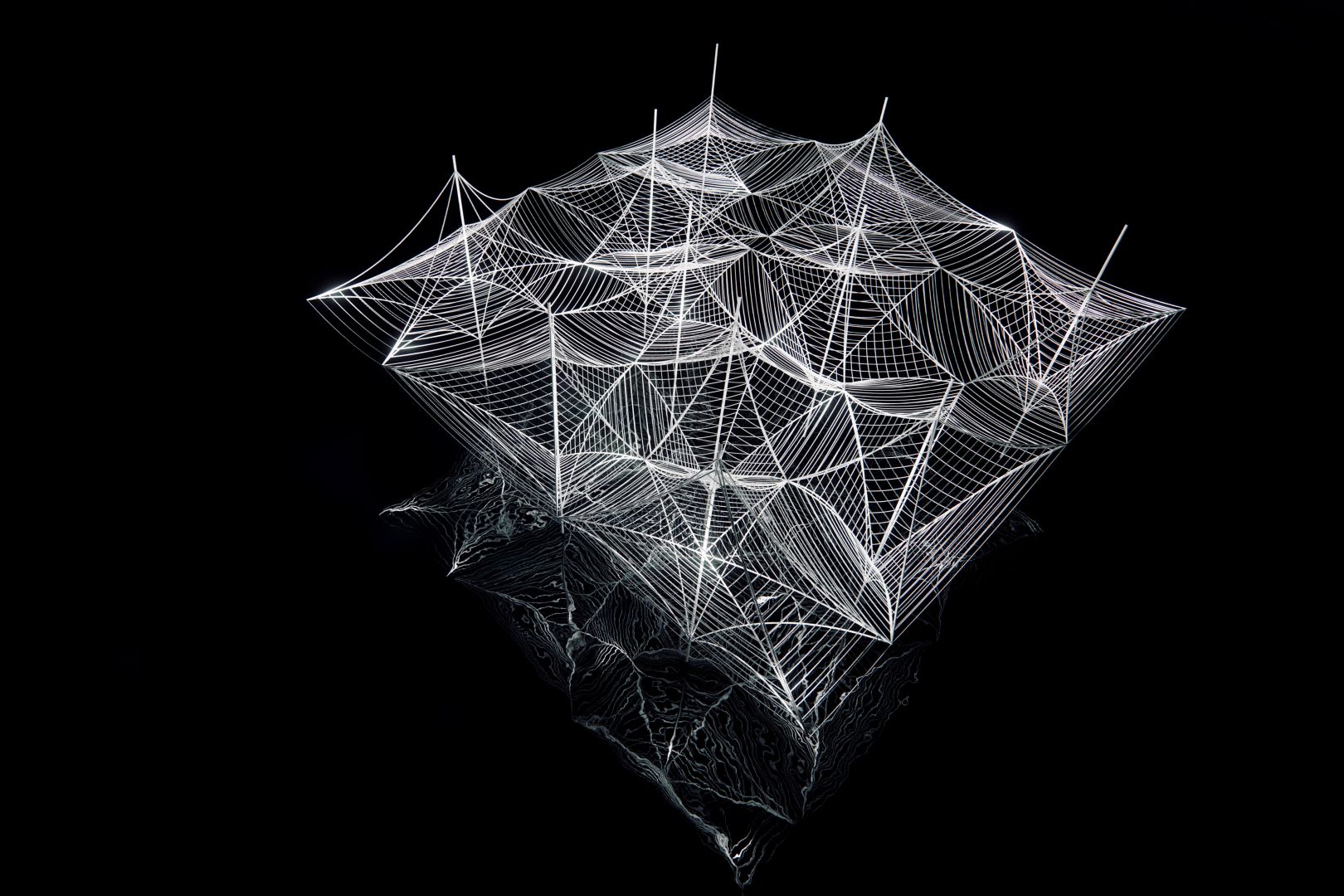
Let’s say your best friend was visiting the area and you wanted to show them the best time ever. Where would you take them? Give us a little itinerary – say it was a week long trip, where would you eat, drink, visit, hang out, etc.
For art and culture, I would definitely recommend the Noguchi Museum and Amant Museum. While they may not be the most famous among the multitude of renowned art museums and galleries in New York, they are two of my personal favorites. Both museums offer intimate, meditative indoor and outdoor garden spaces, exhibiting art ranging from paintings to sculptures. These spaces provide an aesthetically pleasing experience that is tranquil and meditative for all, not just for lovers of architecture and art. Their design, architectural language, and exhibits each have a unique style that sets them apart. When it comes to more recent popular attractions, the Gilder Center at the American Museum of Natural History, designed by Studio Gang, is a must-see. This architectural marvel, reminiscent of an ancient canyon sculpted over countless years by wind and water, is an intriguing site not only for architects but also for anyone interested in unique design. Given its recent surge in popularity, it might be a bit crowded though.
As for a spot to wind down with evening drinks, my secret favorite is 929LIC Bar. I love this place for its bespoke cocktails that you can only find here and the music that pays tribute to post-80s Chinese Pop. It’s a hidden gem that offers a unique taste of the city’s nightlife. 
The Shoutout series is all about recognizing that our success and where we are in life is at least somewhat thanks to the efforts, support, mentorship, love and encouragement of others. So is there someone that you want to dedicate your shoutout to?
My parents without doubt. At each crossroad in my life, they have provided me with unwavering support and assistance. I was a rather rebellious child; at the age of 12, I wished to study in a boarding school in another city. At 18, upon seeing the year-end exhibition of UCL’s architecture department, I desired to study architecture in London, even though no one in our family had studied abroad. Post-graduation, I moved to the United States to experience a different system of architectural education. Each step was somewhat tumultuous.
In the environment I was in as a child, it was common for parents to make significant life decisions for their children. I am grateful that my parents respected my opinions in every decision concerning me from a young age. They trusted my ability to handle every choice responsibly. I believe this trust significantly contributed to my development of an independent personality, instilling in me a strong sense of curiosity and confidence in a myriad of circumstances.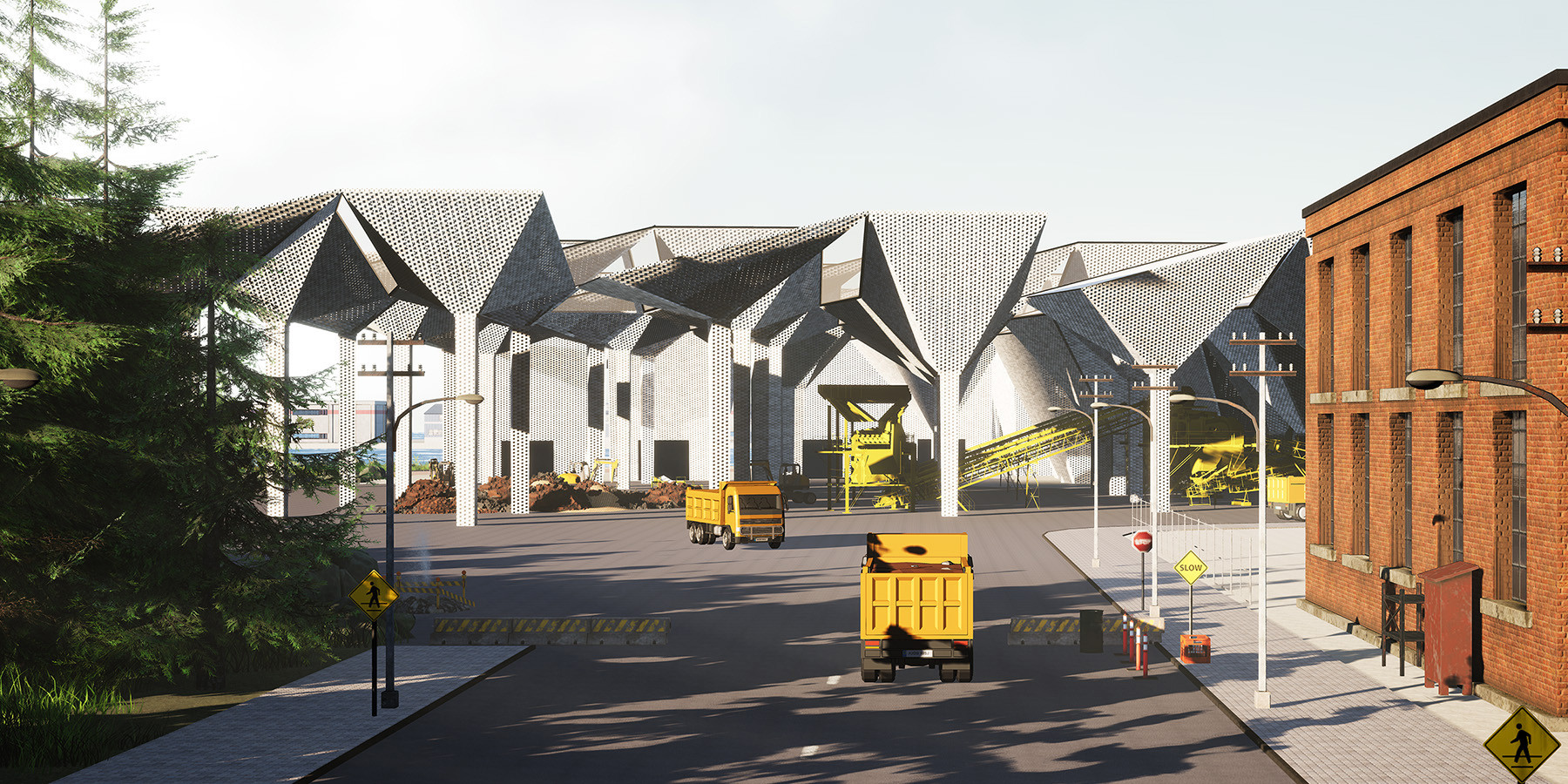
Website: www.wenyaliu.com
Linkedin: https://www.linkedin.com/in/wenya-liu-618619217
Image Credits
Wenya Liu


