Meet Nick Crooks | Physical Therapist & Educator
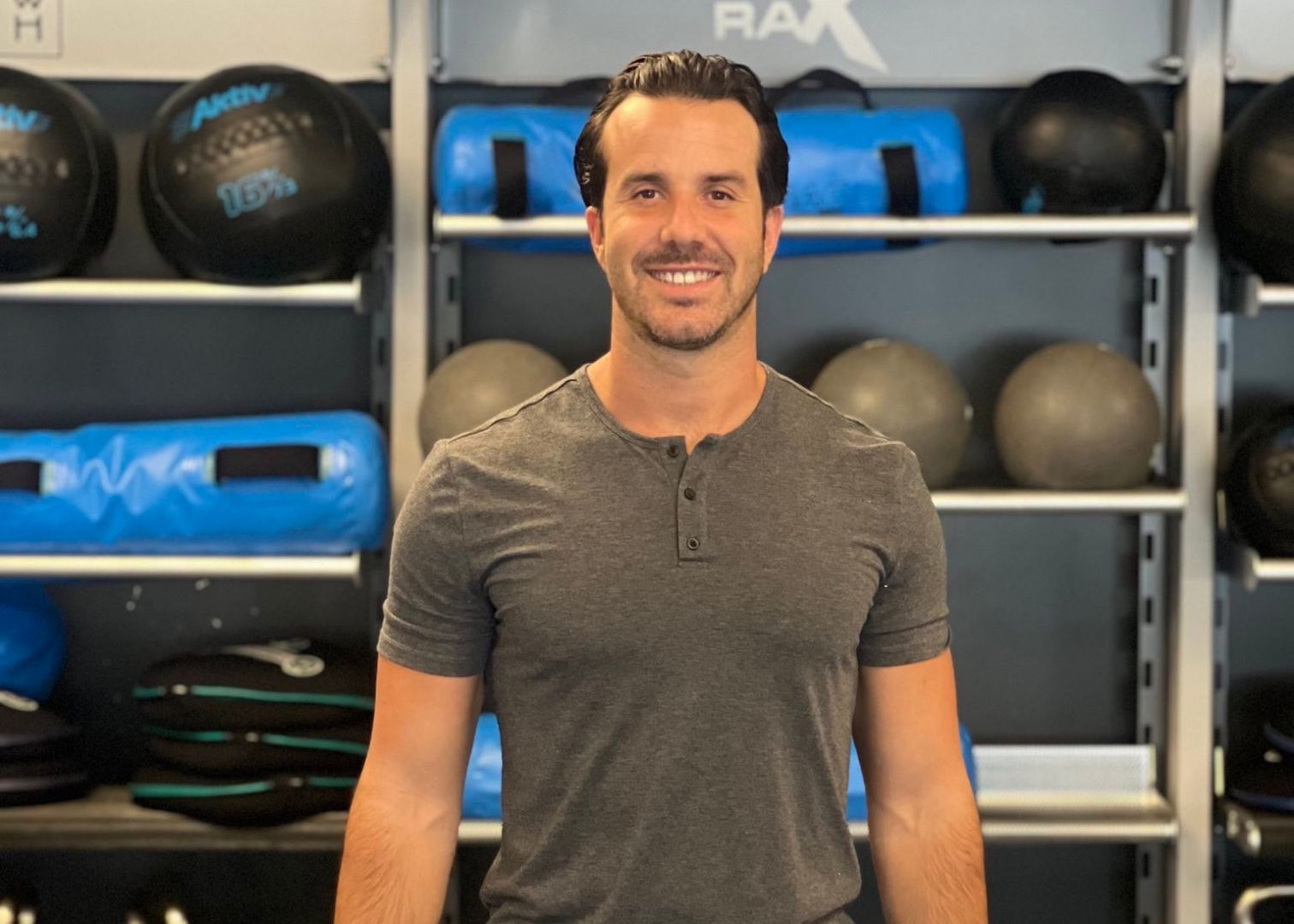


We had the good fortune of connecting with Nick Crooks and we’ve shared our conversation below.
Hi Nick, can you walk us through the thought-process of starting your business?
Growing up, I was quite athletic. Being very competitive in sports, I suffered multiple injuries. This gave me my first introduction to physical therapy. Even as a teenager, I remember thinking that there had to be better methods of therapy than what I was being prescribed, as the results from treatment were often marginal. My burgeoning baseball career ended prematurely due to an ongoing shoulder injury that was never properly treated and rehabilitated. This gave me a lot of empathy for other young athletes and inspired me to dedicate myself to preventing others from having to go through this kind of experience and suffering from the possible complications of surgery.
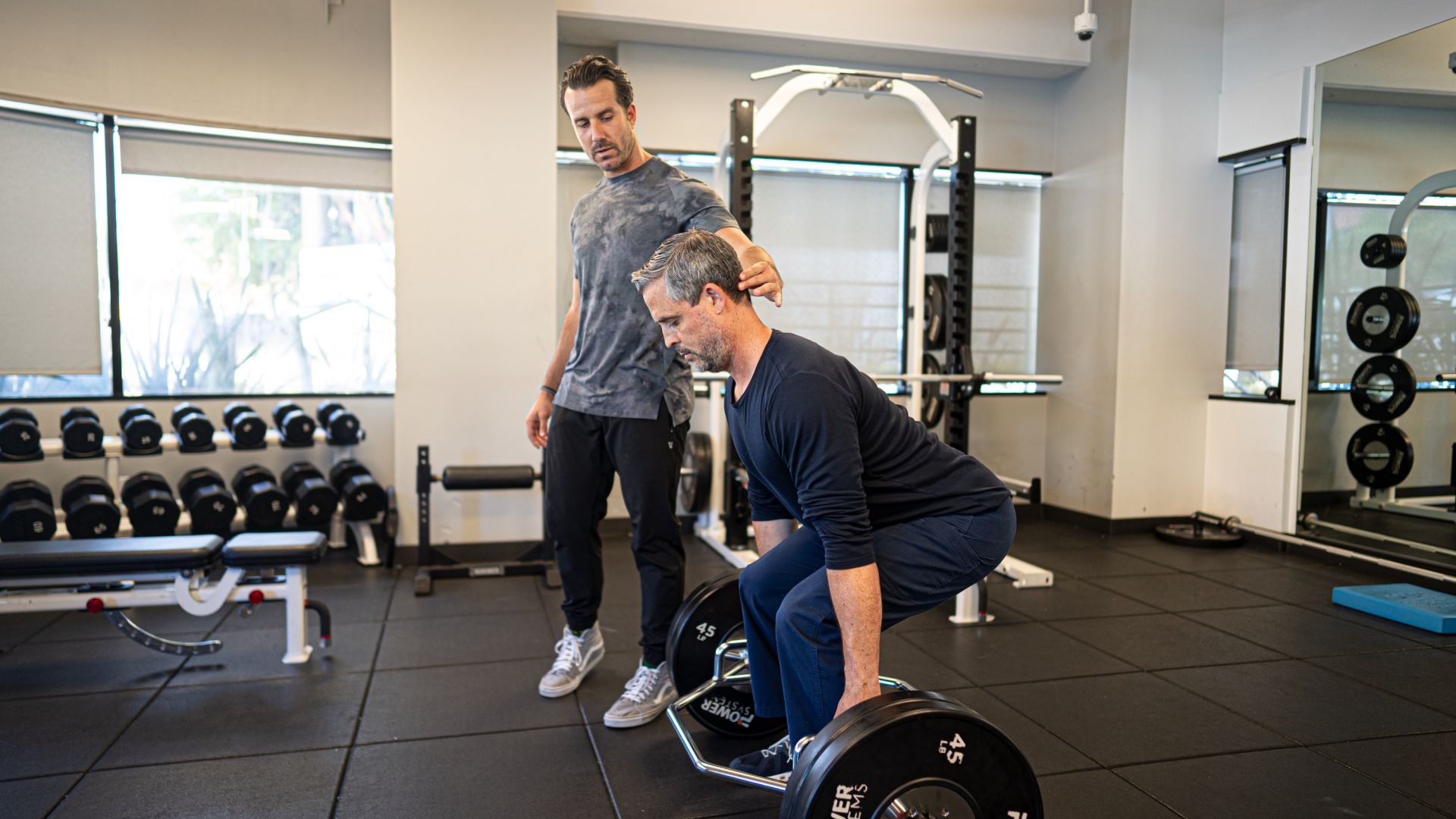
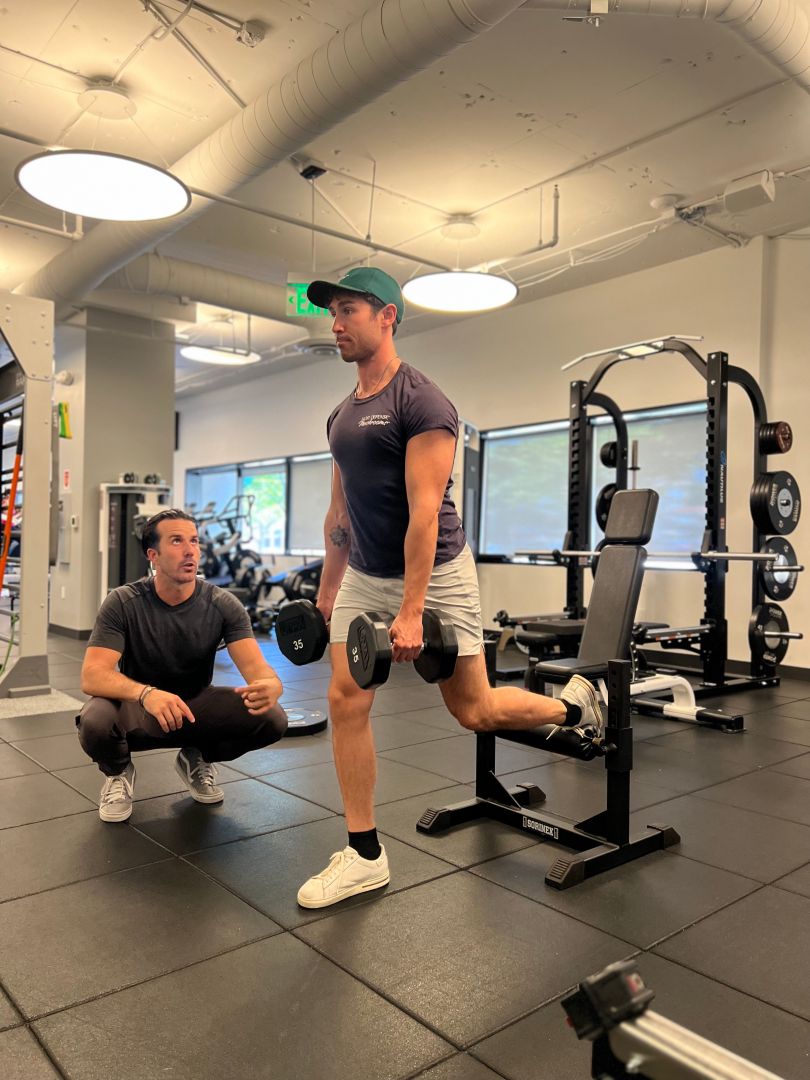
In addition to sports, I loved working out and training the body in general. However, I noticed a big disconnect between traditional weight training and physical therapy that didn’t make sense to me. The goal for both athletic training and rehab are essentially the same. Both should strive to optimize mobility, strength and physical performance. Training to prevent injuries or rehabilitate injuries share the same essential principles. Repeatedly seeing this disconnect in other physical therapy clinics, I was motivated to bridge the gap. I feel that physical therapy should be equally relatable to athletes and non-athletic patients alike. Physical training should have practical applications not only to athletes but also people engaged in regular daily activities, like lifting groceries, picking up and carrying the kids, or even walking up and down stairs.
My mission going into college was to dedicate myself to the education and application of human health and performance. After College (undergrad), I began working as a strength and conditioning coach. While I was particularly interested in high performing athletes, I realized the positive impact I could have on weekend-warriors and the general public. I was ultimately able to combine my experience and insights as a strength and conditioning coach with my Physical Therapy training to offer a more comprehensive service.
There was one more incidence that really impacted my approach to working with clients and patients. Right before entering the Physical Therapy doctorate program, I tore my ACL playing hockey. I had to get surgery, and it was the rehabilitation process after that which greatly impacted my perspective on physical therapy. Prior to this I really hadn’t considered much the mind-body connection. Dealing with the psychological impact of this kind of injury, and the surgery that followed, really opened my eyes. Having to relearn simple tasks, like walking, was confronting and challenging. As a result, I came to recognize that it is not just “physical” therapy that I’m doing but facilitating healing in a more holistic sense, including the emotional and psychological aspects as well. I’m working with and treating a whole person, not just a body part or symptoms. Many people don’t realize the impact their state of mind has on the body, and I think it’s important to help people understand the connection. I ended up developing my own rehab program. While this was difficult at the time, it gave me a much greater degree of confidence entering Physical Therapy school, and kept me mindful of the skills I would need to develop to be an effective therapist.
After graduating Physical Therapy school, I spent the following year working out of two facilities to increase my experience. After experiencing the standard physical therapy model of 4-5 patients per hour, spending 10-15 minutes tops with patients then passing them off to an aide, I knew the time was approaching where I would have to take the leap and start working outside of such an ineffective model. About a year after graduating, I had the opportunity to start working in a more holistic and integrative facility. This allowed me to practice more authentically as I see physical therapy, and allowed me to develop and refine a service that finally bridges the gap between rehabilitation and optimal performance. My model of care isn’t just about doing rehab and training as a separate activity from day-to-day life. It’s about approaching health and fitness as a lifestyle. Working with my patients is really a collaborative effort. This leads to lasting relationships that are built around the idea that once I help them recover from an initial injury, I can stay with them to be a guide and support as they continue to work towards and maintain optimal movement ability, and general wellbeing.
What should our readers know about your business?
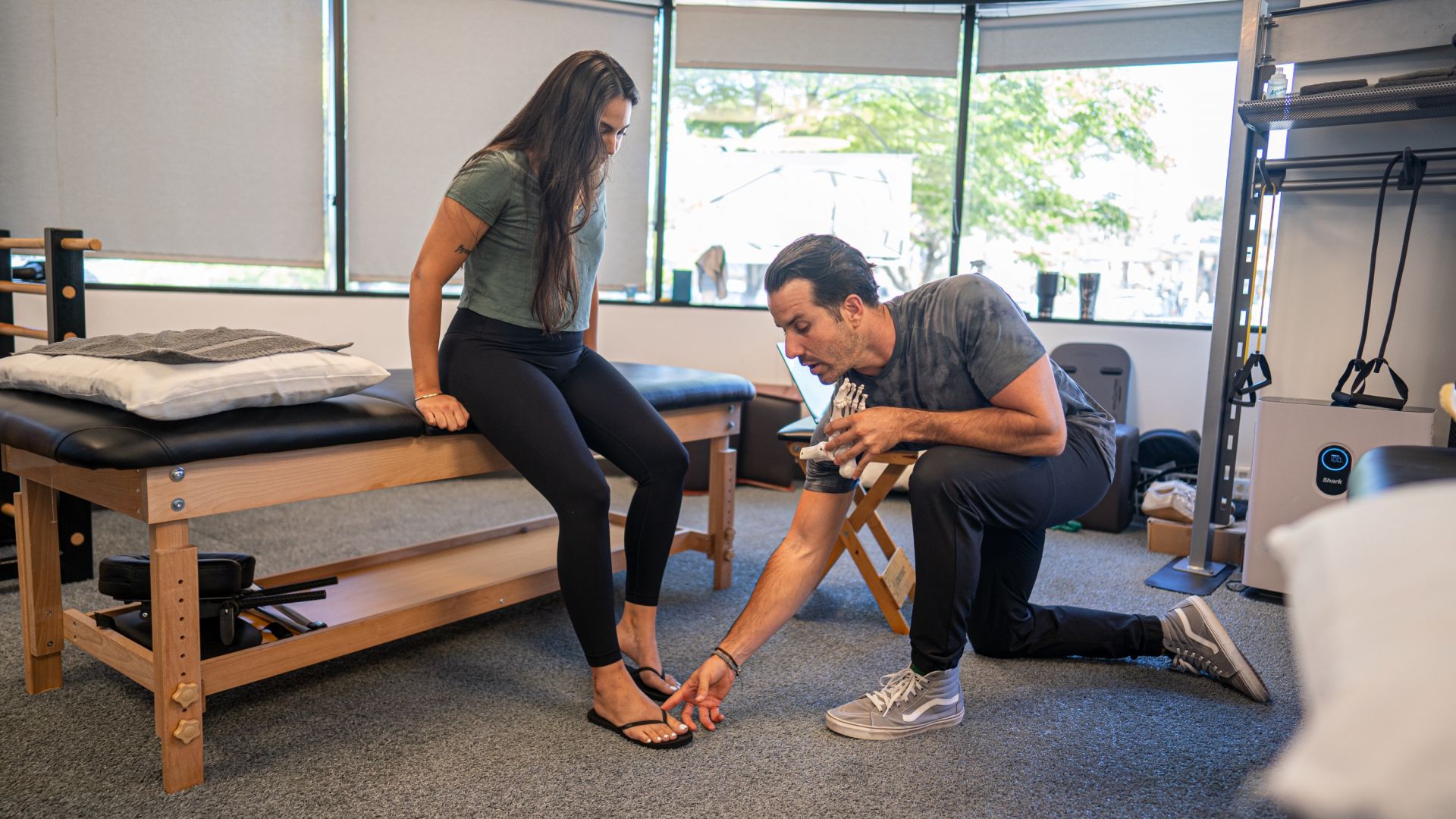
My business is based on treating people, not just symptoms. The current physical therapy model is broken in my opinion. Individuals are being treated solely on a medical diagnosis that describes a set of symptoms, and insufficient time is given for effective treatment. This industrialized system of therapy is just reactive and ignores the root cause of a problem. It also fails to address lifestyle factors such as nutrition, sleep, stress management, and emotional wellbeing that can affect healing and recovery. A good, holistic rehabilitation program can play a larger, and more effective role in the healing and recovery process if it addresses the whole person and not just a body part. My philosophy is that in order to help someone heal, the mind and body must be in-sync. In order to understand the person in front of you, you need to not only ask the right questions but then also really listen. You can learn some of the most valuable diagnostic information just by listening to a patient. What they say, the choice of words, and the way they say something can be very informative in ultimately helping them. If you only address the body and ignore the psychological and emotional component, you are leaving out a significant piece of the healing and recovery process. You can’t help someone heal without getting to know them beyond the location of their pain or their range of motion measurements.
An example of this mind-body paradigm in physical therapy could be that if someone is going through a period of increased stress, this can lead to short and shallow breathing, which in turn contributes to increased neck and shoulder tension and pain. The current model of physical therapy would treat the neck or shoulder in isolation of the whole, without addressing the root cause, which is the dysfunctional breathing and inability calm the nervous system. In addition to addressing their breathing, there can also be dietary factors that increase the release of stress hormones and exacerbate inflammation, and thus pain.
Due to the current fragmented and industrialized model of health care, the standard physical therapy model can leave a person feeling lost and out of control of their body. This can lead to general hopelessness and a sense of powerlessness. I believe people can largely heal themselves when given the right tools, knowledge, and some support. Instead of leaving a session feeling broken and powerless, I like to have patients end a session feeling empowered and confident that they can and will heal. I see a lot of my job as being an educator. Learning new skills for anyone takes time. It is this important detail that is missing from clinics who have unfortunately become slaves to the insurance companies, who may only pay the provider for 15-minutes of their time. I always strive to provide the patient with the time and attention they need and deserve so that sessions are more productive and helpful.
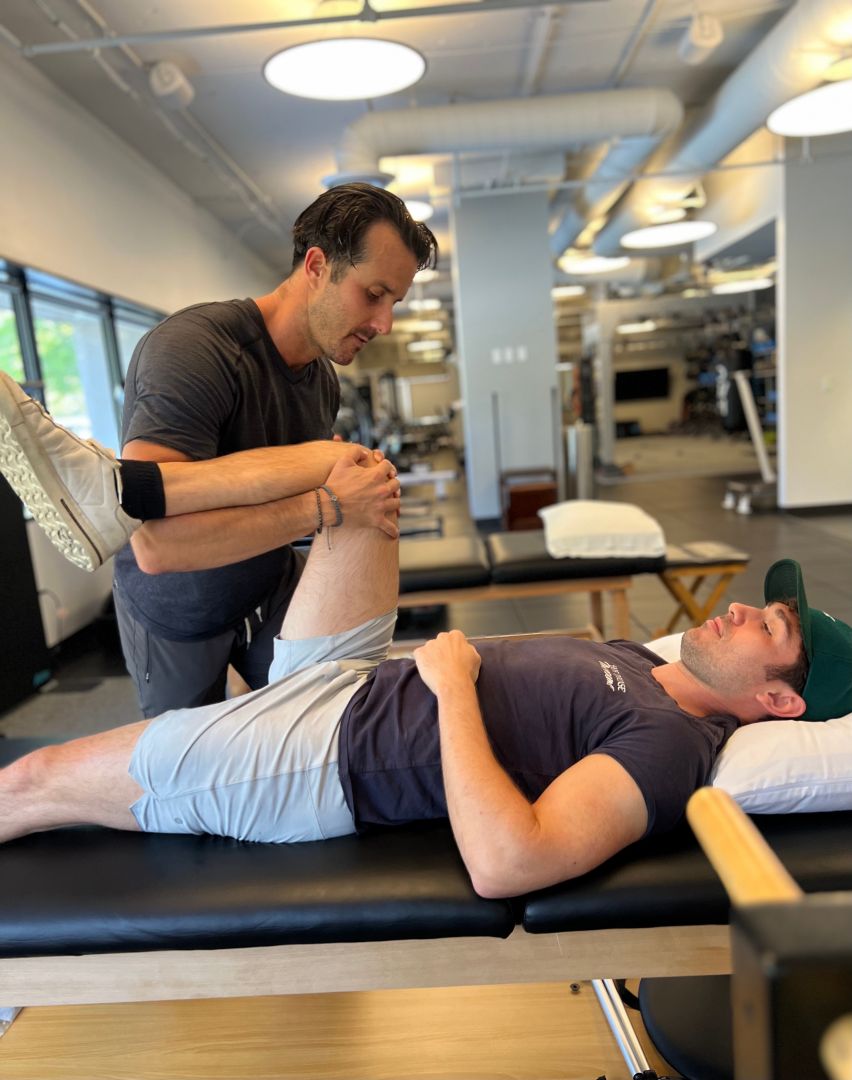
A general initial session for me involves an intake that factors in not only the chief, physical complaint but also lifestyle habits and activities. This provides me with greater insight into the possible causes of their injury and pain. An intake includes questions pertaining to occupation, personal interests, current physical activity regiment, nutritional habits, sleep habits, questions relating to stress management and goals & expectations of physical therapy. After I get a good sense of the person who has come to me for help, I transition to assessing the body. This involves movement & postural analysis, followed by joint range of motion and strength assessments. Because posture and stress often contribute to a patient’s pain, I generally find it necessary to educate them on posture and breathing patterns during the first session. This work continues through sessions thereafter, because changing old patterns takes time and repetition.
Life is a long journey, and it rarely happens in a straight line, so being able to move through life without injuries and pain is such an important part of being able to enjoy the journey. The state of mind can impact the body and posture and vice versa, so helping people stand up tall, feel a sense of strength and balance, and to be able to move with integrity can give them a useful foundation for enjoying and getting the most out of their life. I love being a part of that journey for someone.
Operating my own business and not having to work for someone else has been a long dream of mine. While it’s been a lot of hard work, stressful and scary at times, it has ultimately been worth it to end up with a career that I am passionate about. Working for myself also gives me the ability to practice in a way that is aligned with my values. I can treat my patients the way I would like to be treated if roles were reversed, or the way I would like a member of my own family to be treated if they ever needed a good physical therapist.
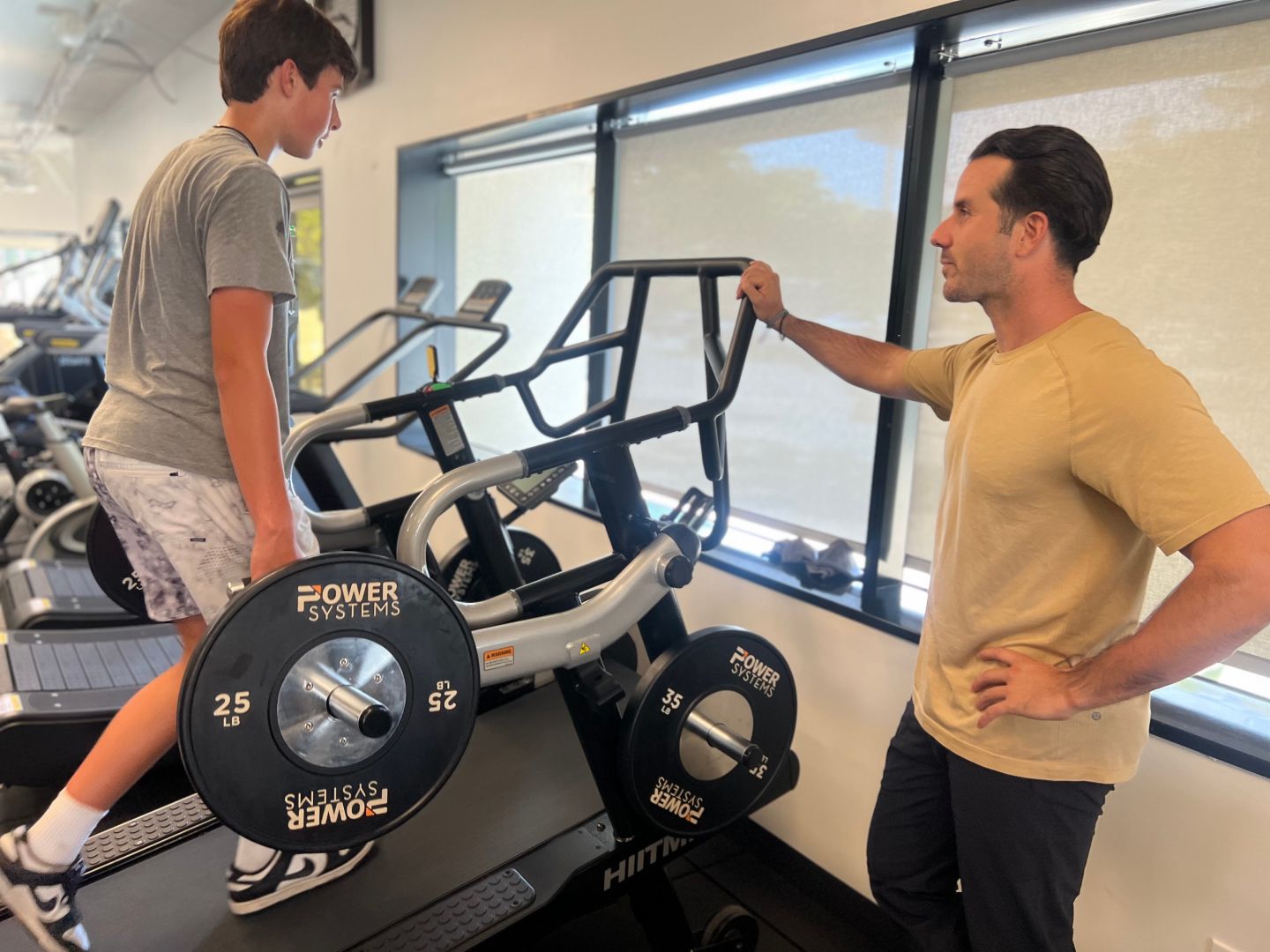
One of the best parts of my work is the relationships I get to build and the journeys I get to go on with people. Whether I am helping a patient get through their pregnancy, working with a young athlete to rehab them in time for tryouts, or helping someone pursue their passion for golf or running without pain, you really go on a journey with your patients. While I started off wanting to work with athletes, I realize that everyone is an athlete playing in their game of life. Helping someone to be able to pick up their kids without putting their back out, or working with someone elderly to feel more steady and confident walking up-stairs is as rewarding as working with professional athletes. Ultimately it is about being able to help someone along their own life journey. The principles of human movement apply equally to athletes and non-athletes alike. Getting to know my patients and become a part of their life has enriched my own life in ways I would not have imagined when I first decided to do this as a profession.
If you had a friend visiting you, what are some of the local spots you’d want to take them around to?
We would definitely start the morning with a workout at Ozar Wellness House, which is the space I run my business out of. From there, we would head up to Malibu, get some Sunlife Organics before some beach time. Matcha Goddess is my go-to smoothie. Next up would be Broadstreet Oyster Co. for their lobster rolls and walk around the shops. Dinner would be at OSPI in Venice, which has one of those menus where you just can’t go wrong.
I enjoy hiking and playing golf, so depending on the visitor we’d hit up a hike at Tesmescal Canyon or play a round of golf at Griffith Park. For lunch, we would go to Terra at Eataly which has a nice rooftop environment, good vibes and good food! We’d follow that up with a trip to the Getty Museum. Given multiple nights, there is no shortage of great restaurants. Some of my other favorites are Bavel, Bestia, Felix, Osteria Mozza and Matu.
Shoutout is all about shouting out others who you feel deserve additional recognition and exposure. Who would you like to shoutout?
A big shoutout goes to my first mentor Aaron Hague for the extensive knowledge and work ethics that he instilled in me when I first got into the industry. I spent 5 months working and studying with him after graduating College. It was unpaid, and I put in about 60-hours a week, but it gave me a great foundation that I think was critical in my own evolution as a physical therapist. Although Aaron advertised himself as a strength coach, he was much more than that. He provided me with an incredible education on the human body, going into much greater depth and detail than anything I had been exposed to before.
In addition to teaching me a completely different perspective on training, he also introduced me to the importance of nutrition in training and rehabilitation. It was while working alongside Aaron when I really began to understand that wellness and human performance is much more than just exercising. He connected me with a host of additional educational material to help me continue my professional training and also personal development. This is a key point as to why I am so grateful to Aaron. He not only helped me professionally, but also inspired me in my own personal character development. He taught me a lot about work ethic and having a growth mindset. I learned that hard work could help me overcome any other limitations I felt I had at the time. My good friend Corey Walsh set it up for me, so I owe him a debt of gratitude as well.
I want to thank Eric Ordorica and Mike O’Donnell for both the academic and professional support that gave me. And lastly, through this whole journey, I was fortunate to have the support of my family and friends, who helped me get through the long and often exhausting days of work and study as I pursued my goals.
Instagram: ncrooks.dpt
Other: Tik Tok: ncrooks.dpt Email: ncrooks.dpt@gmail.com
Image Credits
Miguel Felix


