Meet Jie Chen | (3D) Fashion Designer & Visual Artist
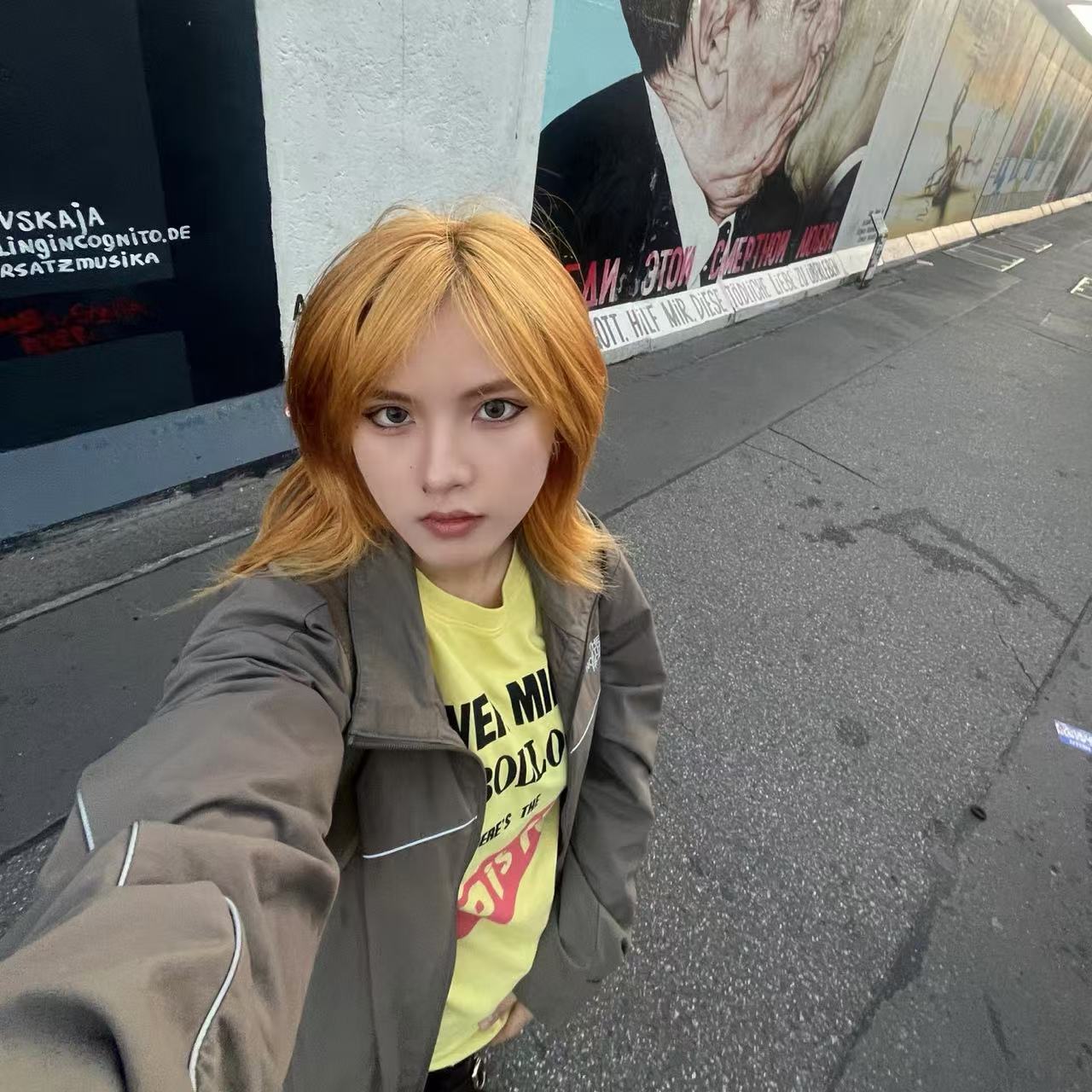


We had the good fortune of connecting with Jie Chen and we’ve shared our conversation below.
Hi Jie, why did you decide to pursue a creative path?
I believe the essence of life is creation—our lives are, in themselves, a work of art. It takes creativity to navigate every step, shaping who we are and where we go. For me, art is a way to discover and define myself; through it, I see who I am and who I can become.
My artistic journey began as a child when I started sketching on my parents’ notebooks and the blank pages of calendars. I would often doodle in my academic books and on scraps of paper, finding joy in expressing myself visually. However, during secondary school, I drifted away from art due to the demands of a heavy academic workload. That period was challenging—I felt pressured, misunderstood, and disconnected.
It was during this time of stress and isolation that I returned to art. Art became my refuge, offering a portal for escape and a profound sense of relief. Through creating, I realized that my anxiety and insecurity stemmed from being distanced from what made me feel whole. That pivotal moment solidified my resolve to pursue an artistic and creative career.
For me, the act of creating is more than a profession; it’s a source of safety and comfort. When I’m immersed in art and the creative process, I feel grounded and truly myself. Art isn’t just what I do—it’s who I am.
Can you open up a bit about your work and career? We’re big fans and we’d love for our community to learn more about your work.
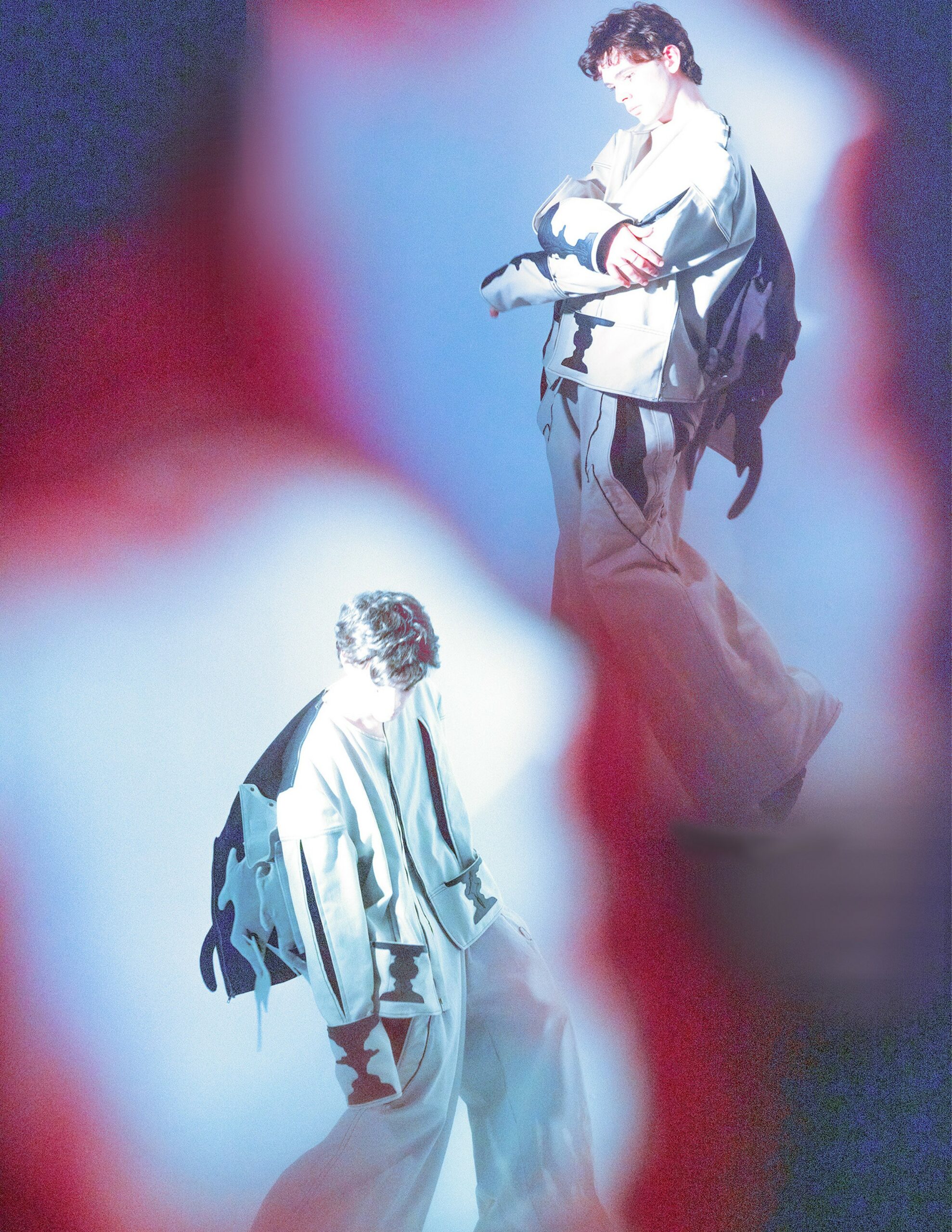
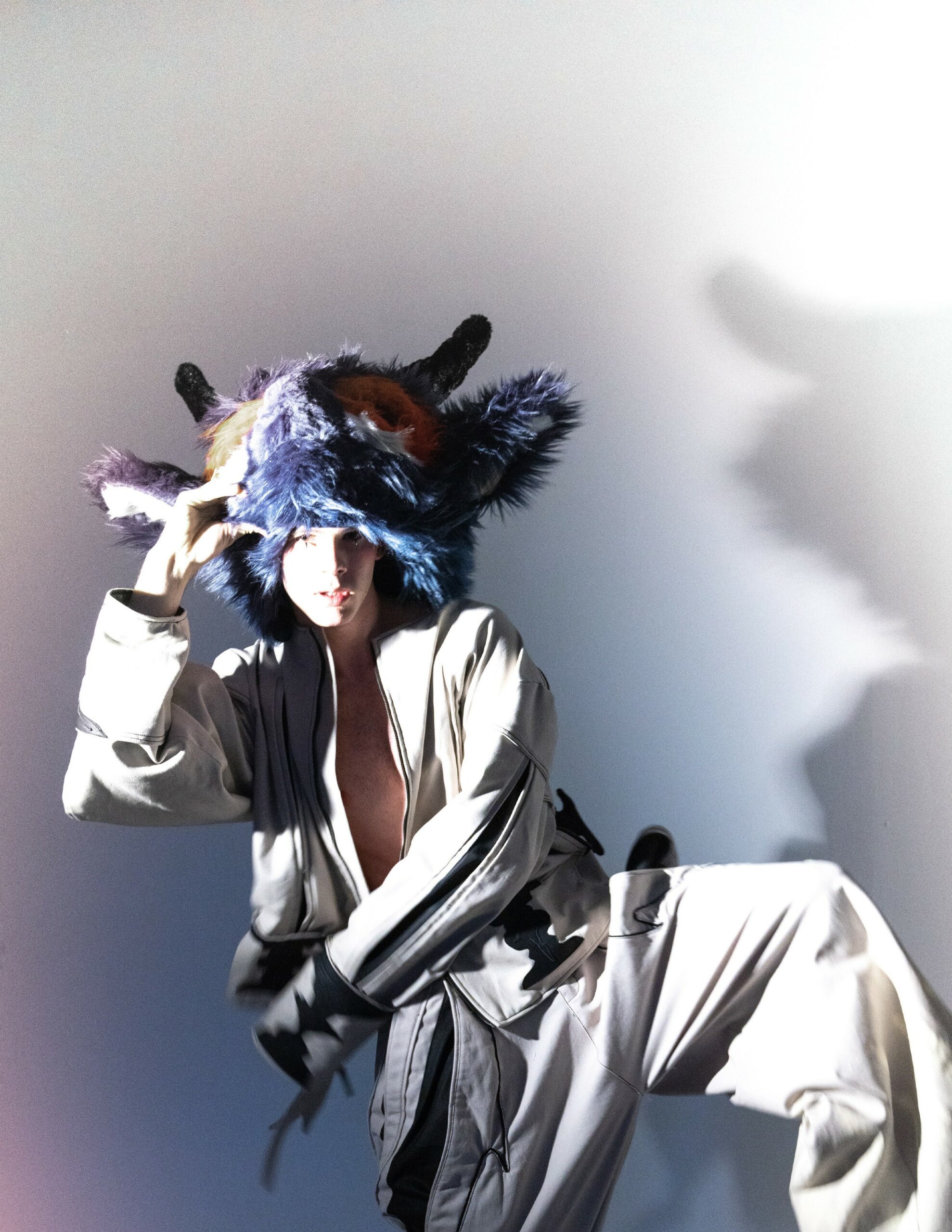
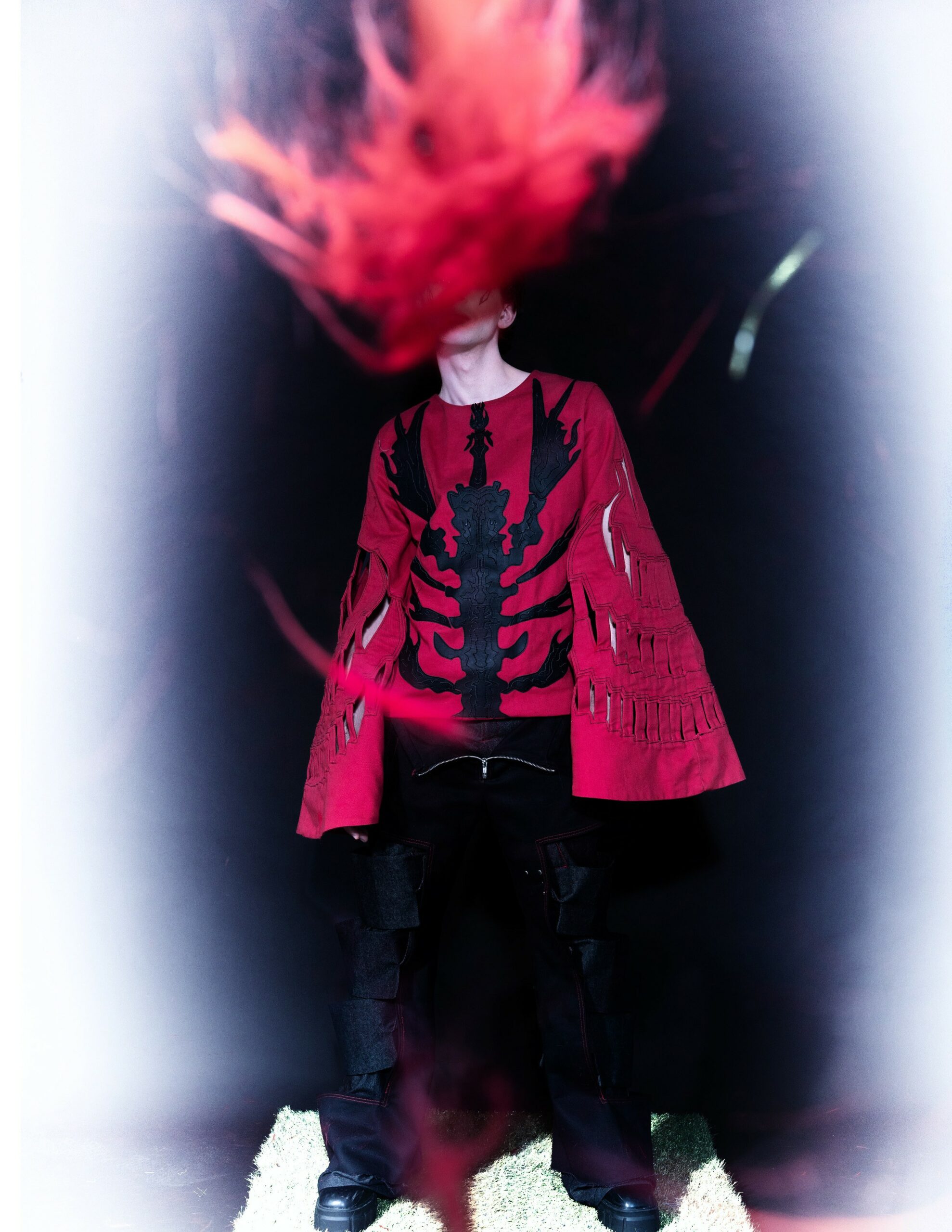
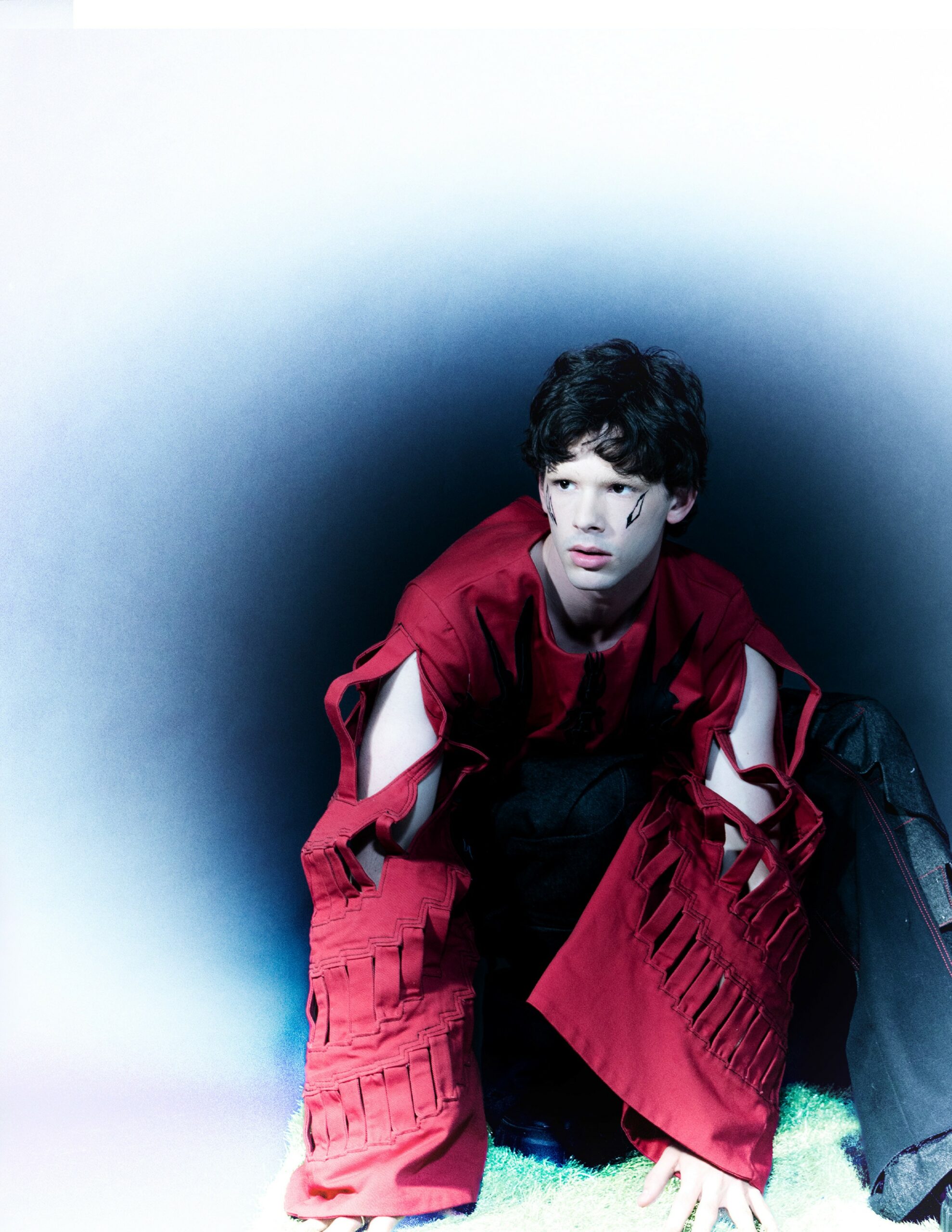
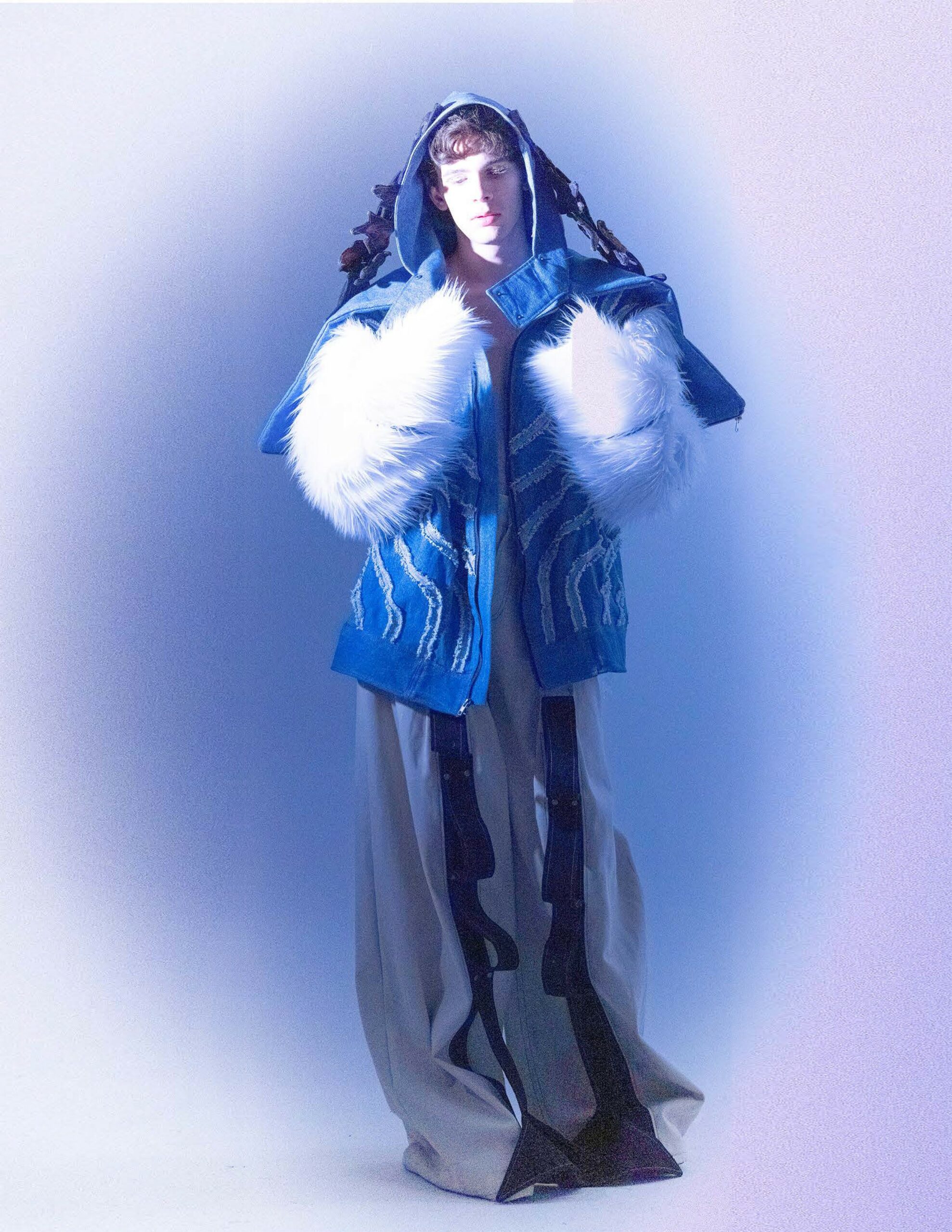
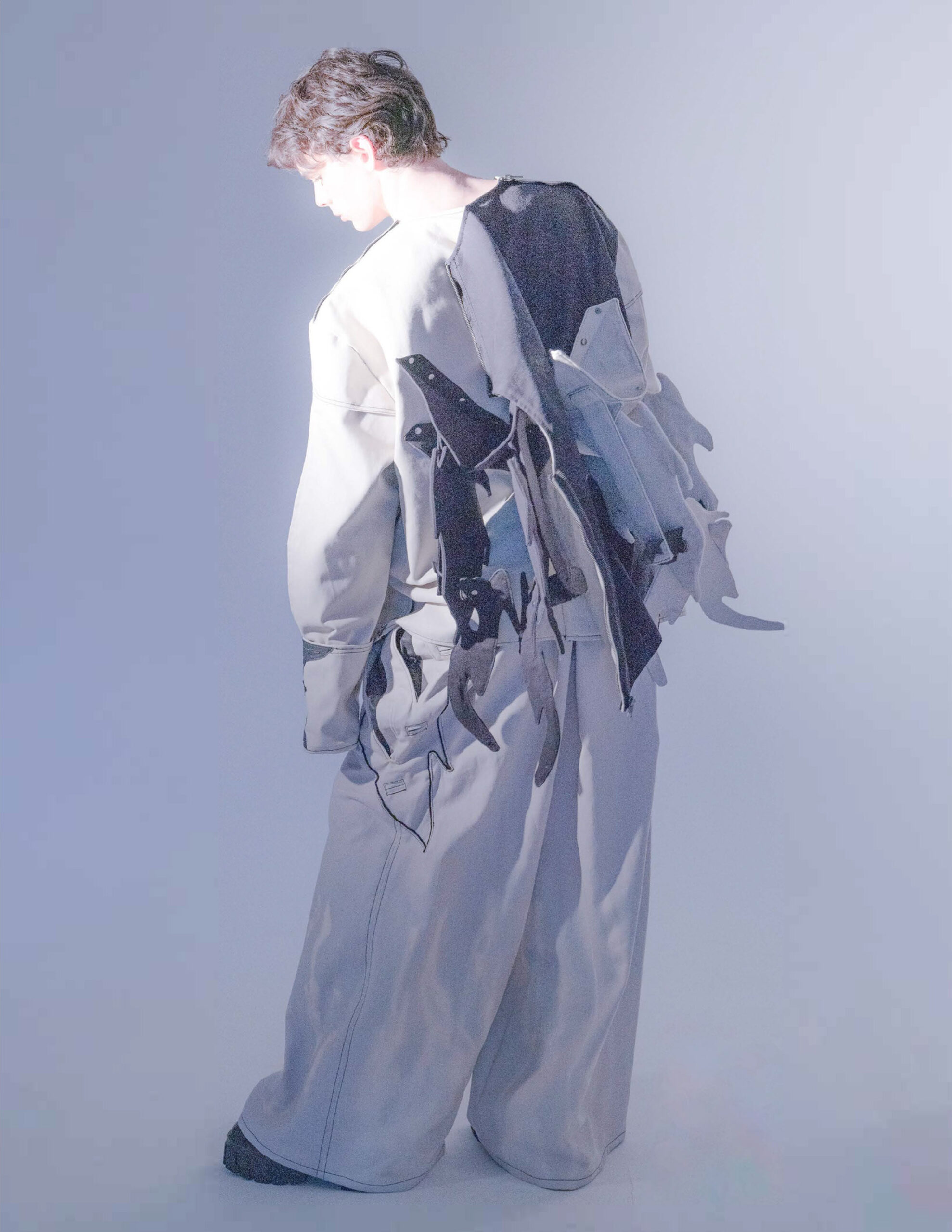
My art revolves around fantasy and storytelling. I’ve always been drawn to fantasy narratives and the interplay between the virtual and the real, exploring their tension and connections. Through art, I find the best way to bring these visions to life. My creative process begins with a concept, followed by story-building, then developing a series of artworks that illustrate the narrative. This eventually leads to fashion design, where I translate the story into functional and wearable pieces. From storytelling to graphics to physical garments, this progression defines my artistic practice.
I also challenge myself to experiment with new mediums during each creative phase. For example, alongside one of my fashion collections, I created a pop-up book to complement my graphics and designs. In another project, I developed a video game and a digital gallery to accompany my collection. Learning new techniques and creating unique experiences excites me and keeps my work dynamic. I believe this cross-genre, interdisciplinary approach sets me apart from other artists, as I’m passionate about finding meaningful connections between different art forms.
Of course, there are challenging times when self-doubt creeps in. Moments of questioning—“Am I good enough?”—can feel overwhelming. When this happens, I find it helpful to reflect on past accomplishments, to recognize what I have achieved rather than focusing on what I haven’t. Talking with fellow artists is also incredibly reassuring. I’ve realized that many of us share similar struggles, from questioning our talent to wondering if pursuing a creative path was the right choice.
The truth is, imposter syndrome is something most artists experience at some point. Knowing this has helped me feel less isolated in my doubts. Acknowledging that I’m not alone in these feelings has significantly reduced my anxiety and strengthened my confidence in myself and my work.
Let’s say your best friend was visiting the area and you wanted to show them the best time ever. Where would you take them? Give us a little itinerary – say it was a week long trip, where would you eat, drink, visit, hang out, etc.
If I were hosting friends, I’d start by taking them to the local attractions, giving them a chance to capture photos and mark their pins around the city. This, I believe, is an essential ritual for all tourists, and exploring these key spots would likely take two days.
Next, I’d take them to visit the city’s galleries and museums. These are not only vital for understanding the local history and artistic culture, but they’re also places I personally enjoy revisiting. It would be a wonderful opportunity to appreciate the exhibits together as both host and guest.
As a foodie, I’d dedicate a day to exploring the local food markets. Sampling authentic street food is, in my opinion, the best way to experience a place’s culinary culture—often even better than dining in restaurants. It’s a vibrant and flavorful way to immerse oneself in the essence of the city.
After a few action-packed days, I’d plan a more relaxed day. This would be a chance to rest, stroll aimlessly through the streets, and take in the city’s ambiance without a fixed itinerary. It’s a refreshing way to balance out the trip’s pace.
For the last two days, I’d take my friends to the suburbs, where they can experience the natural beauty of lakes and mountains. This retreat from the urban environment would offer a perfect opportunity to recharge and enjoy nature’s therapeutic effect—a serene conclusion to an exciting visit.
Who else deserves some credit and recognition?
I want to give a heartfelt shoutout to the book Siddhartha by Hermann Hesse. I read it during a time when I was deeply anxious about growing older and feeling a sense of “nothingness.” I constantly worried that my achievements and skills didn’t measure up to those of other young artists, leaving me feeling left behind and fragile.
Reading this book was transformative. It taught me that time is merely an artificial concept—it cannot define who you are or separate you into past, present, and future. All we truly have is the present, and the present is everything.
I realized that regrets about the past—the “should-haves,” like working harder or learning earlier—no longer hold power when life is viewed through the lens of the present moment. The present is always the best time to start anew. Similarly, my anxieties about the future—the goals I hope to achieve, the skills I want to master, the artworks I strive to perfect—also began to fade. These concerns don’t exist in the here and now; they are projections that only distract from the fullness of the present.
The philosophy in Siddhartha freed me from the mental trap of time and helped me let go of the anxieties tied to it. It reshaped my mindset, fostering a healthier and more grounded approach to my creative life. By embracing the present as the ultimate reality, I’ve found clarity, peace, and renewed inspiration in my artistic journey.
Website: https://chenj845.wixsite.com/my-site
Instagram: _j1015c
Linkedin: https://www.linkedin.com/in/jie-chen1015/

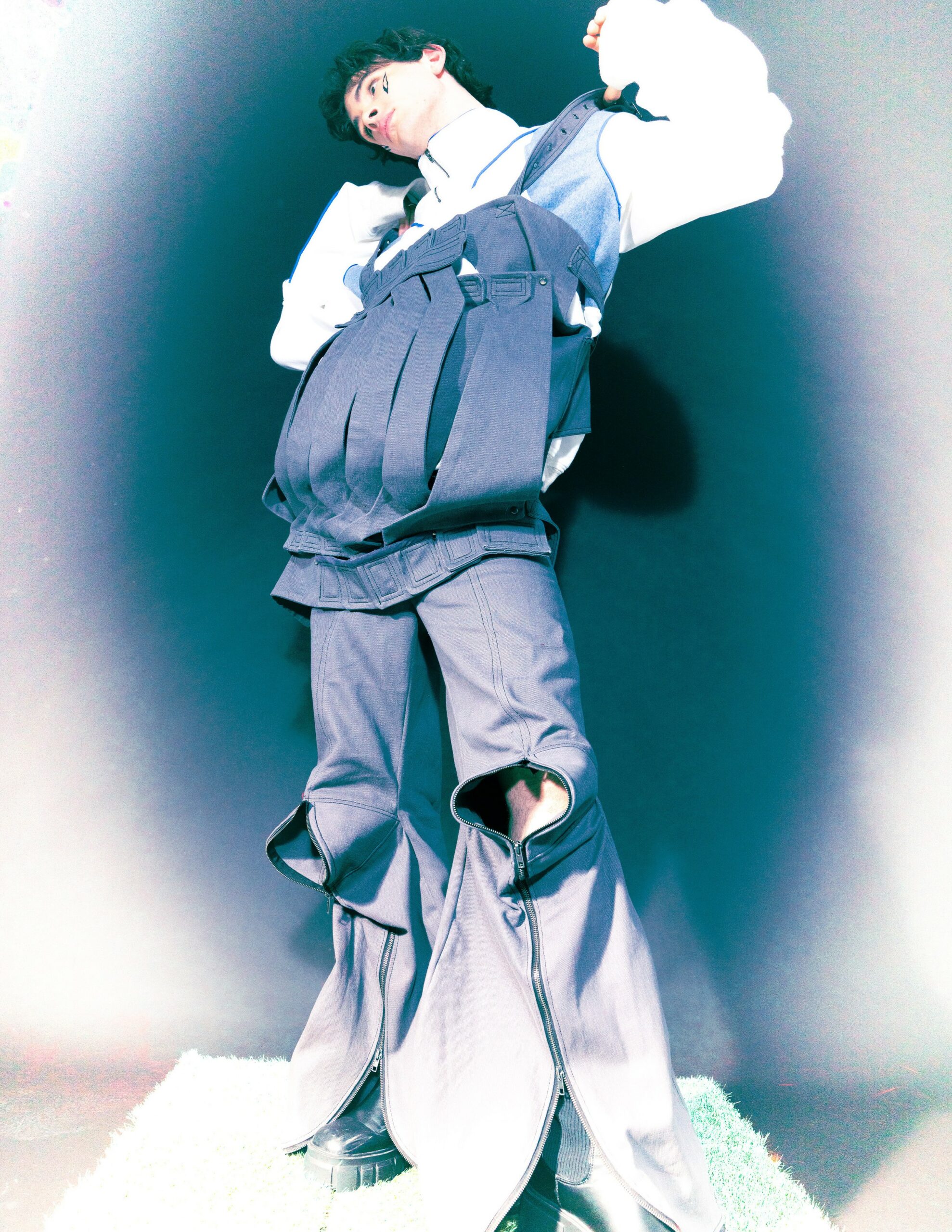
Image Credits
Creative Director/Fashion Design/Retoucher: Jie Chen
Photographer: Yichen Zhou
Makeup Artist: Shu
Model: Michael Hazard


