Meet Naledi Chai


We had the good fortune of connecting with Naledi Chai and we’ve shared our conversation below.
Hi naledi, how do you think about risk?
I believe risk is an important part of understanding pivoting and being able to let go ideas, designs, traditions and sometimes, people. Risk is a true reflection of ones intention and when you get yourself used to reflecting I guess the whole notion of risk tends to disappear and we’re starting to embrace failure as the grace and freedom to continue to make and create
Can you open up a bit about your work and career? We’re big fans and we’d love for our community to learn more about your work.
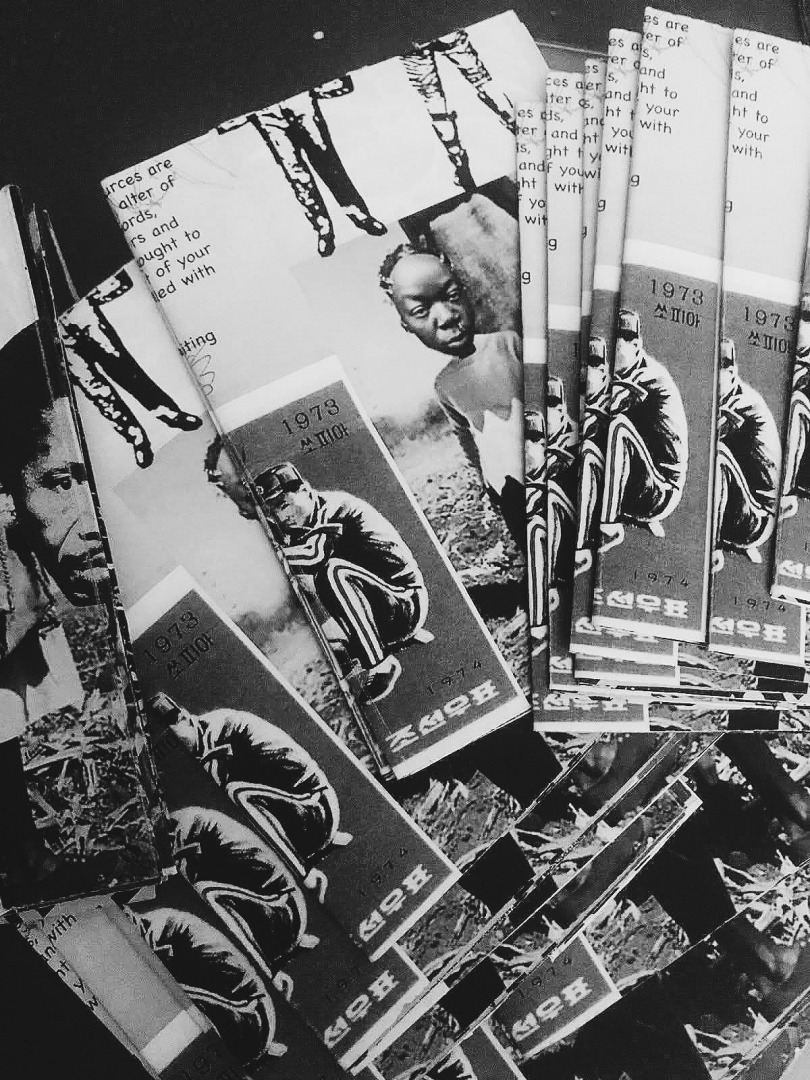
My work as a creative is really about the community and its people, their lives and our collective progress. I speak to and from my community across public art, and over the years have explored graffiti, DJ’ing and events, collaborating and creating works with and through collectives, independent publishing, sculpture and installation as a way to prototype multi sensory experiences for public spaces in the urban hold. I’m proud of the relationships I’ve built with people, the relationship I have with my town and how I am currently navigating modality through modernity and making work independently but also collaboratively for the last 20 years just kind of off of my own strength and the strength of the people in my community who want to better integrate the community in to our methods and processes as an artists and cultural practitioners to foster intergenerational engagements in todays workings and ways . I got to where I am today professionally by just being persistent and learning how to ask for things, which is something I struggled with for a long time and ive had to unlearn that through and for my work. I can’t make this work without the various collectives I form a part of, sharing ideas, workshopping works in progress, safe spaces for critique, collaborating, trying stuff out and failing and realizing and exploring the many ways to make life. It’s not easy but I already knew that it wouldn’t be. Rejection is never easy being told that your ideas are a little too big, too late, too far to be funded, it’s never easy but there’s value in things being difficult, there’s innovation and self discovery. Something I’d like the world to know about my work and my story is that it’s always rooted in the progress of the people and getting black people to a place where they’re, through the works of their hands, intelligible to themselves even if it means destroying the things, ideas, processes they’ve known all their lives.
If you had a friend visiting you, what are some of the local spots you’d want to take them around to?
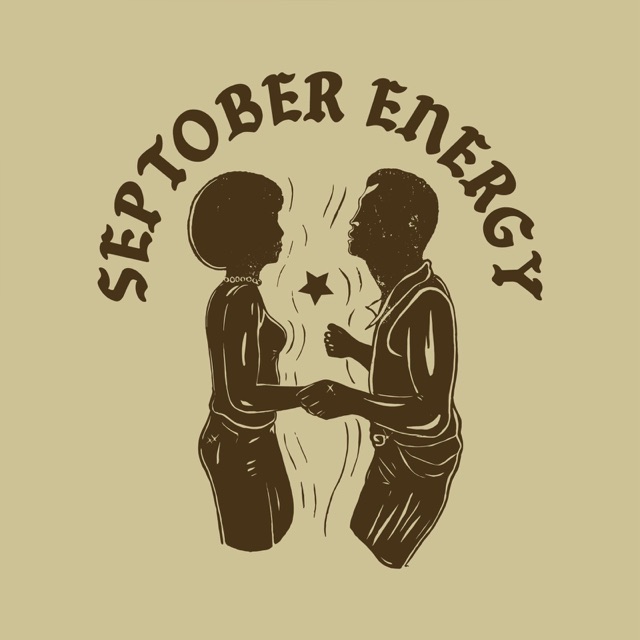
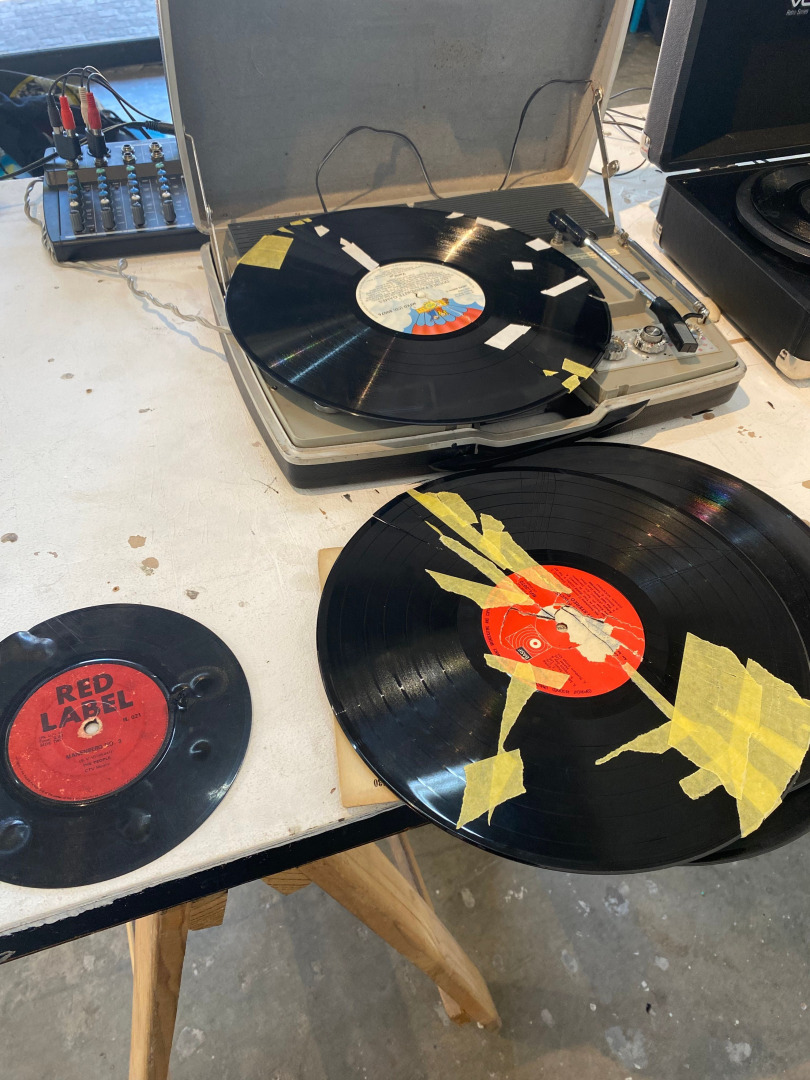
Septober Energy at the Afrikan Freedom Station is the first stop, of course! That’s an all love, all vinyl music, all night back-to-back party I curate alongside my friends and fellow artists, writers, musicians. I’m a deep inner city kid so we’d have to do the walk through Fordsburg for a cold press sugar cane juice and sweet meats cute meet after some Dosa Hut. My bestie is a big reader so we’d probably go see a public reading or book launch at The Forge. I’d take them to the JCAF for an immersive art walk. I’d take them for some live music. Soweto has a thriving punk scene, I think they’d absolutely love 21 children. They’re a band. I imagine a scorching summer so we’d have to find a good swimming pools and go dessert at a sweet cornery confection called De Baba in Melville, we’ll watch the Emmerentia Dam sunset and Pretty shortly after that though, we’ll get onto the N3 and drive towards Durban for Gqom!
Who else deserves some credit and recognition?
Fly Machine Projects, Septober Energy, Vusi Hlatywayo, Khanyisa Chai, Goethe Institut, The Forge, Afrikan Freedom Station, Jarred Parenzee, Xolisa Tshomela
Instagram: https://www.instagram.com/cu_xtremes/
Soundcloud: https://soundcloud.com/pillow_man315
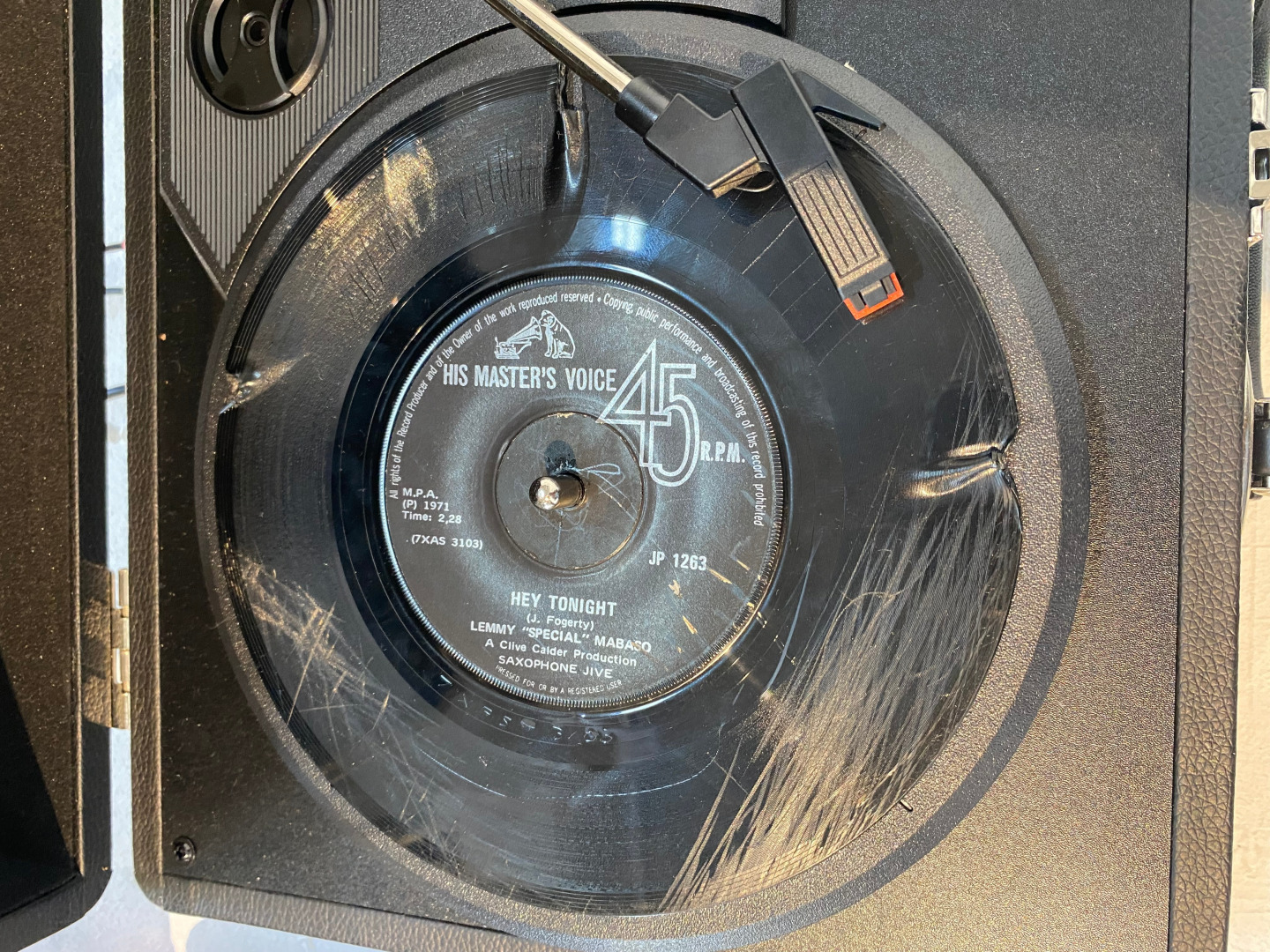
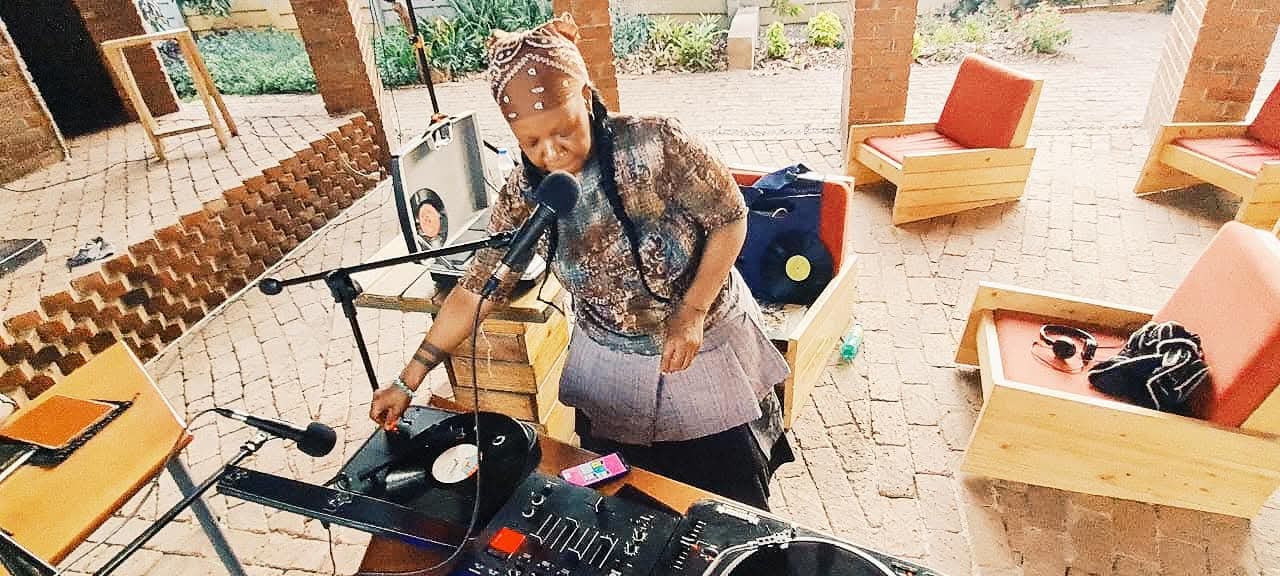
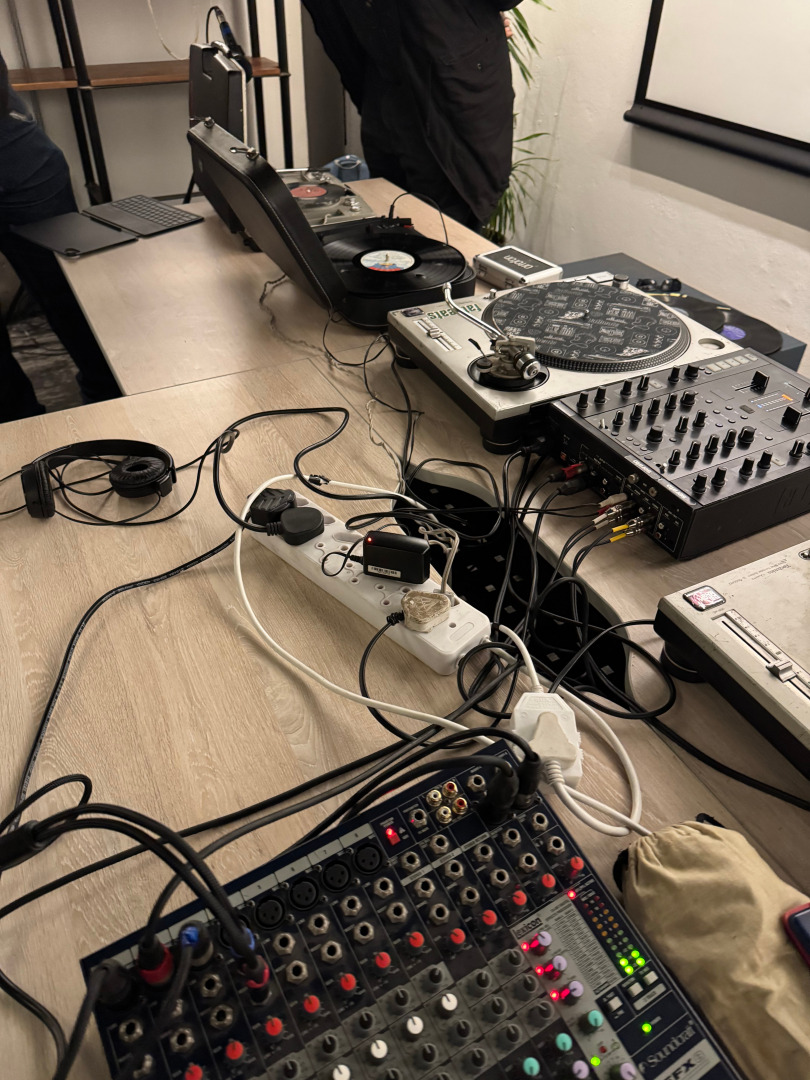
Image Credits
naledi chai