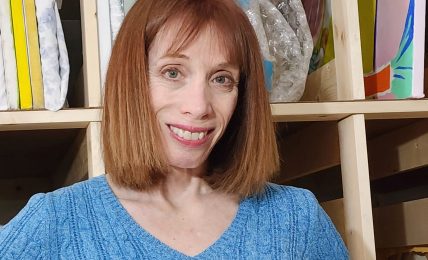
We had the good fortune of connecting with Eric OFoks and we’ve shared our conversation below.
Hi Eric, do you have some perspective or insight you can share with us on the question of when someone should give up versus when they should keep going?
There were moments in my life when this question wasn’t philosophical — it was a matter of survival.
When we escaped the war in Ukraine with my family… when we crossed the border not knowing where we would sleep the next night… and later, when my lymphoma progressed again after years of fighting — I asked myself this question many times.
What I learned is this:
You don’t “decide” to keep going.
You *feel* the moment when giving up is not an option.
For me, it happens every time I look at my daughters, every time my wife holds my hand during another hospital appointment, every time I write even a few sentences in my book. These small moments remind me: *I’m still alive, I still have something to say, and someone who needs me.*
Giving up feels like silence.
Keeping going feels like even the smallest movement forward — one page, one breath, one routine, one disciplined step.
My book was born exactly from that: from fighting through days when I had no strength, from the discipline that kept me alive long before it became a philosophy. Writing became the bridge between my pain and my purpose.
So how do you know?
You know you should keep going when the thought of giving up hurts more than the struggle itself.
You know you should keep going when you still have at least one person to live for — even if that person is you in the future.
And you know you should keep going when life is asking you to grow through the challenge, not run from it.
I’m not a superhero. I’m just a man who refuses to let darkness decide the ending of my story.
Sometimes you rest.
Sometimes you slow down.
But you keep going — because your story isn’t finished yet.
Let’s talk shop? Tell us more about your career, what can you share with our community?
My art started long before I ever called myself a writer.
Thirteen years ago, when I first heard the word “lymphoma” attached to my name, I didn’t have children yet. In that moment of fear, my wife Nadya said something I will never forget:
“If you die, let our children be a reminder that you were here.”
Two years after my treatment, our first daughter was born. Then our second. Today, more than any book, project, or idea, my greatest art and my greatest pride are my daughters. They are living proof that life can grow out of the darkest moments.
I’m not a professional writer in the classical sense. I didn’t come from a literary background or an MFA program. I came from hospital corridors, from watching people around me lose their fight with cancer, from seeing my own father pass away. I saw how easy it is to let time just carry you, to surrender to the diagnosis, to stop trying, to stop experimenting — with treatments, with diet, with lifestyle, with mindset.
That’s what sets my work apart:
my book is not theory — it’s a survival manual written by someone still in the fight.
I decided to write about one simple idea:
You must keep trying.
If one medication doesn’t work — you look for another.
If one approach fails — you study, you read, you ask, you change strategy.
You experiment with nutrition, movement, routines, mental practices. You learn your own body instead of being a passive passenger.
We live in a time where there is too much information. You don’t know what to trust, who to believe, which protocol is “right.” My message is:
don’t wait for one perfect answer from outside — create your own strategy of healing.
Try everything that looks like a possible solution. If it doesn’t work, you adjust and move again. Step by step. Year after year. What begins as a fight eventually becomes a form of discipline — a discipline of the body and of the spirit.
Was it easy to get where I am today? No.
But “easy” was never the goal. The goal was to stay alive, to stay present for my wife and daughters, and to transform my experience into something that might help another person who is scared, lost, and tired of being told, “there’s nothing more we can do.”
The main lesson I’ve learned is this:
Your story is not finished as long as you are still willing to take one more step.
My brand, my book, my art — they are all about that one more step. I want the world to know that I am not a guru and not a miracle case. I am just a man who refused to stop searching, who turned his battle into discipline, and his pain into a roadmap that others can use.
If my story does anything, I hope it gives people the courage to experiment, to take back some responsibility for their health, and to believe that even in chaos, they can build their own strategy, their own structure, their own way forward. That is my art.
Any places to eat or things to do that you can share with our readers? If they have a friend visiting town, what are some spots they could take them to?
Los Angeles is full of contrasts, and that’s exactly why I love it. When friends visit, I try to show them both sides of this city — the loud, the wild, the artistic… and the quiet, the spiritual, the healing.
We always start with the ocean.
There’s something about Venice Beach — the chaos of artists painting right on the boardwalk, musicians playing for the sunset, skateboarders flying through the air, rollerskaters dancing like they’re in a movie, and this incredible mix of locals and travelers from every corner of the world. It’s not just a beach — it’s a living heartbeat of LA. I love watching my friends experience that energy for the first time.
But after the noise, I take them somewhere completely different: up the 27 highway into Topanga Canyon. It feels like magic — the way the beach slowly turns into hills, the air gets quieter, the city disappears behind the curves of the canyon. We walk the trails, breathe in the eucalyptus and pine, and let the mind reset. For me, Topanga is where you go to hear yourself think.
For food, I’d take them to places with soul rather than glamour — small coffee spots in Santa Monica, family-owned restaurants in Culver City, a sunset dinner somewhere on the Malibu coast where the sound of waves becomes the background music.
We’d explore the Getty for inspiration, stroll Abbot Kinney for creativity, and end the week with a simple picnic on the sand Dockweiler picnic area watching the sun melt into the horizon. No rush. No schedule. Just the feeling of being alive in a city that constantly reinvents itself.
LA can be loud and electric.
It can also be calm and grounding.
And I love sharing both sides with the people I care about.
Shoutout is all about shouting out others who you feel deserve additional recognition and exposure. Who would you like to shoutout?
Absolutely — and the list is long. I actually dedicated an entire section at the end of my book to the people who carried me through the hardest chapters of my life. But if I have to highlight the true heroes of my journey, it always comes down to my wife and my family.
My wife has been the anchor through every storm — from fleeing a war-torn Ukraine, to starting our life from zero in Los Angeles, to standing next to me through every stage of my cancer journey. Her strength, her belief in me, and her love have kept me alive in ways medicine never could.
My daughters give me the reason to keep fighting on days when my body wants to give up. They are the reminder of why discipline, routine, and hope matter. They don’t just inspire my book — they inspire my life.
And of course, my parents. Their values, their courage, and the sacrifices they made for me are the foundation of everything I achieve today. Even when we were thousands of miles apart, their support was a constant source of strength.
So yes — I owe my story to many remarkable people. But my Shoutout belongs first and foremost to my wife, my children, and my parents. Without them, there would be no book, no journey, and no “Eric OFoks” for you to interview today.
Website: none
Instagram: @eric_ofoks
Linkedin: none
Twitter: none
Soundcloud: dj Fokov
Facebook: none
Yelp: none
Youtube: @ericOFoks
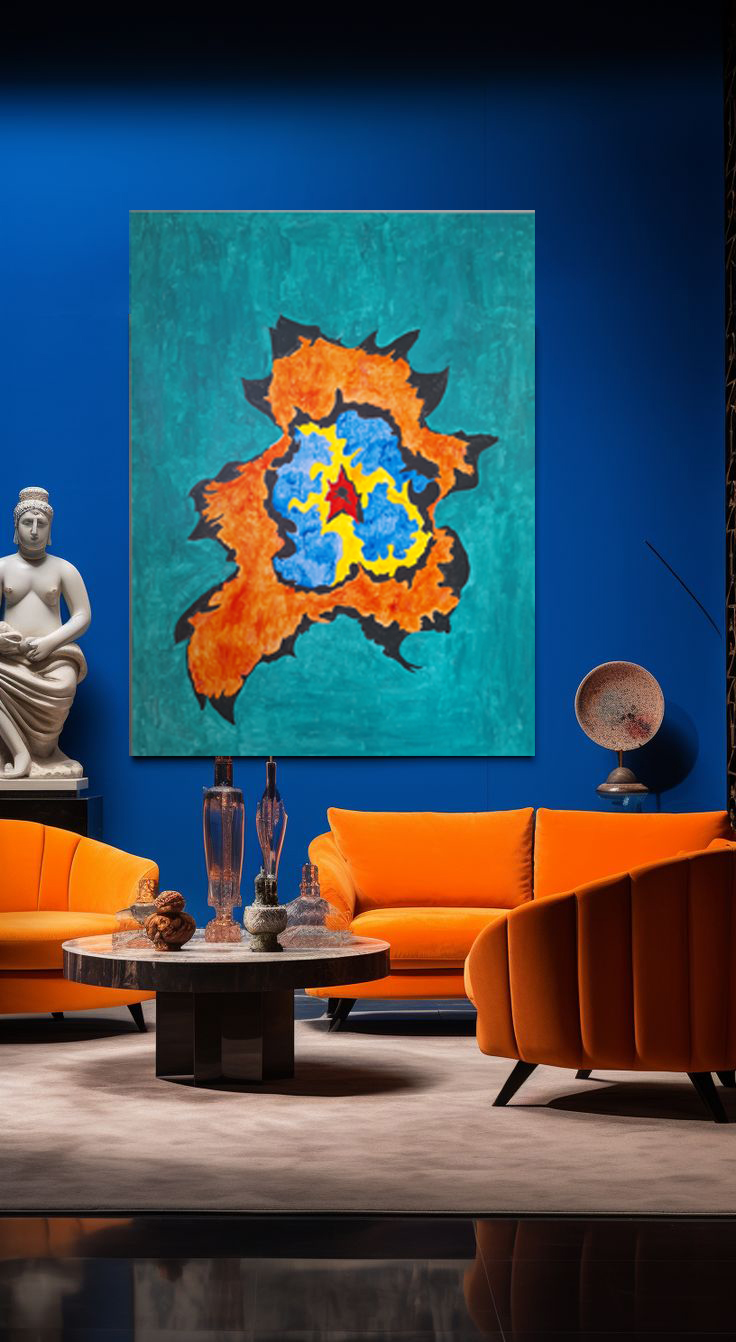
Image Credits
The first two photos are of my family — Eric OFoks, Nadiia Fokova, Emiliia Fokova, and Oliviia Fokova. They are the heart of everything I do.
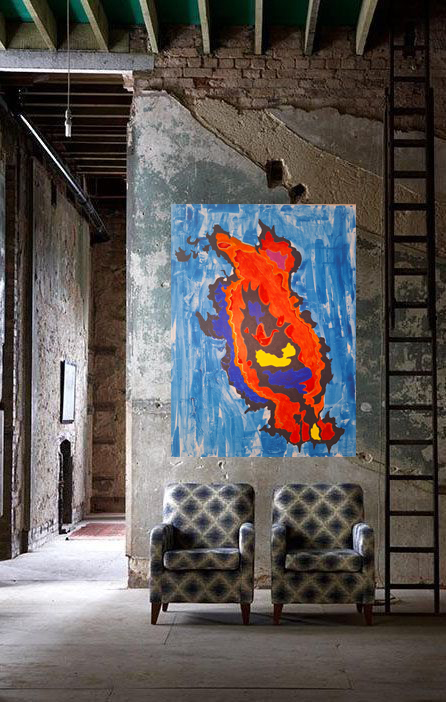
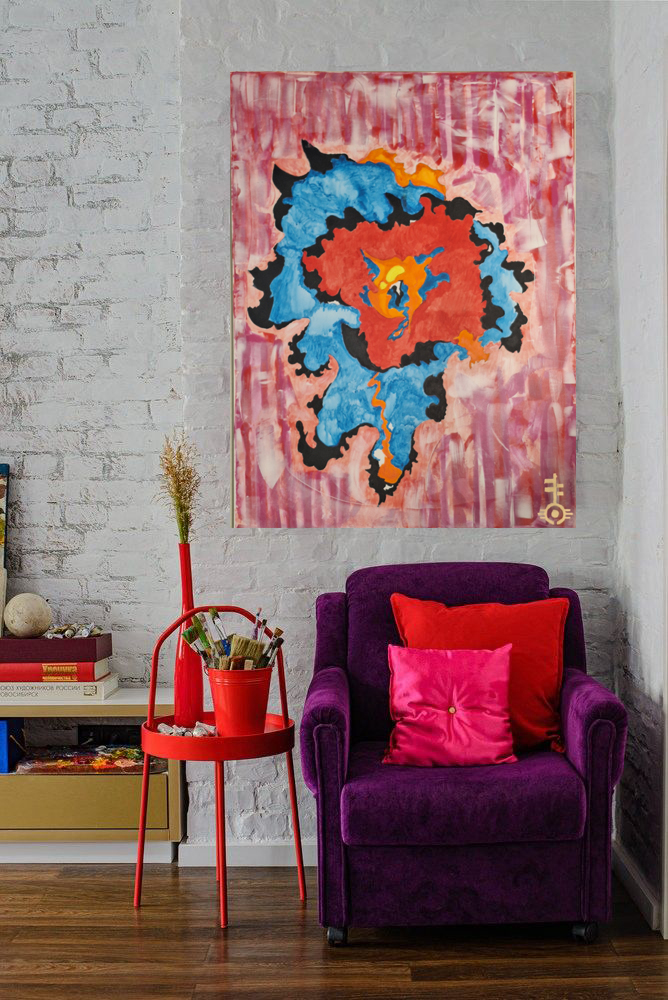
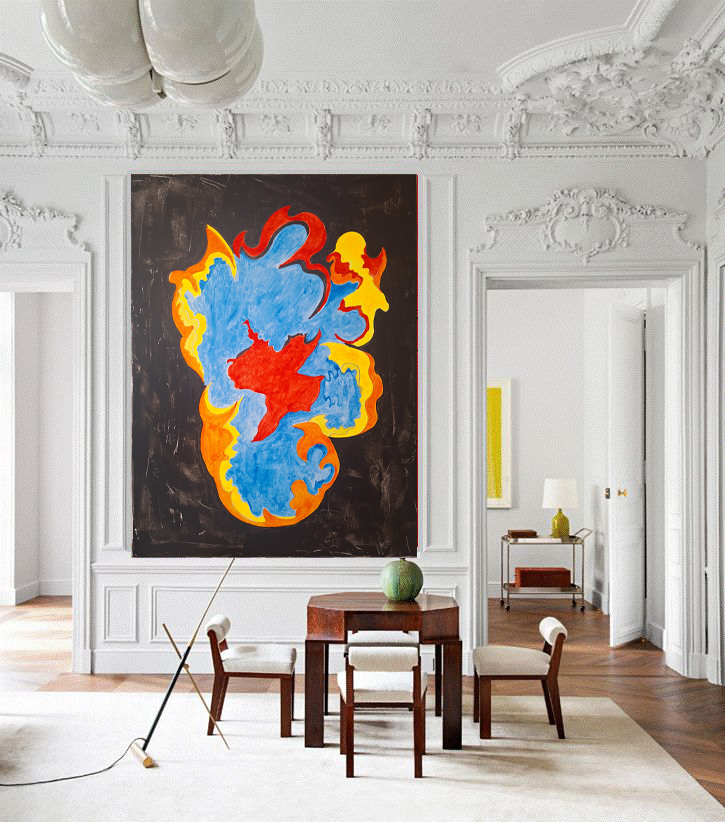
The rest of the photos showcase my creative work — the things I do as a hobby to disconnect from daily challenges. I call these paintings “MYGalaxies.” They are made with acrylics and watercolor, and for me they’re a form of meditation, a way to explore inner space when the outer world feels overwhelming.
Nominate Someone: ShoutoutLA is built on recommendations and shoutouts from the community; it’s how we uncover hidden gems, so if you or someone you know deserves recognition please let us know here.