Meet Ashmita Biswas | Performing artist & Dance/movement therapist
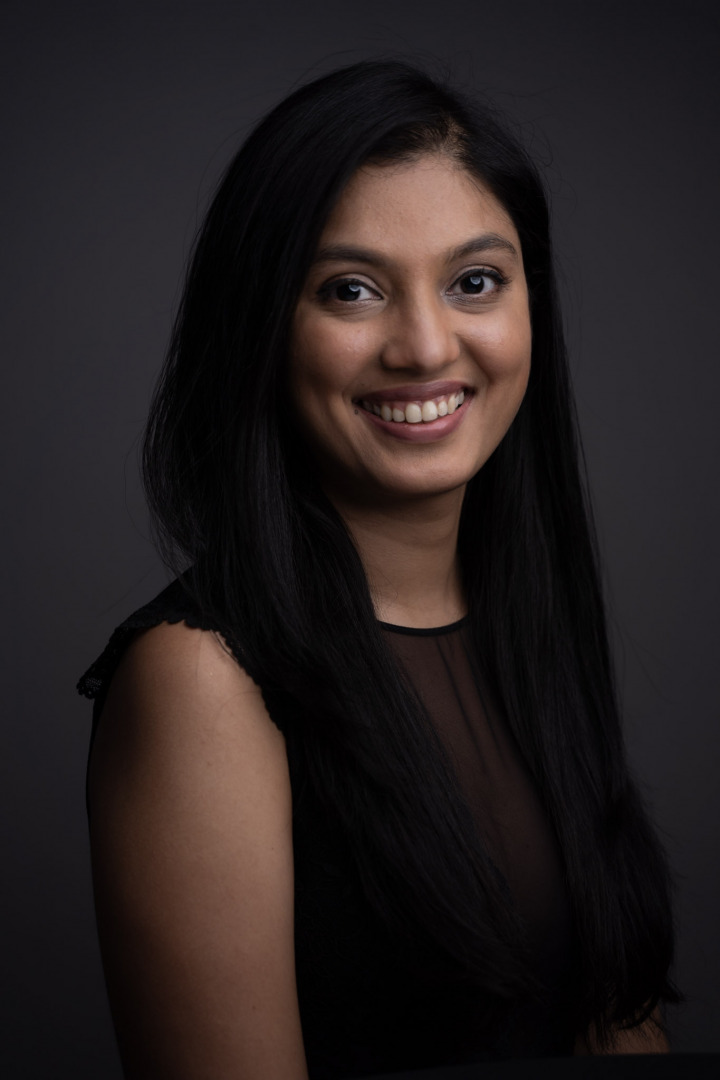


We had the good fortune of connecting with Ashmita Biswas and we’ve shared our conversation below.
Hi Ashmita, what role has risk played in your life or career?
Throughout my life and career, I’ve consistently chosen the unconventional path—one that aligns with passion and purpose rather than predictability. I’ve never envisioned myself in a traditional 9-to-5 role or confined to a cubicle. From the beginning, risk-taking has been central to my journey and growth.
The first major leap I took was during my undergraduate studies, when my parents gave me the space to explore dance for a year. That experience ignited something in me. I met professional dancers who inspired me, and I decided to pursue dance seriously. I moved to Mumbai to train, and for the next three years, I worked professionally as a Latin dancer in India.
It was during that time that I discovered a salsa dance company in New York City whose work deeply resonated with me. I reached out to them, expressing my interest in joining. They responded that they typically observe dancers in their open classes before inviting them to audition. I did my research, found out where they taught, applied to that school, and when I was accepted, I moved to New York City—all on my own, without knowing a single person here. That was a massive risk. A new country, a new culture, a completely unknown future. But it was also the start of something beautiful.
Another defining moment came during the pandemic, when I lost all my dance gigs and found myself at a crossroads. I had always been drawn to the intersection of movement and healing, so I decided to pursue a master’s degree in dance/movement therapy. At the time, I had very little knowledge of the field—it was a completely new world. But I trusted my intuition and took the plunge. That decision has shaped the direction of my work ever since.
To me, risk is not the absence of fear—it’s moving forward despite it. It’s a space where growth begins and magic can happen. While risks are often uncomfortable and uncertain, they’ve consistently opened doors for me at times when life felt stuck. I wouldn’t be where I am today without them. Each risk I’ve taken has helped me discover more of who I am, what I’m capable of, and what truly matters to me—and I don’t regret a single one.
Alright, so let’s move onto what keeps you busy professionally?
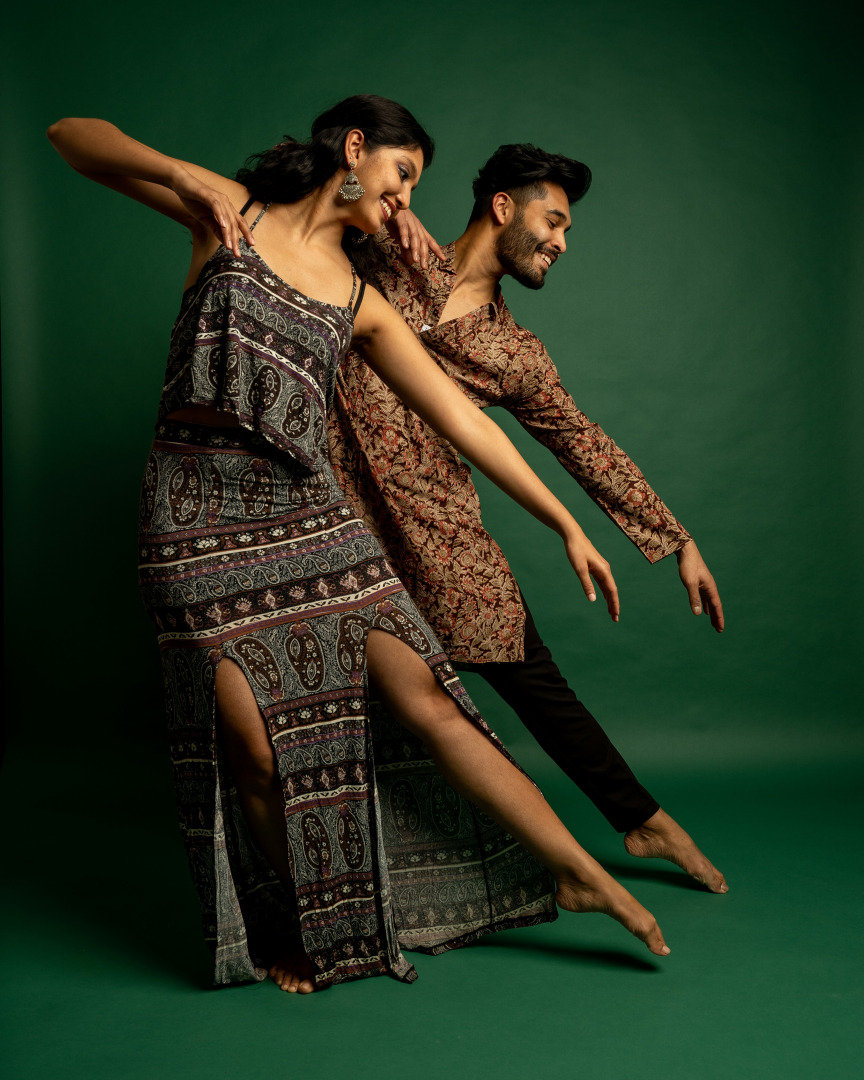
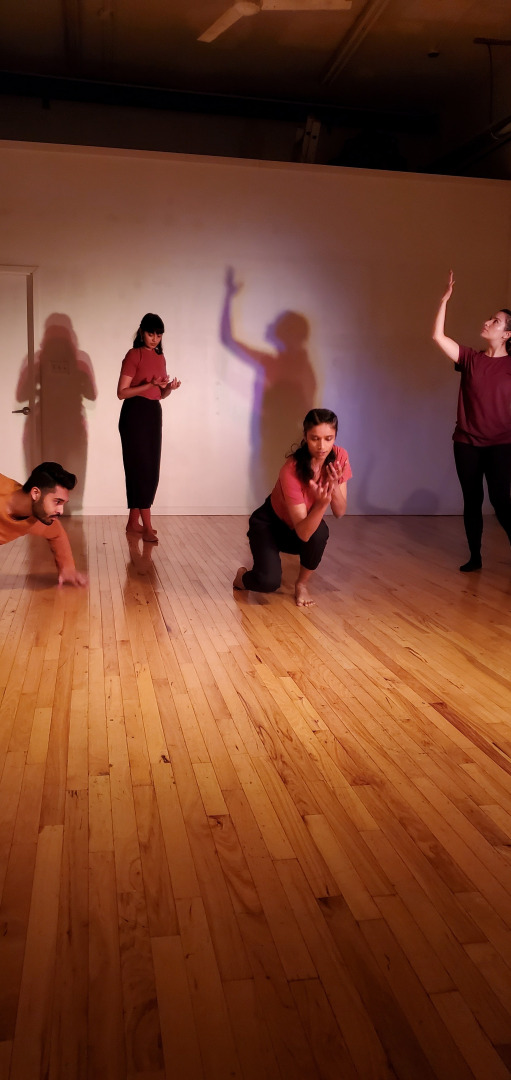
My art lives at the intersection of movement, emotion, and healing. I’m both a dancer and a dance/movement therapist, and while these identities may seem distinct, to me they’ve always been in conversation with each other. Right now, I’m in a beautiful, messy chapter of figuring out how to fully integrate both worlds into one.
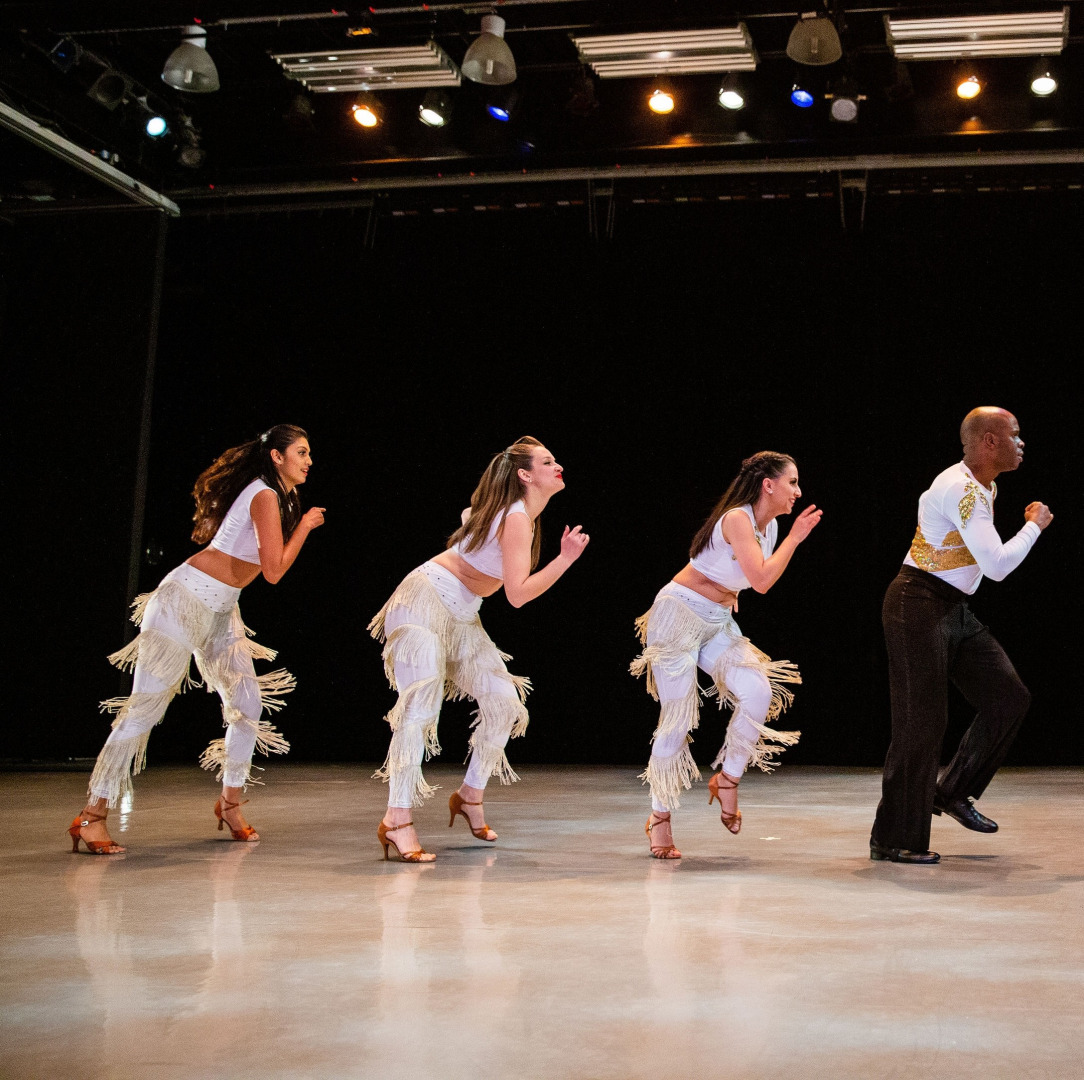
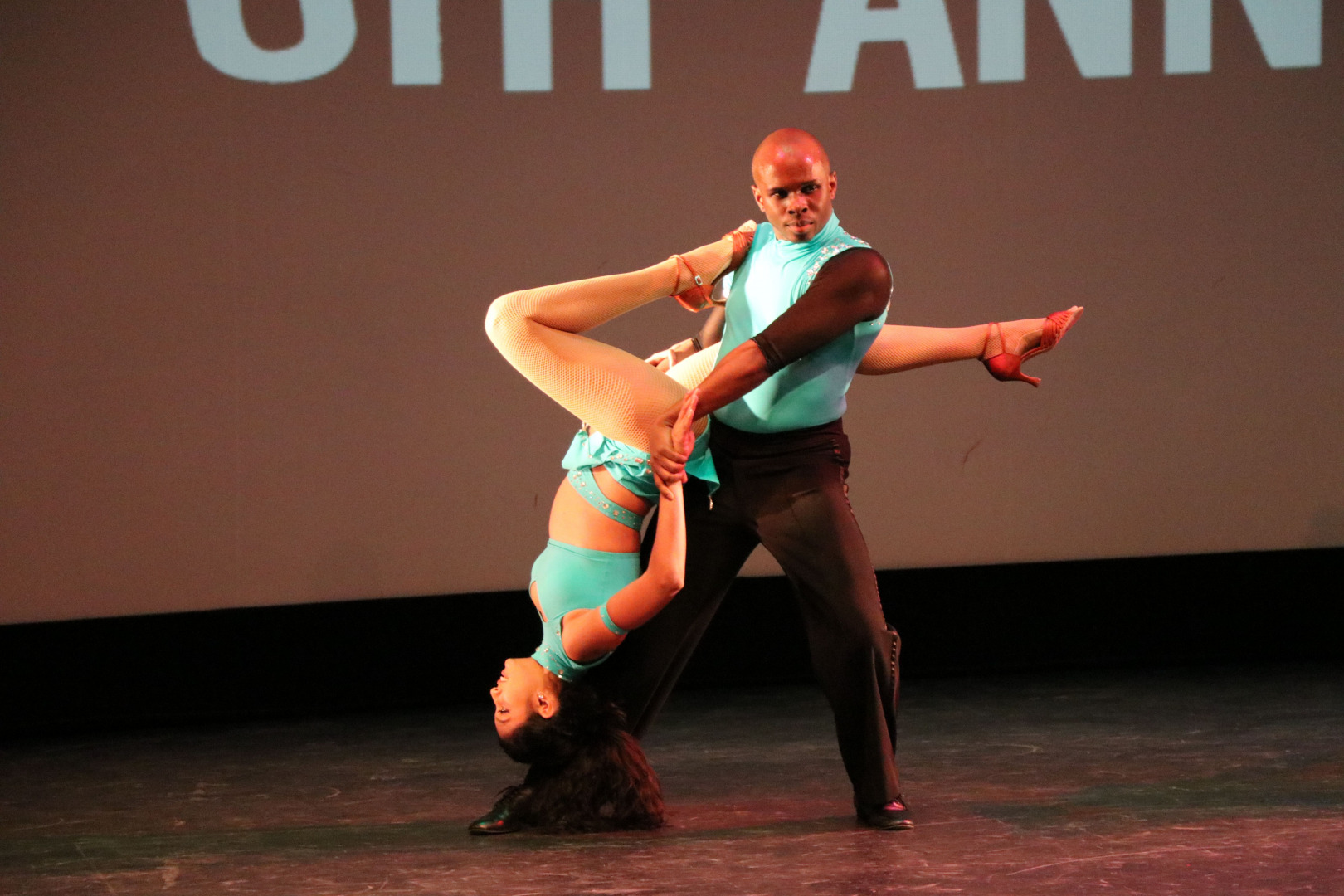
I started dancing at the age of five in Calcutta, India. Even as I pursued a degree in Business Administration, dance was never something I could let go of. I trained with companies like Rhythmossaic and Viva La Salsa, performing across India and eventually discovering my deep love for Latin dance. As a dancer, I’ve always been drawn to storytelling through the body—particularly through Latin and social dance forms. I’m inspired by how rhythm can build connection, and how a shared beat can hold joy, sensuality, grief, and power all at once. What sets me apart is that I bring the lens of deep emotional awareness into my movement—whether I’m performing or teaching. I see dance not just as an art form, but as a vessel for transformation.
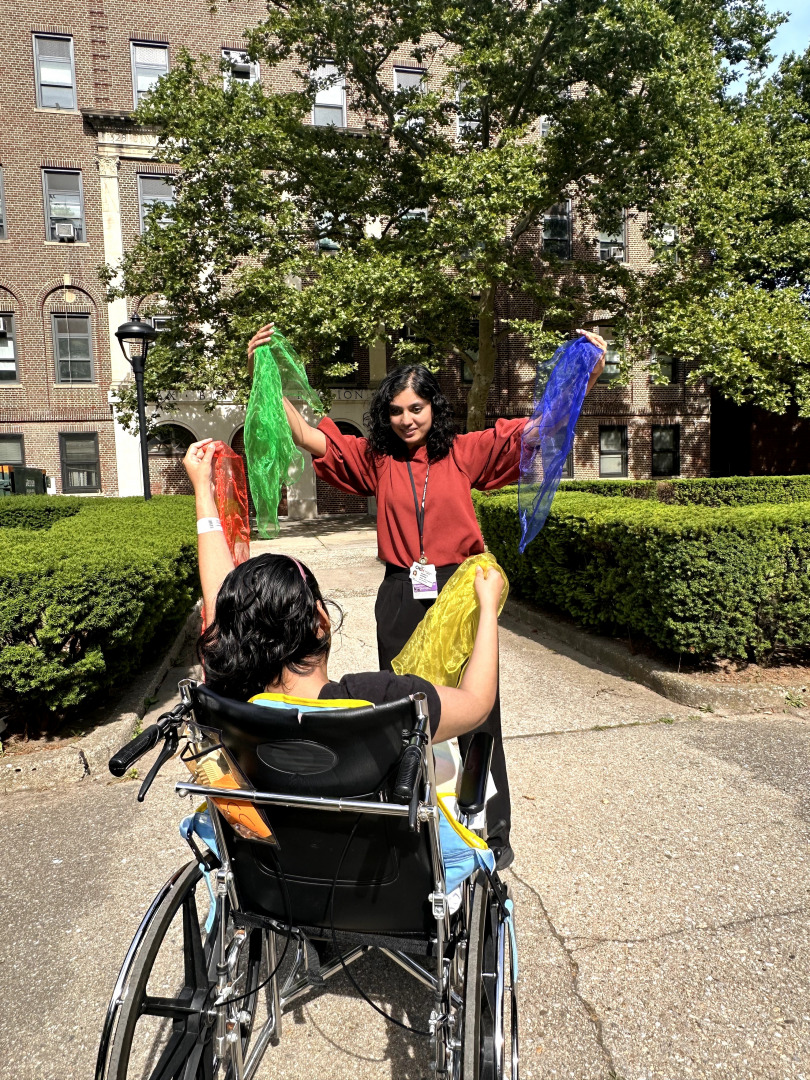
When the pandemic hit, everything changed. I lost performance opportunities, and like many artists, I found myself at a crossroads. But in that pause, I heard a new calling. I decided to pursue a Master’s in Dance/Movement Therapy at Sarah Lawrence College. As a dance/movement therapist, I work with people who may not identify as dancers at all. Yet movement becomes a way to express what words can’t. One of the most meaningful roles I’ve held was as a dance/movement therapist at a pioneering program for young adults at Rutland Nursing Home. Many of my clients had experienced trauma or had limited mobility, and yet—through music and movement—we found ways to reconnect body and mind, often without words. I remember one patient with a traumatic brain injury who could only recall Bollywood songs. By dancing to those tunes together, we unlocked fragments of memory and identity. It reminded me how powerful and personal this work can be.
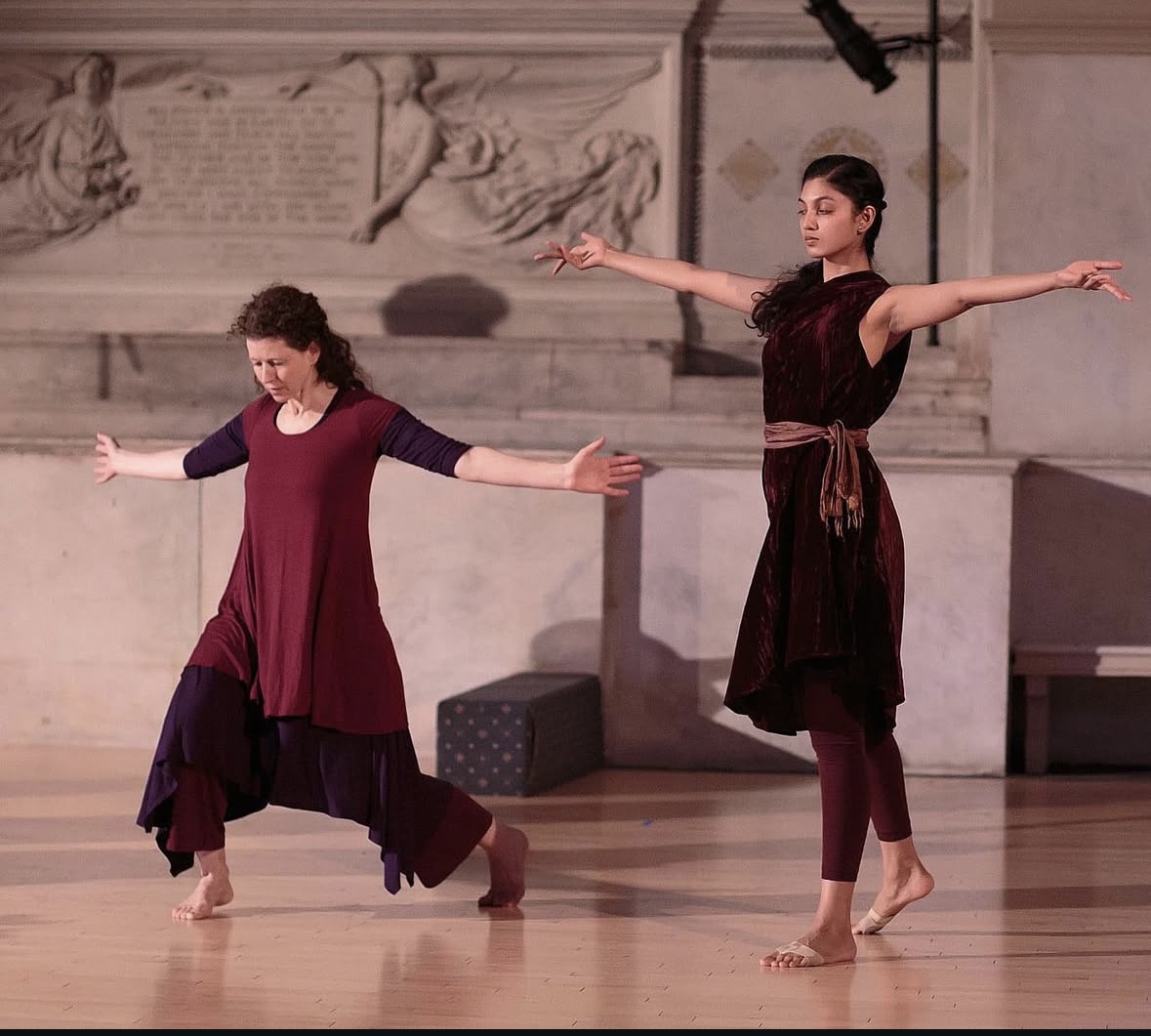
What sets me apart is that I hold both lenses—performer and dance/movement therapist—with equal care. I understand what it means to tell a story on stage, and I understand what it means to hold space for someone learning to feel safe in their body again. I choreograph for stage productions and also for people who have limited to no mobility. Both are art. Both are healing.
Right now, I’m in the beginning stage of creating my own choreographic work—one that brings together my background in psychology and movement. I’m deeply interested in the complexity of human relationships, especially how they’re shaped by culture, region, and identity. My current research explores intergenerational bonds: the connections between grandparents and grandchildren, parents and children, and how these relationships are perceived from different angles. For example, a grandchild only sees their grandparent in the later stage of life, unaware of the vast personal history that came before. But through stories, rituals, and even in the body—through gestures, habits, and inherited energy—those untold parts still live on. I want to explore how those unseen threads shape how we love, grieve, and understand one another.
Additionally, I also support individuals and couples who want to feel more confident and empowered in their bodies and find joy through movement and dance. We live in a world that often disconnects us from our bodies—where stress, overwhelm, and constant doing leave little room for embodied awareness. Movement can be a powerful tool to help people tune back into themselves, reconnect with their emotions, and build deeper relationships. With couples especially, I’ve seen how synchronized partner dancing can improve non-verbal communication, increase intimacy, and bring playfulness into the relationship. Often, it’s not that people “can’t dance”—it’s that they’re not fully aware of the micro-gestures, postures, or emotional signals they’re sending or receiving. When two people learn to move together, listen together, and trust each other’s rhythm, the benefits extend far beyond the studio space.
Getting here has been far from easy. There have been countless moments of doubt, burnout, and fear—especially navigating a non-linear path as an immigrant artist trying to carve out space in two professions that are both underfunded and often misunderstood. Moving to a new country alone, shifting careers during a pandemic, learning a whole new field from scratch… none of that came with a guidebook.
But every challenge also taught me resilience. I’ve learned to trust my instincts, to find stillness in chaos, and to keep moving forward even when I can’t see the whole picture yet. I’ve learned that community is everything—and that we become our fullest selves not just through success, but through the people who walk beside us when things are hard.
What I want the world to know is this: my story is still unfolding. I’m not here to present a polished brand—I’m here to live genuinely, create boldly, and keep exploring how to bring more wholeness into every space I move through. And whether I’m dancing at the New York Salsa Congress or guiding someone through expressive movement in a therapeutic setting, I’m doing the same thing—creating connection, offering presence, and believing in the power of embodiment.
If you had a friend visiting you, what are some of the local spots you’d want to take them around to?
If my best friend came to visit New York—especially in the spring or summer—I’d make sure they experienced the version of the city I love most: joyful, eclectic, and full of heart. While NYC is often seen as a concrete jungle, but I think that’s what makes its little pockets of nature feel even more magical. The warmer seasons bring a softness to the city. Parks come alive, rooftops buzz, and there’s always something magical happening—free concerts, outdoor movies, or impromptu dance circles.
As a proud Brooklyn girl, most of my favorite spots are here—away from the typical tourist maps. We’d start our mornings slow, with coffee from Variety Coffee and a pastry from either Radio Bakery or Paloma Café—both are neighborhood favorites and feel like little hugs in food form. Then we’d take a walk to Transmitter Park, a quiet gem with incredible views of Manhattan, or stroll through McGolrick Park or Marsha P. Johnson Park—all beautiful, community-rich spaces where people gather, picnic, dance, and just be. Prospect Park is my go-to when I want to pretend I’ve escaped the city—it has beautiful trails and pockets of calm that feel like you’ve been transported elsewhere.
If we were feeling up for a day trip, we’d hop on the Metro North and head to Beacon, one of my favorite towns upstate—perfect for a little hike, local food, and small-town charm. And on a sunny day, I’d take them to DUMBO—yes, it’s a bit touristy, but the views of the Manhattan skyline are phenomenal, and the whole vibe feels cinematic.
Food-wise, I’d take my friend on a little culinary world tour. We’d grab Korean fried chicken at Sweetie’s K Chicken, hit up Los Tacos No.1 for the juiciest tacos, and maybe end one of our nights at Last Place on Earth, a super fun cafe where you can play games and nerd out. (Highly recommend if you love geeking out over board games with a drink in hand!) Evenings would include drinks at Hide & Seek, where their spicy margarita is currently my obsession. It’s cozy, low-key, and great for catching up after a long day of exploring.
One of my favorite NYC activities—and something I always recommend—is going bookstore hopping. There’s something deeply special about discovering a new corner of the city through a well-loved bookshop. I’d take them to Archestratus Books in Greenpoint, which is an absolute gem—it only stocks books on food and cooking, and I could easily spend hours flipping through pages and dreaming about recipes.
No NYC trip is complete without bagels and pizza. We’d grab bagels from Leon’s Bagel (trust me, worth the hype), and later in the week, hunt down a full pie from Chrissy’s Pizza, which is currently my favorite. They don’t do slices—but trust me, the whole pie is worth every bite.
And of course, we’d dance. One of the most magical NYC experiences I’ve had is joining the Reboot NYC Silent Discos. There’s one at the beach in the summer—imagine dancing barefoot in the sand, facing the ocean, with the sun setting behind a live DJ set. It’s pure joy. That’s the NYC I want people to see: not just the skyscrapers, but the spirit. The unexpected magic. The spaces where people gather to feel alive.
Who else deserves some credit and recognition?
Absolutely. I truly believe it takes a village—and I’ve been incredibly fortunate to have one filled with love, belief, and encouragement.
First and foremost, my deepest gratitude goes to my family: my parents, Amitava and Neena Biswas, my sister, Nikita Biswas, and my partner, Siddharth Dutta. They’ve been my anchors through every twist and turn. They’ve believed in me—even during times when I struggled to believe in myself. Their unwavering support has been the foundation that’s allowed me to take the risks I’ve taken and pursue a path that’s anything but traditional.
I also believe in the magic of meeting the right people at the right time. One of those pivotal moments happened in 2012, when I met Aditya Upadhya during a dance training program. He invited me to my very first salsa class—and I instantly fell in love. That single invitation changed the course of my life. I went on to train, tour, and perform under his guidance for three years, which became the cornerstone of my dance career.
Another major turning point was watching Baila Society from New York perform in India. I was completely mesmerized. Years later, I had the honor of joining the company—and that experience shaped me in profound ways. Ahtoy Wonpat Borja, the founder, and Andre Irving, the rehearsal director, played a huge role in refining not just my technique, but my voice and identity as a professional salsa dancer.
When I transitioned into the field of dance/movement therapy, it was the community at Sarah Lawrence that helped me grow into the therapist I am today. My professors and peers challenged me, inspired me, and held space for my evolution in ways I’ll always be grateful for.
And finally, to all my oldest and newest friends—every relationship, every conversation, every shared dance or quiet moment has contributed to who I am. I carry pieces of all of you in my journey.
This shoutout is for all of you. Thank you for walking with me.
Instagram: https://www.instagram.com/ashmita_91/
Linkedin: https://www.linkedin.com/in/ashmita-biswas-186971374/
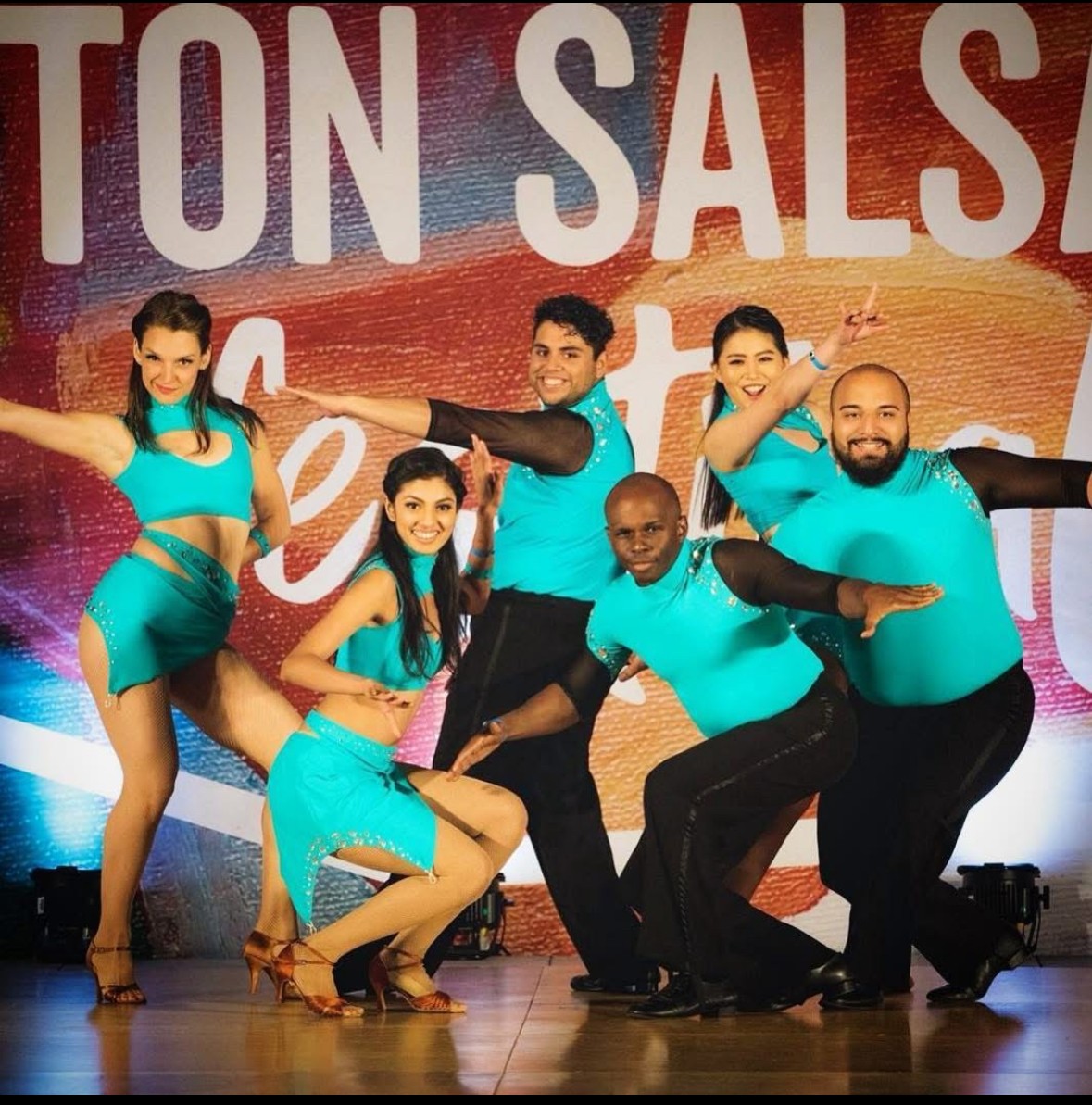
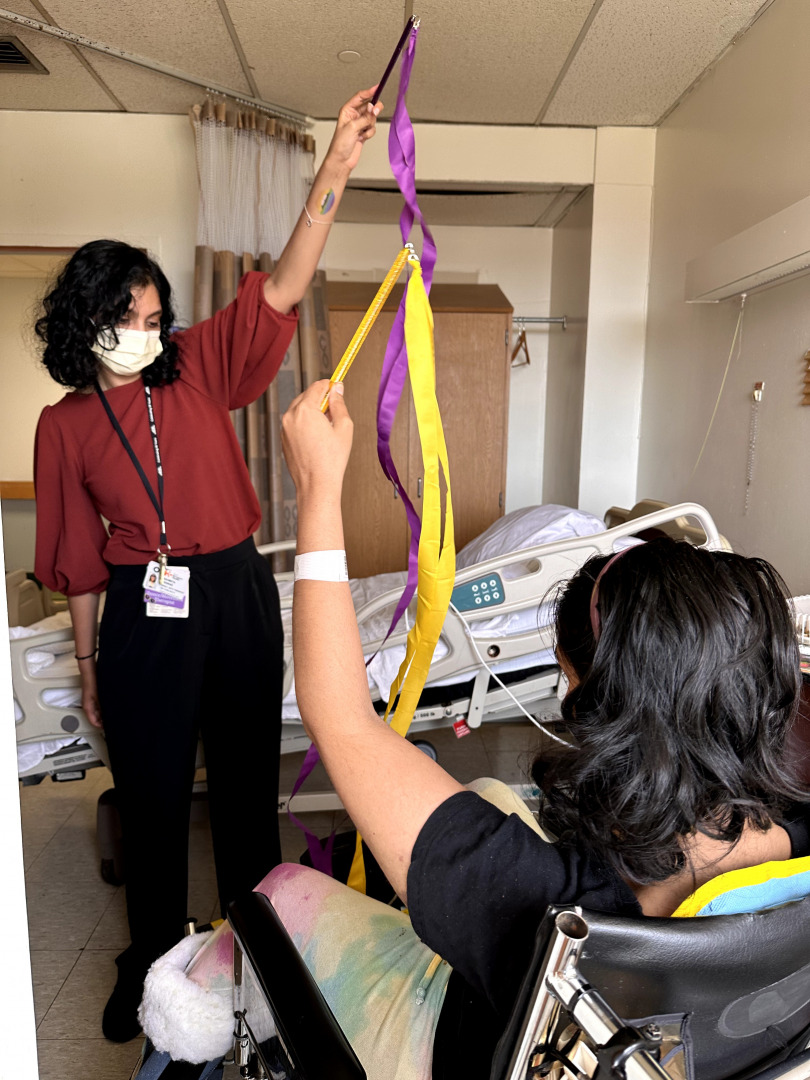
Image Credits
Rebecca Marcela Oviatt
Shivam Goel