Meet Chang Su | Cinematographer & Colorist


We had the good fortune of connecting with Chang Su and we’ve shared our conversation below.
Hi Chang, putting aside the decision to work for yourself, what other decisions were critical to your success?
As a filmmaker, I’ve come to appreciate the saying that filmmaking isn’t purely dictatorship or purely democracy. Recognizing and consciously applying this idea to each decision I make has become extremely important to me. Previously, my approach tended to swing between two extremes: sometimes overly stubborn and convinced that my vision was unquestionably correct, while other times hesitant and insecure about expressing my opinions. After numerous experiences and mistakes, I’ve finally come to appreciate how essential it is to strike a balance between firmly standing by my viewpoint and remaining open to adjustment. Now, by keeping an open mind and listening sincerely to other perspectives, yet clearly understanding what aligns deeply with my values and what can be flexible, making decisions has become significantly less stressful. I’ve gradually started to let go of ego and insecurity. Though I’m still on the journey toward fully integrating this principle, I already feel the difficulties in communication gradually diminishing.
Let’s talk shop? Tell us more about your career, what can you share with our community?
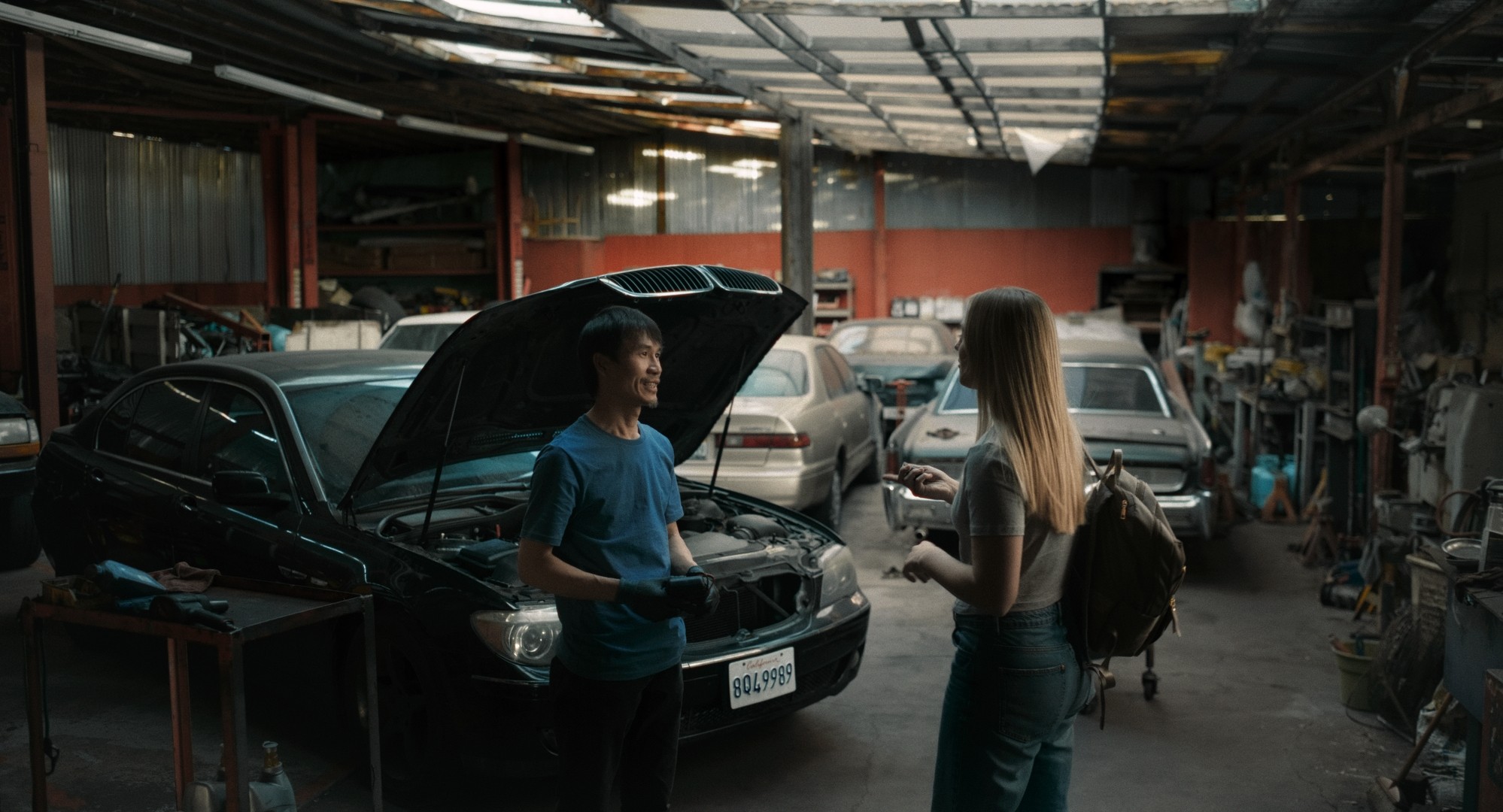
My art lives at the meeting point of cinematography and color. The spark was a teenage screening of Wong Kar‑wai’s “Chungking Express,” where the light, shadow, and hue felt like their own language. From then on I filmed everything—school campaigns, tiny narratives, mash‑ups, recutting them through the night and discovering that cinema breathes through the image.
What distinguishes my work today is that I guide the picture from lens to grading suite. As Director of Photography I capture the raw emotion; as Colorist I refine it until that emotion arrives intact on screen. Knowing both ends of the pipeline lets me light with the final grade already mapped, saving time on set and ensuring every decision still serves the story in post.
The path here was far from easy. Early on I drifted between copying references and defending my taste too fiercely. Years of grading my own mistakes taught me to trade ego for curiosity: listen first, test boldly, keep what serves the narrative, discard what does not. That continuous loop of reflection still drives my growth.
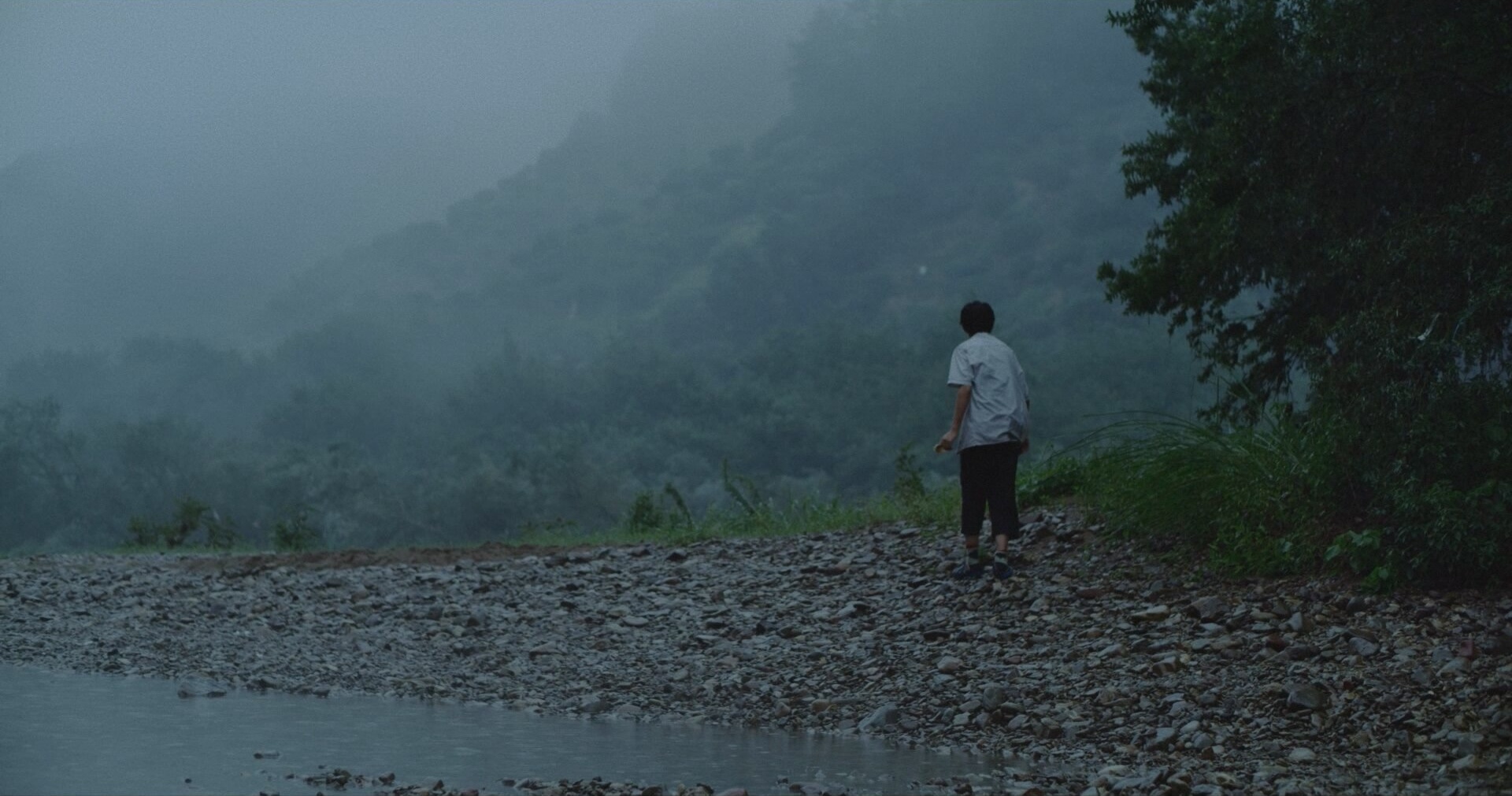
I am proudest of DP&Colorist projects such as “Jin”, “The Reunion”, “Nameless”, and color work documentary “A Song River”. Each required a different visual grammar—long takes, kinetic gangster tension, lyrical ink‑wash restraint—yet all aim for the same goal: leave the viewer with one keen emotional memory they carry home.
The lesson I have learned is that style is a by‑product of honest problem‑solving. Start with what the story must feel like, let limitations spark invention, and polish until the image sings. My brand is therefore not a fixed look but a process: adaptive, collaborative, and devoted to emotional authenticity. Whether ankle‑deep in mountain mud or grading at three in the morning, I chase the instant when the picture finally matches the heartbeat of the story, and invite the whole team, and the audience, to feel it.
Let’s say your best friend was visiting the area and you wanted to show them the best time ever. Where would you take them? Give us a little itinerary – say it was a week long trip, where would you eat, drink, visit, hang out, etc.
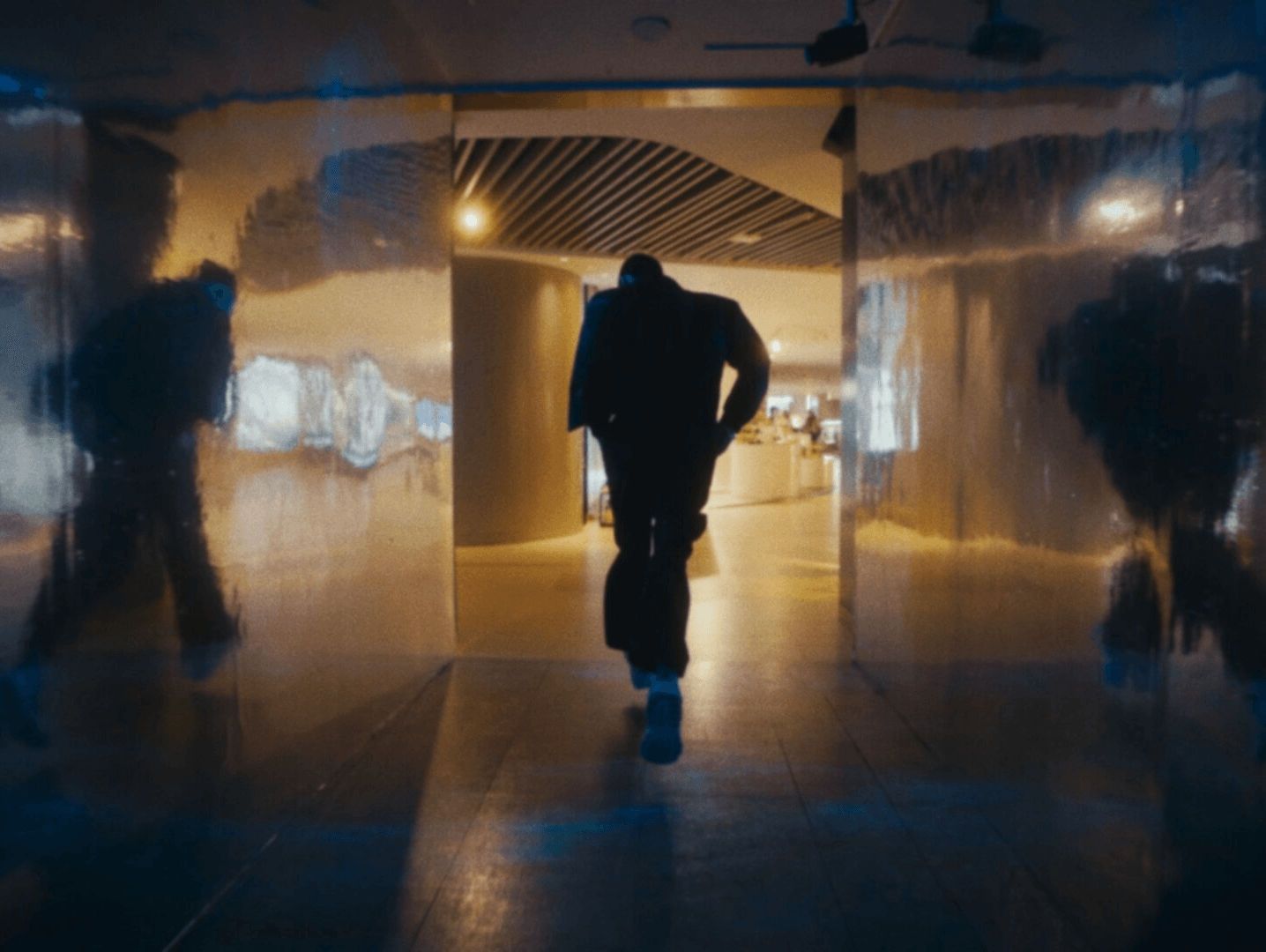
Lake Elsinore really surprised me. At first glance, I thought it was just an ordinary, quiet area far from the city. But after navigating a couple of sharp turns, passing through tall trees, I found myself suddenly at the lakeshore, feeling an unexpected sense of calm. Even though I was there for work, I couldn’t help taking extra pictures throughout the day—the place was beautiful at any hour, whether in bright sunlight or the soft colors of sunset. Between shoots, wandering around Historic Main Street or simply sitting by the lake gave me a rare moment to unwind and appreciate the slower pace. It’s simple, genuine, and truly peaceful—exactly the kind of place I love spending time in.
Shoutout is all about shouting out others who you feel deserve additional recognition and exposure. Who would you like to shoutout?
Throughout this journey, I’m especially grateful to my former roommates from my school days in New York, Jason Wen and Bhurin Treetampinich. Although we’re no longer together—Jason now lives in China, Bhurin in Thailand, and I’m based in LA—their influence and guidance during our time together have profoundly shaped me. Beyond being roommates who shared daily life, adventures, meals, and late-night chats, we were also creative partners. Both Jason and Bhurin are directors who also work as cinematographers, and their multifaceted perspectives continually inspired me. They’re distinctive individuals with strong creative voices, yet always supportive. Aside from discussing filmmaking techniques and dissecting how other people successfully executed their projects, one of my favorite memories was enjoying Bhurin’s delicious omelettes (haha). That period was truly one of the happiest times of my life. I sincerely appreciate the creative environment they fostered, which greatly enriched my growth. We remain important people in each other’s lives to this day.
Website: https://www.changsu.work/
Instagram: https://www.instagram.com/vetyrec/
Linkedin: https://www.linkedin.com/in/chang-su-cine/
Other: IMDb:
https://www.imdb.com/name/nm10273478/?ref_=ttfc_fcr_cr
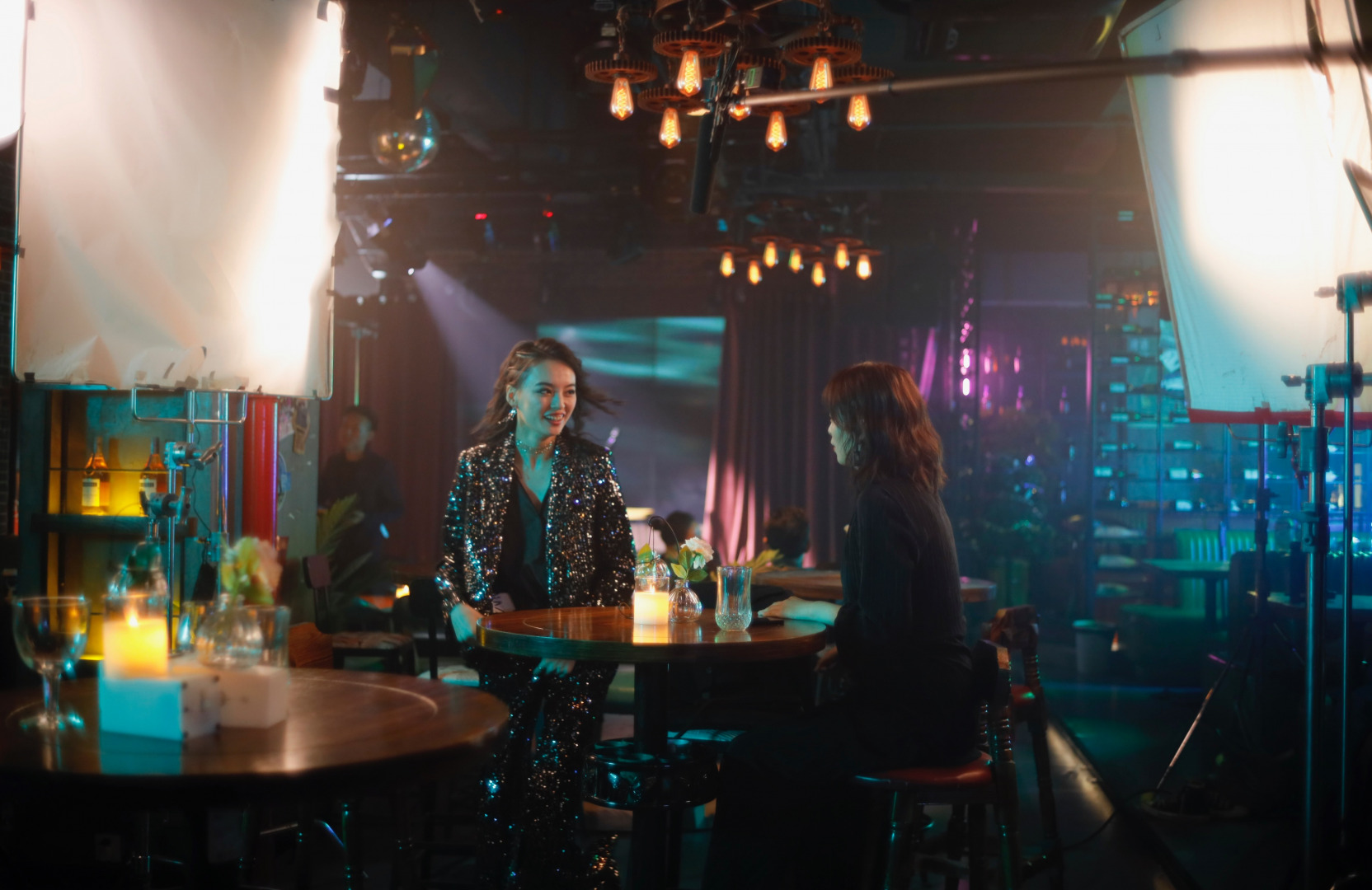
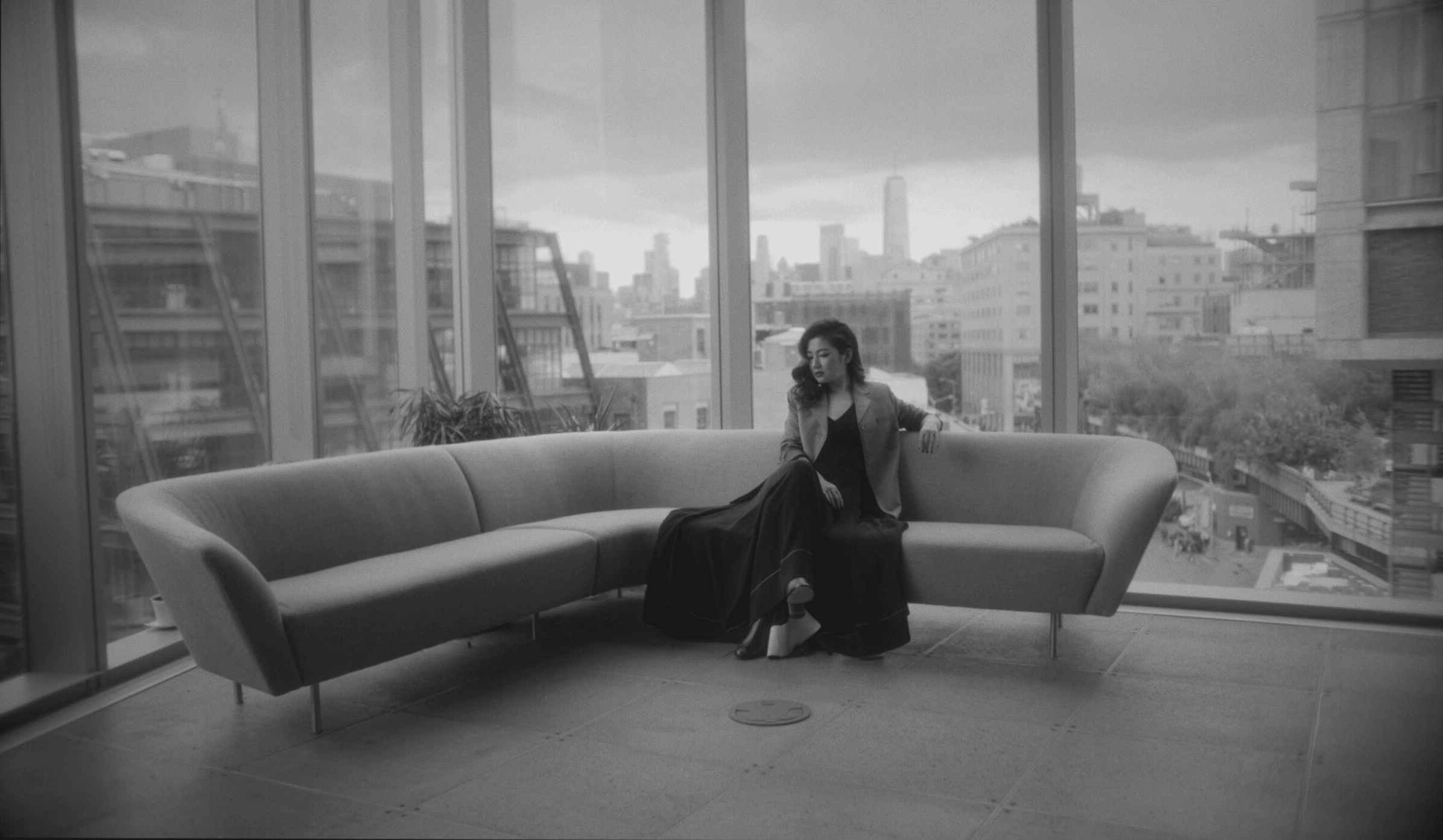
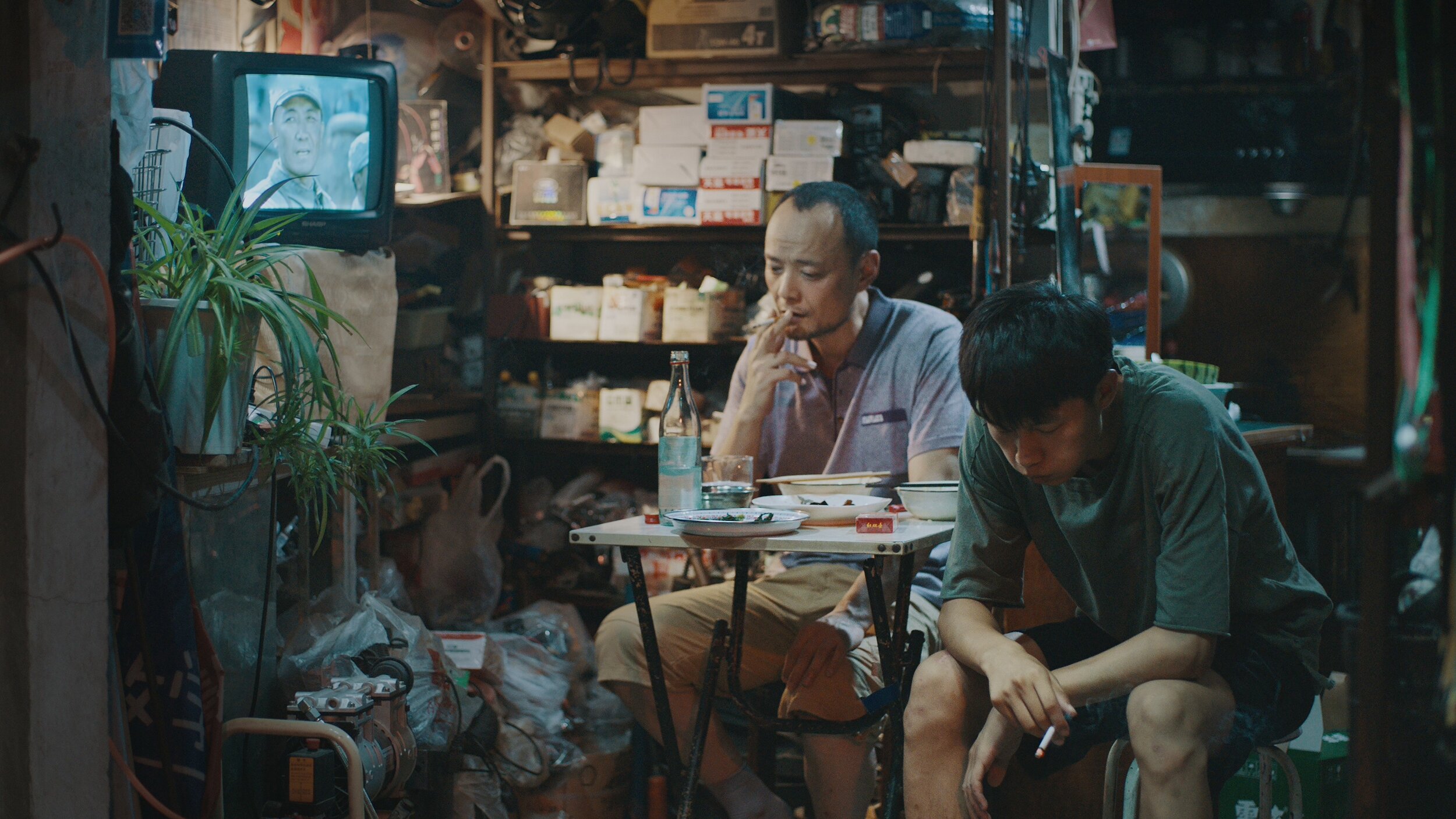
Image Credits
Yukun Chan
Chang Su


