Meet Dinoop | Staff Product Designer, Agentic Payments & Commerce
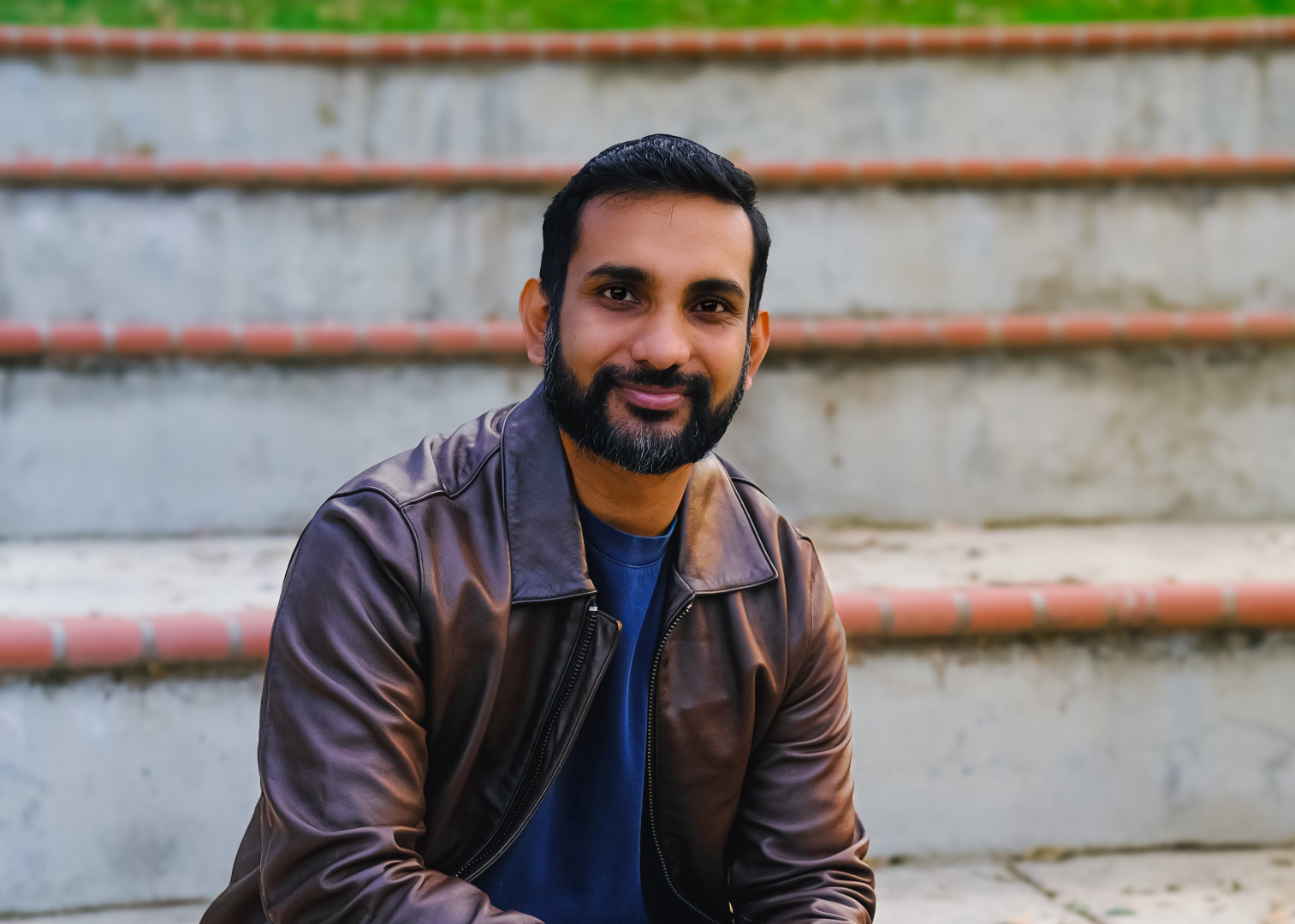


We had the good fortune of connecting with Dinoop and we’ve shared our conversation below.
Hi Dinoop, what do you attribute your success to?
The biggest factor behind my success has been a commitment to building trust and then doing the work to make that trust hold up in the real world.
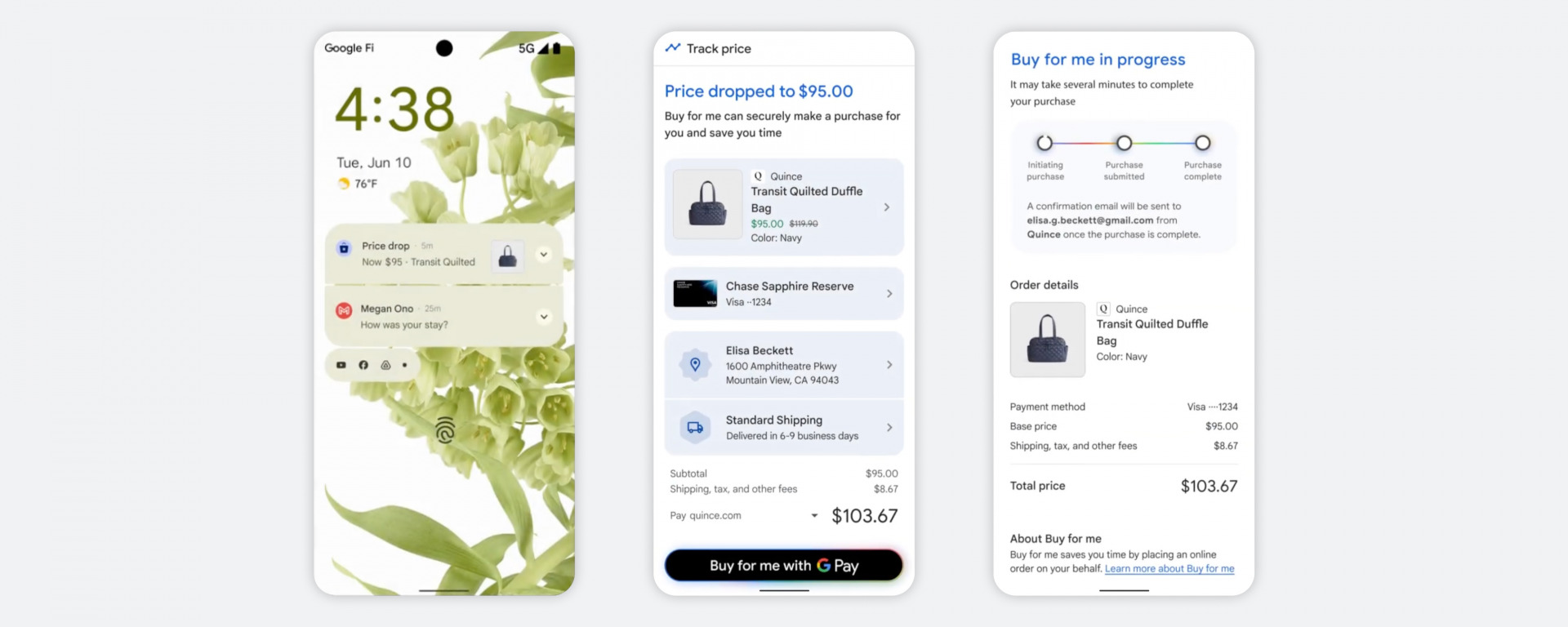
Most of my career has been in spaces where reliability really matters: commerce, logistics, and payments. At Walmart, I led UX for driver experiences where people depended on deliveries showing up, and drivers depended on the app to do their work safely and efficiently. Today at Google, I work in Payments, where I lead design for the payments layer of AI-assisted purchasing experiences. My focus is making these new flows feel safe and understandable, with clear consent, transparent pricing, and reliable handoffs so people stay in control even when AI is helping.
My approach is straightforward: take complex systems and make them feel human. That usually means clear language, forgiving flows, strong defaults, and design that works across devices, contexts, and imperfect conditions, not just ideal demos. I like exploring early, prototyping fast, and challenging assumptions. As the work moves closer to launch, I raise the reliability bar and get disciplined about details.
What I am most proud of is pairing craft and storytelling with rigor. That means strong collaboration with engineering and product, thoughtful testing, and making hard tradeoffs with the user’s confidence in mind. As a leader, I focus on aligning teams around a clear decision framework so we can move quickly without cutting corners. Success, to me, is when people can use what you built and feel calmer, not more uncertain.
Let’s talk shop? Tell us more about your career, what can you share with our community?
My career has been shaped by one consistent pull: taking complex systems and making them feel clear, human, and trustworthy.
I began with a Bachelor’s in Fine Arts at Karnataka Chitrakala Parishath (CKP), which gave me a deep foundation in craft, composition, and storytelling. It trained my eye and shaped how I think about design as more than aesthetics. It’s about guiding attention, evoking emotion, and making choices with intention.
I started my career in advertising, working across multiple agencies on brand, digital, and early product experiences for multinational clients. That is where I became fascinated by digital design. I loved how creativity could become interactive and useful, and how the story was no longer just the message. The story was the experience.
That fascination led me to pursue my postgraduate program at the National Institute of Design (NID) in Bengaluru. Admission is highly selective, with only about 15 students admitted per discipline each year from applicants around the world. NID helped me move from making things look good to making them work well. It strengthened my ability to frame ambiguity, research deeply, and translate insights into systems that hold up in real conditions.
At Yahoo! India, I worked on my first globally shipped products. It was my first exposure to shipping at scale and to making decisions that would affect diverse users across devices, markets, and constraints.
I later joined Walmart Global Tech, where my work expanded from individual product experiences to designing interconnected systems across logistics, operations, and last mile execution. That period taught me how to design for edge cases and imperfect conditions, and how to collaborate closely across engineering, research, and business partners so what ships is reliable.
Today, I focus on next-generation payments and commerce experiences at Google. I am drawn to moments when users are encountering something new and the cost of confusion is real. What sets me apart is the combination of craft and systems thinking, plus the ability to lead teams through ambiguity with clarity. I move fast early through prototyping and testing, then raise the reliability bar so what ships is dependable and earns confidence.
What I want the world to know about my brand and story is simple. I build trust at scale. I take complex, high stakes systems and make them feel calm and intuitive. I measure success by a small moment, when you can feel a user’s stress drop because the experience finally makes sense.

If you had a friend visiting you, what are some of the local spots you’d want to take them around to?
If my best friend was coming to town for the first time and I wanted them to have the best week ever, I would show them the Bay Area in a way that feels like three trips in one: Silicon Valley’s future world vibe, San Francisco’s culture and energy, and a couple of days where nature completely steals the show.
We would start from my home base in Cupertino so they can settle in and immediately get why this area is special. I would keep the Silicon Valley part light. Maybe a quick stop at a visitor center for that polished moment, then a relaxed drive through a few campus neighborhoods so they can feel the scale and buzz without it turning into a formal tour. After that, we would slow it down with an easy walk somewhere lively so it feels like a real day here, not a checklist.
We would do at least one full San Francisco day, because the city has a pull that is hard to resist. I would let it unfold by starting at the Ferry Building and the waterfront, walking the Embarcadero, swinging by Pier 39 for the sea lions and people watching, then continuing to Ghirardelli Square for something sweet. We would end at a viewpoint at sunset when the whole city turns cinematic.
And the part that really seals it is the nature. I’d weave in a redwood hike at Henry Cowell for that stepping-into-another-world feeling, a coastal walk at Point Lobos when we hit Carmel, and maybe a Napa day for the classic wine-country scenery and a long, enjoyable lunch.
Food-wise, I’d treat the week like a mini world tour. The South Bay has some seriously great food, so we’d start with an Indian meal at Mylapore Express (or another go-to spot depending on what we’re craving), grab tacos at one of the area’s great Mexican joints, and then do a cozy ramen night at Ramen Nagi when we want something warm and comforting.
By the end, I’d want them to feel the Bay isn’t just one thing. It’s how effortlessly you can stack a Silicon Valley morning, an incredible meal, and a “how is this real” sunset into the same day. That range is the magic, and it’s what makes a week here feel like it flew by.

The Shoutout series is all about recognizing that our success and where we are in life is at least somewhat thanks to the efforts, support, mentorship, love and encouragement of others. So is there someone that you want to dedicate your shoutout to?
I would dedicate my shoutout to the many people who backed me long before the work looked “obvious.” Teachers, mentors, and teammates have had a huge impact on how I think and how I grow. A few professors and leaders pushed me to zoom out and see the full system, not just the screen.
I especially want to recognize the teammates and collaborators who have been the best kind of tough. They challenge my first drafts, ask the hard questions, and make the work sharper through honest feedback and real partnership.
I also want to recognize my family, especially my partner, for keeping me grounded, encouraging me to take smart risks, and reminding me why the work matters beyond any one project. None of the milestones were solo. They happened because people took a chance on me, gave me their time and patience, and helped me level up along the way.
Linkedin: https://www.linkedin.com/in/dinoop/
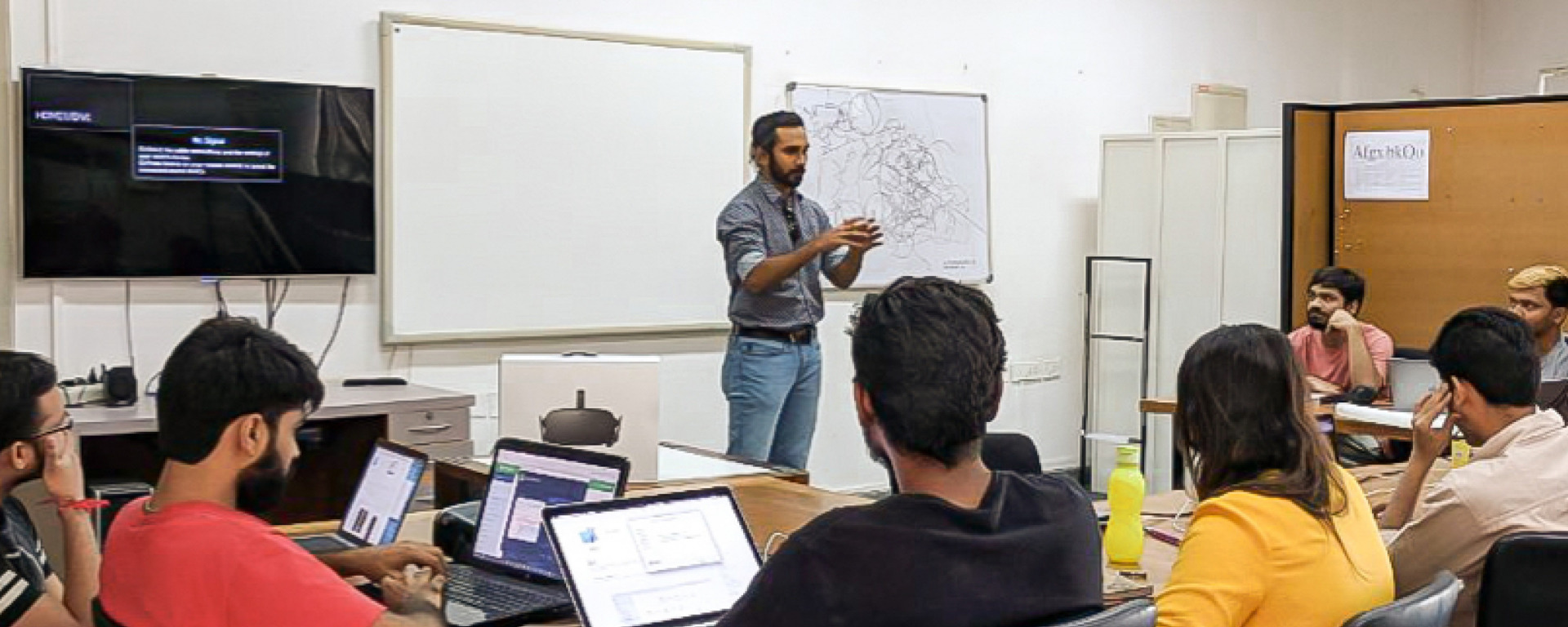
Image Credits
Screenshots from official Google blog posts
Illustrative mockups by Dinoop Dayanand
Ravi Palwe on Unsplash
Photo by Akshay Jindal