Meet Evan Pham | Physical Therapist | Running Consultant
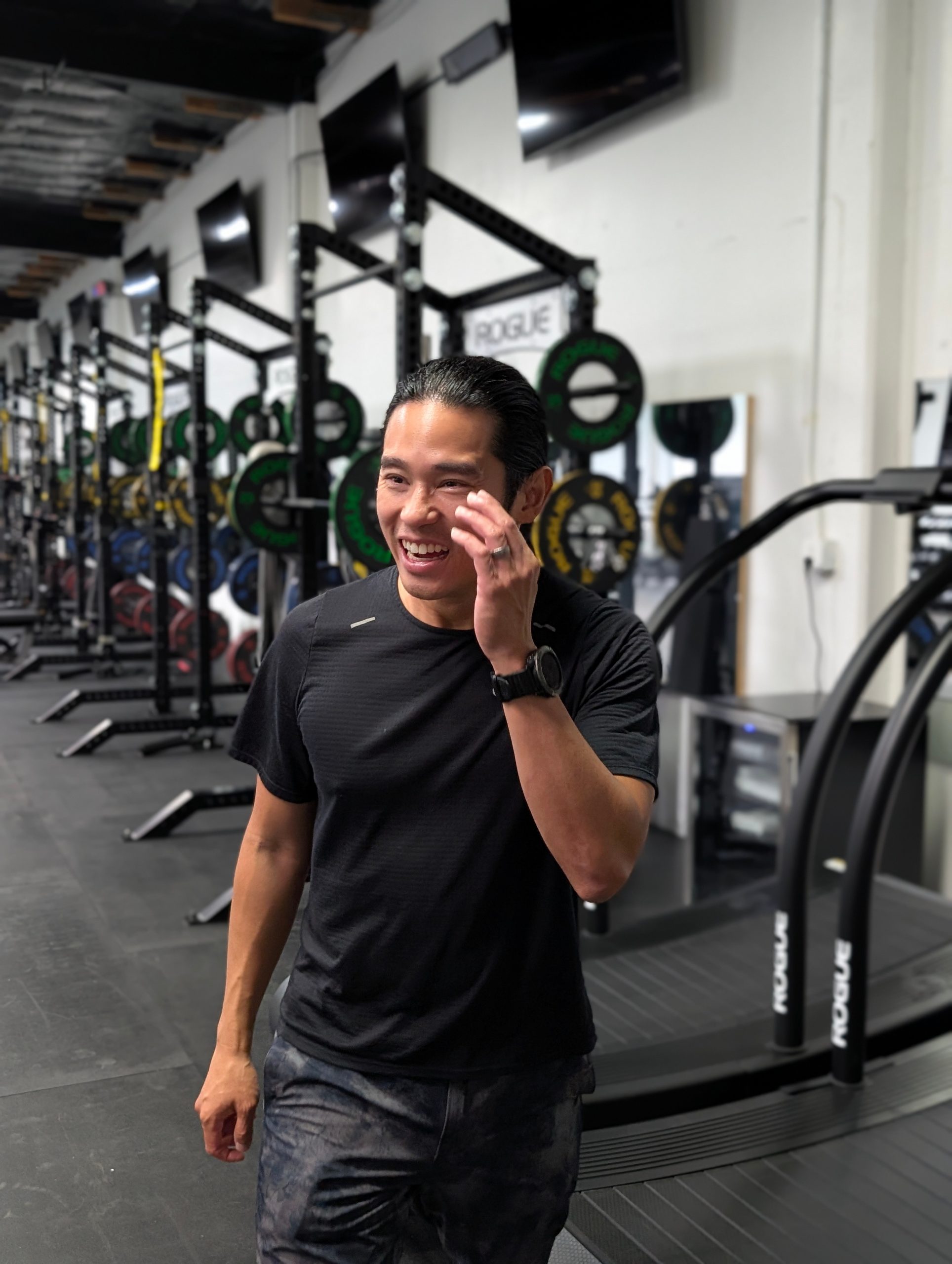


We had the good fortune of connecting with Evan Pham and we’ve shared our conversation below.
Hi Evan, what was your thought process behind starting your own business?
I started my own practice because I wanted alignment between how I think physical therapy should be delivered and how it actually operates day to day.
Early in my career, I believed in helping as many people in pain as I can was the best way to make a difference as a physical therapist. However, I felt a growing disconnect between incentives and outcomes. The lack of time created difficulty in preparation and didn’t leave much room for individualized care and their long term progress; especially for each person who has their own story when it comes to dealing with pain. It also made it difficult to go beyond standardized rehabilitation practices.
Building my own practice gave me clinical autonomy. I can spend the time needed to assess movement, training history, and lifestyle factors, and I can progress people in ways that respect beyond getting out of pain and into performance. That freedom has allowed me to work preventively, not just reactively, and to collaborate more closely with my clients, supporting coaches, and local running communities.
From a business standpoint, the model also made sense. Seeing fewer patients at a higher level of care creates continuity of care for both the clinician and the patient without relying on burnout or volume to make the numbers work especially when reimbursement continues to create challenges for the physical therapy profession.
Ultimately, I didn’t start a business to leave clinical care. I started one to enhance the patient experience. The goal was to create a practice I’d confidently send my own friends and family to, and one that reflects what modern physical therapy can look like when outcomes, education, and trust are the priority.
Alright, so let’s move onto what keeps you busy professionally?
What sets me apart is the way I approach care: I prioritize the person first, not just the pain they present with. Physical therapy offers a wide range of tools and philosophies but early in my career it became how to apply the “right” intervention. I now realized that it matters far less than understanding the individual in front of me, their goals, history, stressors, and relationship with movement.
Professionally, the path wasn’t linear. I’ve made mistakes along the way, rushing progress, trying to fix things too quickly, or misjudging how someone would respond to a training decision. Those moments weren’t setbacks as much as they were turning points. They forced me to slow down, listen better, and respect the complexity of adaptation, recovery, and trust.
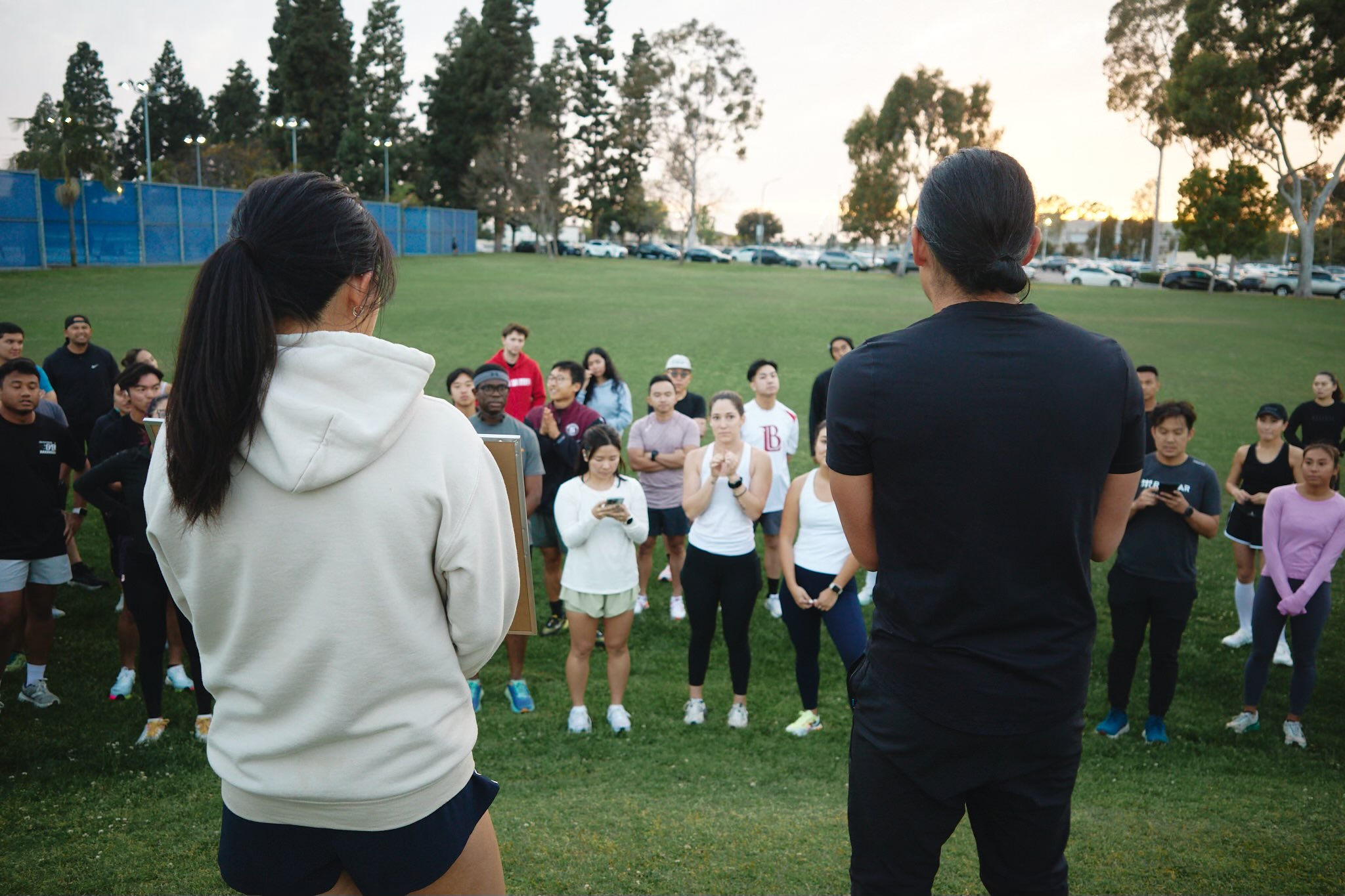
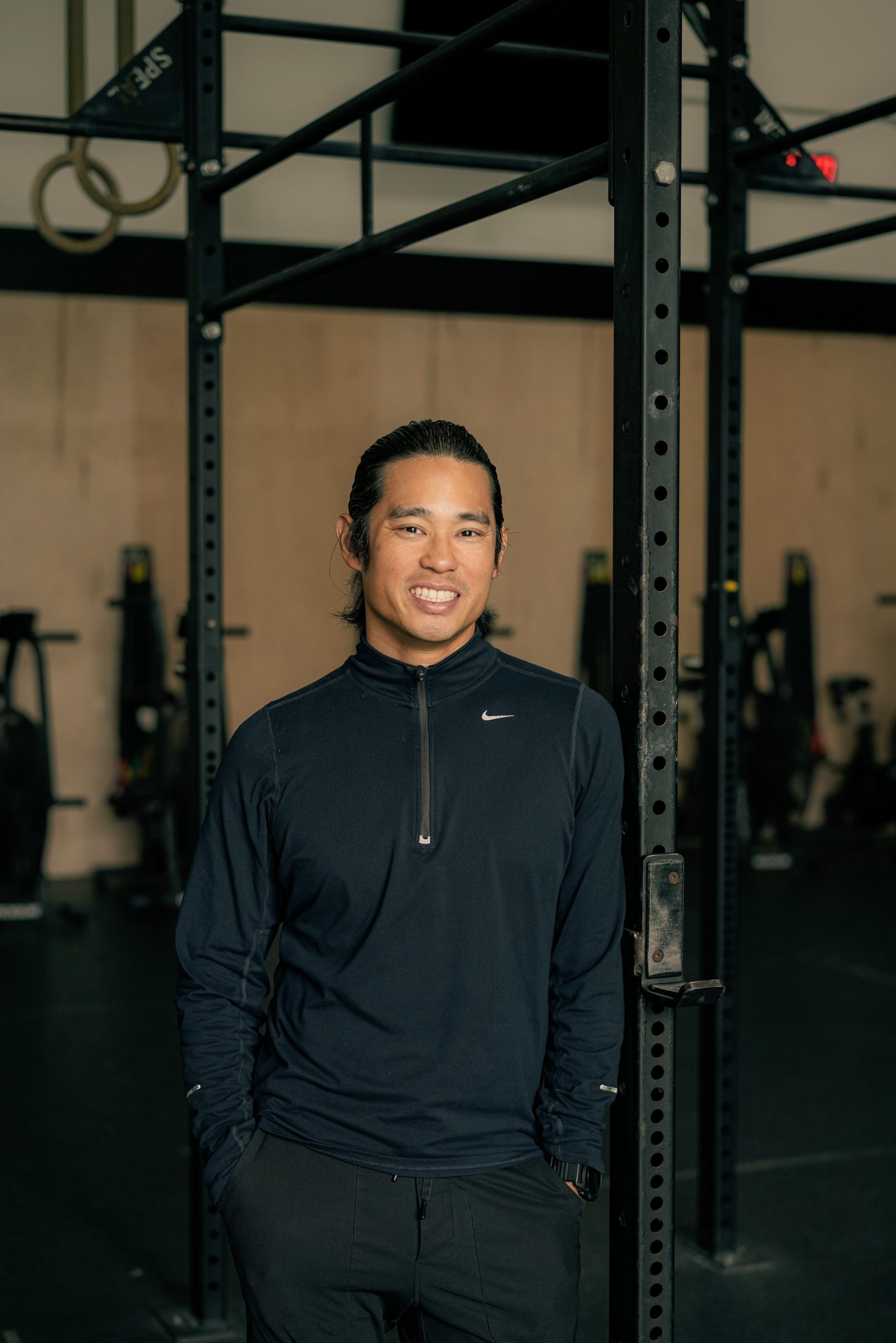
What I’m most proud of now is building a practice that reflects those lessons. I work with runners and active individuals who want more than short-term relief; they want guidance, durability, and confidence in their bodies. My approach blends rehabilitation with performance, and it emphasizes education so people understand why they’re doing what they’re doing and not just what to do.
If there’s one thing I want people to know about my brand and story, it’s that growth, whether it be physical, professional, or personal, is rarely clean or predictable. The goal isn’t perfection. It’s consistency, curiosity, and care over time. That mindset has shaped how I practice, how I run my business, and how I show up for the people who trust me with their movement and health.
Any places to eat or things to do that you can share with our readers? If they have a friend visiting town, what are some spots they could take them to?
If my best friend was visiting Long Beach, I would take them basically on a food tour all week and potentially a sports event because of how close it can be (depending on traffic of course!). Because Long Beach is so culturally diverse, there are so many different restaurants that can be of different ethnicities.
During the day, we’d keep it simple: walking the waterfront, cruising through Belmont Shore, popping into shops on Retro Row, and letting plans unfold instead of forcing an itinerary. It’s a city that lends to curiosity more than scheduling. The sports events are always just fun to be a part of because the greater LA area is a city of champions!
The Shoutout series is all about recognizing that our success and where we are in life is at least somewhat thanks to the efforts, support, mentorship, love and encouragement of others. So is there someone that you want to dedicate your shoutout to?
I’d love to dedicate my shoutout to my wife, Hazel, and Social Hour Run Club.
If it weren’t for them, I don’t think I would’ve had the opportunity or the confidence to grow into both the sport and the profession the way I’ve envisioned. Hazel encouraged me to take the leap into starting my own practice, while also grounding me in the idea that every person’s experience with struggle, pain, and progress is deeply individual. That perspective continues to shape how I approach both my work and the people I serve.
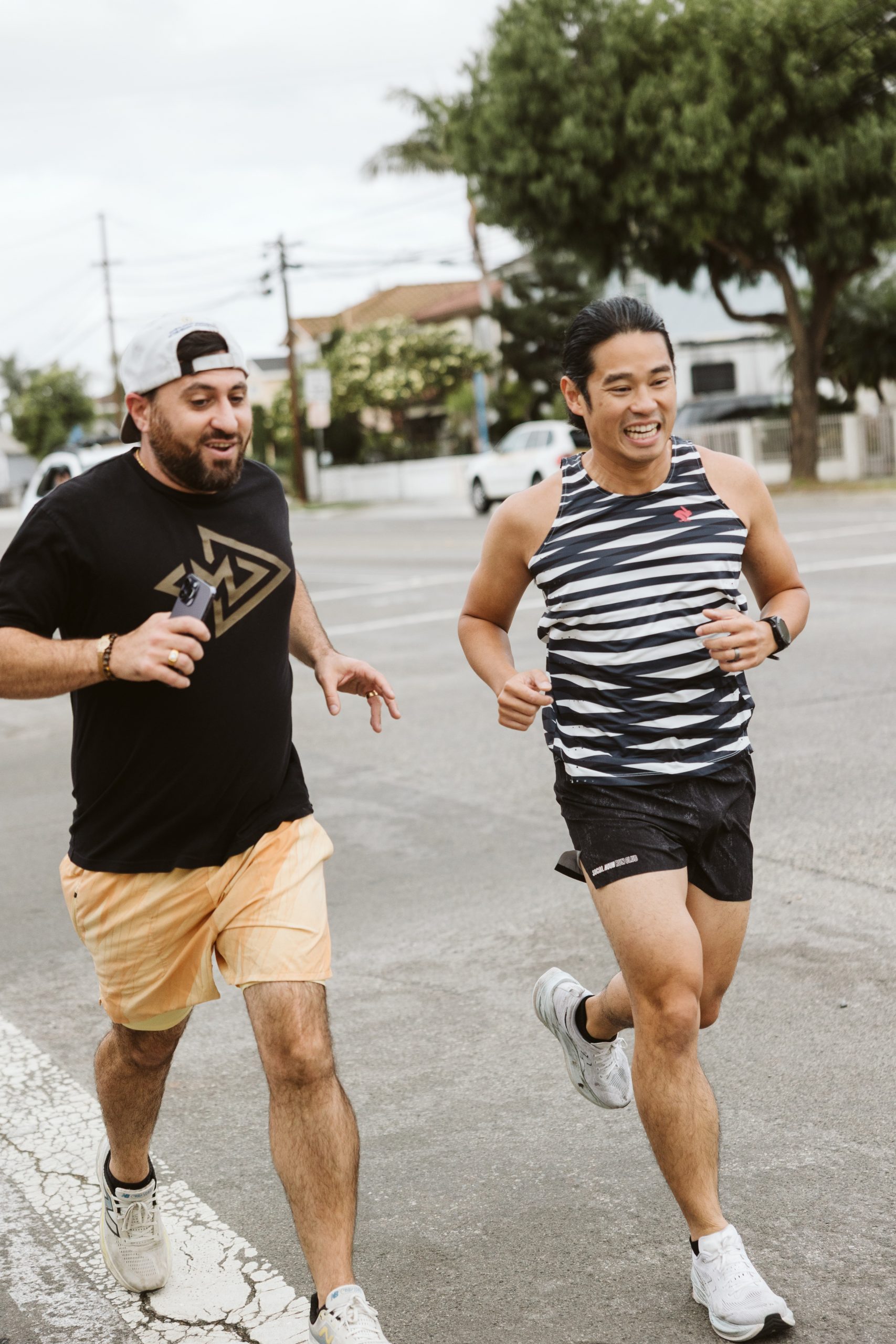
Donovan (leader of Social Hour Run Club) gave me a real outlet to connect with runners outside the clinic. It created space to share advice, build trust, and better understand the day-to-day realities athletes face beyond structured rehab sessions. That community played a meaningful role in helping runners building consistency in a healthy, enjoyable way.
Together, they provided the support system and environment that allowed this work to grow organically, not just as a business, but as a reflection of how I believe care, movement, and community should intersect.
Website: https://www.phamilypt.com
Instagram: https://instagram.com/phamilypt
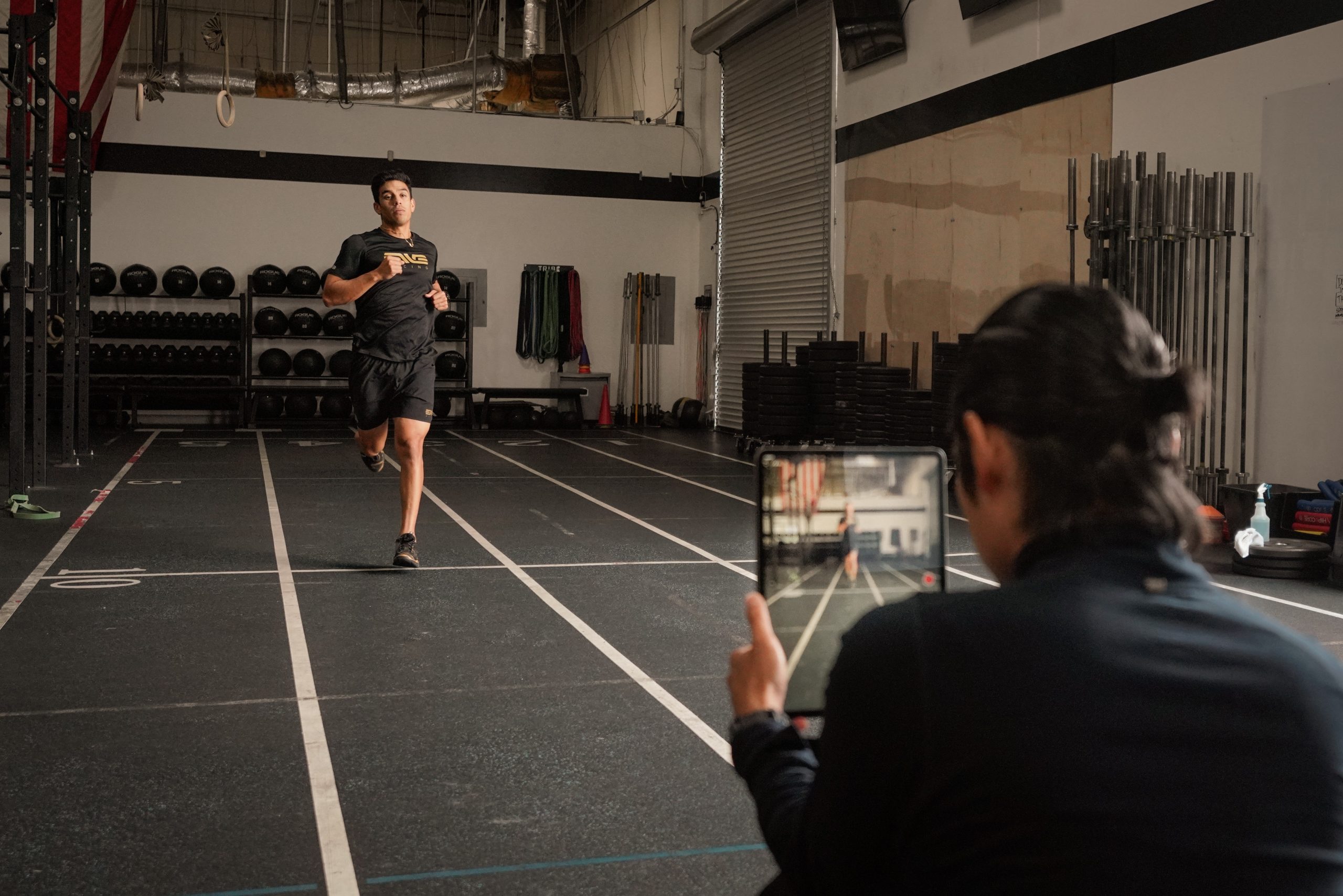
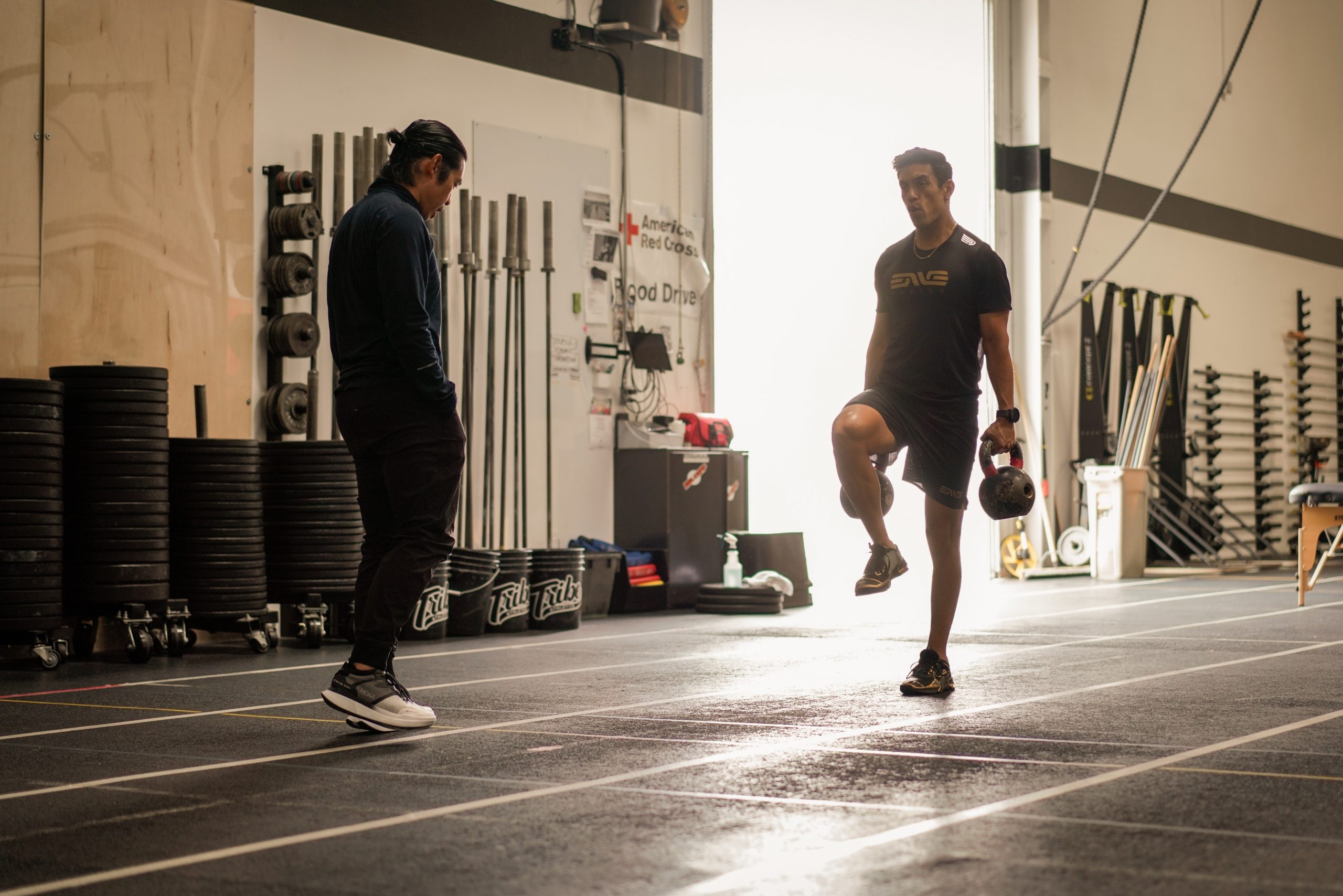
Image Credits
Andrew Castro, Federico (RJ) Bernardino, Jason Yang, Raymond Eugenio