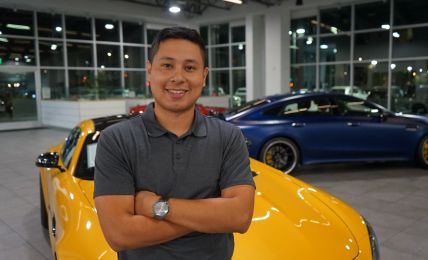
Meet Gary You | Denim Educator/Developer & Concerned Global Citizen


We had the good fortune of connecting with Gary You and we’ve shared our conversation below.
Hi Gary, how does your business help the community?
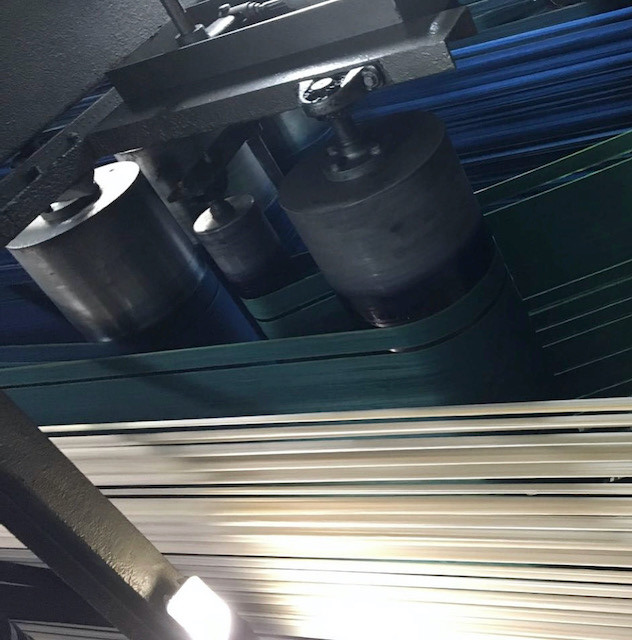
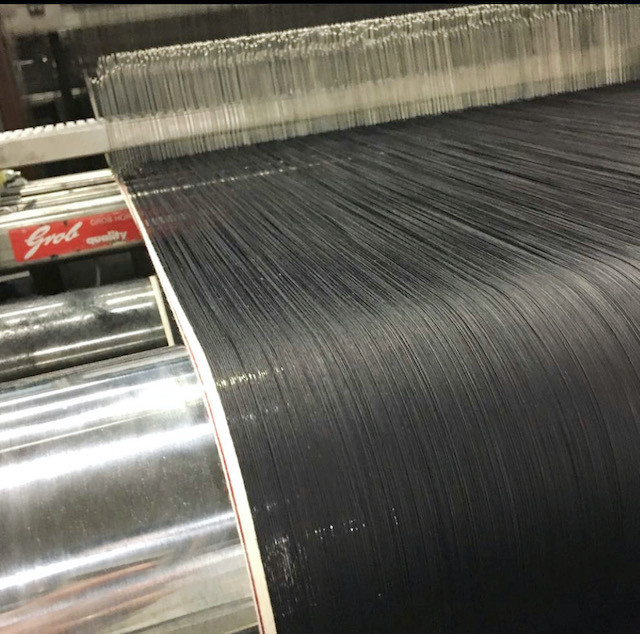
My business is to sell denim fabric to fashion brands. I want to be able to sell responsible raw materials that can help the environment, the community and provide a win-win situation for all … economically & socially. How we achieve this has been the challenge. In the world of instant gratification & instant information, we just want the results. We forgot or don’t give enough credit to the process. We need to slow down to think not only about speed and volume, but efficiency and quality. That’s what I have been doing to educate both the supply chain and the brands.
Some of our clients include Levis, A&E, Madewell, Buckle, Lucky Brand, Frame, 7 For All Mankind, Citizens of Humanity, Joe’s Jeans, Alexander Wang, to name a few. Altogether they produce millions of jeans a year. As most brands are becoming sustainable in their practices, they can’t be the solution for all. That’s where we come to do our part to be eco-conscious and responsible.
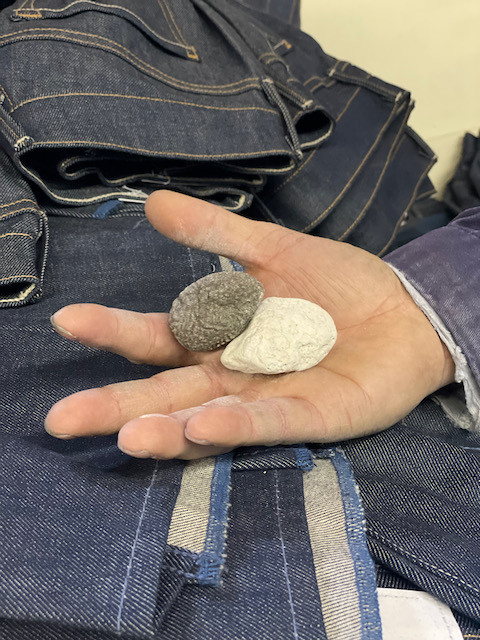
The biggest problem is waste. If we all consumed less, their would be less waste. Simple … not so simple. For denim, the most pollutant waste is in the indigo dye itself. Denim is an item we spend time, money & resources to destroy and make old/used again. All this scrapping and washing down of indigo is harmful to our soil and water supplies. Traditional indigo is made from indigo pigment, petroleum based chemicals, formaldehyde, & other harmful chemicals. To combat this, we have been using a liquid indigo that only consists of indigo pigment, caustic soda, electricity & water to make our indigo dyes. Also, we have using our own internal waste during cotton spinning and weaving to up cycled recycled cotton back into our products. In doing so, we are not uncharging our products, but trying our best to keep the same price points. All this is not to benefit only the end customer/product, but to better the world.
Can you give our readers an introduction to your business? Maybe you can share a bit about what you do and what sets you apart from others?
“Sustainability” should not be just used as an adjective but a way of thinking & living. “Organic” has become a label more than a way to grow and live without additives. In our business we want to be responsible and do our part in not being wasteful. This has had it’s challenges as the speed of the world is becoming faster. Everyone wants it faster, sooner, NOW! We believe a message of “sustainability” should be durability. If goods last longer, there is no need to replace them. What happens to the all our unwanted to items … they usually get trashed and ends up in a landfill. We need to find a way to recycled or reuse most of our unwanted clothes. Their are organizations, like the Ellen MacArthur Foundation’s Jeans Redesign program, that are getting brands involved in up-cycling clothes. Brands make clothes that can be easily recycled and put back into the system to be made into new products. In order for them to do that, we as raw material suppliers, need to provide them with items that can be recycled. We do this by trying to one content. If we have fabrics that are made up of more than 2 contents, it’s very hard to separate the fibers. It simply is not worth the time and money to do so. If there was a profitable business model for the separation & sorting, this can be part of a solution. We all are professionals and experts in our own realm. It is our job to do our part in the cycle.
Let’s say your best friend was visiting the area and you wanted to show them the best time ever. Where would you take them? Give us a little itinerary – say it was a week long trip, where would you eat, drink, visit, hang out, etc.
I think Los Angeles has the best authentic food in the world. This city are made up of little gem of a pocket of ethnic authenticity. There is a Korea town or Little Saigon of everything. In this diverse city of immigrants, we get the real deal in cuisine. Nothing watered down. My tour would just be to drive through a major street all the way down and experience the food and neighborhoods along that street. Western Ave, Olympic Blvd, Imperial Highway would be perfect streets that intersect so many communities.
Who else deserves some credit and recognition?
Vivian Wang (vivian@kingpinshow.com) Ani Wells (anisuzette@gmail.com)
Tricia Carey (t.carey@lenzing.com)
Website: www.bluediamondglobal.net
Instagram: @bluediamondglobal
Linkedin: linkedin.com/in/gary-you-8867385