Meet Grace Hwang | Graphic Designer
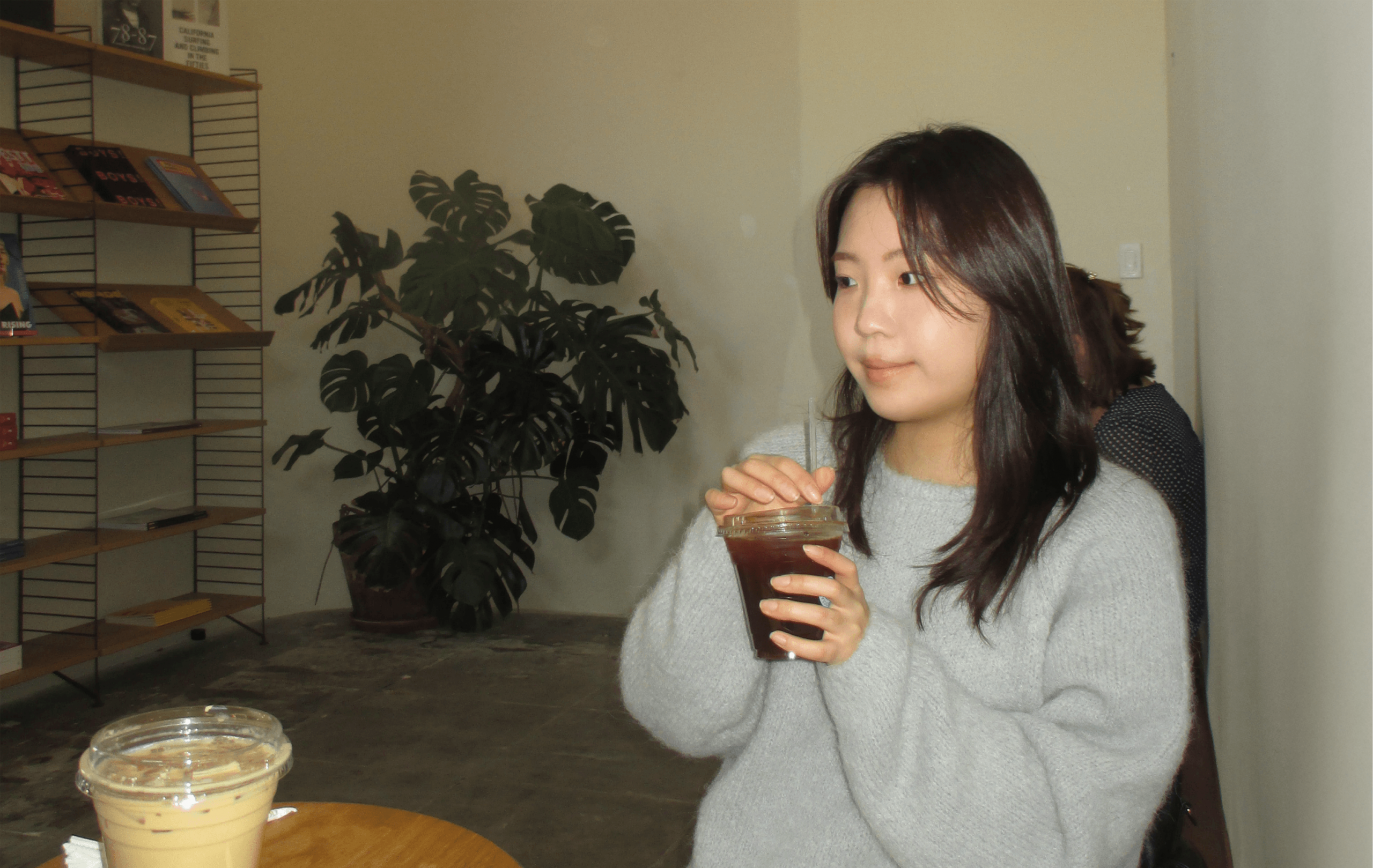


We had the good fortune of connecting with Grace Hwang and we’ve shared our conversation below.
Hi Grace, we’d love to hear about how you approach risk and risk-taking.
I see risk as a choice to step beyond comfort and into possibility. It’s how I give myself room to grow, even when the next step isn’t clear.
I’ve taken many risks throughout my creative journey. Growing up in Korea, moving to the United States to study graphic design, and later stepping out of my comfort zone to study abroad in Berlin all felt uncertain at the time. Each experience challenged me in different ways, but together they shaped how I see the world and approach my work today. The most recent, and perhaps most meaningful, risk I took was leaving my previous role as a junior designer. It was my first role after graduating, and while the decision wasn’t easy, I knew I needed time and space to think more intentionally about my direction.
In school, I imagined myself as a graphic or branding designer, but working on campaign projects expanded my perspective. I became more interested in creative direction and the broader decisions behind how a brand takes shape. I wanted the freedom to explore that curiosity more deeply and begin defining my own style, rather than following a path that felt already decided.
Freelancing wasn’t something I set out to pursue, but opportunities unfolded naturally, with one project leading to another. This unexpected chapter has given me a new perspective on how I work and where I feel most engaged creatively. I’m still learning and experimenting, but the independence has offered the space to reflect, grow, and better understand myself as a creative.
Can you open up a bit about your work and career? We’re big fans and we’d love for our community to learn more about your work.
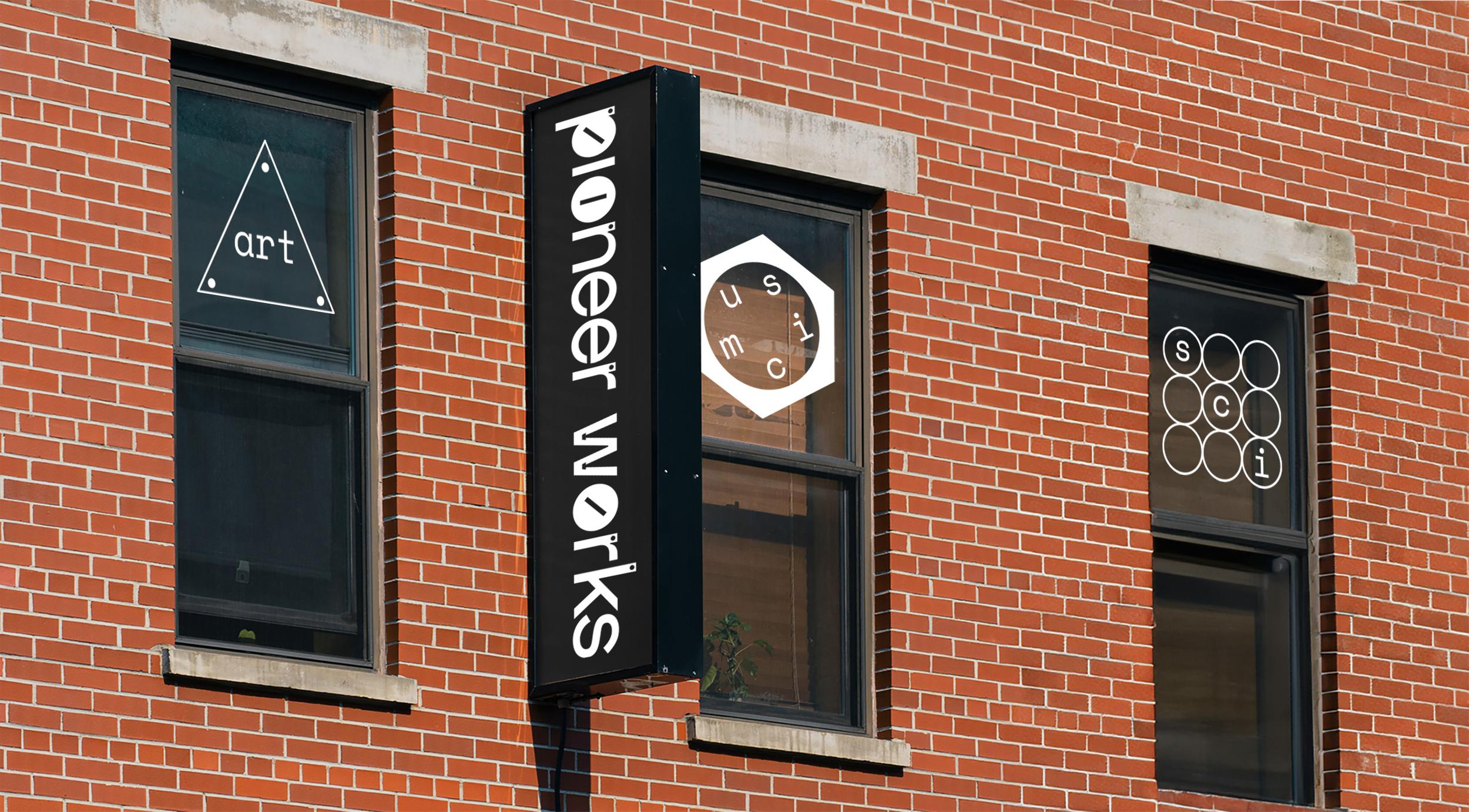
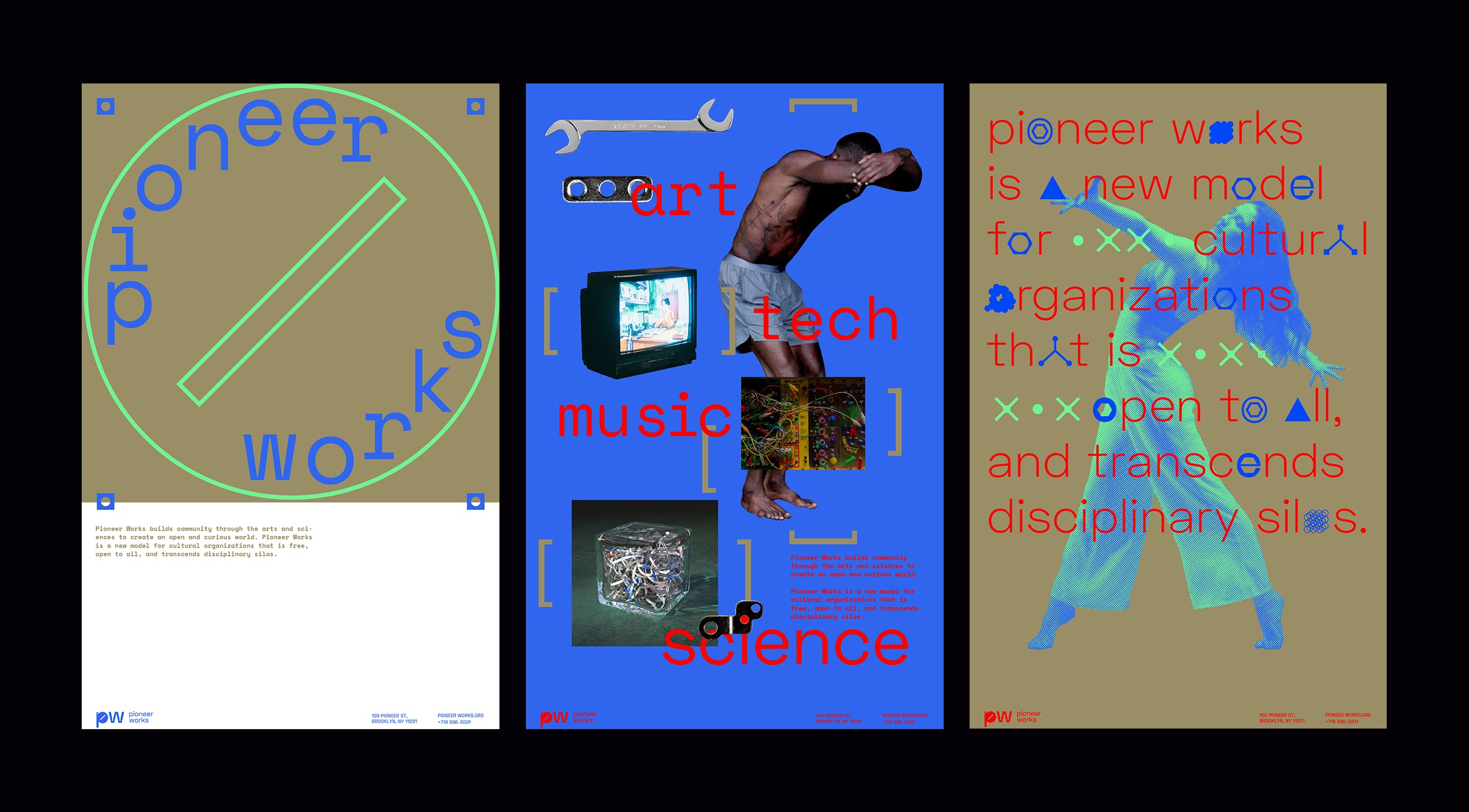
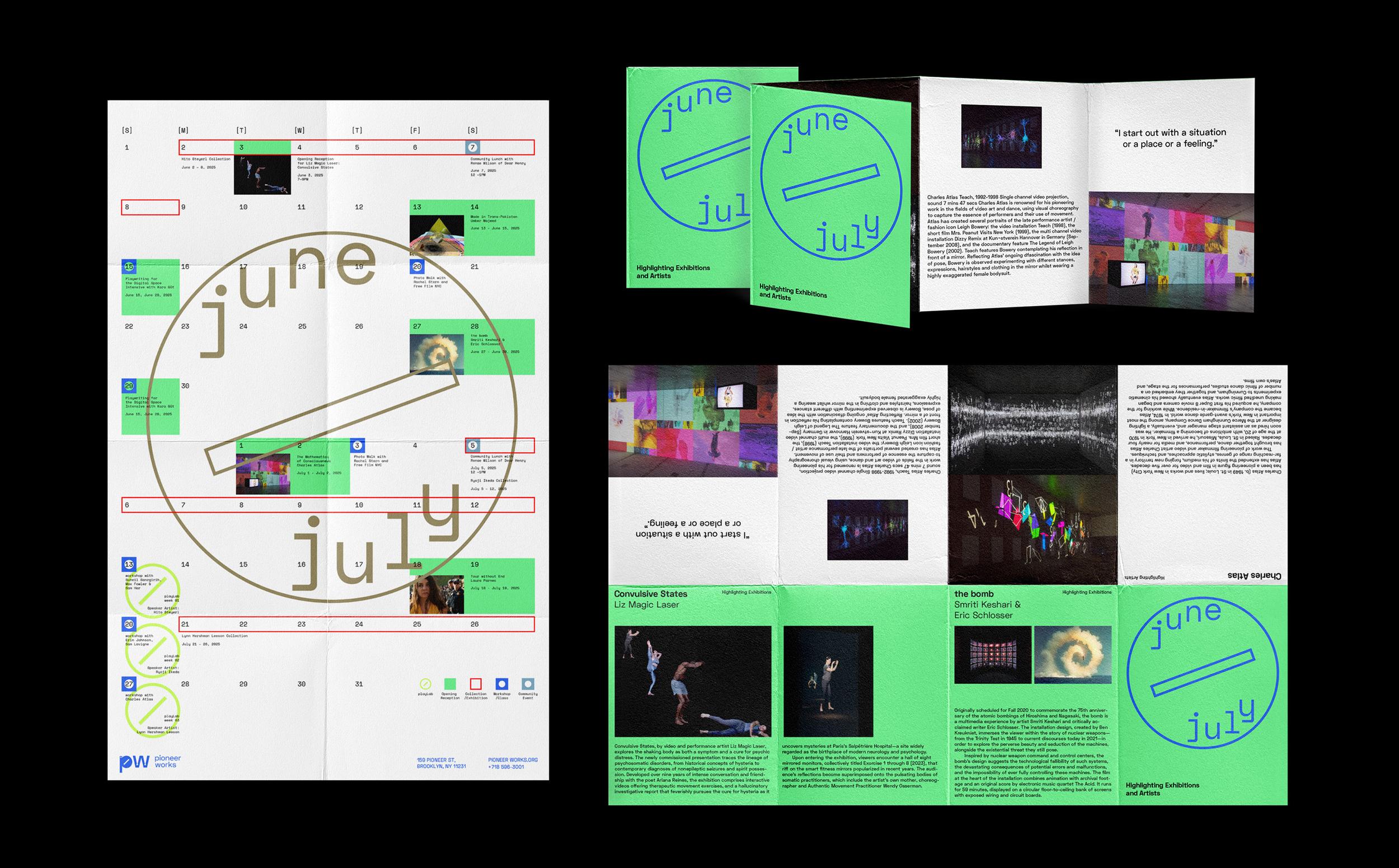
My work often begins with research and concept-building, using visual storytelling to translate ideas into form. One recent project was a hypothetical rebranding for Pioneer Works, a cultural space in New York that brings together art, music, science, and technology. My initial question was how to represent creative convergence visually: different disciplines meeting, overlapping, and influencing one another.
During my research, I learned that the building originally functioned as an iron factory before being repurposed into its current role as a cultural institution. That history became central to the concept. The raw, industrial origins felt closely aligned with Pioneer Works’ pioneering spirit, artists experimenting, assembling ideas, and building something new through collaboration. From there, I developed a typographic system based on modularity and movement, in which elements could be assembled and reassembled, reflecting dialogue, exchange, and the space’s flexibility.
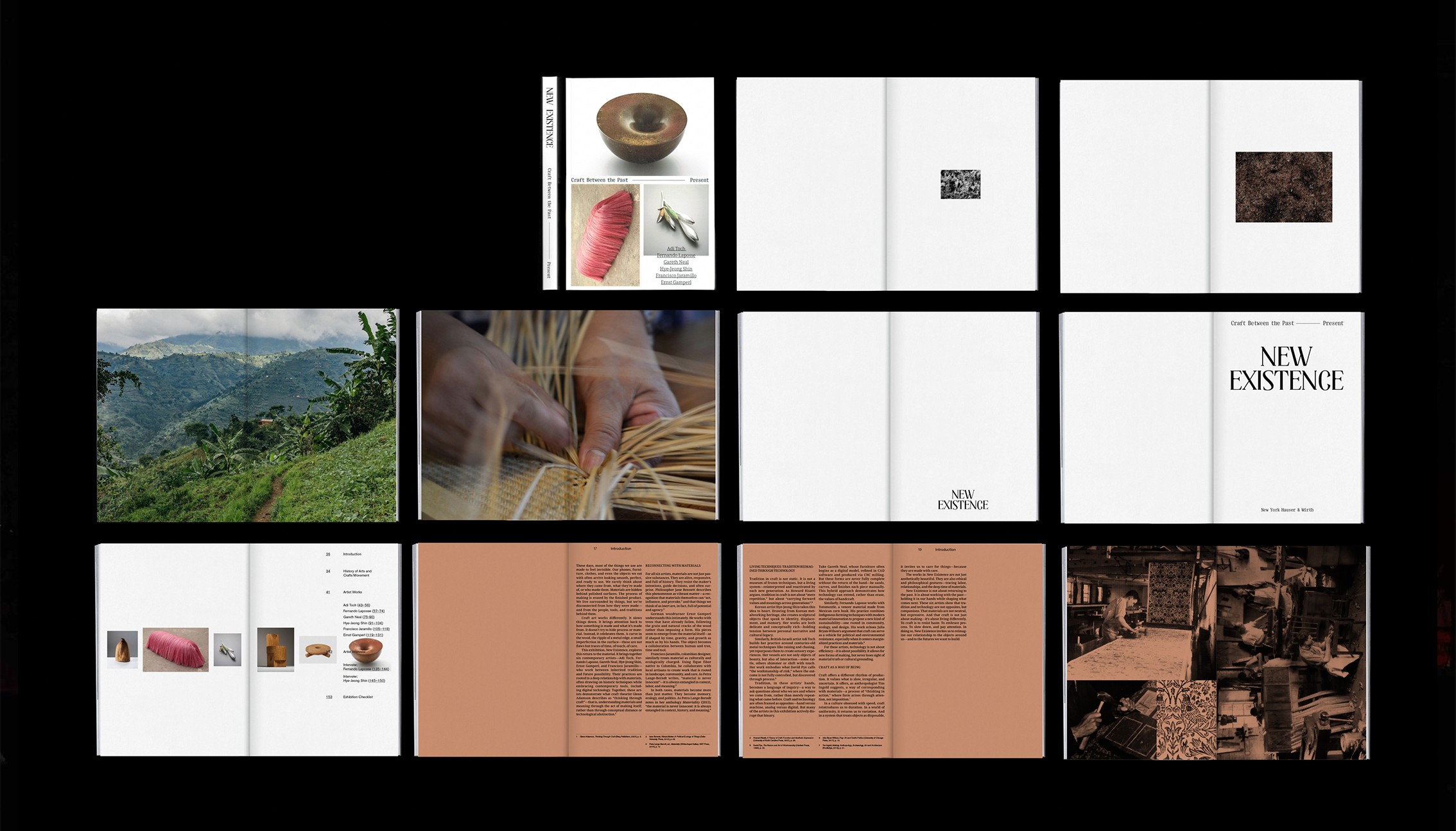
New Existence explores how craft intersects with history and modernity, shifting my focus from brand identity to editorial storytelling. Using image-driven sequencing and negative space, the project reflects the evolution of material, function, and meaning over time. This project reflects my interest in using design as a curatorial tool—where concept, research, and restraint shape how stories are experienced rather than displayed.
If you had a friend visiting you, what are some of the local spots you’d want to take them around to?
If I were showing a friend around LA, I’d take them to the places that inspire me most. I’d start at Hollyhock House and Barnsdall Art Park, where the quiet hillside, architecture, and soft light open up to views of both Griffith Observatory and the Hollywood sign.
Then I’d like to walk through Silver Lake, my go-to neighborhood for cafés, vintage stores, and great food, breakfast at Sqirl, and dinner at Doto, a place I love as much for its beautifully designed space as its food. I’d end with Highland Park, a neighborhood filled with small bookstores, coffee shops, and local vintage shops, the creative.
Who else deserves some credit and recognition?
I’ve been lucky to learn from so many supportive people throughout my journey. I want to thank my professors, especially Simon Johnston, Brad Bartlett, River Jukes-Hudson, and others, who helped shape how I think about design and encouraged me to look beyond execution and focus on intention, concept, and storytelling. Their guidance played a huge role in how I approach my work today.
I’d also like to thank the director I interned for, Jean-Marc Durviaux, who provided me with my first real experience working in a professional creative environment. Learning directly through hands-on projects and honest feedback helped me better understand what it means to be a working designer.
More recently, I’m grateful to the program and art directors I’ve worked with, whose trust and perspectives have pushed me to grow in new ways. Their support helped shape my path and gave me the confidence to keep going, especially during transitions. I also want to thank my friends, who have been constant sources of feedback and encouragement—people who inspire me, take me to places that spark new ideas, and walk alongside me through the highs and lows of this journey.
Website: https://gracejhwang.com/
Instagram: https://www.instagram.com/gracey.hwang/
Linkedin: https://www.linkedin.com/in/grace-j-hwang/