Meet Hanna Penington | Linguist & Language Coach for Bilingual Families
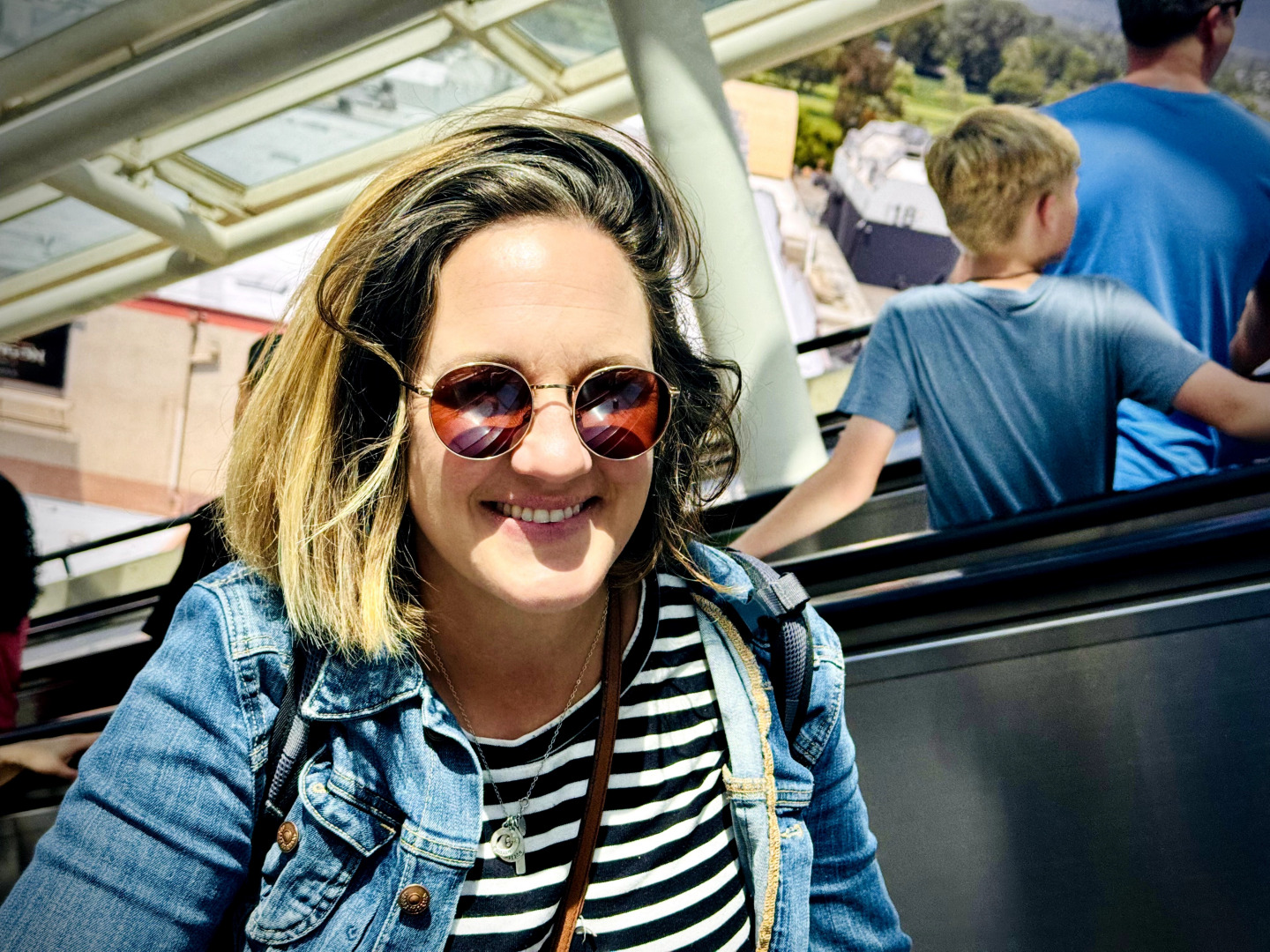


We had the good fortune of connecting with Hanna Penington and we’ve shared our conversation below.
Hi Hanna, how did you come up with the idea for your business?
The idea for Kinderspiel Academy grew out of both professional passion and personal observation. As a linguist and language educator, I’ve always been fascinated by how children “actually” acquire language — not through drills or apps, but through meaningful connection, movement, and real-world interaction. I also saw, time and again, how children in bilingual households would understand a second language perfectly, yet feel hesitant or even resistant to speaking it. The reason? They lacked context — the social and emotional setting that makes a language come alive.
Raising my own bilingual children made this even clearer. I saw firsthand how limited exposure — even with daily input from a parent — wasn’t enough to spark confidence or natural use. My kids needed peers, purpose, and play in the target language for it to become something they “wanted” to speak, not just something they “could” understand.
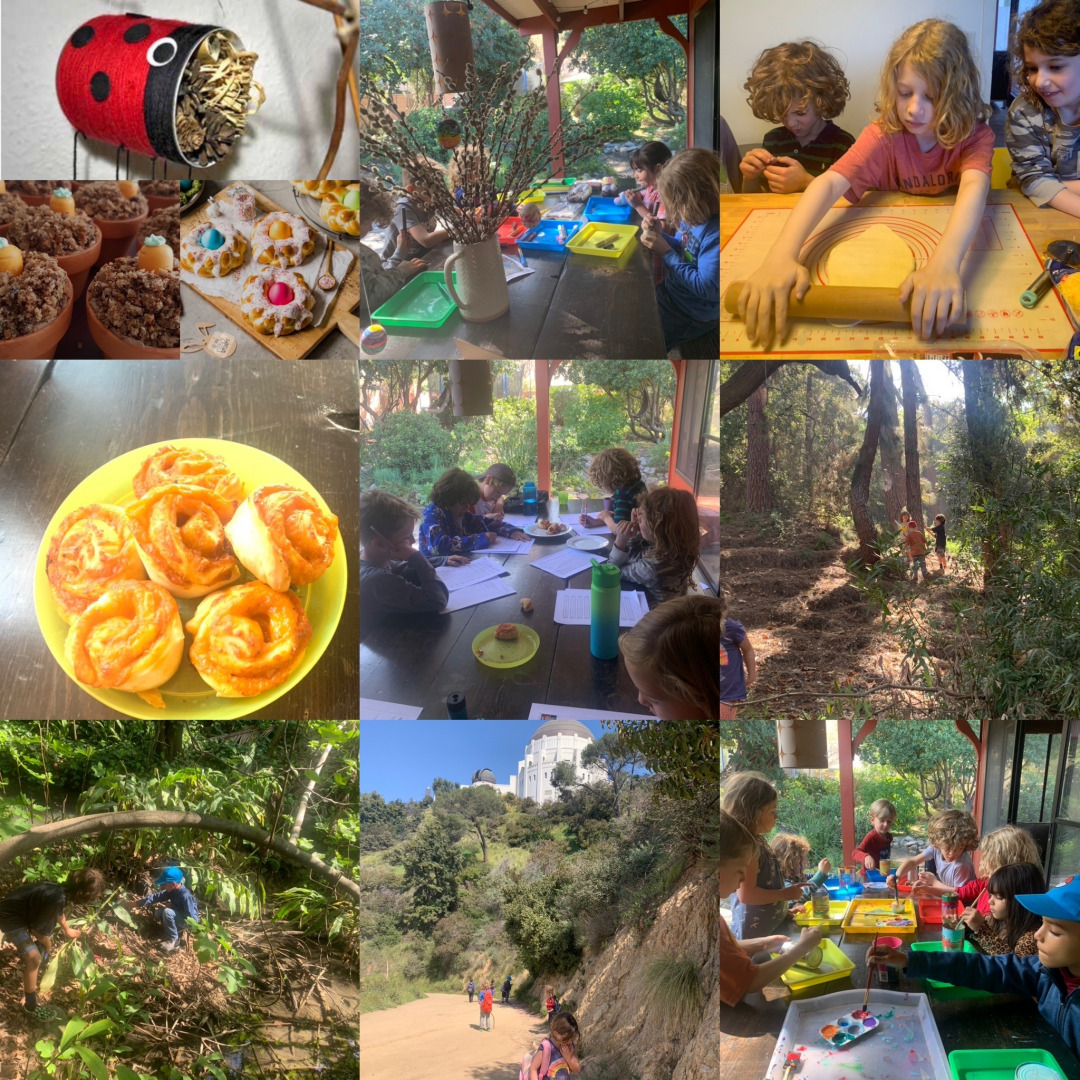
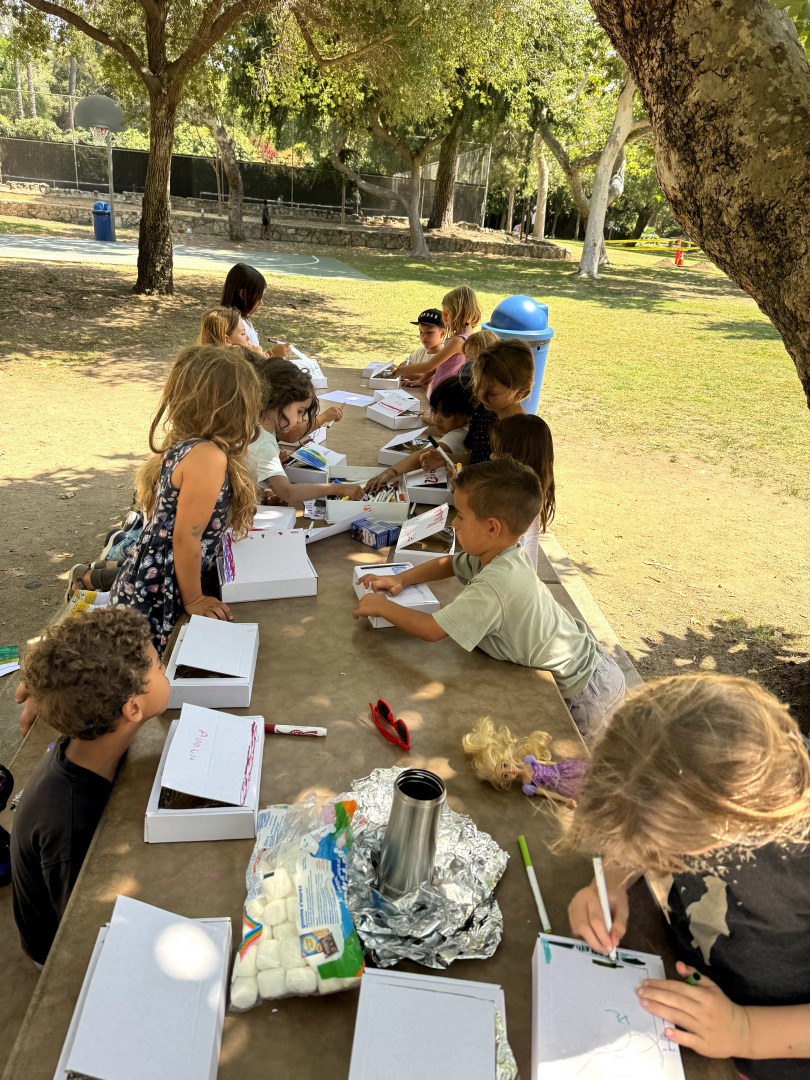
I wanted to change that. I wanted to create a space where German wasn’t just taught — it was “lived”. Where language came through songs, creative projects, games, or shared laughter during a nature scavenger hunt. I imagined a screen-free, nature-based immersion setting that looked more like a forest preschool or European outdoor program than a classroom — a place where children could build a real relationship to the language, not just memorize vocabulary.
Kinderspiel was born from that vision: an environment where language meets joy, creativity, and nature. It’s playful, it’s rooted in deep research, and it works — because it honors how children actually learn.
Let’s talk shop? Tell us more about your career, what can you share with our community?
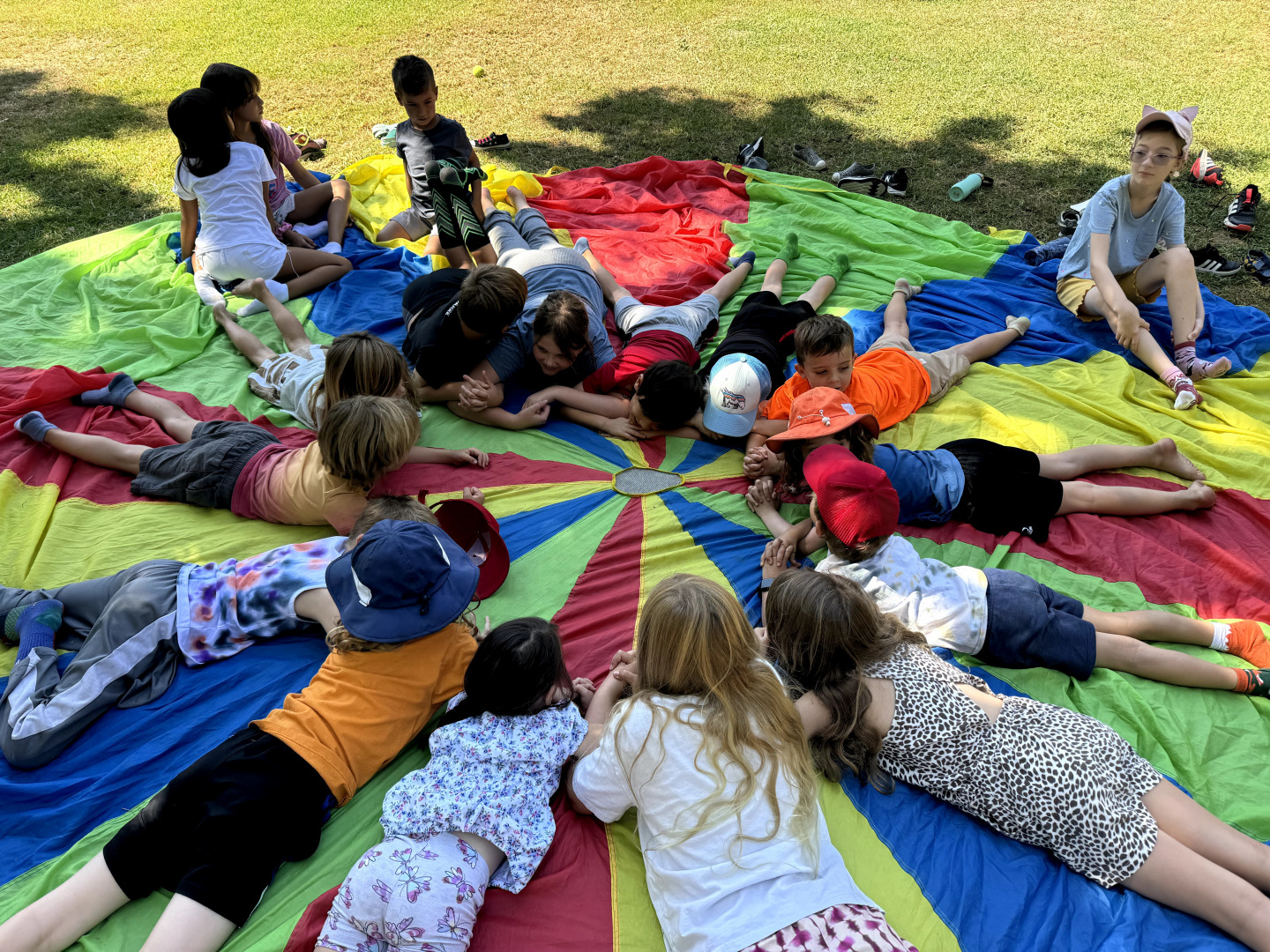
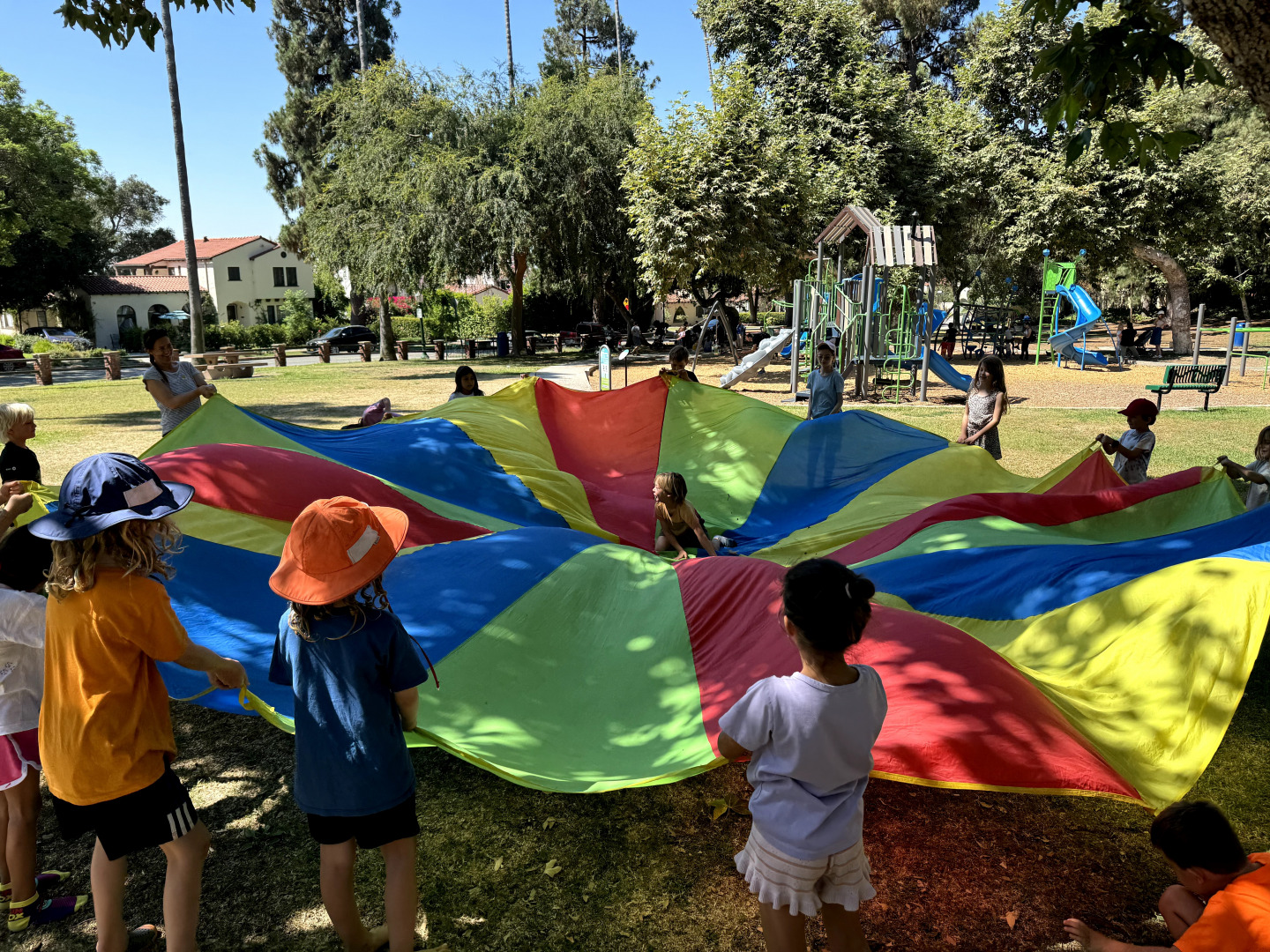
My “art” lives at the intersection of language (in the linguistic sense), play, creativity and nature. At Kinderspiel, we create immersive German experiences for children through movement, storytelling, crafting, and exploration of the outdoors. What sets us apart is our whole-child approach: we don’t just teach language, we create a space where it is “lived” — I aim to create spaces where kids experience German in ways that closely mirror real life in Germany (that’s my professional background in localization speaking, I guess), helping them bridge the gap between passive understanding and truly living the language and feeling at home in it.
Many children of bilingual households understand every word their parent says (most families choose OPOL – one parent, one language – as their language policy), but still feel uncomfortable speaking — not because they lack ability, but because the language exists only in isolated situations (just with mom/dad, just at school,…). It becomes something to “translate” rather than something to use naturally.
At Kinderspiel, we change that by offering real-life, fun, peer-based immersion. When language is the tool for building a fort, telling a joke, making a potion, or running a game, it becomes meaningful and “theirs”. It stops being something they “should use” and becomes something they want to use – a shared code for creativity, movement, mischief, and meaning. That’s when real language development — and real confidence — begins. That shift from passive understanding to active ownership is what turns language into identity. And that, to me, is the heart of my work.
I’m most proud of the fact that – over the course of 15 years – we have gone from being one “parent & me” Saturday class to being a recognized institution for German in the Los Angeles area. We run aftercare programs, day camps, and even intensive support classes for children with dyslexia. We have grown this first class of babies and toddlers into a community of all ages that celebrates traditions and holidays together and where parents collectively pass on their heritage language to their children as a result. We are a community that learns together!
My background is in linguistics, and I’ve always been fascinated by how language works at its core, how it shapes our thinking, our relationships, and our sense of belonging. Kinderspiel is rooted in that fascination. I started off as a linguist for a big entertainment company here in LA, but realized I wanted to apply what I had learned as a localization specialist to the field of language acquisition and learning when I had kids of my own. It’s one thing to study how children acquire or learn language — but it’s another to witness and apply that knowledge in real time in the most organic way. I wanted to create a space where the beauty of language development was honored, trusted and lived — not rushed – with my own children being my greatest teachers. I’ve learned to trust the process.
When I started Kinderspiel, I wasn’t just launching a program — I was building a model that didn’t really exist yet. A holistic (mostly) outdoor German immersion program that aimed to recreate how children would socialize and learn in Germany. It sounded unusual to many people. I had to explain — over and over — that language learning doesn’t need to be academic or stressful. That children learn best through play with peers and by being exposed to the target language as much as possible. That a tree stump and a tin pot can teach more German than an app or flashcard deck ever could.
The biggest challenges were often about trust — trusting myself, trusting the process, and helping others understand the “why” behind what I was doing. There was no roadmap. There was a lot of trial and error — and a whole pandemic that threatened to bring this entire operation, and the philosophy of togetherness behind it, to a screeching halt. But it didn’t. We’ve found ways to keep it going even when we couldn’t be together physically – and we kept growing.
I’ve learned that by doing things differently, the challenge is that people don’t immediately see the “value” in what you’re doing. Language learning through nature, movement, play, and creative projects can seem “cute” or optional, especially when measured against more traditional academic approaches. But I’ve learned to trust that the depth and impact of this work speaks for itself in a powerful way. I’ve also learned that children often don’t need more instruction; they need meaningful experiences, room to be themselves, and a sense of belonging. And when you build something grounded in joy and purpose, the right families find their way to it.
Most of the kids I work with go to a dual immersion German elementary school, which plays a huge role in their learning success. My own children attend the school, and we deeply value and admire the program and the teachers. What I offer through Kinderspiel is designed to enrich and extend that foundation — to bring the language to life in a different context, as well as to educate and support the parents. It’s about complementing what already exists and helping create a more complete and joyful learning experience. When schools and community-based programs work in harmony, kids benefit from the best of both worlds.
A big part of my work also involves coaching parents — helping them understand the how behind language acquisition and co-creating tailored, sustainable plans for their family’s unique language journey. When families feel supported and seen in this process, they become more confident in weaving the language meaningfully into their everyday lives.
If there’s one thing I want the world to know about Kinderspiel, it’s that second language learning is not a subject — it’s a way of being in the world. And when we give kids the right tools and the space to move, create, imagine, and feel “seen”, they absorb language in the most natural and lasting way. Passing on a heritage language is a community effort.
If you had a friend visiting you, what are some of the local spots you’d want to take them around to?
If my best friend were visiting LA, I’d want to show them a version of the city with its little less known spots than what the tourist guidebooks suggest — the kind of LA that locals love: full of nature, good food, and tucked-away surprises.
We’d kick things off with a real-deal hike through Griffith Park — not just a quick drive to snap a photo of the Hollywood sign. I’d take them on one of my favorite routes that winds up past the old Bronson Caves and climbs through fragrant chaparral and shady eucalyptus groves, eventually landing us behind the Hollywood sign for that breathtaking, surreal view over the city and Lake Hollywood Reservoir. On the way back down, we’d stop by the Griffith Observatory, for a totally free experience as we don’t even have to pay for parking.
For brunch, we’d head to Aroma Coffee & Tea in Studio City. Their outdoor garden patio feels like a secret hideout, and the vibe is super cozy. Their pastries are massive, the coffee is strong, and the people-watching is on point.
We’d do a drive along Mulholland Drive next. The road curves along the spine of the Santa Monica Mountains, with views that stretch from downtown to the ocean. It’s one of those drives where every turn reveals a different angle of LA — from glittering cityscapes to hidden, architectural dream-houses tucked into the hills.
For the beach, I’d take them to Point Dume in Malibu — where the cliffs drop into coves, dolphins often surface right offshore (and sometimes whales), and the vibe is slower, quieter, and wilder.
Dinner one night would have to be Midori, an all-you-can-eat hole in the wall sushi spot that’s somehow both casual and legit. It’s a favorite for good reason — super fresh, and the kind of place where you lose track of time laughing and ordering “just one more roll.”
Dessert – if we could fit it (of course we could!) would be at Salt & Straw with its unconventional and super yummy ice cream flavors that can challenge even the most adventurous foodie.
For an additional day, I would schedule a hike at Runyon Canyon for some more people watching, an Italian sandwich for lunch at Larchmont Wine & Spirits in Larchmont Village, and a visit to Hollywood Forever Cemetery (hopefully for one of their super cool events such as Dia de los Muertos or a movie).
LA is a city of layers. And the best parts — the ones you remember — are usually the ones just a little out of view, where nature, creativity, and good food meet. That’s the LA I’d want my best friend to take home with them.
The Shoutout series is all about recognizing that our success and where we are in life is at least somewhat thanks to the efforts, support, mentorship, love and encouragement of others. So is there someone that you want to dedicate your shoutout to?
Absolutely — my biggest shoutout goes to the incredible community of parents who choose to make language a priority as a living, breathing part of their family life. At Kinderspiel, we create playful, immersive experiences that spark curiosity and connection — but it’s ultimately the parents who understand that committing to a second language and making the process fun is the key to success. They show up with openness, trust, and a deep belief that children learn best through joy, movement, and real-life situations. These families turn language into a shared adventure, and their support is what brings our mission to life. I’m endlessly grateful to walk this path with such an amazing community.
Website: https://www.kinderspiel-academy.com
Instagram: kinderspielacademy
Linkedin: http://linkedin.com/in/hanna-penington
Facebook: https://www.facebook.com/share/1HdHB92BZ9/?mibextid=wwXIfr
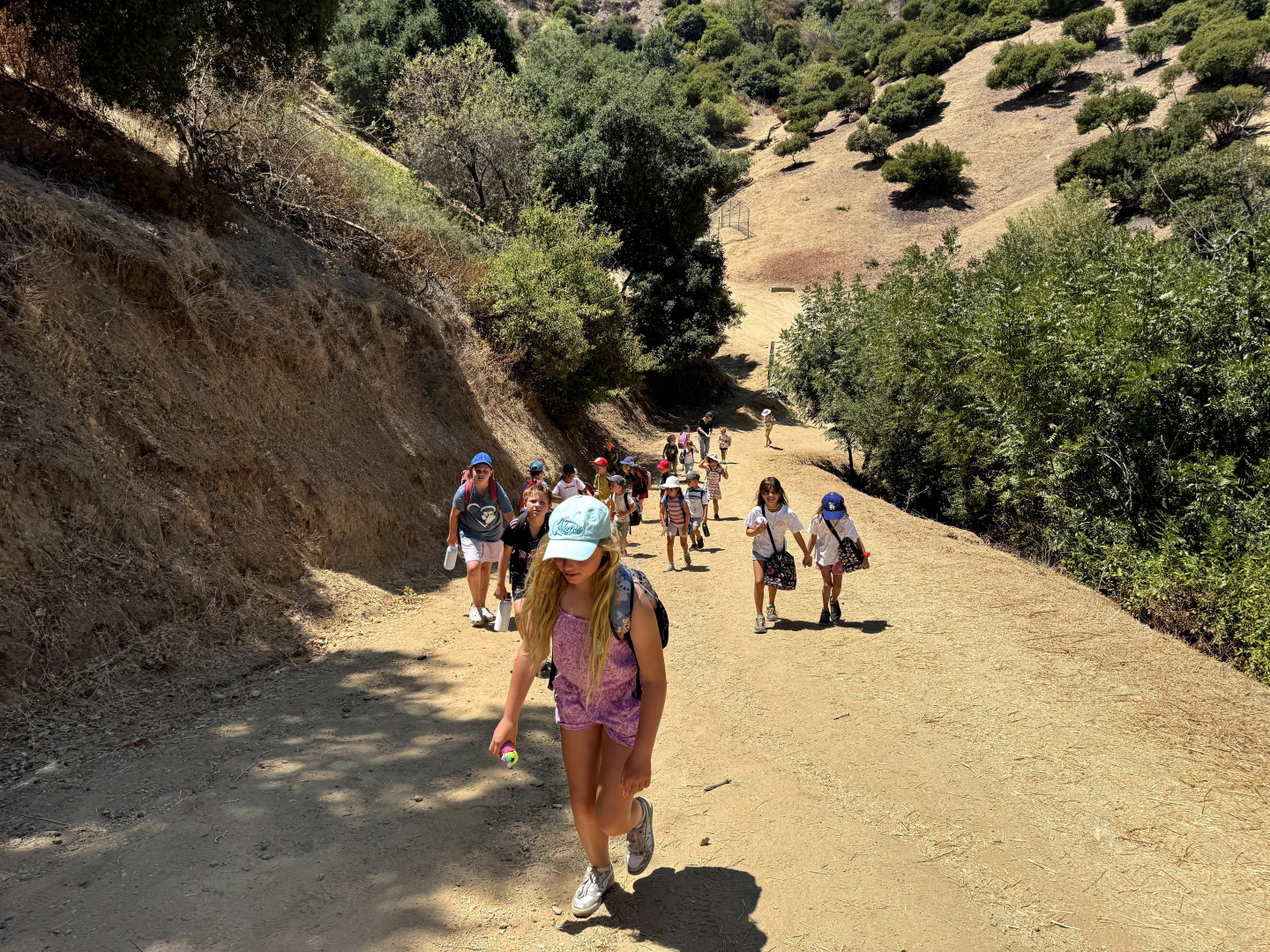
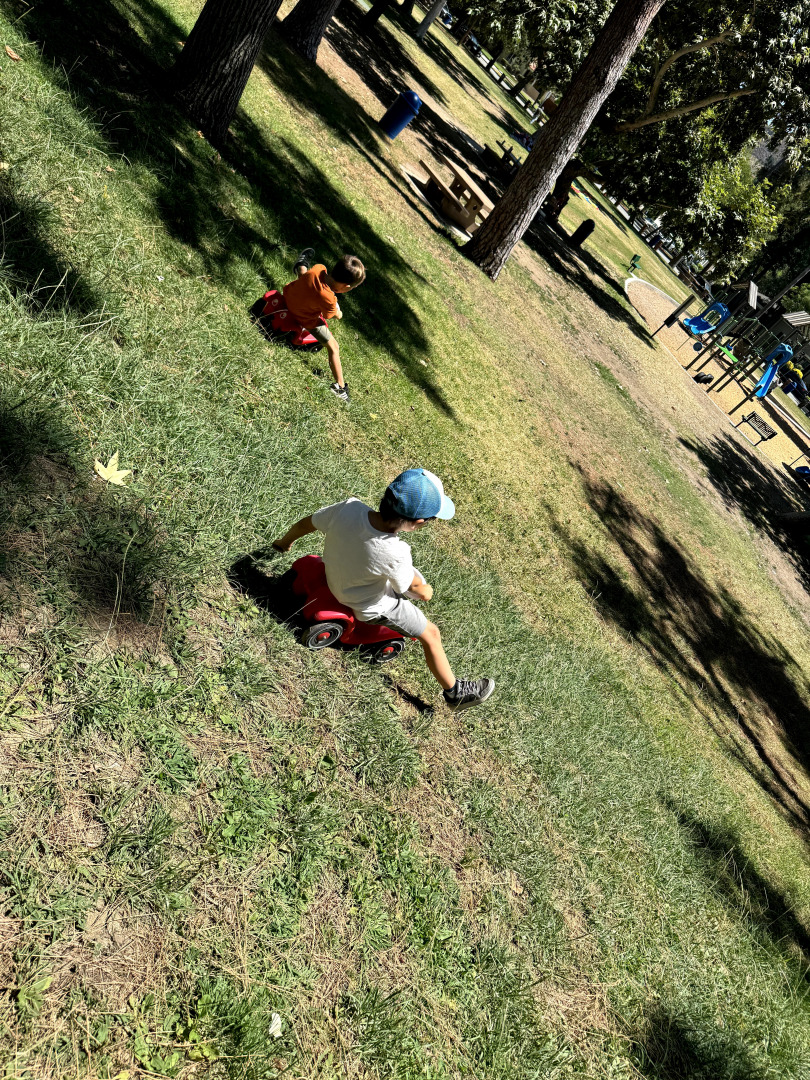
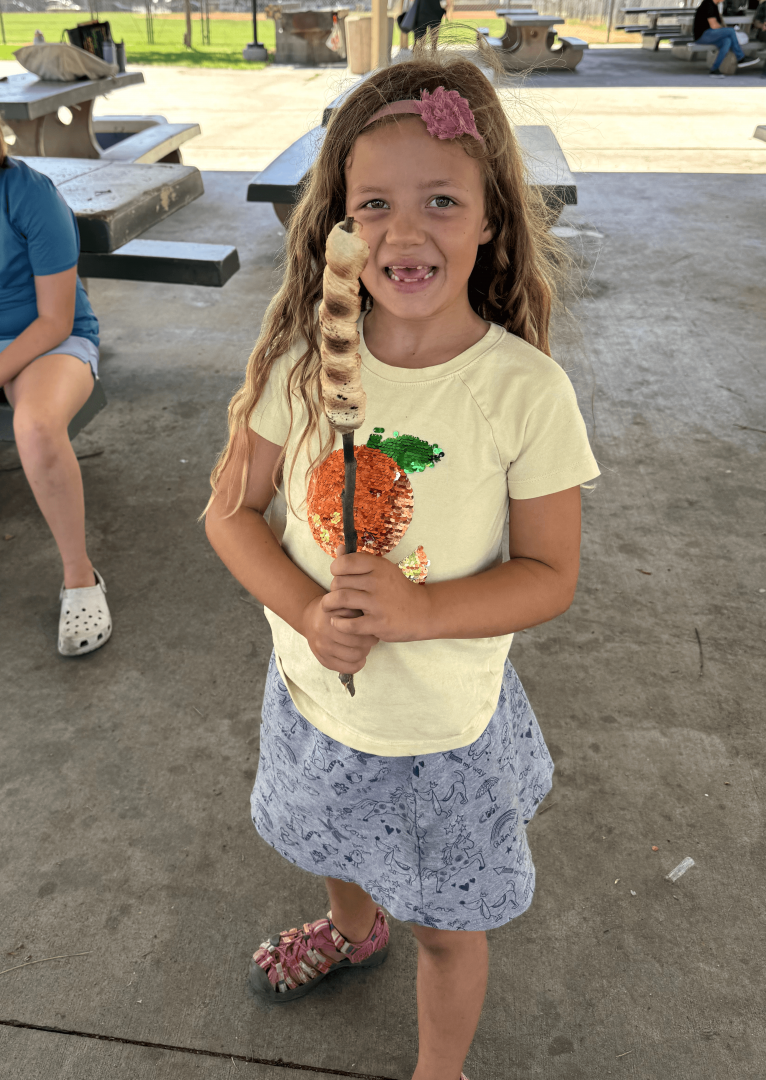
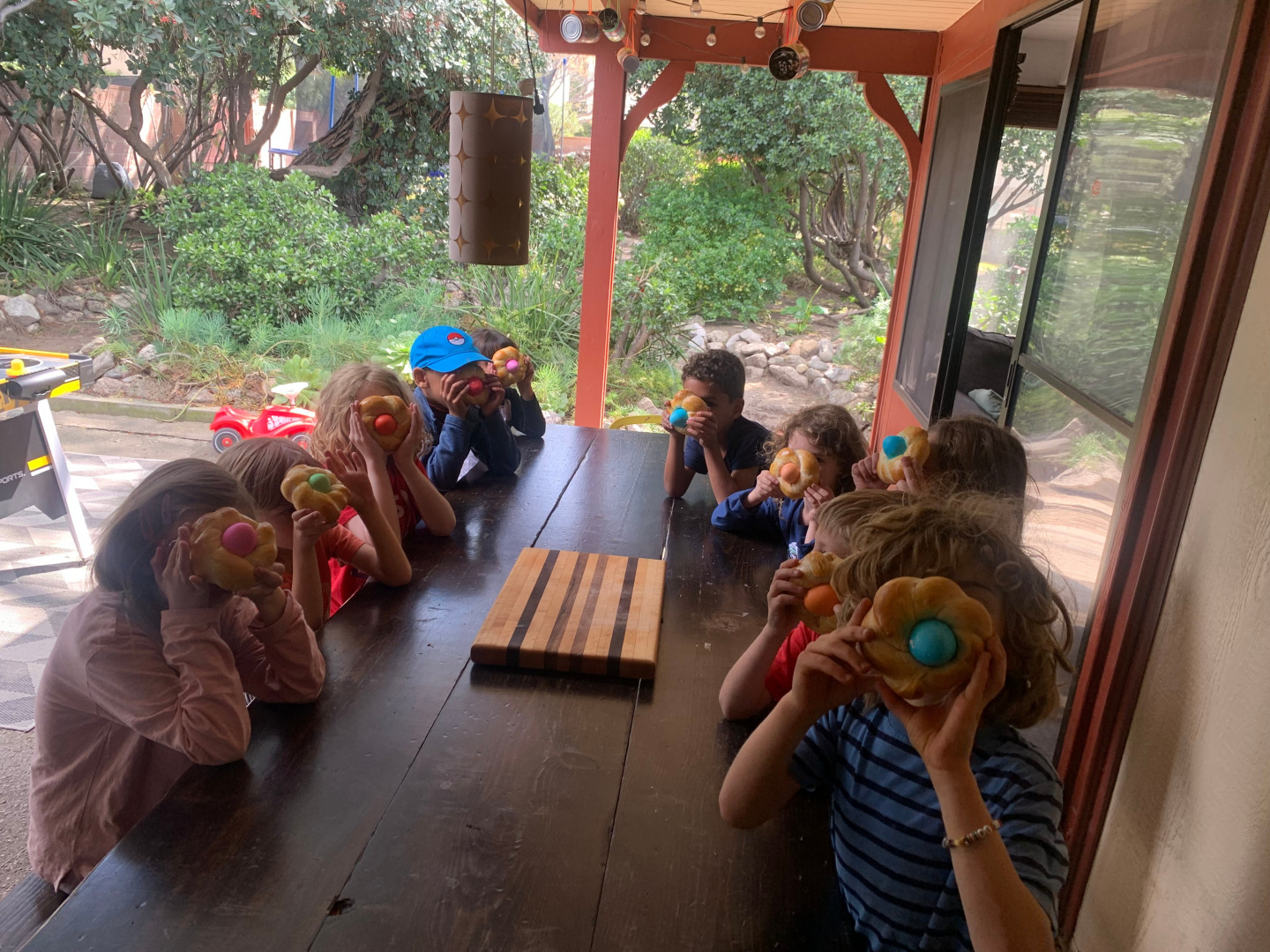
Image Credits
Kinderspiel