Meet Jinseok Choi | interdisciplinary


We had the good fortune of connecting with Jinseok Choi and we’ve shared our conversation below.
Hi Jinseok, what do you attribute your success to?
Success, for me, takes on different definitions depending on where I currently find myself. Broadly speaking, as an artist, the main focus is on sustaining my art practice—an endeavor that intricately weaves together materials, people, and memories from diverse worlds, fostering critical discourse on the complexities of life. Yet, on a more personal note, considering where I am at right now, my thoughts gravitate towards how I can continue to enjoy art-making process over the long term. I deeply admire artists who persist in their practice regardless of challenges. That demands considerable self-discovery and an understanding of personal passions. I have been trying to figure that out for myself recently.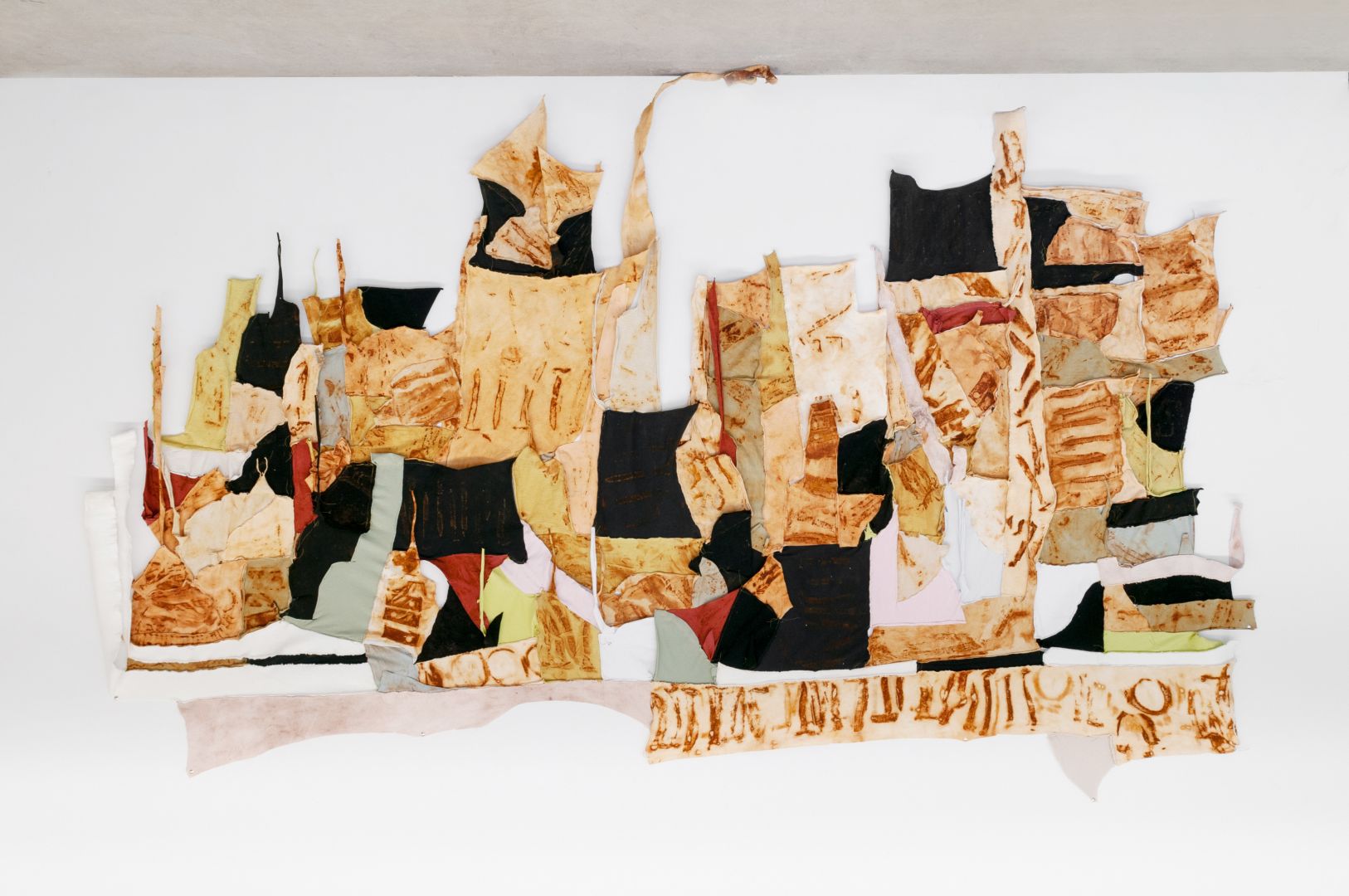
Let’s talk shop? Tell us more about your career, what can you share with our community?
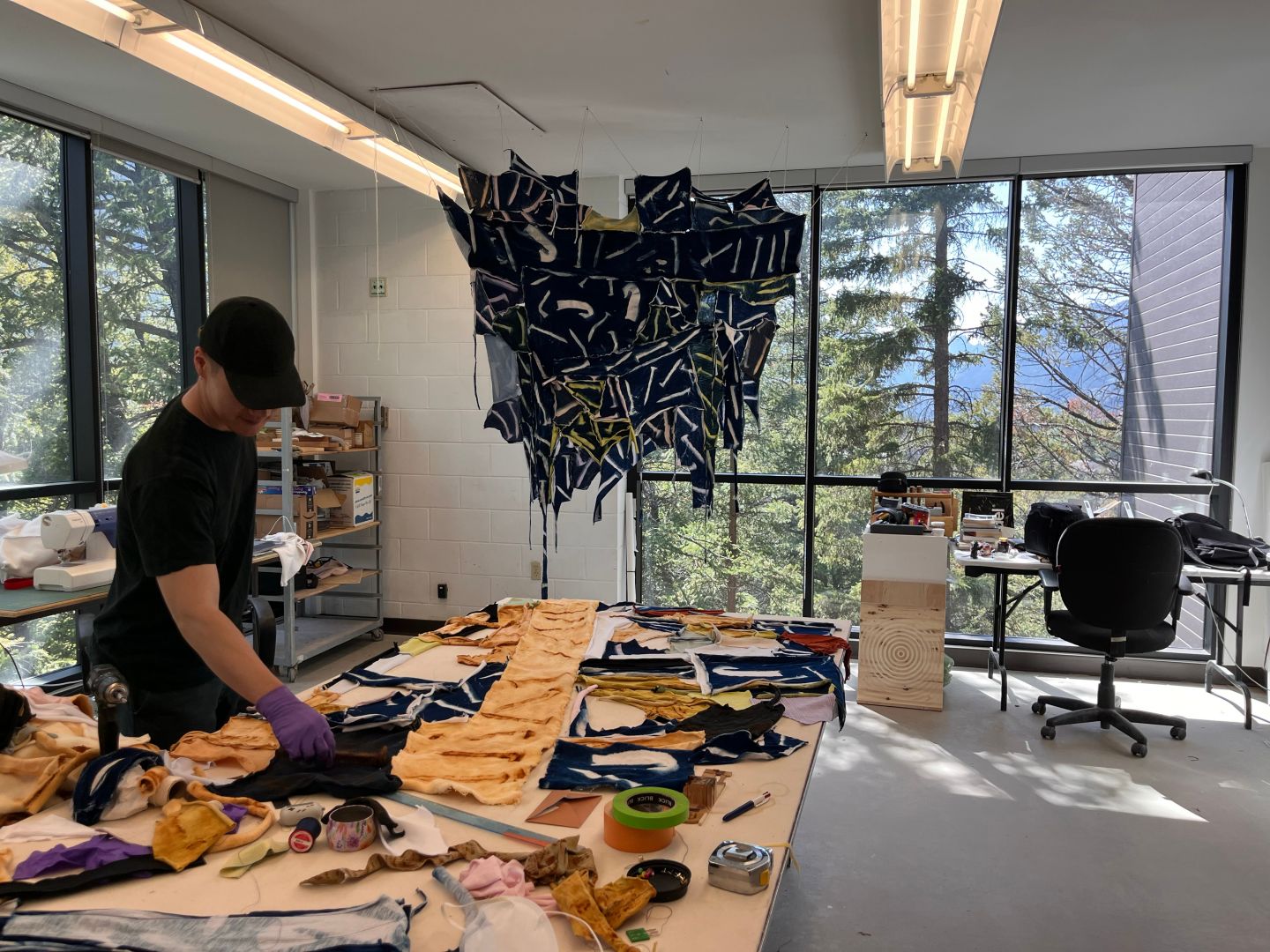
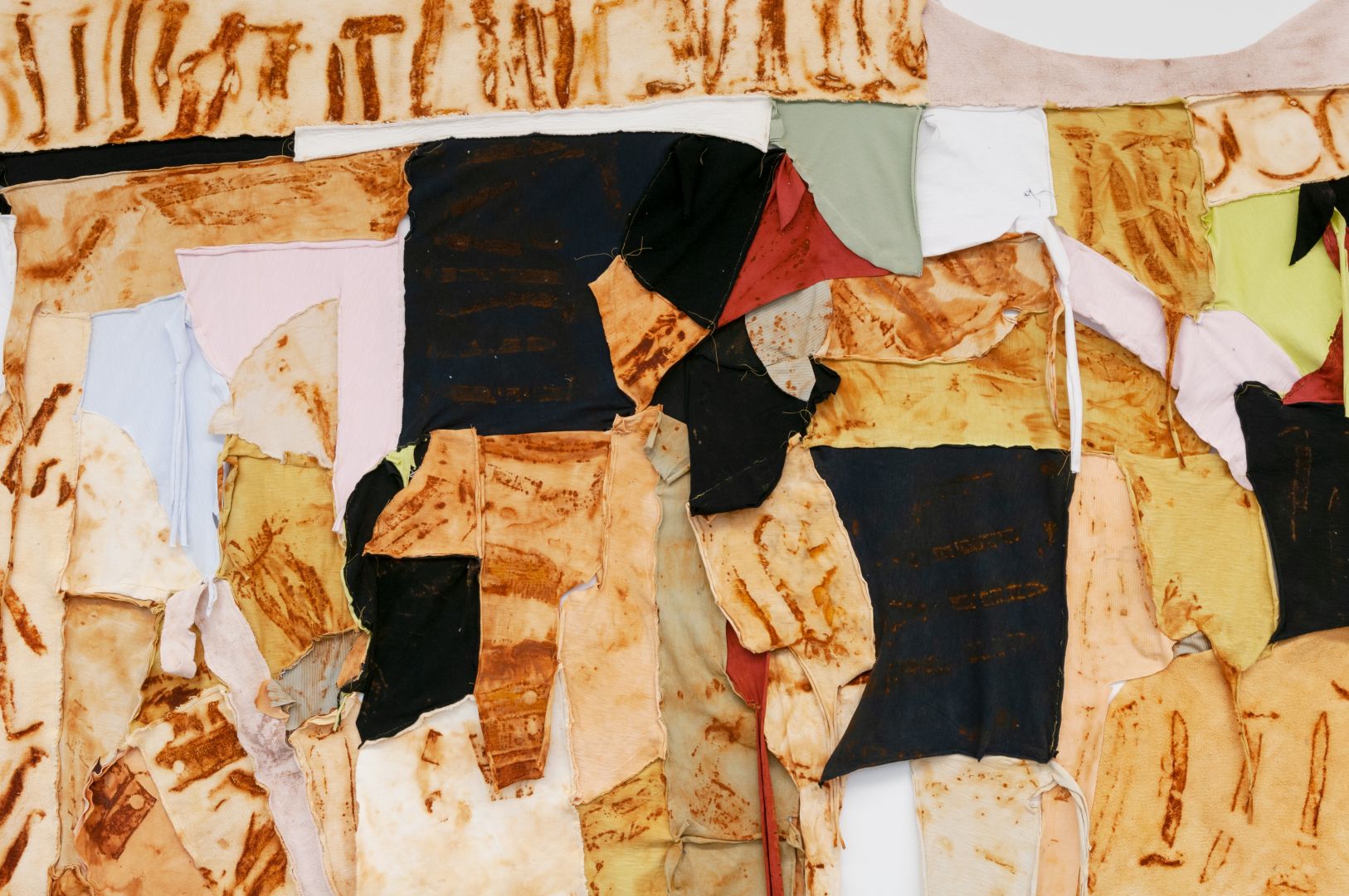
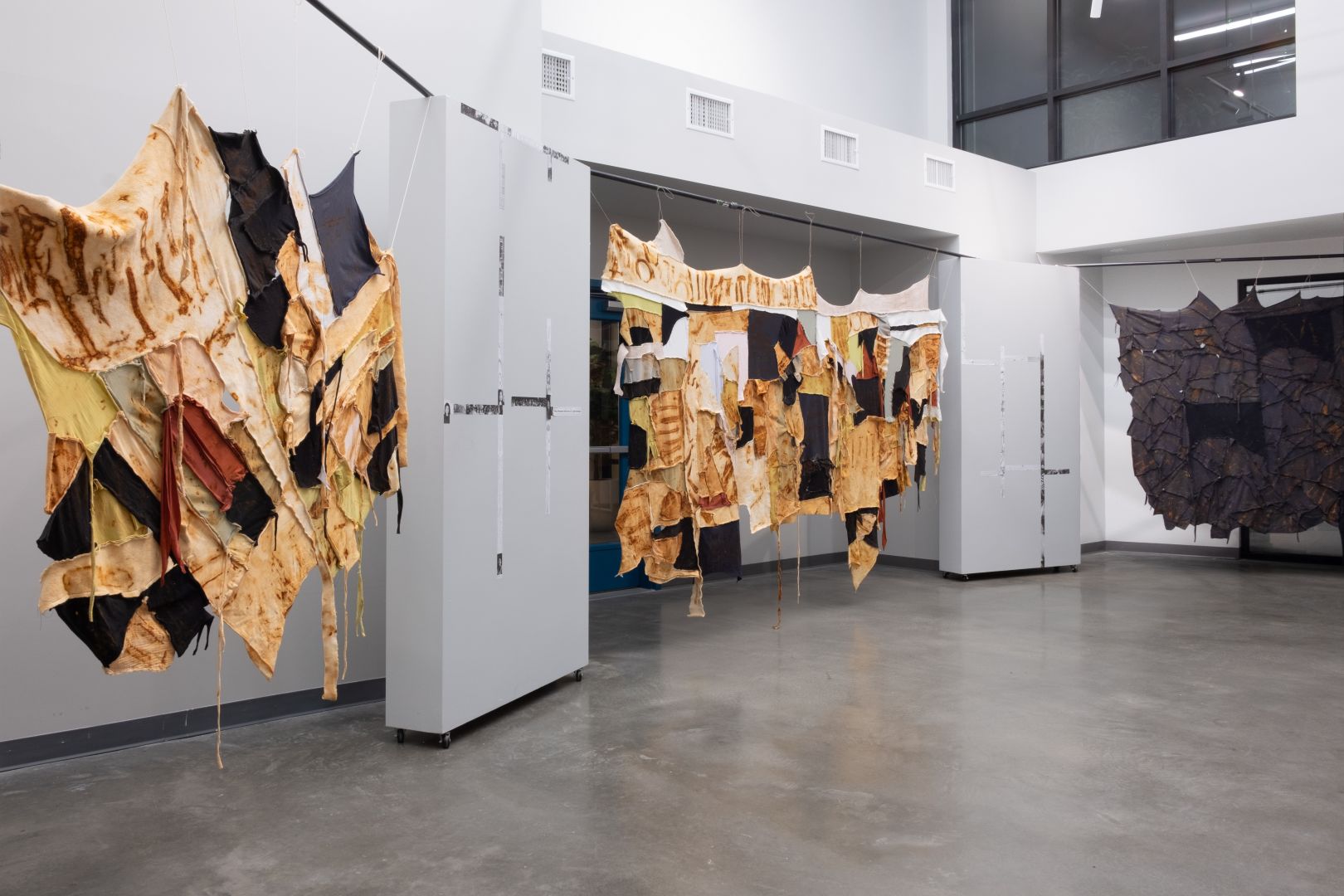
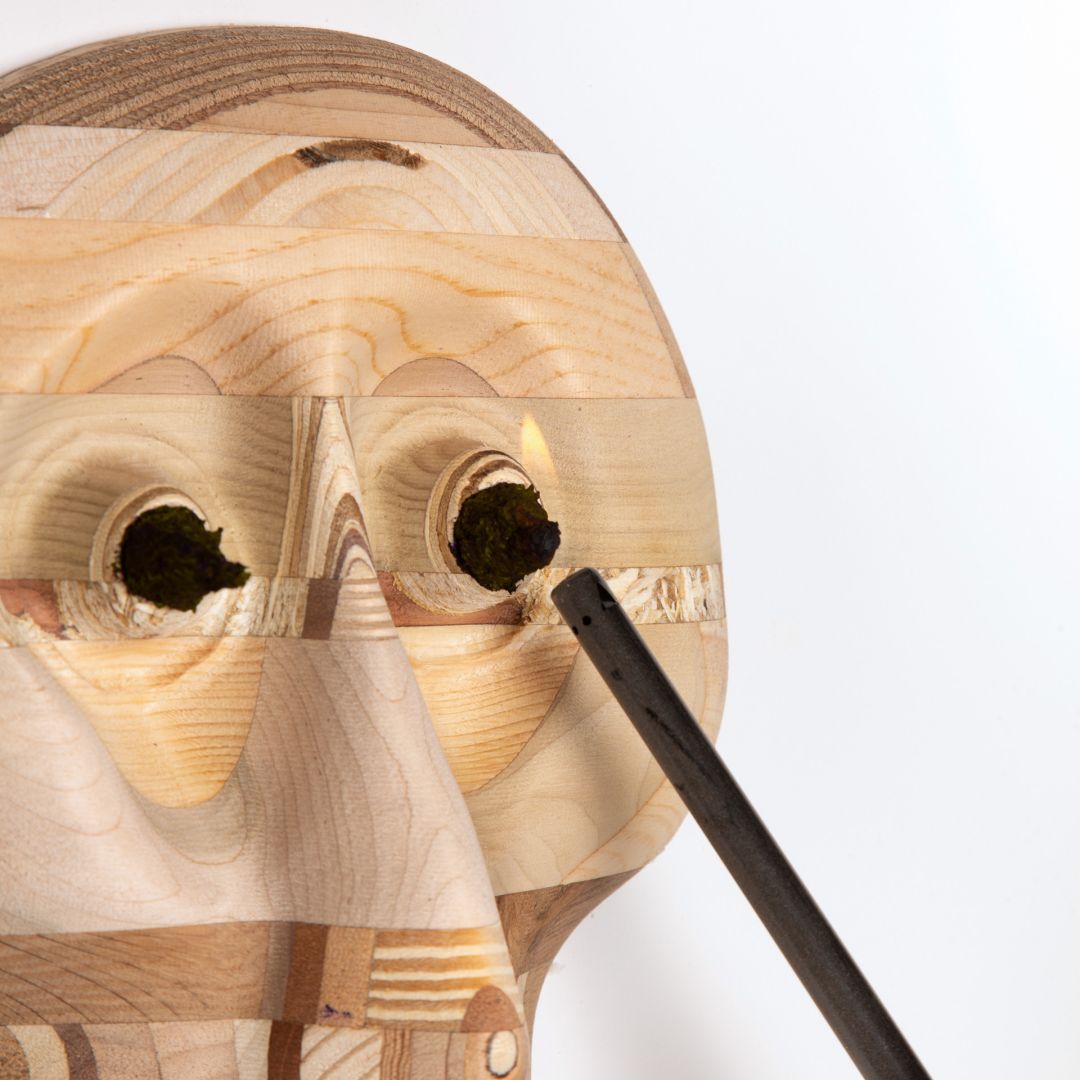
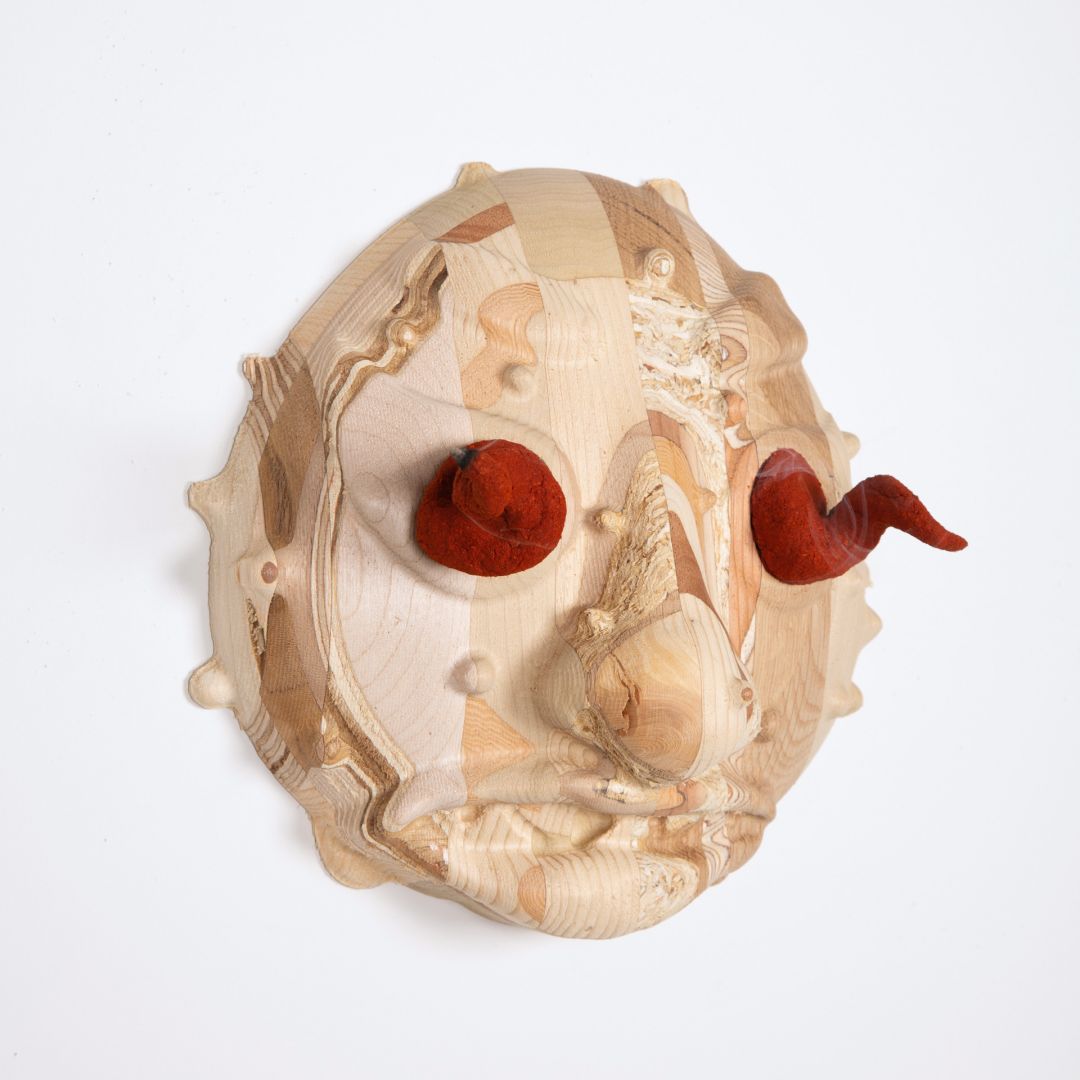
I have worked as a professional fabricator for the last five years after graduating from my MFA program. My experience as a physical laborer has inspired an interest in labor as a class marker in the social hierarchy and its interconnectivity with race and culture in American society as well as the entangled global economy. In both Town Square and a series of masks sculptures, I used the wood leftover and sawdust from my work as a fabricator as the main materials. These scrap pieces and sawdust—which would have otherwise been discarded and lost to time— gather and hold each other to create something bigger than the sum of their parts, implying the potential of everyday labor and collectivity. Another project, Before the Last Spike, is informed by extensive research on the history of railroad construction and garment industry where immigrant workers were and have formed the lion’s share of the labor force. I sew together scrap fabrics that I collected from New York and Los Angeles garment factories to create an embodied collectivity while retaining their original shapes, textures, and colors. The scraps are marked with the railway spikes used in the construction of the Transcontinental Railroad, evoking the archival photograph, “The Last Spike” that documents the driving of the final spike to join the Eastern and Western lines of the railway. It is important to note that this image features only white men, although most of the railway workers were Chinese immigrants. To counter this false narrative, I rust-dye the fabric scraps with railway spikes, which directly links the historical exploitation of migrant labor and present-day exploitation in the garment industry. The repetition of the labor-intensive process of dyeing and sewing challenges colonial, nationalist historical propaganda with the presence of historically and politically charged materials.
By paying close attention, one can discern that laborers, yourself included, have consistently been marginalized by the very system they’ve constructed. I attribute this primarily to our capitalist society’s distorted relationship with physical labor. Through my practice, I aim to unlearn and redefine this connection, envisioning an alternative, sustainable form of labor that we can collectively cultivate.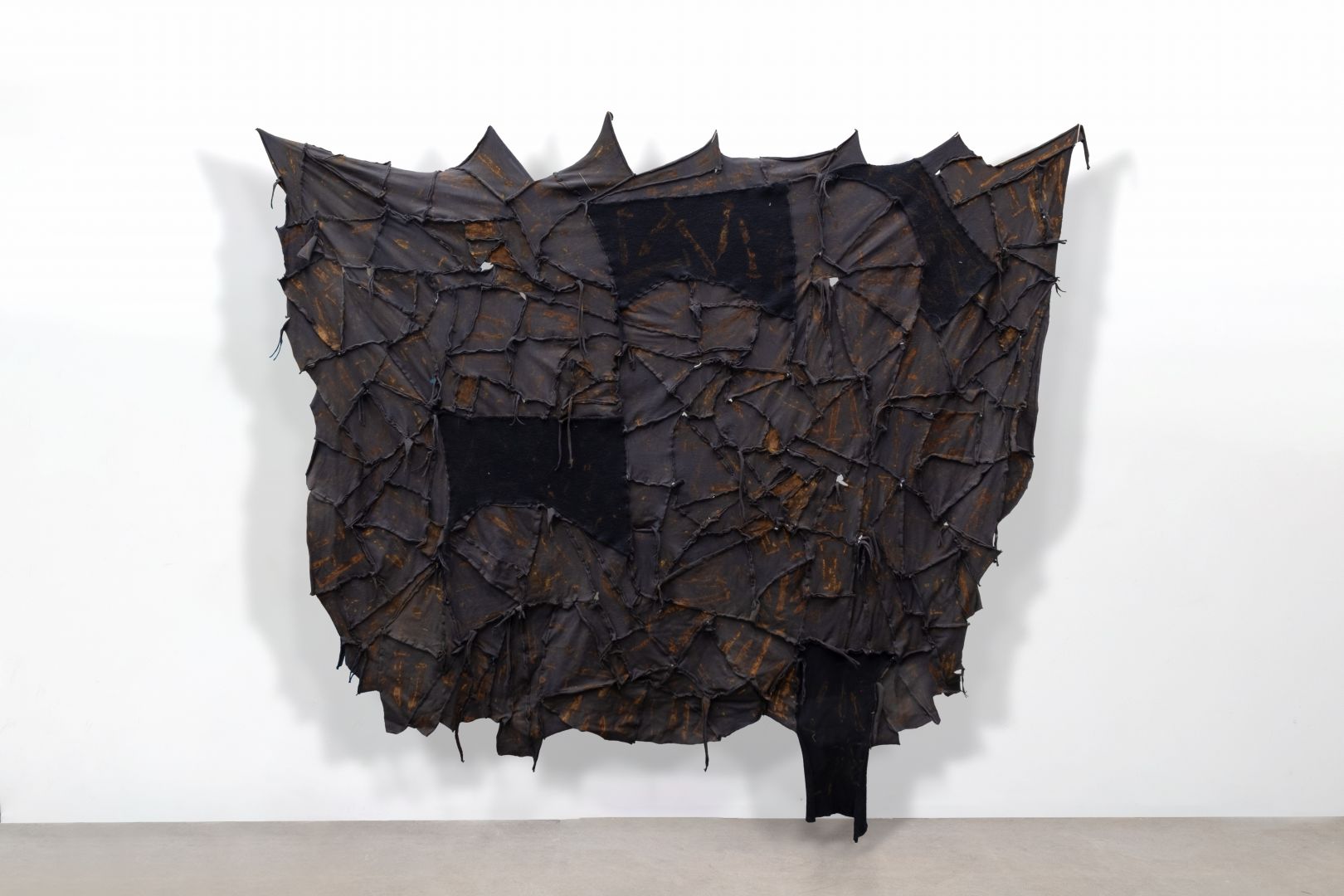
Any places to eat or things to do that you can share with our readers? If they have a friend visiting town, what are some spots they could take them to?
Similar to other major cities, LA boasts a diverse array of neighborhoods, each with its unique vibe. My top recommendations for friends are places where authentic immigrant cultures shine. Think street markets and food stands like Avenue 26 On Imperial, Gogi truck, Corn Man, or dive into the vibrant scene in Korea town with spots like Cafe Bleu, The Prince, Gamjagol. Explore Ethiopian restaurants on Fairfax Ave, and for the ultimate treat, indulge in the BEST ice cream in town at Kansha Creamery. Additionally, I find exploring various grocery stores, whether Mexican, Korean, Chinese, or Philippine, to be a delightful way to immerse yourself in diverse cultures, especially if you’re passionate about cooking.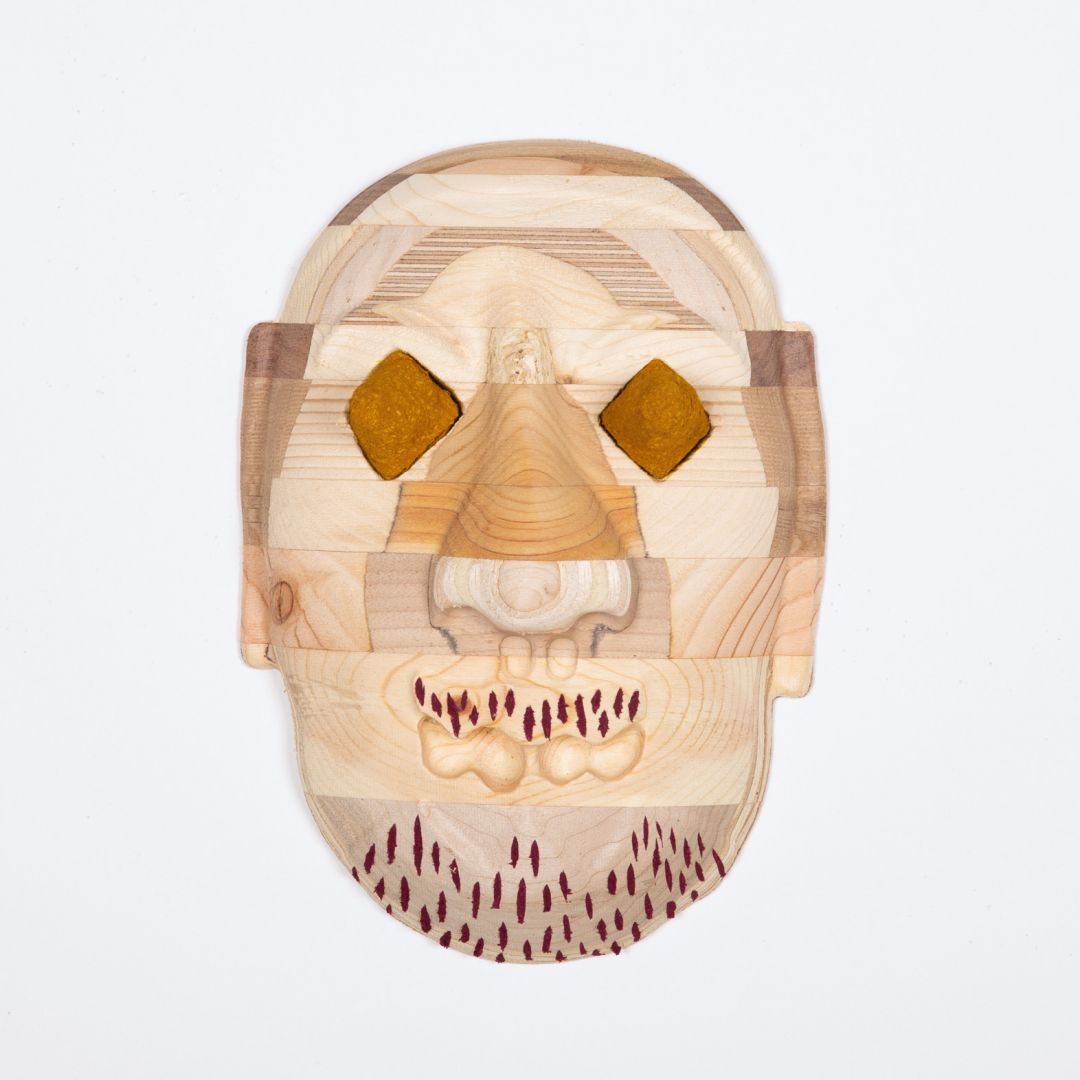
Shoutout is all about shouting out others who you feel deserve additional recognition and exposure. Who would you like to shoutout?
I am incredibly grateful for the numerous individuals who have supported me throughout my life. Among them, Shirley Tse—an artist, my former teacher, and mentor—has been a constant presence at every stage since my move from Seoul, Korea, to Los Angeles. As her student during grad school and later as her studio assistant for a couple of years post-graduation, I had the privilege not only to learn from her about what art could do and mean, but also to witness how an artist can establish a sustainable practice, independent of the market-driven art world. In addition to Shirley, there’s an amazing group of artist friends—Jisoo, Woohee, Jenny, Coffee, and Evelyn—who continuously inspire and guide me with their knowledge and creativity. They are the ones I turn to first to share my thoughts, ideas, and concerns, seeking their valuable perspectives. I feel incredibly fortunate to have them as both friends and teachers.
Last but certainly not least, immense gratitude goes to my parents and sister. They are my roots who consistently help me navigate the world, especially during moments of overwhelm and confusion.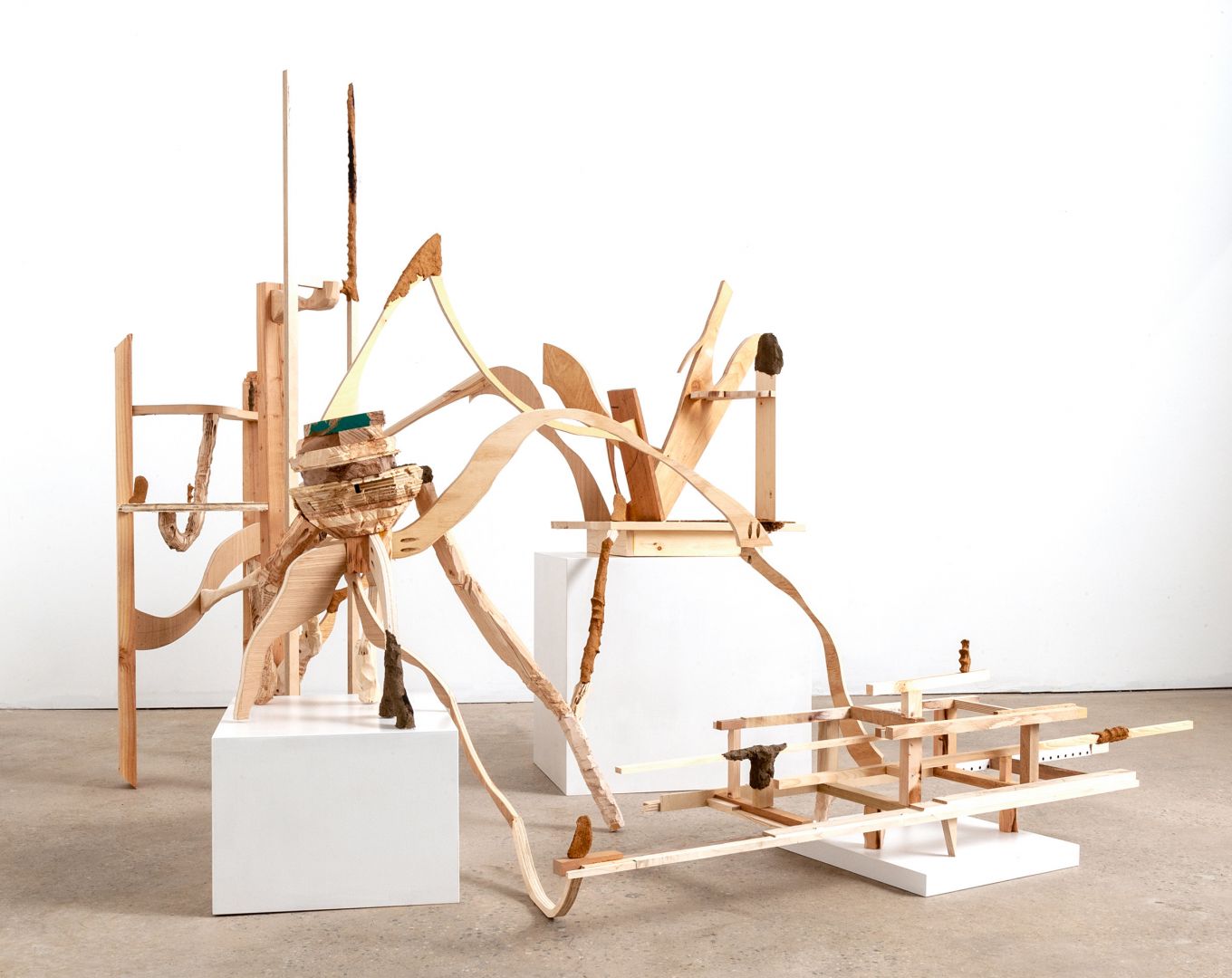
Website: https://jinseokchoi.com
Instagram: https://www.instagram.com/jinseok_choi_/
Linkedin: https://www.linkedin.com/in/jinseok-choi-5872a828a/
Image Credits
Coffee Kang, Don Tinling