Meet Kelsie Eckert | President of the Remedial Herstory Project and Coordinator of Social Studies Education at Plymouth State University


We had the good fortune of connecting with Kelsie Eckert and we’ve shared our conversation below.
Hi Kelsie, can you walk us through the thought-process of starting your business?
I had taught high school history for about five years, before I started to really begin to independently research the woman suffrage movement. I quickly realized there is so much more than I learned in my own history education. I also began to realize that there is all this women’s history outside of the suffrage movement that never gets taught about, not Justin secondary education, but at the college level! Colleges are failing future educators, but not requiring courses on diverse people and, frankly, the other half of the population. There are 1 million reasons why secondary teachers don’t know and therefore don’t teach women’s history, but one of those reasons is that there aren’t packaged and easy to digest materials for them to incorporate into their curriculum. We are trying to close that gap and make it really easy for teachers to teach women’s history.
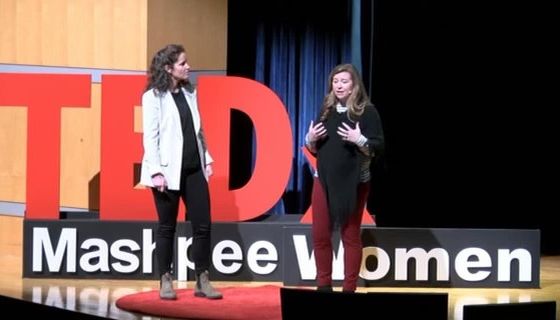
What should our readers know about your business?
RHP is different than every other organization that produces materials for the classroom and that it’s disrupting the norm that is male and providing teachers with the tools to teach women’s history, about the lives of women, and center, them in the narrative of US history and world history. Many “progressive organizations“ provide tools for But almost all of them repeat the traditional narrative of a male centric curriculum. Studies estimate that around 5% of social studies, curriculum discusses women, who are, fun fact, 50% of the population. We are really proud to offer these materials to educators for free, and you’ve been sponsored by the Library of Congress among other incredible organizations. Writing, inclusive, women’s history, that highlights the different experiences of women across race, class, region, sexuality, and so on is incredibly difficult, and I’m sure we have failed in parts to do justice. But one of the things I think our organization is amazing at is taking feedback. We also make sure that almost everything on our website is peer reviewed. We are fixing a long overdue gap in what public school students are taught. Teachers need tools and supports to do some thing that they were never taught in their college programs. Many want to teach women’s history, but have no idea how to do it, and in the process end up whitewashing the history that they teach. They center women suffragists and not the lives of average women. They failed to center economics, and the way that women’s work has changed and morphed over time, been valued and devalued at different periods of time, and how women’s work, both paid in unpaid is central to the success of our economies. These are not the faults of teachers, but rather an education system that failed to prepare them to teach inclusive history.
Who else deserves some credit and recognition?
The first, and only, female history professor I ever had also happened to be the first one that I concentrated my research on women’s history. Under her guidance, I researched Susan B. Anthony and Mary Baker Eddy. I’m grateful to Dr. Marcia Schmitt Blaine for not only opening my world but being a guest speaker at my nonprofits first educator retreat.
Later mentor teacher, when I did my student teaching introduced me to the film Iron Jawed Angels, which was, quite literally my first introduction to Alice Paul and Lucy Burns— at the end of my Masters degree in Social Studies Education. How sad! But yes, it was a female mentor, Jessica Ferren.
Website: www.remedialherstory.com
Instagram: @Remedialherstory
Linkedin: LinkedIn.com/remedialherstory
Twitter: @reherstory
Facebook: Facebook.com/remedialherstory
Youtube: https://youtube.com/@remedialherstory
Other: https://www.etsy.com/shop/RemedialHerstory
Image Credits
Todd Wikle designed our logo