Meet Mulang Zhu
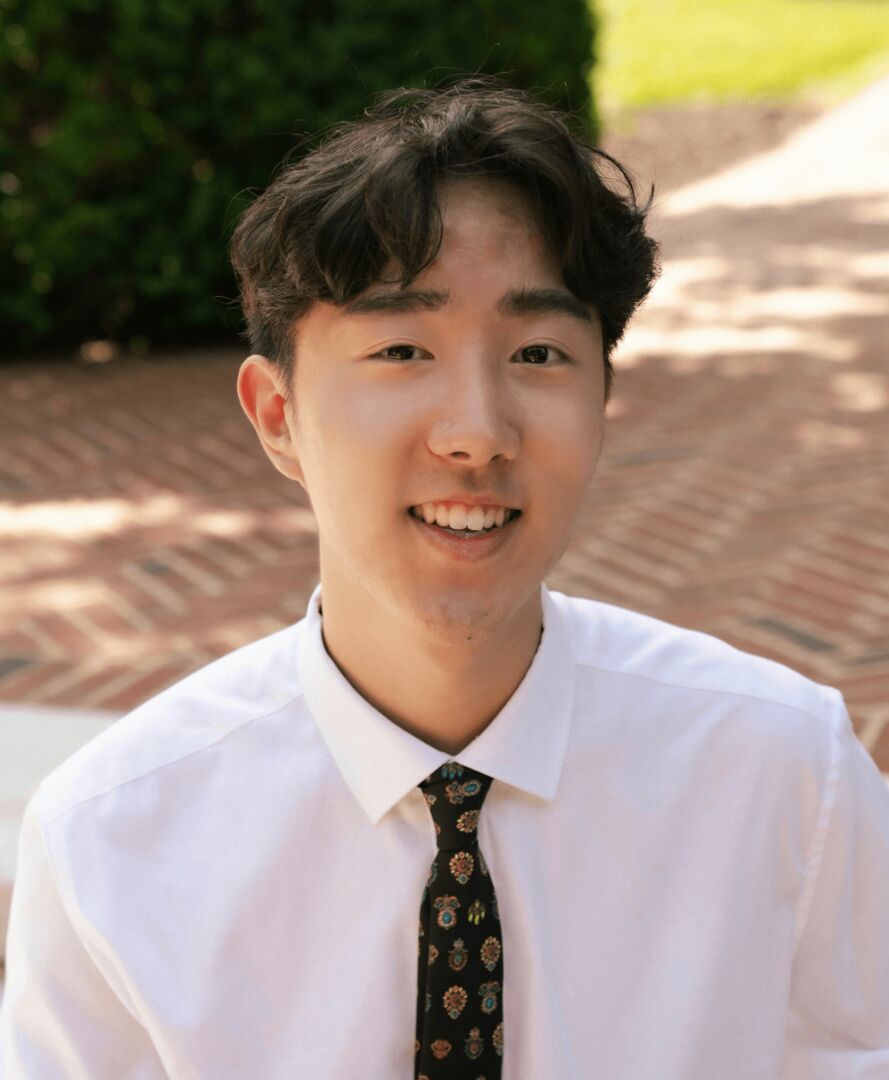


We had the good fortune of connecting with Mulang Zhu and we’ve shared our conversation below.
Hi Mulang, how has your background shaped the person you are today?
Growing up, I always found myself living in cities surrounded by rivers and various bodies of water. I was born in Tianjin, China. After graduating from elementary school at 12 years old, I moved to the suburbs of Philadelphia, which truly became a second home to me. After that, I moved to Baltimore for college, and now I have just made the move to New York!
I grew up playing the piano and drum set. Later on, I was introduced to the guitar, electric bass, percussion, and I started taking flute lessons in college. As a kid, I enjoyed playing with my bandmates, practicing by myself, goofing around on the instruments while making up my own “jingles,” and actually practicing until I felt the sense of fulfillment that comes when you finally internalize a song. With that said, the younger me would have been dumbfounded to learn that, many years later, I would be pursuing a career in music. Here is how it all started.
While I am more than grateful for the opportunities I’ve had to meet all kinds of kind-hearted and inspiring people who have supported me along the way in life, I’d be lying if I said this journey didn’t feel lonely at times, especially after moving to a new country by myself. During those times when I couldn’t express my feelings in words or didn’t know who to talk to, music became my best friend – and this is when goofing around on the piano came in handy.
With no formal training in music composition, I began experimenting with what I didn’t yet know as different intervals, chords, voicings, and resolutions. I discovered how each change in the combination of notes could evoke a different mood. As time went by, what guided me through this improvisatory music-making process wasn’t the music theory behind the sounds I was producing, but the emotions behind those sounds, created by the conscious decisions I made that resonated with my state of being at that moment.
In high school, I was honing my craft to become a performer, until I came across an opportunity to study with my first music composition teacher, Tian Ri. Mr. Tian introduced me to scoring for visual media, and that’s when I had an epiphany where I recognized the beauty of using music as my voice to contribute to a unified artistic vision within visual media. It was then that I realized I wanted to become a music and media composer.
Let’s talk shop? Tell us more about your career, what can you share with our community?
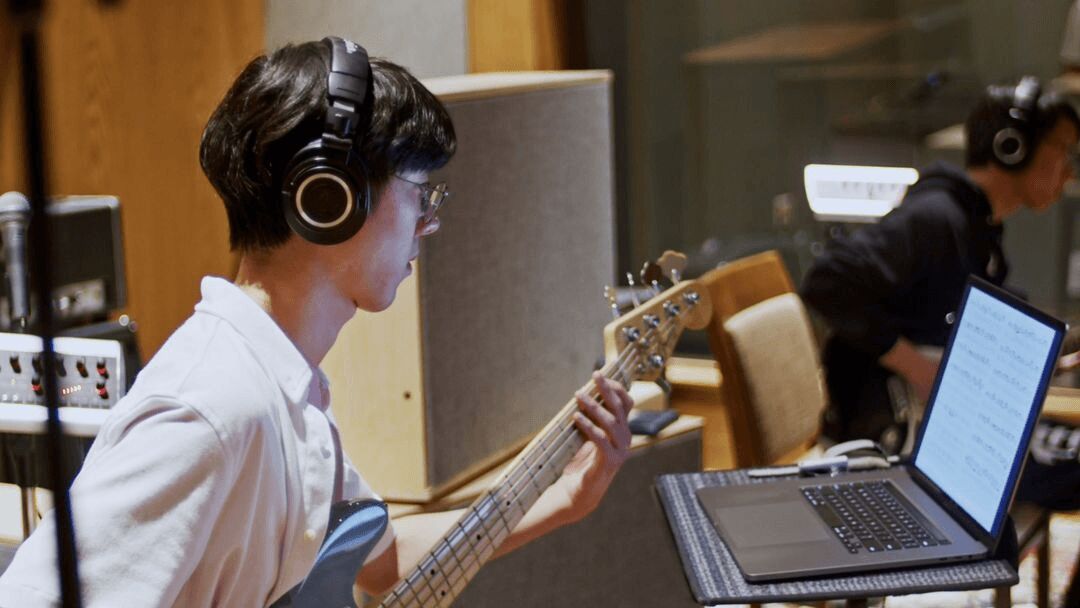
I compose and orchestrate music for visual media and have been branching out to curate my own audiovisual installations. Through my upbringing in different cultures and constantly being surrounded by inspiring friends, mentors, and colleagues, I’ve learned from what makes each of them unique – their shining qualities – absorbing these influences and blending them into my own voice, both as a person and as a composer.
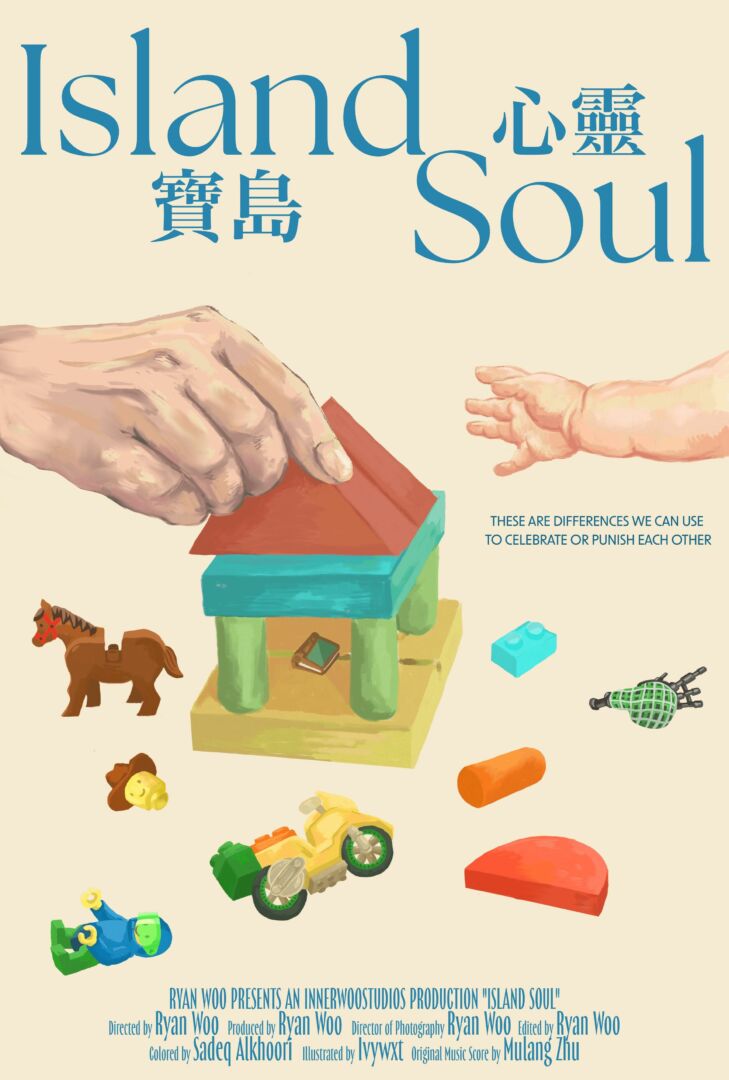
So far, I’ve worked on several student and independent films, and I couldn’t be more grateful to the filmmakers who have entrusted me with their music. I am currently scoring a documentary that is in production, and I am very excited to take on more projects in the future!
As an introvert, I initially thought the most difficult part of being a media composer would be taking the initiative to learn about other artists. Though it was scary at first, I now very much enjoy the process of taking that first step to form a genuine connection. Some of my best friends have come from taking a leap of faith, reaching out, and connecting with others because their work and backgrounds are so interesting, and I want to know more about them!
Scoring for visual media allows me to merge my love for music with storytelling, creating a powerful medium that connects with audiences on an emotional level. It’s a career that not only challenges me creatively but also fulfills my desire to be part of something greater than myself. Through music, I strive to support and enhance the stories that filmmakers want to tell, adding depth and emotion to their narratives. This journey, which started with a simple encounter with my Mr. Tian, has become my lifelong passion and career.
If you had a friend visiting you, what are some of the local spots you’d want to take them around to?
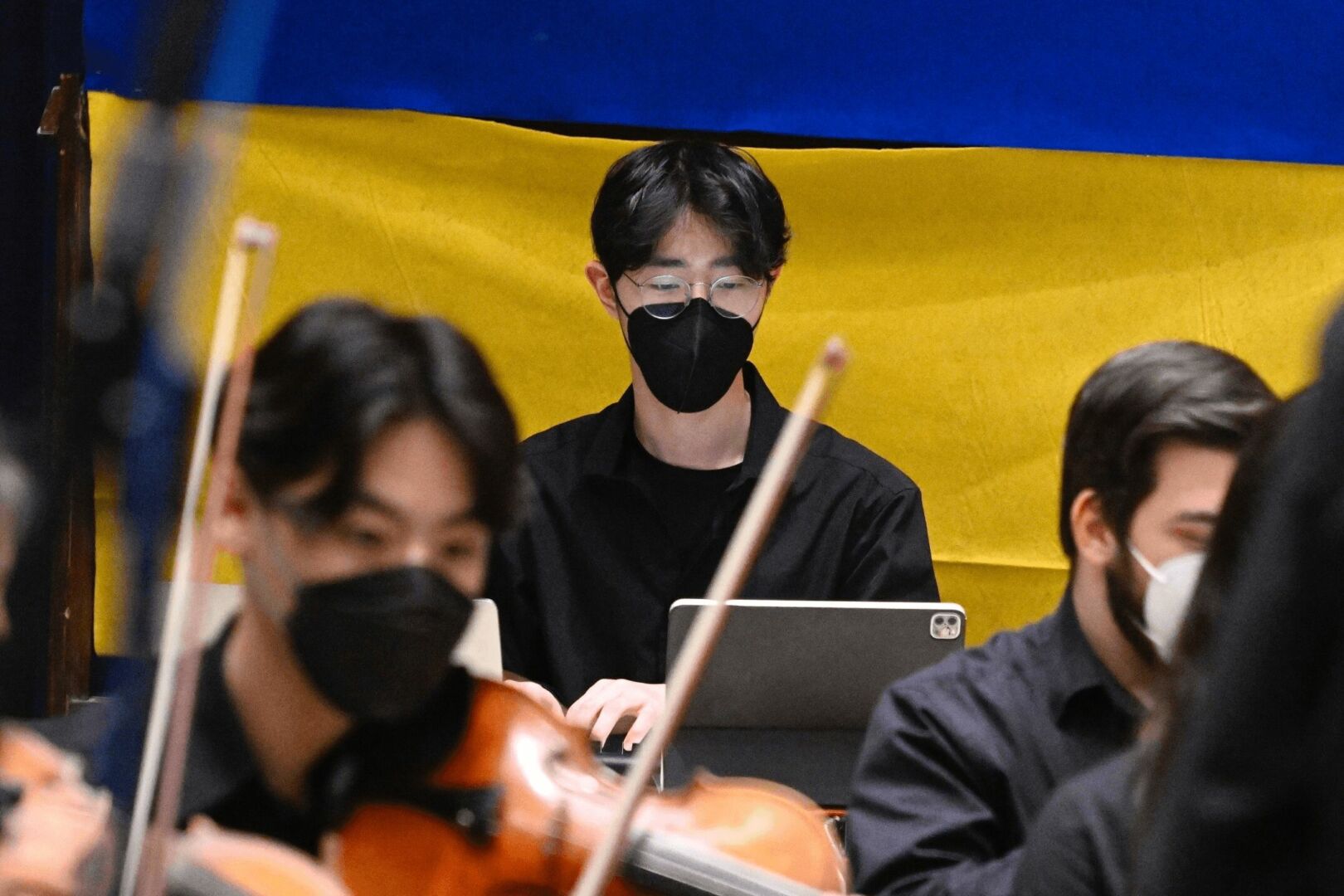
We’ll start the day by going to a café, either Sacré Sucré or Ceremony Coffee Roasters. Then, we’ll make our way to the Peabody Library because it’s just the most gorgeous place ever. After that, we’ll head over to the Walters Art Museum and the Baltimore Museum of Art, which has an expansive Matisse collection. For lunch, we’ll go to Ekiben, known for its Asian Fusion cuisine, and then take a post-lunch walk around Fells Point. We’ll finish the evening with a concert at the Meyerhoff with the Baltimore Symphony, or we could attend an A cappella concert by the Octopodes at Johns Hopkins, where I had the absolute pleasure of serving as music director.
The Shoutout series is all about recognizing that our success and where we are in life is at least somewhat thanks to the efforts, support, mentorship, love and encouragement of others. So is there someone that you want to dedicate your shoutout to?
I want to dedicate my shoutout to my parents for always supporting and inspiring me. They also give the best feedback on my music. I cannot imagine where I would be right now if they hadn’t signed me up for my first music lessons when I was 3 years old. I also want to give a shoutout to everyone I have worked with and who has supported me. I wouldn’t have made it this far without you. Thank you!
Website: https://www.mulangmusic.com/
Instagram: https://www.instagram.com/mulang.zhu/
Linkedin: https://www.linkedin.com/in/mulang-zhu/
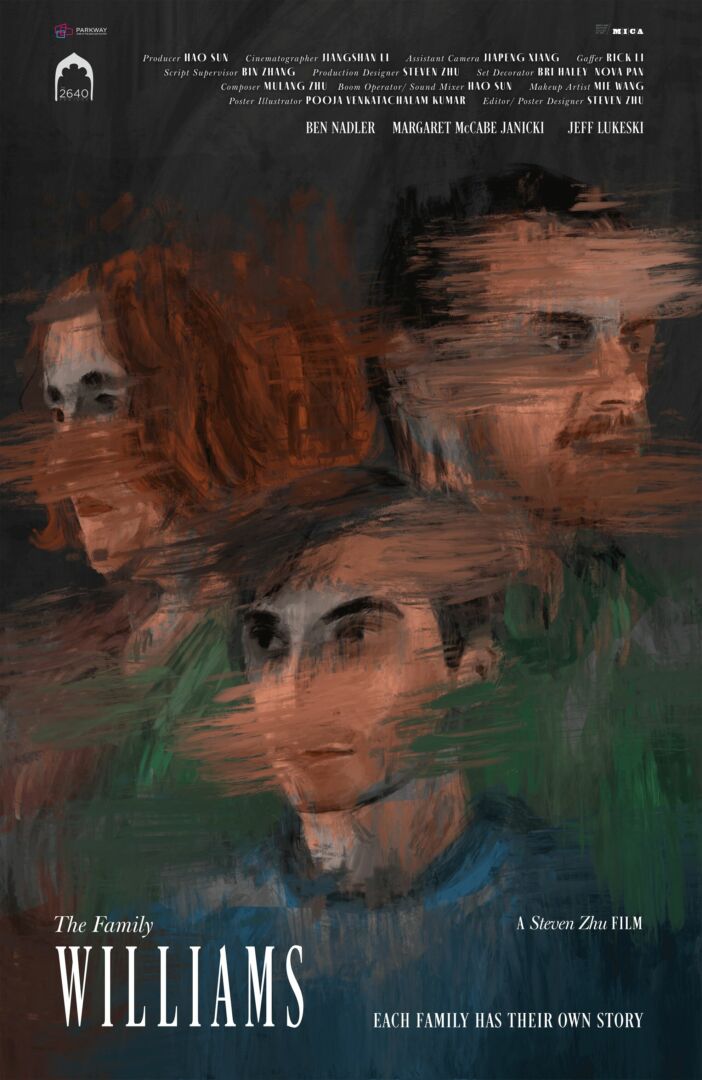
Image Credits
Migi Fabara, Alejandro Quiles, Ivywxt, Pooja Venkatachalam Kumar