Meet Steve Gelder | Actor, Director and Producer
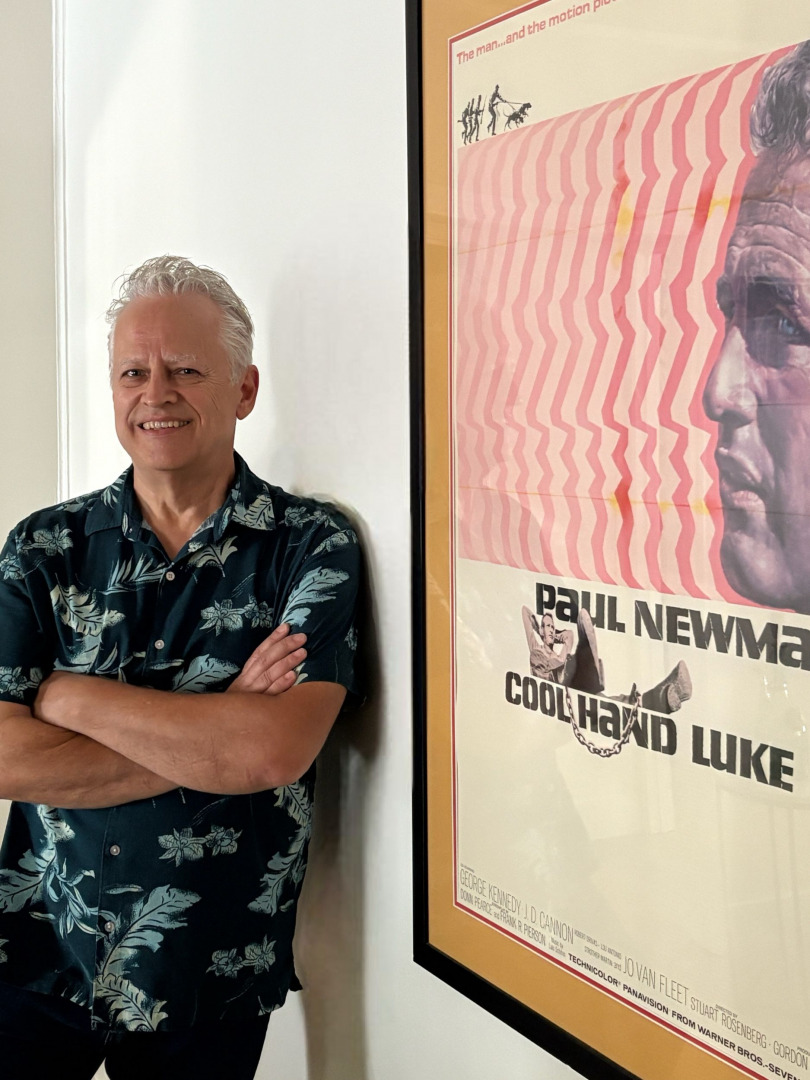


We had the good fortune of connecting with Steve Gelder and we’ve shared our conversation below.
Hi Steve, we’d love to hear about how you approach risk and risk-taking.
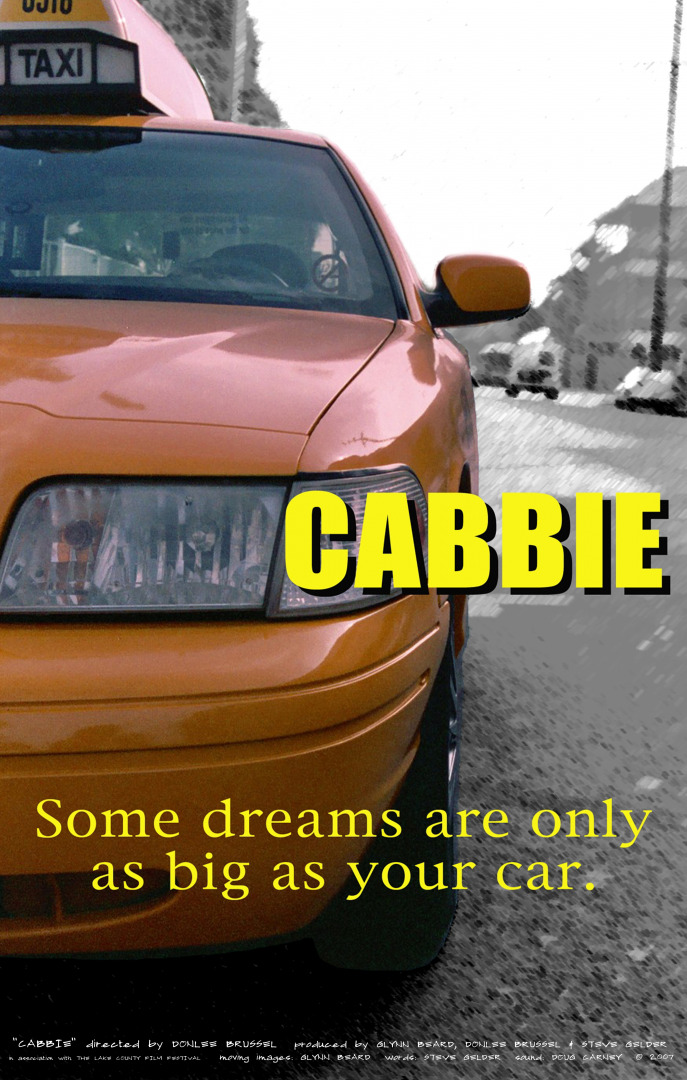
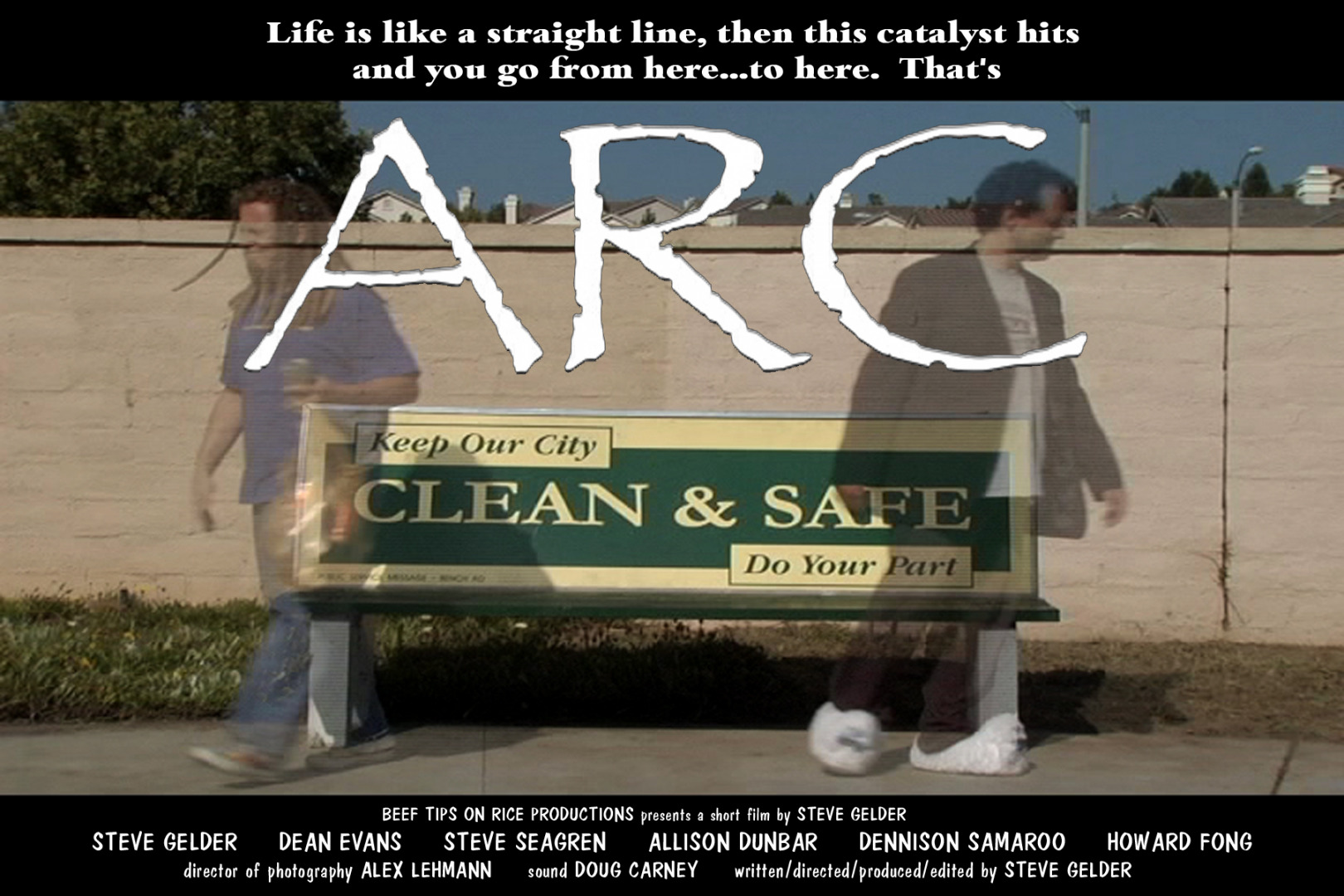
My best friend, who’s a civil engineer, very logical and risk-averse, was asking me about booking work as a stand up comic when that was my job. I explained the things I went through to get work in the clubs, and then told him a story of driving for two days to a club for a high-paying week headlining, only to arrive and find a sign on the door that they had closed. “I couldn’t do what you do,” he said, shaking his head slowly, “I need stability.” Show business doesn’t exactly provide that. But, it doesn’t freak me out of some reason. Things mostly work out for me – although, I did take a risk when I moved out here with my first wife in 2003, and she left me, so, some of my risks have resulted in painful lessons. However, I turned a version of that story into my first short film, “ARC,” and the success of that project, playing at a ton of festivals around the world, winning dozens of awards, was a risk that paid off. The same with my next short films, “Checking In” and “Cabbie.” This article is a risk – I worry about coming off as something I’m not, or sounding full of myself. That’s something being raised in the Midwest instills in you – don’t get a big head or blow your own horn too loudly. Which is almost the opposite of what you need to do to get ahead or attention in this business.
Alright, so let’s move onto what keeps you busy professionally?
I think my years of stand up experience and my improv training with The Groundlings sets me apart from a lot of other actors around Los Angeles. I can come up with character-building ideas or something funny in the moment that works with the role and story. I worked in radio, then comedy and now, acting in my own projects and other productions. It has not been easy, but I wouldn’t give up any of the experiences along the way; they’re all a part of the journey. I think the best lesson I’ve learned is to try to align yourself with people who are doing things – writing, acting, producting, making music, shooting something. Just the simple act of doing puts you head and shoulders about so many of the people out here, waiting to be discovered by someone. I guess I want the world to know I’m here and doing good work, which was literally my dream when I was a kid. I’ve got several dozen IMDb credits, and I’m adding more every year. I can say I’m a working actor. I like that. Oh, and also – I need a really good theatrical agent.
What was your thought process behind getting into acting?
When I was a kid, I was fascinated by movies, not just the stories, but the process of making films; special effects makeup, acting, directing, lighting, all of it. And I was in one of the earlier generations that grew up on television, so I was raised on afternoon talk shows and prime time entertainment. As the great philosopher Homer (Simpson) once said, “I grew up on TV, and I turned out TV.” It felt inevitable that I would end up working in show business, even though I was raised in a small town in North Dakota, thousands of miles from Hollywood, and I’ve done what feels like a lot, with plans to do much more. I worked in radio in the 1980s, when it was still fun; standup comedy in the 1990s and early 2000s, and then acting, directing, editing and producing, which I’m still doing today.
Do you have a budget? How do you think about your personal finances and how do you make lifestyle and spending decisions?
I don’t work with a formal, written budget, like the ones we put together in high school Economics. After years of freelancing and working in somewhat unstable industries, I’m pretty well-versed in stretching whatever money I find myself with after each project and taking care of my share of the bills. I’m married, so lots of spending decisions are my own and then some impact the household, so I talk those over with my wife, Grae. We’re similarly-minded when it comes to what we consider necessary and what feels like extravagance, so we mostly agree on where our money goes, how it’s spent. We definitely allow for entertainment and travel – we love a good concert or vacamakashay (our term for vacation).
Where are you from and how did your background and upbringing impact who you are today?
I’m from a small town – Cavalier, North Dakota, a few miles south of the Canadian border. It’s really sweet little town, mostly farmers, like my Dad, but, for whatever reason, I never pictured spending my life there. I always wanted to travel and see, just, everything. Still working on that. But, I didn’t leave, never to return. I was back for my class reunion in July, and saw dozens of classmates and friends, their parents, teachers – so many of them influenced me, and their continued acceptance of my weird career and life choices is appreciated. I think being from that type of community helps keep me grounded and pushing forward, even though the odds of success as an actor or filmmaker are long.
What is the most important factor behind your success / the success of your brand?
I think just showing up, on time, consistently, and doing the work, whatever that day’s job is, and doing the best work I can, has been the key to my “success,” if we’re gonna call it that. I get more acting work now from people who know me from earlier projects. This year, I’ve done three indie features (“Session 13,” “The Infinite” and “Alien Heart”), and they’re all because of recommendations from actors I’ve worked with, respect and love. Just this week I was asked to be on the cover of a new CD rapper Drew Famous is putting out, partially because I’m friends with his uncle – by the way, I’m kind of a big deal in rap videos. I’ve been in more rap videos than some rappers. I’m working in vertical short films that are shooting around town, now, and I get rebooked because I get to set and I’m prepared and professional – I know my lines, I hit my marks and I’m a strong actor – but, I also know when to lighten the mood if we’re waiting on lighting or adjustments to the shot and everyone’s getting tired. I’m easy to work with, because I enjoy the work.
What value or principle matters most to you? Why?
I’m very big on fairness and listening to people. No matter what you’re involved in, people want to be treated fairly and they like to feel they’re being heard. Also, just be nice. It’s not that hard. One of the most annoying things to me is when someone introduces themselves by saying “I’m a real hard-ass who tells it like it is.” No, you’re just a jerk who doesn’t want to take the time or exert the energy to be polite on the most basic level. We could use a little more compassion and understanding in our day to day.
Work life balance: how has your balance changed over time? How do you think about the balance?
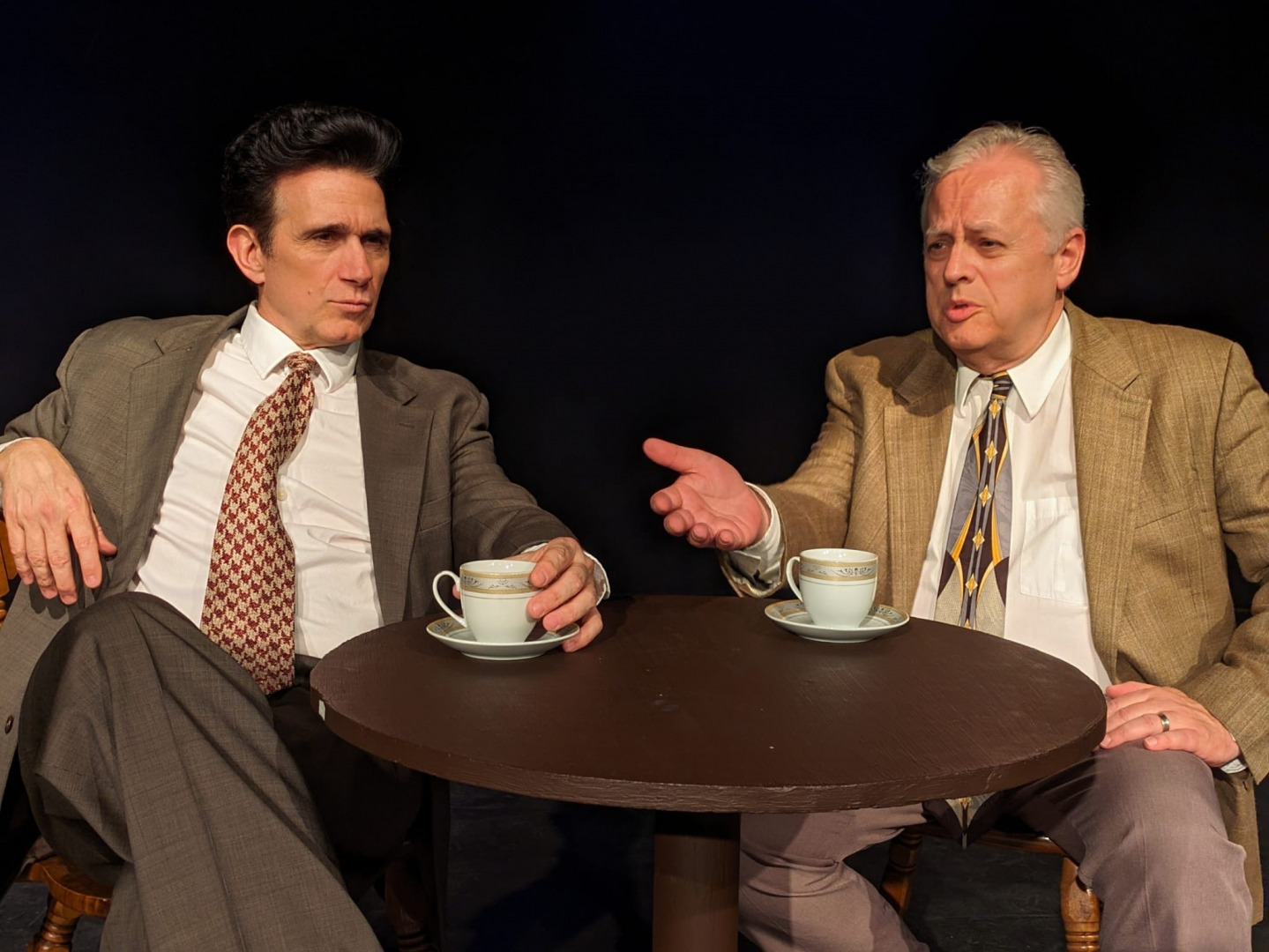
I used to travel a lot when I was a stand-up comic, so I was away from home about half the month, every month. Now, I’m at home much more – I have a jobby-job for bills between acting gigs, and I can do that from my home office – and when I’m on set, I’m generally shooting close enough to be able to come home every night. I’m also in a play in North Hollywood that’s been running for over 23 weeks (“Bill W. And Dr. Bob” the story of the two guys who created Alcoholics Anonymous), but that’s matinees on the weekends and I’m home after we greet the audience, post-show. But, I’m certainly not adverse to the idea of throwing everything into a film project again, and spending every waking moment working on getting it made. I was recently contacted by a retired FBI agent who’s interested in starting a podcast with material from a documentary I was shooting a few years ago about a cold case, a murder, with which I was familiar. So, that work life balance might shift again in the next few weeks, and I’m here for it.
What’s the end goal? Where do you want to be professionally by the end of your career?
I have three things II tell friends I’d like to do: One, I’d love to be in a Marvel or DC superhero movie, because you can turn a role in one of those into a career at comic book conventions. Also, they just look like fun to be in. I love being around practical effects, explosions – anything new or different on set is usually fascinating, to me. Two: I’d love to be a regular on a sitcom. I don’t have to star, but I’d love to be a fun Dad, Grandpa or weird old neighbor, whatever. Working with a cast for years and getting to feel like a family, to grow a specific character, maybe giving them an actual arc and depth…? That sounds pretty great. And, third, I’d simply like to do good work; meaningful work, if possible, something that moves people, or is memorable. I don’t need awards for my work, but I want to be proud whenever my name is on a project. Right now, I feel okay about my percentage of good work to, let’s say, less than stellar projects.
Why did you pursue an artistic or creative career?
When it came to careers, I had plenty of options, but I don’t think I really had choice. An artist’s life always looked like a great way to spend a lifetime, and I have very few regrets. I’m drawn to performing, like the rest of us weirdos, out here in L.A.
Tell us about a book you’ve read and why you like it / what impact it had on you. There’s a great book called “My First Movie” featuring interviews with twenty different directors about shooting their first films. They talk with Gary Oldman, Oliver Stone, Ang Lee, the Coen Brothers – it’s the greatest book to read before you direct your first film, or just after, because it gives you such a feeling of kinship with these amazing, talented directors, to read about their challenges, which were also your challenges, or something as simple as how none of us could sleep the night before the first day on set, or the tricks they used in editing to put scenes together when they didn’t get the coverage they wanted. Kevin Smith mentioned something he did using B-roll while editing “Clerks” and it solved a problem I was having on “ARC.” Also, filmmakers are funny and tell awesome stories about making their movies. Cannot recommend it enough.
Any places to eat or things to do that you can share with our readers? If they have a friend visiting town, what are some spots they could take them to?
We’ve had two weeks in the last month where friends and family came to town, so I’ve got this one. For breakfast, I like Fred 62 in Los Feliz – best pancakes on the planet, and everything else is excellent, too. A couple of touristy things are definite musts, so I recommend a studio tour – Warner Brothers is pretty great – and walking around Hollywood/Highland and the Walk of Fame until a tour bus opens up. A buddy of mine, Leo Quinones (aka, Leo the Film Freak on KIIS-FM) offers an amazing tour, the Film Freak Movie Locations Tour with a nice van and video set-up to help bring the locations you see to life. I’d get lunch at Guisado’s, which has a few locations and some of the best tacos around. Try the Quesadilla con Chorizo – it was a secret menu item, but it’s been bumped up to the regular menu. I’d take them to check out the Santa Monica Pier and Venice Beach in the afternoon, then drinks near the water to watch the sun set, and then dinner at any number of excellent resturants around LA…maybe BOA Steakhouse or Steak 48, if you’re mad at cows, or Tumbi Craft Indian Kitchen in Santa Monica for vegetarian options, along with delicious curries and more.
Shoutout is all about shouting out others who you feel deserve additional recognition and exposure. Who would you like to shoutout?
I’m going to give a shout out to my friend – director, producer and my current stage partner in “Bill W. and Dr. Bob” playing at Theatre68 in North Hollywood, Ronnie Marmo. Since first casting me as Dr. Bob in the play when it went up two years ago, he’s been responsible for me traveling around the country, performing the role in Chicago, New York City and Oregon, along with our LA runs. His work ethic and ability to hustle, all the time, are an inspiration. He and his wife, actress Janelle Gaeta, have become dear friends and, really, are like family.
Website: stevegelder.com
Instagram: @stevegelder
Twitter: Screw Elon Musk
Image Credits
Cool Hand Luke: Grae Drake Stage pic with Ronnie Marmo (“Bill W. and Dr. Bob”): Cortney Roles