Meet Tatiana Kahvegian | Designer of sets/environments & visual artist.
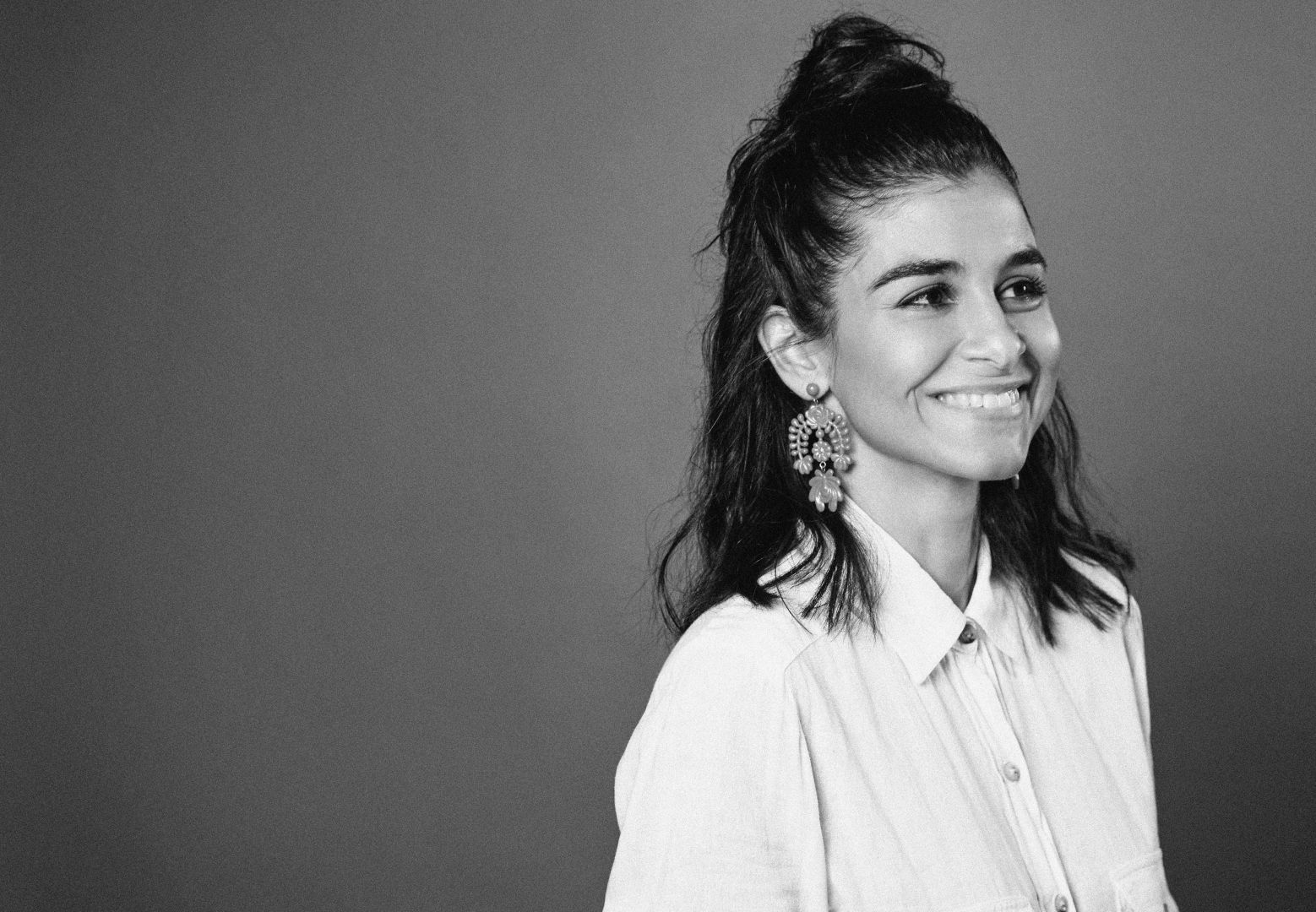


We had the good fortune of connecting with Tatiana Kahvegian and we’ve shared our conversation below.
Hi Tatiana, how do you think about risk?
Risk taking has a big role in my work and practice, and even in the fact that I’m here in NYC.
I moved to NY in 2018 from Sao Paulo, Brazil, where I was born and had been working professionally for around 10 years (mainly as a scenographer in the art department for films, series, and advertising, but also as an architect). I came for a master’s degree at Tisch-NYU, which was something that I had never really conceived of doing before that moment. It was a sparkle that became a flame, and things happened fast, and intensely. I wasn’t really prepared, practically and emotionally, for the move and all that it entailed. I had a gut feeling that this experience could help me find the meaning that I was so deeply missing in the work that I was doing in Sao Paulo, and to reconnect to myself, but I was very aware, and scared, of the risks of letting go of my security net of family, friends, and professional stability. Not to mention the language. I feel that I took the risk because I had to, because I needed to do that for myself, so there was no other way forward but taking the risk. And I’m very grateful that I did. The personal and professional growth that it has allowed for is worth it.
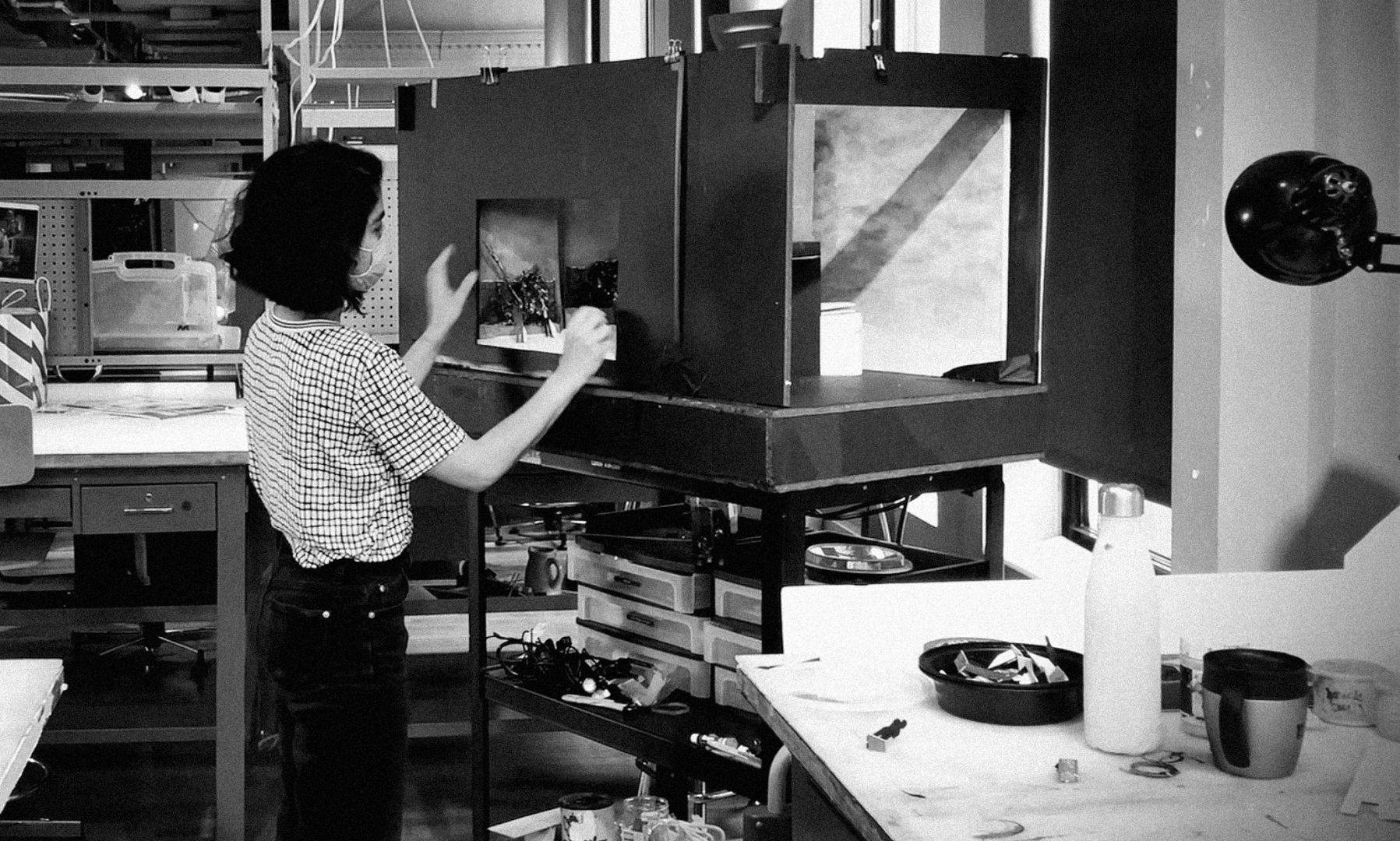
Risk taking is also intertwined with the way I work today – in my practice at the studio, in how I do research… but mainly in the way I relate to the “unknown” throughout the design process. While designing, or creating images, I find that many of the most exciting things come from “accidents” throughout the creative process. A lot is learned and discovered from these “mistakes”. So I need to not only negotiate with risk taking, I have to include it in my practice. Of course, you have to be prepared to notice these things, and understand how to use them. That takes practice, and presence of mind. In my case, I also need to have a physical space that has the tools that I need, a “setup”: model supplies, scavenged material, paints, charcoals, knives, a printer, laptop, tables, lights – a whole lab paraphernalia, really. So that if I need to grab an idea by the tail, I can. That’s why the time in the studio is so important. It builds discipline, and a frame, or a system, that serves and feeds your own process, and gives structure to this attitude of risk taking. It’s not always easy or comfortable, but I get a lot of joy from working this way.
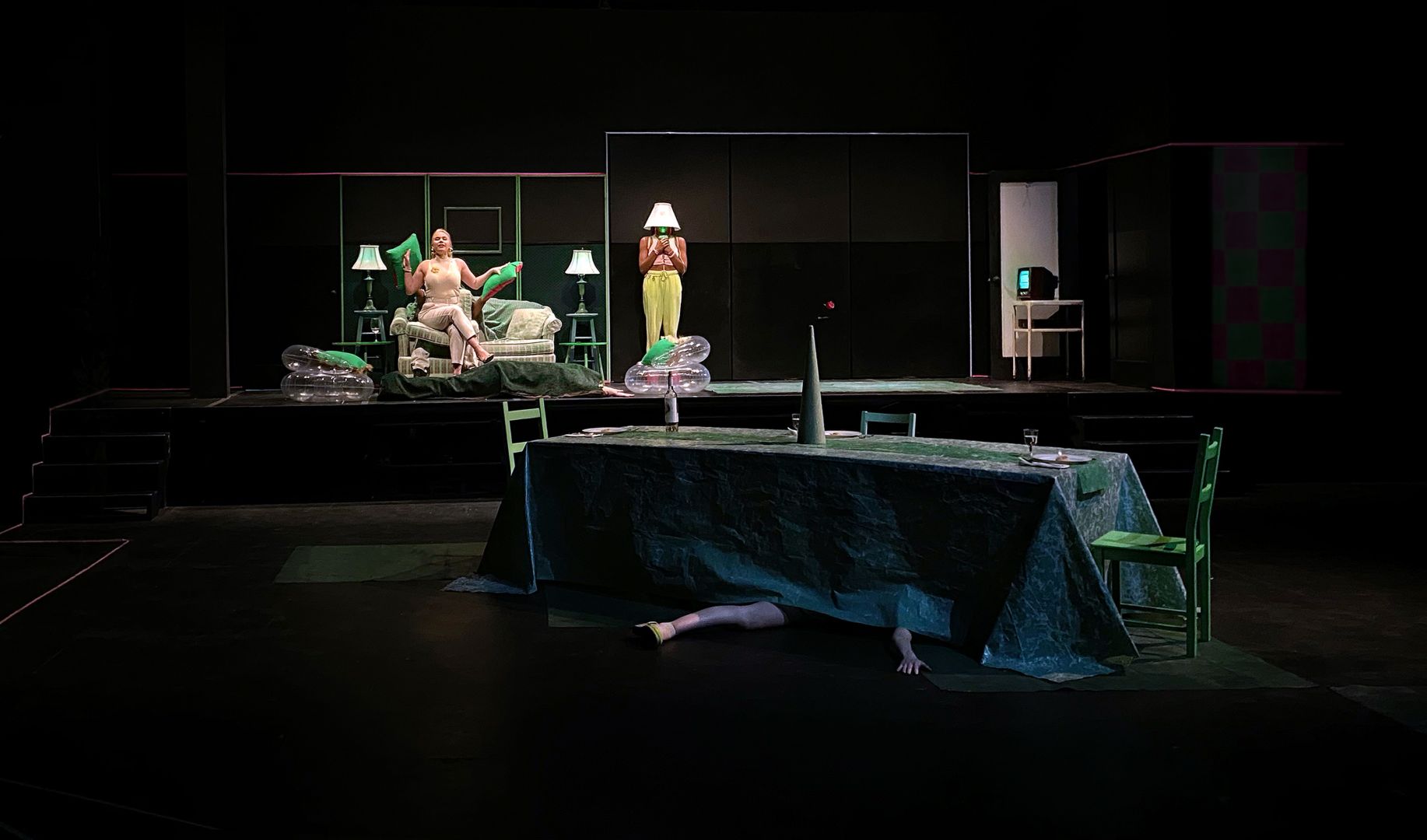
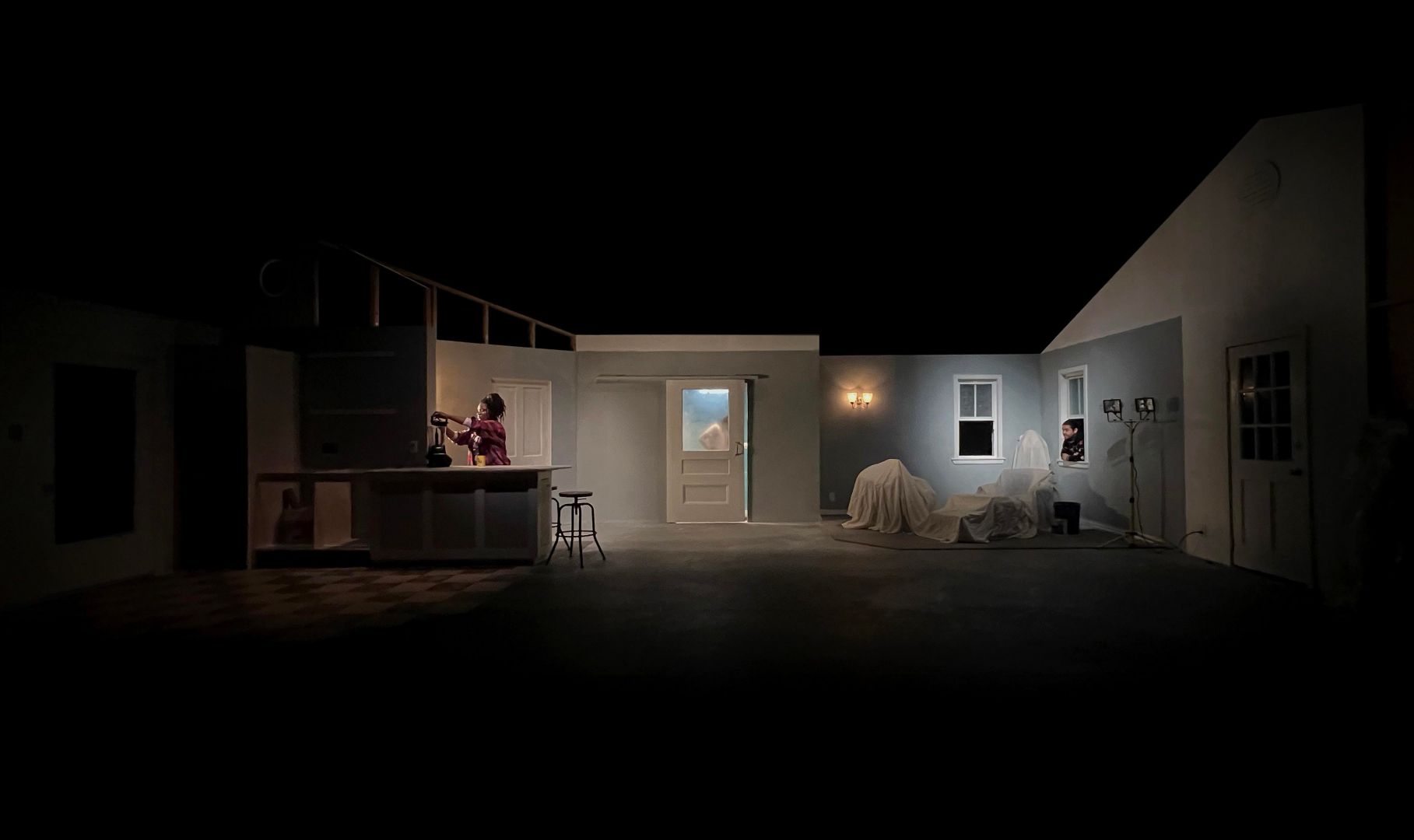
If you think about set design in general, we study, practice, and test out ideas as much as we can, tear the model pieces apart, adjust them, and ask all the questions we can. But there is no guarantee that that thing you built in 1/2” scale is going to work when it is reproduced in the “real” world, with breathing, living people in it. So I guess the task itself is inherently risky.
There is also the risk that most of us have to deal with, when it comes to what we say “yes” or “no” to. For those of us who can actually choose – you might say “yes” to a project that doesn’t really speak to you but is good financially, but this means that you might need to say “no” to something more exciting that may come after. Or you might find yourself not wanting to make a concession regarding some type of contract or situation, and risk losing the gig. And so on.
Let’s talk shop? Tell us more about your career, what can you share with our community?
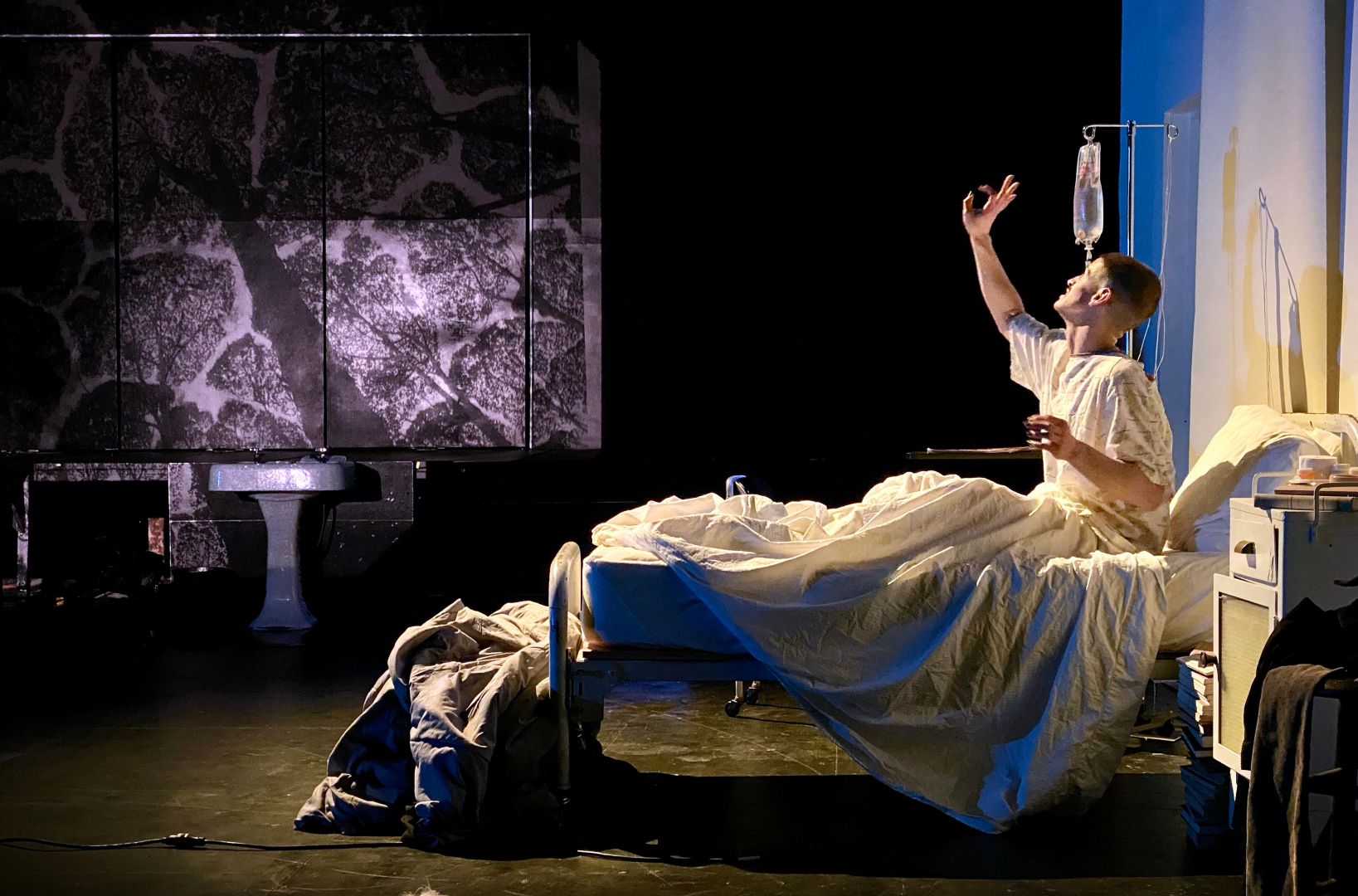
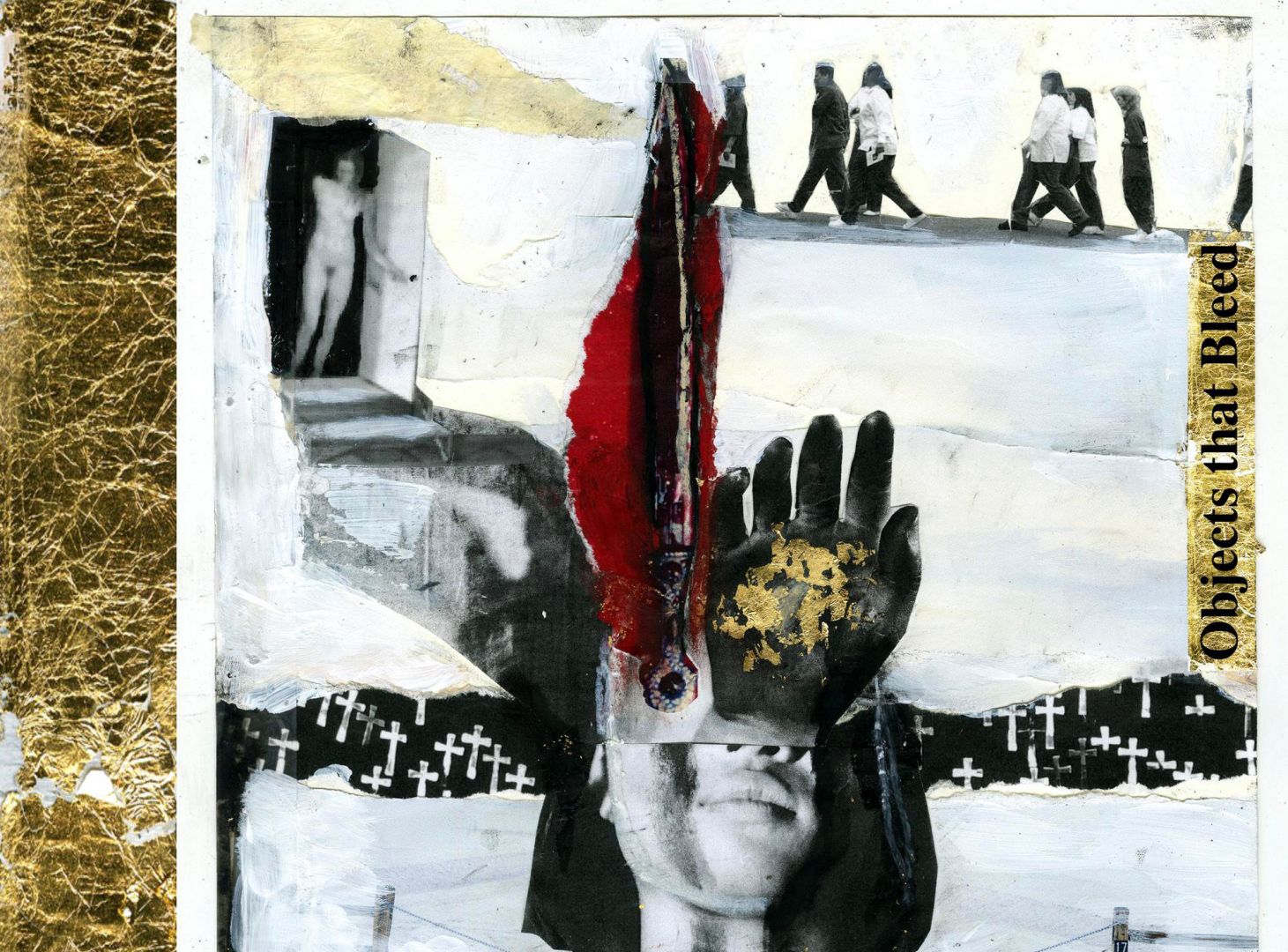
I work as a designer of sets/environments for theatrical performances (I’m naming “theater” here as a bigger category that can range from staged plays to animated drawing and beyond), and as a visual artist. As I said before, it wasn’t easy to move from Sao Paulo to NYC, and it is still very hard sometimes. Creating things has always been my way to make sense of the world, and in that regard my path has always been linked to that. But it took me a long time to understand how I wanted to work, and why, or even to find a frame (a professional community, for example) where I could feel like myself. It also took me a long time to unlearn things that were preventing me from doing the work that I want to do. That is very much tied to the fact that I was raised in a conservative culture that taught women to “fit in”, and “not dare”. This is all an ongoing process. I think that I began to (re)discover joy in what I do when I started to be better at quieting external expectations -from the professional community, from peers, from society, from family…-, and at focusing less on the result or end “product”.
If you had a friend visiting you, what are some of the local spots you’d want to take them around to?
I would say to come during the Spring, it’s so beautiful. An early day walk in the Brooklyn Botanic Garden. An afternoon at Strands book store, and in The Drawing Center in Soho. If he’s still doing it: watching Wayne Krantz perform on a Thursday night at the 55 bar.

Shoutout is all about shouting out others who you feel deserve additional recognition and exposure. Who would you like to shoutout?
Wow, this one could take me forever. I’m very lucky. There are so many people that contributed and contribute to where I am, either with practical things like financial support, or by being an inspiration by what they do and who they are. I will give a shoutout to two brilliant artists and humans – my partners in life and in crime, respectively: Gui Duvignau and Camilla Dely. A shoutout also to my family in Brazil. To my uncles. To my family that came before and fled the Turkish genocide against the Armenians, arrived in a new land with nothing, and survived.
To Andromache Chalfant and M. Sharkey from the Coffey Studio, who welcomed me as a resident during one of the most challenging moments of the covid lockdown.
To Susan Hilferty, who brought me in as the very last member of the incoming class of 2018.
To all the women before me. To all the artists before me.
Links to the websites of people mentioned here:
Gui Duvignau: https://www.guiduvignau.com
Camilla Dely: https://www.camilladely.com
Coffey Street: https://www.coffeystreetstudio.com
Susan Hilferty: https://www.susanhilferty.com


Website: https://tatianakahvegian.cargo.site
Instagram: https://www.instagram.com/tatianakahvegian
Image Credits
“hero” photo (headshot) by Jana Schuessler work images: 01 – Set and Projection Design for “Angels In America – Part I”, directed by Andrew Watring, 2022. Photo by Tatiana Kahvegian. 02 – Set design for “The Late Wedding”, directed by Aileen McGroddy, 2021. Photo by Tatiana Kahvegian. 03 – Making of for the UNFPA campaign, 2021. Photo by David Zung. 04 – Set design for “Collective Rage”, directed by Molly Houlahan. Photo by Mark Turek. 05 – Set design for “Collective Rage”, directed by Molly Houlahan. Photo by Tatiana Kahvegian. 06 – Images from “Hold This”, in collaboration with Camilla Dely. Photos by Tatiana Kahvegian. 07 – Collage for “Iphigenia Among the Taurians”, 2021. 08 – Working at the studio, 2021. Photo by Camilla Dely.