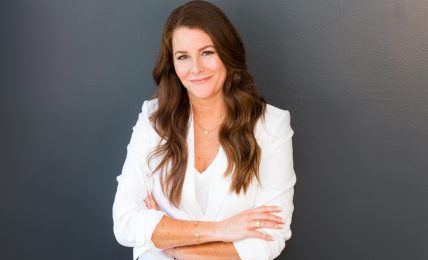
Meet Heather Malley | Program Director, Caterpillar Cottage Preschool



We had the good fortune of connecting with Heather Malley and we’ve shared our conversation below.
Hi Heather, how do you think about risk?
For me, starting Caterpillar Cottage Preschool was the only thing I wanted to do, risk didn’t matter at the time. I had a clear vision to create a nurturing, progressive, relationship-centered preschool that supports children and their intrinsic motivation to explore and learn. I was well prepared and passionate. I remember saying, “Oh! This is happening.” You know that spark you feel when it seems nothing will get in your way? When it’s not just a good idea but you feel with your whole being that this is happening? Following that energy, I think is more likely to end in success. There was and is such a need for spaces like ours, where children are met with connected and experienced teachers who want to really know them and support them where they are.
Starting a business is risky, so many of them fail and you know that going in. And I’ve been through a couple of “starts” in a way because, years after our initial start-up, we had tried to move our program out of our home to a space we had leased but that move failed. We had leased a space, invested our money into making it a workable space for a child care, and then the permitting requirements for the building changed and we were way beyond our means, so we lost all our savings in that first attempt. I know from that experience we aren’t the only ones who have faced that. Now we are in a perfect space for us, we found another great permitted location within a year after that loss, so it worked out.
That risk was mitigated of course partly by the experience I brought to this program. I had been a preschool teacher before I moved into research in early care and education at UCLA’s Center for Improving Child Care Quality and at another firm in the San Francisco Bay area. I also worked as a program evaluator for Child Care Resource Center’s School Readiness Initiative for 6 years. I had personally observed hundreds of programs and teachers working with young children. And when I finally had an opportunity to start this program in my home, I was also a new mom, with a toddler. That was both a challenge and a benefit to this risk—I was juggling a lot but I also deeply resonated with the other moms who were looking for good programs for their children. I think all of that just ended up being the perfect catalyst for this program to be actualized.
Alright, so for those in our community who might not be familiar with your business, can you tell us more?
In my prior work in research in early care and education, I saw that often programs didn’t reflect the care and attention to children that we know help children thrive. When children are with adults who appreciate them, when they feel safe and loved, when play is valued as the important work of childhood, this is when they can best build confidence, learn, and grow their relationships with peers. One of the core pieces of knowledge in the field of child development is that children learn best in the context of warm, supportive relationships. Most of the programs I observed while working in the SF bay area and with UCLA’s Center for Improving Child Care Quality, not all, but most had teachers and care providers who were stretched too thin and didn’t know how to be emotionally supportive. With larger groups, often there was a lot of blaming and shaming, harsh tones, and punitive control of children.
There is a lot of misinformation out there about classroom management and behavioral support. Warm connection and real interest in getting to know children is at the heart of our approach. Mr. Rogers embodied a lot of what it means to be developmentally supportive and engaged in learning with children. I use that as a quick example because I think many will relate to it. If you look to how he related to children in his television series, you can see that taking the time to connect and learn with children is really such a powerful approach.
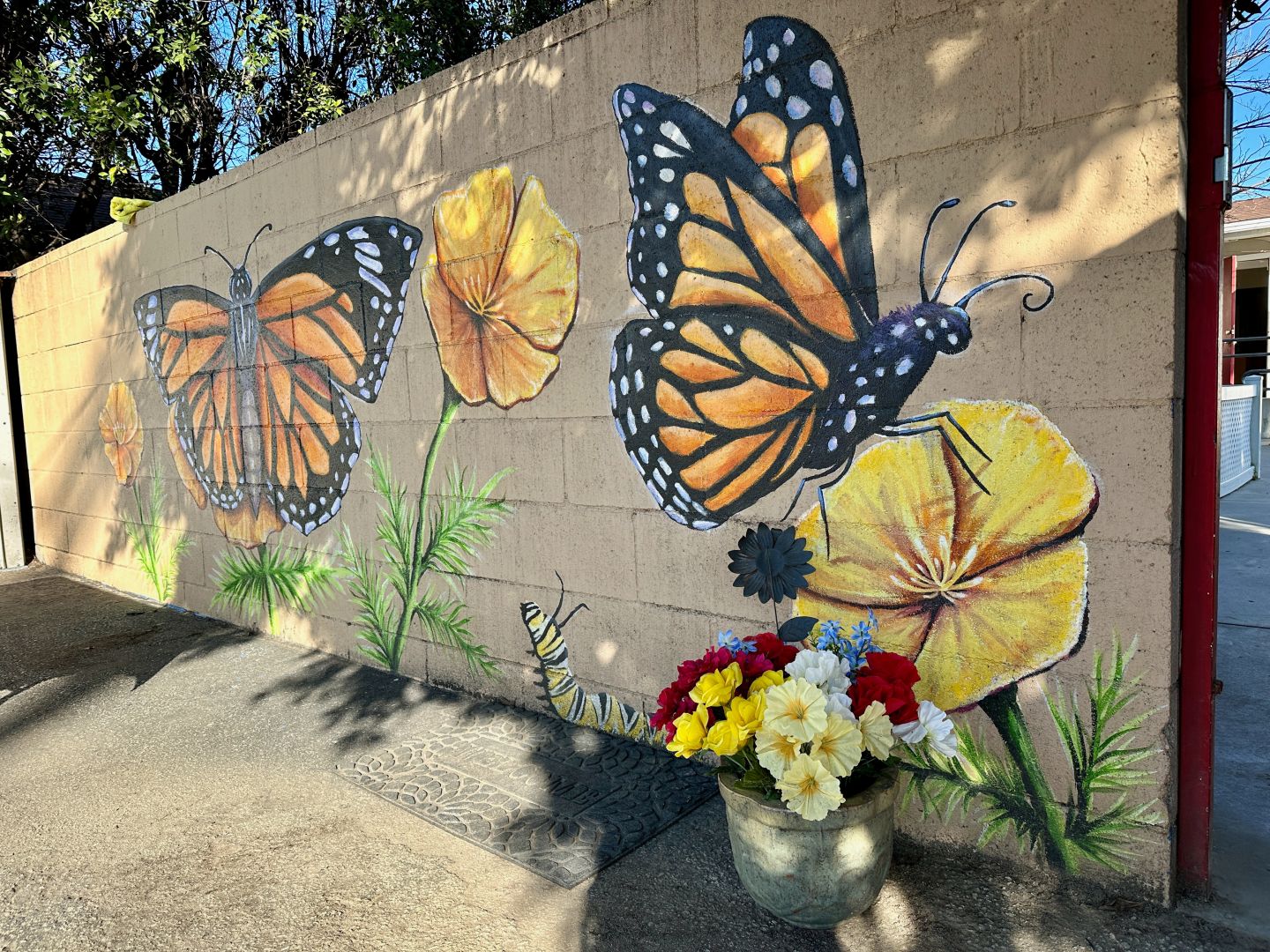
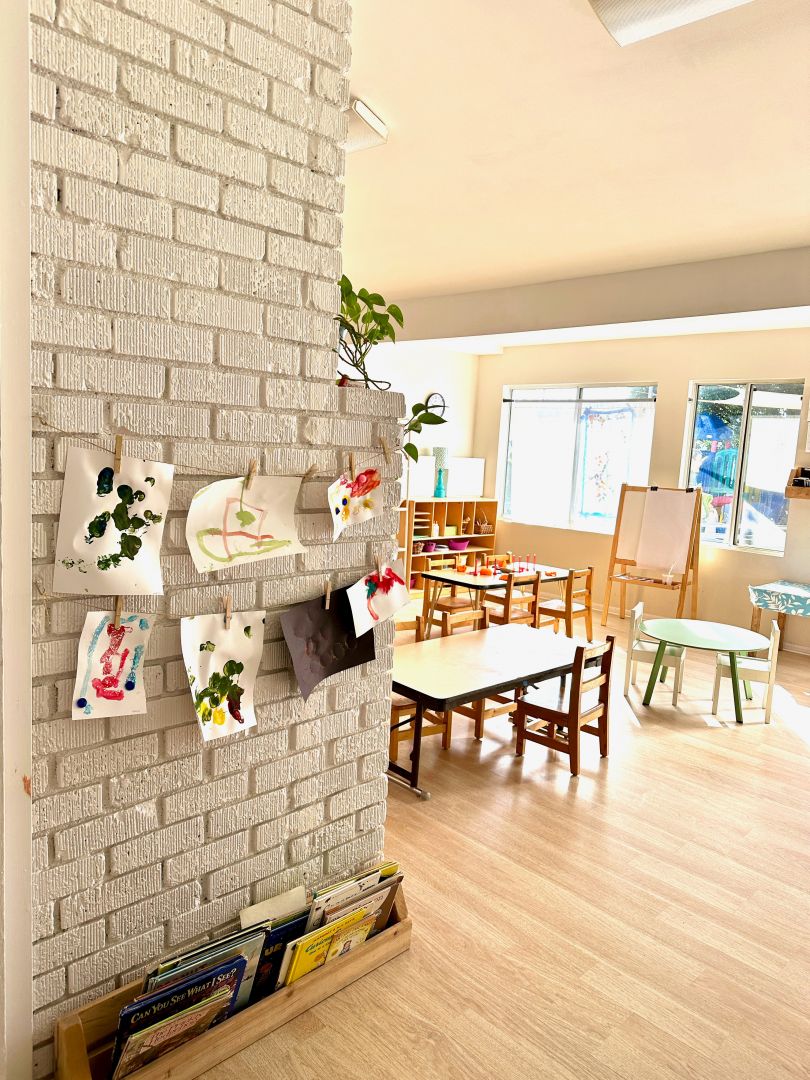
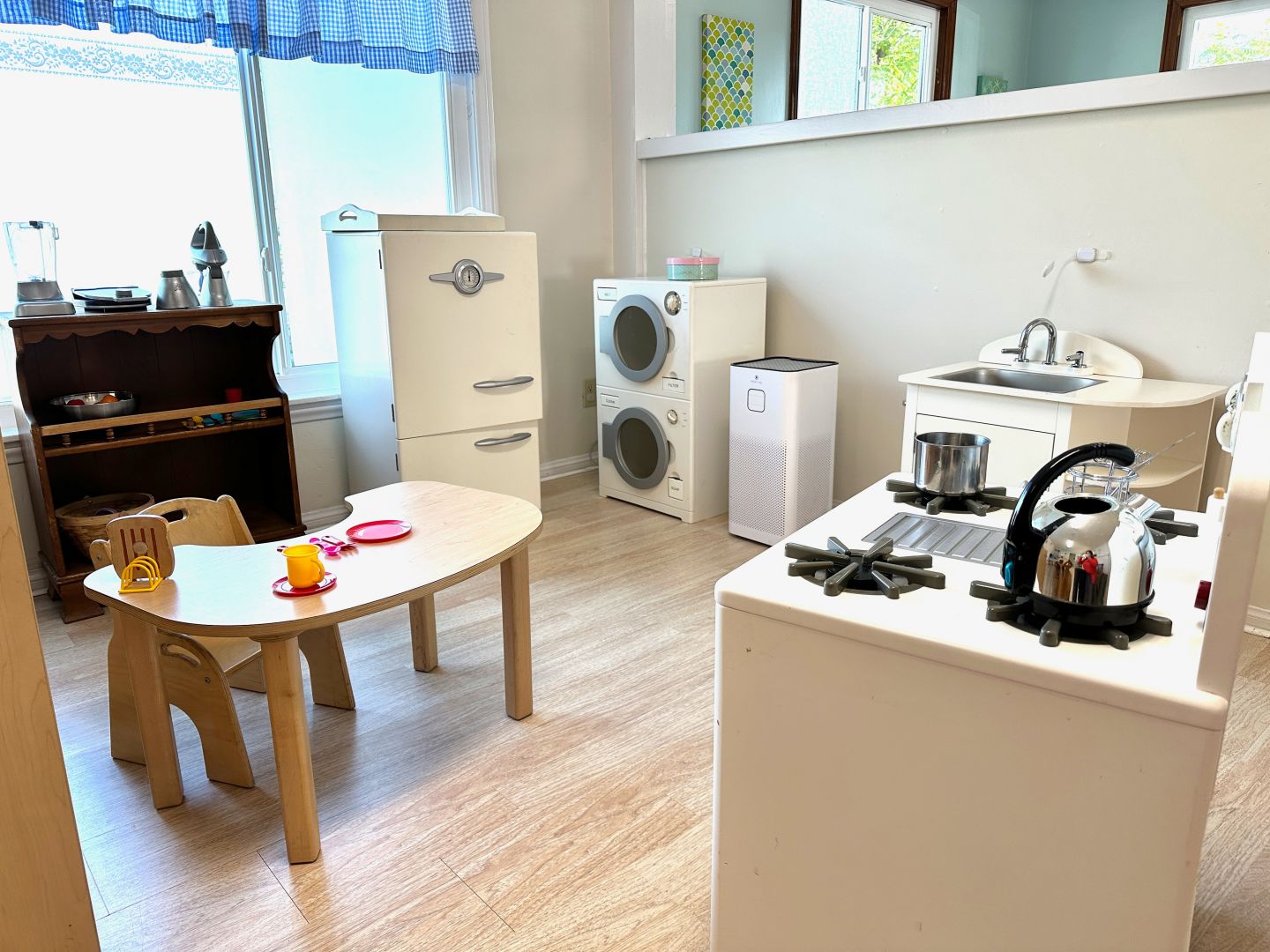
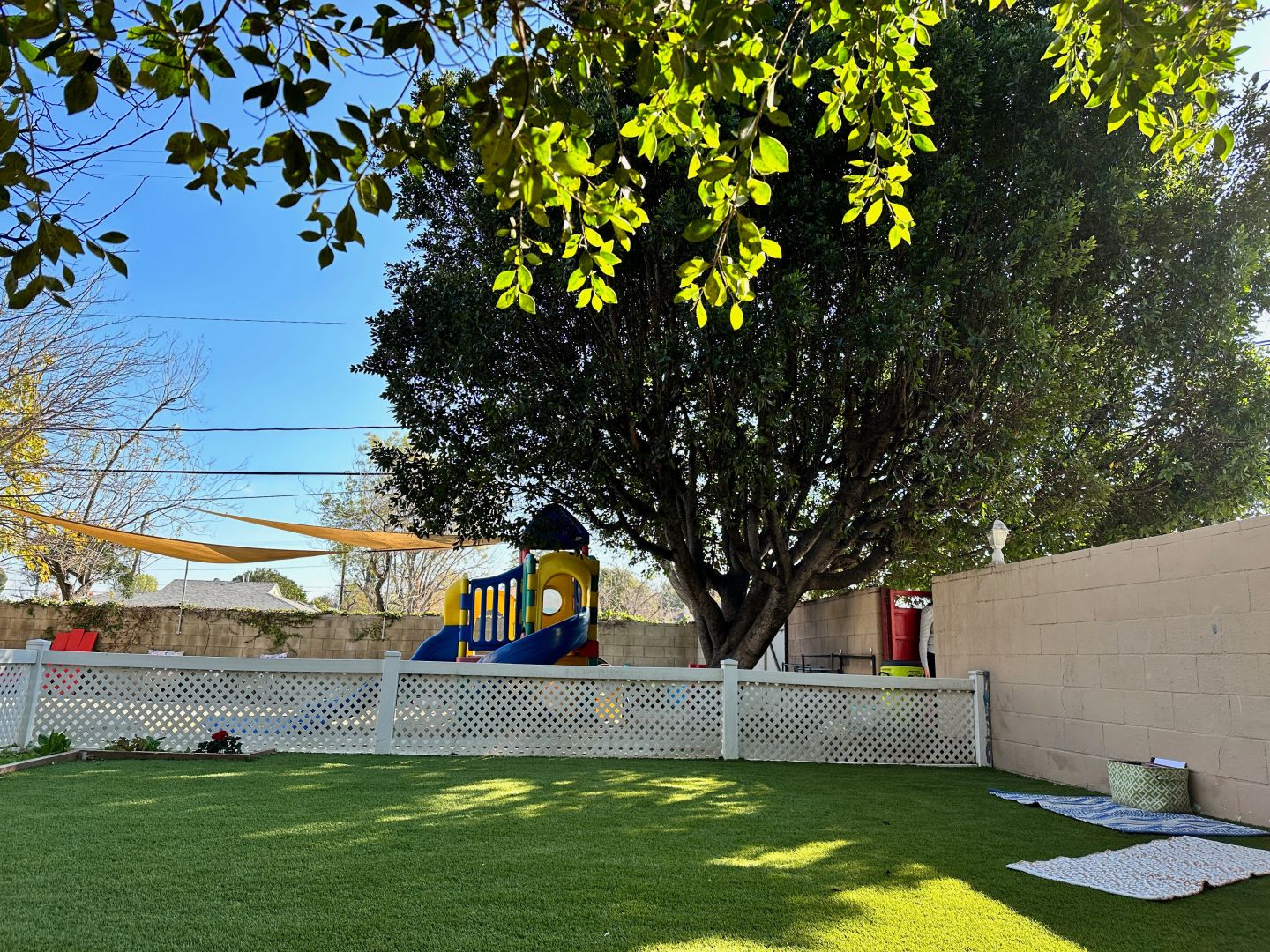
The industry itself is wide and varied. At Caterpillar Cottage, we are a small part-time program rooted in connected and supportive relationships with children. Small groups with more teachers is key to us staying true to our mission. Child development and attachment theory informs our methods as does the latest understanding of neuro-research and polyvagal theory. We focus on conflict mediation to help children learn to advocate for self and others. Social-emotional support is central to our work as it’s a big factor in later success both academically and just in life.
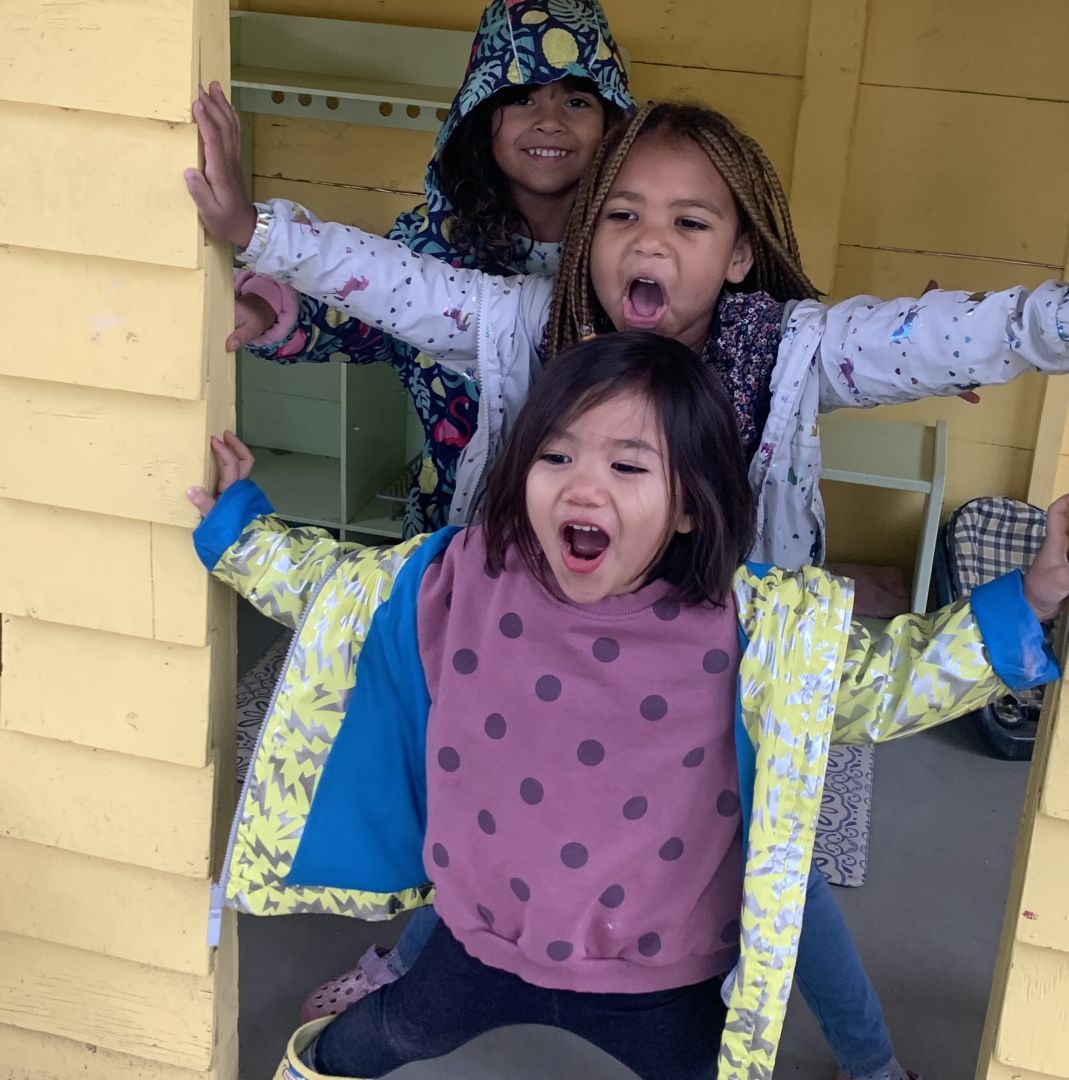
Children at Caterpillar Cottage tend to love their preschool. This is what we want to see, children thriving in responsive spaces that honor the importance of play.
Our lead teacher Andrea has a passion like my own and has been working side by side with me since our second year in business (12 years now). Working together with others who share your passion is such an important element of our program. Success is defined in so many ways, so for us it doesn’t mean that we have millions of followers, it’s about serving the families in our preschool community. Our consistency of care for children and focus on community makes us successful in what we set out to do, there is valuable continuity there. The children and families in our program benefit from this. I’ve found over time that most families are really so grateful to have found our program, not just as a place for their child to play and learn while they work or run errands, but as a place they feel has benefited their family as well as their child’s relationship to self and others.
Building Caterpillar Cottage took time and dedication. What we do comes easily because we love it, but it’s still hard work, if that makes sense. It’s a process of conversations and learning and reflection and continual focus on each child. When you do what you love and you are engaged in it for the quality, that is always going to be a lot of work, even if the values and goals are aligned perfectly with your skill set.
Speaking of challenges, the pandemic for child care providers and preschools was a different kind of challenge and that was hard, but being a community that came together for the families was also an important reminder of the value of our schools as centers of community.
Although there are many preschools and early care programs, finding programs where teachers are really connected to children, provide loving care, and are responsive to families is harder than it should be. Its rewarding work to be engaged in, and rare to find programs that have this kind of passion and dedication.
Let’s say your best friend was visiting the area and you wanted to show them the best time ever. Where would you take them? Give us a little itinerary – say it was a week long trip, where would you eat, drink, visit, hang out, etc.
There is a lovely little cafe in Northridge called The Humble Bee, and they have a sister restaurant called Humble Bee Cochina close to CSUN campus. Delicious food and lovely atmosphere, these two restaurants are run by people who love and live in this community.
I tend to be pretty busy with family and my work so I don’t get out and about town as much as I would like to, though I do frequent these two cafe’s as well as The Stand, which we also love.
If I’m thinking of really local to our neighborhood, there is a lovely comic book/children’s book shop called Galaxy Comics on Saticoy near us, also run by a local who is invested in providing a lovely experience for his customers. And the store has some resident cats, too!
Who else deserves some credit and recognition?
One thing I love to talk about with college students (who I mentor in my work with California’s Early Childhood Mentor Program) is the importance of collecting amazing mentors as you travel through your career. I have had many important mentors over the years.
I have worked and consulted with some amazing people and I continue to connect with them as much as I can. One mentor/friend who stands out for me is Susan North, author of The Oppostie of COMBAT- a parent’s guide for teaching siblings how to collaborate and solve their own conflicts, who as a former director herself and a parent-educator and mediator has been a HUGE support to me over the years. She has guided us when it comes to implementing problem-solving mediation on the playground has benefited our play-based program in so many ways. She also joins me in our monthly parent coffee hours where we discuss child development and parenting with the parents at Caterpillar Cottage. We are also working on a book together with clinical psychologist Enrico Gnaulati, PhD, Peacemaking with Preschoolers,
Another long-time mentor is Neal Wrightson, founder and former head of Children’s Community School in Van Nuys. My daughter attended CCS and I have connected with him many times over the years about running a progressive education program tor young children. His wisdom and connection has been a great support to me.
Tim Craig at Children’s Circle has also been a great resource, giving me a lot of support/advice particularly when I was looking to expand my program. I began meeting with him as a mentee in part of California’s Early Childhood Mentor Program which I also work wtih as a mentor of college students in child development and early education.
One of my earliest mentors who is near and dear to me is Sharon Ritchie, PhD who I worked with at UCLA”s Center for Improving Child Care Quality back in the early 2000’s. Her wisdom as an educator and researcher and her capacity to see the value in me and my committment to young children has always been a great support to the work that I do.
My friends and family have also offered me a lot of consistant support and encouragement in this work.
There are so many authors that have written indispensible books that inform the work we do at Caterpillar Cottage. I’ll list just a few current favorites here:
Moral Classrooms, Moral Children– Creating a Constructivist Atmosphere in Early Education by Rheta DeVries and Betty Zan
Brain Body Parenting and Beyond Behaviors by Mona Delahooke
Whole Brain Child by Tina Payne Bryson and Daniel J. Siegel
Teacher (and Parent) Effectiveness Training by Thomas Gordon
Countless articles and books by Alfie Kohn
Teacher Tom’s First (and Second) books by “Teacher Tom” Hobson
The Play’s the Thing- Teachers’ Roles in Children’s Play by Elizabeth Jones and Gretchen Reynolds
Website: www.caterpillarcottage.com
Instagram: https://www.instagram.com/caterpillarcottage/
Facebook: https://www.facebook.com/caterpillarcottagepreschool
Yelp: https://www.yelp.com/biz/caterpillar-cottage-preschool-northridge?osq=caterpillar+cottage
Image Credits
I have rights and permissions