Meet Joselyn Takacs
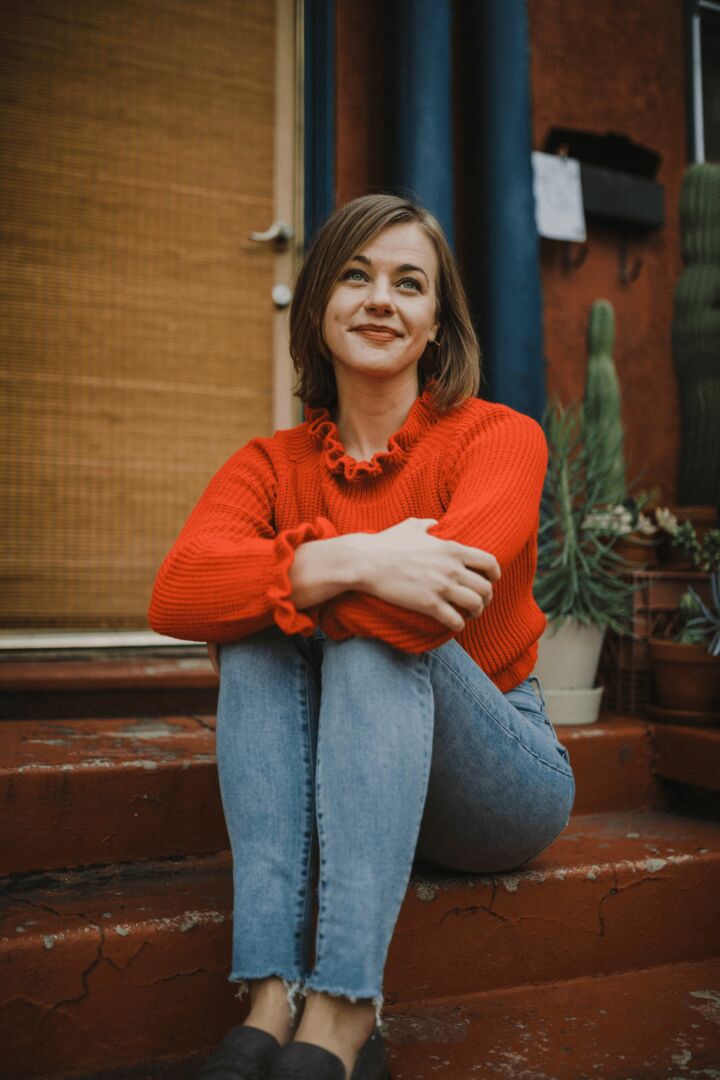


We had the good fortune of connecting with Joselyn Takacs and we’ve shared our conversation below.
Hi Joselyn, what led you to pursuing a creative path professionally?
When I was in college and decided I wanted to be a fiction writer, it seemed as plausible as a lot of other career paths. I’d be lying if I didn’t admit that the decision was rooted in a misguided sense of what an artistic career is truly like. When you’re young, the odds never seem that relevant to you. But time goes on, you dig yourself further in, you love the work more, and you surround yourself with people who love it too. (Did I mention I married another writer?) And writers are just my favorite kind of people–so perceptive and curious and funny.
Let’s talk shop? Tell us more about your career, what can you share with our community?
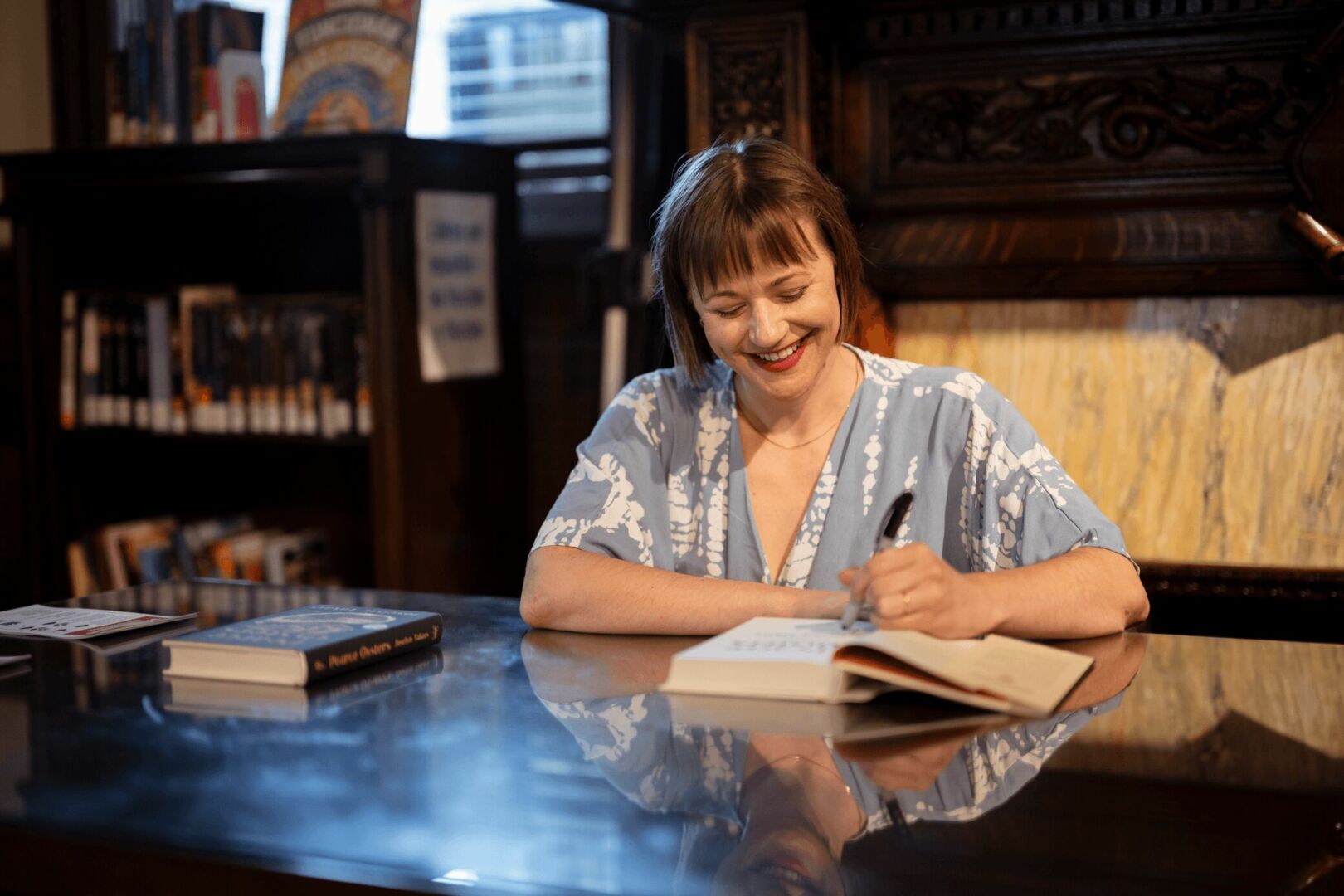
In college, I became a serious reader, and it was then that I decided that I wanted to be a professional writer. Still, it took me years–and many cringeworthy early stories–before I embarked on a novel project. My novel, Pearce Oysters, follows the Pearce family, who own a storied oyster company in Louisiana, and it follows the family over the course of the 2010 Deepwater Horizon oil spill.
I came to this subject because I was living in Louisiana after college. I was waiting tables at a French Quarter restaurant in 2010 when I heard about an explosion on an oil rig off the coast of Louisiana. That explosion preceded the largest accidental oil spill in world history. We were all gobsmacked by the enormity of the disaster that followed.
That summer, I read a profile in a weekly paper about an oyster farm that was closing down. The oyster farmer explained the threat of the spill from his perspective—one that could put him out of business for years. An oiled oyster reef was not just a season’s loss, but the loss of several years because it can take three years for an oyster to reach market size.
I kept thinking about that profile, even after the oil spill and its effects faded from national headlines. In 2015, I received a grant to record the oral histories of oyster farmers about their lives and how they’d been affected by the oil spill. I interviewed farmers from across Louisiana. They opened their homes to me, invited me for dinner; some invited me out on their boats to see the reefs. On one trip, our boat grounded in the marsh of a Native American burial mound and the captain assured me that we’d be free once the tide came in—four hours later. What those men and women taught me about the ecosystem and the industry and the oyster became the foundation of this novel.
Any places to eat or things to do that you can share with our readers? If they have a friend visiting town, what are some spots they could take them to?
I haven’t lived in Los Angeles for a few years now sadly, so let me give you a good day’s itinerary instead. Breakfast at Valarie Echo Park. Then a walk in Griffith Park and a planetarium show. Dinner at Elf Cafe and then a show at Zebulon.
Who else deserves some credit and recognition?
I’m indebted to my incredible agent, Maria Whelan, for championing my work and finding it a home.
Website: https://www.joselyntakacs.com/
Instagram: @joselyn_takacs
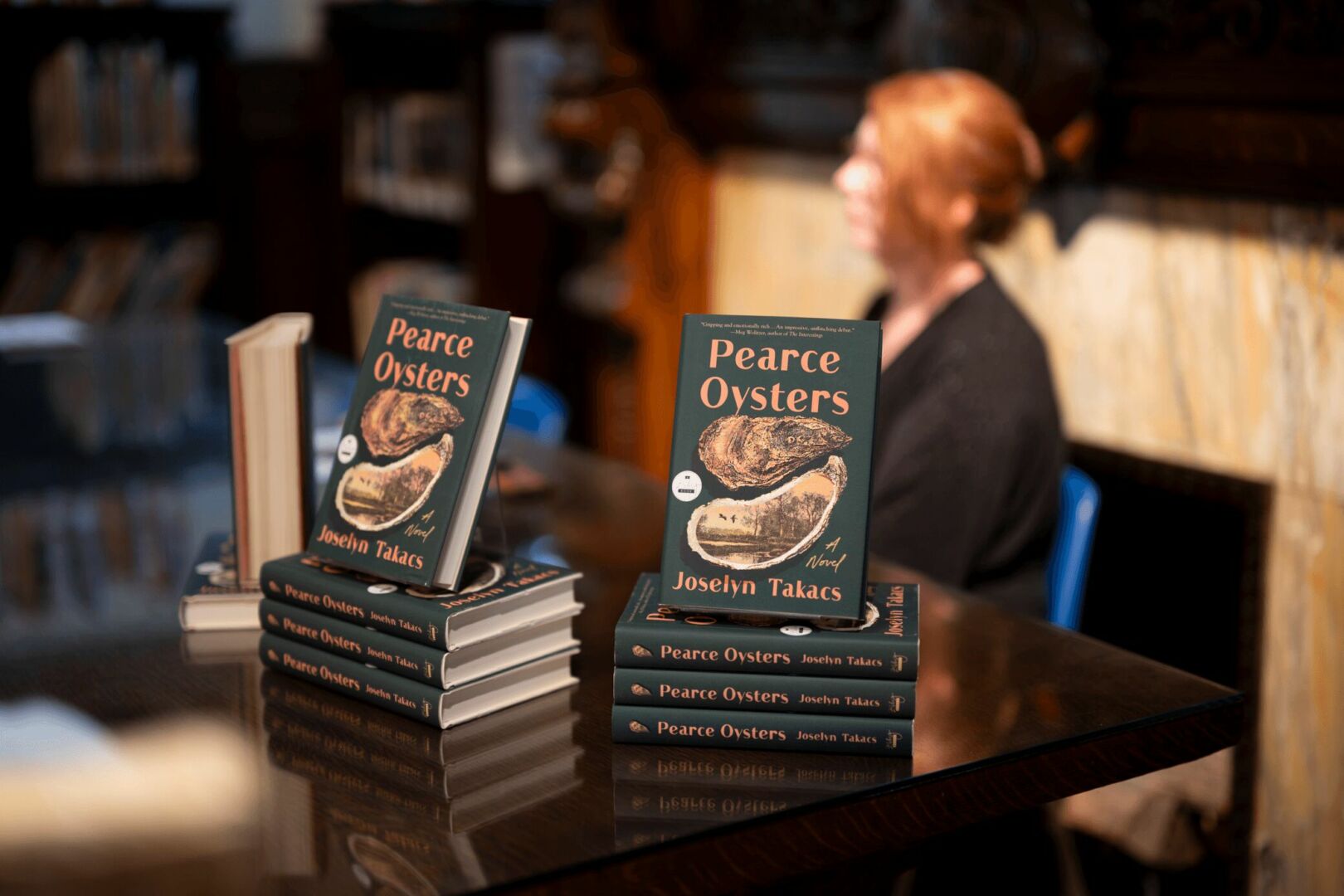
Image Credits
Summer Greer @summergreer


