Meet Munus Shih | Creative Technologist, Designer, Educator


We had the good fortune of connecting with Munus Shih and we’ve shared our conversation below.
Hi Munus, is there something you can share with us that those outside of the industry might not be aware of?
One thing that outsiders might not be aware of is how web technologies, especially JavaScript and WebGL, are being used not just for building websites but for creating interactive art, immersive experiences, and even physical installations. Technologies like p5.js and Three.js have enabled developers to push the boundaries of what’s possible on the web, blending design, code, and creativity in ways that were once reserved for more traditional art forms or specialized software. This cross-disciplinary approach opens up entirely new ways of thinking about how we experience and interact with digital content.
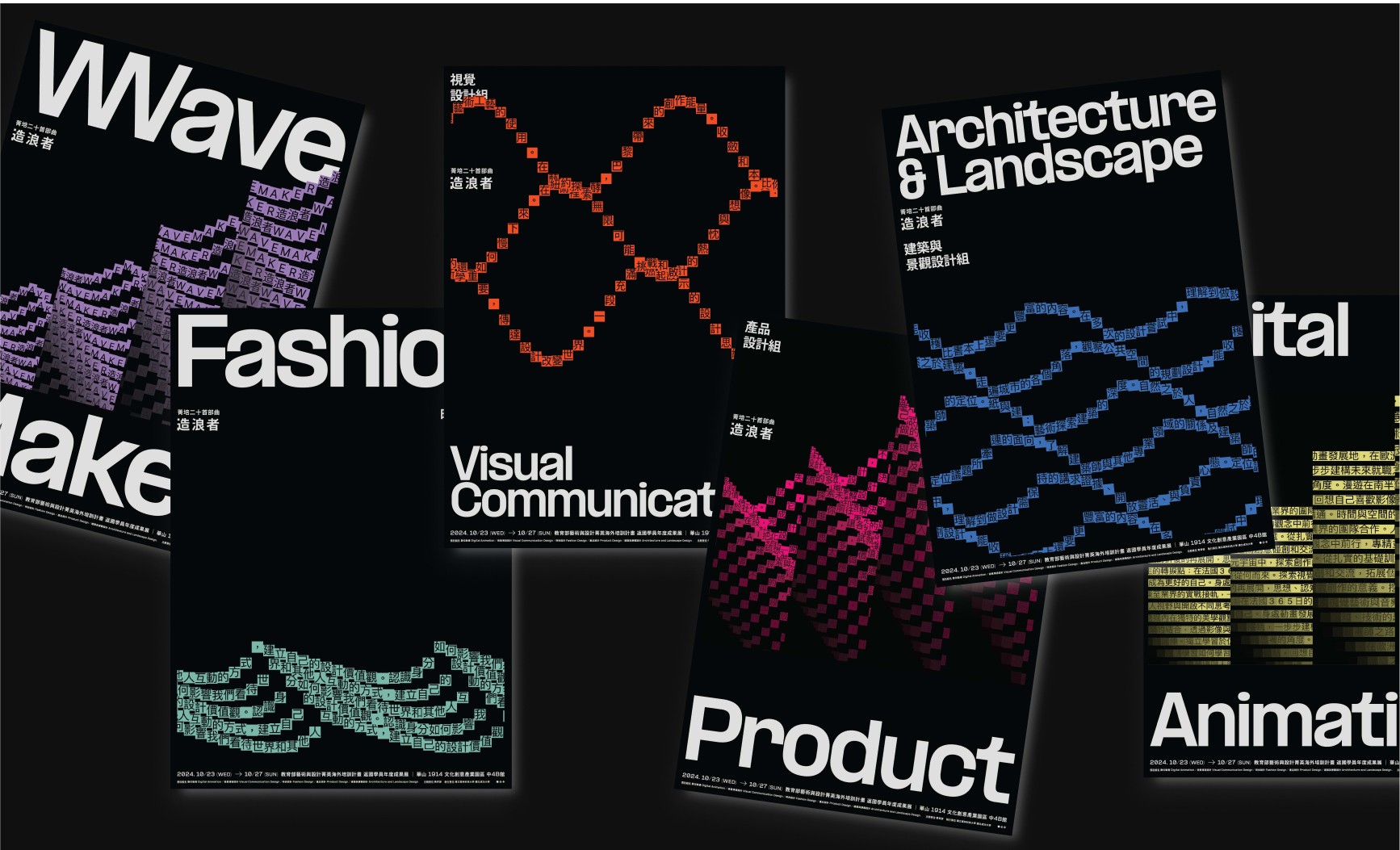
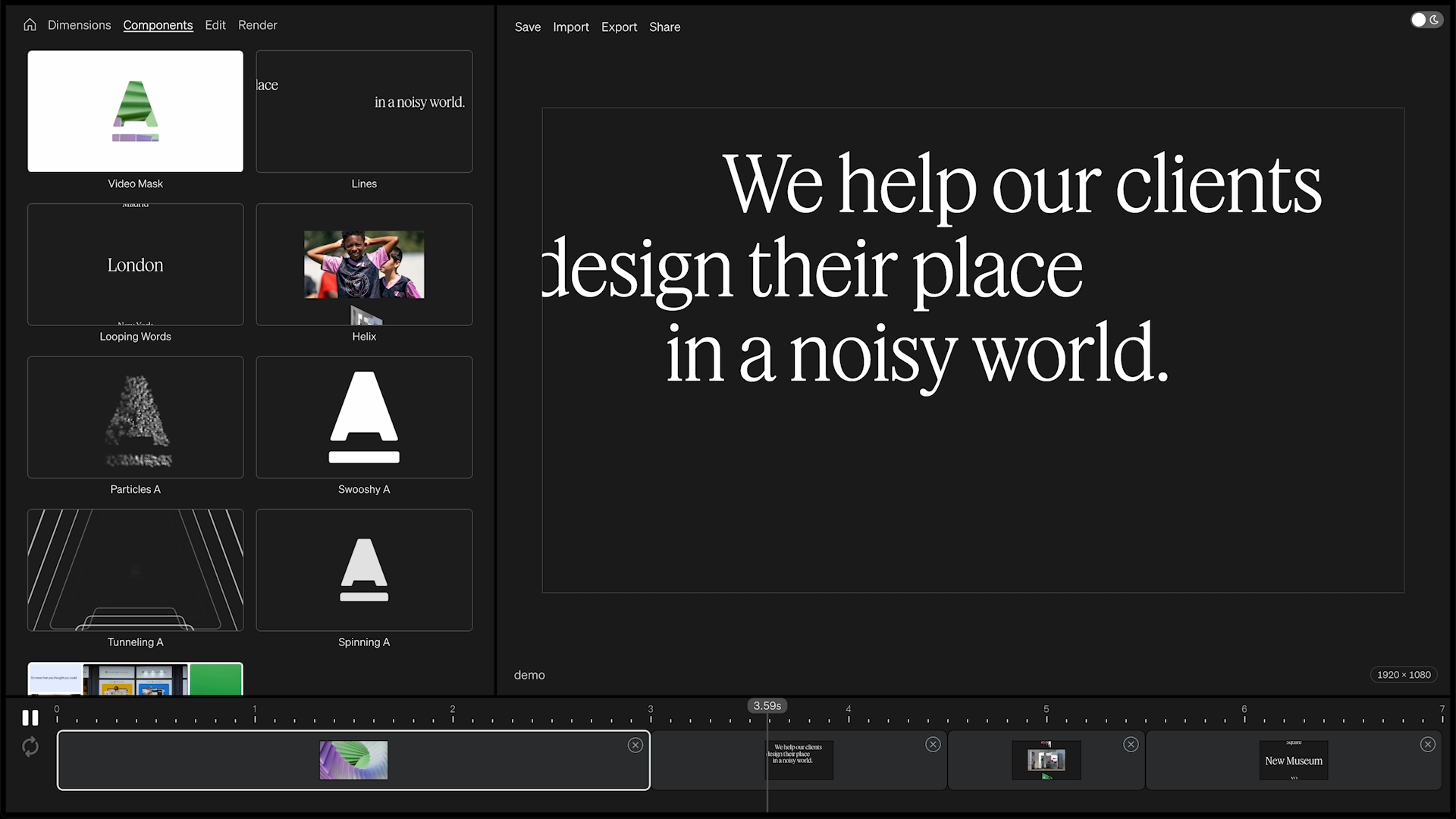
When I was working at agencies like Design Systems International or Athletics, we would use web technologies to create generative designs and custom interfaces using WebGL with libraries like Three.js and GSAP. These tools allowed us to bring complex, interactive visual elements to life for high-profile clients in the art and culture space, like GOCA and Amazon. These patterns would have been difficult to create in traditional design software—or would have taken a really long time to render with each tweak. Instead, code offers a unique advantage to give both the designers and the client a chance to collaborate on the system. By generating it through code and building a custom tool that allows the client to input text, adjust the size, and instantly render new variations—all within a browser, even those without design software or coding experience can engage in the generative process with ease.
Alright, so let’s move onto what keeps you busy professionally?
My career has been a unique blend of design, technology, and community-building, and what sets me apart is my ability to bridge the gap between these disciplines, making them more open, friendly, and accessible. When I first started out, I was primarily driven by my love for both technology and design. I didn’t have a clear roadmap. But I knew I wanted to create things that felt meaningful—things that could engage people in a deeper way. Over time, this led me into creative coding, where I found the freedom to experiment with new forms of expression. Coding tools like p5.js and three.js became my canvas, and I began creating generative art and interactive experiences that blend technology with storytelling.
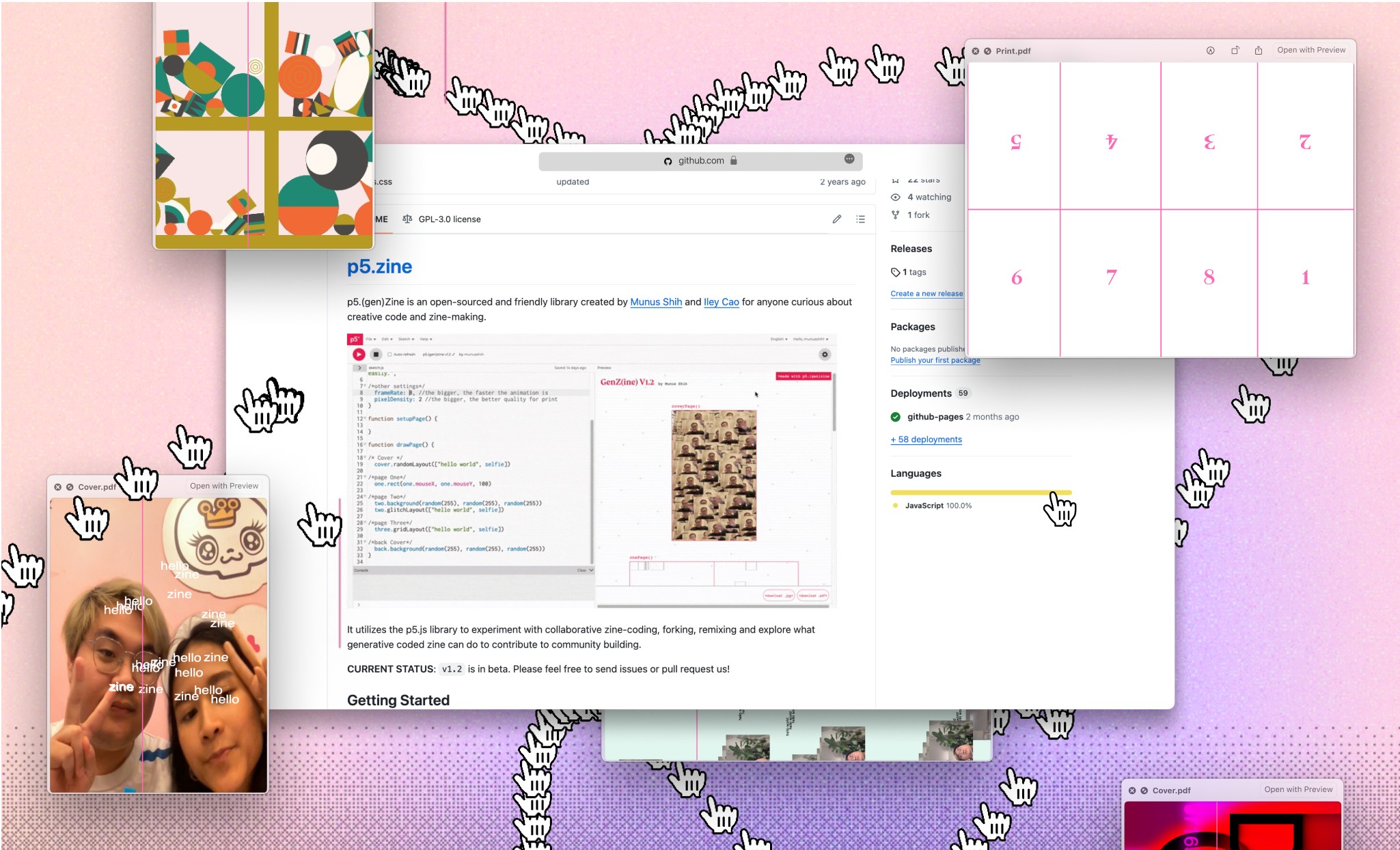
What sets me apart is my focus on community and accessibility. I’ve always believed that technology should be something that invites people in, not something that alienates them. This belief led me to co-develop p5.zine, a project that combines coding with zine-making to make creative technology more accessible to beginners. It’s one of my proudest achievements because it empowers people to create something personal, even if they’re just starting out. I want others to see that creativity and technology can coexist in a way that feels approachable.
Early in my career, I struggled with how niche my approach to design was. I often faced rejection for being “too specific” or “hard to imagine working with others.” But I’ve learned that it’s okay not to have all the answers, and that growth happens in the spaces where you’re uncomfortable. Over time, I was fortunate to find spaces where I could collaborate with designers and developers who helped me understand my strengths and how I could best contribute to a team. I’ve realized that the process itself—rather than any one outcome—is what truly matters.
Collaboration, learning from others, and sharing knowledge have always been core values for me. Whether through teaching or contributing to open-source projects, the relationships I’ve built along the way have shaped me just as much as my work has. That sense of community is everything to me. It keeps me motivated, knowing that my work can connect people, make someone feel seen, or spark a new idea.
If I could leave one thing for the world to know about me, it’s that I’m driven by a genuine desire to create things that matter. I want to inspire others through the experiences I create and use technology in ways that build bridges. As a teacher, I often think about the cross-pollination between my teaching, creative practice in making tools, and research interests in solidarity economy and cooperative studies. It’s the intersection of these ideas that motivates me to continue growing and connecting with others in meaningful ways.
Any places to eat or things to do that you can share with our readers? If they have a friend visiting town, what are some spots they could take them to?
If my best friend were visiting for a week, I’d make sure we hit all the iconic spots, but I’d also sprinkle in some lesser-known gems that truly capture the spirit of the city. We’d start by doing the typical tourist things – you can’t visit NYC and not see the Empire State Building, the Statue of Liberty, and Times Square, but I’d balance it out with visits to places like the Tenement Museum to get a glimpse of NYC’s immigrant history, and of course, a walk across the Brooklyn Bridge. Then we’d grab a bite at a classic NYC deli like Katz’s, and maybe take a stroll through Chinatown, checking out local bakeries and the hidden gems there.
I’d definitely want to take them to The Cloisters in Fort Tryon Park – it’s this beautiful medieval-style museum that’s tucked away in upper Manhattan and feels like a whole other world. And of course, we’d hit up some of the best bookstores in NYC – places like The Strand and Printed Matter, but I’d make sure to take them to smaller indie shops like Desert Island Comics in Brooklyn, which has a fantastic collection of comics and zines. Or Yu&Me, a quirky asian-owned bookstore that has some amazing indie book collections. Those places always feel like a treasure hunt, and I love supporting the local spots that make NYC’s literary scene so vibrant.
The Shoutout series is all about recognizing that our success and where we are in life is at least somewhat thanks to the efforts, support, mentorship, love and encouragement of others. So is there someone that you want to dedicate your shoutout to?
I’d definitely dedicate my shoutout to the community around p5.js and the Processing Foundation, as they’ve played such a pivotal role in shaping my journey. Through the mentorship, collaboration, and collective support within these communities, I’ve not only honed my skills but also been inspired to give back and empower others.
I’d also like to shout out to Nikki Makagiansar, my collaborator at Munus & Niktari. Her partnership has been invaluable, and we’ve been able to create projects that truly matter to both of us. We’ve navigated challenges together, and having someone with such a shared vision has made the journey so much more fulfilling.
Beyond that, the entire creative technologist network has been incredibly inspiring. From the designers and engineers at Athletics to the teams at Design Systems International, I’ve learned so much from their approach to blending creativity with technology in meaningful ways.
And, of course, I can’t forget my students, whose passion and curiosity continually push me to explore new ideas and grow as a teacher and creator. They’re a constant reminder of the power of learning and mentorship in shaping the future.
Website: https://munusshih.com
Instagram: https://www.instagram.com/munusshih/
Linkedin: https://www.linkedin.com/in/munusshih/
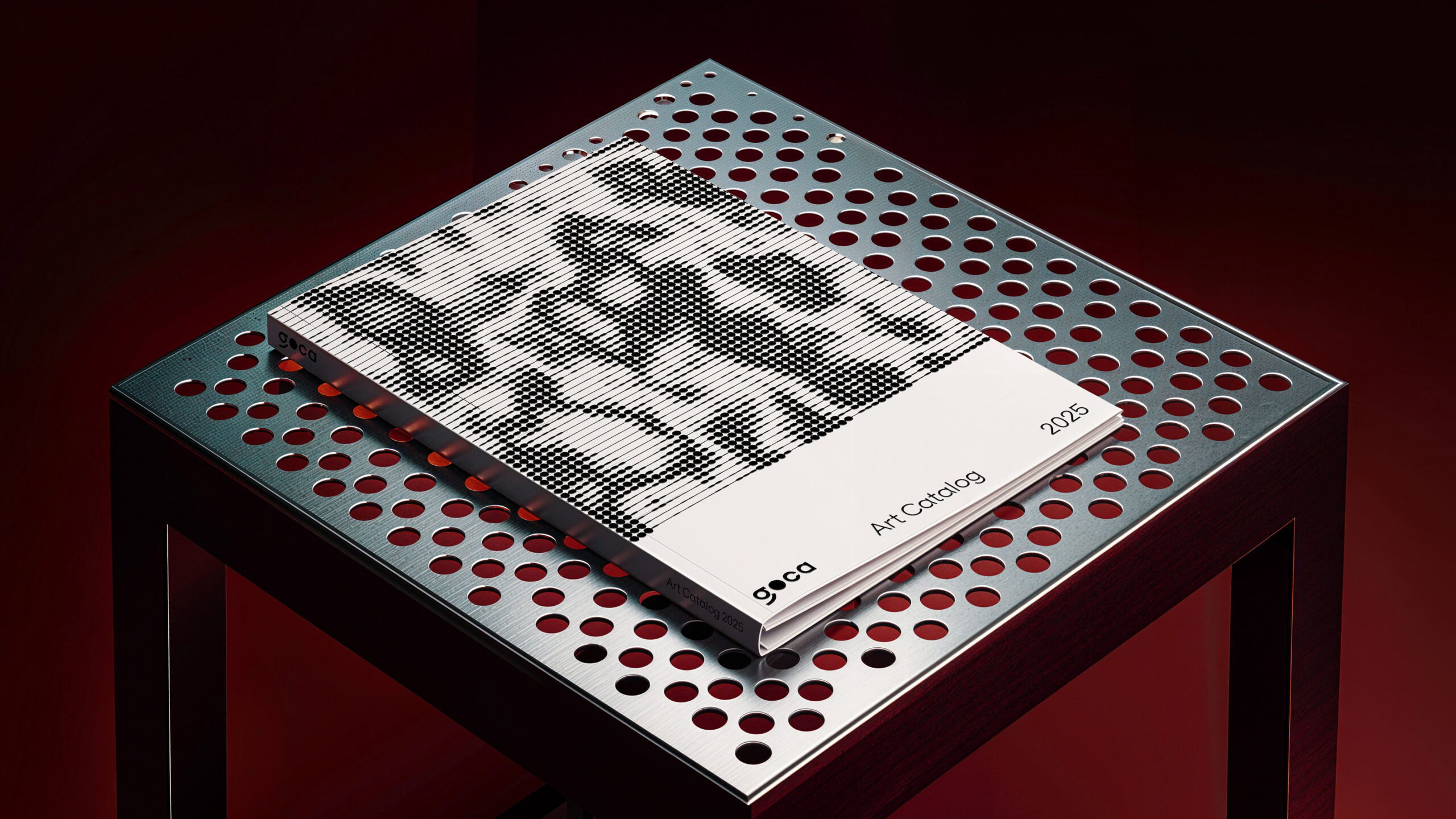
Image Credits
GOCA, Sesame collaborated at Athletics