Meet Jennie West | Architect | Designer
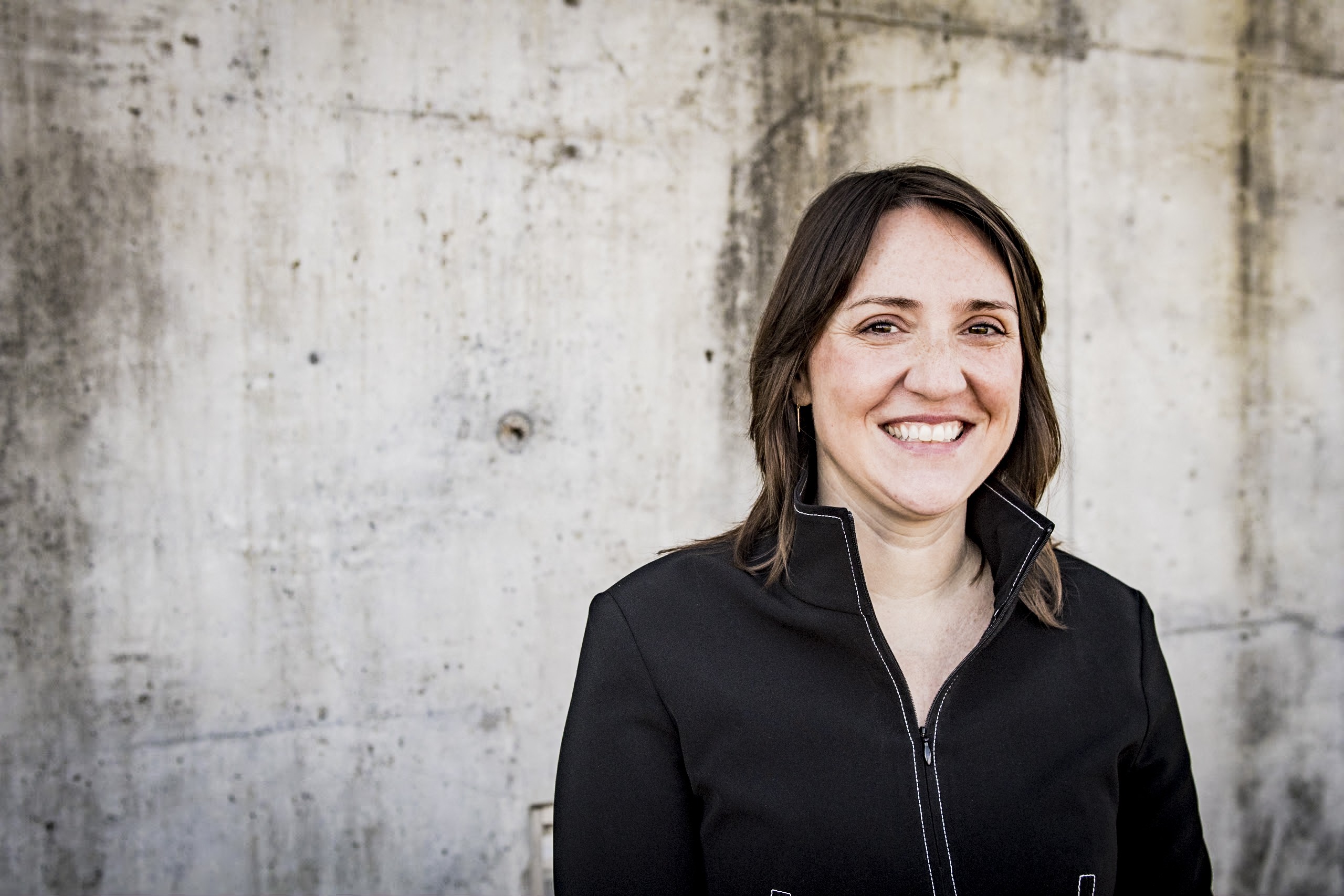


We had the good fortune of connecting with Jennie West and we’ve shared our conversation below.
Hi Jennie, what is the most important factor behind your success?
At its core, Studio West is the byproduct of true collaboration and authentic relationship building, which I believe has been the most important factor behind our success. It’s an intrinsic part of how we create and think about spaces and has been shaped by the kind of hands-on nature and tactile experiences that emerge when collaborating on the vision of a space. I suppose this also speaks to why we’ve never really been defined by one distinct style, or why we didn’t have a website for years, since so much of our work has been through word of mouth.
Collaboration has truly gotten us to where we are today. We’re lucky to have such a fond love for New Orleans and Louisiana—so much of our practice is rooted in this deep desire to get at the deeper layers of understanding who we’re designing for, and explains why research plays such a large part in our practice and continues to frame our work and how we see things.
Working and living in such a culturally and historically prominent landscape, we are frequently engaged in projects involving existing buildings. Being a part of this richly woven fabric allows us to see the ways that people shape places and vice versa. This has inspired a deeper passion to understand the nuances of what informs an identity—whether person or place—and is why we are drawn to renovation, restoration, and using existing materials, as well as why we have developed an expertise in historic tax credits alongside our community-designed planning work. This kind of community building, engagement, and investigating the contextual history creates a unique kind of research that can only come through cultivating trust and showing up for people because you want to make an impact, and that’s what drives us.
What should our readers know about your business?
Studio West was founded on the belief that design can be a tool for connection — a way to solve problems, celebrate culture, and foster community through creativity and collaboration.
Before starting the firm, I was exposed to working across a wide range of typologies and projects — education, housing, planning, commercial, civic projects — each of which gave me the confidence and understanding to take on and learn something from all scales and contexts. I think what I found most creatively fulfilling was that I didn’t have to specialize in just one kind of typology or work, or with one kind of client or community. But rather, by embracing the breadth of working on a range of project types, I was also, in some ways, engaging with the entirety of the city and was able to get a glimpse into all types of communities and cultures through architecture and design. The expansiveness of this discipline is what continues to inspire and challenge me.
Starting a business has been a constant practice of building trust. Project by project, our goal is to demonstrate how we are able to deliver meaningful work across different contexts There’s something particularly rewarding about our work here in New Orleans; much of our work is about cultivating and maintaining authentic and long-lasting relationships with integrity. We truly want to make an impact on other people’s lives.
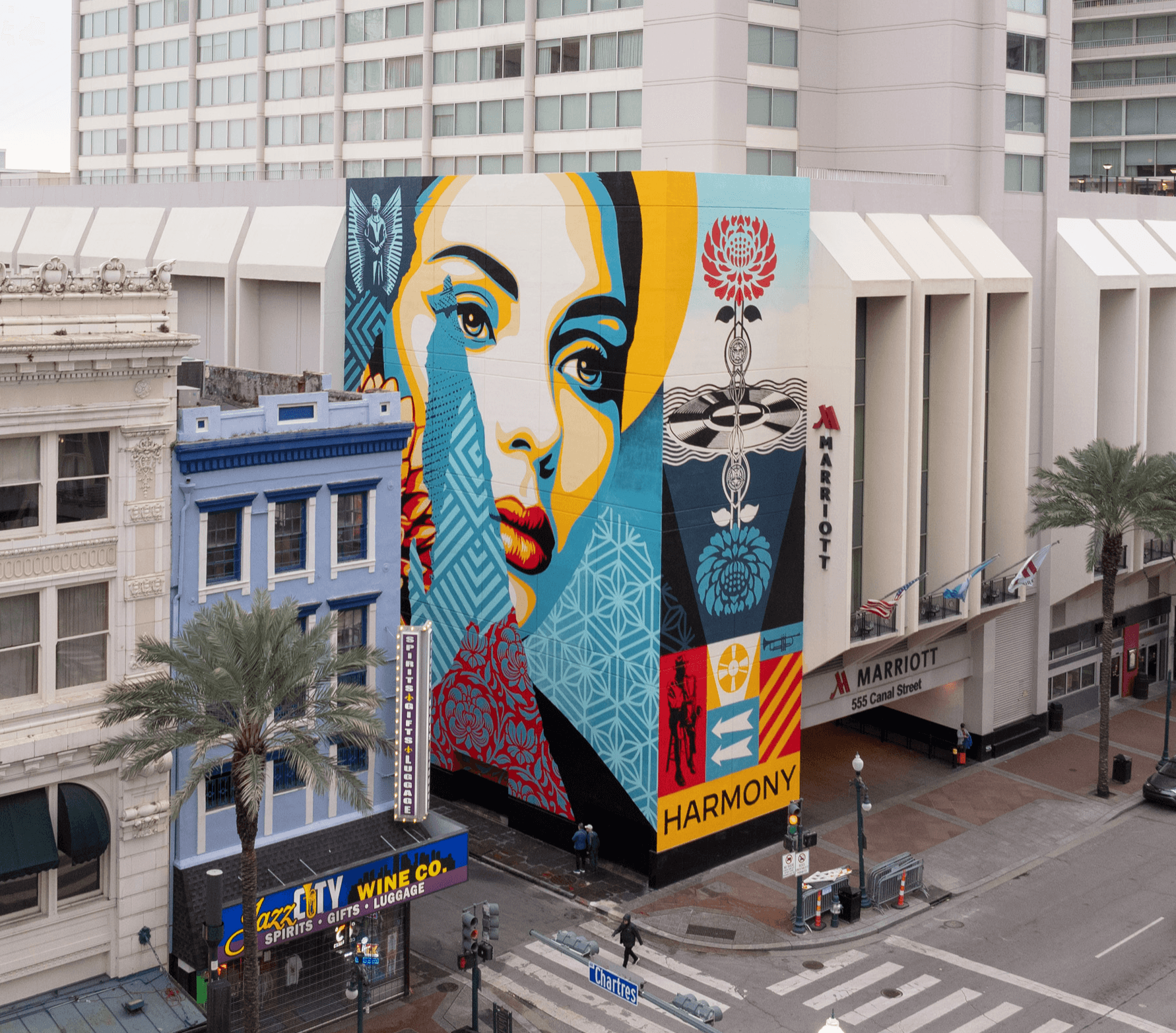
Nearly ten years in, I am most proud of the trust our community has placed in us and how far we’ve gone to show our community how committed we are to supporting and preserving all that makes New Orleans what it is. Our team has been called on to work on such a wide range of different projects that enhance the cultural history of this space. From the reconstruction of historic landmarks like Karnofsky’s Tailor Shop to designing with some of New Orleans’ most highly respected chefs and restaurants, to managing public art installations, and reimagining civic infrastructures, we are giving back and improving the quality of life and safety for the public, and that is something particularly special.
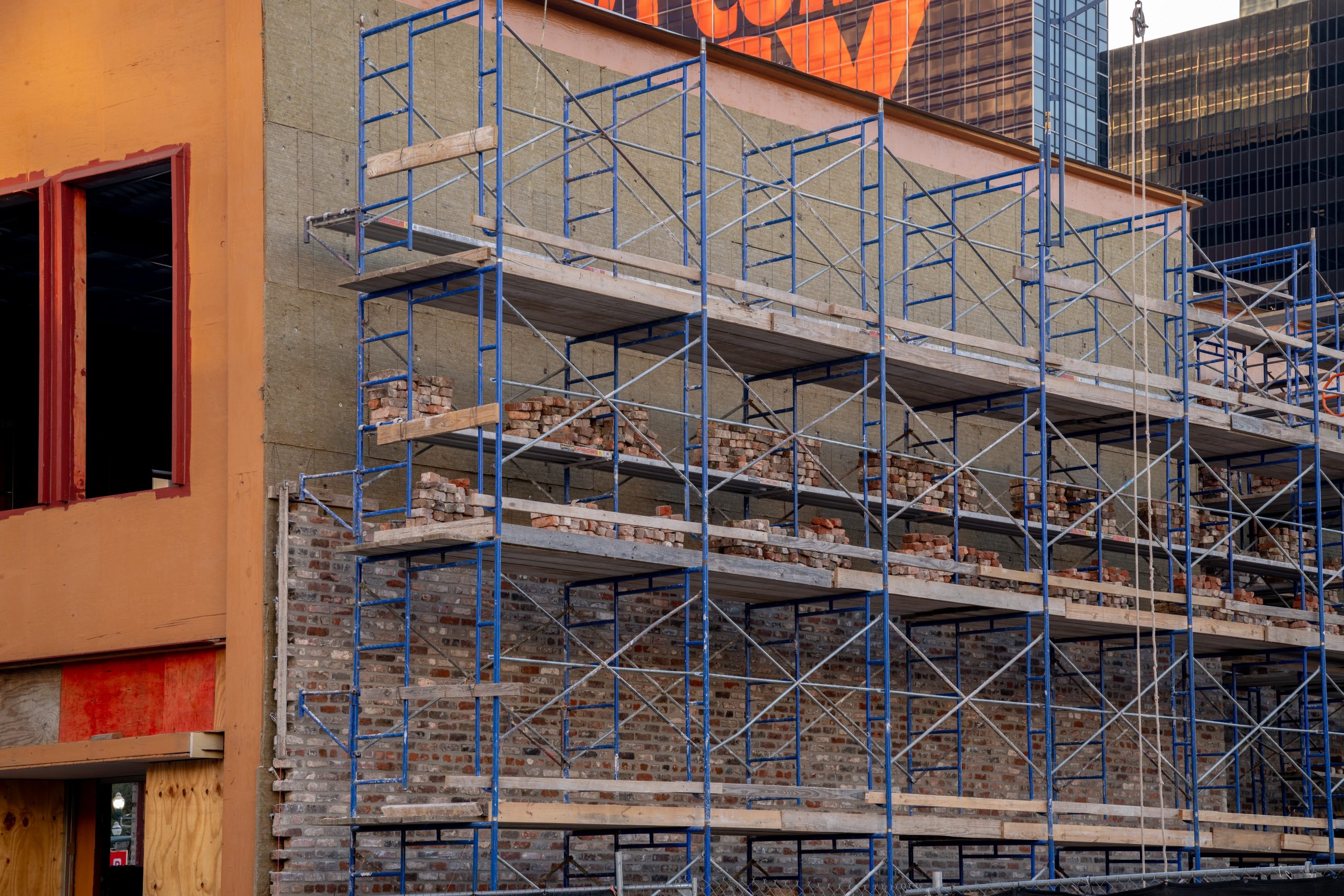
This is also to say there’s been quite a lot of hard work and sweat involved. After Karnofsky’s Tailor Shop was destroyed in 2021 by Hurricane Ida, our team was set to catalog every brick of the building to reconstruct the framework back to what it once stood, as the building is registered under the National Registry of Historic Places.
We’ve loved projects like this where we’ve been able to really immerse ourselves and confront the city’s history. It’s opportunities like this that feel like what sets us apart — we thrive on being nimble and multidisciplinary, digging up and researching all that informs a place, and we love the way each project type informs and strengthens the next.
Any places to eat or things to do that you can share with our readers? If they have a friend visiting town, what are some spots they could take them to?
Funny you ask. Since our firm has worked with so many incredibly talented chefs and local restaurateurs over the years, we have developed quite the catalog of spots we love. New Orleans has such a fun mix of culture, identity, and history. There’s a level of creativity, innovation, and craftsmanship within the food scene here. The restaurants that last a long time here are the ones that authentically and genuinely integrate themselves into the community. When someone asks me this, I always start by saying you’re going to the Quarter for sure. Take a ferry ride from Algiers Ferry Terminal to see the Quarter from the other side of the river, which sounds cliché to say since Studio West is working on a project at the terminal, but it is the cheapest way to experience the water!
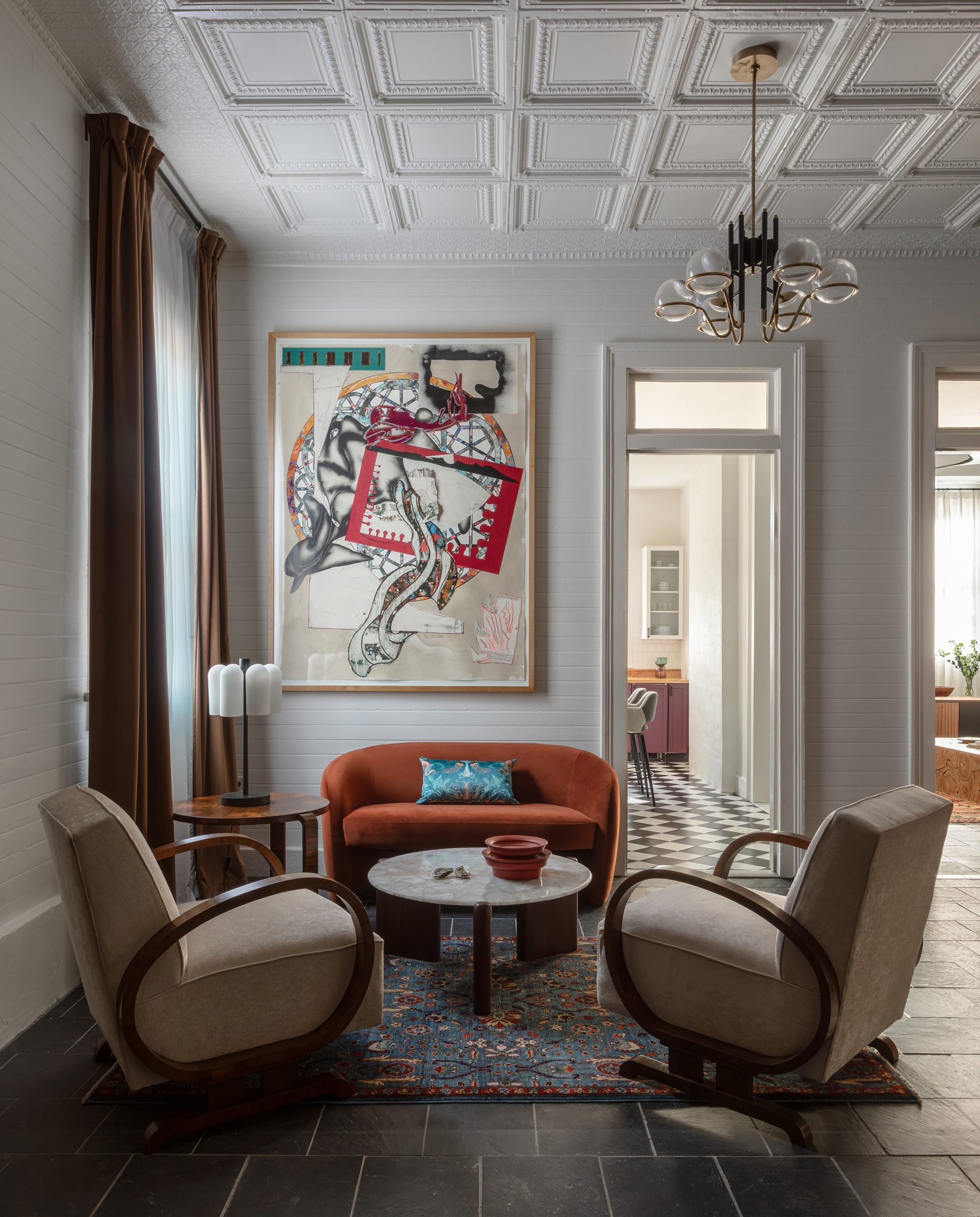
We also work on a number of chef-led enterprises, which have contributed to our deep understanding of food as a form of art. If you’re looking for classic Bourbon Street restaurants, you could go to Arnaud’s or Galatoire’s, which is a fun one. But some of the ones we love and (obviously) are partial to are some of Studio West’s earlier projects: Peychaud’s Bar on Toulouse Street, or Mamou on Rampart Street—especially when I’m in the mood for a cocktail. With good friends, cozy lighting, and dark interiors, the atmosphere is always inviting. If there’s one thing I can say, it’s just drink a French 75 anywhere you go. They’re all great. And don’t forget to get a snoball at Chance in Hell on Louisa Street. The interiors are so fun and playful, and on a hot, humid day, you’ll feel like a kid in a candy shop.
Shoutout is all about shouting out others who you feel deserve additional recognition and exposure. Who would you like to shoutout?
I am very inspired by the local landscape here and have been fortunate enough to be passed down such a unique set of skills and tacit knowledge from some of New Orleans and Louisiana’s most respected architectural legacies. Although it can be competitive, we have such a tight-knit ecosystem within this field, which has allowed for the special opportunity to learn from one another, exchange ideas, and apply ourselves within the same context. Because we’re all rooted in the same place, it shows that we’re really in this together and that we’re all passionate about making this place better.
When I think about someone specific, I think about Allen Eskew, the founder of EskewDumezRipple. He died far too young but has forever remained a close mentor to both myself and my business partner, Jason. I worked very closely with him for three years at EskewDumezRipple, and he was the person who taught me how to do consensus building and community engagement. It was there that I really started to figure out how to approach planning and architecture in a way that made sense and could make an impact—an experience that largely shaped how Studio West would later approach our own community engagement and planning efforts.
Website: https://www.studiowest.design/

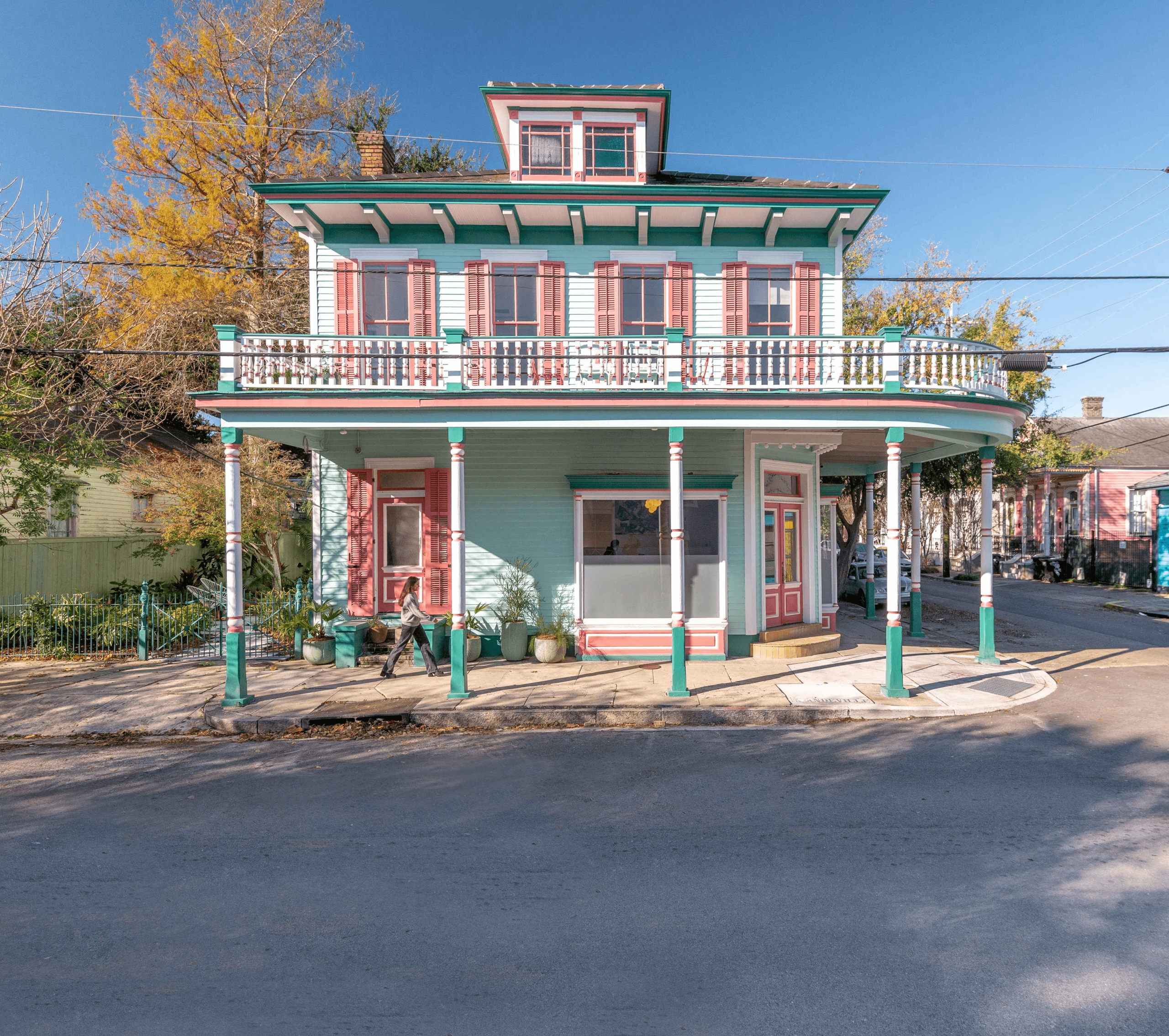
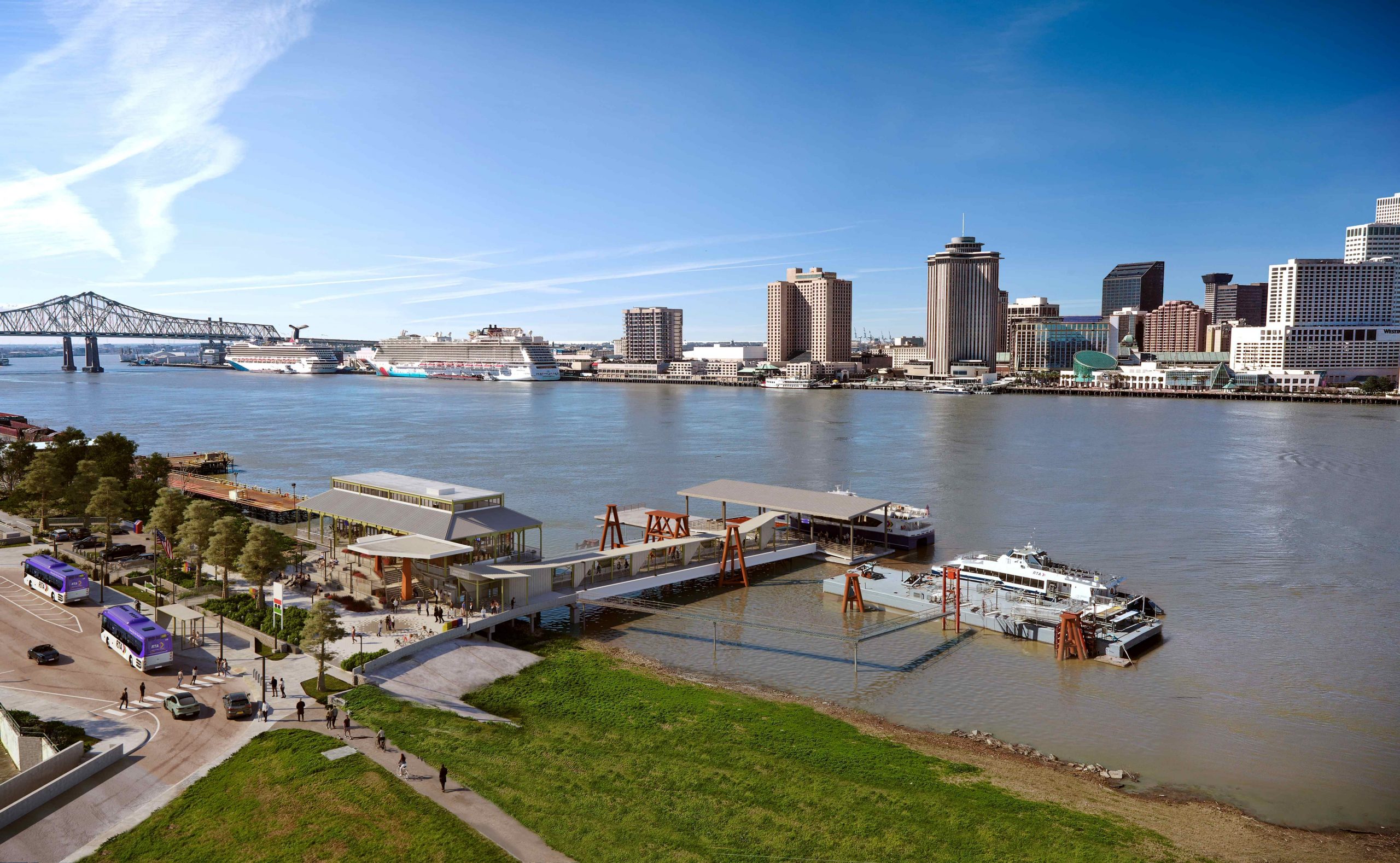
Image Credits
Pableaux Johnson


