Meet Valentina Churaeva | Media Producer & Gluten-Free Education Expert
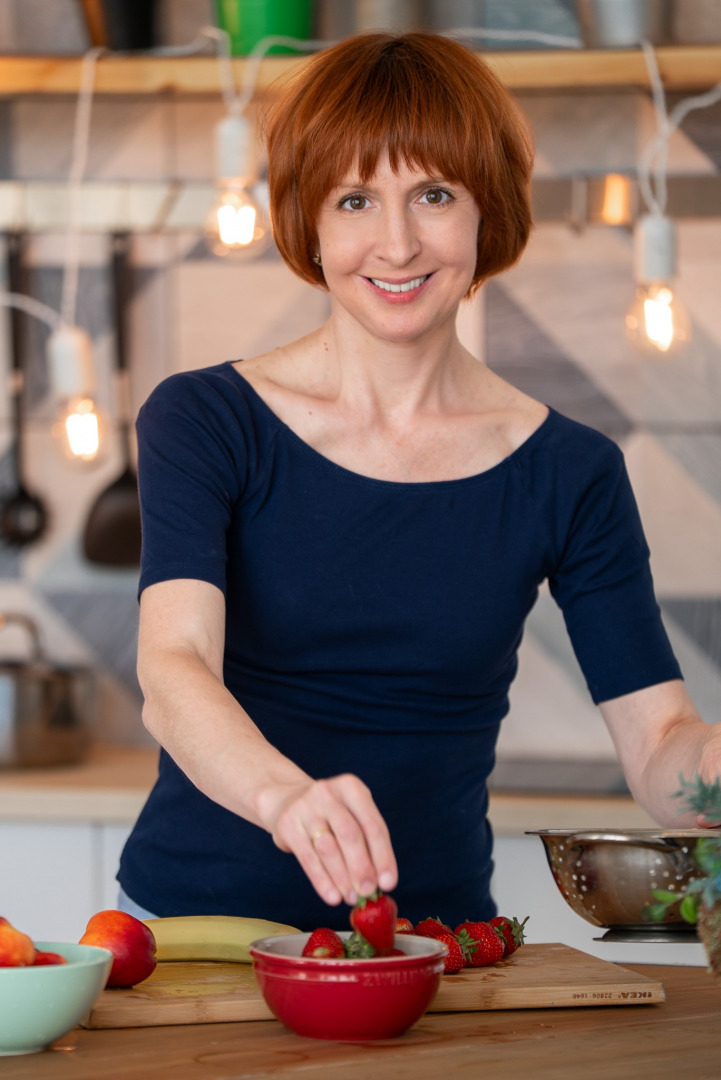


We had the good fortune of connecting with Valentina Churaeva and we’ve shared our conversation below.
Hi Valentina, how does your business help the community?
For many Russian-speaking immigrants in the United States, living with celiac disease or other medically necessary dietary restrictions is more than a health issue—it’s an isolation issue. This community remains critically underserved due to language barriers, cultural gaps, and the complexity of the American food and healthcare systems.
For people already navigating immigration, employment, and daily life in a new country, managing a restrictive diet often becomes an additional and deeply personal challenge rather than a clearly supported process.
I am a multimedia artist and media producer focused on gluten-free education, and my work has always centered on helping people feel confident and included rather than restricted. Before moving to California five years ago, I worked in Russia as a journalist and producer specializing in gluten-free education, collaborating with patient advocacy organizations, physicians, laboratories, and food manufacturers. My role was to translate complex medical and nutritional information into clear, practical guidance that people could apply in everyday life.
After relocating to the U.S., I quickly noticed that many of the same questions continued to surface within the Russian-speaking diaspora—often with greater urgency. Unfamiliar systems, an overwhelming abundance of products, and language limitations made informed decision-making significantly more difficult. Through my media platforms, I naturally became a cultural and informational bridge between medically restricted individuals and the American ecosystem designed to support them.
I explain how local celiac and gluten-free organizations operate, how food labeling standards work, where to find safe products, and how to navigate grocery stores and restaurants with confidence. Just as importantly, I show how traditional food habits can be adapted without losing a sense of normalcy, cultural identity, or social connection.
Alongside my educational work, I develop original recipes and practical food frameworks that allow people with dietary restrictions to participate fully in everyday social life rather than feeling confined to a purely “medical” diet. Having lived with dietary restrictions myself for nearly a decade, I demonstrate through real-life examples that medical necessity and quality of life do not have to be mutually exclusive.
At its core, this work is about more than food. It’s about confidence, inclusion, and dignity—about helping people feel at home in their bodies and in their communities.
Can you open up a bit about your work and career? We’re big fans and we’d love for our community to learn more about your work.
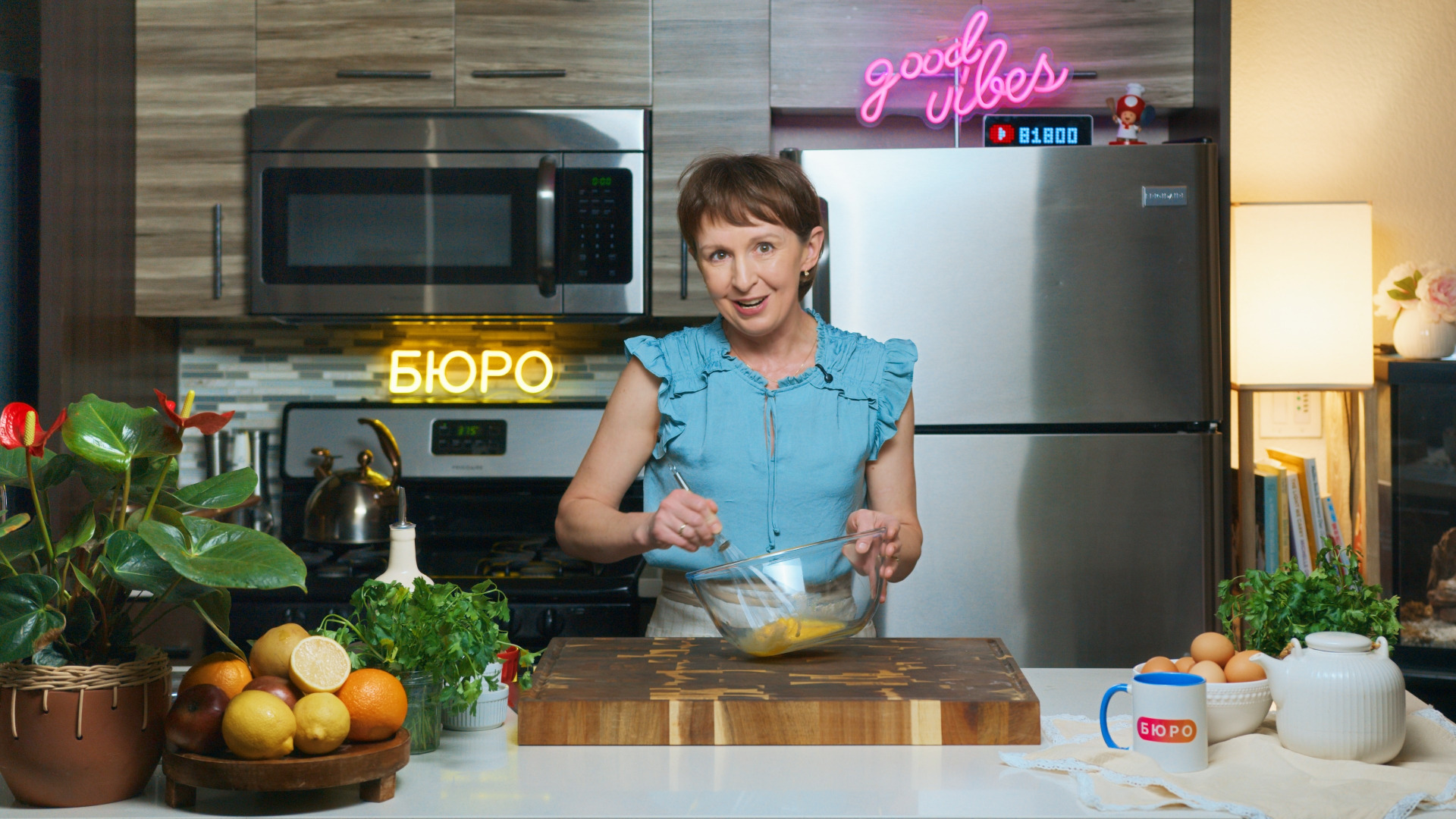
Today, my work lives at the intersection of media, food, and education. I create and produce digital content across Instagram and YouTube where I share recipes, product guidance, and practical insights into living gluten-free in the United States. My focus goes far beyond cooking. I help people navigate the complexity of the American food market and make informed choices that fit their dietary needs and cultural habits.
A large part of my audience consists of Russian-speaking immigrants in the U.S. who often feel overwhelmed by the sheer number of unfamiliar products, labels, and dietary rules. Through videos, live streams, interviews with local manufacturers, and long-form educational content, I translate this environment into something understandable and approachable. I explain how to read ingredient labels, how to substitute ingredients safely, and how to adapt familiar dishes using products that are widely available in California and across the country.
My background as a television producer strongly shapes how I work. I don’t speak in medical terms or abstract recommendations. Instead, I build clear narratives, visual explanations, and practical examples that people can immediately apply in daily life — whether they are just starting a gluten-free diet or adjusting to life in a new country with dietary restrictions.
In addition to media work, I develop and adapt recipes for individuals and families based on their specific needs, and I publish digital recipe collections that are accessible globally. One of my books was published by a major publishing house in Russia, while my recent projects are released as digital formats so people can access them regardless of location.
I also collaborate closely with local farmers, small producers, and established food brands in California. I research their products, visit production sites, test ingredients in real-life cooking, and introduce these products to my audience through transparent, educational storytelling. Many brands use my media materials to better communicate with consumers who have dietary restrictions.
At the core of my work is helping people feel confident, safe, and included. I see how access to clear information around food can reduce fear, restore normal social experiences like dining out, and significantly improve quality of life. My role is to bridge cultures, markets, and information — using media as a tool to make restrictive diets feel livable, familiar, and empowering.
Any places to eat or things to do that you can share with our readers? If they have a friend visiting town, what are some spots they could take them to?
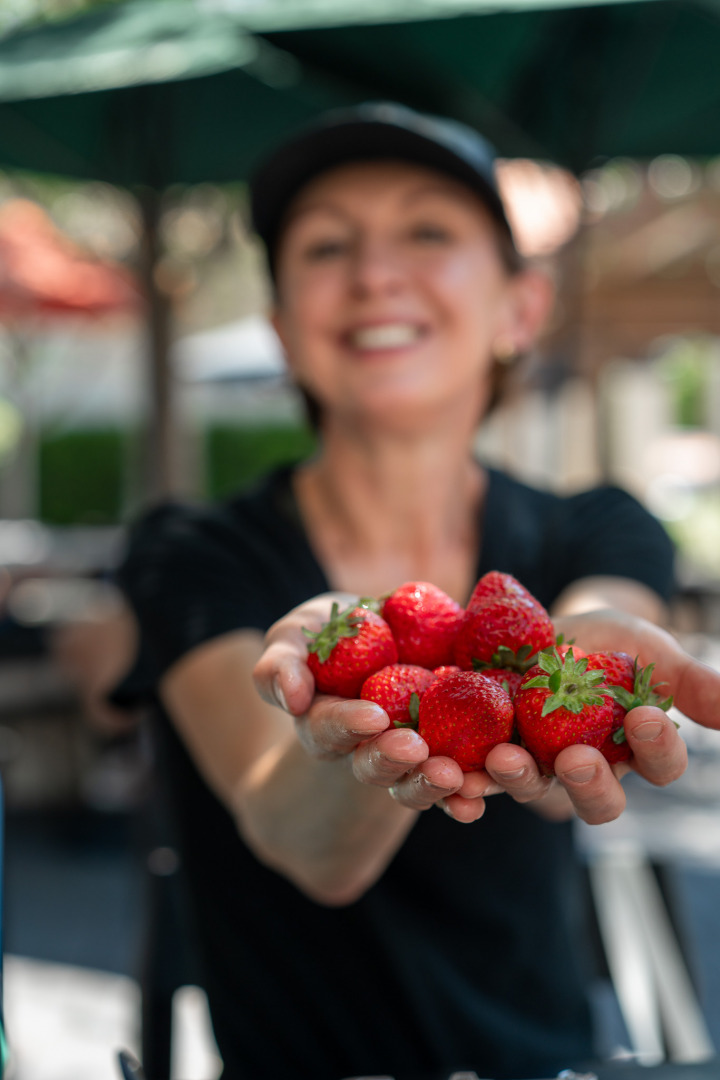
I discovered Los Angeles and its surrounding cities through food. When I first arrived, taste became my way of understanding the place—Agoura Hills, Calabasas, Ventura, Malibu, Santa Barbara—and how people here live, cook, and gather. Farmers markets quickly became part of my routine; on weekends I move between them, from Malibu to Calabasas, exploring seasonal produce and meeting small local producers who shape California’s food culture.
What I love most about this region is its culinary diversity. Los Angeles is a city where cuisines from all over the world coexist, adapt, and evolve side by side. It’s the perfect place for a personal gastro-journey, especially for people with dietary restrictions, because awareness and openness are built into everyday dining. I no longer approach food with fear—I know how to navigate menus, talk to chefs, and make informed choices anywhere, and I’m always struck by how attentive and supportive restaurant teams are.
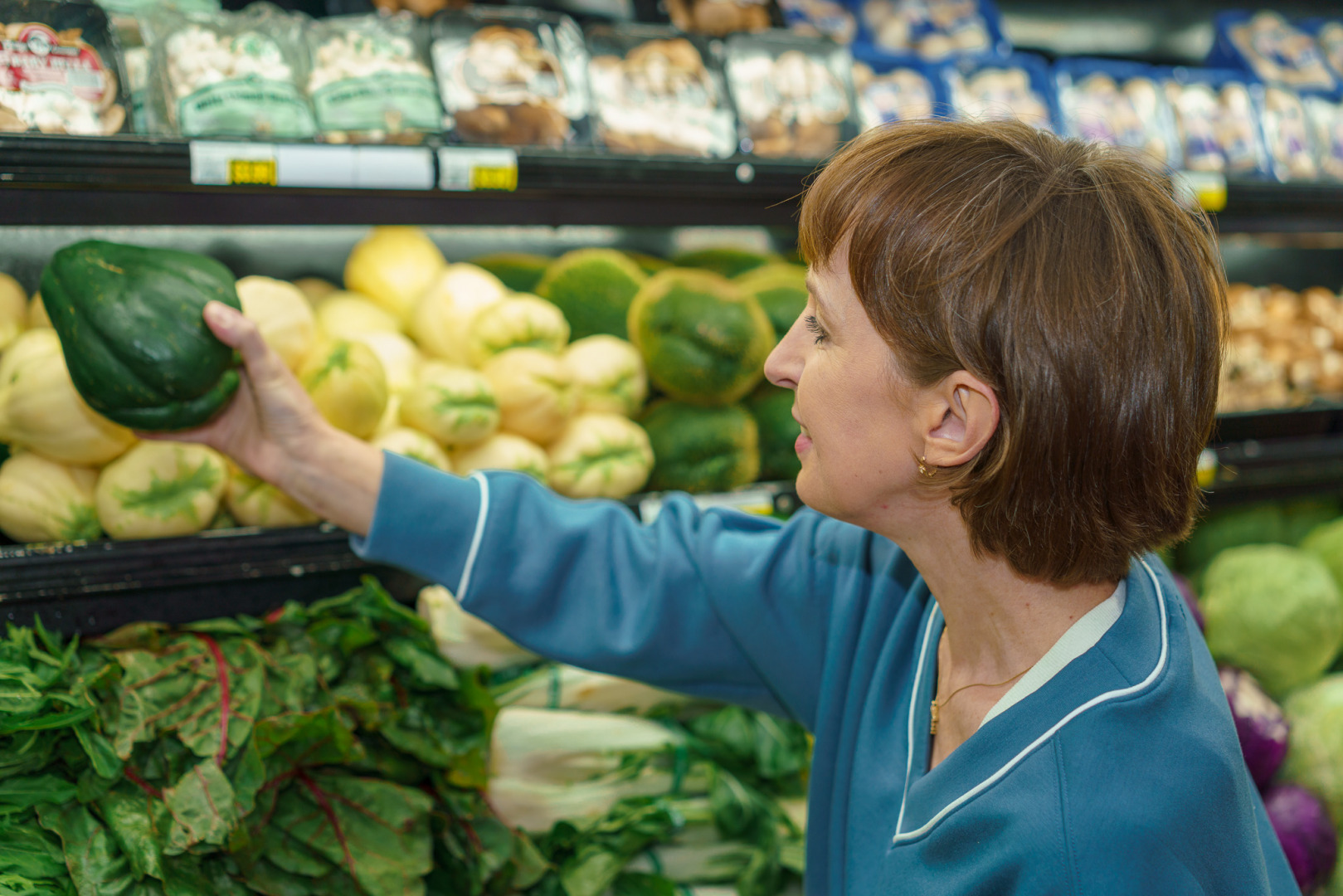
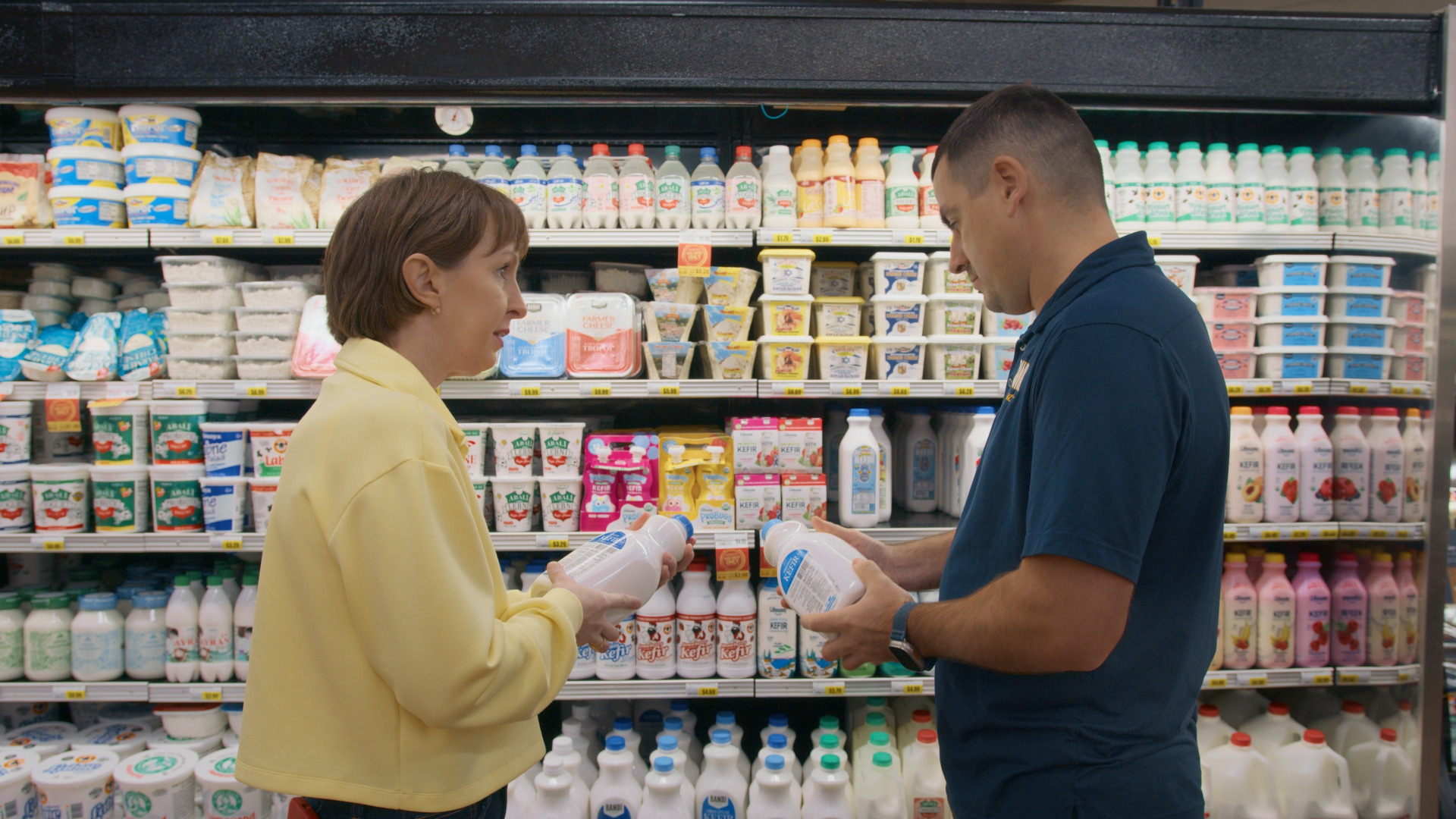
Beyond restaurants, I’m drawn to places with history—small cafés, bakeries, and markets that reflect the character of the neighborhood and often carry stories far beyond the plate. I spend a lot of time filming in grocery stores and markets, observing how Americans choose products and talk about food. These everyday interactions help me better understand local culture, traditions, and values, and they often become the starting point for my educational content.
For me, Los Angeles is about the balance of nature, food, and culture. It’s a city that feels open, energetic, and deeply connected to quality of life—and that spirit is exactly what makes it such an inspiring place to live and work.
Who else deserves some credit and recognition?
Over the years, my work has been shaped by an ongoing exchange with people who treat gluten-free education not as a trend, but as a matter of daily life and dignity. I am grateful to the educators and specialists who share knowledge with clarity and care, and to individuals around the world who have trusted me with their personal stories—conversations that later informed my book, “Gluten-Free Simple Recipes That Change Lives,” published in Russia. I also appreciate public voices who made this topic more visible through honest personal storytelling; following Jennifer Esposito’s journey early on helped me better understand many of the questions I faced at the beginning of my own path. Here in the United States, I’m thankful for the opportunity to learn from California’s local farmers, small producers, and established brands whose products I study and thoughtfully integrate into my educational content as I navigate a constantly evolving food landscape. Most of all, I’m grateful to my audience—especially the Russian-speaking community across the U.S.—for their trust. Knowing that people rely on my work for clear, culturally relevant guidance comes with real responsibility, and that trust is what pushes me to stay accurate, thoughtful, and respectful of the impact information can have on everyday decisions.
Website: https://taplink.cc/valentinachuraeva
Instagram: https://www.instagram.com/valentina_churaeva
Facebook: https://www.facebook.com/vcuraeva
Youtube: https://www.youtube.com/@ValentinaglutenfreeRecipies