Meet Wes Nelson | Musician, Artist, and Educator
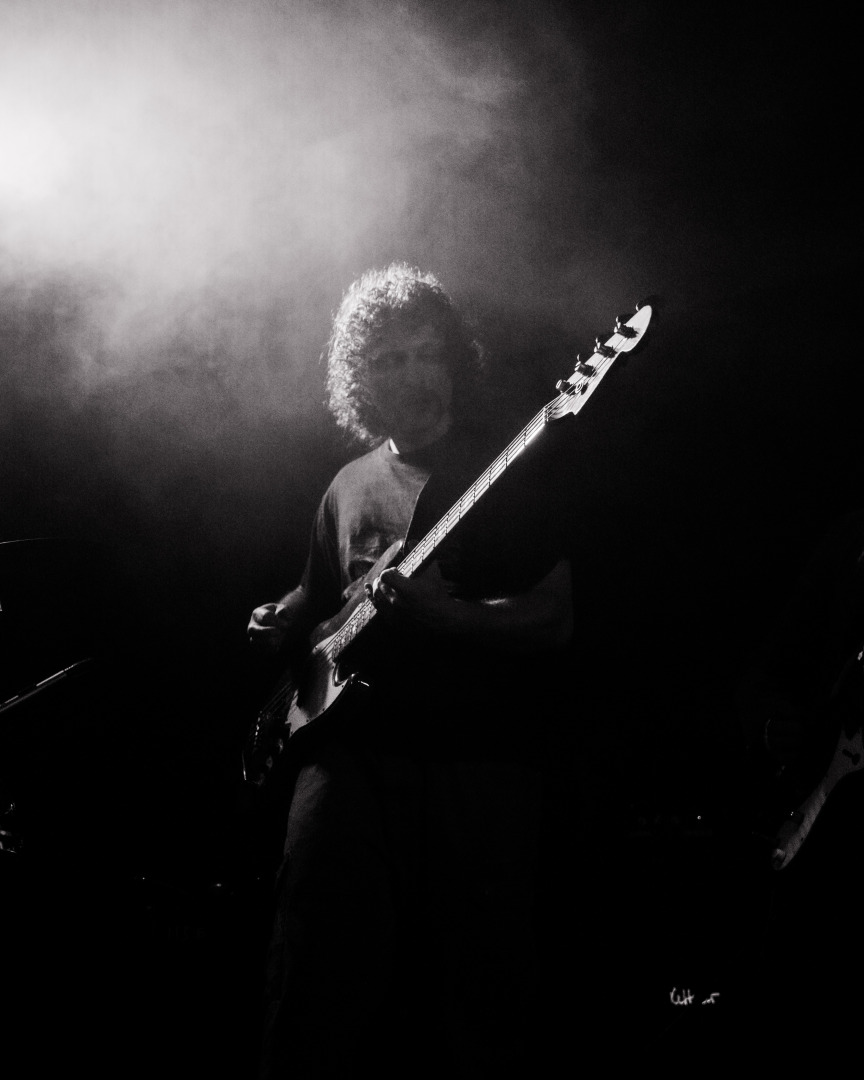


We had the good fortune of connecting with Wes Nelson and we’ve shared our conversation below.
Hi Wes, have you ever found yourself in a spot where you had to decide whether to give up or keep going? How did you make the choice?
You should only do something if you love it, it makes a positive impact on the world around you, or you need to do it to support yourself or others. And you know you love something because even if you try to give it up, you can’t because that thing will keep coming back to you.
I’ve never considered quitting music because I think about it all the time, but I have decided to shift my focus numerous times. That has included giving up on making certain genres my primary focus, which has given me the time to focus on aspects of music that interest me in the current moment. I’ve said to myself multiple times some version of: “I’m going to stop practicing _ genre every day and use that time to practice/create other things. If I get a gig or I miss it, I’ll come back.” Some I did come back to, and some I didn’t. The most important part of being an artist is being honest with yourself. Your interests make you an individual, and one of the key things that forms your individuality is being able to give up on things that no longer interest you.
Let’s talk shop? Tell us more about your career, what can you share with our community?
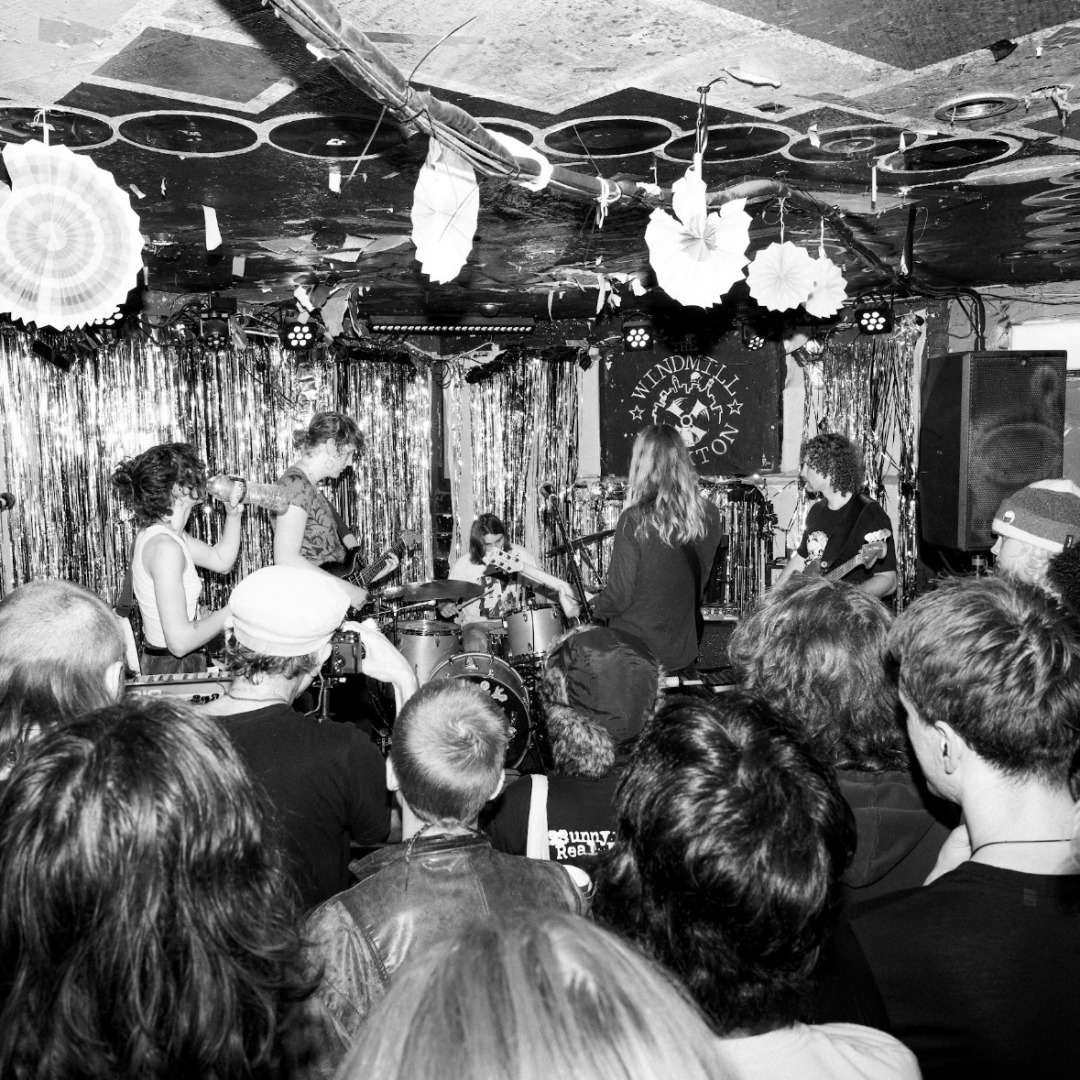
I’m a bass and guitar player, artist, and educator based in Los Angeles. I play in the bands Shearling and lozenge, tour internationally, freelance on both instruments, and teach lessons across the city. At the core of my art is range—not just stylistically, but philosophically. I’ve lived deeply in jazz, free improvisation, noise, hardcore punk, and indie rock. What sets me apart is that I don’t treat those worlds as separate. They all coexist in my playing.
I grew up in the Chicago area and started playing music around age 10. I first started playing upright bass in the school orchestra and guitar in bands. I pursued a degree in Jazz Studies at Elmhurst University, which is around the time I began performing professionally and teaching. Chicago was incredibly formative for me. I’d spend all day practicing and playing in school, then run around the city at night going to jam sessions, gigs, and taking lessons with musicians I admired. The older generation of Chicago musicians taught me that you earn respect by doing the work—showing up prepared, listening deeply, and respecting tradition.
One of the most transformative experiences of that time was studying with bassist Ivan Taylor, who had played with legends like Hank Jones, Kenny Garrett, and Mulgrew Miller. From ages 19 to 21, I drove weekly to his apartment on the South Side of Chicago, sometimes spending entire days playing tunes and listening to records. He taught me discipline, humility, and the depth required to truly understand the music.
At the same time, I was regularly improvising outside on the streets of Chicago with drummer Nick Alvarez, exploring free jazz and noise. Those sessions pushed me beyond structure into pure listening and reaction. I learned how to treat sound as material and how to be fearless with the instrument. That improvisational “toolbox” still shows up in my playing—especially in Shearling, where sonic exploration is a main focus.
I was living a double life in a way. When I wasn’t playing jazz, I was playing in a hardcore punk band called Ritalin OD. That experience introduced me to DIY touring, zines, and underground culture. I went on my first tour with that band, and while I had to sleep in squats and Walmart parking lots every night, it was incredibly fun and left me wanting to tour more, regardless of scale. Playing jazz by day and punk by night shaped my identity. It showed me that those two worlds could coexist.
When COVID-19 hit, all of my gigs disappeared overnight. I was forced into lockdown with three musician friends and had time to reflect. I realized that in the time leading up to the pandemic, I began playing more and more gigs that didn’t inspire me. I wanted to tour more and focus on music under the rock umbrella again. I wanted to create something on my own that felt unique to me. So I decided to move to Los Angeles and enrolled in California Institute of the Arts, not knowing anyone in the city.
CalArts pushed me to think of myself not just as a sideman, but as an artist. That’s where I started lozenge. The school’s creative community gave us a built-in scene, and we began playing constantly. After graduating, though, things were tough. LA is saturated with incredible musicians, so it can be hard to stick out at first. I was gigging and teaching when I could, but I was mostly driving Uber Eats and doing other odd jobs to survive. There were moments when I didn’t have money for gas, which was a very unsettling feeling. People weren’t kidding when they said surviving in LA is hard!
Then, while I was driving deliveries one night, I got a call offering me a European tour. It wasn’t glamorous, but it paid my rent and turned into a year of steady tours. That moment reminded me that things can change in an instant; you just need to keep working on what you do so when opportunities come along, you’re ready for them.
Eventually, through persistence (and some shameless audition requests), I joined Shearling, which is the evolution of one of my favorite bands, Sprain. Playing in that band is one of the most fulfilling artistic experiences of my life. The music demands everything I’ve learned—improvisational awareness, heaviness, sonic experimentation, etc. In 2025, we recorded and released our debut album, Motherfucker, I Am Both: “Amen” and “Hallelujah”, which is, in my opinion, the most powerful piece of art I’ve been part of.
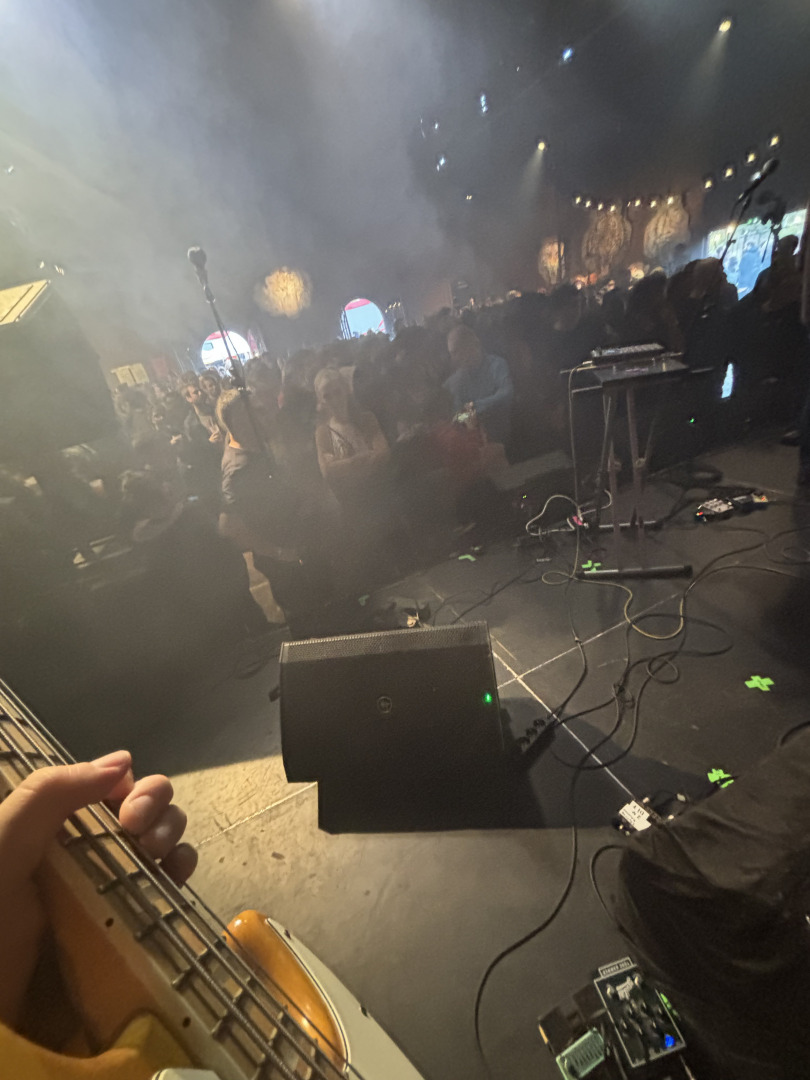
I’m also incredibly excited about what’s ahead. lozenge is releasing our first full-length album in 2026, recorded live with no overdubs at Fourth Street Recording in Santa Monica. There’s a certain magic in those takes that you can’t manufacture, and I think the songwriting is a big step up for us. Shearling is heading back to Europe for a month-long tour after an unexpectedly warm reception overseas. And I’ll be performing at Big Ears Festival in Knoxville, TN, with Simon Hanes’s Gargantua ensemble—music that is equally demanding and very fun to play.
It’s common knowledge that being a musician is not always easy or glamorous; I’m no exception. I’ve spent so much time being financially unstable, emotionally uncertain, and physically exhausted, but every challenge has forced me to clarify what I value. I’ve learned that:
“Making it” isn’t real—there are only hills and valleys.
Community is everything. Make music with people you care about as much as possible.
Versatility is not something to be ashamed of.
The most important work you can be doing is making things that excite you.
The work never stops, which means you are always tired but hopefully never bored.
My ever-evolving story is not a blueprint to be copied. Rather, it is evidence that if you chase things that excite you, work with people you care about, and open yourself up to a wide breadth of opportunities, you can live an artistic life that’s honest and you feel proud of.
Any places to eat or things to do that you can share with our readers? If they have a friend visiting town, what are some spots they could take them to?
Usually, when my best friend comes to town, we just go to a bunch of shows, go to bars near me, see some comedy, get Mexican food, and drink on the beach. Nonplus Ultra, La Cuevita, and Villas Tacos are all frequent spots, but it just depends on what’s going on at the time.
The Shoutout series is all about recognizing that our success and where we are in life is at least somewhat thanks to the efforts, support, mentorship, love and encouragement of others. So is there someone that you want to dedicate your shoutout to?
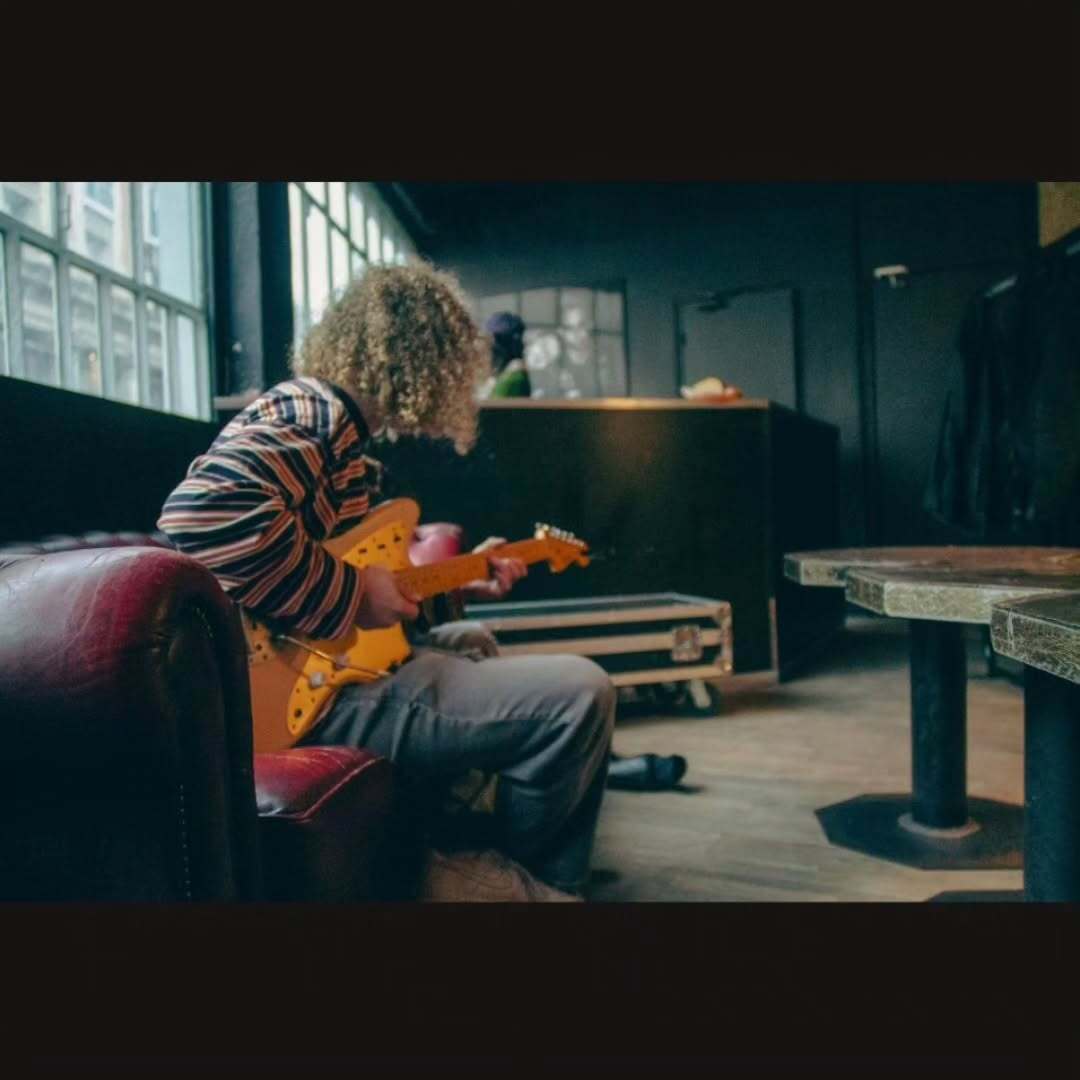
I have been fortunate to have had many great music educators in my life, and one of the most impactful on my development was Doug Beach.
Doug Beach was the jazz band director at my undergraduate alma mater Elmhurst University. I learned a lot of lessons from Doug. He set a really high bar and showed me how much it pays off to relentlessly practice and fully immerse yourself in the music you are going to perform. He was intense at times, but our fear of being called out pushed us to make sure we showed up on time and worked out the music before rehearsal. Looking back, I think that intensity was intentional because he wanted to see us succeed and to prepare us to work in the music industry.
Doug also booked yearly European tours for us. He had us playing at large jazz festivals such as North Sea, Umbria, and Montreux, sometimes opening for jazz icons like Mike Stern and Randy Brecker. As they say, fear is a powerful motivator, and the weight of these opportunities motivated us to stay professional and play well. Looking back, I’m so grateful for these experiences because when I moved to LA and started getting asked to do international tours, I knew exactly what to do.
Nearly a decade later, I think about my current musical situations and how being in Doug Beach’s boot camp prepared me for literally all of them. While I was in school, my musician friends who had graduated would say “Doug was right about everything.” I sure can attest to that, thanks Doug.
Instagram: https://www.instagram.com/_vvounds_/
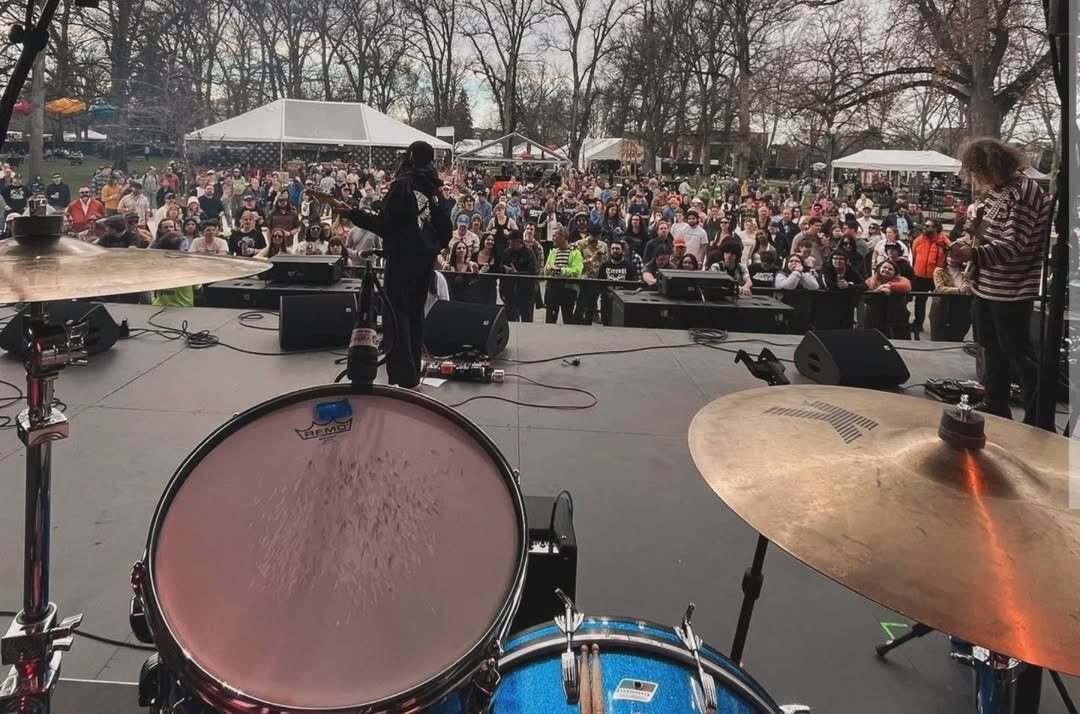
Image Credits
Lukasz Lazarczyk
Unknown
Wes Nelson
Ollie Roberts
Josh Trevizo


