Meet Micah Presser | Check Mates Founder


We had the good fortune of connecting with Micah Presser and we’ve shared our conversation below.
Hi Micah, is your business focused on helping the community? If so, how?
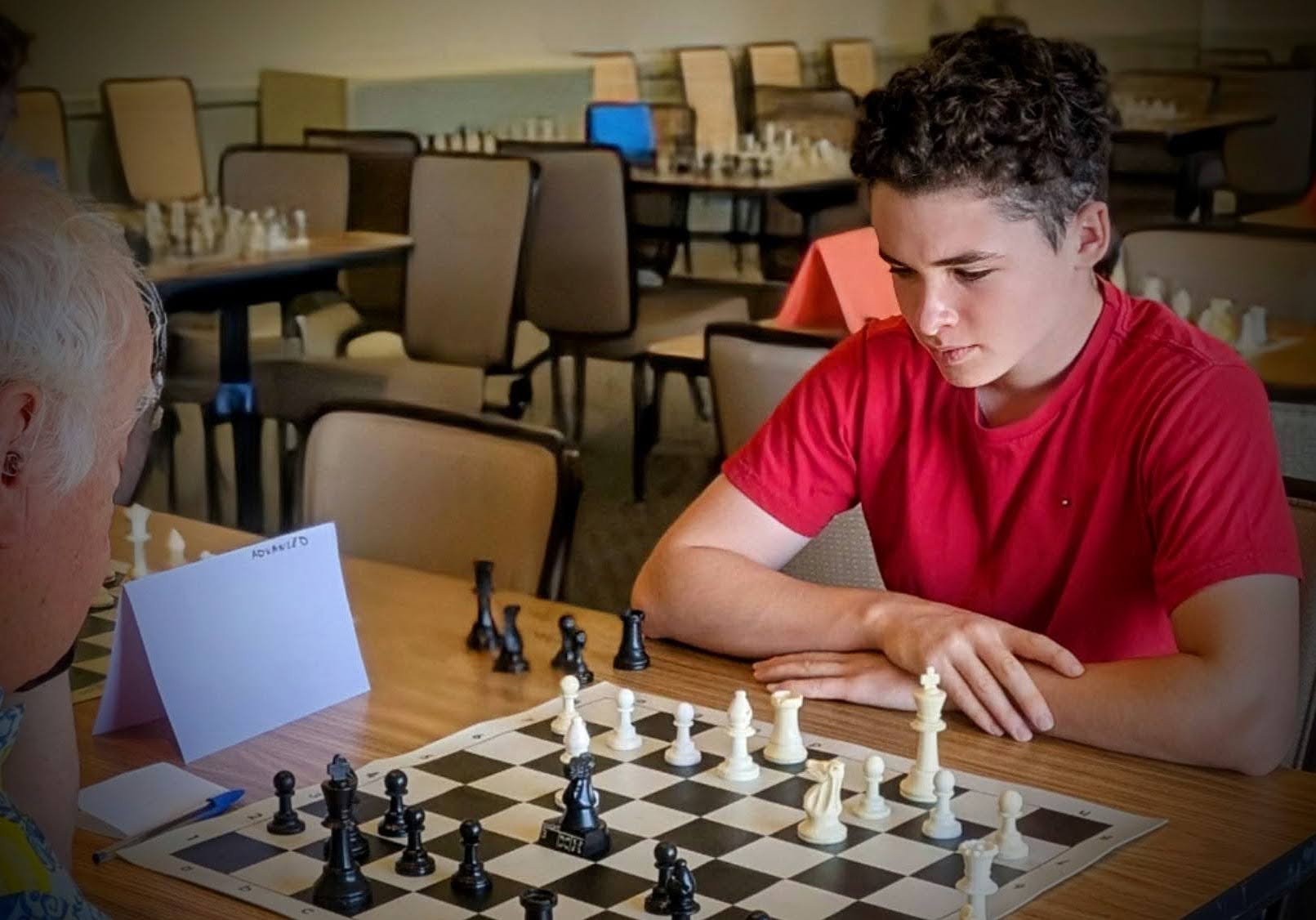
My passion for chess began in kindergarten, when I started playing with my dad whenever we went out for hot chocolate. I continued chess through an after-school program and at local tournaments. My enthusiasm for the game persisted during the COVID pandemic, a time where I was isolated from my friends. Chess was a way for me to exercise my mind while I was away from school and trapped at home, playing with my dad and with friends online. But I missed playing with my pals in person.
In 2023, with COVID under better control, I brought my enthusiasm for chess to my Bar Mitzvah service project by planning a synagogue-wide afternoon of matches with the deliberate goal of providing younger and older members the opportunity to learn from one another over games of chess. More than 35 people attended. I found it especially meaningful to unite people struggling in the aftermath of COVID through my favorite hobby.
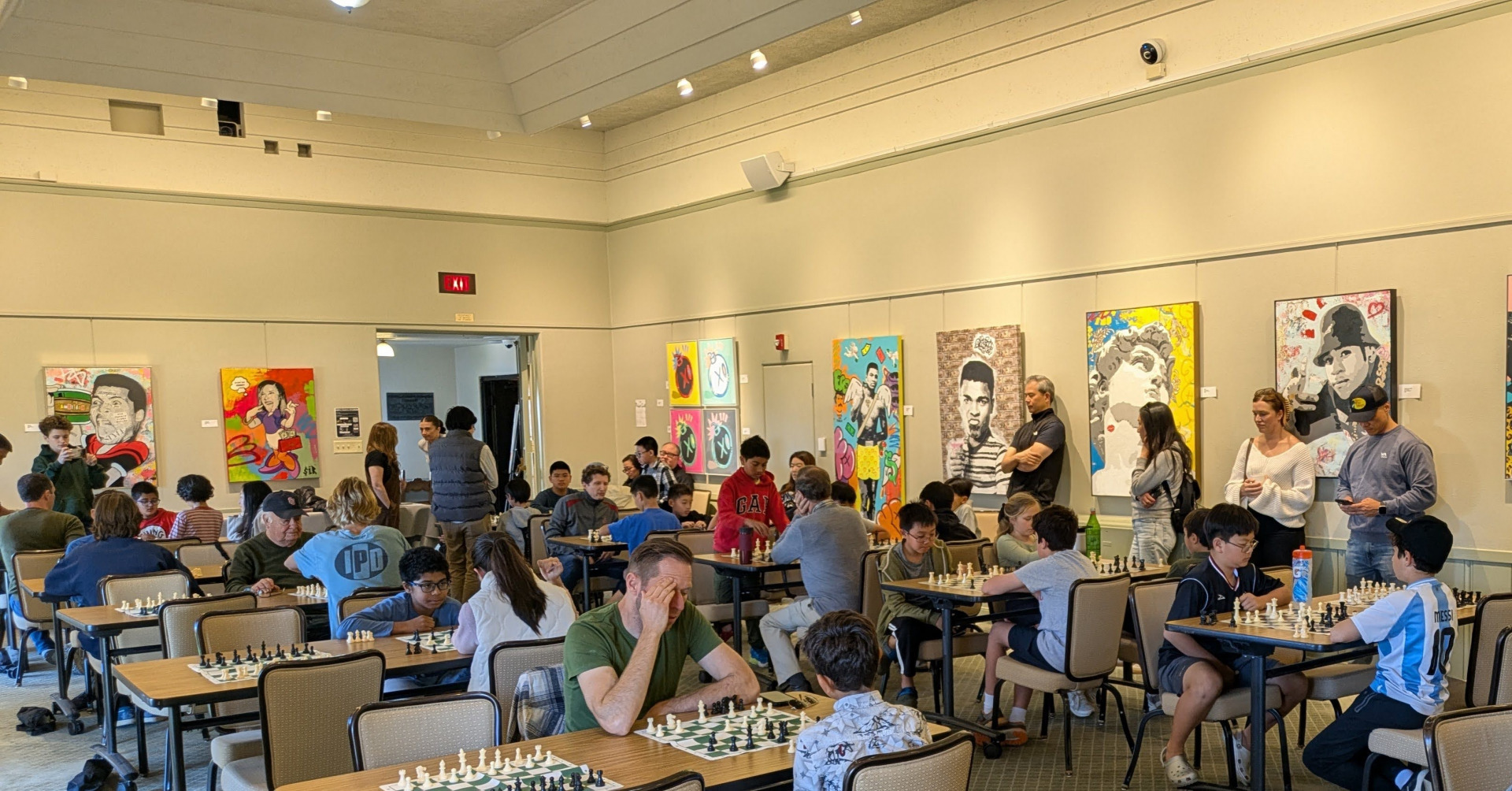
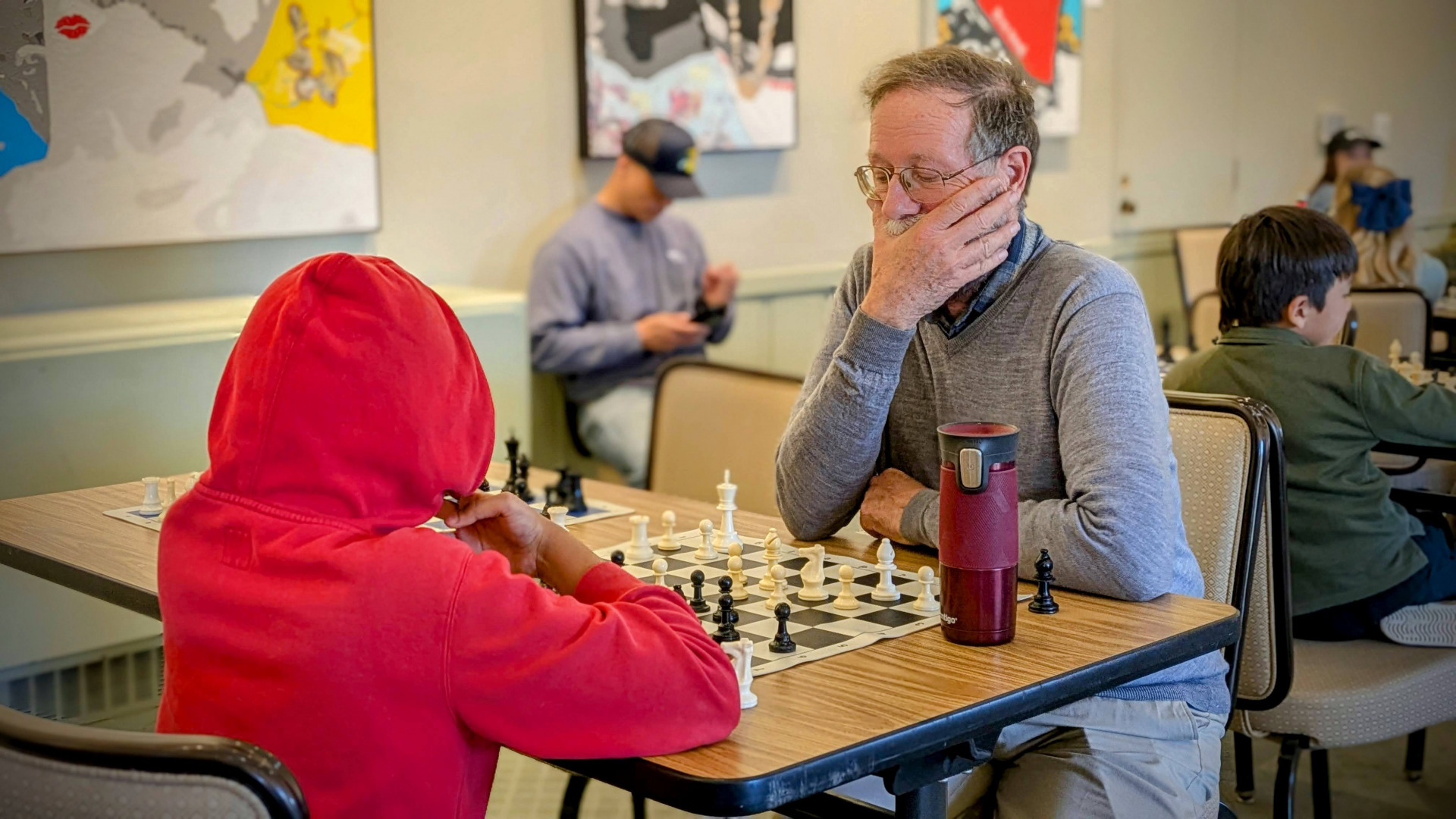
The success and happiness that came from the first event prompted me to contact my local public library district and secure a date for a second, community-wide program. Attendance was strong with a broad age range of participants enjoying chess matches together. It was then that I resolved to formally establish Check Mates, a volunteer, non-profit organization aimed at decreasing loneliness and creating multigenerational bonds to strengthen communities through the game of chess. Over the past three years, I have spearheaded eight Check Mates events in multiple branches of two distinct local library districts in the South Bay with approximately 70 participants at each event – aged anywhere from six to 86. Locally, we have three additional, upcoming programs scheduled at three separate venues this spring. Check Mates has also partnered with Executive Directors and Check Mates Student Ambassadors at eight houses of worship located in Teaneck, New Jersey; San Jose, California; Dunwoody, Georgia; Morrison, Colorado; Kalamazoo, Michigan; Cheshire, Connecticut; Maitland, Florida; and Port Washington, New York.
Locally and nationally, fourteen Check Mates events have created community connections for 600 participants so far. Eight more events are scheduled through May.
Check Mates’ goal is to use multigenerational chess programming to fight loneliness, a growing crisis in the United States – with one in three adults reporting feeling alone, according to the CDC. In addition to taking a toll on mental health, loneliness also causes serious physical problems: A Brigham Young University study showed that isolation is equivalent to the effects of smoking 15 cigarettes per day.
Learning about social isolation’s adverse effects has made me even more determined to scale up Check Mates nationwide. Beyond addressing loneliness, Check Mates also promotes kindness, compassion, and empathy: The project encourages the development of relationships between generations and among people of different races, ethnicities, genders, and physical abilities. Researchers from UC Santa Cruz and Boston College showed that simple exposure to diverse groups of people of differing age, race, religion, and nationality leads to increased empathy.
Hosting an event requires modest work for a venue. When a site replies with interest in having a Check Mates program, I send a starter kit with chess sets and publicity flyers. I provide a clear to-do list to ensure events go smoothly, and I speak by phone as a consultant. After the event, I follow up to obtain feedback and encourage the ongoing use of the chess sets for future Check Mates programming. Because the project requires limited resources for host locations, the barriers to participation are minimal.
Check Mates seeks to build connections, strengthen communities, and inspire kindness.
Let’s talk shop? Tell us more about your career, what can you share with our community?
The COVID pandemic caught me at the end of fourth grade. My life was adversely affected through the beginning of seventh grade. As a result of the pandemic, I became disconnected from my friends for several years. I missed my fifth grade overnight science school trip, my elementary school graduation, and the month-long camp I had planned to attend that summer.
I was separated from my school friends during fifth and sixth grade because I participated in my district’s distance-learning academy for classes, in part because I wanted to continue to visit my grandfather who was medically vulnerable. Most of the other students in my class participated in hybrid learning.
While my online class was filled with over 30 students – a couple from my elementary school and most from neighboring ones – I didn’t really get to know or bond with the other students because we were online. The first time I met my classmates in person was at the conclusion of the school year, when we spent an hour masked outdoors together.
The main cause of the loneliness I experienced during COVID was being apart from my closest peers. In an attempt to combat isolation, I found both intellectual challenge and companionship through games.
My dad, with whom I had been playing chess for many years, met up with his friends on video calls to play strategy board games online. The group had been doing this in person long before the pandemic, but their separation led them to find a website so they could continue playing together virtually. At first, I was an observer, gradually learning the games at my dad’s side. As time went on, I was invited to join, socializing and becoming a regular player, learning from my dad and his group of friends. I introduced many of my pals to the same online platform, where we would talk on our computers while playing chess and other strategy games.
Games were also an immense connector with my grandparents. During COVID, my family and I routinely visited my grandparents in Santa Barbara. Before the pandemic, we enjoyed multi-day visits every month. However, the restrictions and safety issues that arose from COVID forced us to visit only for day trips, driving a couple of hours to my grandparents’ house in the morning and then returning the same night. My Zeide (grandpa) was sick during this time, so the added danger of COVID led us to spend the days almost entirely outside on their patio, eating meals and playing games. One of our family’s biggest shared bonding experiences was Cuban dominoes. We’d been playing together long before the pandemic, so enjoying our usual double-nine dominoes in such a weird environment made the world seem a little more normal again.
When I began planning my Bar Mitzvah project, I wanted to look for a community-building program that could bring people together after the isolation of COVID. I looked to games because of the gap they bridged between me and other generations – my dad’s and my Zeide’s – and the feeling of normalcy I had been able to enjoy from playing.
My enthusiasm for Check Mates reminds me of the great times I had with friends of all different groups: playing strategy games with my dad and his friends, introducing my pals to some of those games, and feeling close to my family in a time when that seemed almost impossible.
Let’s say your best friend was visiting the area and you wanted to show them the best time ever. Where would you take them? Give us a little itinerary – say it was a week long trip, where would you eat, drink, visit, hang out, etc.
Some of my favorite places in Greater Los Angeles are Wat Thai, a Buddhist temple in North Hollywood with a delicious weekend food market, Open Sesame, an awe-inspiring Lebanese restaurant based in Long Beach (get the ashta ice cream with crumbled baklava mixed in), and Handel’s Ice Cream in Redondo Beach, my favorite flavors being Graham Central Station, Money Business, Chocolate Raspberry Truffle, and Salted Caramel Truffle.
Shoutout is all about shouting out others who you feel deserve additional recognition and exposure. Who would you like to shoutout?
I’m grateful to the Julie Beren Platt Teen Innovation Grant and LumenSparQ for supporting Check Mates with funding, allowing the project to scale to communities throughout Greater Los Angeles and the country at large. Most importantly, I’m fortunate to have support from my mom, who has managed the challenging task of keeping me organized while I grow Check Mates. Without her help and motivation, the project wouldn’t have attained nearly the success and reach it has achieved so far.
Website: https://www.checkmatesproject.com/
Instagram: @projectcheckmates
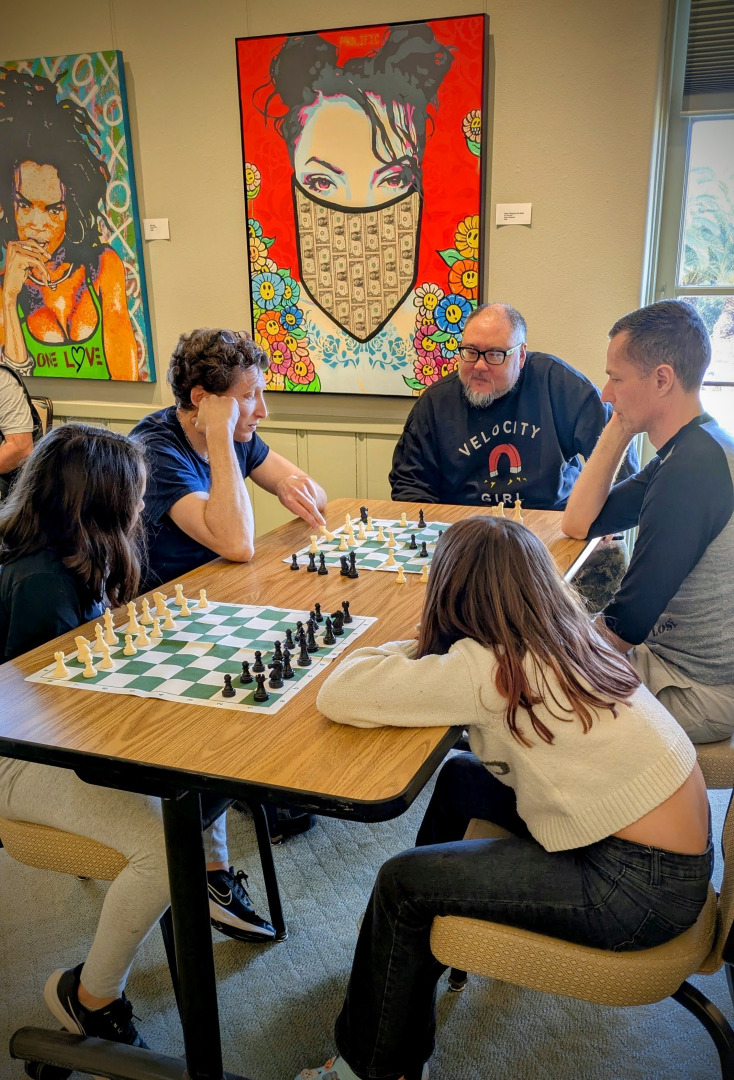
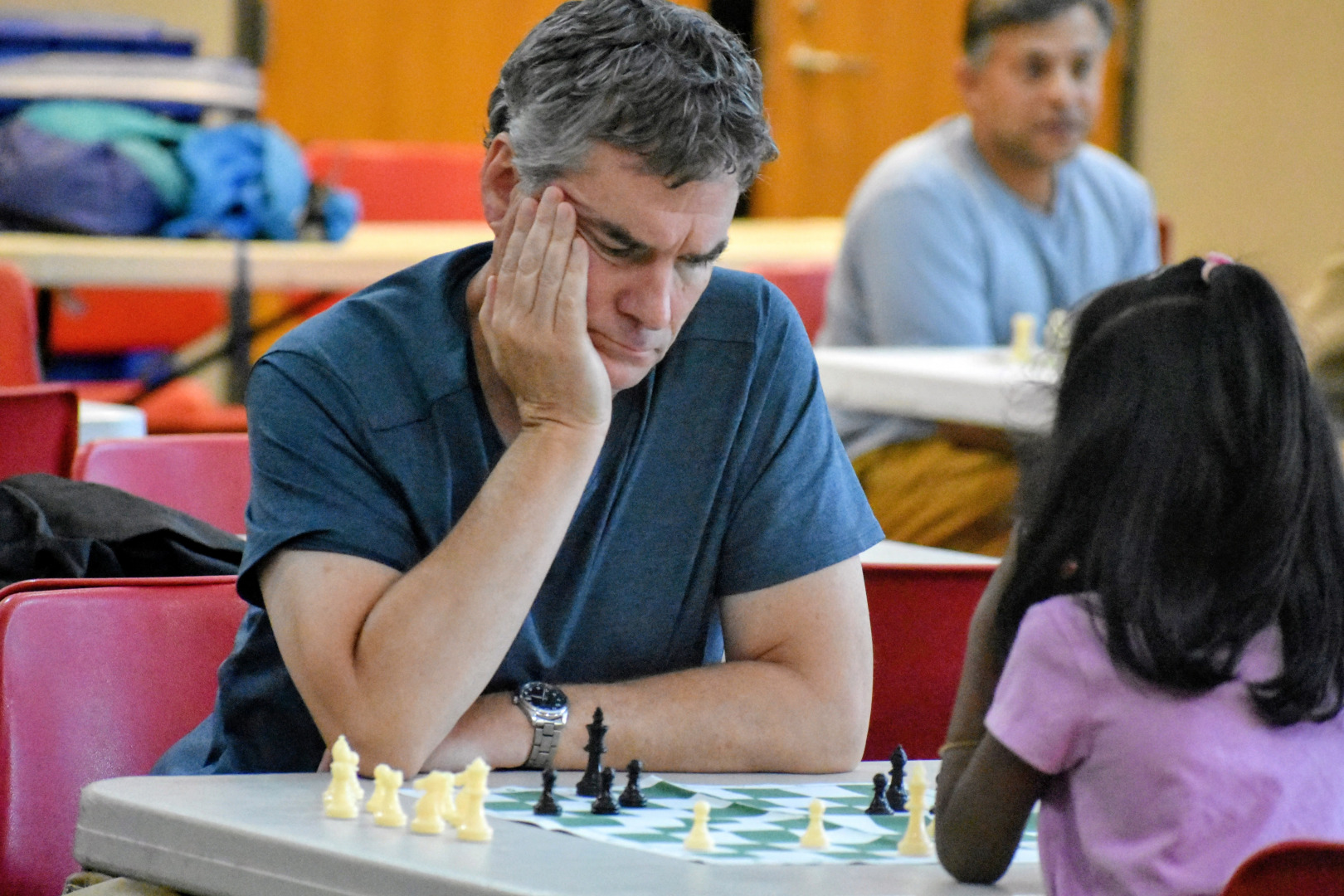
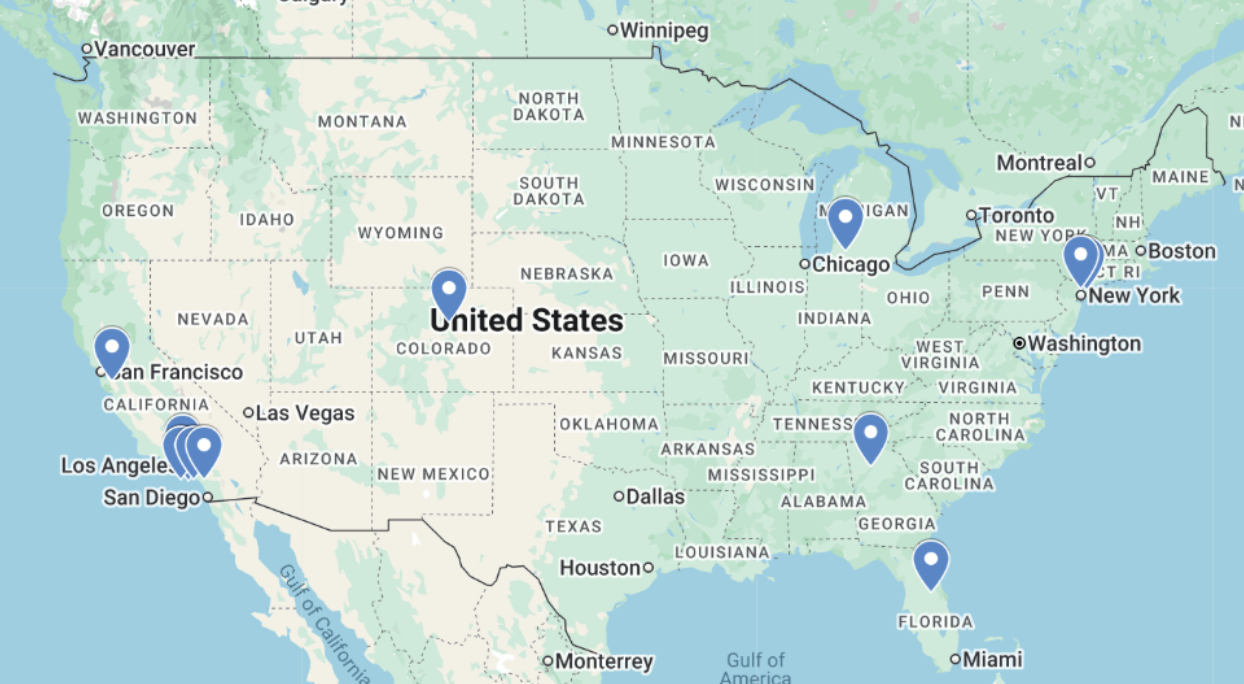
Image Credits
Michelle Finkel
Micah Presser


