Meet Rania Alomar | Architect
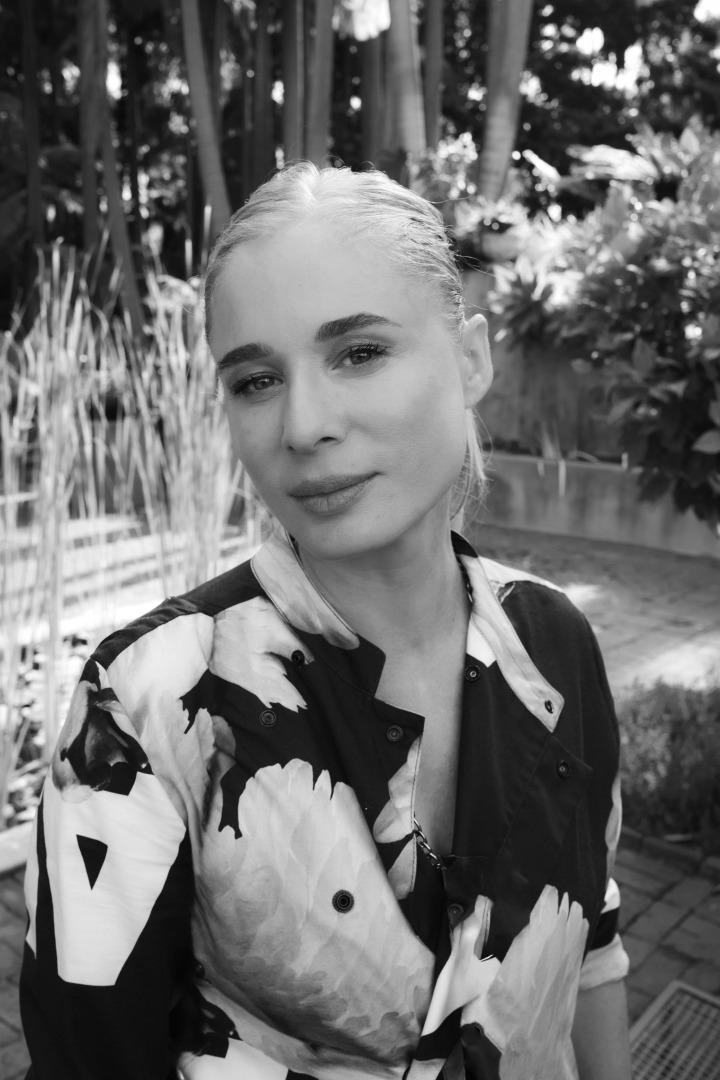


We had the good fortune of connecting with Rania Alomar and we’ve shared our conversation below.
Hi Rania, what was your thought process behind starting your own business?
I always wanted to start my own practice – since architecture school that had been the ultimate goal for me. In many ways, I think that’s a common aspiration for young architects. The idea of personal and professional autonomy and how fulfilling that could be (and is) is really compelling for any designer, especially after you’ve worked for others in a corporate environment where even if you are the lead designer you still have to succumb to so many opinions that sometimes really water down an idea.
For me, that goal stayed with me. After graduate school, I spent about ten years working at two large architecture firms. Those years were invaluable in terms of learning how projects are delivered, how teams function, and how the business side of architecture works. At the same time, I always saw that period as preparation for eventually starting my own practice.
There are also clear professional milestones that need to happen before taking that step. One of the most important was obtaining my architectural license, which is a long and demanding process involving multiple exams and, at the time, an additional interview component. I also knew that before leaving a firm I needed a practical foundation: at least one committed client and a project with a fee substantial enough to sustain me for about a year. The idea was that this initial project would provide the runway needed to build relationships and secure additional work.
Can you give our readers an introduction to your business? Maybe you can share a bit about what you do and what sets you apart from others?
My practice has always been built around the idea of doing things intentionally and in a way that reflects our own values rather than simply following the traditional model of how architecture firms operate. From the beginning, I wanted to create a studio that focused on thoughtful work, strong relationships, and a collaborative culture.
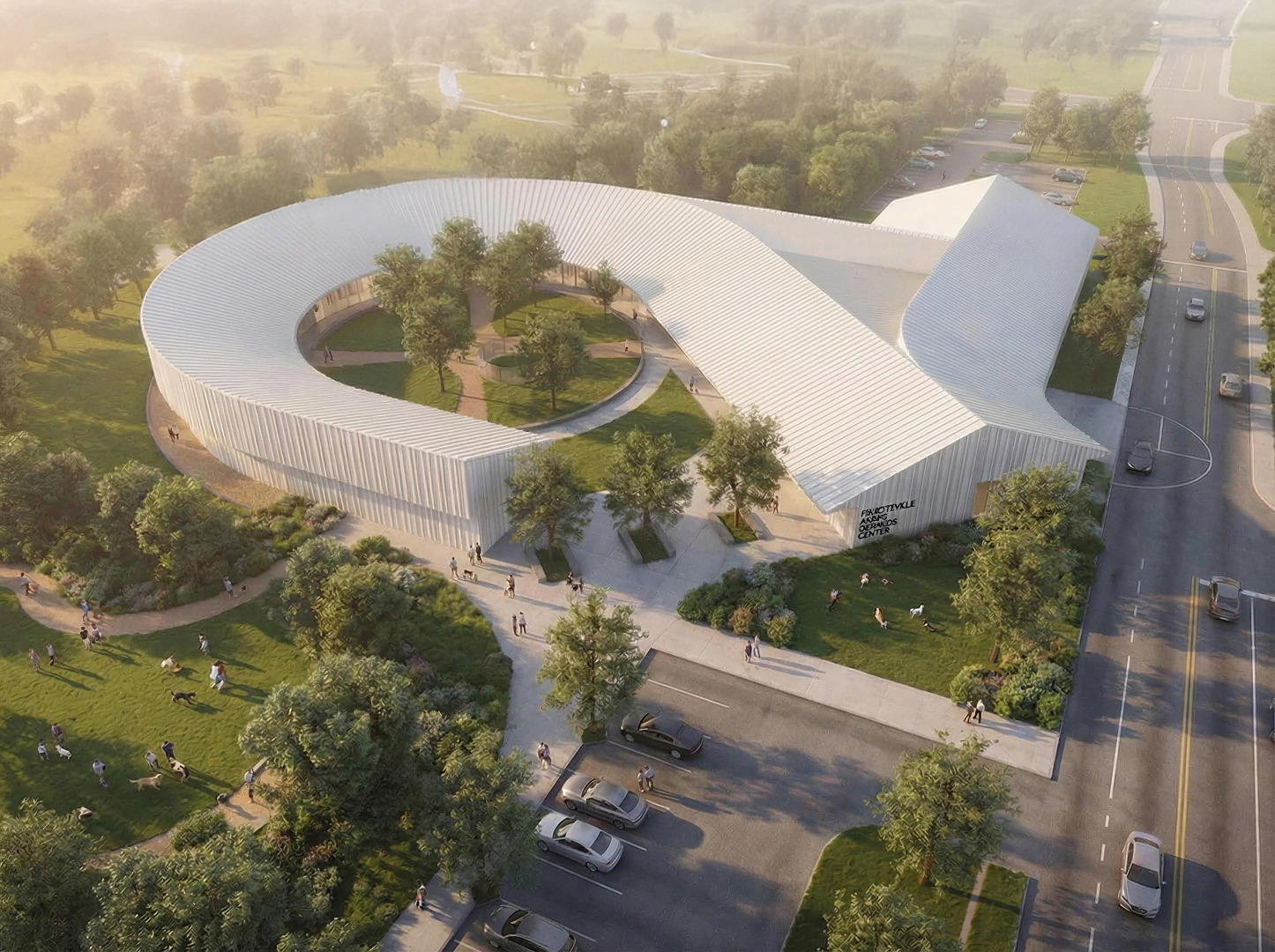
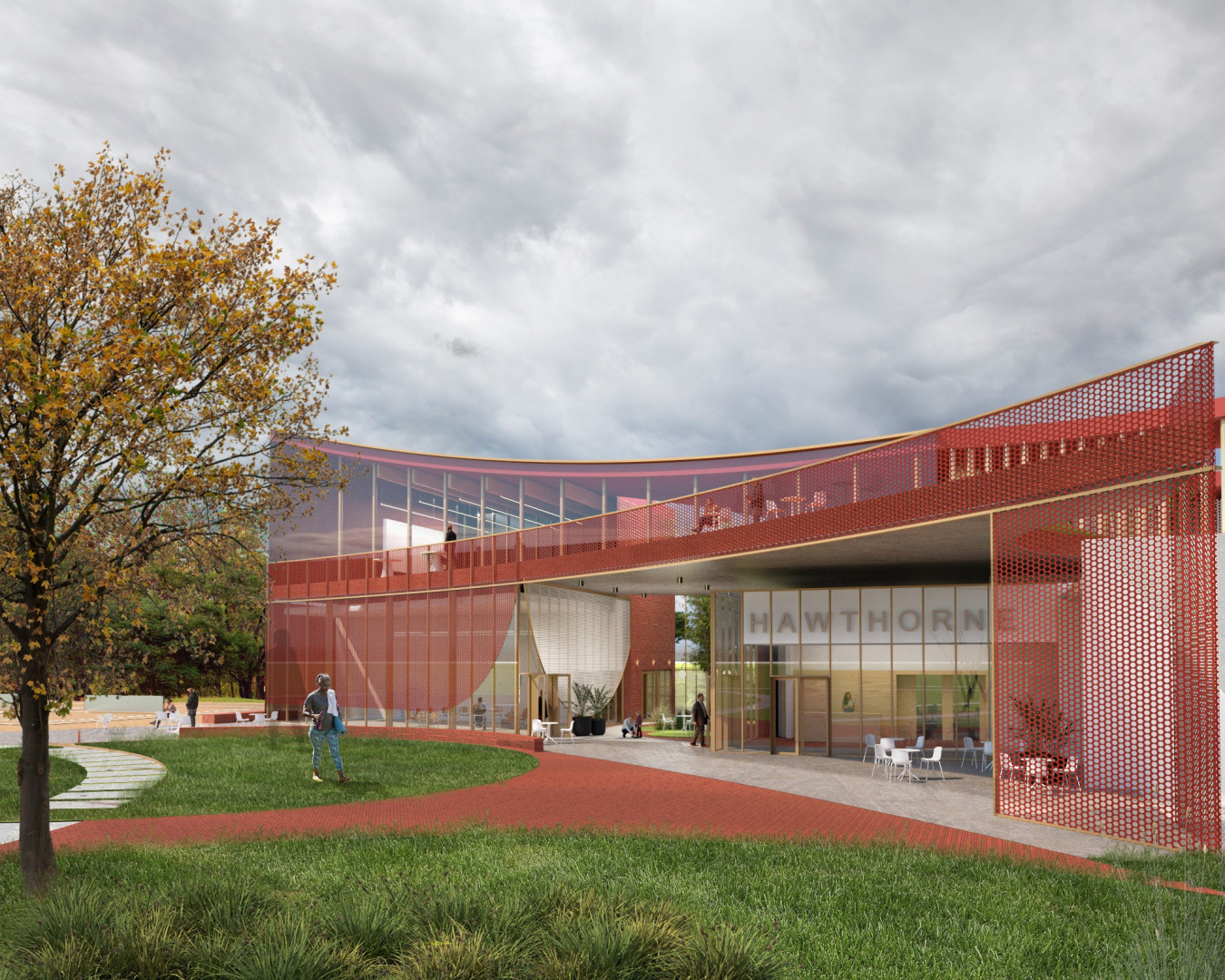
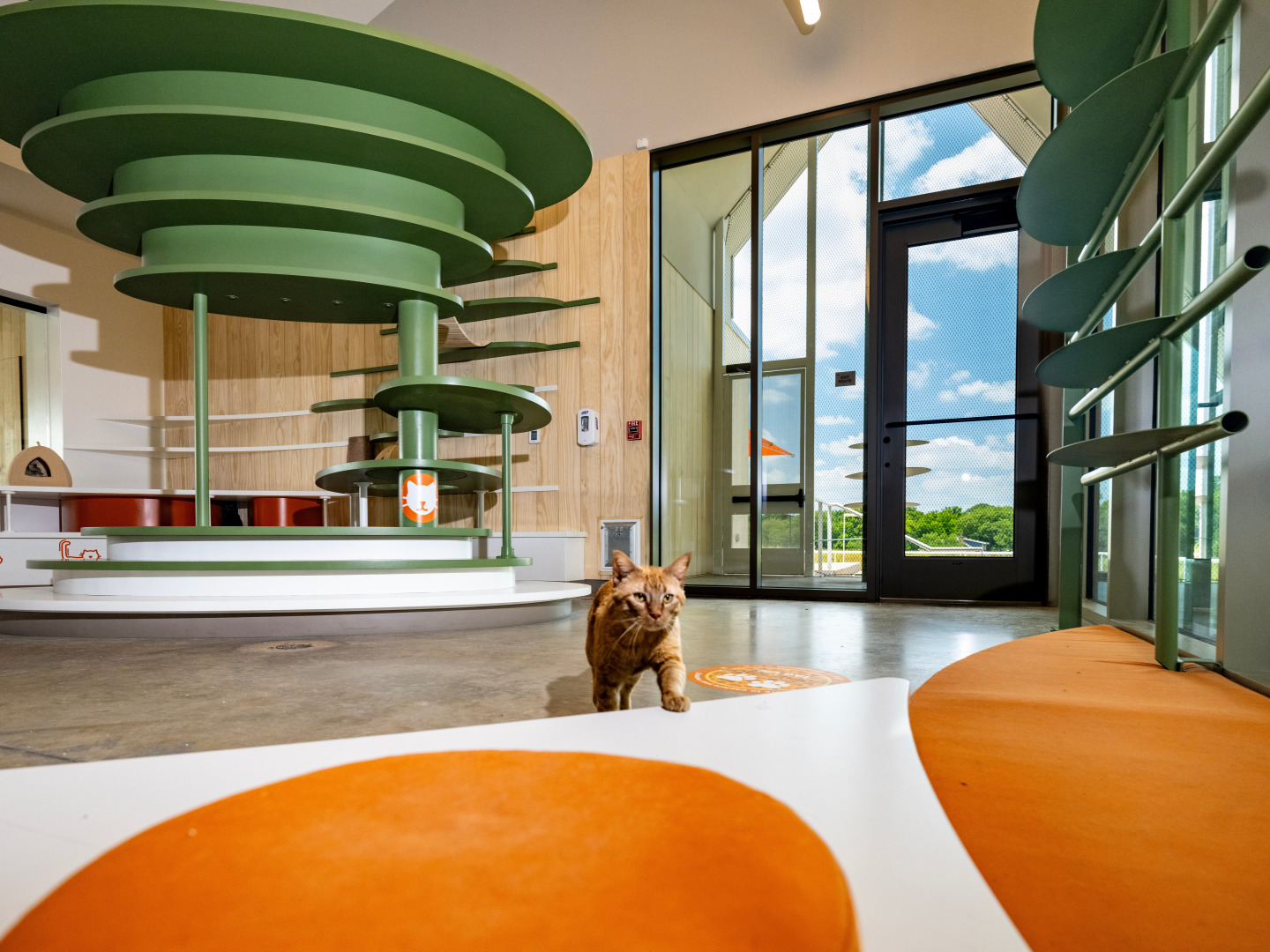
One of the things that sets us apart is that we take on a relatively small number of large projects each year. That decision is very deliberate. It allows us to give each project and each client our full attention rather than operating on a high-volume model. Our work is very much value-driven rather than volume-driven. Many of our projects are civic or community-focused—from animal care and adoption facilities to public recreational spaces—and those kinds of projects have the ability to affect a large number of lives in meaningful ways.
The culture of the office is also something I’m very proud of. We’ve built a respectful, thoughtful, and relatively non-hierarchical environment where everyone contributes to the work. Each person on the team brings their own strengths and perspective, and together we form a really strong group. I believe that when people feel valued and supported, the quality of the work improves and clients feel that difference as well.
Getting to where I am today was definitely not easy. Architecture is HARD. Early in my career the hours were incredibly long and the learning curve was steep. I spent about a decade working at large firms, gaining experience and working toward my architectural license before I felt ready to start my own practice. Even then, starting a firm requires a leap of faith. I made the decision only after securing a project that could sustain the practice for about a year, with the hope that additional work would follow. Like most small businesses, there were many unknowns in those early days.
Along the way I’ve learned that no one builds something like this alone. Mentors, colleagues, supportive family members, talented staff, and trusting clients all play a huge role. I’ve also learned that patience and persistence matter. Every project teaches you something new, and over time those lessons build on each other.
When I look back at the body of work our practice has produced, I can see a clear trajectory—each project pushing the ideas a little further than the last. That sense of ongoing exploration is what keeps the work interesting and meaningful. If there’s one thing I would want people to understand about our practice, it’s that we care deeply about the work we do, the people we work with, and the impact our projects have on the communities they serve.
Any places to eat or things to do that you can share with our readers? If they have a friend visiting town, what are some spots they could take them to?
Malibu Farm (on the pier) for a tasty lunch with a view and maybe even a little fishing there.
LACMA to explore the tar pits and join the weekend painting session (and soon we will be able to visit the new Zumthor Museum Building)
A stroll through some local Galleries including Danny’s ‘CABIN LA’ and Karma Gallery down the street from us.
The Farmers Market on third and fairfax.
My new favorite lunch spot is Boul’ange on Fairfax
Musso and Franks for Dinner is an old hollywood classic and a MUST!
Dinner and Jazz at Herb Alpert’s Vibrato Grill in Bel Air is a pretty amazing experience – especially if you can catch Brenna Whitaker
The Getty! for an amazing relaxing and art-filled day
The arts district downtown – Hauser and WIrth and lunch at Manuela
Who else deserves some credit and recognition?
At the very beginning of my career, two people had a particularly meaningful influence on me: Vernon Pounds and Michael Hallmark. Vernon, who sadly passed away far too young, taught me not only how to think and work as an architect but also how to maintain perspective and enjoy life along the way. Those early years were filled with very long hours, and he always reminded us that even in the middle of demanding work, it was important to step back occasionally and keep a sense of humor.
Michael Hallmark was another pivotal figure. He was my boss for many years and later became a close friend and a constant source of support. His guidance and encouragement were incredibly important when I was considering the leap to starting my own practice. Having someone I respected so much believe that I was ready to take that step meant a great deal.
I also have enormous gratitude for the clients who trusted me, especially in the early years. Starting a practice requires people who are willing to believe in your vision and take that journey with you. Many of our clients saw the direction we were trying to push a project and embraced that process with us, and that trust has been fundamental to building the work we do.
Of course, none of it would have been possible without the support of my husband of many years, who has always stood behind me and supported every major decision along the way.
And finally, I have to acknowledge the team in my office. Many of them have been with me for a long time, and each person brings their own perspective and strengths to the work. Together we’ve built something that is much bigger than any one person, and I’m incredibly grateful to work with such a dedicated and talented group.
Website: https://www.ra-da.com
Instagram: https://www.instagram.com/radaarchitects/
Linkedin: https://www.linkedin.com/in/ra-da/
Facebook: https://www.facebook.com/rada.fanpage
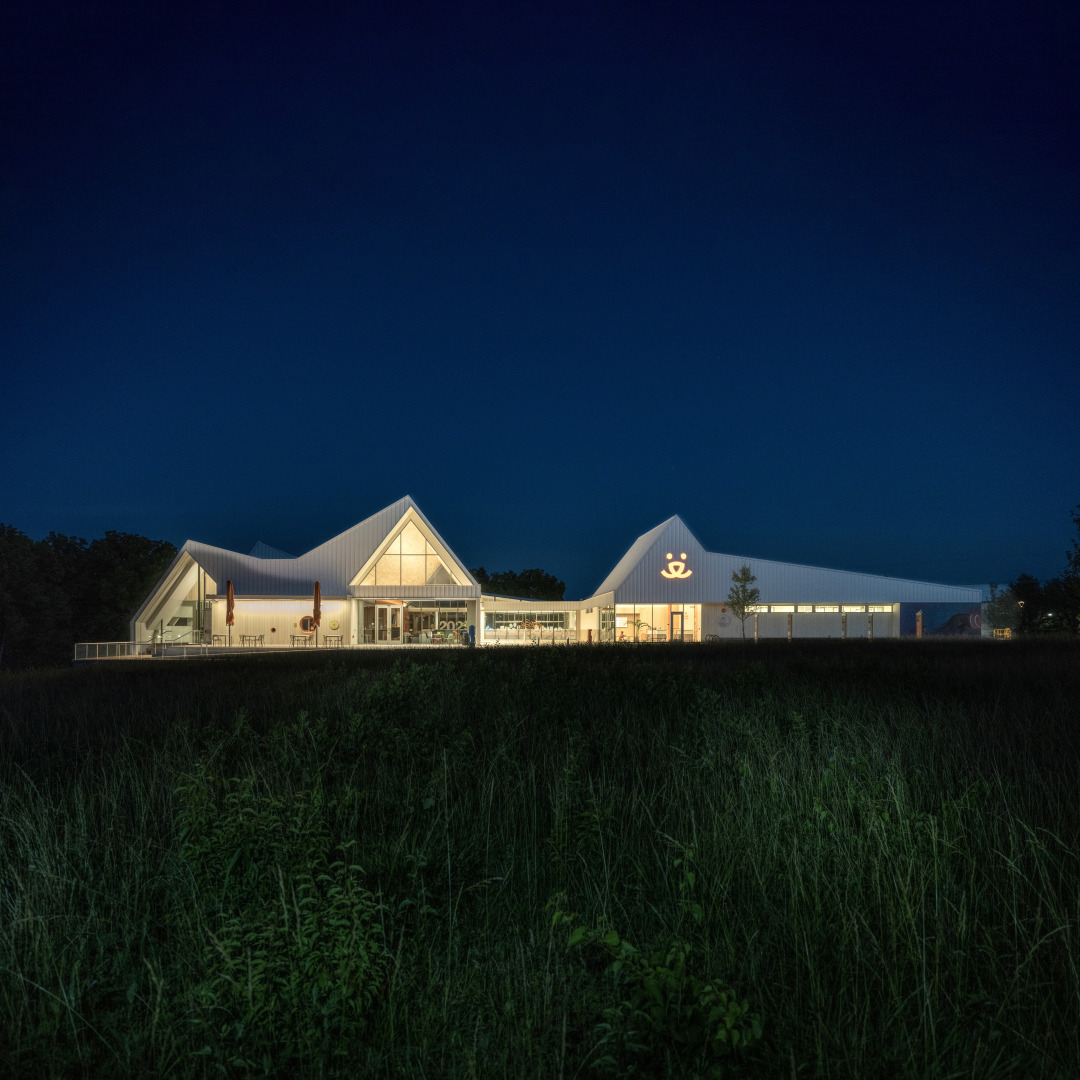
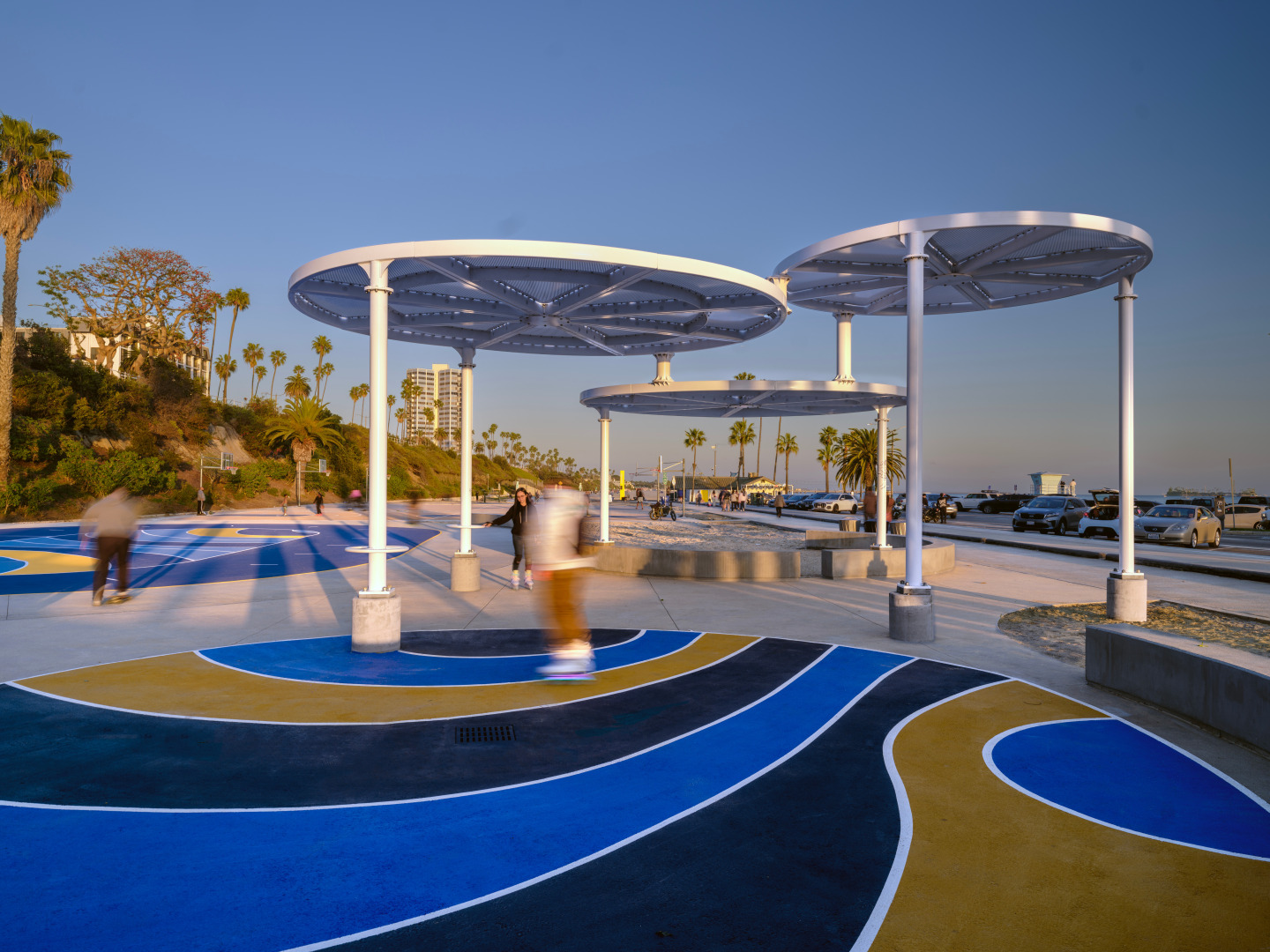
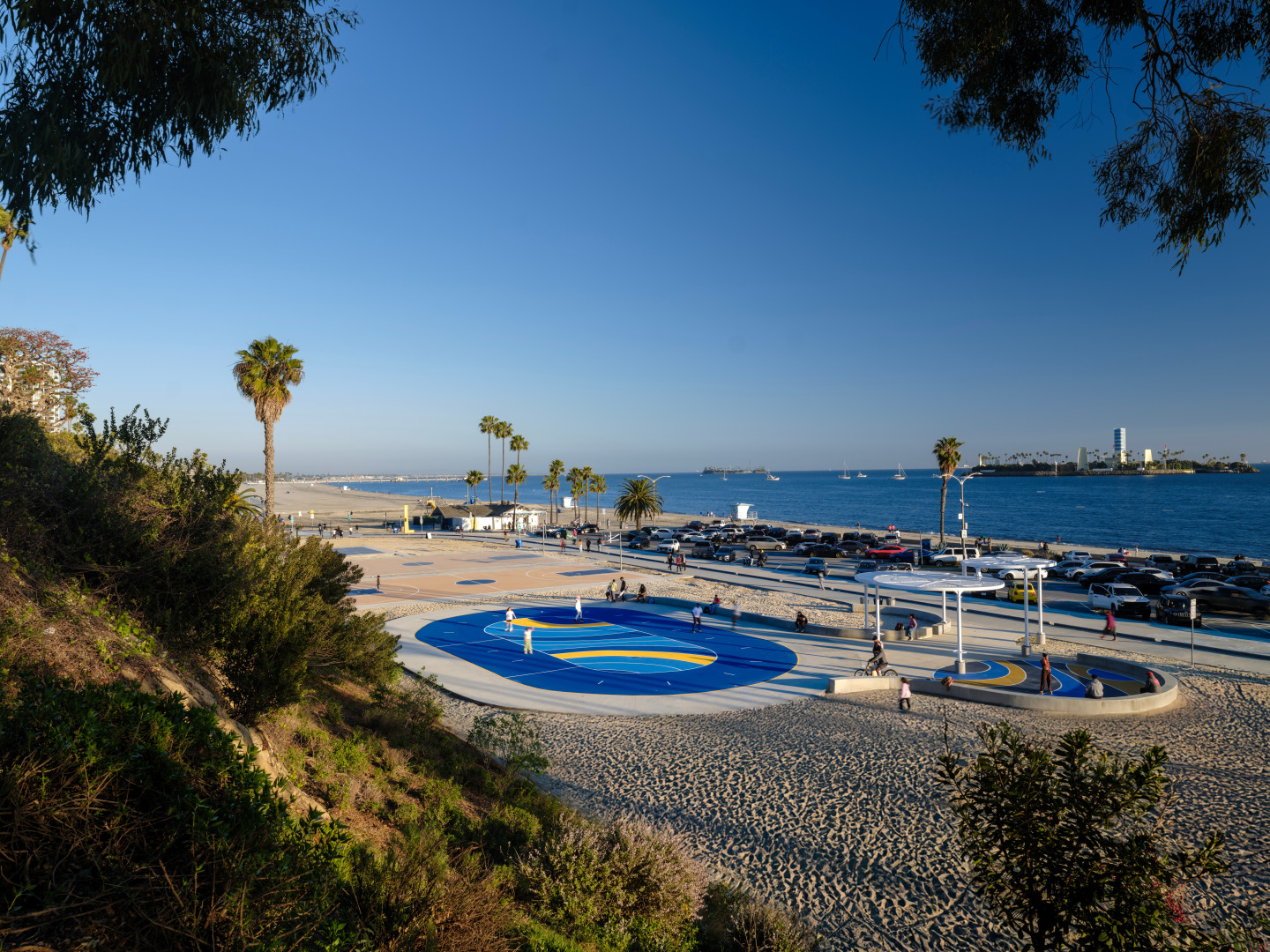
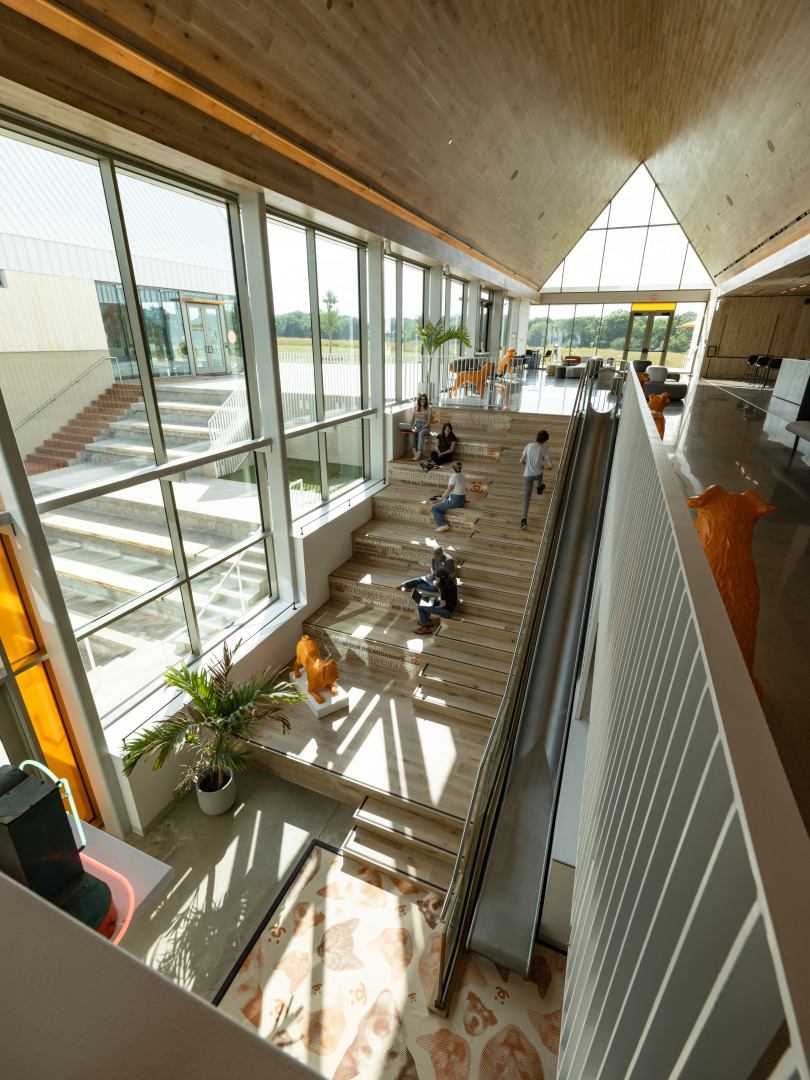
Image Credits
Photography: Ralf Strathmann