Meet Shile Liu | Filmmaker & Artist
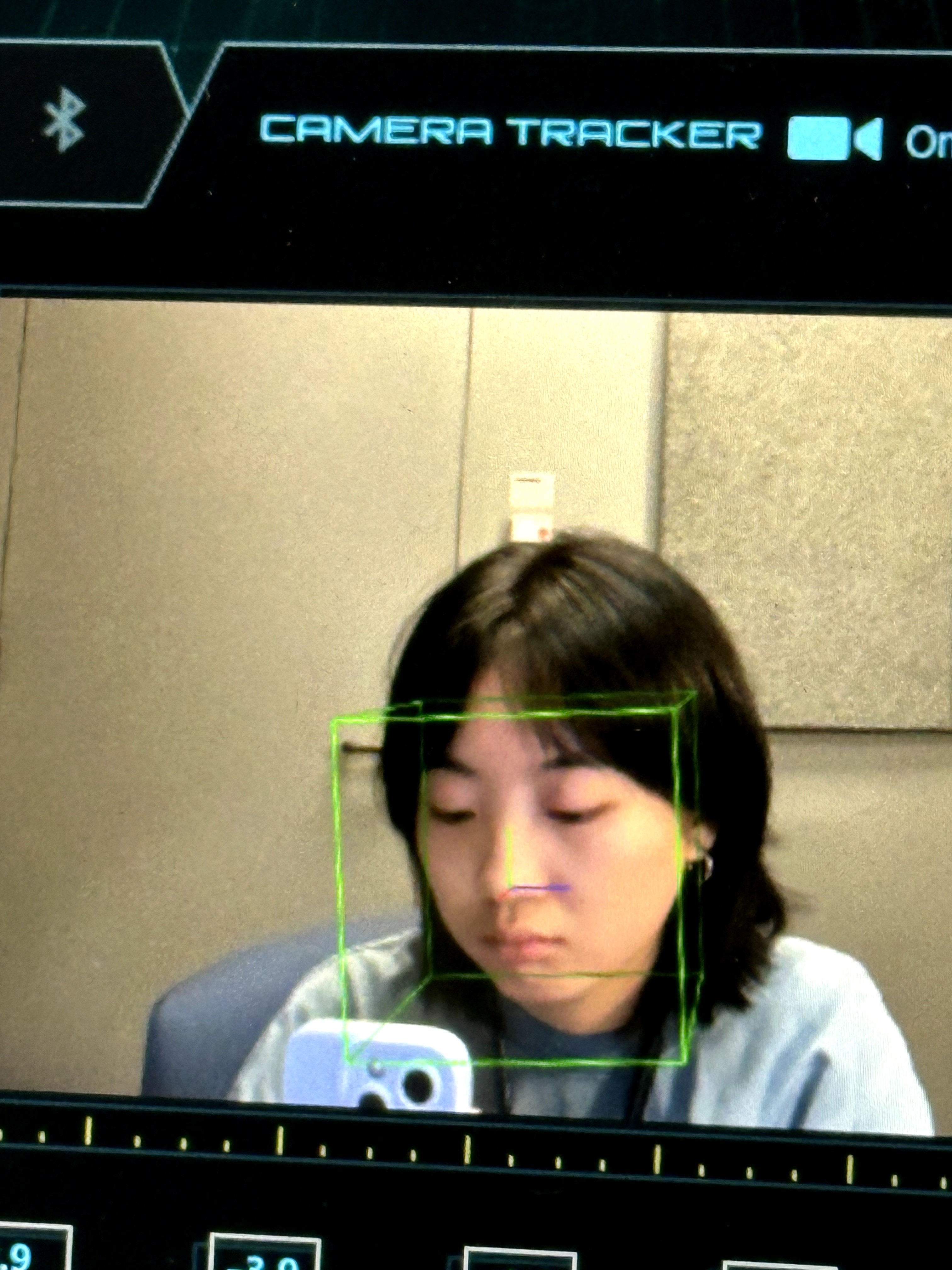


We had the good fortune of connecting with Shile Liu and we’ve shared our conversation below.
Hi Shile, do you have some perspective or insight you can share with us on the question of when someone should give up versus when they should keep going?
I think knowing whether to keep going or give up is really a process of self-understanding. When I’m working on something, the act of doing it teaches me a lot about my own patterns, limits, and preferences. Sometimes when I feel like giving up, what I actually need is rest, not a final decision. After I’ve had enough distance, if the work still matters to me, I usually find myself returning to it naturally.
But sometimes, through trying, I realize that something may not be the right fit for me anymore. In that case, I don’t necessarily see giving up as failure. The attempt itself becomes a way of understanding myself better. It helps me see where my energy wants to go, and sometimes letting go of one thing allows me to put that energy toward something more important.
So for me, the question is not only “Should I keep going?” but also “What have I learned about myself through this process?” I’m learning that persistence is important, but so is honesty — knowing when to rest, when to change direction, and when to release something without shame.
Can you open up a bit about your work and career? We’re big fans and we’d love for our community to learn more about your work.
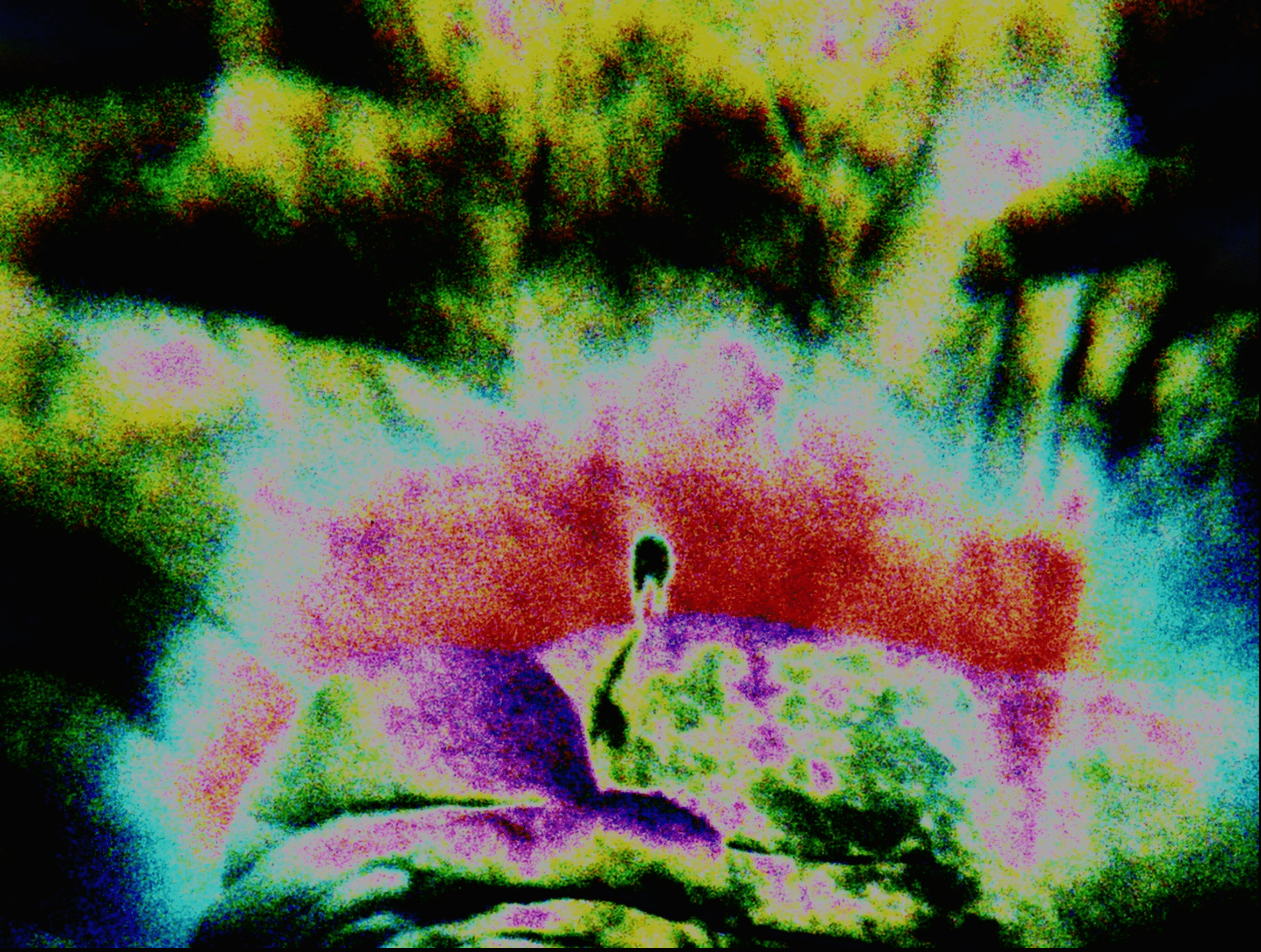
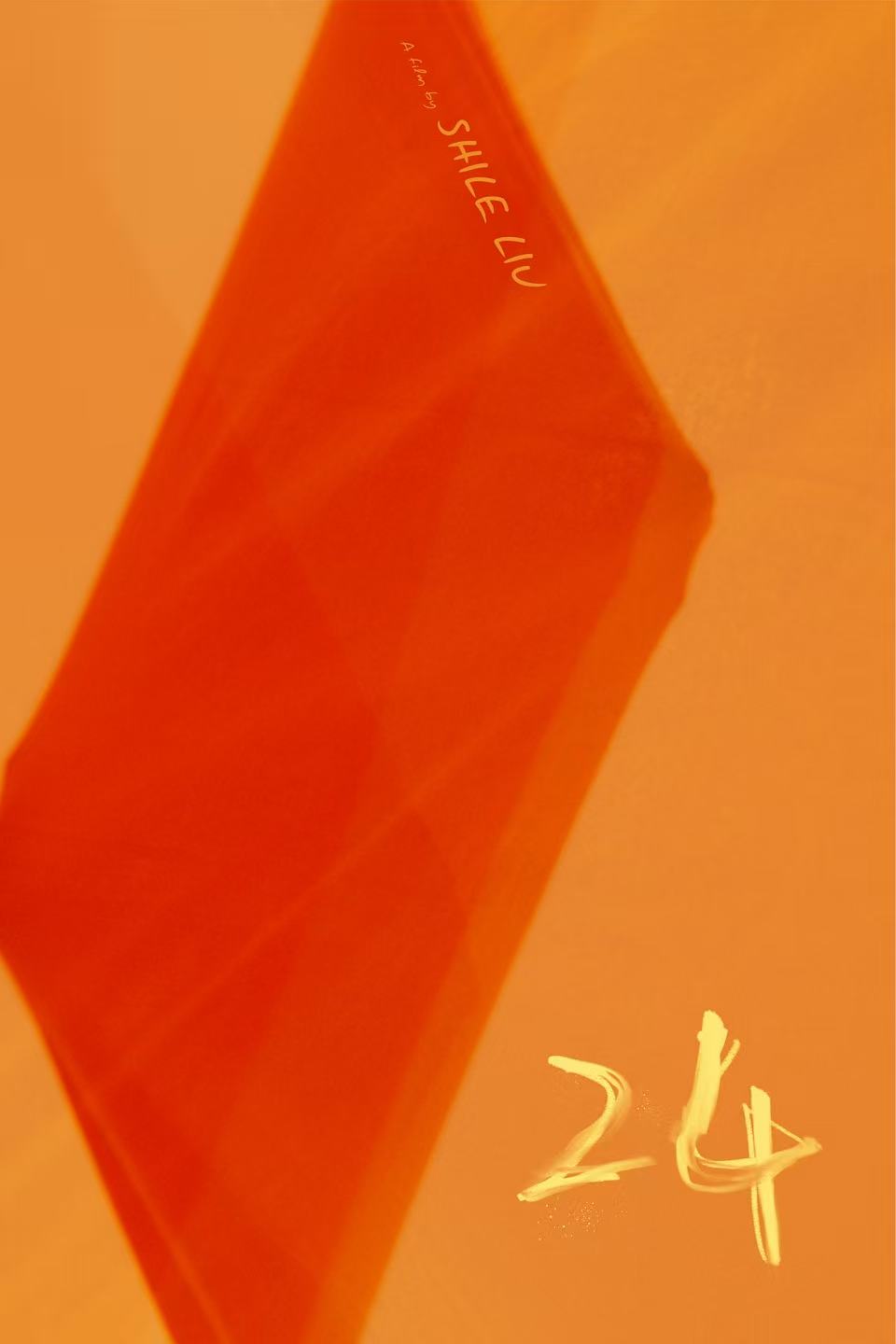
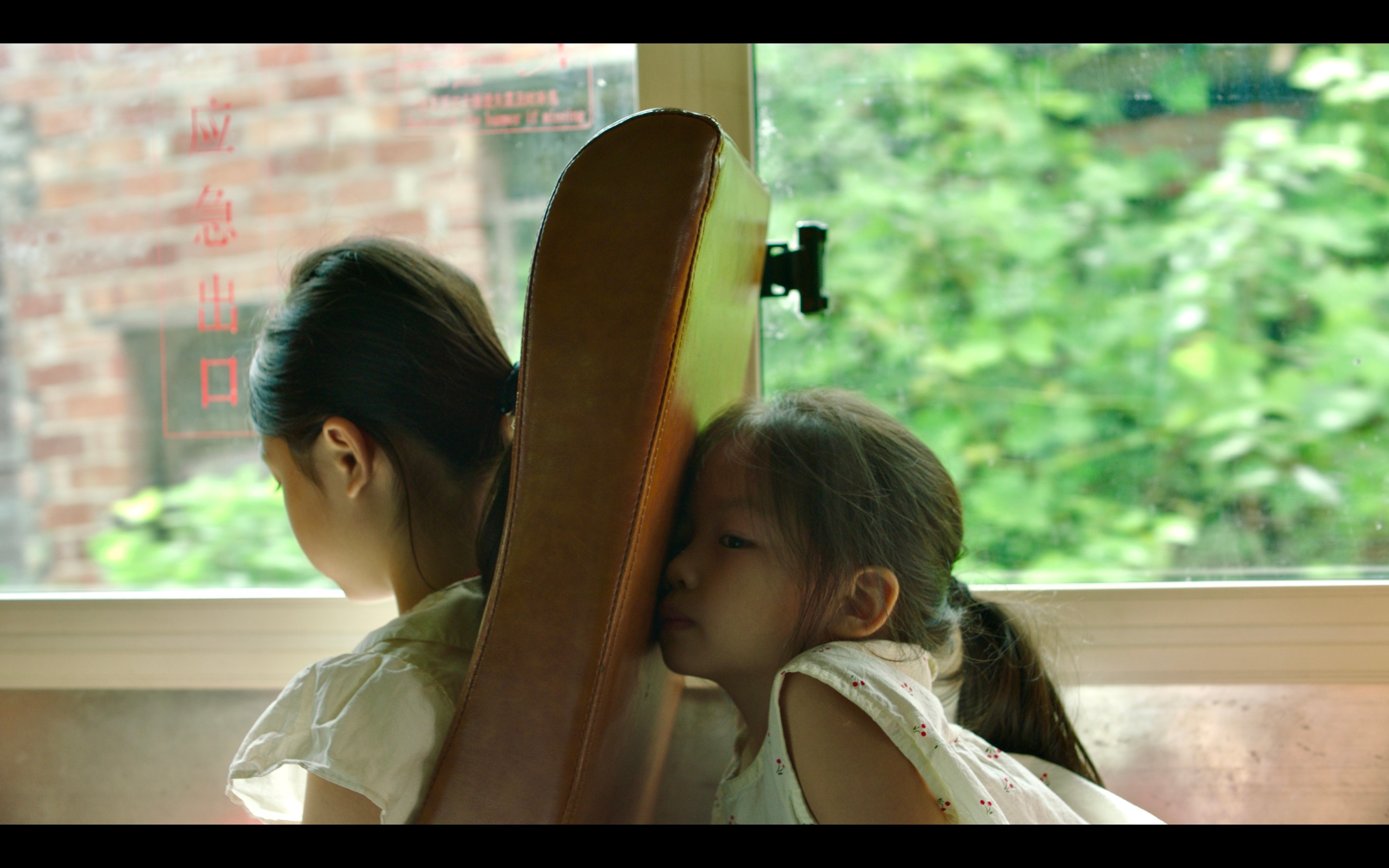
My work moves between narrative film, experimental film, and installation. I’m often drawn to family memory, childhood, intimacy, migration, and the emotional landscapes of domestic life. Many of my films begin with small details — a child listening from another room, a family conversation that never fully says what it means, the texture of a home, a street, a voice, or a silence. I’m interested in moments that may seem ordinary on the surface, but carry deep emotional histories underneath.
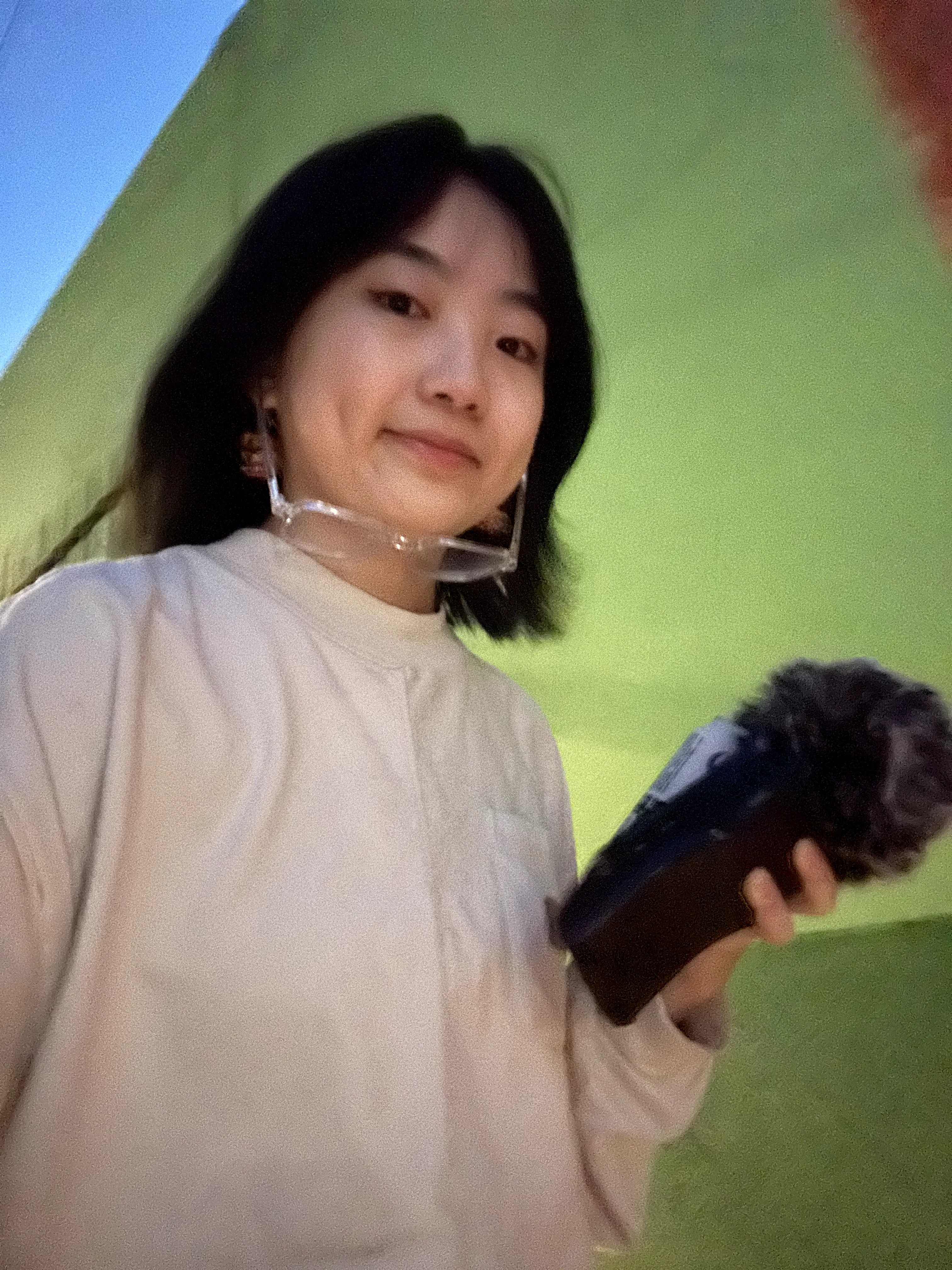
I grew up in Hunan, China, and later came to the U.S. to study filmmaking. I recently received my MFA in Film Directing from CalArts. Moving between different places, languages, and cultural contexts has shaped the way I see images and relationships. I think my work often comes from this position of being both close to and distant from something — close enough to feel its emotional weight, but distant enough to observe its structure.
What sets my work apart is my attention to quiet emotional details and to the inner worlds of children and women. I’m not always interested in dramatic events themselves, but in how people carry them, misremember them, avoid them, or pass them down. I often return to family not because it is simple or sentimental, but because it is one of the first places where we learn love, power, fear, tenderness, and silence.
Professionally, I got here through a lot of making, failing, observing, and slowly understanding what kind of artist I want to be. It was not easy. As an international artist, there are always questions around language, belonging, money, visas, and the uncertainty of building a life in another country. There were many moments when I felt lost, or unsure whether I was moving fast enough. I don’t think I overcame those challenges once and for all. Instead, I learned to keep working through uncertainty, to trust the people and communities around me, and to accept that a creative path is not always linear. Doubt does not necessarily mean I am in the wrong place.
One lesson I’ve learned is that the work often knows more than I do. Sometimes I only understand what I am trying to say after I have already started making it. Another lesson is that small stories are not small if we look at them carefully enough. A family memory, a childhood fear, a quiet domestic moment — these can hold entire worlds.
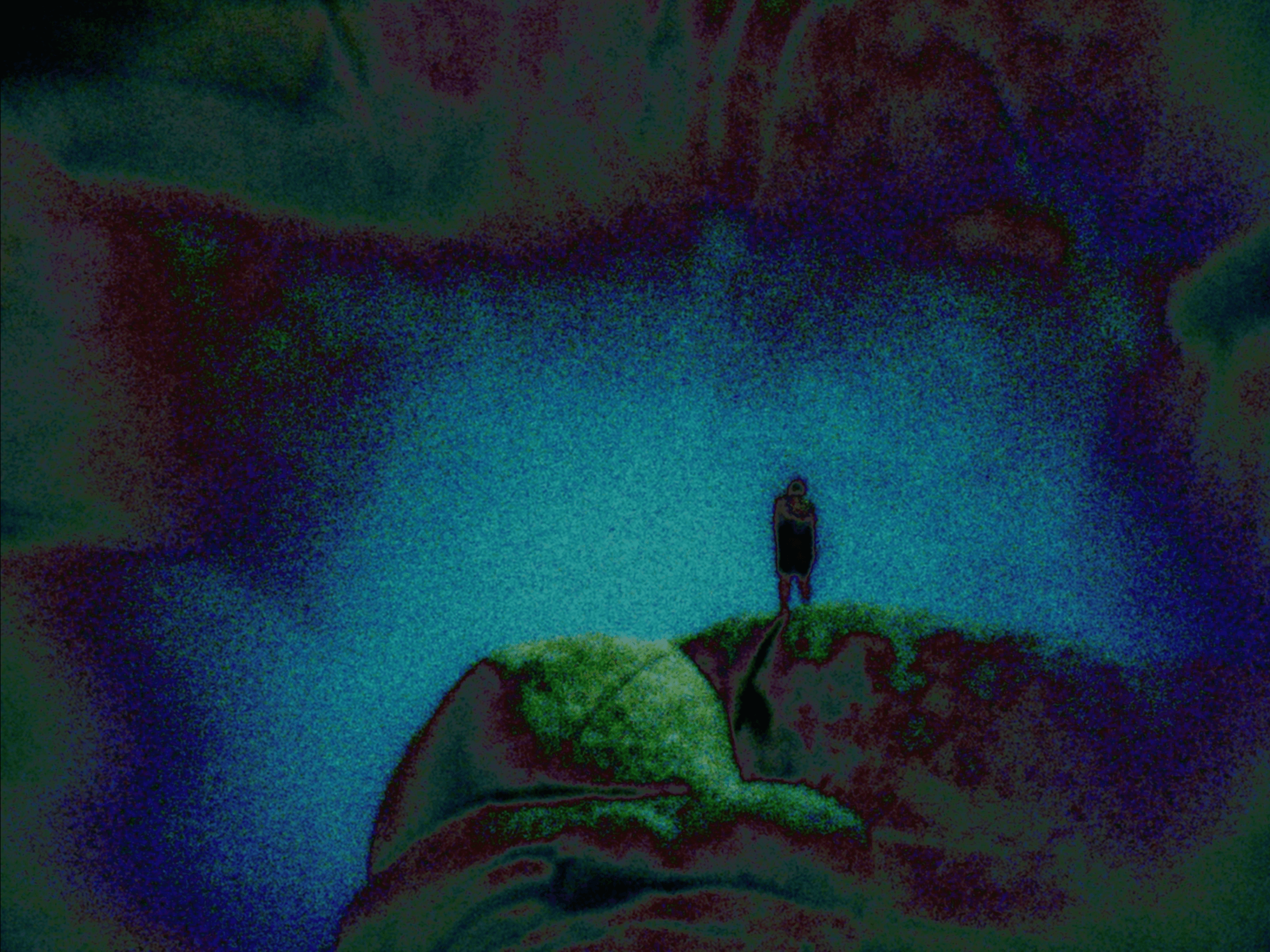
Right now, I’m excited to keep expanding my practice beyond traditional narrative film. I’m interested in how moving images, sound, space, and archives can come together in installation and other forms. I want my work to keep asking how personal memories become collective, how private emotions live inside public spaces, and how images can hold what is difficult to say directly.
What I want people to know about my story is that I’m still becoming. I don’t see my practice as something fixed, but as an evolving language for things that are quiet, complicated, and often overlooked — especially the emotional lives of women, children, families, and the places we leave but continue to carry with us.
If you had a friend visiting you, what are some of the local spots you’d want to take them around to?
To be honest, I’m still figuring out Los Angeles myself. During my MFA years, my life was mostly centered around CalArts, editing rooms, screenings, making films, and trying to survive school and life. So if my best friend came to visit, I probably wouldn’t be the best person to give them a perfect LA itinerary — but I would definitely take them to In-N-Out first, haha. I would also want to take them on long drives, maybe to some desert spots that James Benning once recommended to us, or somewhere outside the city where we could camp and look at the stars.
Shoutout is all about shouting out others who you feel deserve additional recognition and exposure. Who would you like to shoutout?
I would love to dedicate my shoutout to the community I found at CalArts, especially in the School of Film/Video. During my MFA years, I was surrounded by teachers, mentors, collaborators, and friends who gave me the space to take my work seriously, while also allowing it to remain vulnerable, uncertain, and alive.
I’m grateful to the people who watched my films in unfinished forms, offered generous feedback, and helped me believe that small, personal, and quiet stories are worth making. Much of my work comes from family memory, childhood, domestic life, and emotional details that are easy to overlook, so being in a community that made room for that kind of attention deeply shaped me.
I also want to thank my collaborators and friends. Film is never made alone, and my work carries traces of many people’s care, labor, and imagination. I was also constantly inspired by being around so many talented artists whose work encouraged me to take risks and experiment with different forms.
Instagram: liushile1999