We had the good fortune of connecting with Jason Frost and we’ve shared our conversation below.
Hi Jason, we’d love to hear more about how you thought about starting your own business?
My thought process was pretty simple: I wanted to spend my time creating things that would outlast me.
Growing up, I was surrounded by construction and architecture through my dad, who spent decades designing and building homes. That gave me an appreciation for how thoughtfully designed spaces can shape the way people feel. At the same time, I was drawn to Japanese gardens, natural stone, and sculptural forms that seem to become part of the landscape rather than simply occupy it.
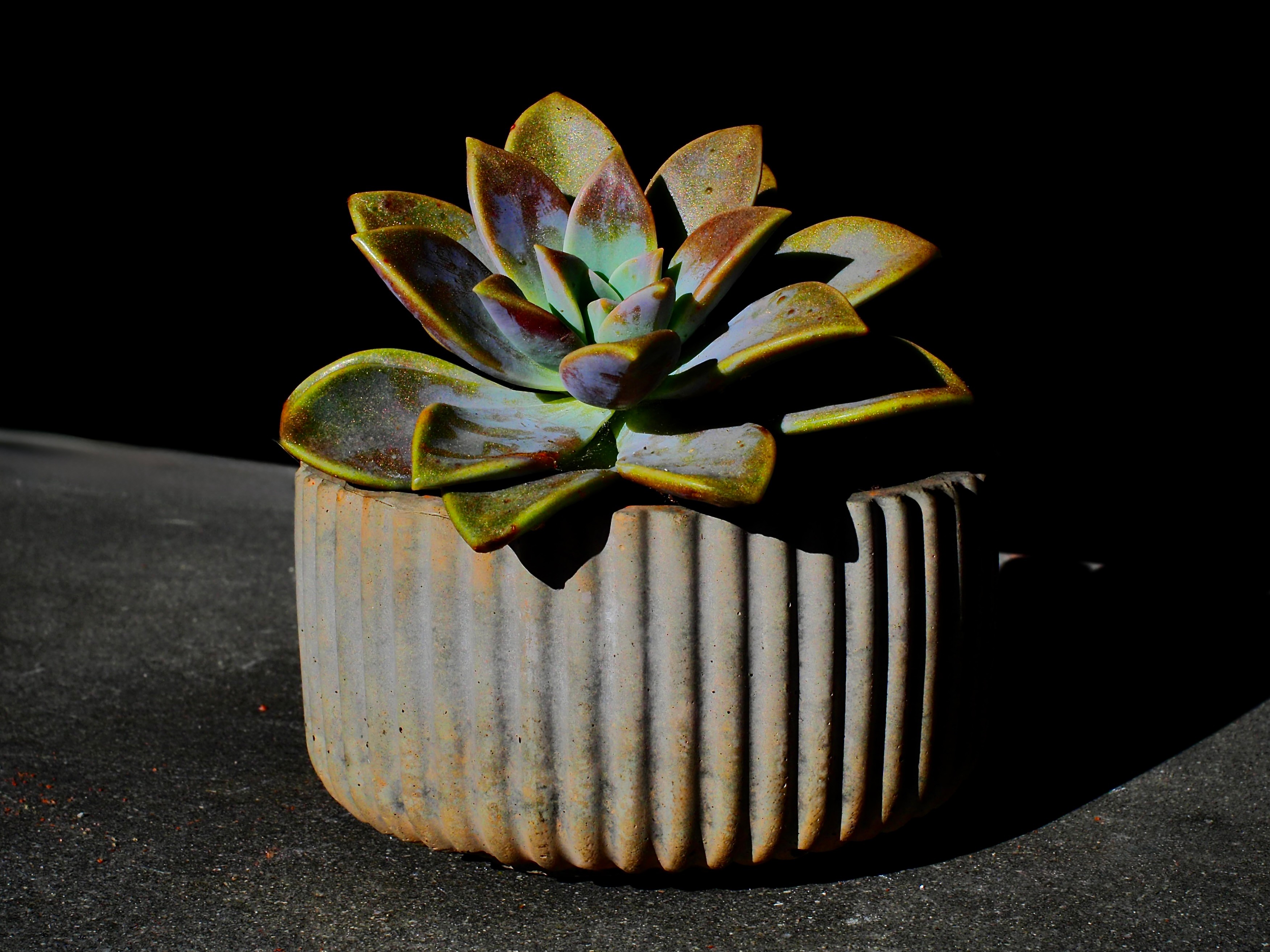
Zen Shack Studios grew out of those influences. I wanted to explore concrete not just as a structural material, but as a medium for art, furniture, lighting, and architectural expression. The goal has always been to create pieces that feel timeless—objects with permanence, texture, and a quiet presence that improve with age.
Starting the business was also about taking ownership of the creative process. From developing concrete mixes and experimenting with finishes to photographing, marketing, and fabricating each piece, I’ve enjoyed learning every aspect of building something from the ground up. It’s challenging, but it’s incredibly rewarding to watch an idea evolve from a sketch into a finished object that becomes part of someone’s home or garden.
Ultimately, I hope Zen Shack Studios continues to blur the line between functional design, sculpture, and landscape, creating pieces that encourage people to slow down, connect with their surroundings, and enjoy spaces that feel calm and enduring.
Let’s talk shop? Tell us more about your career, what can you share with our community?
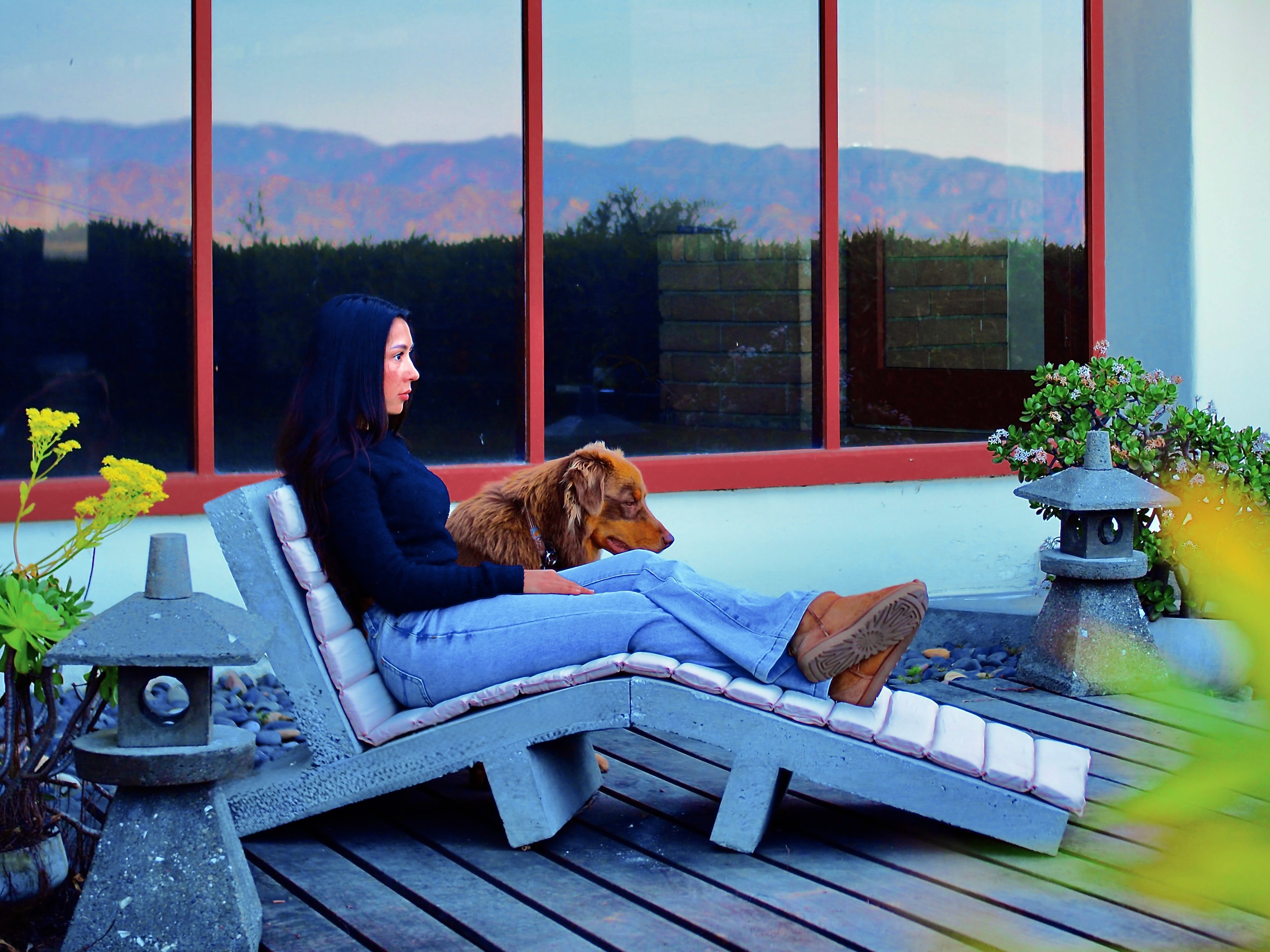
Zen Shack Studios explores the intersection of sculpture, architecture, and landscape through concrete. While concrete is often associated with infrastructure or purely structural uses, I’m interested in its quieter side—its texture, permanence, and ability to evoke the feeling of natural stone.
Many of our pieces draw inspiration from Japanese gardens, mid-century California architecture, and the idea that an object should feel as though it belongs to its surroundings rather than simply occupying them. Whether it’s a sculptural lounge chair, a stone lantern, a planter, or a custom architectural commission, the goal is always the same: to create pieces with a sense of calm, permanence, and timelessness.
What sets our work apart is that every design is developed from the ground up. We spend a great deal of time refining proportions, experimenting with concrete mixes, testing reinforcement methods, and perfecting finishes so each piece is both functional and enduring. We’re constantly asking how we can push the material further while keeping the work approachable and honest.
Professionally, the path has been anything but straightforward. Building a design studio means wearing every hat at once—designer, fabricator, photographer, marketer, salesperson, and business owner. There have been plenty of moments where progress felt slow, but each challenge has taught me something valuable. I’ve learned that building trust takes time, that consistency matters more than quick wins, and that meaningful relationships are often the foundation of lasting opportunities.
One lesson that has stayed with me is that craftsmanship extends far beyond making the object itself. It also includes how you communicate your ideas, how you treat clients, and how willing you are to keep refining your work. Every piece we make teaches us something that informs the next one.
What I’m most excited about is that we’re still at the beginning. We’re continuing to expand from furniture and lighting into planters, garden objects, site-specific installations, and custom architectural pieces. The long-term vision is to create work that can exist across an entire property—from a quiet garden path to an interior living space—while maintaining a cohesive design language rooted in natural materials and thoughtful craftsmanship.
More than anything, I hope people see Zen Shack Studios as a studio that values quality over trends. My goal isn’t to create disposable objects, but pieces that become part of people’s lives and landscapes for decades, developing character and meaning with time.
Any places to eat or things to do that you can share with our readers? If they have a friend visiting town, what are some spots they could take them to?
If a friend had a week to experience Los Angeles, I’d skip the typical tourist itinerary and show them the city through its architecture, landscapes, and neighborhoods.
We live in one of the hillside neighborhoods above Hollywood, where winding roads, mid-century homes, and mountain views make you forget you’re in the middle of one of the world’s largest cities. Mornings would start with coffee on a deck overlooking the hills before hiking to the Hollywood Sign or exploring Griffith Park, where you can spend hours wandering trails and taking in views that stretch from Downtown to the Pacific.
Architecture would be a huge part of the trip, and we can stop by the dozen Lautner home within a mile radius. Those homes tell the story of Southern California better than almost anything else and have had a major influence on my own design philosophy.
For food, we’d keep it relaxed and local—stopping at neighborhood cafés and grabbing lunch from one of our favorite enclaves in the Hills. Most nights we’d simply cook at home and watch the sun set over the hills, which is honestly one of my favorite parts of living here.
No visit would be complete without spending time along the coast. We’d drive up the Pacific Coast Highway through Malibu, stopping at quiet beaches and coastal overlooks before heading back through Topanga Canyon. It’s one of those drives that reminds you how incredibly diverse Los Angeles is.
What I love most about Los Angeles is that the city’s best experiences aren’t the famous landmarks—they’re discovering a beautifully designed home tucked into a hillside, finding a hidden hiking trail, or stumbling upon a view spot most Angelenos don’t even know exists. That’s the side of Los Angeles I’d want anyone visiting to experience.
Shoutout is all about shouting out others who you feel deserve additional recognition and exposure. Who would you like to shoutout?
Without question, my dad deserves the biggest shoutout.
He spent over forty years working in construction and architecture, and from a young age I was always around job sites, drawings, materials, and the process of turning ideas into something tangible. I don’t think I realized it at the time, but those experiences shaped the way I see design today.
Many of the ideas behind Zen Shack Studios grew out of countless conversations we’ve had about architecture, proportion, materials, and craftsmanship. He taught me that good design isn’t about following trends—it’s about creating something honest, functional, and built to last. Even now, we’re constantly refining designs together, experimenting with concrete mixes, discussing structural details, and pushing each piece to be better than the last.
I’d also credit the architects whose work has inspired us over the years, especially John Lautner and Frank Lloyd Wright. Their abilities to make architecture feel inseparable from the landscape had a profound influence on how I think about furniture and sculpture. Rather than creating standalone objects, I strive to design pieces that feel like they naturally belong within their surroundings.
Finally, I’d thank everyone who has taken the time to encourage an emerging studio—whether that’s architects, designers, artists, or clients who have responded to our work with genuine enthusiasm. Those conversations and words of encouragement have been incredibly motivating and remind us that we’re building something worth pursuing.
Website: https://www.zenshackstudios.com
Instagram: https://www.instagram.com/zenshackstudios/
Youtube: https://www.youtube.com/channel/UCsCDxqjrrrhCtdhbr_zHbQg
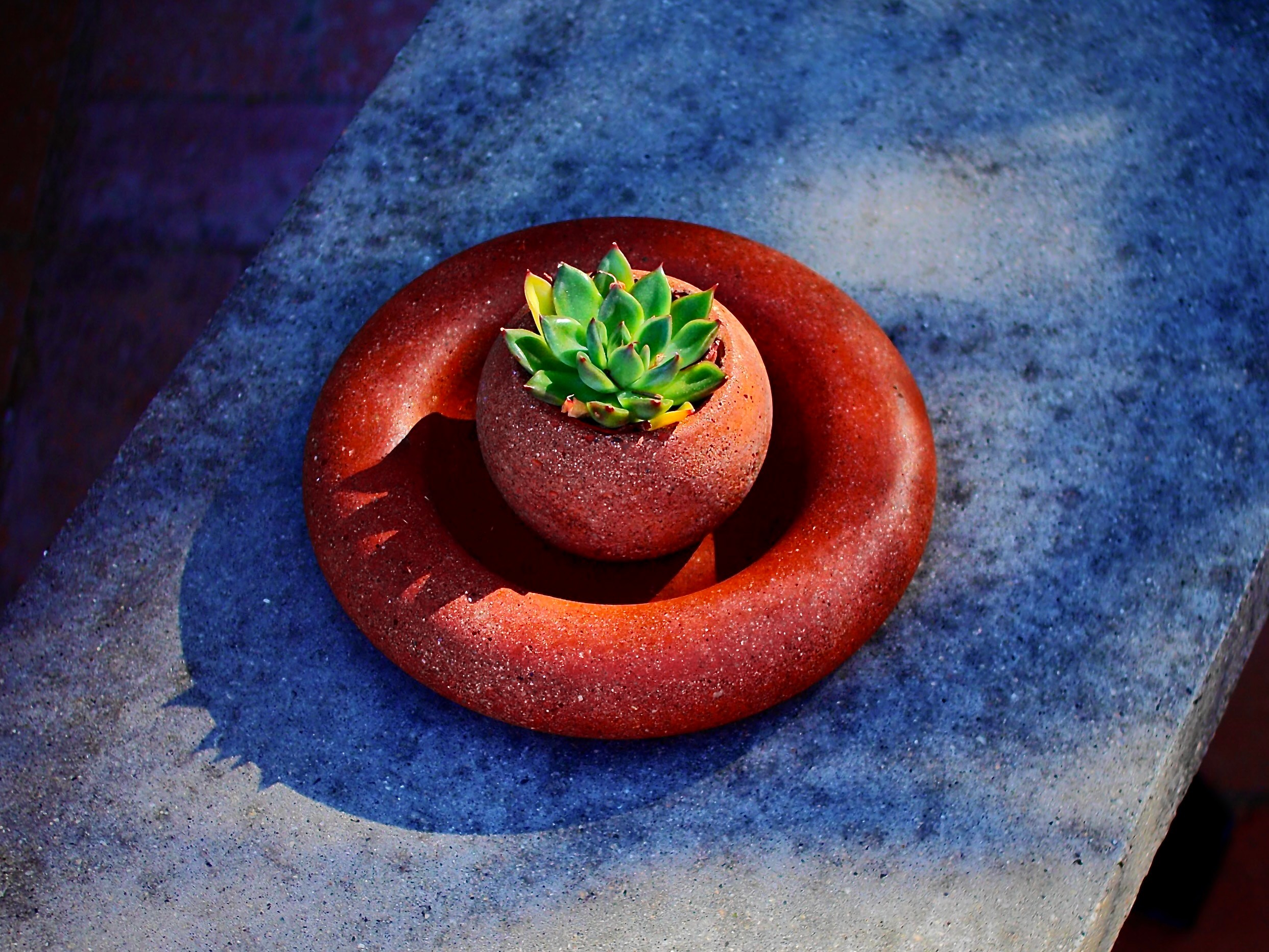
Image Credits
Zen Shack Studios
Nominate Someone: ShoutoutLA is built on recommendations and shoutouts from the community; it’s how we uncover hidden gems, so if you or someone you know deserves recognition please let us know here.