Meet Caity-Shea Violette | Playwright & Screenwriter


We had the good fortune of connecting with Caity-Shea Violette and we’ve shared our conversation below.
Hi Caity-Shea, what is the most important factor behind your success?
I think of resiliency as my superpower. I rarely get things on the first try, so I’ve had countless opportunities to strengthen my resilience like a muscle. After listening to Sarah Lewis’ TED talk about the “near win,” moments when you get close to your goal but ultimately lose, I decided to stubbornly, forcefully celebrate them in my life. It’s easy to celebrate my work when I win something, but when I’m a semifinalist for something I wanted or when a pitch doesn’t get selected for development– that’s when I need to be in my corner the most. This isn’t just to protect my feelings, though it obviously feels better than beating up on myself. External validation may feel great, but relying on it to motivate you through difficult times isn’t terribly strategic.
Let’s talk shop? Tell us more about your career, what can you share with our community?
I’m a playwright and screenwriter based in Los Angeles who writes stories at the intersections of disability, sexuality, capitalism, and intergenerational healing. Basically, I love diving into heavy topics with dark humor and still holding space for raw, painful moments to honor the humanity of everyone involved.
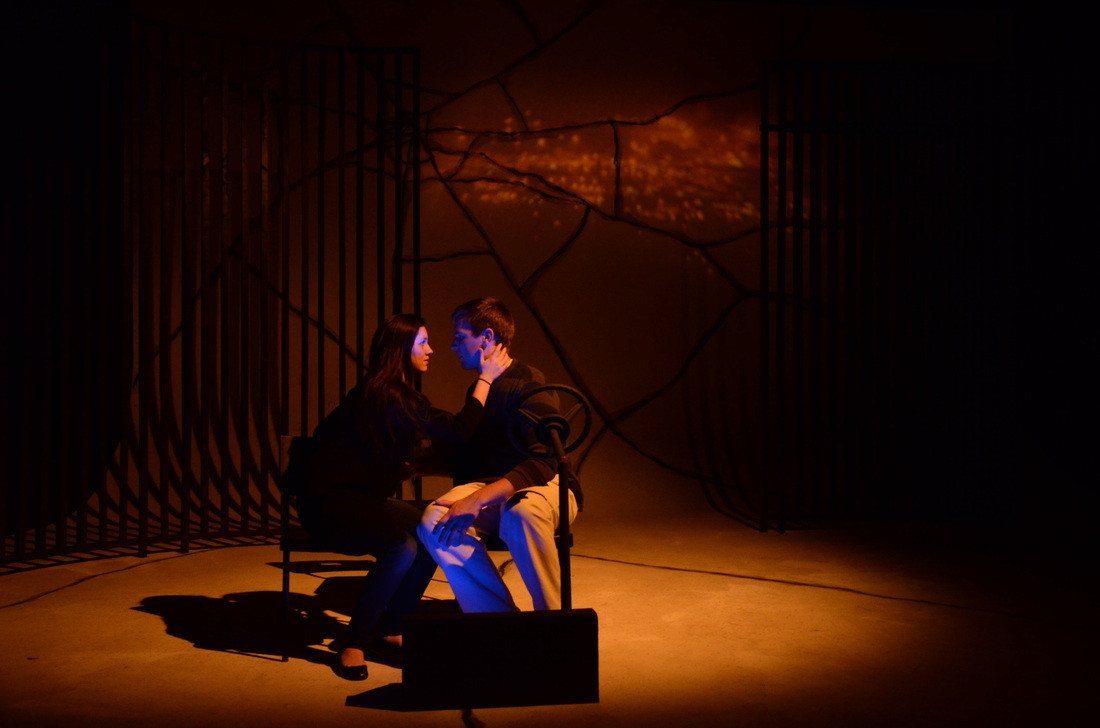
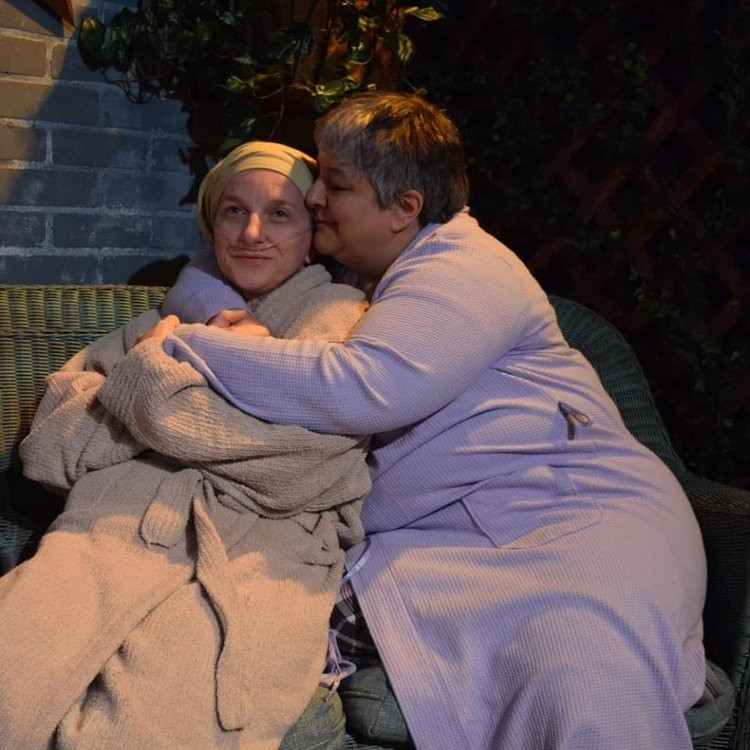
My favorite part of being a playwright is being in the rehearsal room. There are months or even years of work that happens largely in isolation while you’re working on a new play draft, but when you get in the room with a director and actors and the creative team, the play really comes alive. Plays are meant to be performed, not read on the page, so you learn so much about what you actually wrote when actors put it up on its feet. That said, I think my all-time favorite moments are when someone comes up to me after a show and tells me a story about how it relates to their life. Since I explore grief in a lot of my work, it’s so humbling and heartening to see people light up talking about loved ones they’ve lost. It’s such an extraordinary gift to share that sacred space with a total stranger and get a glimpse of a life-changing person I’d never otherwise be able to meet.
I’m a huge trauma-informed theater geek. Some people hear that and think that means being overly careful or politically correct– but I think it’s just the opposite. To me, creating trauma-informed theater means still fully diving into compelling conflict and action, but just using theatrical devices to show what trauma feels like, not just what it looks like. It’s vital to create theatre that offers insight into the human experience that we can’t get by simply observing real life. I think that discovering empathetic insight in a surprising way that feels a little off-kilter, can have a visceral effect that breaks through preconceived notions in a fresh and impactful way.
The biggest challenges of my career have surrounded my health and finances. In my early 20’s, I started experiencing chronic illness symptoms and after years of dead ends with countless doctors, I was finally diagnosed with a cluster of chronic health conditions. On top of that, being a playwright doesn’t pay a living wage in this country. Pretty much any living playwright you can think of either has family wealth, works in academia, writes for film/TV, or has an unrelated day job. Since I have invisible disabilities that prevent me from standing all day and I need good health insurance, that’s often meant working two full-time careers. I think it’s important to honor making a living as an emerging artist is really hard by design, not because of a personal failure. Hopefully, if we can break through we can eventually create change in a larger, more meaningful way for future generations.
One of the big lessons I’ve learned throughout my career is to use the sting of rejection as fuel. Rejection is both painful and absolutely inevitable, so how can I use the friction created by a rejection email as energy to propel me to the next application or revision? It’s important to let yourself feel painful setbacks, give yourself the pep talk you’d give to a close friend you believe in, and keep moving forward. I’ve also found that backcasting, where you focus on your end goal and then work backward to determine what steps will lead you to the next right step, is a solid way to make your own road map forward.
Another big learning came from a fellow playwright friend. She told me that being an emerging playwright is like waiting in line. It’s such a competitive field with so few opportunities, so there are tons of talented people working just as hard as you and who have been here for years before you, building relationships and polishing their work to be ready when opportunities present themselves. You’re only in line if you’re doing that work and putting yourself out there, but unless you have a fast pass from connections or money (no shade, just reality), it’ll take some time to get to the front. In the meantime, you can focus on getting ready for when your time comes and being the kind of person you’d want to be in line with since the people around you will get to the front of the line one day, too. And even if those people never help your career, being a kind person who is sincerely happy for others’ success is just a way less painful way to live.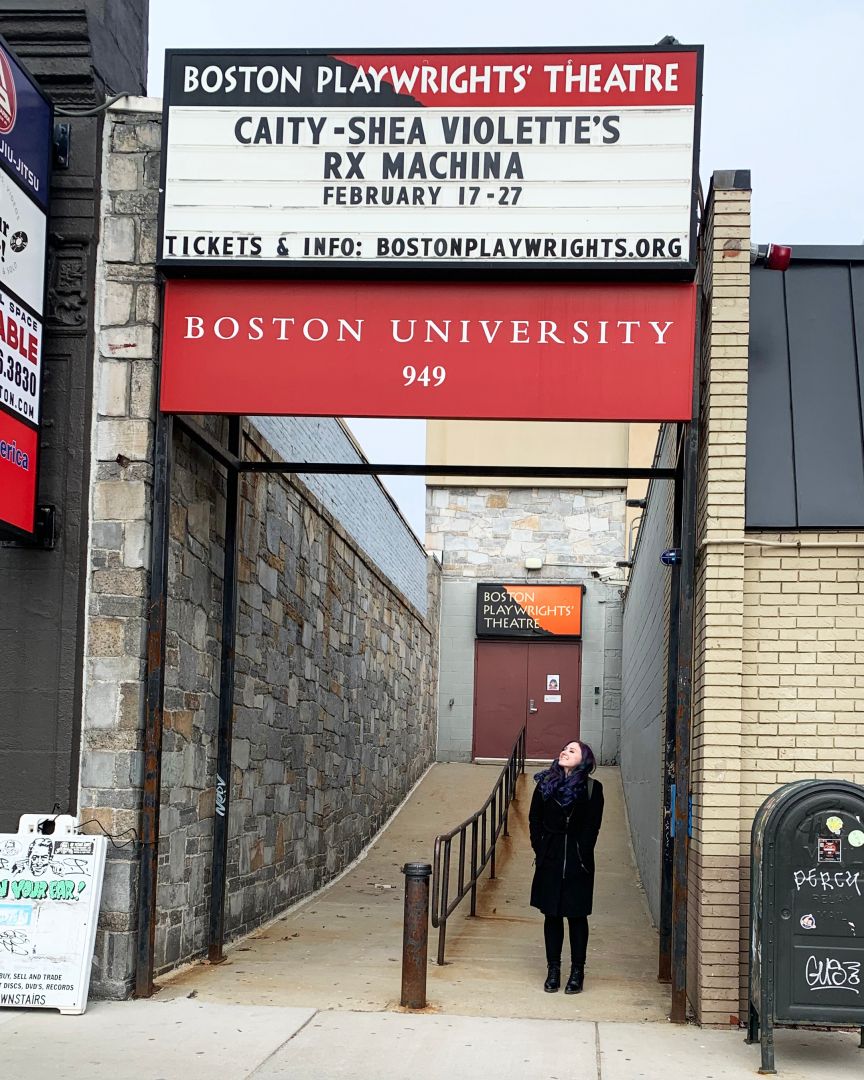
Any places to eat or things to do that you can share with our readers? If they have a friend visiting town, what are some spots they could take them to?
I’m a huge fan of Los Feliz. If I have a spare weekend, I love to grab brunch at someplace like Alcove or Figaro Bistrot and then wander up and down the cute shops on Vermont or Hillhurst. There’s an awesome hole-in-the-wall Italian restaurant called La Pergoletta that I always take friends and family to dinner at when they’re in town. There’s a great flea market on the weekends as well that’s an absolute treat.
Shoutout is all about shouting out others who you feel deserve additional recognition and exposure. Who would you like to shoutout?
My mentor Tom Isbell was the first person to invest in me as a playwright. I wouldn’t be where I am today without his support, guidance, and friendship. Also immense gratitude to Melinda Lopez, Kate Snodgrass, Gary Garrison, and Ronán Noone from my MFA Playwriting program at Boston University.
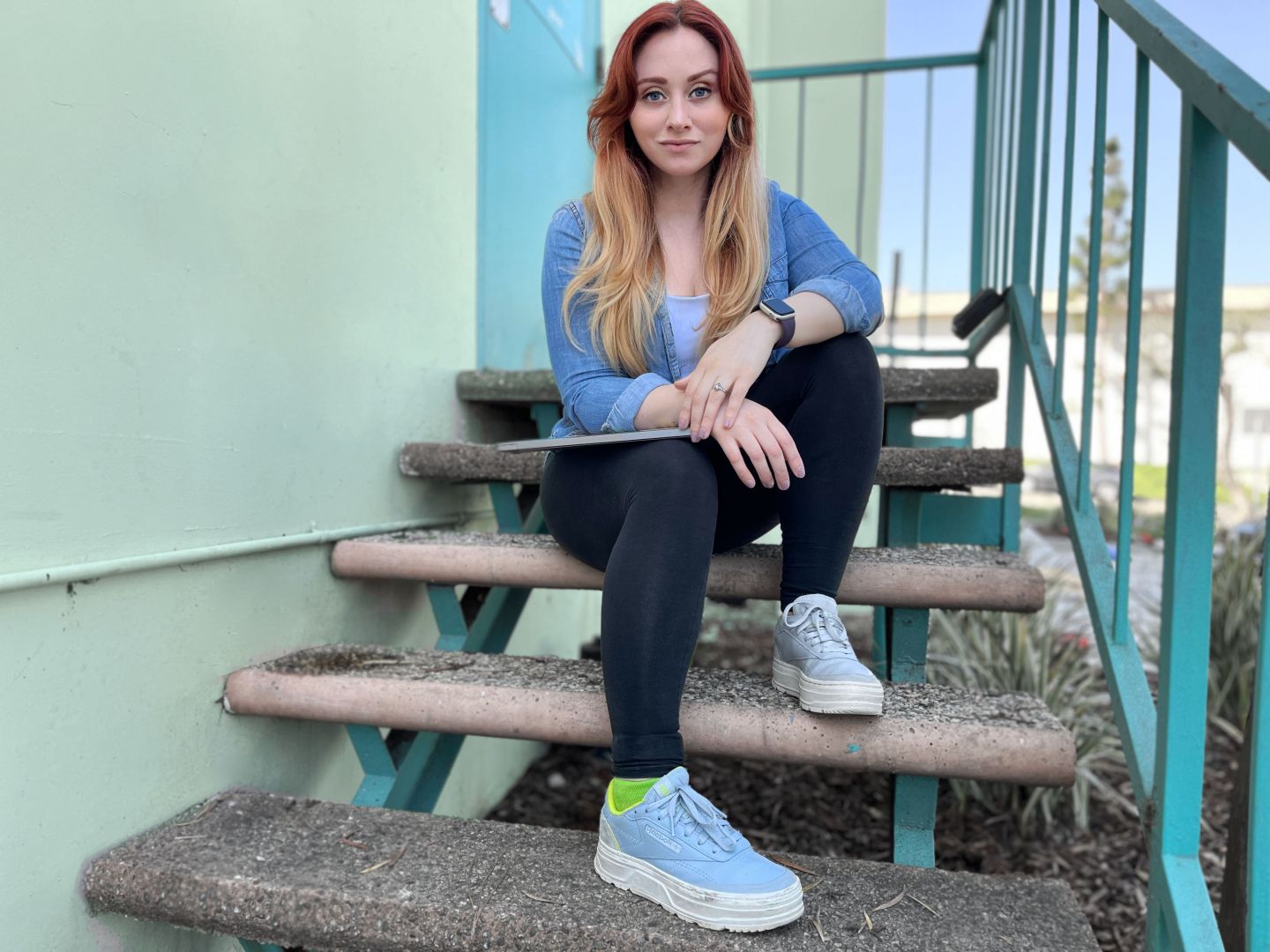
Website: www.caitysheaviolette.com
Instagram: @caitysheaviolette
Image Credits
Stratton McCrady