Meet Chinwendu Kelechi | Igbo Artist, Historian and Anthropologist, Writer, Teacher, and Textile Designer.
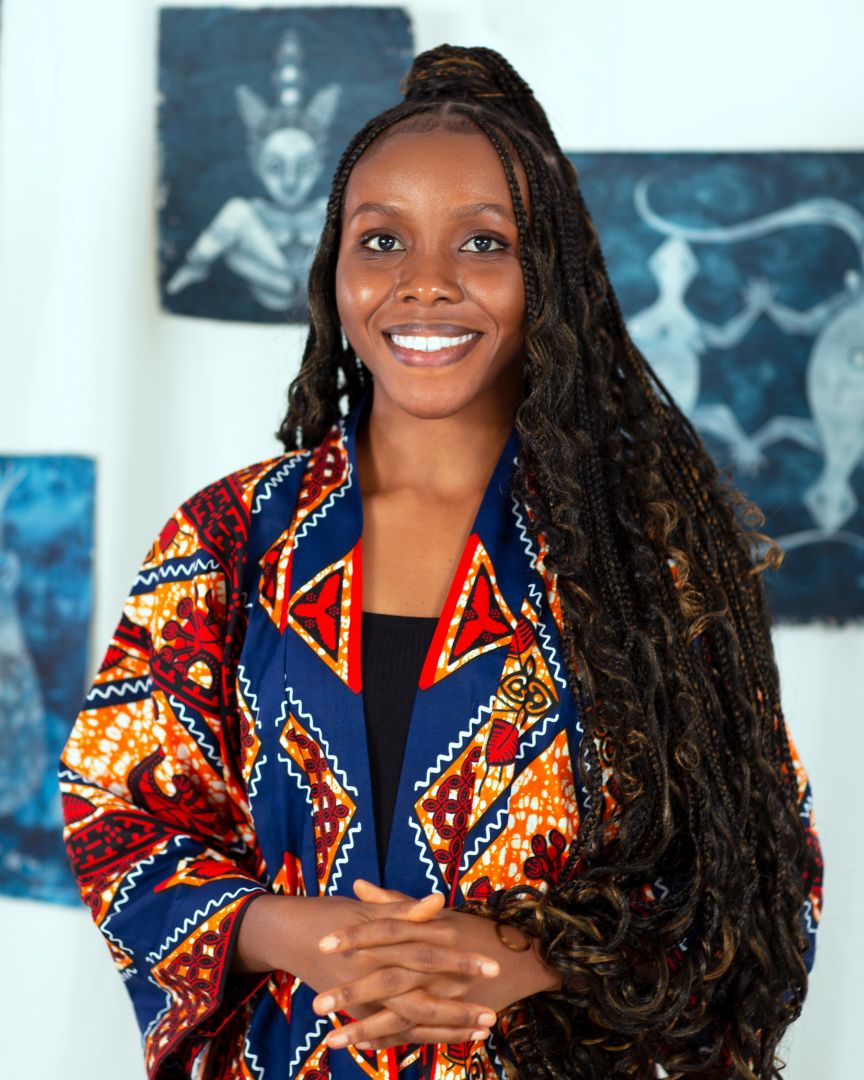


We had the good fortune of connecting with Chinwendu Kelechi and we’ve shared our conversation below.
Hi Chinwendu, what was your thought process behind starting your own business?
I set out to continue the cultural aesthetics of the Igbo people.
Through extensive research, I realized how much we are at loss for a continuation of our traditional art forms, where more focus was placed only on preservation, so I began to explore, practice, and effectively continue the cultural aesthetics of my people.
Drawing from my Igbo ancestry and roots, I visualize my interpretations of ancient spirituality, symbols, aesthetics, and cultural practices, so that my interpretations can become something that future generations can always look to, to communicate with the past.
This is the philosophy that guides my work.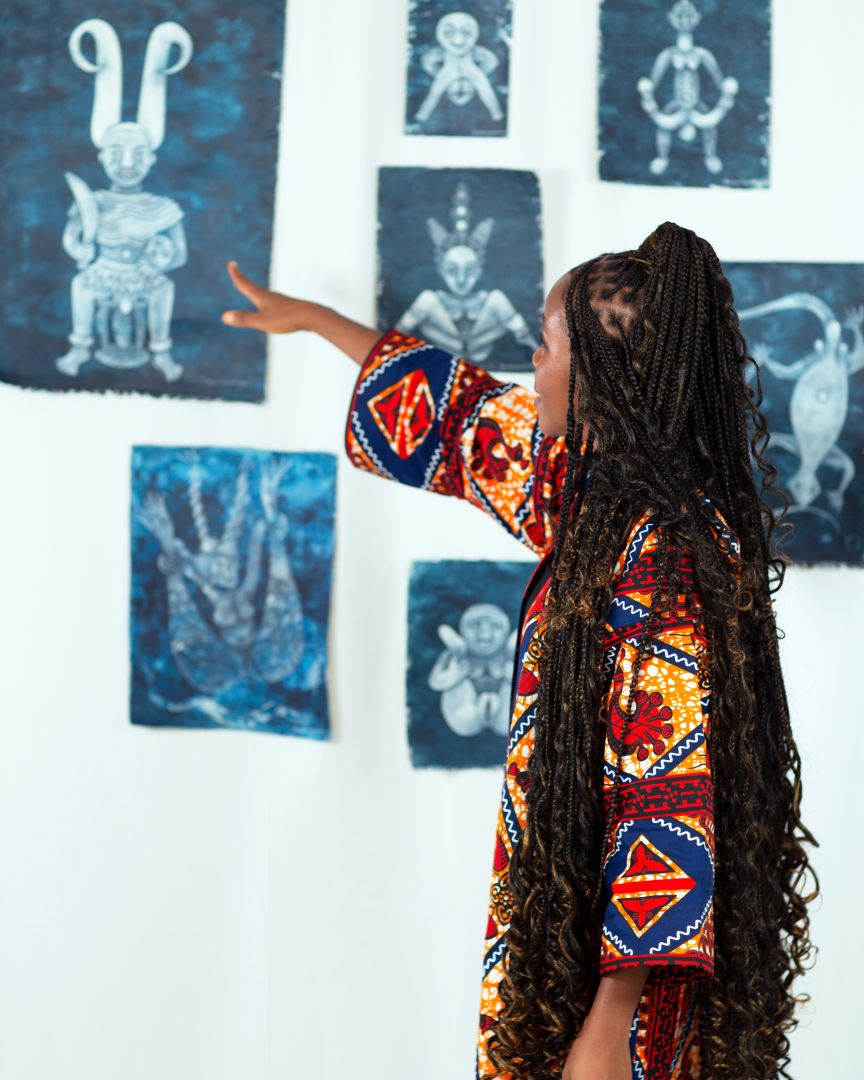
Let’s talk shop? Tell us more about your career, what can you share with our community?
My work is a continuation of Igbo cultural aesthetics.
I tell Igbo stories (at the very beginning I had a saying: “If we do not tell our own stories, strangers will tell it for us.” I do realize that strangers have been telling our stories for us, and may continue to do so, but I work hard that this is not our only reality, that we do also tell our own stories, and that we tell it with honesty and pride).
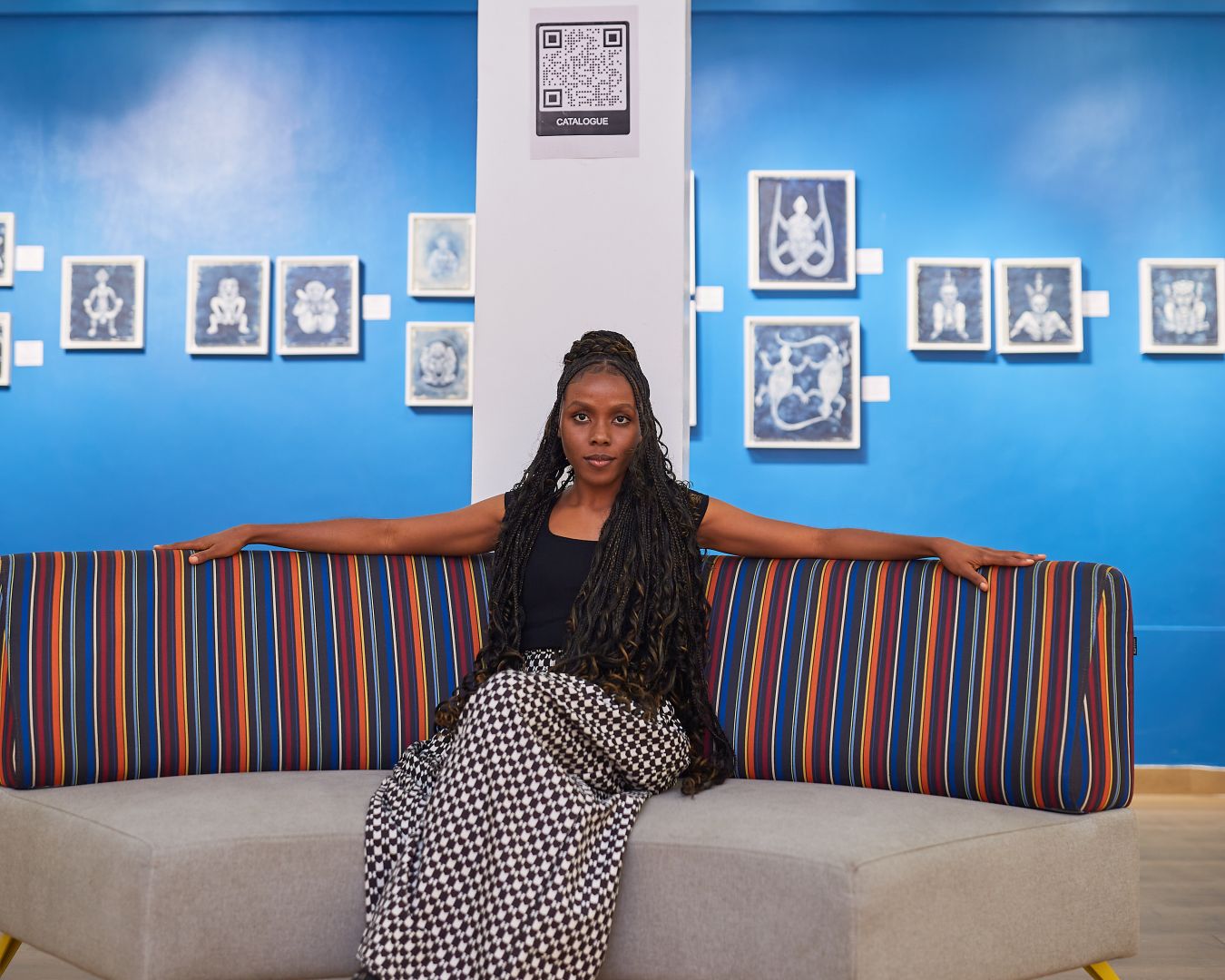
I am a researcher and storyteller, and art is how I document my life and work. Informed by patterns, symbols, geometry, rules of aesthetics and design, spirituality and folklore,- how these may have been expressed in traditional Igbo societies,- my work is strongly based on my study, documentation, and exploration of traditional Igbo life and thought. My work expresses how the Igbo applied themselves to several forms of storytelling, magic, poetry, record keeping, the codification of language, the cultivation of a specific aesthetics, and the creation of rhetorics;- all tools of communication.
I aim to shift away from the colonialist view of the oppression of indigenous cultures, and instead focus on the positive; what we can make out of what we have left. Therefore, my work is about how our mothers and fathers saw the rising and setting of the sun, not about what some crusader did with a Bible and a gun.
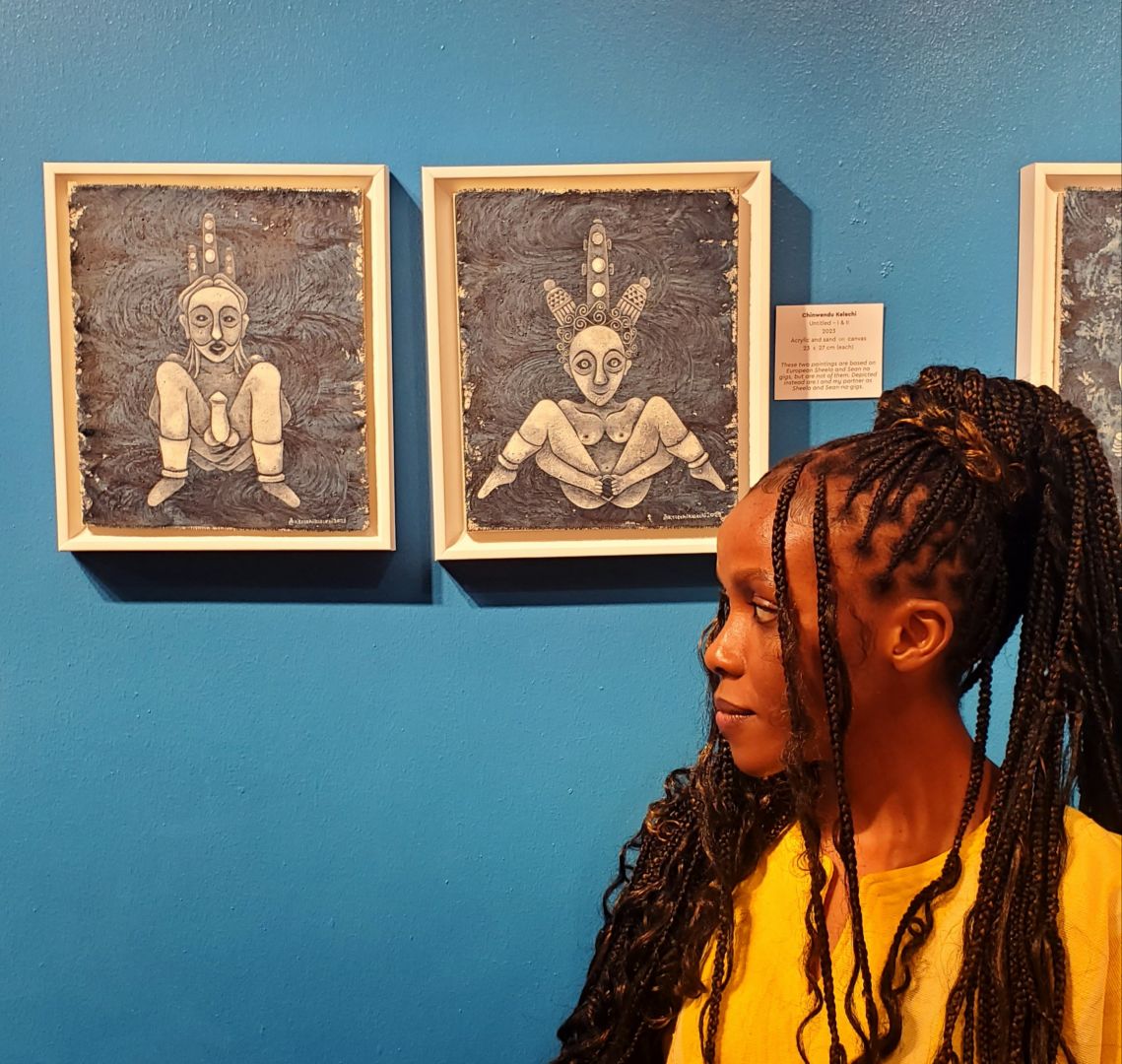
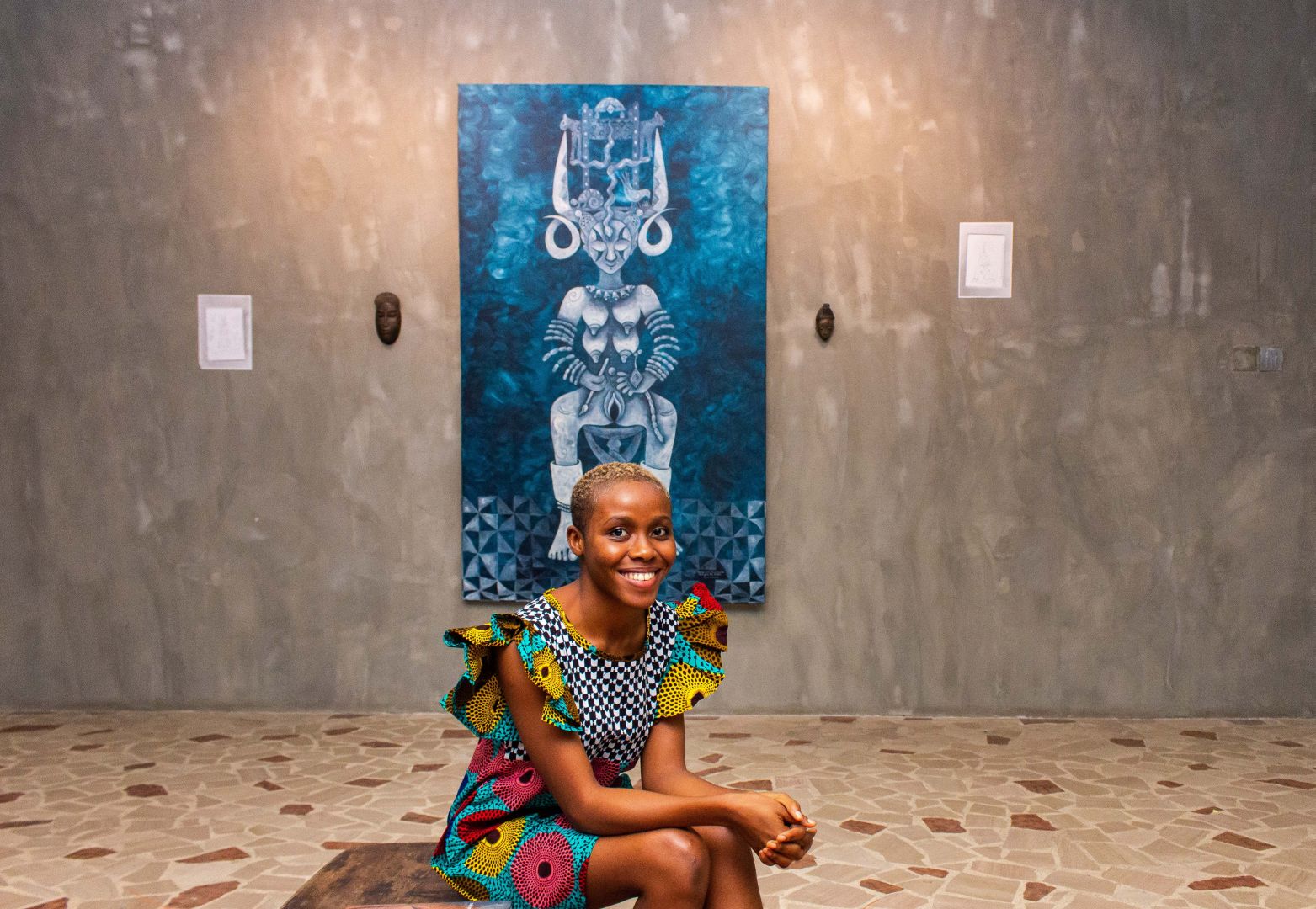
In my work, there is the depth of spirituality, spiritualism, and eroticism that exists within Igbo culture and aesthetics. Depicting instances that form connections between the way we used to think and create then and the way we do now,- in my paintings I show Igbo characters that are fluid in gender and erotic expression, naked and unashamed, which questions the rampant notion that traditional Igbo societies were severely patriarchal and prudish. My work allows one to see, to connect, and to understand the past in a way that is devoid of judgment.
I use my work as a voice for Igbo art, and as a continuation of traditional Igbo design-making and cultural aesthetics, and this I am most proud of.
Unfortunately the Igbo traditional artforms are a near-extinct phenomenon, but I work diligently to understand and continue them. Every stroke is deliberate, every dot tells a story: through my work, I document the proceeds of my research, and record and explore formulae on cultural practices, such as the Igbo Ikenga, which is a practice I continue in my “New Ikenga” project (begun in 2021), and in my Ukara Ohuru- a new phenomenon based on the Ukara, ritual cloth of the Ekpe society, which I created in 2018.
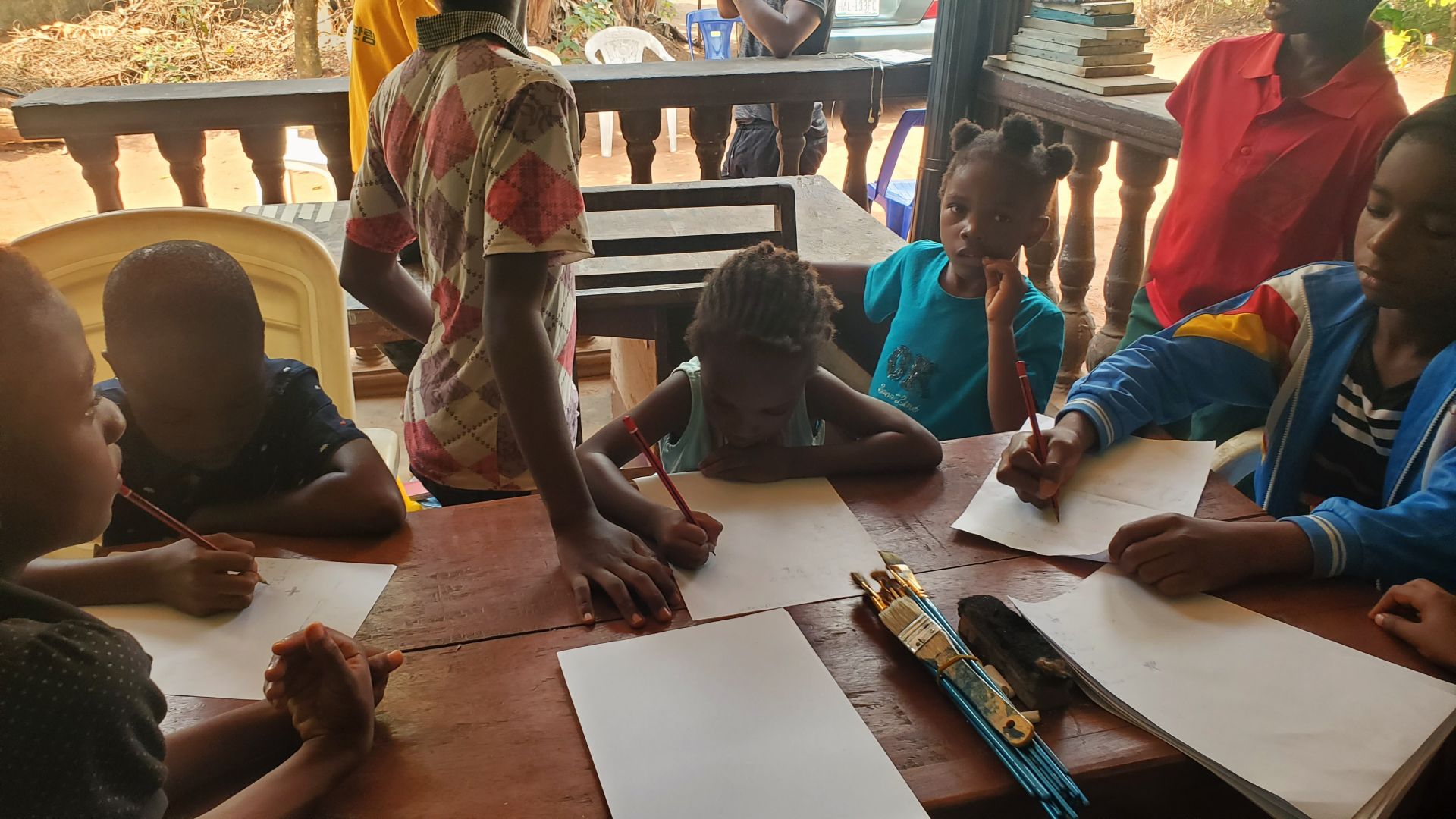
Through my “Learn African Writing with Kelechi Kelechi” program, started during my service year in 2019, I have taught over 37 students the Igbo Uri/Uli artform, 35 of these being children. Prior to this, no contemporary has tried to break Uri down into something that children can consume and practice. I believe that if we do not teach these things to the children, informally and or as part of our academic curriculum, we cannot get very far in our efforts to decolonize our art and writing systems. I continue to reach more people and teach more students this important ancient artform of the Igbo people. While teaching, I have as my aim to simplify and demystify Uri (and art generally), making it something that anyone can relate to, and I believe I achieve this aim everytime I teach. I also believe if you cannot explain what you are doing, to a 5 year old, maybe you don’t know it so well (and this is a vital lesson I have learned along the way).
A common sentiment among my people- the Igbo, and people who study history, or people who don’t study history but are aware of history to an extent, is that of loss. I too carried this sentiment with me for a long time especially during my schooling (I studied History and International Studies at the University of Nigeria, Nsukka, class of 2018) till I came to the realization that all is not lost, and that there is so much we can do with what we have left. This is what I want the world to know. This is a huge part of my art, philosophy, and practice: that I do what I can with what I have left.
Who else deserves some credit and recognition?
Daniel Blatchford, of Moth Eaten Art
Thank you, for knowing where I begin and where I end.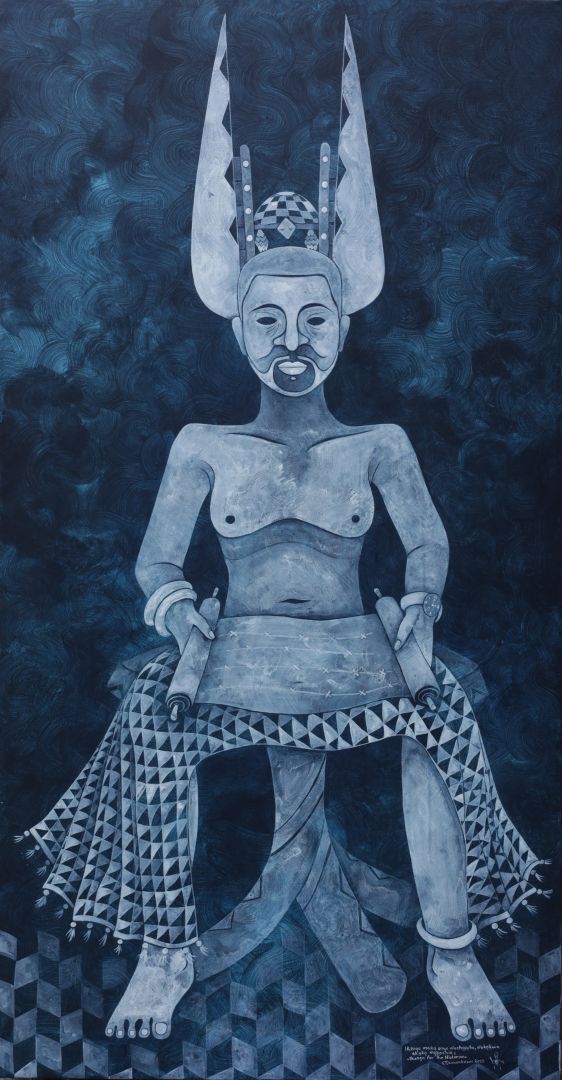
Website: thekelechikelechi.com
Instagram: @small_and_slightly_strange @chinwendu.kelechi
Linkedin: Chinwendu Kelechi
Twitter: @small_and_s_s
Facebook: Chi Omenka
Youtube: Igbo Art by Chinwendu Kelechi