Meet Fang Shu | Game Concept Artist
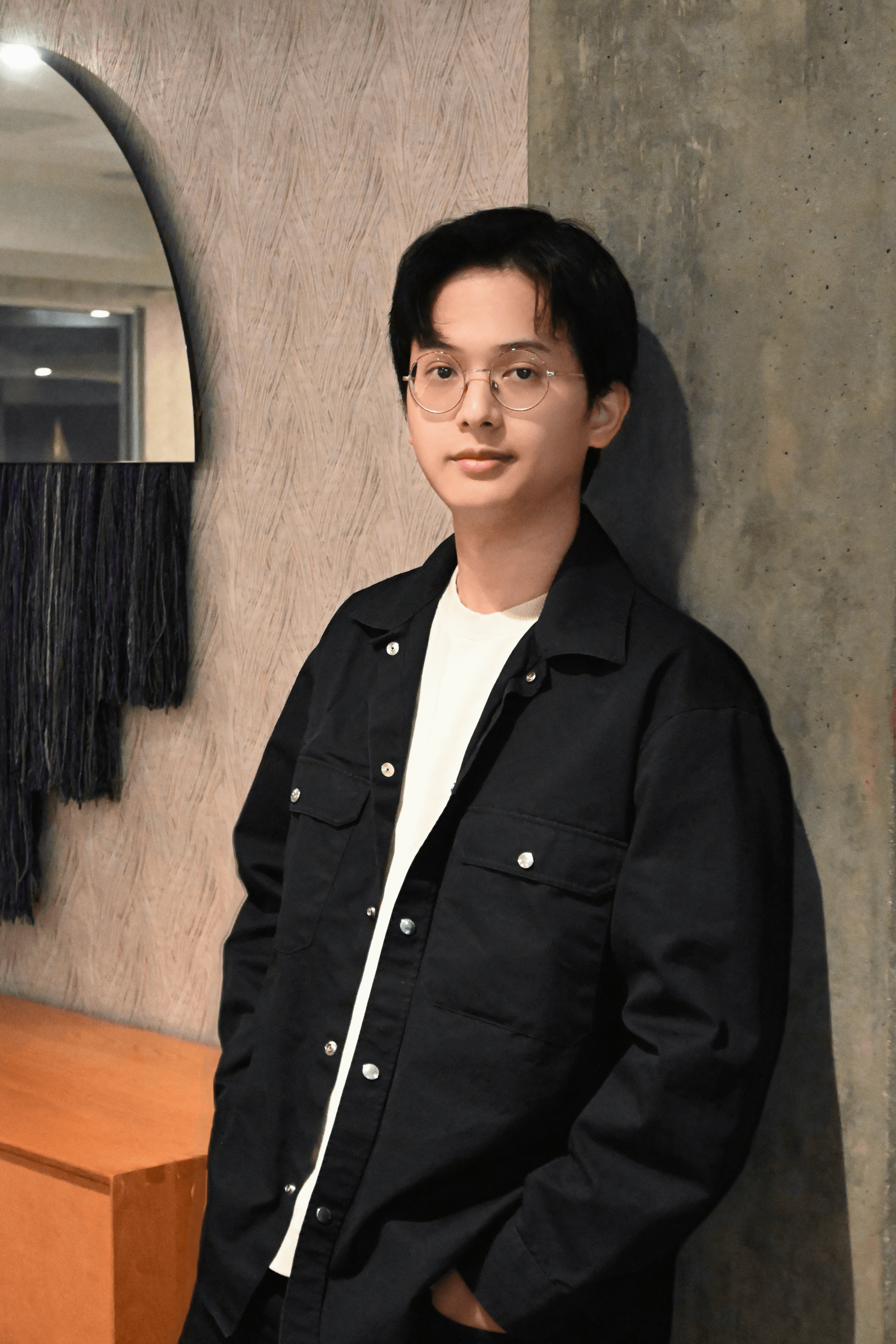


We had the good fortune of connecting with Fang Shu and we’ve shared our conversation below.
Hi Fang, why did you pursue a creative career?
Growing up, I was always drawn to creative work because it felt like a way to bring imagination into reality. I was interested in art, storytelling, films, games, and architecture, but what connected all of them for me was the ability to create experiences that could emotionally resonate with people.
I originally pursued architecture because it combined many of those interests into a single discipline. It allowed me to think about storytelling through space, atmosphere, and human experience. Over time, especially during my years at SCI-Arc, I became increasingly fascinated by real-time technologies like Unreal Engine and the possibilities of interactive storytelling.
What really pushed me toward a creative career was realizing that art and design can communicate ideas and emotions in ways that words sometimes cannot. Whether I’m designing environments, creating characters, or building worlds for games and films, I love the idea of crafting spaces that people can emotionally connect with and remember long after they experience them.
Today, my work sits somewhere between game design, cinematic storytelling, and world-building, and I think pursuing a creative path allowed me to combine all the things I genuinely love into one career.
Alright, so let’s move onto what keeps you busy professionally?
My work focuses heavily on narrative world-building through real-time 3D environments, games, and cinematic storytelling. I’m especially interested in creating spaces that feel emotionally alive, worlds that communicate history, atmosphere, and emotion even before a character speaks.
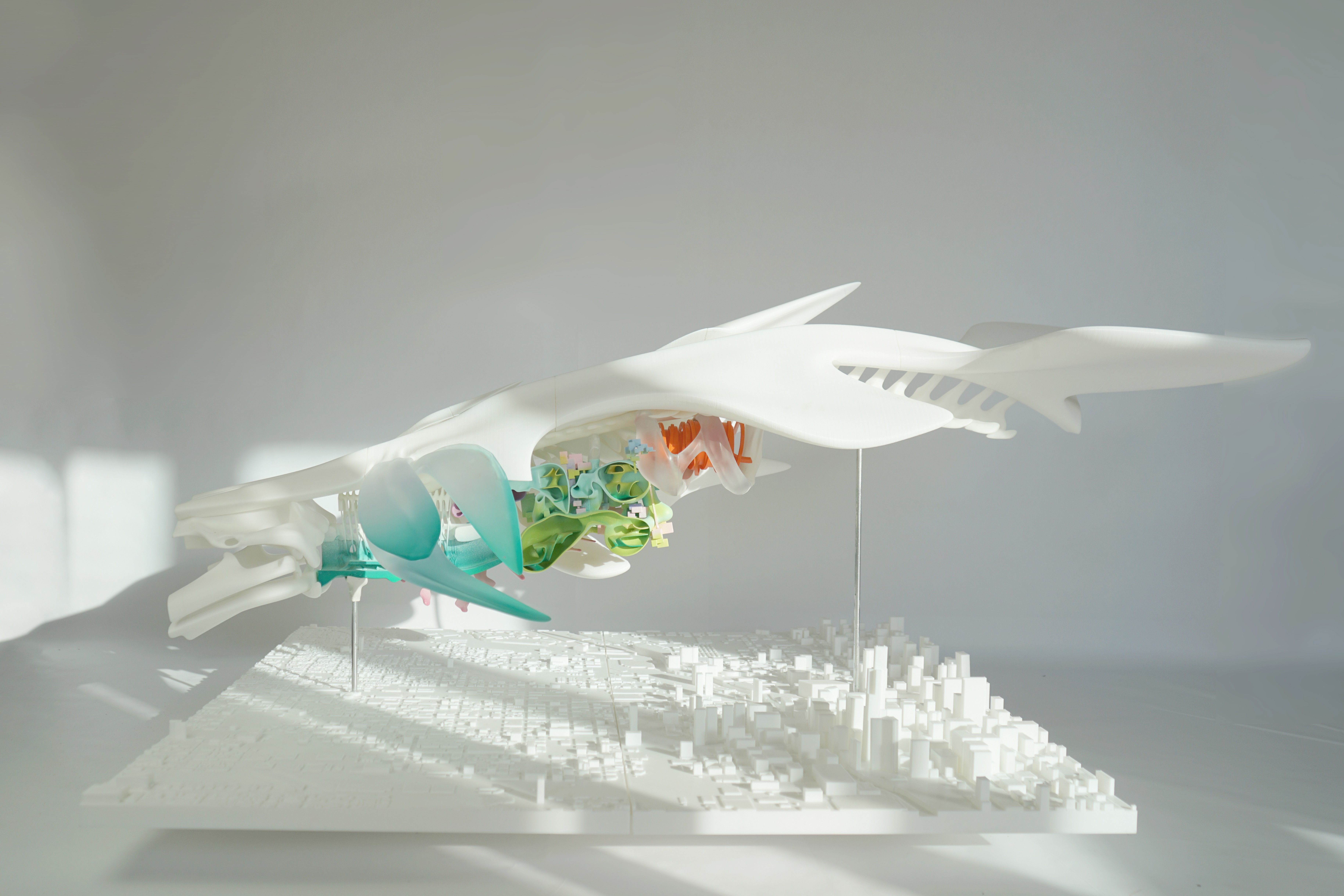
I think what sets me apart is my background in architecture combined with my work in games and animation. Architecture taught me how to think spatially and design environments with intention, while game design taught me how to think about interaction, pacing, emotion, and immersion. Because of that combination, I often approach projects holistically, from environmental storytelling and visual development to gameplay ideas, cinematics, shaders, and animation.
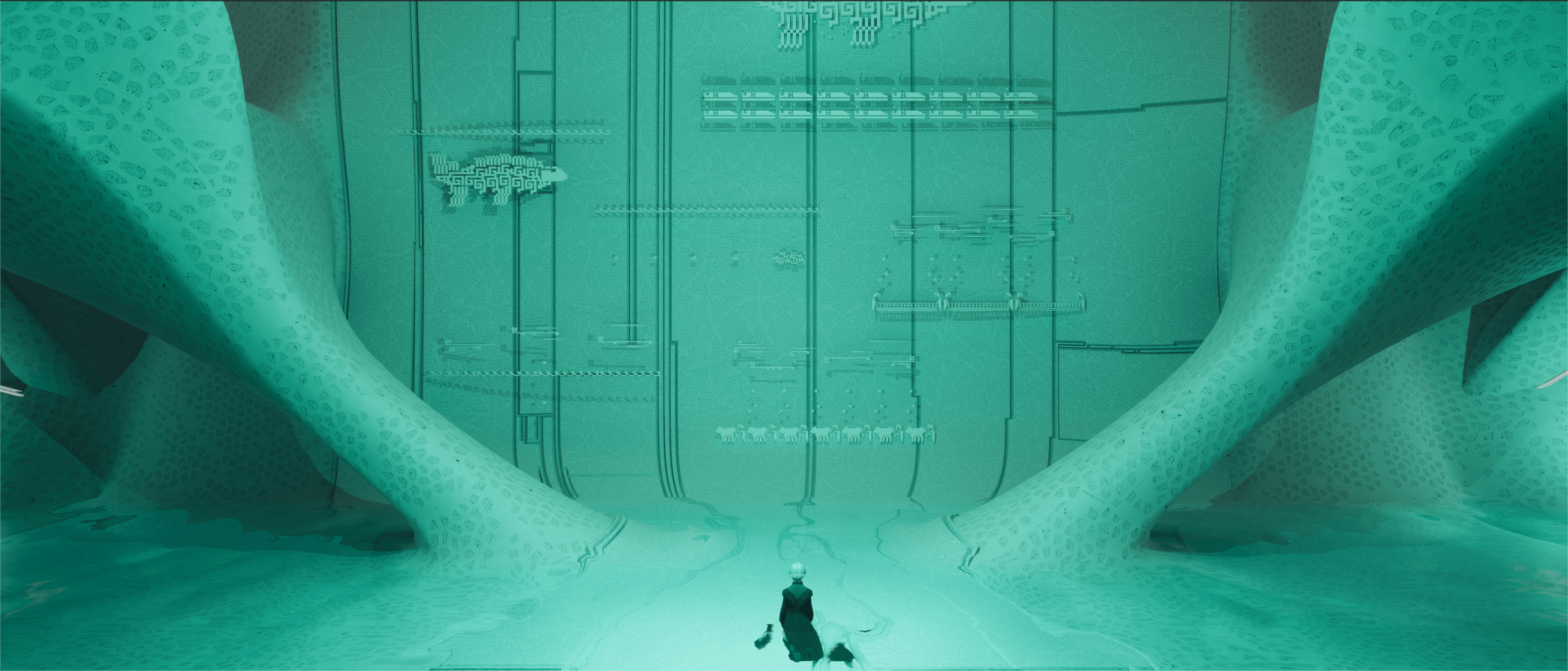
One project I’m especially proud of is my thesis project, Dream Menagerie, which received the 2024 Hsinming Fung + Craig Hodgetts Postgraduate Thesis Prize at SCI-Arc. The project explores a surreal world where human emotions manifest into monsters, and follows a young girl named Sophie and her spirit fox companion as they journey through a collapsing world in search of restoring balance. What began as a speculative world-building project gradually evolved into a narrative-driven puzzle platformer game that I continue to develop today.
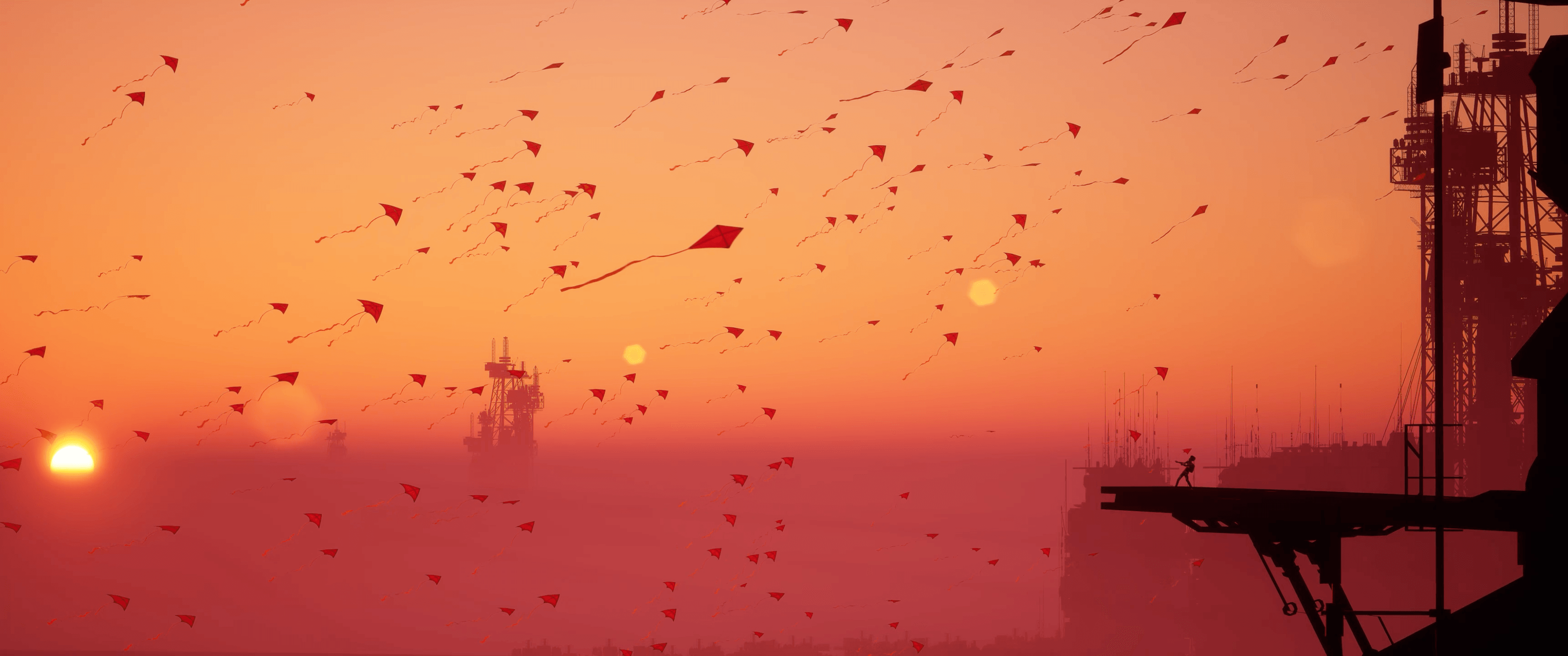
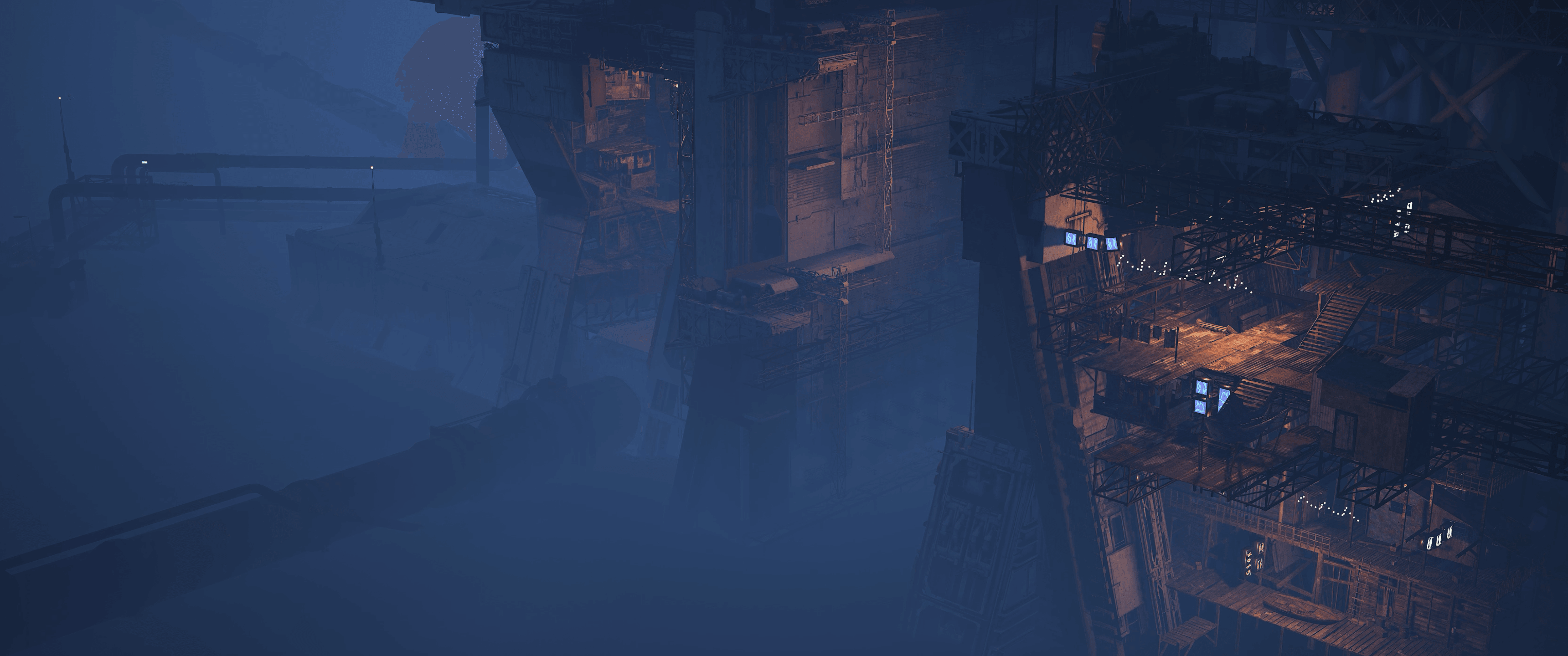
Another project that was especially meaningful to me was Bloom, a speculative animated short film developed during my time at SCI-Arc. The project imagined a future where ocean nomads live on massive oil rigs and use algae growth to help decarbonize the atmosphere. The film later received the 2023 Architizer Vision Award, and it really helped solidify my interest in using real-time tools and cinematic world-building as a storytelling medium.
The path definitely wasn’t easy. Transitioning from architecture into a hybrid creative field came with a lot of uncertainty. After being laid off during the COVID period, I had to seriously reevaluate what I wanted from my career and creative life. That period was difficult, but it also pushed me toward pursuing work that felt more personally meaningful and creatively fulfilling.
One of the biggest lessons I’ve learned is that creative careers rarely follow a straight line. A lot of growth comes from experimentation, failure, collaboration, and simply continuing to make work even when things feel uncertain. I’ve also learned the importance of staying multidisciplinary and adaptable, especially in an industry where technology evolves so quickly.
More than anything, I want people to know that my work is ultimately about creating emotional experiences. Whether through games, films, or interactive worlds, I want to build stories and environments that spark curiosity, wonder, and connection.
Let’s say your best friend was visiting the area and you wanted to show them the best time ever. Where would you take them? Give us a little itinerary – say it was a week long trip, where would you eat, drink, visit, hang out, etc.
Living in Los Angeles means there’s such a huge mix of cultures, creative communities, food, architecture, and entertainment, so I’d probably plan a week that balances all of those experiences together.
I would start with exploring neighborhoods like Little Tokyo, the Arts District, and Koreatown because they each have such distinct atmospheres and energy. I love places where you can feel different layers of culture, design, and history existing side by side. We’d definitely spend time visiting cafes, arcades, bookstores, and hidden restaurants throughout those areas.
For art and inspiration, I’d probably take them to The Broad, the Academy Museum, and some smaller local galleries around DTLA. I also think places like Griffith Observatory are almost mandatory for first-time visitors, especially during sunset when you can see the city stretching endlessly into the distance. I’d probably take them to The Last Bookstore in Downtown LA as well since it has such a unique atmosphere with its layered book tunnels, record sections, and old historic interior.
Food-wise, Los Angeles is incredible because you can experience cuisine from almost every culture within the same city. I’d probably take them to places like BCD Tofu House in Koreatown, late-night ramen spots in Little Tokyo, or tacos from Tacos La 26. To end the night, we’d probably head somewhere with rooftop views of Downtown LA or grab drinks at Death & Co Los Angeles in the Arts District. I really love atmospheric spaces like that—the lighting, interior design, and energy of Downtown at night all feel very uniquely Los Angeles to me.
I’d also want to show them some of the more cinematic sides of LA. Places like Santa Monica at night, old movie theaters, or driving through the city after midnight when everything feels strangely surreal and film-like. I’d definitely take them to the Bradbury Building in Downtown LA as well. The interior space is incredibly atmospheric, with its ironwork, natural light, and layered vertical spaces, and it’s been featured in many films, including Blade Runner. Coming from an architectural background, I really appreciate places like that where architecture itself becomes part of the storytelling.
Honestly, one of my favorite parts about Los Angeles is the creative energy. You constantly meet artists, filmmakers, musicians, designers, and developers all working on wildly different things. That mix of ambition, experimentation, and diversity is what makes the city exciting to me.
Shoutout is all about shouting out others who you feel deserve additional recognition and exposure. Who would you like to shoutout?
There are honestly so many people I’m grateful to throughout my journey. I would definitely want to give a shoutout to my professors, collaborators, friends, and of course, my parents who supported me during the transition from architecture into the world of games and real-time storytelling.
SCI-Arc played a huge role in shaping how I think creatively. It’s such an experimental environment that constantly encourages students to challenge boundaries and explore new forms of storytelling and technology. I was fortunate to learn from incredible instructors like Liam Young, Rachel McCall, Jennifer Chen, and many others who pushed me to think beyond traditional disciplinary limits.
I also want to give special recognition to my creative partner Joy Chen, who has been an important collaborator throughout the development of Dream Menagerie. Building narrative worlds and long-term creative projects can be incredibly challenging, and having someone who shares that vision and passion makes a huge difference.
I’m also deeply inspired by the broader game development and digital art communities online. So much of what I learned came from artists and developers openly sharing knowledge, workflows, and experiments. Creative work can sometimes feel very individual, but in reality it’s often built on the generosity and support of a much larger community.
Website: https://fangshu.co
Instagram: fangshu1215
Linkedin: https://www.linkedin.com/in/fangshu1215/