Meet Gong Chen
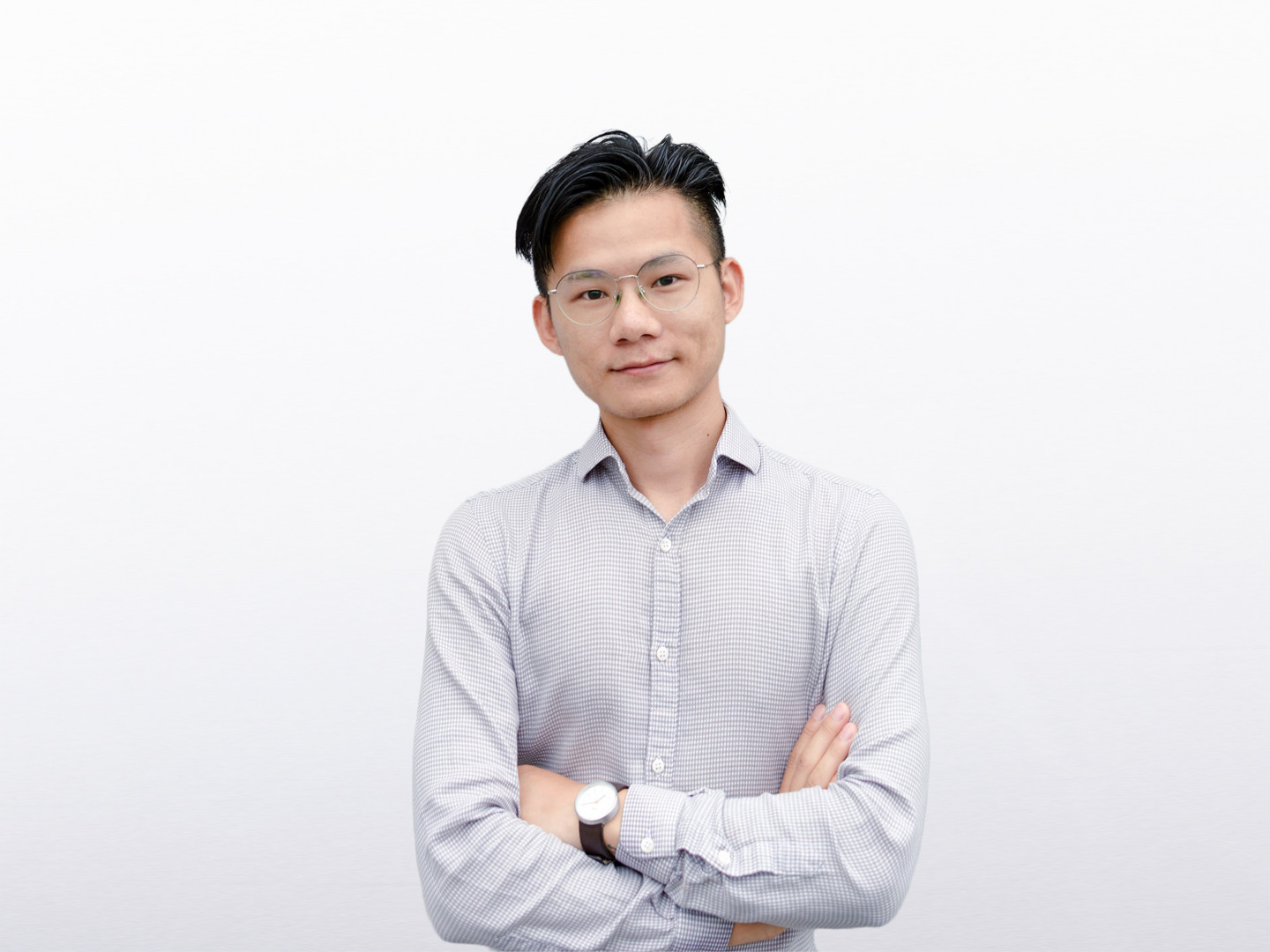


We had the good fortune of connecting with Gong Chen and we’ve shared our conversation below.
Hi Gong, is there something that you feel is most responsible for your success?
The most important factor behind my success has been the ability to integrate ambitious energy performance goals with the complex constraints of historic preservation—particularly in retrofit projects where these goals often seem at odds. As a licensed architect with deep expertise in high-performance design, including Passive House principles, I’ve spent years developing strategies that bridge this divide in practical, scalable ways.
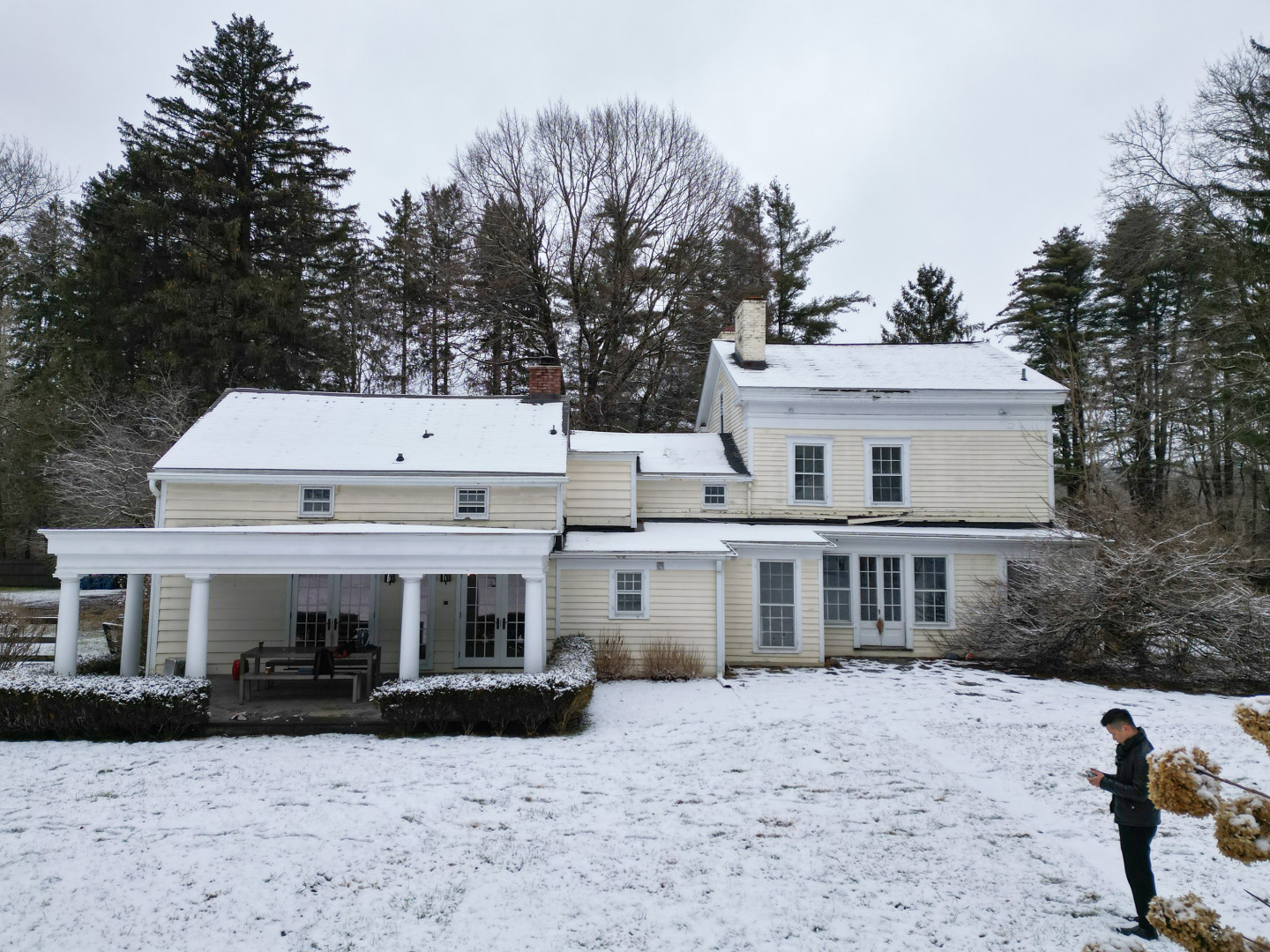
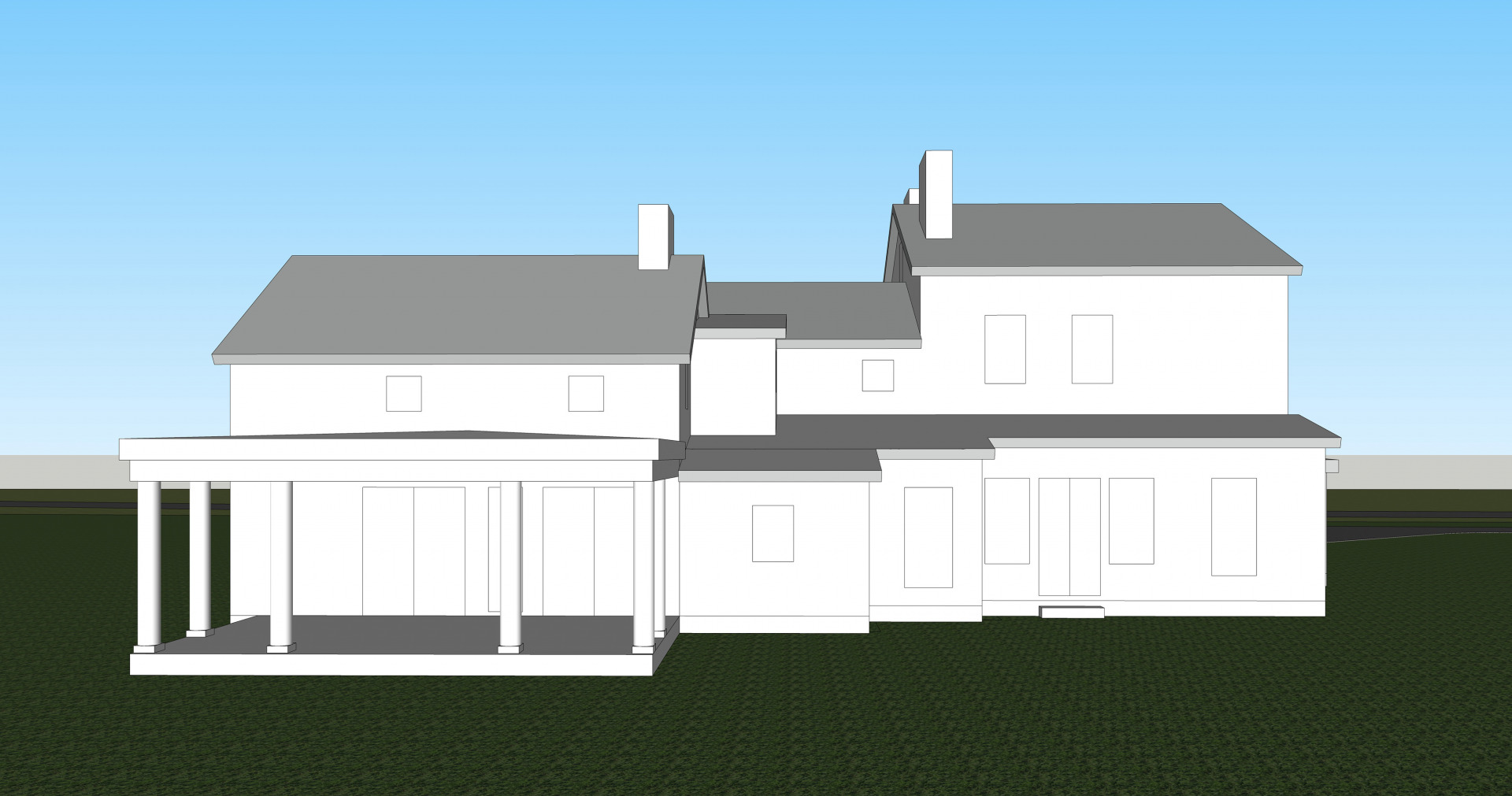
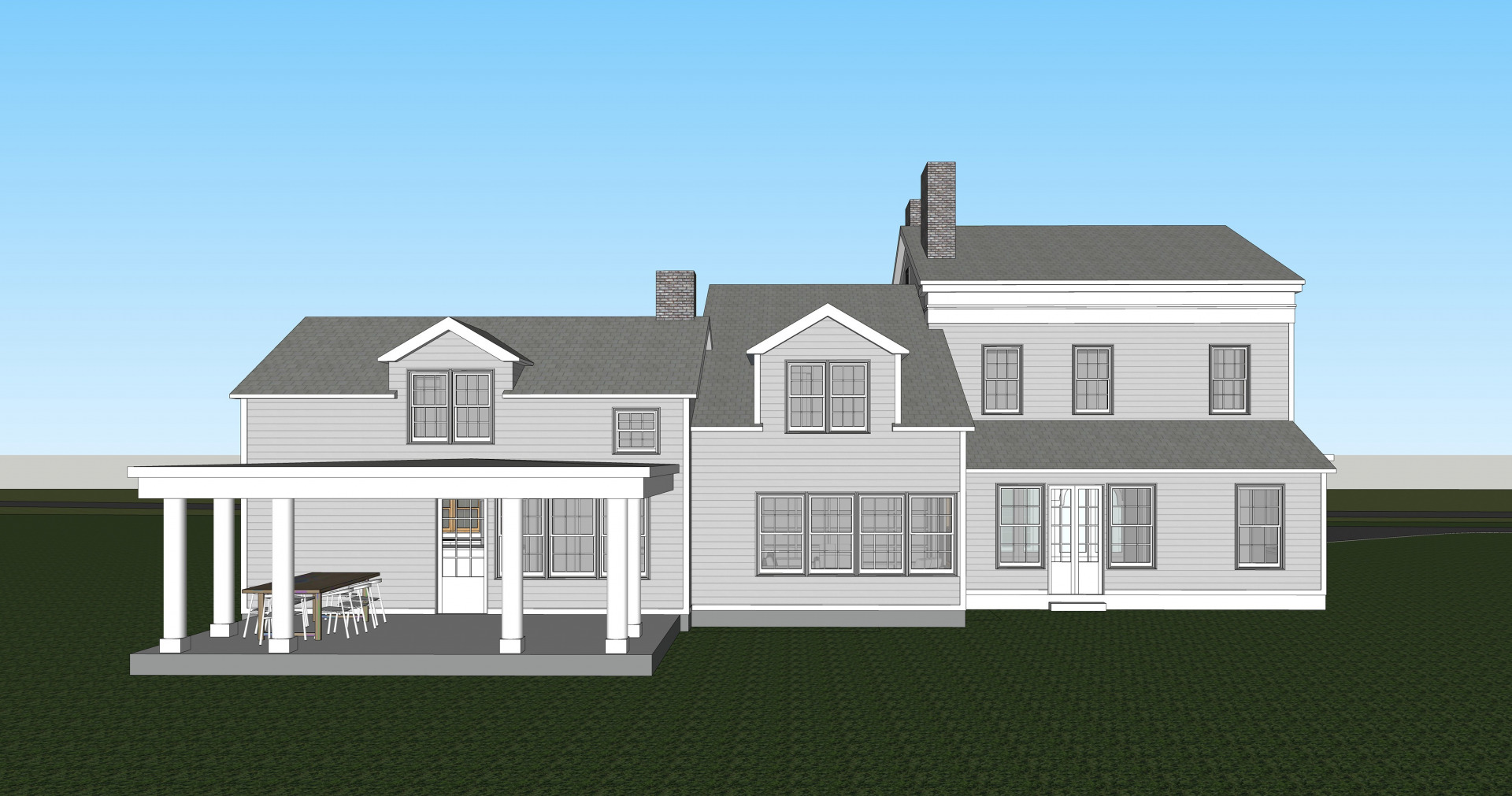
For example, I developed a preservation-integrated retrofit framework that has been applied to historic single-family homes, bringing them to Passive House–equivalent performance. One such project involved a 1920s residence where we preserved original brickwork, window proportions, and rooflines—while introducing high-efficiency insulation, airtight construction, and balanced ventilation. The result was a home that retained its architectural character but saw a 45% reduction in annual energy use and utility costs, a substantial improvement in indoor comfort, and potential savings of up to $500,000 compared to constructing a new home of the same size. This success came not from applying standard solutions, but from an integrated, preservation-sensitive approach that combined envelope upgrades, mechanical improvements, and performance modeling—specifically tailored to the constraints of historic fabric.
In a different context, I created a specialized retrofit strategy for landmarked pre-war apartments, which presents a different set of challenges—tight floor-to-ceiling heights, limited access to exterior walls, and strict interior landmark regulations. In one project, we reconfigured the layout to improve daylight access and circulation, while discreetly integrating ducted HVAC and ERV systems. These upgrades modernized the living space for a family of four, enhanced thermal comfort and indoor air quality, and achieved energy performance approximately 15% better than code requirements—all while preserving key architectural elements and complying with landmark restrictions. The success of this strategy has positioned it as a replicable model for co-op boards and preservation commissions working to update aging multifamily buildings without compromising historic integrity.
In both cases, my success has come from refusing to treat performance and preservation as trade-offs. Instead, I see them as design constraints to be worked with—not against. Through early-stage coordination, customized solutions, and a systems-thinking mindset, I’ve been able to create outcomes that are technically sound, culturally sensitive, and scalable.
Can you open up a bit about your work and career? We’re big fans and we’d love for our community to learn more about your work.
My career in architecture has been a journey of passion, perseverance, and a deep commitment to sustainable design, particularly in the realm of historic preservation. What sets me apart is my focus on retrofitting historic buildings—blending modern efficiency with the integrity of the past—a niche that requires both technical skill and creative problem-solving. I’m most proud of developing two original strategies that are now being applied in practice: a preservation-integrated retrofit framework for single-family historic homes, and a specialized interior retrofit strategy for landmarked pre-war apartments. Both were designed to meet Passive House–level performance targets while working within preservation and spatial constraints that are often considered incompatible with deep energy upgrades. These approaches have delivered measurable results—lower utility costs, improved indoor air quality, and healthier, more livable homes—while serving as replicable models for climate-responsive retrofits across aging U.S. housing stock. My path began with a Bachelor of Architecture from China University of Mining and Technology, followed by a Master of Science in Architecture from Pratt Institute, where I graduated with distinction. Mentored by Ted Porter, AIA, I gained early exposure to complex preservation projects that challenged me to think holistically. It wasn’t always easy—many projects were constrained by limited budgets, conflicting stakeholder interests, and strict preservation regulations. But through collaborative design, data-informed decision-making, and iterative problem-solving, I developed the methods that now define my professional contributions. The biggest lessons I’ve learned are that constraints can drive innovation. These experiences have shaped me into an architect who thrives on turning constraints into opportunities. I want the world to know that my story is about creating lasting impact—restoring historic spaces with sustainability at the core, and proving that thoughtful design can bridge the past and future. I’m committed to expand this mission by applying my expertise to today’s pressing challenges in housing and building renewal.
Let’s say your best friend was visiting the area and you wanted to show them the best time ever. Where would you take them? Give us a little itinerary – say it was a week long trip, where would you eat, drink, visit, hang out, etc.
Living in New York City as an architect, I’ve come to love its blend of historic charm and modern vibrancy—perfect for showing my best friend an unforgettable time. With a passion for sustainable design and cultural depth, I’ve curated a 5-day itinerary that mixes iconic landmarks, hidden gems, and delicious eats. As someone who thrives on the city’s energy and draws inspiration from its architecture, I’m excited to share my favorite spots, from historic neighborhoods to scenic escapes. Here’s the plan, complete with personal touches to make it special!
Day 1: Downtown Manhattan
Morning: Bagel at Ess-a-Bagel (831 3rd Ave)—pure NYC vibes! My go-to for a quick start.
Afternoon: 9/11 Memorial & Oculus, then lunch at Wah Fung No. 1 (79 Chrystie St). History and homey food inspire me.
Evening: Drinks at Ophelia Lounge (3 Mitchell Pl). Stunning views I adore.
Day 2: Brooklyn
Morning: Brooklyn Bridge walk & DUMBO photos. A scenic must for me!
Afternoon: Lunch at Smorgasburg (90 Kent Ave, Saturdays), then Artists & Fleas (70 N 7th St). Food and art fuel my creativity.
Evening: Sunset at Brooklyn Heights, pizza at Juliana’s (19 Old Fulton St). Pure magic for me!
Day 3: Midtown
Morning: Croissant at Balthazar (80 Spring St), then The Met (1000 5th Ave). Design inspiration at its best!
Afternoon: Lunch at Felice (1103 3rd Ave), stroll Central Park. A sustainable gem and my escape.
Evening: Sunset at the Edge (30 Hudson Yards). Thrilling as an architect!
Day 4: Greenwich Village
Morning: Bagel at Zabar’s (2245 Broadway), Greenwich Village tour. My historic playground!
Afternoon: Tacos at Chelsea Market (75 9th Ave), High Line walk. Flavors and design inspiration!
Evening: Comedy at Comedy Cellar (117 MacDougal St). A fun night I love!
Day 5: Harlem
Morning: Sandwich at The Grey Dog (242 W 72nd St), Harlem gospel tour. Soulful history moves me.
Afternoon: Lunch at Sylvia’s (328 Malcolm X Blvd), Natural History Museum (200 Central Park West). Favorite food and creativity boost!
Evening: Dinner at Ellen’s Stardust Diner (1650 Broadway). A nostalgic goodbye I cherish!
The Shoutout series is all about recognizing that our success and where we are in life is at least somewhat thanks to the efforts, support, mentorship, love and encouragement of others. So is there someone that you want to dedicate your shoutout to?
Thank you for asking about my shoutout—it’s a great opportunity to acknowledge those who’ve shaped my journey. I’d like to dedicate this to my mentor, Ted Porter, AIA, whose guidance at Ted Porter Architecture helped me cultivate a deep expertise in reconciling preservation and sustainability—an area often seen as conflicting, but where I’ve developed performance-driven, preservation-sensitive design strategies.I’m also grateful to the consulting engineers and contractor teams I’ve worked with—whose technical insight and collaborative spirit were critical in developing solutions that met both performance and preservation goals. And of course, I owe thanks to the homeowners who entrusted me with their historic homes—allowing me to pilot and refine high-impact retrofit strategies that improve the energy efficiency, health, and long-term resilience of aging buildings—approaches that are increasingly relevant to the U.S. decarbonization and housing goals.
Lastly, I want to recognize the Landmarks Preservation Commissions and Historic Preservation Review Boards I’ve worked with. Their rigorous standards didn’t just impose limits—they created the conditions that led to innovation. Many of my core contributions—like preservation-integrated retrofits and specialized strategies for landmarked apartments—emerged from these constraints, demonstrating that deep energy upgrades can be achieved even under the strictest preservation guidelines.
Website: https://www.tedporterarchitecture.com/people/gong-chen
Linkedin: https://www.linkedin.com/in/chancz/
Image Credits
Ted Porter Architecture, PLLC