Meet Grace Simbulan | Filmmaker


We had the good fortune of connecting with Grace Simbulan and we’ve shared our conversation below.
Hi Grace, we’d love to hear about how you approach risk and risk-taking.
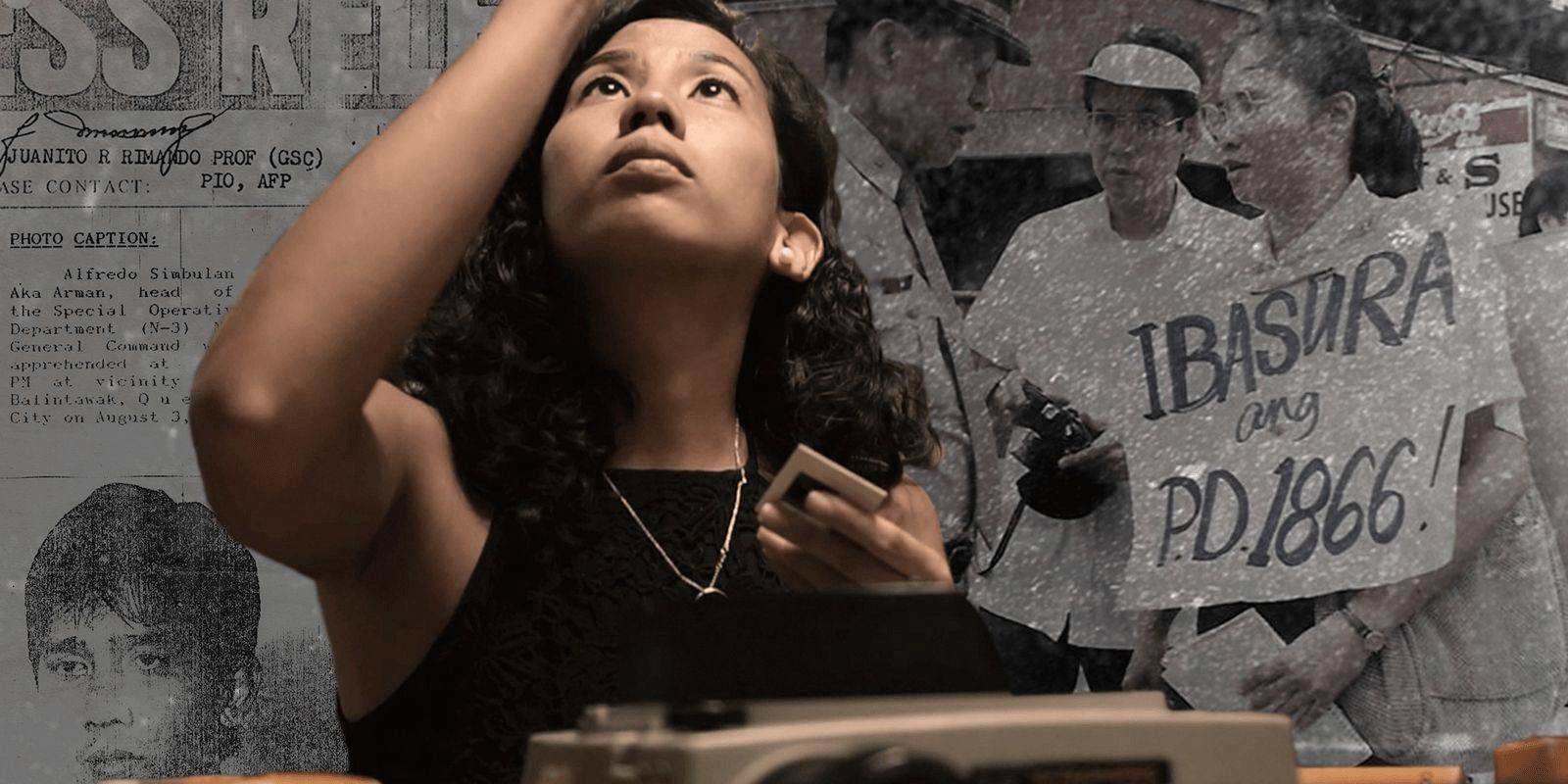
I’ve always believed in taking risks since I was young. I saw how my parents risked and dedicated their lives by protesting against the dictatorial regime in the Philippines during the 70s and 80s, and this has shaped and informed how I approach life and my career. I remember my mom always telling me, “If it’s not life-threatening, then you’re good.” This was a good reminder to remain calm and proceed when moments of doubt and insecurity crippled me.
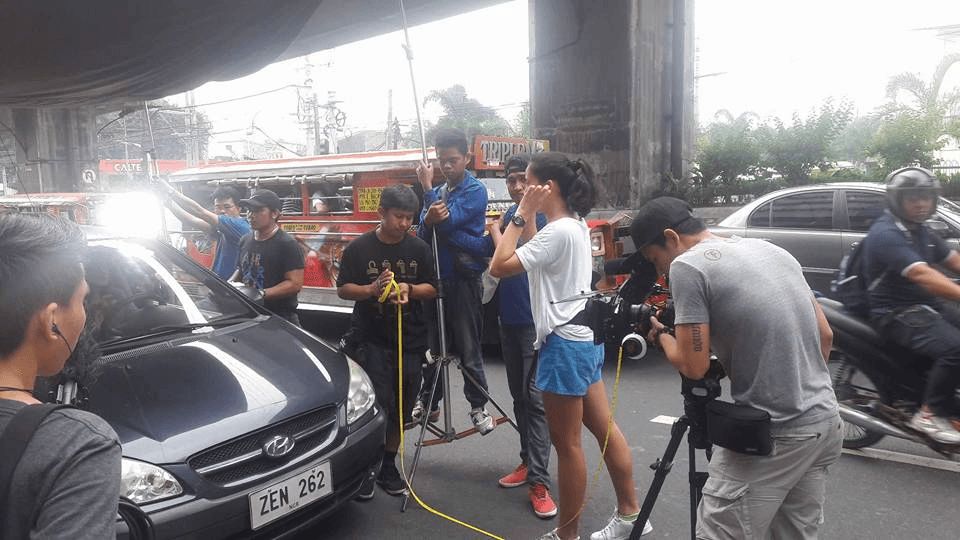
One of my earliest significant risks was choosing to pursue film in undergrad, a field often not seen as a traditional career path and difficult to break into. Working in the film industry in the Philippines for more than a decade has allowed me to see both the good and the bad of the industry, and what I would and would not reproduce in my future works.
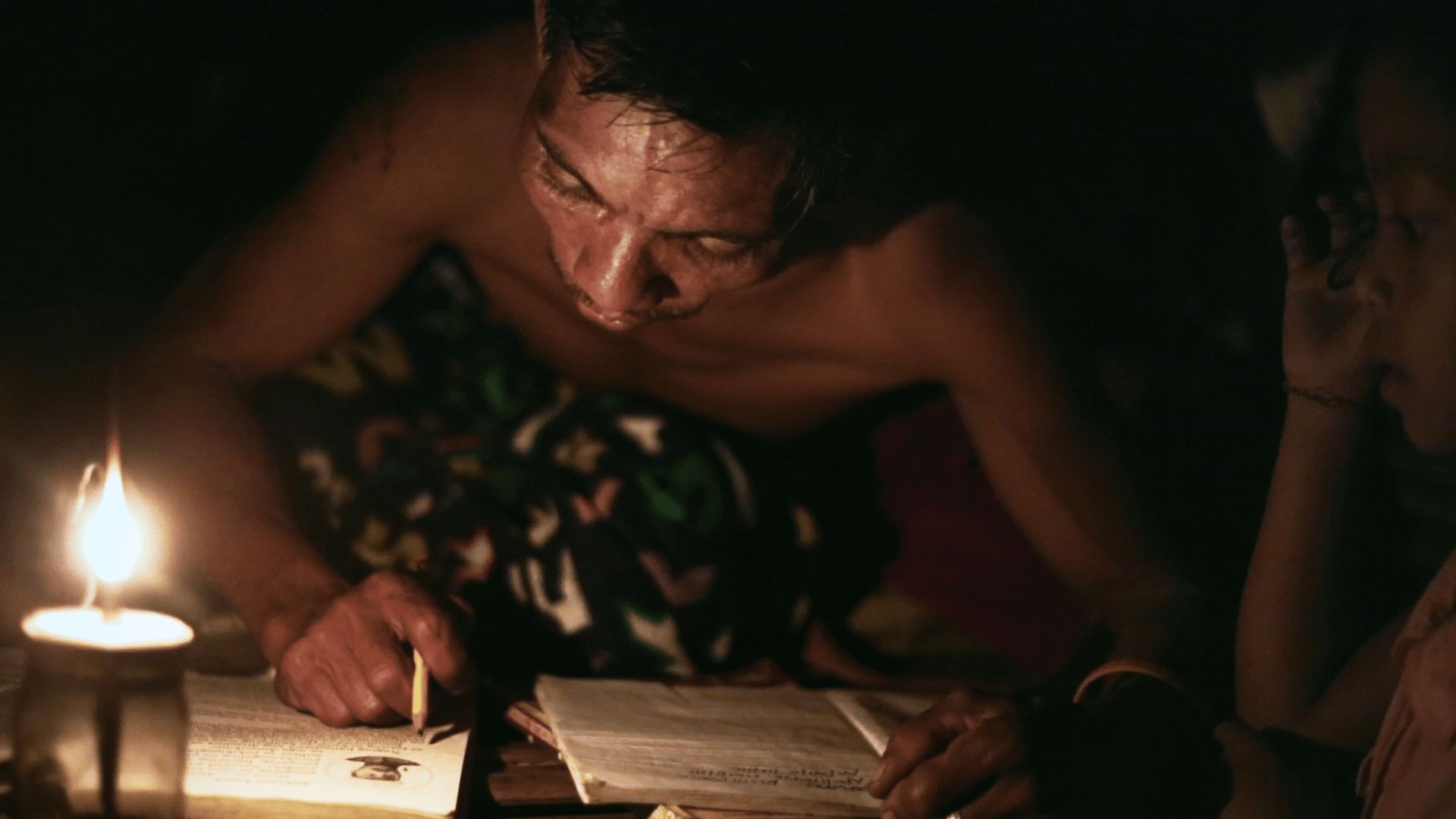
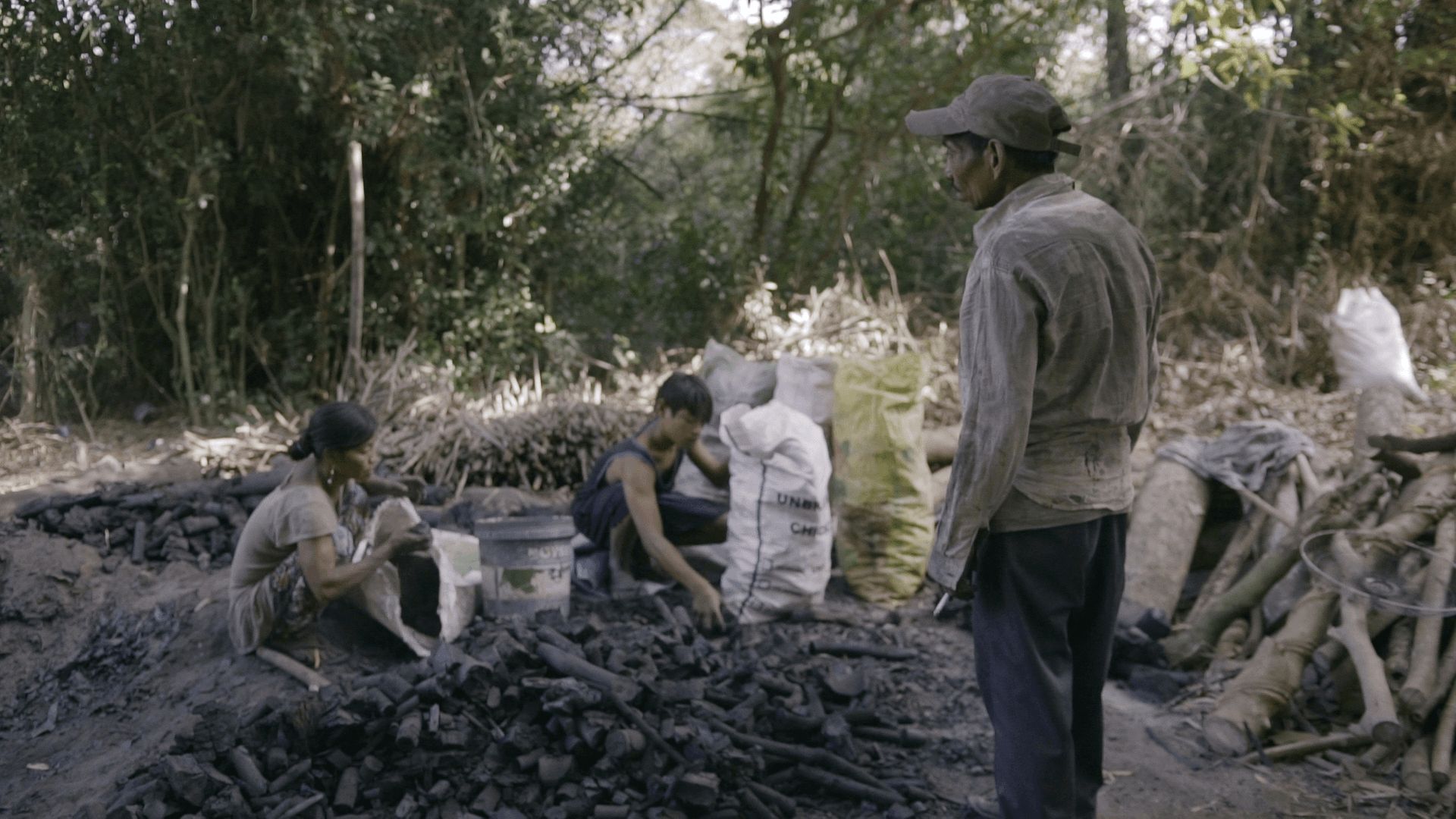
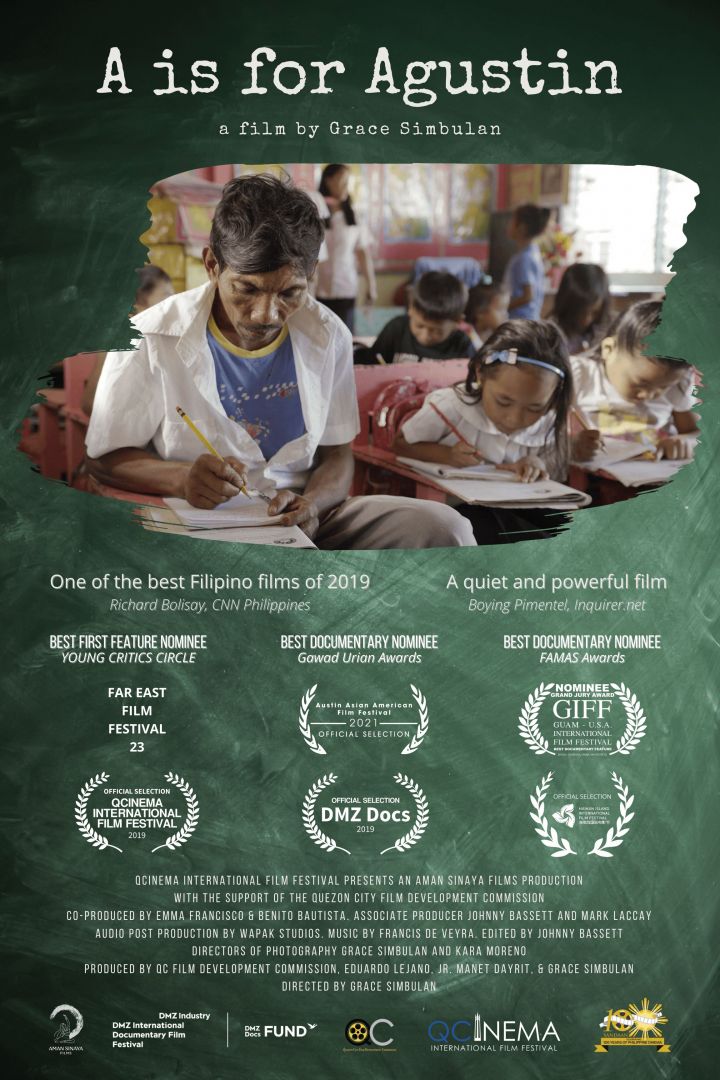
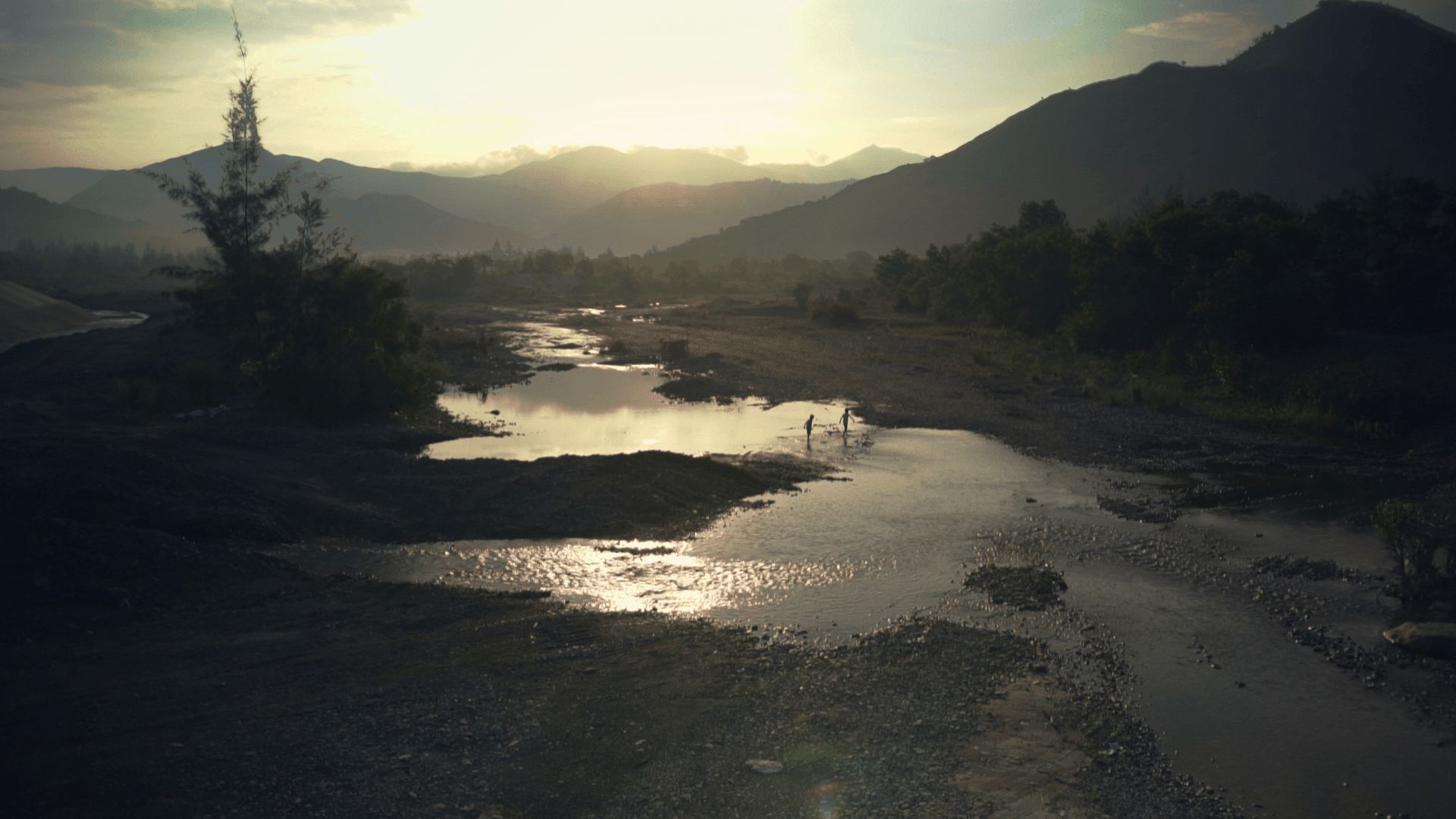
Another significant risk I undertook was the eight-year journey to create my first feature-length documentary, A is for Agustin. This film followed the educational journey of Agustin, an Indigenous man who enrolled in first grade at the age of 40 and continued until he graduated from elementary school. Throughout this project, I faced skepticism over my choices and the film’s timeline. What sustained me was the motivation from the community I worked with; as long as we reciprocally saw value in what I was doing and used me as a medium to convey their message, I was reassured of the greater purpose behind my work. In addition to the community’s continued support, my creative mentors and close friends also cheered me on, recognizing the value of my vision.
Taking the next risk involved moving to the US for grad school. I first settled in Wisconsin, and later relocated to Los Angeles to continue my journey in filmmaking. This move was not just about changing locations; it was about finding a space that allowed me to push the boundaries of form and aesthetic choices in my films.
This may be a long-winded answer to your question, but the TL;DR version is that risk is a big part of who I am as a person. I see taking risks as an opportunity to grow and develop.
Can you open up a bit about your work and career? We’re big fans and we’d love for our community to learn more about your work.
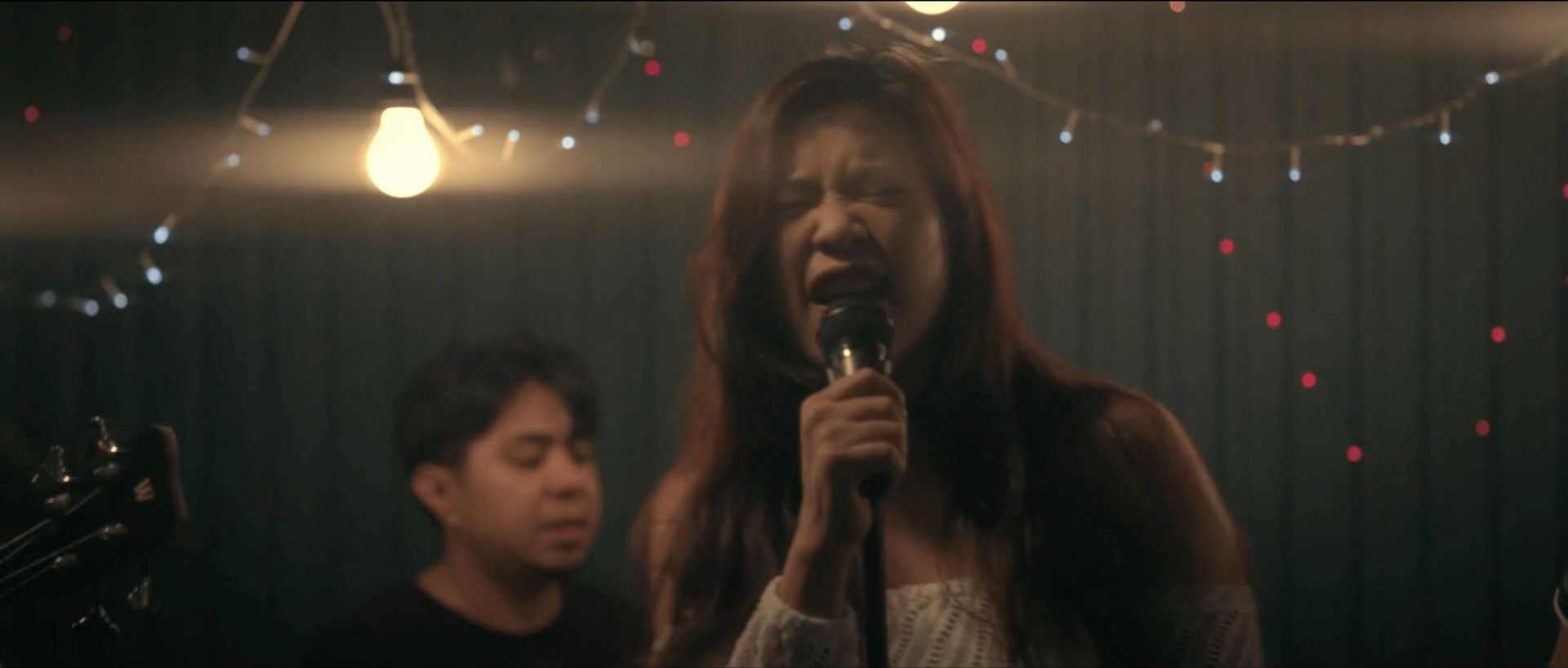
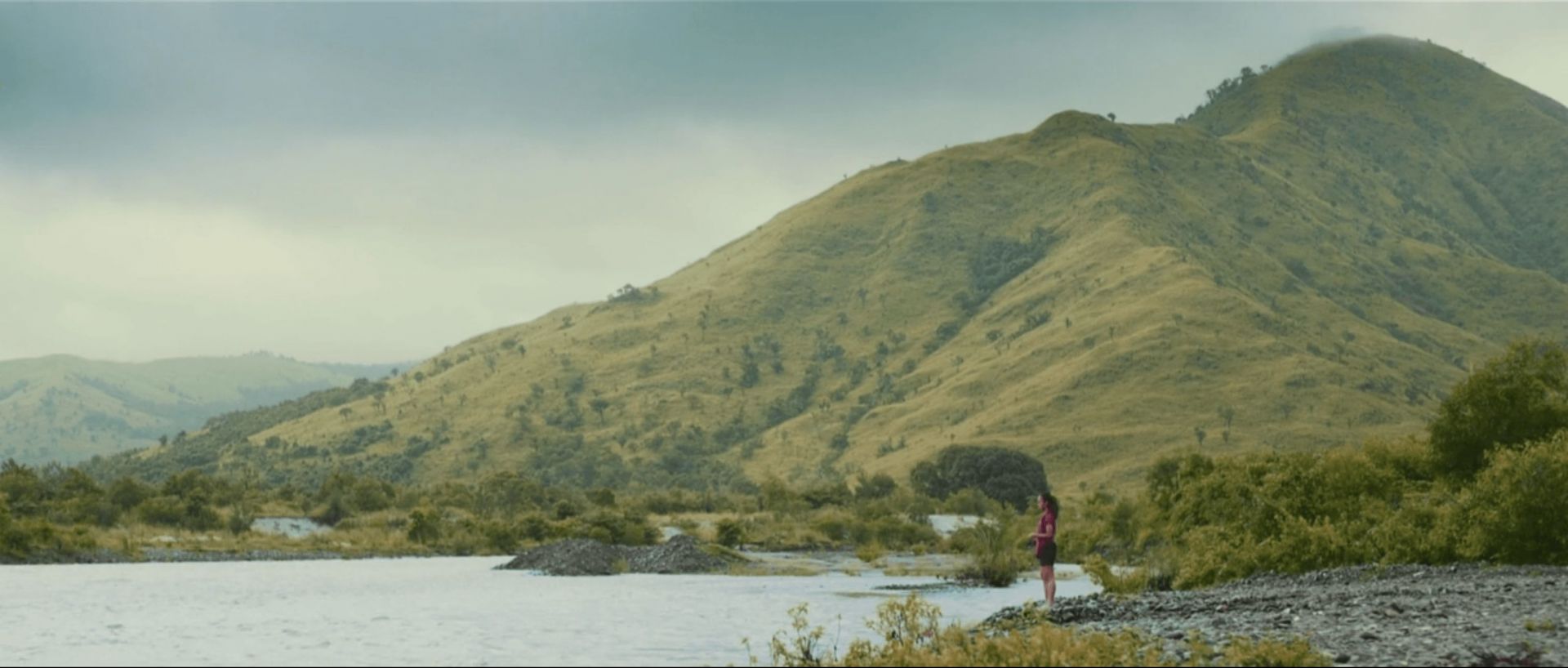
I’m a filmmaker and a PhD student in anthropology at USC. I’m interested in works that lie at the intersection of ethnography, film, and art. This reflects my creative and scholarly interests, where I take time to explore narratives through immersion and long-term engagement with communities, ruminating on compelling issues. My path hasn’t been a straight line—I’ve made some detours—but the only consistent aspects are my curiosity to learn and passion for growth.
I’m excited about producing new work and experimenting with form and film language as I create and pursue new things.
Any places to eat or things to do that you can share with our readers? If they have a friend visiting town, what are some spots they could take them to?
I’m an outdoorsy person, so I’ll start the day with coffee at Highly Likely or a nearby cafe (at least from my place) called The Boy and the Bear. Then we’ll drive to a hiking trail, like Temescal Canyon Trail or the trails in Griffith Park. For lunch, we can head to Great White at Venice Beach. Afterwards, we can visit LACMA, The Getty, or The Broad. The rest of the week can be spent exploring more trails, beaches, museums, comedy shows, and other events in the city.
Shoutout is all about shouting out others who you feel deserve additional recognition and exposure. Who would you like to shoutout?
I would be remiss if I didn’t give credit to my mentors, Benito Bautista and Emma Francisco, the force behind the San Diego Filipino Cinema, a non-profit organization that nurtures Filipino filmmakers from around the world by presenting their unique and compelling stories to the communities in San Diego. They encouraged me to pursue filmmaking despite facing backlash and obstacles, instilling in me the belief that my vision should guide my career, urging me to tune out the noise and carve my own space.
I also live by Chimamanda Adichie’s words: “Power is the ability to tell the story of another person, but to make it the definitive story of that person.” These words have become a guide in all my creative pursuits. As a storyteller, I am deeply aware of my positionality and adopt a reflexive stance in my interactions and collaborations with various communities. Inclusivity and collaboration are not just buzzwords to me; they mean ensuring that when I develop narratives about other groups and communities, I don’t erase their voices. I make sure they have a say in what is seen on screen, are actively involved in the creative process, and are properly credited. By taking this approach, I keep my own biases in check and avoid imposing my own agenda.
Website: https://gracesimbulan.com
Instagram: gpsimbulan
Linkedin: https://www.linkedin.com/in/grace-simbulan/