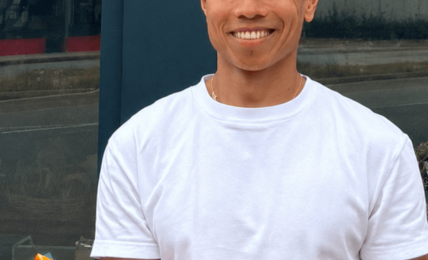
Meet Issahaku Mohammed | Creative Designer & Digital Skills Trainer
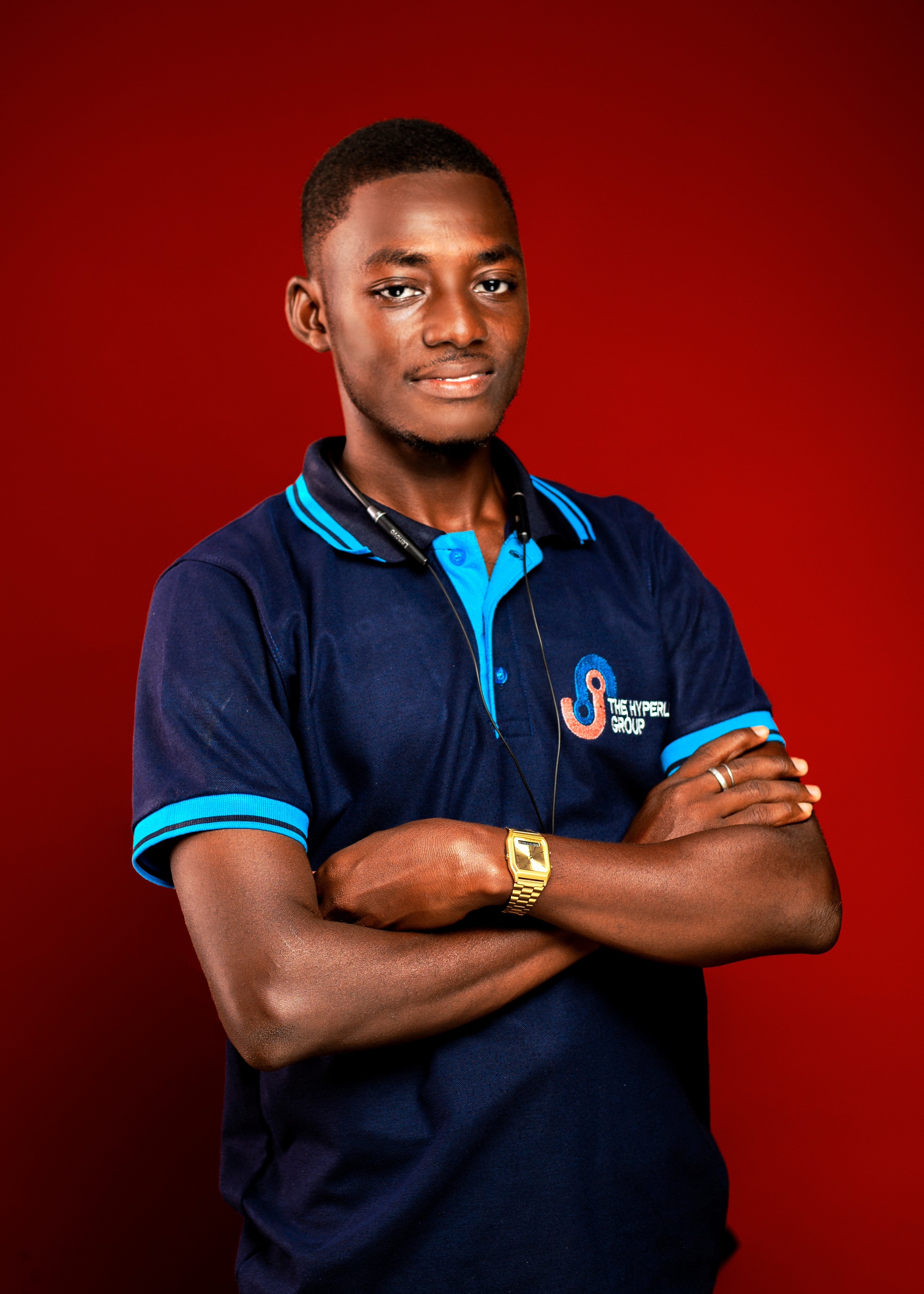


We had the good fortune of connecting with Issahaku Mohammed and we’ve shared our conversation below.
Hi Issahaku, can you talk to us a bit about the social impact of your business?
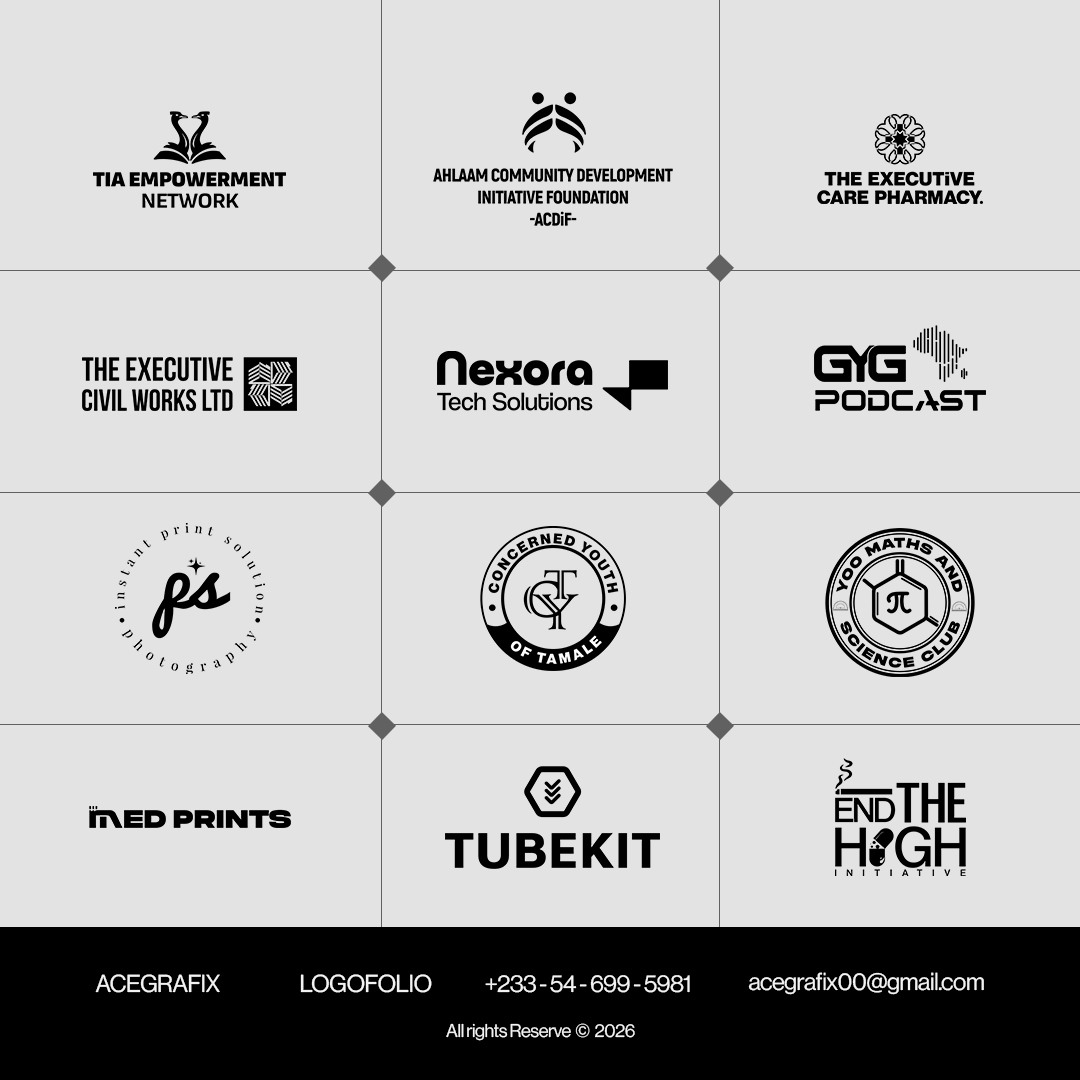
My business sits at the intersection of design, education, and digital media. I work with businesses, startups, youth organizations, and community groups, helping them communicate clearly and show up properly.
Beyond client work, I run training programs that teach young people digital skills, content creation, and branding. A lot of them come in with no background in any of this and leave with something they can actually use to earn or build with.
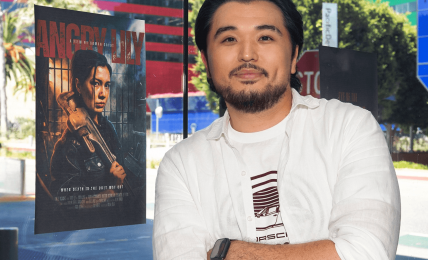
But some of my most personal work lives outside of client briefs. I create poster arts that speaks to mental and emotional experiences, things like feeling trapped, grief, the pressure to be okay when you are not. I share these publicly because I know I am not the only one who has felt them. Projects like ‘Trapped,’ ‘It’s Ok Not To Be Ok,’ and ‘Emergence From The Abyss’ are not just design exercises. They are conversations I am starting on behalf of people who do not yet have the words.
For me, creativity is not just a service I sell. It is one of the most accessible tools for changing what someone believes is possible for themselves.
Let’s talk shop? Tell us more about your career, what can you share with our community?
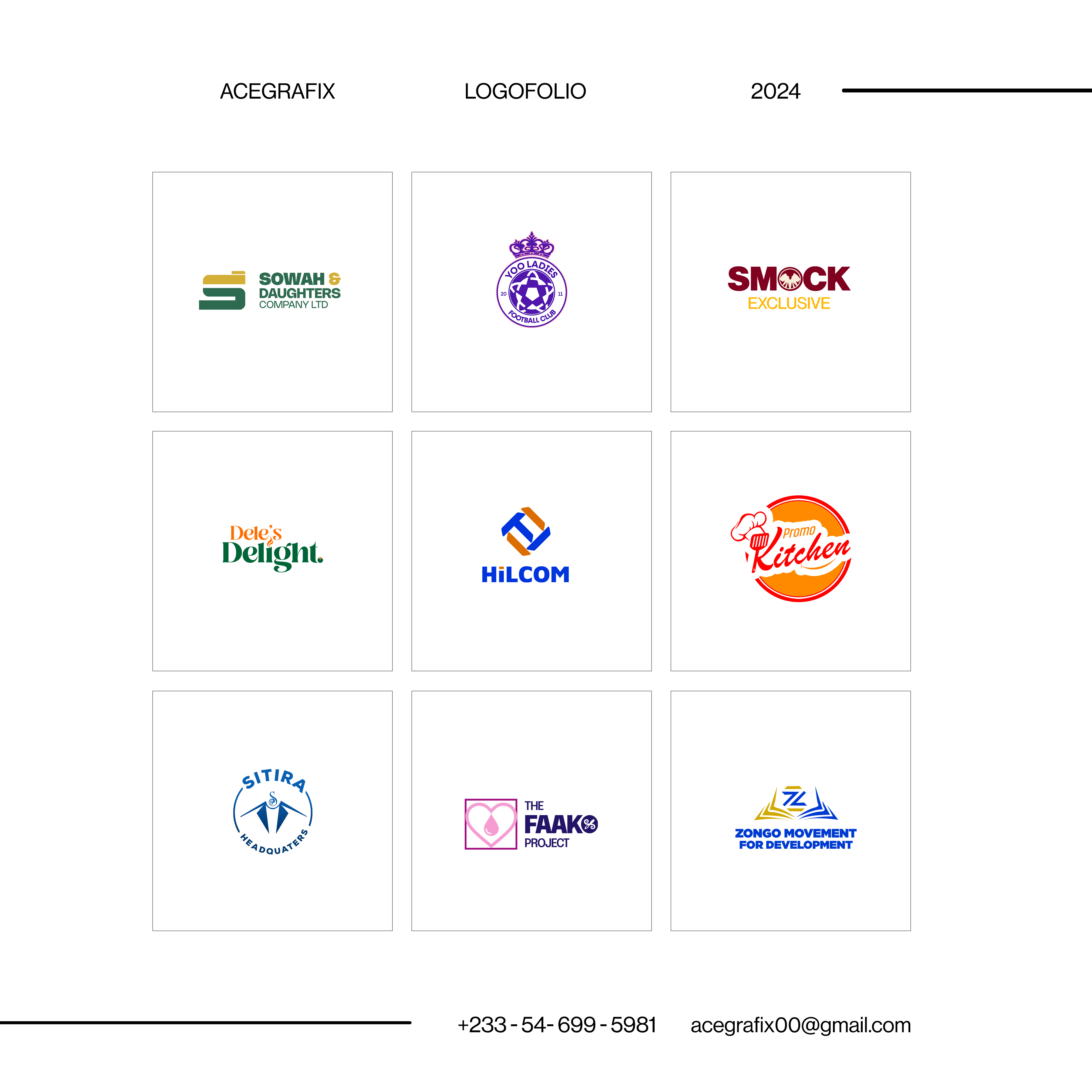
What makes my work different is that I do not just focus on making designs look good. I focus on communication, identity, and impact. Every project I work on is built around storytelling and purpose. Whether I am designing for a business, a political campaign, a youth initiative, or a community event, I always try to create visuals that connect emotionally with people and communicate clearly.
I am from Ghana, where creativity often grows in environments with limited resources. My journey professionally was not easy. I started with curiosity, self-learning, and consistency. Along the way, I balanced my background in education with my passion for design and digital media. I spent years learning through practice, online resources, experimentation, and real client projects. Every challenge became an opportunity to improve my skills and think more creatively.
One thing I am most proud of is using my creative skills to support youth development and community-focused initiatives. Beyond design, I have been involved in digital skills training, branding support for local businesses, and creative projects that empower young people. That intersection between creativity, education, and social impact is very important to me.
The biggest lesson I have learned is that growth takes patience and consistency. Talent alone is not enough. You need discipline, humility, and the willingness to keep learning. I also learned that authenticity matters. People connect more deeply when your work reflects real experiences, culture, and purpose.
What I want the world to know about me and my brand is that I am building more than a creative business. I am building a platform that uses design, storytelling, and technology to inspire growth, opportunity, and positive change. I want my work to represent excellence, innovation, and meaningful impact, especially for young people and underserved communities.
Any places to eat or things to do that you can share with our readers? If they have a friend visiting town, what are some spots they could take them to?
Tamale does not try to impress you. It just does. If my best friend was visiting, here is how the week would go.
Day 1: Arrive and eat first.
We are going straight to a chop bar for fufu and groundnut soup. No hotel restaurant, no adjustment period. You land in Tamale, you eat like someone who lives here.
Day 2: The market.
Central Market and Aboabo Market on a busy morning is the best orientation Tamale can give you. The noise, the color, the sheer volume of life happening in one place. We are not shopping. We are just watching.
Day 3: Red Clay.
We spend the day at Red Clay Studios to experience art, culture, and history. It is one of the places that really shows the creativity and heritage of the North and Ghana as a whole.
Day 4: Slow day in the city.
We find a spot with cold drinks and just talk to people. Tamale is a city where strangers will sit with you and give you their full attention. That itself is worth experiencing.
Day 5: Botanga Eco Resort.
We head out to Botanga. The water, the greenery, the quiet. It is the kind of place that reminds you that rest is not laziness. We stay as long as we can.
Day 6: Food day.
Tuo Zaafi (TZ), Fufu, Jollof, waakye, grilled meat from a roadside spot at night. We eat our way through the city with no plan.
Day 7: Just drive around.
There is something about the landscape around Tamale, the flatness, the baobab trees, the light in the late afternoon, that stays with you. We drive with no destination and that becomes the best day of the trip.
Tamale is not a city that performs for visitors. It is just itself, and that is exactly why it is worth coming to.
Who else deserves some credit and recognition?
REED Who is a creative Director and an admin to a whatsapp community of creatives called “The Innovators”
Website: https://acegrafix.pixieset.com/acegrafix/
Instagram: https://www.instagram.com/acegrafix1
Linkedin: https://www.linkedin.com/in/mohammed-issahak-saakib/
Facebook: https://web.facebook.com/AceGrafix1
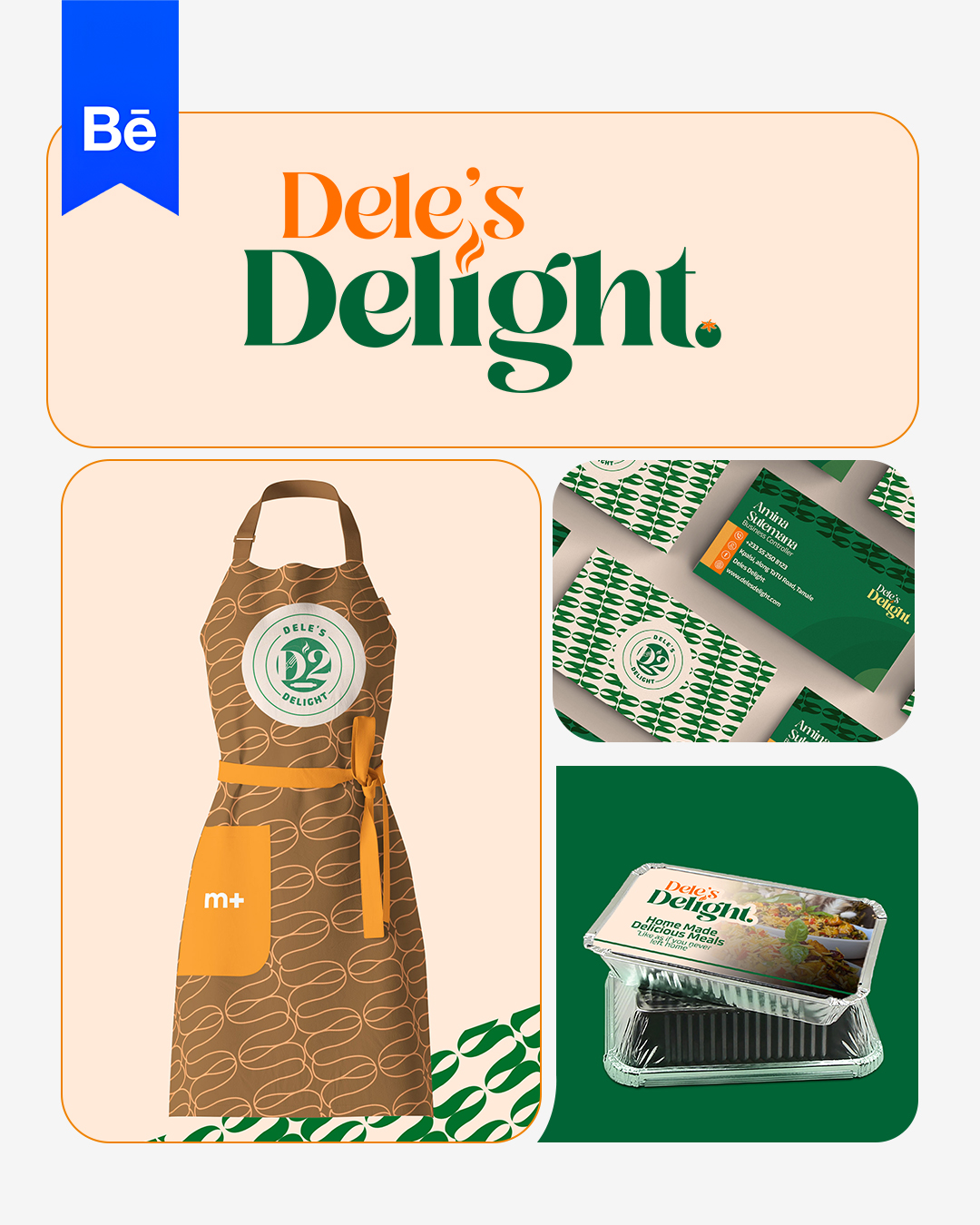
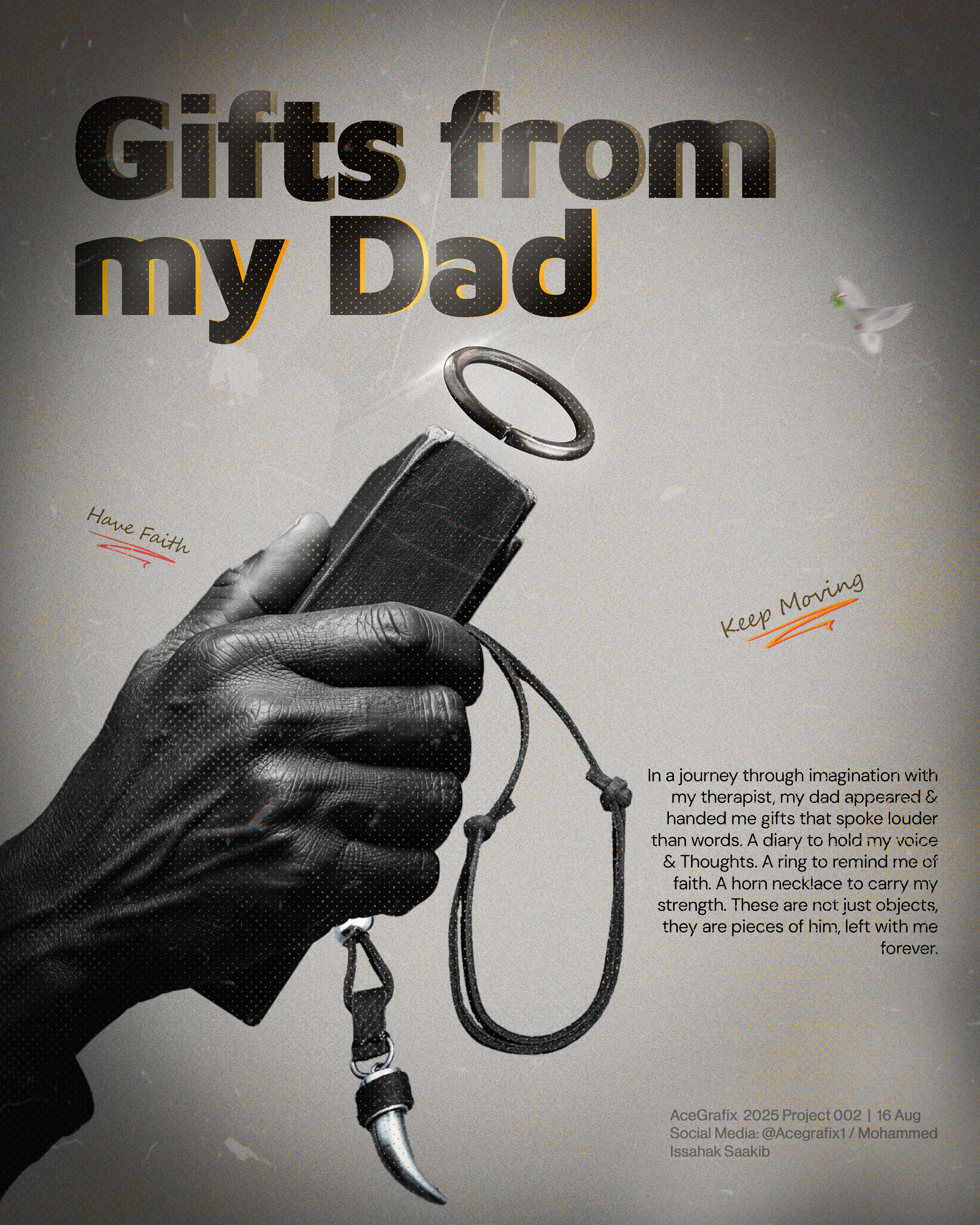
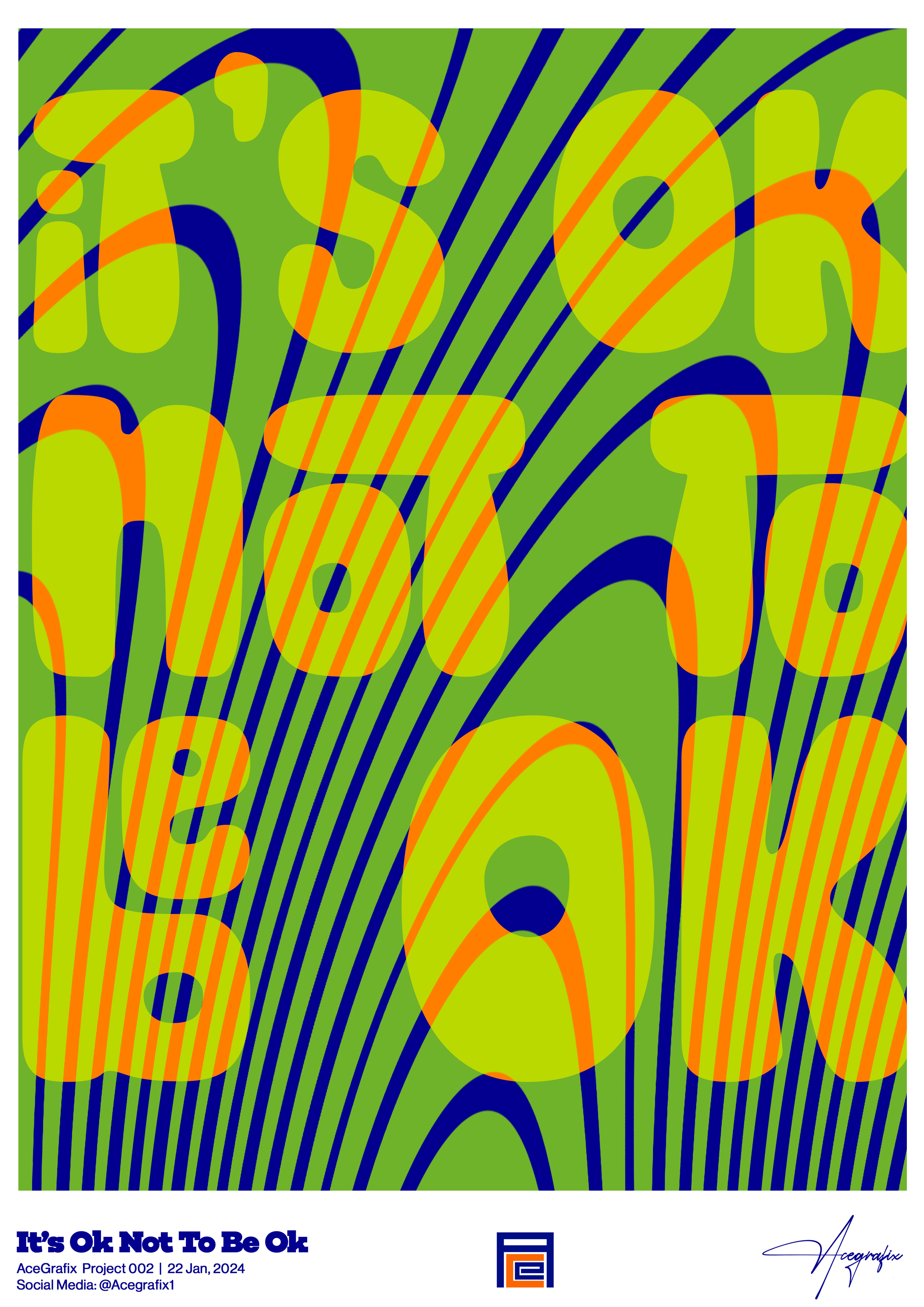
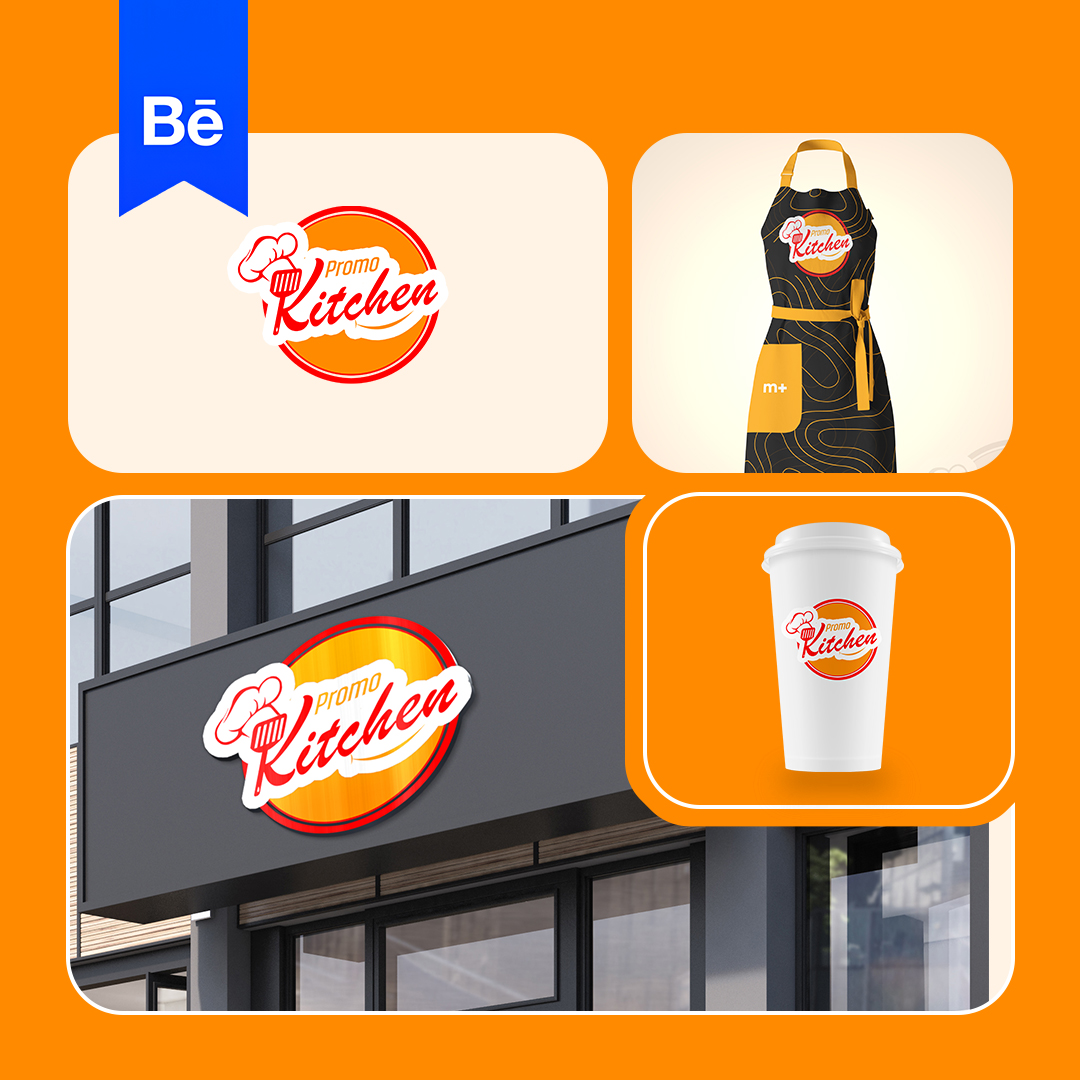
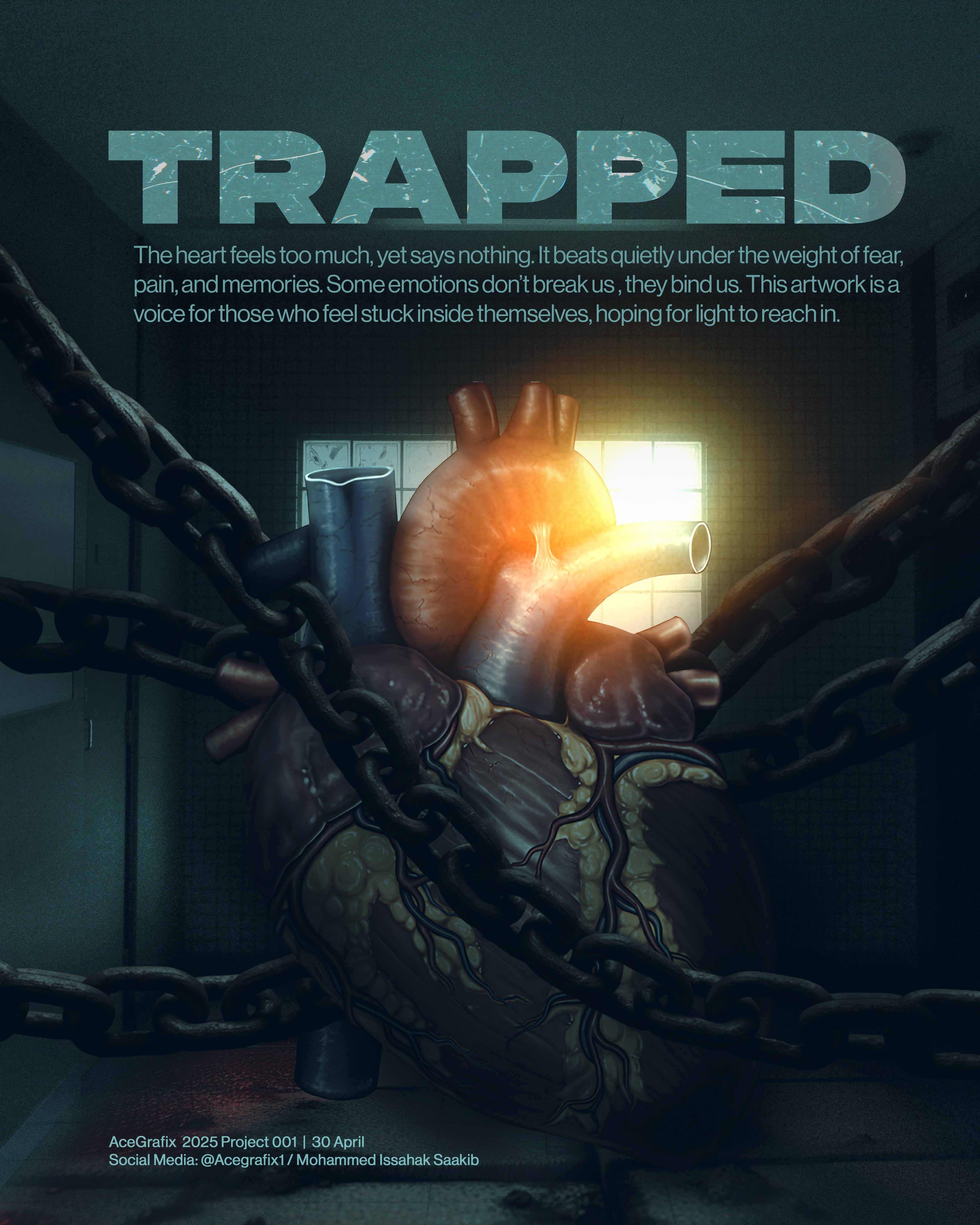
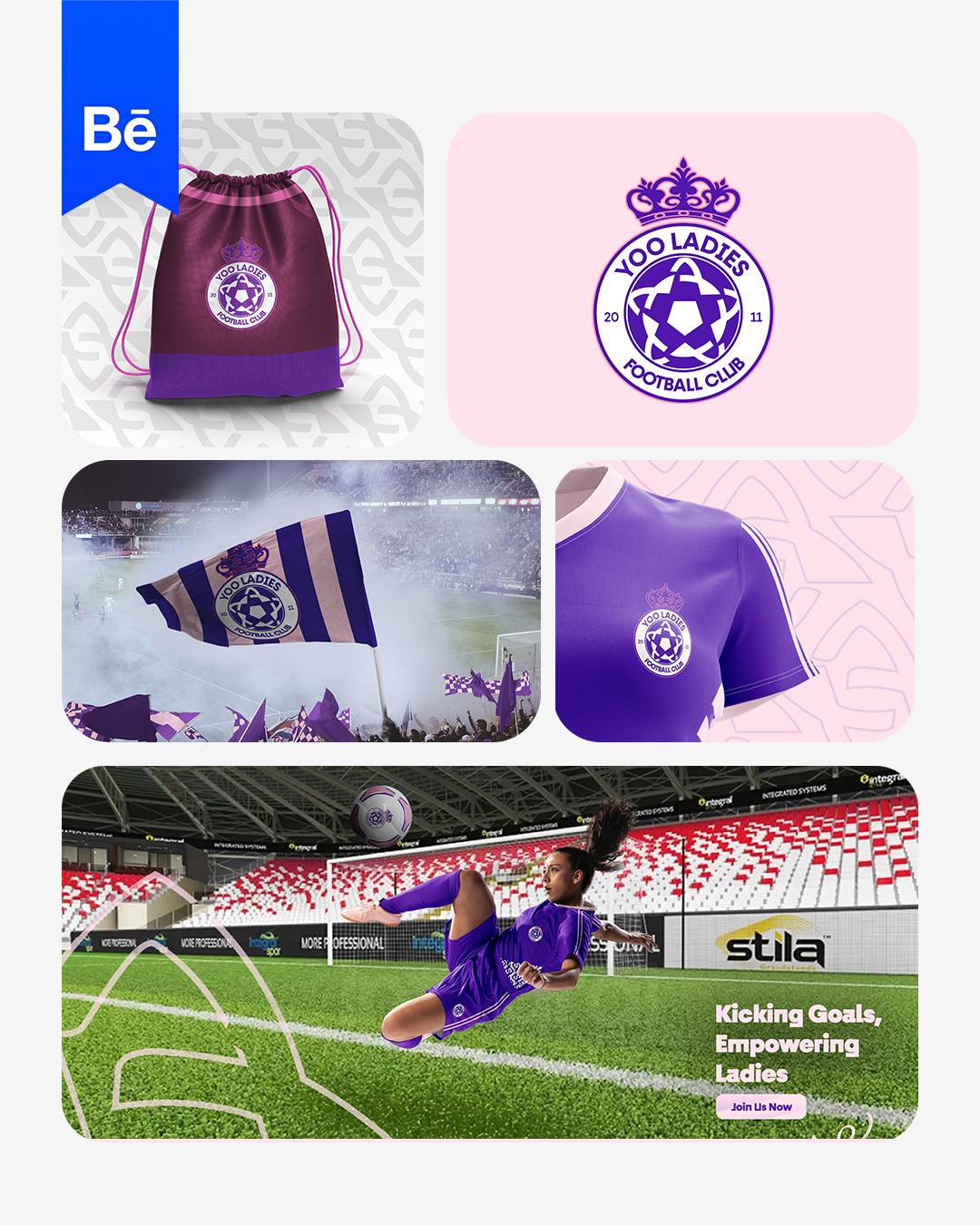
Image Credits
ACEGRAFIX