We had the good fortune of connecting with Lisa Niver and we’ve shared our conversation below.
Hi Lisa, what role has risk played in your life or career?
I don’t think of risk as something dramatic or impulsive. For me, risk has always been about choosing growth over comfort — even when the outcome isn’t guaranteed.
Some of the biggest “risks” in my life included dropping out of medical school. Leaving a stable teaching job to work on cruise ships. Saying yes to travel when I didn’t know where it would lead. Later, choosing to start over after my marriage ended. Each time, the risk wasn’t about the leap — it was about trusting myself to land, adapt, and keep going.
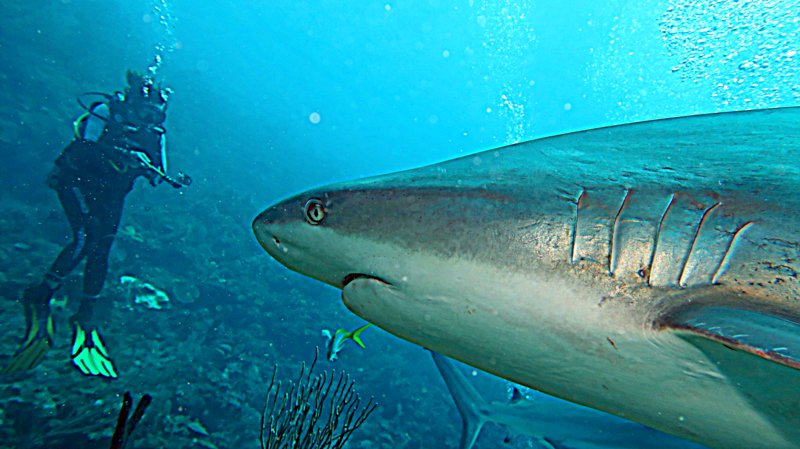
Travel taught me that lesson early. When you scuba dive, you learn to stay calm, breathe, and respond to what’s actually happening — not what you fear might happen. That mindset carried into my writing, my television work, and my art. Risk isn’t about ignoring fear; it’s about listening carefully and moving forward anyway.
Professionally, I’ve taken risks by building my own platforms, pitching stories that didn’t fit neatly into categories, and telling personal stories that would have been easier to keep private. Writing Brave-ish was one of the biggest risks of all — putting my reinvention on the page and trusting it would resonate. It did, but not because it was polished or perfect. It worked because it was honest.
I’ve also learned that risk doesn’t disappear with experience — it just changes shape. Creating new television projects, launching a podcast, sharing my art publicly, mentoring other writers — each step still comes with uncertainty. The difference now is that I see risk as a practice, not a personality trait.
Taking risks has shaped my career, but more importantly, it’s shaped my confidence. Not confidence that everything will work out — but confidence that I can navigate whatever comes next. And that, to me, is where real freedom lives.
Alright, so let’s move onto what keeps you busy professionally?
My writing, journalism, and television work are about curiosity, connection, and asking better questions. My ceramics practice does the same thing, but with my hands instead of words. Working with clay at my Members Only art studio has taught me patience, humility, and trust — you can’t rush the process, and you can’t control everything. You show up, you work, you fail, you try again. That rhythm mirrors both travel and life.
Clay also gives me something essential: a way to step fully out of the noise. Like scuba diving, it demands complete presence. You can’t check your phone at the wheel any more than you can underwater. Your breath, your balance, your attention — everything has to be in the moment. And in that quiet focus, something remarkable happens.
Some of my clearest ideas come not when I’m staring at a screen, but when my hands are covered in clay or I’m moving through water. Problems in a story resolve themselves. A sentence finds its ending. A question I’ve been carrying suddenly makes sense. Stepping away from constant input allows space for insight — and that space is where my best work is born.
What sets me apart is that I don’t see creativity as a single lane. I move between disciplines — science, travel, journalism, teaching, television, and visual art — and I let them inform one another. The observational skills that make me a better journalist help me notice form and texture in clay. The vulnerability required in memoir shows up in my art. And the patience learned at the wheel makes me a better storyteller.
I’m most proud of building a creative life that values presence over perfection. Whether I’m filming on location, writing an essay, shaping clay, or diving beneath the surface, the goal is the same: to slow down, pay attention, and create something honest and human. At this stage, my art isn’t about polish — it’s about listening, discovery, and trusting that clarity often arrives when we finally step away from the noise.
Let’s say your best friend was visiting the area and you wanted to show them the best time ever. Where would you take them? Give us a little itinerary – say it was a week long trip, where would you eat, drink, visit, hang out, etc.
If my best friend were visiting for a week, I’d plan a mix of my favorite things:
Start with a stroll on Santa Monica Beach and lunch at Cha Cha Chicken — I love the outdoor dining and vibrant Caribbean flavors.
Spend a day exploring The Getty Center and the Skirball Museum, browsing exhibits and stopping by Audrey’s Museum Store for a few treasures.
Tap into creativity at Members Only Art Studio, where we can play with clay and immerse ourselves in hands-on art.
Wander along Montana Avenue, pop into local shops, and catch a book event at Zibby’s Bookshop.
Attend services at Stephen Wise Temple for reflection and grounding in community.
In the summer, I always make time for one of my favorite LA experiences: an evening at the Hollywood Bowl, enjoying live music under the stars.
Los Angeles is best experienced when you mix curiosity, culture, and connection — and take the time to savor the city’s hidden gems.

Who else deserves some credit and recognition?
My story has never been a solo journey, even when it looked that way from the outside. I want to give my shoutout to the communities and mentors who believed in me during moments of transition — especially when the path forward wasn’t obvious.
First, to the educators who shaped me — both as a student and as a teacher. Teaching science was where I learned how to explain complex ideas with curiosity and heart, and that foundation still informs everything I do as a writer, journalist, and storyteller.
I also want to shout out the travel community — editors, fellow writers, photographers, guides, scientists, and adventurers — who opened doors and shared their knowledge generously. From cruise ships and scuba instructors to expedition teams in Antarctica and storytellers I’ve met around the world, these communities showed me that learning never stops and that curiosity is a powerful connector.
My literary team deserves deep gratitude as well. My agent, Chip MacGregor, believed in Brave-ish when it was still a fragile idea, and my publisher, Debby Englander at Post Hill Press, helped bring that story into the world. Writing a memoir is vulnerable work, and having people who respect both the craft and the human behind it makes all the difference.
I’m especially grateful for the creative communities that continue to ground me — from We Said Go Travel, where I’ve had the joy of mentoring and publishing thousands of writers, to my Members Only art studio, where working with clay reminds me that creativity doesn’t have to be perfect to be meaningful. Art, like travel, teaches patience, resilience, and trust in the process.
And finally, I want to shout out my spiritual community at Stephen Wise Temple. It has been my home through life’s milestones — my Bat Mitzvah, my wedding, my book discussion — and especially through moments of uncertainty and grief. In times when the world feels unsteady, community reminds us that we don’t carry everything alone.
None of what I do exists in a vacuum. Every story I tell, every place I explore, every writer I mentor is part of a larger ecosystem of support, generosity, and shared curiosity. If there’s one thing I’ve learned, it’s this: success grows faster — and deeper — when we lift each other along the way.
Website: https://lisaniver.com/braveish/
Instagram: https://www.instagram.com/lisaniver/
Linkedin: https://www.linkedin.com/in/lisaellenniver/
Twitter: https://x.com/lisaniver
Facebook: https://www.facebook.com/lisa.niver/
Youtube: https://www.youtube.com/@LisaNiver
Other: https://www.wesaidgotravel.com/
@lisaniver
Nominate Someone: ShoutoutLA is built on recommendations and shoutouts from the community; it’s how we uncover hidden gems, so if you or someone you know deserves recognition please let us know here.