Meet Lucretia Tye Jasmine
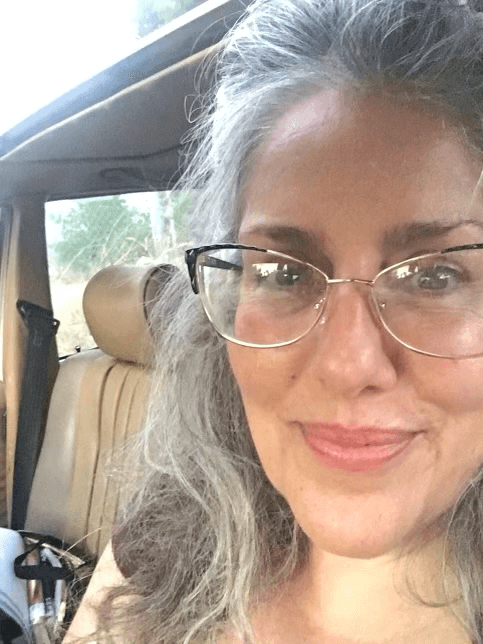


We had the good fortune of connecting with Lucretia Tye Jasmine and we’ve shared our conversation below.
Hi Lucretia Tye Jasmine, what do you want your legacy to be?
I just finished doing my will – something I’ve planned to do for years – so legacy has been on my mind.
I’d like to be remembered as someone who improved myself and perhaps my circumstances, whether that’s my home or work life. I’d like to be remembered as an artist, a writer, and a vegan eco-feminist.
There are traits I’ve worked hard to abolish or change in myself, dangerous traits most (and perhaps all) humans have that I’ve consciously either eradicated or diminished. I want to be good and loving. I work hard to match that ideal with my actions. I don’t always succeed but I do succeed more and more often as time goes on and I get practice! For example, instead of blaming others I (try to!) look at my own behavior to see what I could’ve done differently but without tolerating unkindness or exploitation from others. I also make amends if I’ve hurt someone, if I’m aware that I’ve caused pain. I try never to harm or exploit. It’s very challenging and expensive to shop cruelty-free and vegan but I usually do. I care about how workers are treated, and how animals are treated. Humans tend to take advantage. I try to speak kindly, with compassion and patience. It can be a challenge!
Let’s talk shop? Tell us more about your career, what can you share with our community?
I’ve been making art and writing ever since I was a kid. I could not happily live without either.
Recently I had a serious health challenge. I was grateful I completed the book tour for my debut book, “‘70s Teen Pop.” I think it was making art and writing that helped me heal – that, and my friend, the writer Grace Krilanovich (The Orange Eats Creeps, 2010), who dropped off homemade soup each week and understood I wasn’t feeling well enough to see her, she’d just drop it off in a cute pot with mint from her garden and text, “soup on porch!” A convalescing introvert’s dream.)
Working on my book, “The Golden Era of Groupies: 1965-1978,” forthcoming from Chicago Review Press, gave me a sense of purpose and a feeling of accomplishment (and relief! I have a due date!).
The Golden Era of Groupies 1965-1978 will be a nonfiction feminist analysis of the intriguing girls and women called groupies.
Groupies emerged in the 1960s on the cusp of Second Wave feminism as the avant-garde of the sexual revolution, navigating old-fashioned double standards with daring independence. Fans with the band, groupies went further than just going to the shows. They lived their lives as though they were equal to rock stars in creative and sexual freedom. But sexism and corporate interests impeded women’s liberation, and groupies were often dismissed as playthings in the power ballad of music history. The GTO’s, Cynthia Plaster Caster, Lithofayne Pridgon, the LA Queens, Nancy Spungen, and Cherry Vanilla are featured, among several more girls and women.
The Golden Era of Groupies will tell the real stories of these extraordinary women while also sharing backstage antics, hotel-room lore, and on the road (or in the sky) tales about musicians such as David Bowie, Sam Cooke, Jimi Hendrix, Iggy Pop, Led Zeppelin, The Rolling Stones, and The Who. The legends established a new kind of cultural mythology, featuring groupies who became almost as famous as their rock star heartthrobs, and whose influence on popular culture continues today. Images from my Groupie Feminism art series will be included.
I’m devoted to the understanding of groupies as the embodiment of the intersection of feminism with music.
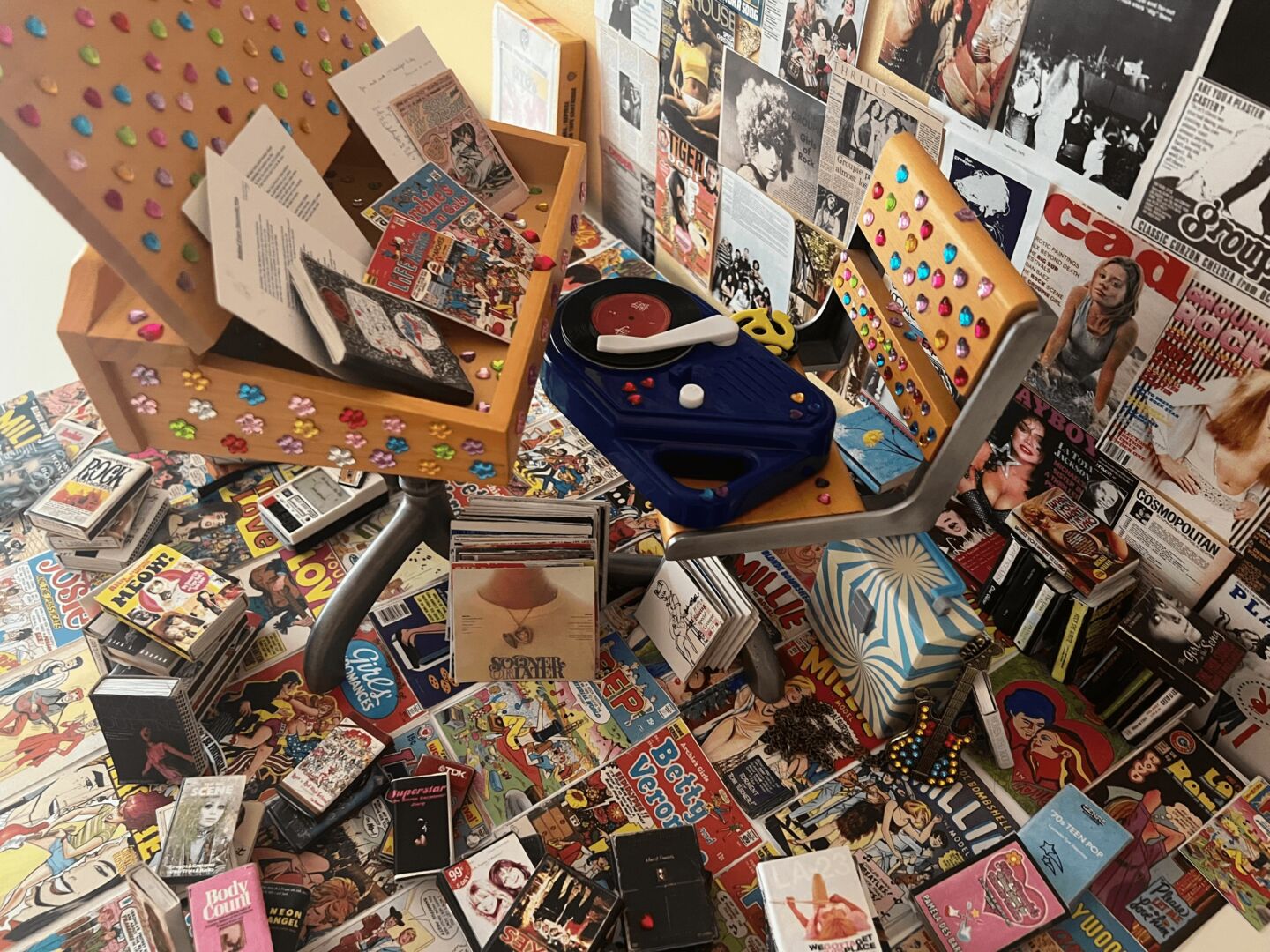
Some of the art I made is pictured here:
The “Music Groupie School Desk” includes
1 composition book by a SuperGroupie
1 book proposal by a SuperGroupie
2 sets lyrics (3 pages total) by Supergroupies
49 comic book covers (underneath the desk)
6 comic books
36 hardcover books
16 paperback books
8 VHS tapes
11 DVDs
32 45s (stacked under desk)
40 albums (stacked under desk)
60 magazine covers, ads in magazines, articles, and one record album (behind the desk)
5 cassette tapes
3 SuperGroupie business cards
2 8-tracks
1 actual cassette tape
1 actual 8-track
I chose each item because they are by or about or related to groupies. For example, the vinyl has songs by or about groupies, the magazines have articles by or about groupies, and the books are by or about or significantly refer to groupies. The comics refer to music and/or groupies and fandom.
The comics, cassettes, lyrics, paperbacks, hardcovers, magazines, movies, ads, tapes and vinyl are all from my Groupie Archives. I made copies of the items I’ve been collecting for years, e.g., I copied a book or album cover at a percentage of the original size, then affixed it to a modified matchbox, or to a stiff backing.
There are a lot more songs related to groupies. I included in the Music Groupie School Desk only the vinyl and cassettes I actually have. For more songs, please refer to the Groupie Playlist (which is ever growing), the Groupie Mixtape, and/or the Gold Fan, all art assemblages in my Groupie Feminism art series.
As I assembled the Music Groupie School Desk, it occurred to me that groupies were inevitable; patriarchy demands adoration of men, and advertisements promote sexuality. My mom, Lucretia Baldwin “Teka” Ward, observed that women of her generation had no choice but to become groupies in one way or another because the depiction of females in popular culture and in language is sexualized. She referred to the character, Pussy Galore, in the James Bond series. We wondered: how do we become sexually liberated without being sexually objectified?
The Music Groupie School Desk is my art about the intersection of sexual liberation, romance, and music, the formation of groupies, and their undeniable influence on popular culture – and their undeniable influence on me!
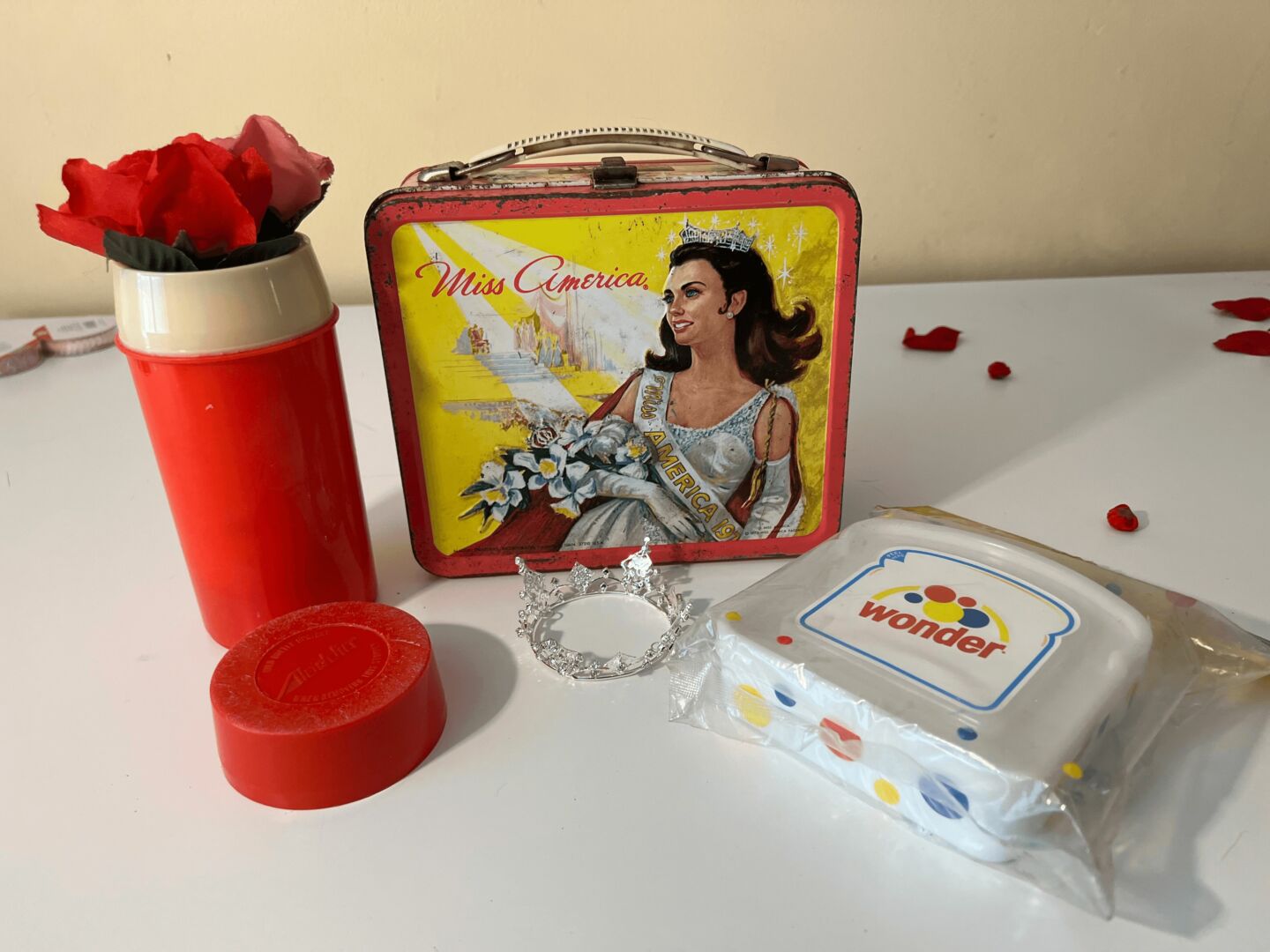
“Miss America Lunchbox”
Miss America began in 1921 amidst the suffrage movement, when women fought for the right to vote. The pageant began as a bathing suit contest, something that makes one pause in its emphasis on the female body, an emphasis that has created serious struggles from eating disorders to birth control access to safe and legal abortions, an emphasis challenged by those who want equal rights, to move freely in the world, and to be perceived as more than a sex object.
But it also relates to sexual liberation, and the removal of body shame and inhibition.
For a month I watched over forty episodes of Miss America. I’d occasionally watched the pageant before that, and really loved it, even though the swimsuit competition made it clear that women’s bodies had to fit a standard (and for me, devastatingly unattainable) body type.
During that month, I was healing from a serious illness. For a few months before that, I couldn’t eat. I couldn’t get out of bed. I couldn’t do the simplest chores. I was nauseous and retching daily even though I had not eaten. I began to see my life and being alive in a whole new way. I understood eating in a whole new way. These were revelations.
When I was 14 in 1980, my father told me I’d never win any beauty contests. I’m not sure why he said that because I was under no delusion that I would. He also told me to try bulimia.
I took to bulimia. It ruled my life for ten years. But it wasn’t until I was in my thirties and on a somewhat healthy food plan that I dropped the fifty pounds that had plagued me most of my life. It was so exciting! I’d never known what it was like not to be scared to look in a mirror, or at a photograph of myself, or to try on clothes or weigh myself or just be naked.
I gained it all – slowly, excruciatingly – back by the time I was forty years old. It felt so…sorrowful. I just couldn’t get the weight off for the next eighteen years.
I lost the weight again with the recent illness. It sure wasn’t exciting this time. It was scary.
When I couldn’t eat, I realized how eating disordered and shame-based my relationship with food was all my life. I decided that if I ever got my taste buds back that I was going to enjoy without shame every bite, and love my body. All that matters is good health, actually enjoying the sensations that give pleasure – for example, wind on the skin, the fragrance of flowers, the taste of food! – and love. Being kind as much as possible. I decided I would figure out how to love my life and being alive even amidst the fear, suffering, and misery of being alive. It’s very difficult sometimes to do that because of war, rape, slaughterhouses. Health challenges can take all the energy needed for a good attitude. Also the pains and hurts of trying to communicate and deal with humans on any level can be exhausting and/or devastating!
I’m convinced the pageant and making this art assemblage about it helped me heal. They made me feel happy. I was going through one the most difficult times of my life, and one of the scariest, and Miss America made me happy. I understood the contest in an entirely new way.
I watched Miss America episodes from the 1960s – 2024. When I was younger, I thought the contestants were people who fit in society, and who fit into the best clothes, so unlike weirdo me. So I rarely watched the program. But I never liked when people made fun of the pageant or it’s contestants; it was cruel. Plus, I seriously doubted the contestants were dumb, and thought it was sexist and illogical to judge pretty women as stupid.
In my 30s, in the early 2000s, I suddenly loved watching the pageant. And this year I got so invested that I felt the sadness of those who didn’t “win” and the joy of those who did. I actually cried along with some of the contestants.
As I watched so many of the contests, I became curious about the changes I could see and sense; I did some research and learned about so many of the changes, pageantry changes that reflect societal changes, too.
In 1938, contestants represented states in the United States rather than theaters, resorts, or cities. This suggests to me the formation of the contest as a sport, and how humans tend to organize themselves by affiliation.
Until 1948, Miss America was crowned in her swim suit; the evening gown replaced her bathing suit for the crowning moment. In 1969, feminists protested the pageant and crown a sheep, an example of the usual equation of females with animals. Contestants could hear the chanting of the protestors outside the venue: “Freedom!” It’s a paradox: women on the inside vying for a crown that honors their beauty and achievements while women on the outside vie for freedom from it: the crown demands allegiance to narrow definitions of beauty and success.
In the 1930s, a rule was added (to the rules about weight and height and being unmarried) that Miss America had to be white. In 1945, the first Jewish Miss America didn’t receive the usual endorsements and advertising spots. And that was the year the cash money prize was replaced with scholarship money, so women could more likely go to college!
In 1969, Miss Black America was founded, and, in 1970, the Miss America rules were changed so Black women could be Miss America, too.
In 1989, the pageant made social issues a required platform of commitment, demonstrating to me that one person’s actions really do make a difference: the year before. Miss America devoted herself to a social cause for the first time.
It was fascinating seeing the changes in the pageant, and in standards of beauty and success, over the years. Also, how the women composed their bodies in space changed. In earlier contests, the women moved their bodies less. They were more like dolls. Now, the women’s bodies move in many directions and all at once. More like being animated. I noticed that the women walked differently, too. In earlier pageants, women took smaller steps. Today, the women stride. It’s powerful.
Plus, there’s a lot more glitter, shorter skirts, and body diversity; some women don’t fit the beauty standard, which is thrilling to me. Leg lengths, nose shapes, skin tones, hair textures – more and more over the years I noticed varieties on that shining stage. And not all contestants have flat tummies!
And although it’s long enfuriated me that women earn less than men for equal work, Miss America made it even more baffling because I could actually witness the multi-talented strength of the women competing. I can’t emphasize enough how much skill, intelligence, determination and talent the Miss America pageant requires. It’s awe-inspiring to see and hear contestants present in the evening gown, swimsuit, talent and interview or quiz segments, and to observe them all as they perform as a group the dance segments, which they do even after they’ve “lost.”
The theme song, There She Is, written by Bernie Wayne, was introduced on television in 1955, and it’s lyric “your ideal” signifies the mighty hopes and tremendous pressures of being Miss America.
I think every contestant on that stage is a winner.
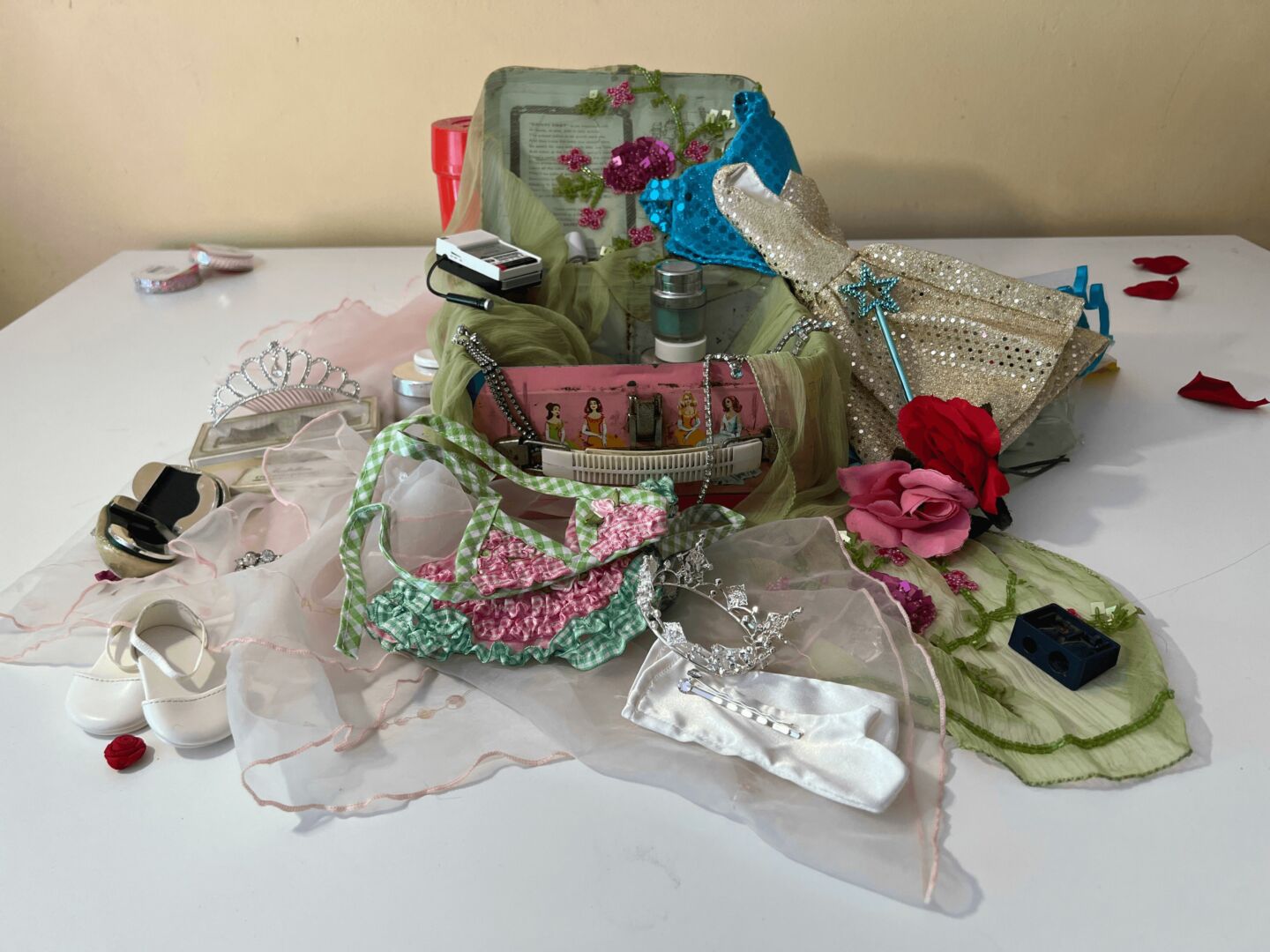
My art assemblage is about the contest. What does Miss America eat for lunch? Everything sparkly and pretty and empowering. The contestants may seem edible in their confectionary glitz, their tantalizing allure a delicious spectacle, but instead of the usual dismissive belittlement and cruel exploitation that eco-feminists have correctly perceived in the history of patriarchy and food consumption, I see Miss America and my Miss America lunchbox art as proof of each individual woman’s unique power. Her four-pointed crown represents the four pillars of her reign: scholarship, service, style, and success.
In the lunchbox is an outfit or item that represents each portion of the pageant, along with make-up and jewels, a thermos and a sandwich box. Rose petals, a scepter, and her crown.
“Veils”
This artwork has long been on my mind to make. It’s about the way females have been veiled in patriarchy, and that the veiling is historical, contemporary, and international. It’s a veiling that confuses faith, romance, and sexuality with the female form. It’s a veiling that demonstrates how patriarchy tries to control girls and women.
The clothing also represents uniformity, identification, simplification, and protection.
Spiritual and matrimonial allegiance can offer liberation from gendered expectations and dangers – nuns can avoid marriage and childbirth and attain a special status; females can feel legitimized by a public ceremony (the wedding) of male approval, and economically protected by being married in a culture that pays men more for equal work; and wearing a niqab signals religious commitment, and also wearing it means people can’t ogle one’s body. And yet. It’s the female body veiled. The implication is virginity, especially crucial to controlling female sexuality, and modesty, especially crucial to shame-based control. The double standard is typical in so many diverse cultures throughout history. I wish females were allowed the same freedoms as males, including when conjuring allegiance.
I put the clothing on pink pedestals because I didn’t want mannequins whose colors and facial features would narrow the interpretation of the art to a specific nationality or religion. Pink is a color that’s been gendered as female, and this assemblage is about the veiling of females.
Veiling suggests the pedestalization that claims to idealize and protect. The conundrum of being put on a pedestal is something my mom, Lucretia Baldwin “Teka” Ward, explained to me: to be put on a pedestal means you can be kicked off it.
“Riot Grrrl Sewing Patterns”
Riot Grrrl is a Third Wave Feminism music and art movement. It began in the mid-1980s, gaining its name and national media attention in the early 1990s. Riot Grrrl’s DIY (do-it-yourself) infrastructure allowed girls and women to create their own art and music scenes, unconstrained by the institutionalized gender roles that have long oppressed girls and women. DIY also ignored musical specialization and expertise in favor of just making music and sharing instruments (the drummer in one song might play guitar in the next, for example). Making zines, forming bands, and holding meetings, benefits, rallies, and conventions are legendary riot grrrl actions that have had lasting impact. As my mom, Lucretia Baldwin “Teka” Ward observed, the impact of riot grrrl is herstorical, with art and music as overt action.
When I joined riot grrrl Los Angeles in 1992, we riot grrrls made a zine. One of the riot grrrls contributed lyrics I loved. Years later, @ 1998, I ran into her at the Betsey Johnson store in the Beverly Center! What on earth were two riot grrrls doing in that joint, a fancy mall? She worked at Betsey Johnson. I was buying nail polish! I chose the Butterick pattern of Betsey Johnson because it’s riot grrrl-related and plus I really love that lavender dress.
I like 1970s sewing patterns because they have that riot grrrl vibe of DIY exploration and the look and feel of tattered romance.
“Food for Thought”
This assemblage is about imagery that’s been updated or banned because it’s original depiction represented racial stereotyping. I chose only items I actually remember in the kitchen from when I was growing up in the 1970s and 1980s.
Uncle Ben, Aunt Jemima and Mia were updated in 2020 by dropping or altering the imagery of the people and the brand names. Uncle Ben, a 70-year-old brand in 2020, and Aunt Jemima, a 131-year-old brand in 2020, originally used imagery based on slaves. Mia, an indigenous woman pictured on the Land O Lakes package, was the imagery for almost 92 years in 2020.
I remember as though it were yesterday when my uncle showed me the trick with the Land O Lakes packaging: cut out the butter Mia holds so it’s a flap that can open, fold her legs up so her knees can be seen through the flap, and suddenly her knees are her breasts. I didn’t like it. Sure, I was a curious eight-year old who was interested in what bodies looked like, and I appreciated that it was like a magic trick, but I felt somehow that it was a creepy violation of a female’s body. Which was something I was distantly aware of as I watched TV shows and movies and read comics and books and adult magazines: that girls and women were sneaked upon and that female bodies were unwillingly ravished.
The item whose imagery hasn’t been banned is the mermaid for Chicken of the Sea tuna fish. I wonder why she hasn’t been, considering her idealized traits of being blonde and thin and white. I’ve also never liked when female genitalia is compared to fish.
Plans were made to update the Mrs. Butterworth bottle but it hasn’t been done yet. Mrs. Butterworth began in 1961. Chef Boy-Ar-Dee, founded in 1928, has an image that hasn’t been banned. He could be considered a stereotype. I wonder if these two examples reflect the racial and gender stereotyping of the perceiver rather than actual prejudice; Mrs. Butterworth’s body could be any body, and Chef-Boy-Ar-Dee really was founded by a man. Both examples point to the interaction of the individual, the culture in which that individual lives, and the stereotype that is formed. It’s food for thought.
I chose the oil cloth because although we never had one in our family, it reminds me of the 1970s, updated.
“Lukey Ward”
I made this art to honor my mother’s mom, my grandmother, Lucretia Baldwin “Lukey” Ward.
A feminist and civil rights activist, Lukey co-founded the Women’s Alliance, the Louisville, KY chapter of the Southern Christian Leadership Conference, and the Allied Organizations for Civil Rights. The AOCR’s commitment to open housing resulted in the passage of a public accommodations act in 1966 (the year I was born!). She marched in Louisville, Selma, and Frankfort, and was among the close group at the Lorraine Motel with Martin Luther King, Jr. when he was assassinated.
My grandmom also raised five kids with her husband, the architect Jasper Dudley “Jack”Ward III, and helped raise their numerous grandchildren, including me. Their doors were always open (and so was their fridge!), welcoming an array of people. Their vivid home created community.
Everything in this art assemblage was given to me by Lukey or Jack or my mom, Lucretia Baldwin “Teka” Ward. It was my mom’s idea to include the protractors!
When I was a kid, I mispronounced Lukey as Kooky. She said, “She already knows!” So my father nicknamed her Kook-a-lo. She gave the silver candy cane to me when I was a child, and on the charm is her name on one side, Lukey I, and mine on the other, Lukey II.
Kooks made her own clothes, wrote an unpublished novel, was a lively and entertaining conversationalist, wore short skirts in her seventies, and taught me how to compost. If you look closely, you can see the star in her sapphire ring.
When I looked for the suffragette gate pin, I couldn’t find it. I looked in a carrying case where I just knew I’d stored it. But it wasn’t there! Where else could it be? I looked every place I could possibly keep jewelry, and also where I might’ve stored my grandmother’s belongings. I couldn’t find it. I looked one more time in the carrying case and didn’t see it anywhere. As I closed up the case, the pin leapt out – and so did the diamond earring I’d forgotten all about until the moment it leapt out to me!
My grandmother had a grand sense of humor and such intelligent eyes. I miss her.
My mom, my brother, Lacey Thomas Smith, Jr., and I also created a website to honor Kooks and Jack. My mom wrote an excellent article about Lukey for the website, and this artist statement is based on it:
https://lucretiaandjasperward.com/
Any places to eat or things to do that you can share with our readers? If they have a friend visiting town, what are some spots they could take them to?
I’m still looking! But the best place is the wild nature of my backyard, and the wild nature of my living room where I write and make my art in the small purple house on the hill I share with my sweetie and several dogs and cats, all of whom have wild natures, too!
But for sure I’d treat a friend to whatever at Chateau Marmont; a museum; the ocean; midnight drives on the Pacific Coast Highway with the wonderful fragrance of salt air and native greenery and the feel of mountain air; and My Vegan in Pasadena and Kitchen Mouse in Highland Park for vegan delights.
The Shoutout series is all about recognizing that our success and where we are in life is at least somewhat thanks to the efforts, support, mentorship, love and encouragement of others. So is there someone that you want to dedicate your shoutout to?
My mother, Lucretia Baldwin “Teka” Ward. She helps me figure out what I’m trying to do. A terrific example is with my writing! She and I have numerous conversations about what I’m actually trying to express, and not only does she perceive it (sometimes before I do) but also on top of that she articulates it. Some of my best writing is hers.
My brother, Lacey Thomas Smith, Jr., whose shared journey with me has made us both so strong and loving. He is one of the most perceptive people I’ve ever known. He knows what to do! When I need fun-loving strength, he is my role model.
My partner, Wayne Pemberton, Jr. He’s been my true friend and real partner. His ability to get things done – and often, it’s things that I want done! – is so impressive and awe-inspiring. I admire him. He’s so fun and cool, a real rock star in my world.
My best friend, Dennis John Mason. Dennybird is among the most sensitive and loving people I’ve ever met, and has such true wit, wits he lives by and a great wit that is so hilarious! I adore Dennybird always, the truest artist and a real musician.
My mom, my brother, my partner, and my best friend have given such support to me: their time, energy, attention, sometimes their money! – precious resources many hoard but that they’ve given so generously to me. I’m grateful forever.
All the musicians who’ve made the music that allows me to feel such pleasure and also to endure such hardship.
All the critters! and this big beautiful terrifying miraculous universe.
Website: https://www.lucretiatyejasmine.com/
Instagram: @LucretiaTyeJas
Linkedin: Lucretia Ann Smith aka Lucretia Tye Jasmine
Twitter: lucretia_tye_jasmine
Facebook: Lucretia Tye Jasmine
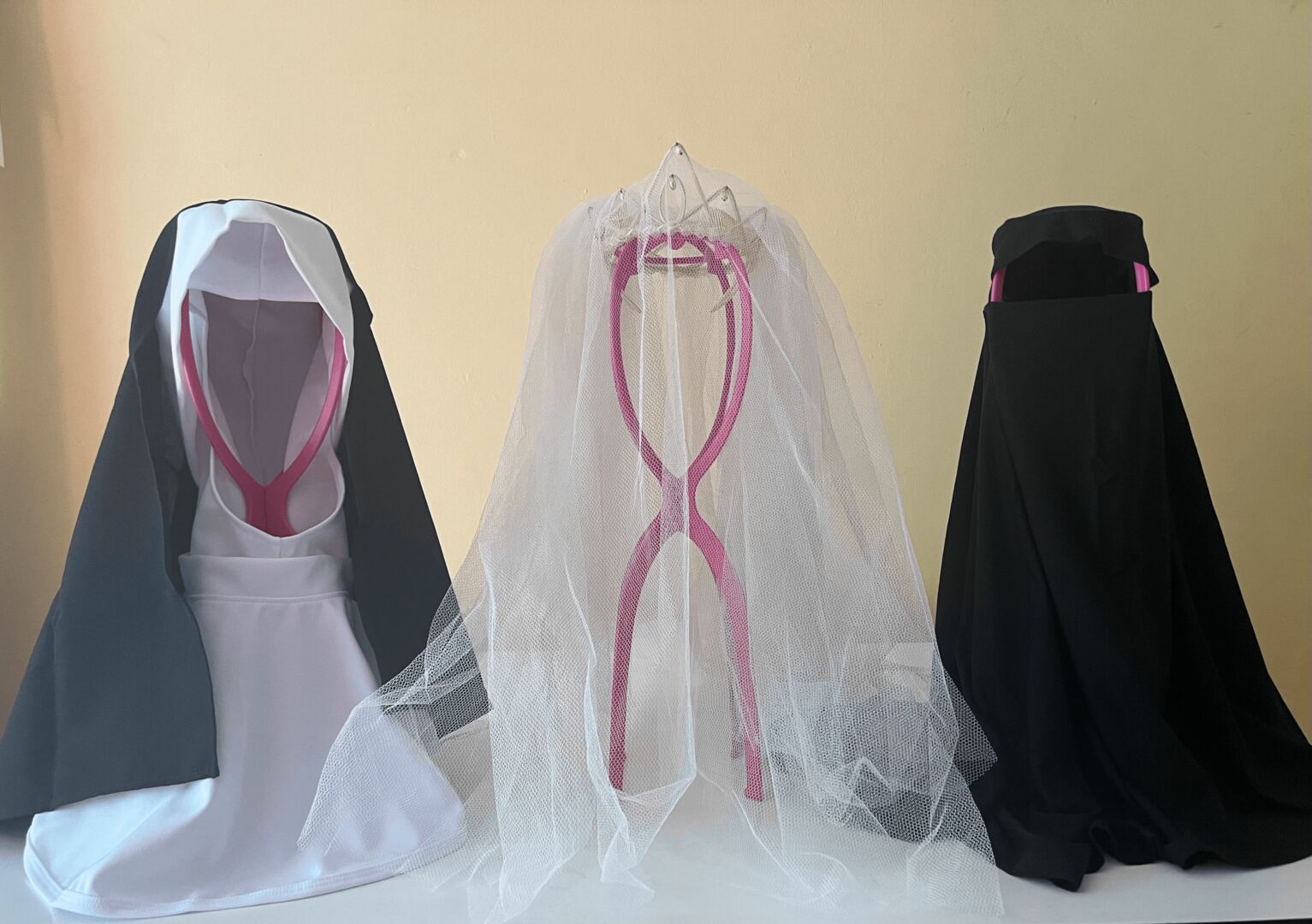
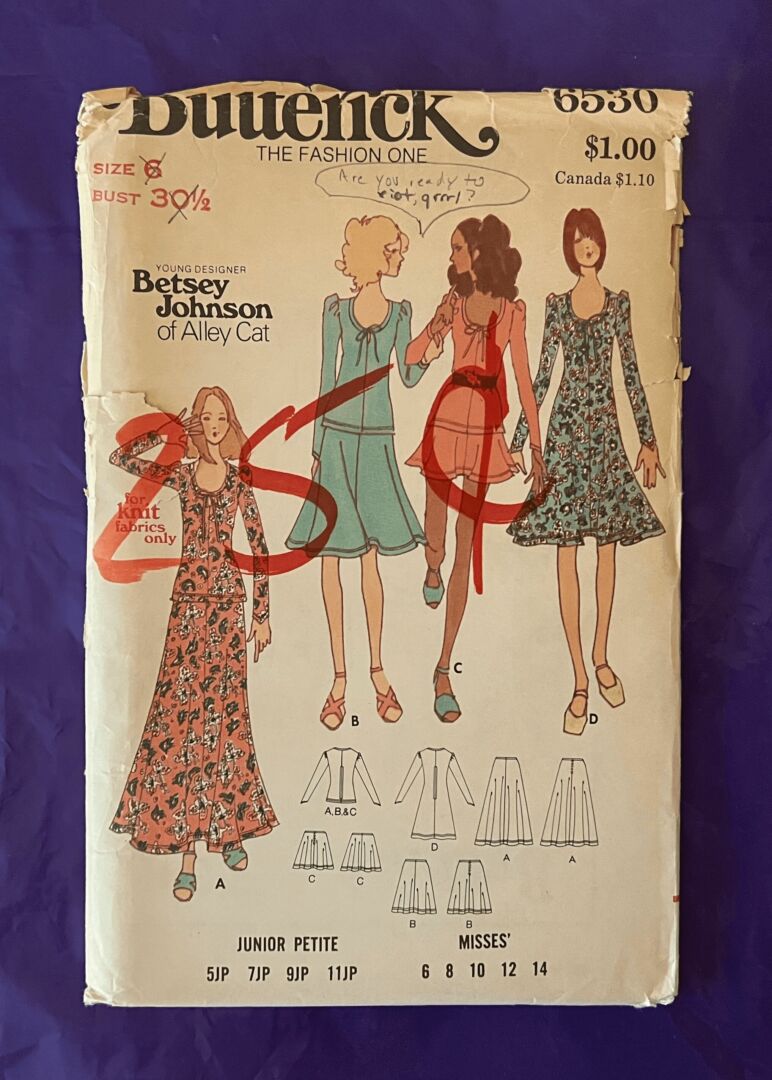
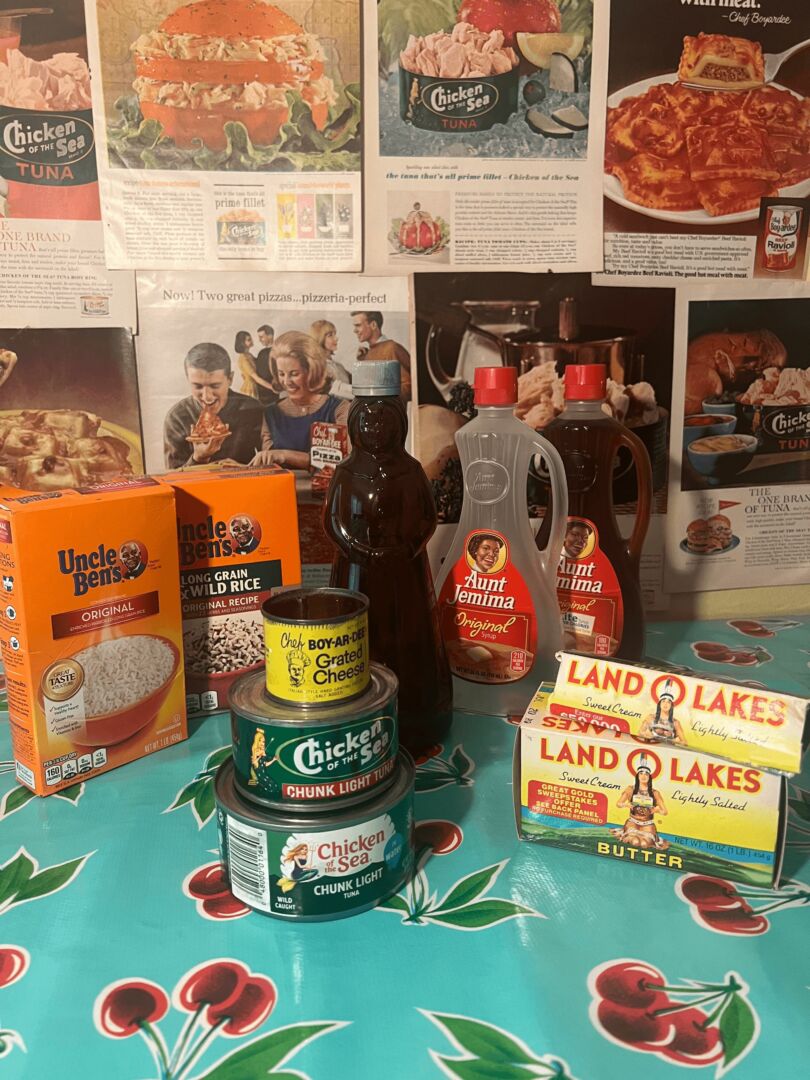
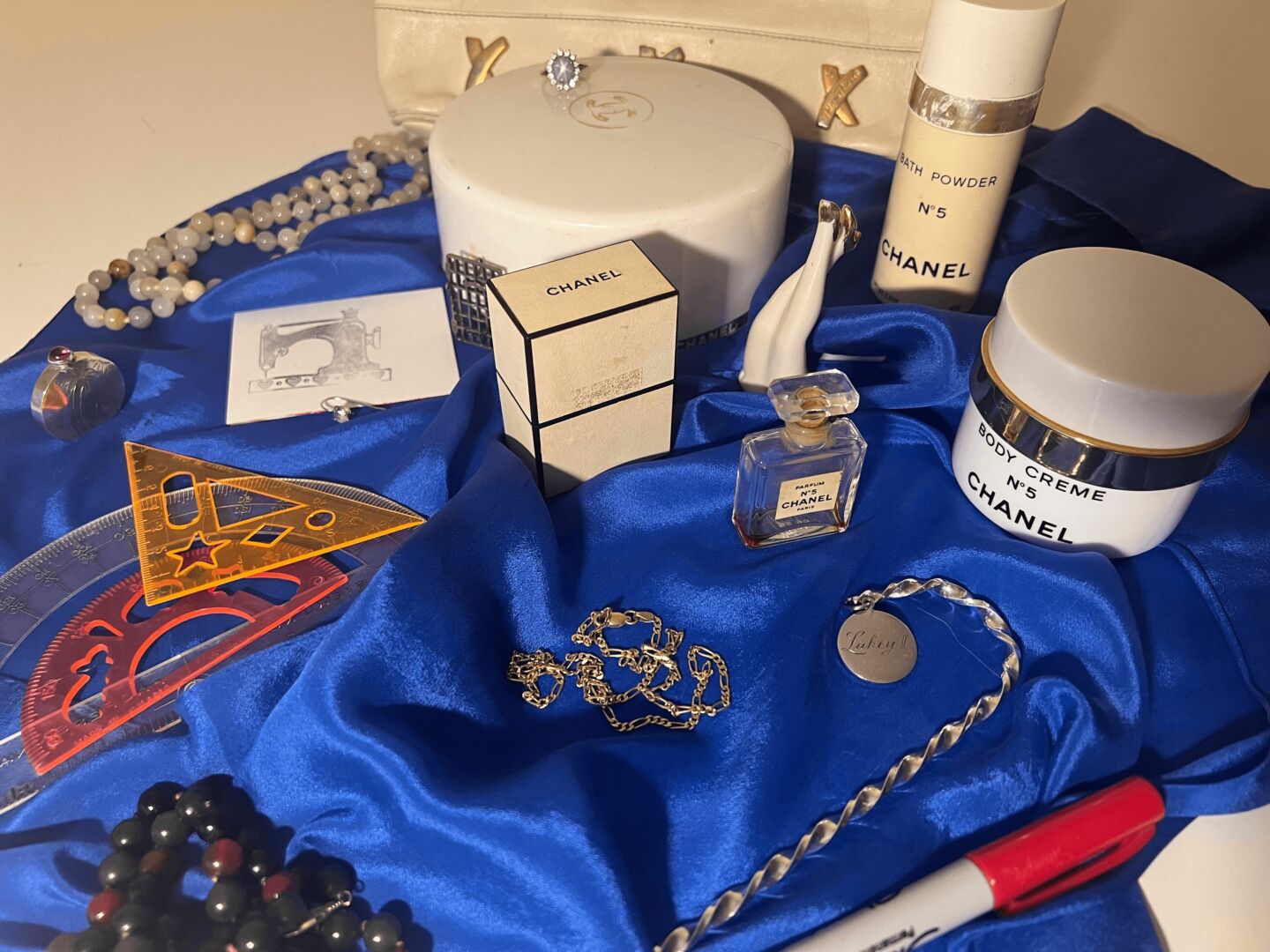
Image Credits
All photographs of my artwork and me are by me, Lucretia Tye Jasmine