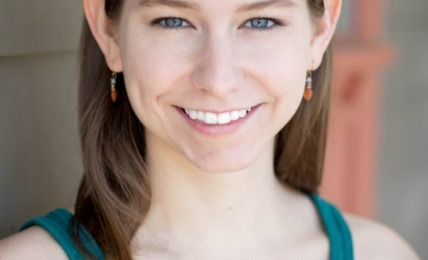
Meet Mackenzie Li | XR Developer & Creative Technologist


We had the good fortune of connecting with Mackenzie Li and we’ve shared our conversation below.
Hi Mackenzie, how has your work-life balance changed over time?
Over time, I’ve learned to better separate my work and personal life. Initially, it was a struggle to step away from my professional work—I used to work non-stop up until 2 years ago. However, the support from my teammates and friends has been transformative. We’ve cultivated an environment that values and encourages a healthy work-life balance. This high-trust setting allows us to rely on one another and understand each other’s strengths. Being in such a supportive environment has greatly improved my work-life balance. I no longer feel the pressure to handle everything on my own, and every step I take is met with encouragement. This support is crucial not only for maintaining balance but also for my mental health 🙂
Let’s talk shop? Tell us more about your career, what can you share with our community?
I was diagnosed with amblyopia at the age of 4, which significantly limited activities that could potentially harm my eyesight. I wasn’t allowed to watch TV, play computer games, or read books unless the lighting was perfect. I remember frequently spilling water when pouring it into a glass, and a particularly striking memory is my inability to steer a toy car into a designated slot during a vision test. However, these restrictions didn’t bother me much at the time, as I didn’t realize I lacked depth perception. Due to my poor eyesight, I developed a unique perception system that relied heavily on sound. I often joke that I have an “audiographic” memory, as I can recall sounds vividly without needing to understand their meaning. Since my memory system was built on audio cues, the concept of three-dimensional vision was foreign to me, fostering a deep affection for three-dimensional spaces from an early childhood. I’m keen on ‘seeing’ the world from different angles.
This interest has carried over into my professional life as well. With a background in computer science and a strong inclination toward art and design, I have always enjoyed viewing the world from various perspectives. My experience as a Computer Science student with a passion for art has shown me the similarities between coding and artistic creation—both offer a high degree of freedom and strive for simplicity. This blend of creativity captivates me, encouraging me to perceive the world both gracefully and logically. This multidisciplinary approach has sparked ideas about delivering multi-sensory experiences, not just visual ones. Thus, I’m continually seeking ways to merge art and technology, aiming to bridge the gap between the two, making things both beautiful and rational.
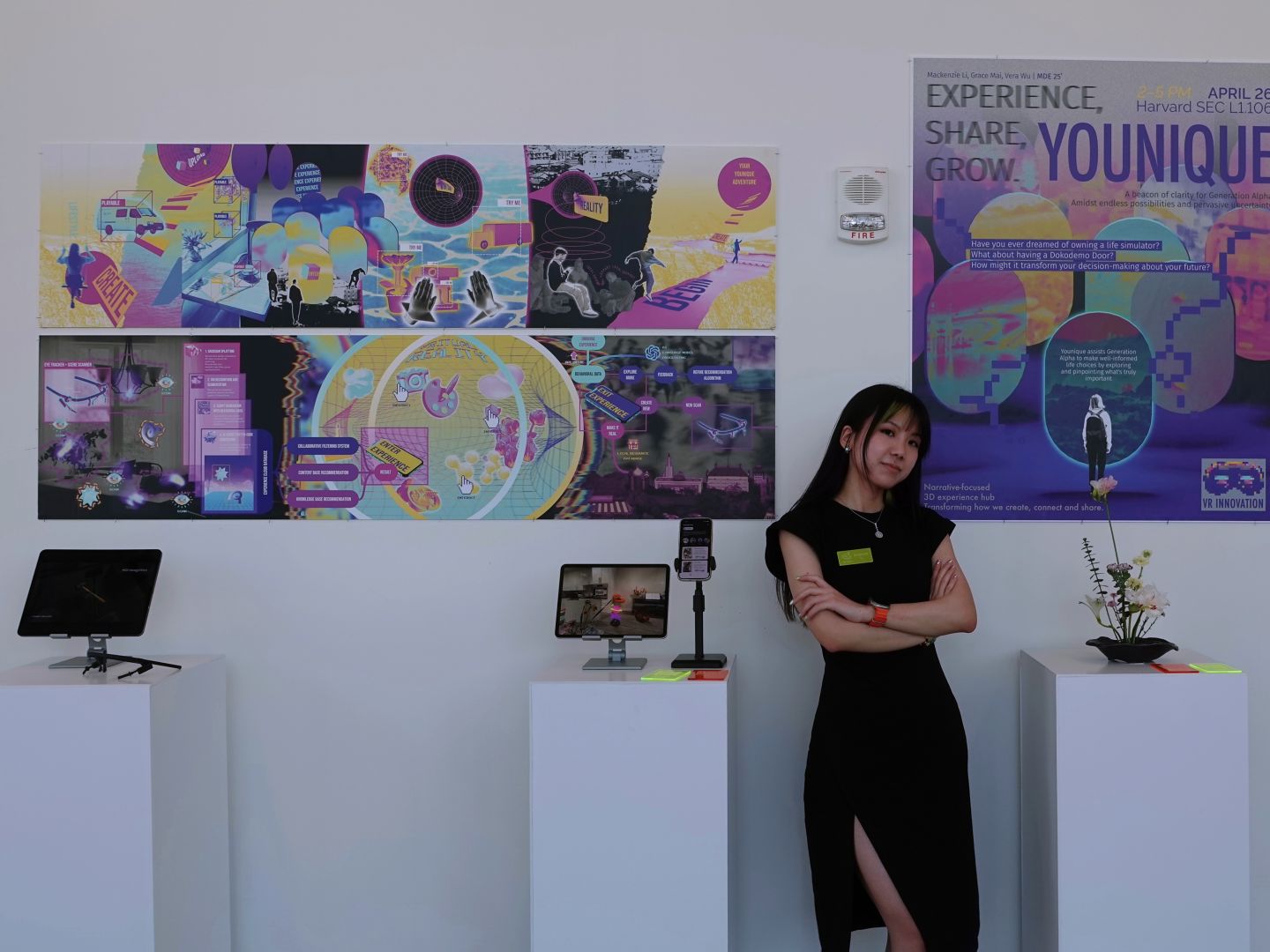
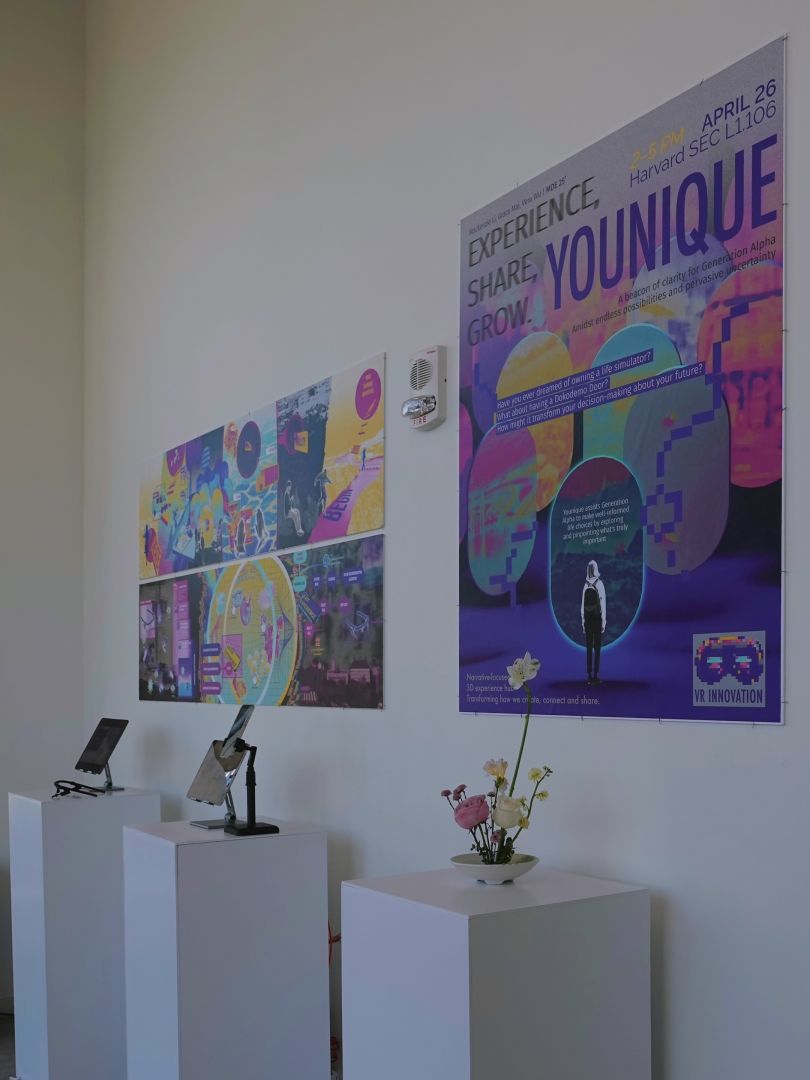
Throughout my journey, I’ve been exploring various technologies and art forms, and today, I’d like to highlight one of my recent projects, ‘Younique’. This is a group project developed together with Grace Mai and Vera wu.
Although we are still developing the MVP, the potential it holds is immense. Our project began by rethinking modern technologies. Digital tools, while convenient, often strip away the authenticity found in face-to-face interactions. Anthropologist Ashley Montagu has noted that our growing dependency on digital technology gradually dulls our senses. Our daily routines—from video chatting with friends and ordering groceries online to attending classes via Zoom—are all mediated through screens. This shift towards a visually dominated life diminishes our awareness of our surroundings and reduces our engagement with other senses.
The real challenge lies not just in coexisting with technology but in using it to forge deeper, more meaningful connections. By reevaluating our interaction with digital tools, we can transform these potential barriers into opportunities for a more fulfilling and genuinely connected existence. However, there is a paradox: increased digital connections can lead to greater isolation, spurred by economic pressures and the fear of missing out, which often results in endless online activity that leads to superficial interactions.
Addressing the digital habits of younger generations is increasingly critical. Recent studies show that about 75% of U.S. teenagers use social media daily, with high engagement on platforms like YouTube and TikTok. A significant number of users aged 16-24 admit to spending too much time on these platforms, prompting many to better manage their online activities. These findings underscore the urgent need for strategies that help young people balance their digital and real-world interactions, fostering environments that encourage creative engagement and critical thinking. Our goal is to ensure that while digital platforms continue to offer valuable, interactive spaces, they do not overshadow the benefits of real-world interactions.
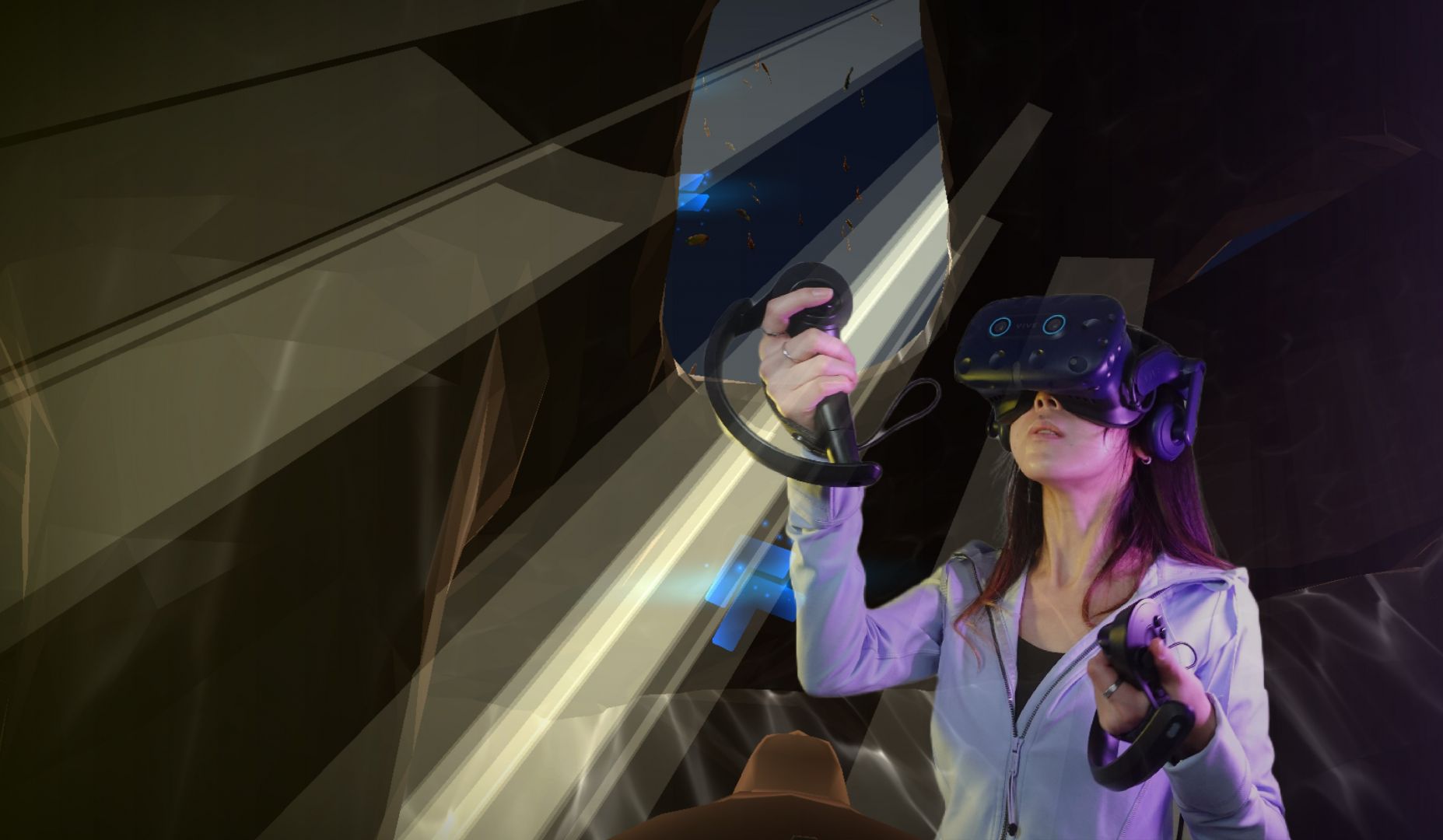
To meet these digital challenges, we need to rethink our digital tool strategies. Implementing engaging, structured design frameworks can help develop online platforms that bridge digital and real-world activities, empowering individuals to manage life’s complexities with greater confidence. One promising approach is the use of virtual reality (VR), which can create compelling digital experiences that integrate seamlessly with our real-life interactions. VR allows users to experience lifelike scenarios, providing a genuine sense of presence. We envisioned a platform similar to GitHub—tailored for life experiences—where users can upload immersive, VR-compatible videos of their activities, allowing others to virtually step into their shoes. This not only fosters a shared experience community but also enables users to make informed decisions about their interests by experiencing potential life choices in a tangible way.
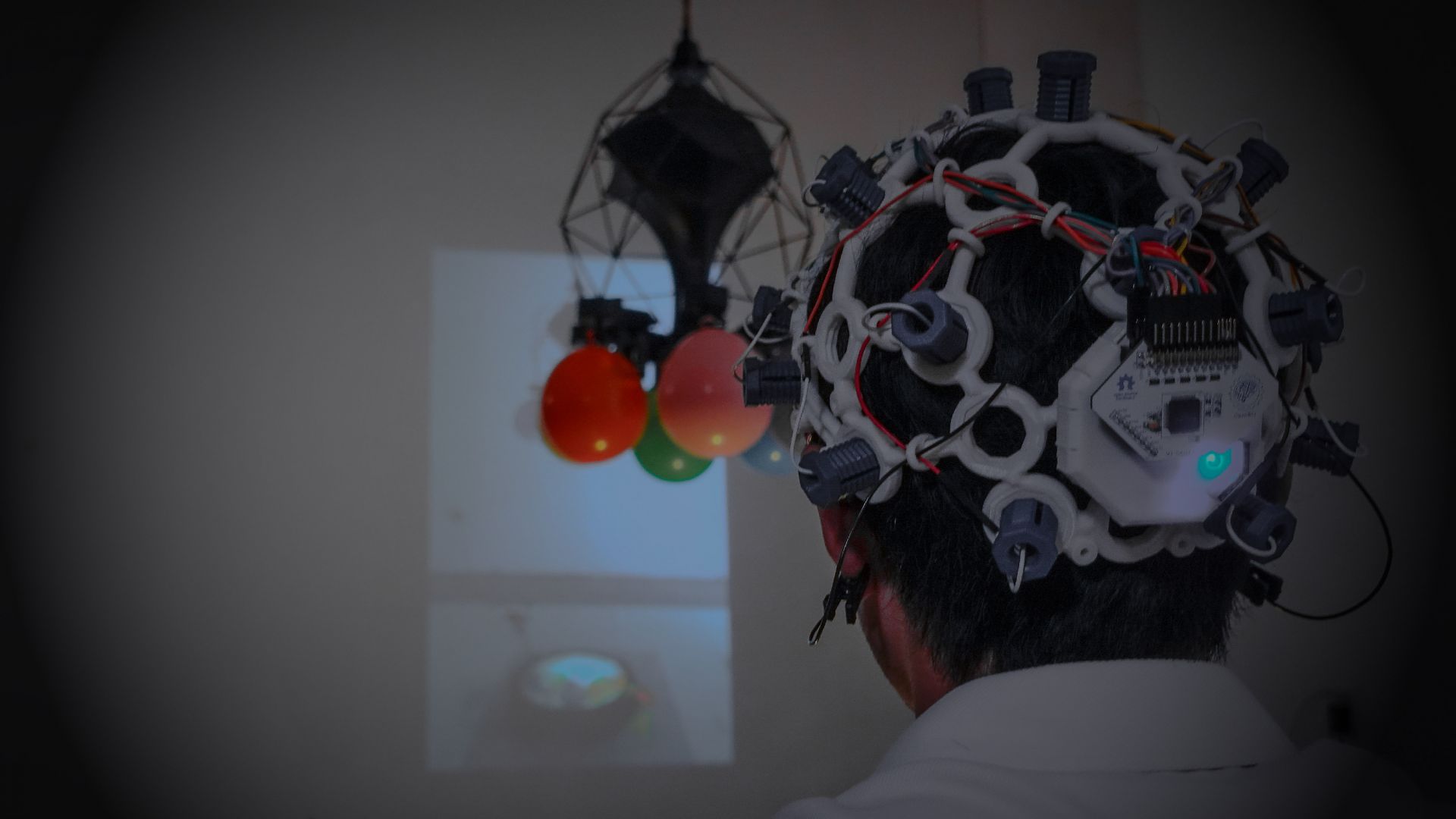
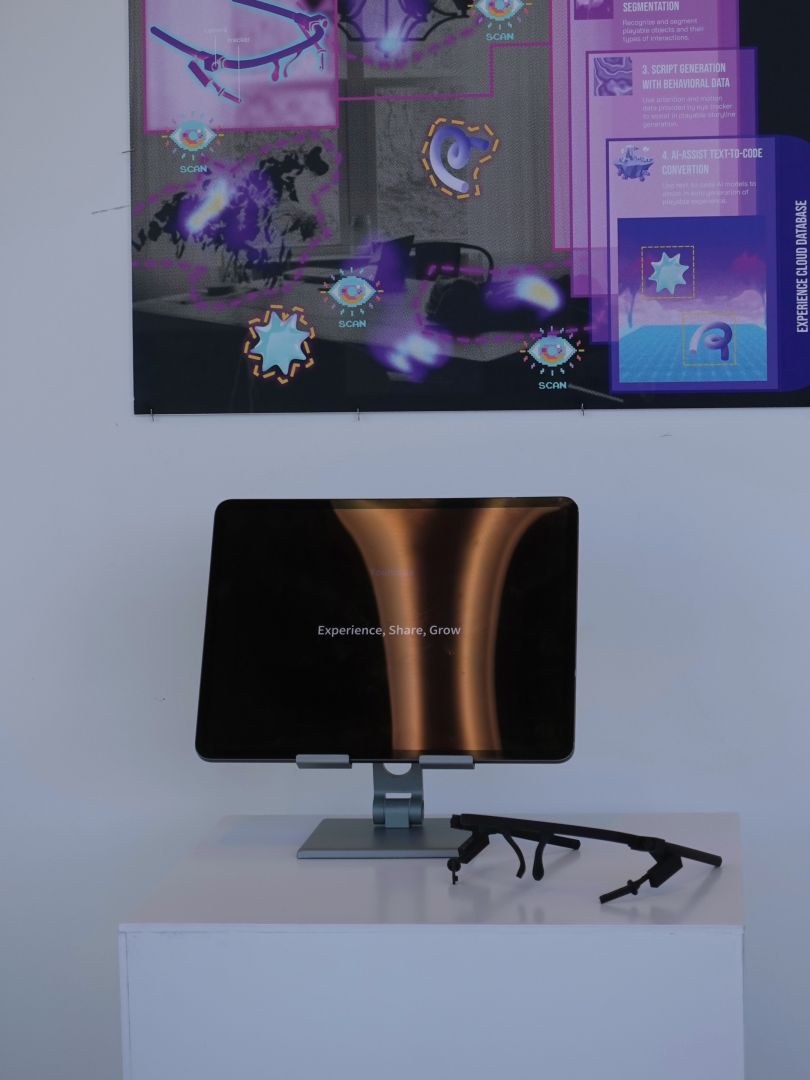
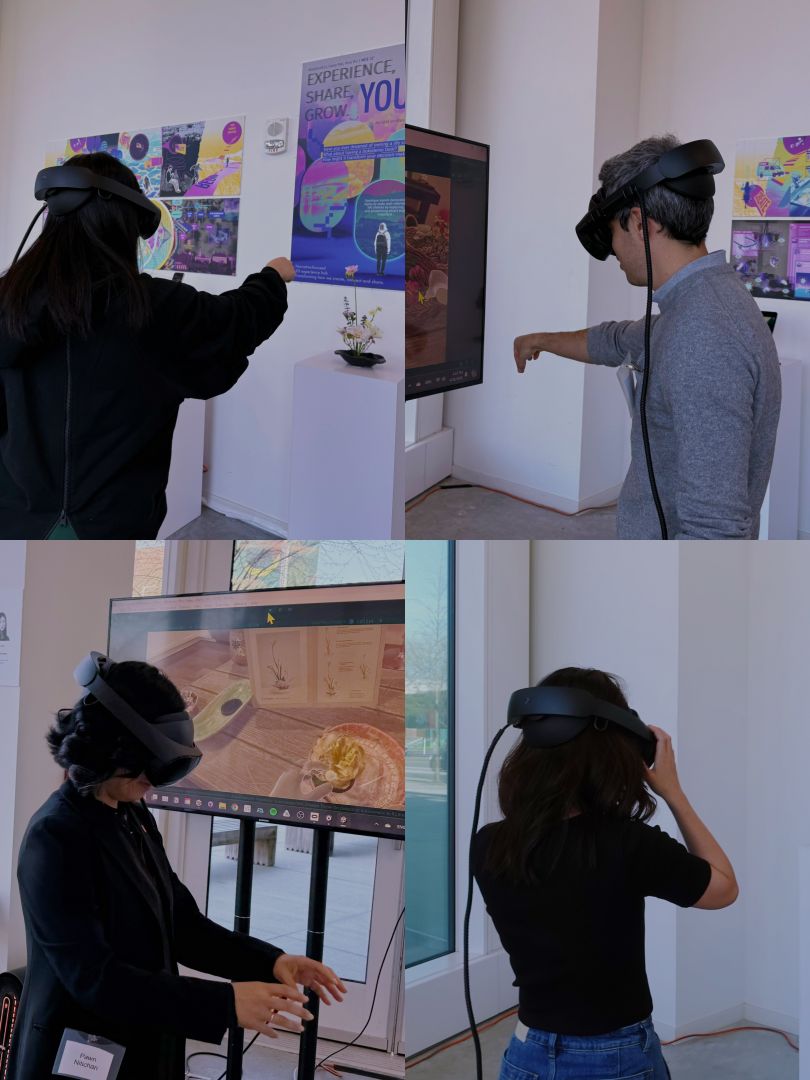
We are currently developing our Minimum Viable Product (MVP), centered around the art of ikebana. This immersive virtual experience includes complex interactions that extend beyond traditional media capabilities. By using 3D scanning technology, we’ve digitized a physical space where users can interact with three-dimensionally scanned flowers. Participants wearing headsets can arrange these flowers into ikebana creations, then explore and interact with their arrangements in augmented reality (AR), enhancing the immersion.
This approach was tested with 20 participants, initially showing that 70% had no interest in flower arranging. However, after a 20-minute VR session, their disinterest dropped to just 10%. Moreover, 90% reported an increased willingness to engage in flower arranging and to interact with real-life florists post-session. This significant shift demonstrates how VR can effectively reduce the hesitations and insecurities associated with trying new activities, opening up new possibilities for meaningful and engaging experiences.
Feedback from an education staff member at the Peabody Museum in Boston indicated that participants felt more confident and enthusiastic about art after the VR experience. The hyper-realistic visuals provided in the session made the experience feel immersive and relevant, contrasting with the often cartoon-like visuals found in typical VR, making the virtual more relatable to real-life activities.
By enhancing decision-making skills and confidence, our VR platform aims to reduce the isolation often associated with digital interactions. Looking ahead, the challenge of fostering genuine human connections in a digital age seems daunting but achievable. By employing human-centered design and innovative frameworks, we aim to develop digital solutions that deepen and authenticate our interactions, anticipating the needs of users and enriching both individual lives and the community at large.
In conclusion, integrating digital technology into our daily lives offers more than convenience; it presents an opportunity to profoundly enrich human experiences. Our approach aims to transform the digital age from a potential source of individual alienation to a thriving ecosystem of authentic relationships. Through continuous innovation and thoughtful application of digital tools, our goal is to create a world where technology serves as a bridge to genuine connection and mutual growth, enhancing our ability to connect, understand, and empathize with one another in meaningful ways, and rediscover the richness of our sensory connection with the world around us.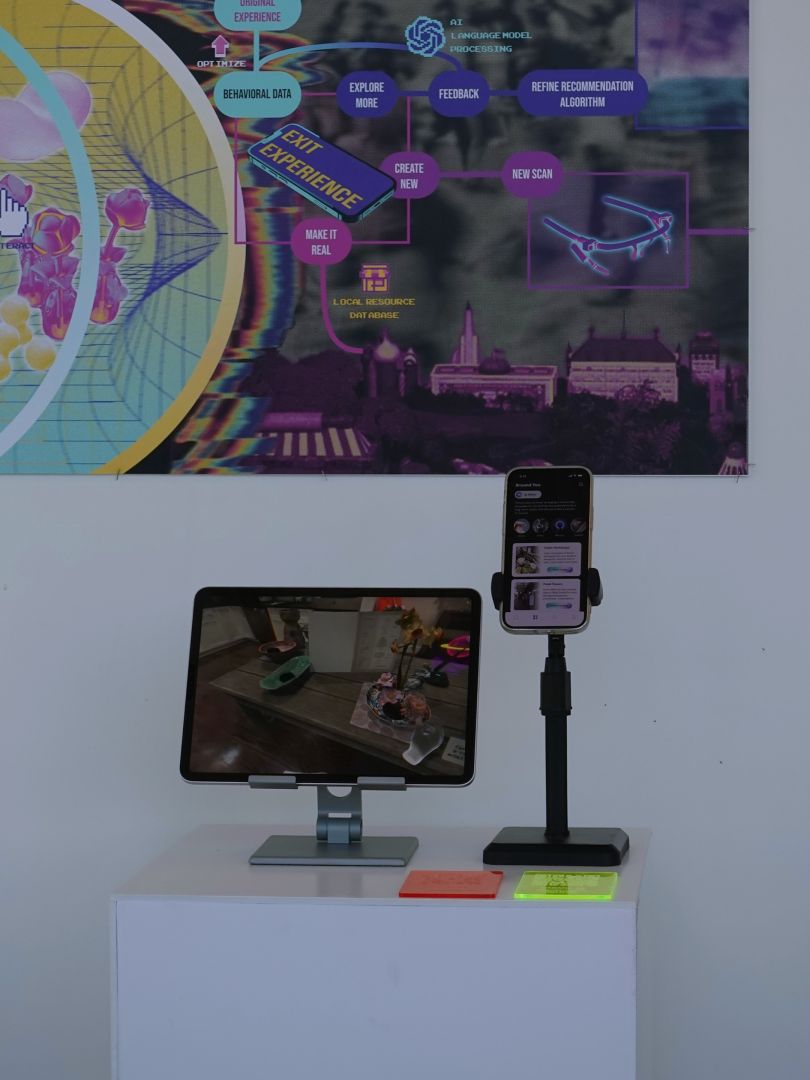
Any places to eat or things to do that you can share with our readers? If they have a friend visiting town, what are some spots they could take them to?
I love the excitement of discovering new places, especially with friends. If my best friend were visiting for a week, I’d want to share that sense of adventure with them. We would definitely explore some of my favorite neighborhoods like Fenway, Back Bay, and the North End, which are full of fantastic dining options. A must-do would be starting our days with brunch and a great cup of coffee – it’s my essential morning ritual.
Throughout the week, we wouldn’t stick to a strict schedule, opting instead to keep things flexible. This way, we can enjoy spontaneous moments, like deciding to take a leisurely walk along the Charles River on a sunny day, or discovering a new restaurant or local event as we wander. I find that not having every minute planned allows us to enjoy the richness of the city and the joy of unexpected finds, making for a truly memorable visit.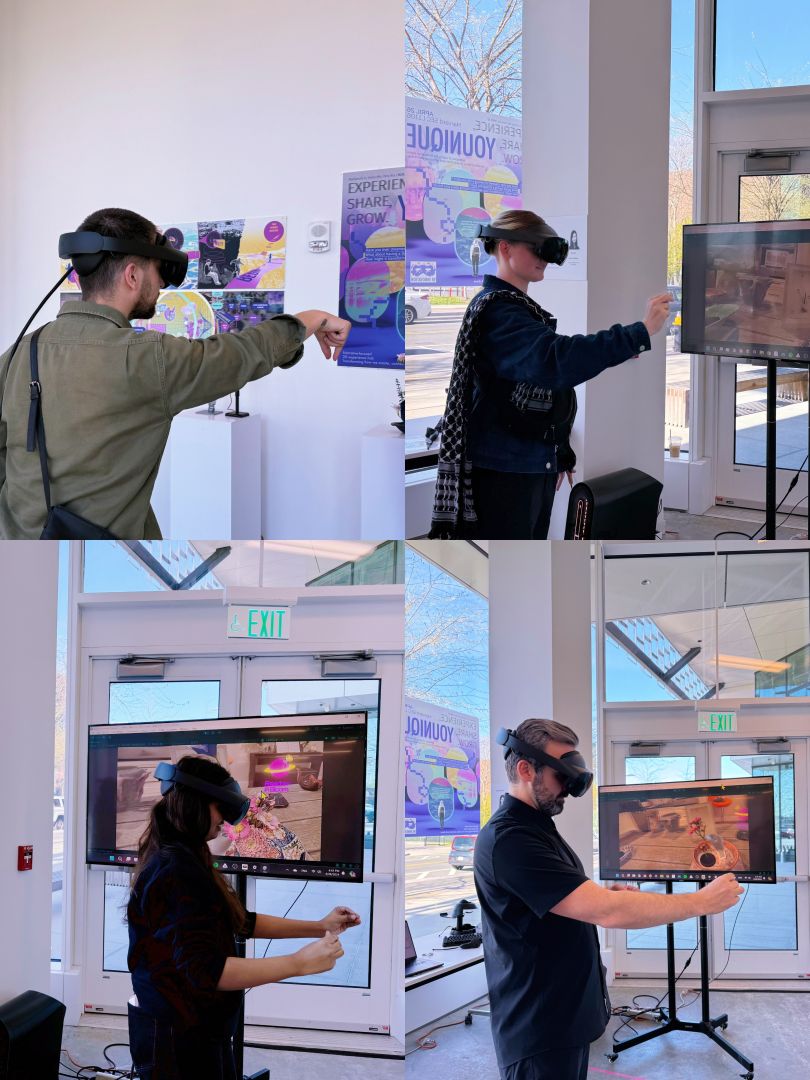
The Shoutout series is all about recognizing that our success and where we are in life is at least somewhat thanks to the efforts, support, mentorship, love and encouragement of others. So is there someone that you want to dedicate your shoutout to?
I’ve always had a deep passion for music and anime, which were central themes throughout my childhood. I view both as significant forms of art that have provided me with immense inspiration. They’ve lifted my spirits during tough times and shared in my joy. Growing up with them, they’ve become a part of who I am, accompanying me on my life’s journey. Additionally, I love traveling and journaling. For me, Traveling allows me to explore the outside world, and keeping a journal is a way to introspect, reflect, and express myself. Together, these experiences shape my worldview and contribute to my personal growth.
I’d also like to give a shoutout to my family. Their support and encouragement have profoundly influenced my professional journey. With their support, I’ve managed to push beyond my previous limits and explore new challenges. Their presence and support have been crucial to my development and success.
Website: mackenzieli.net
Instagram: https://www.instagram.com/mkz.li/
Youtube: https://www.youtube.com/playlist?list=PLdIV1hCOVL6ZI2-HeHdIM1Fq2SDpwEDbB
Other: our project site: https://linktr.ee/younique.xr our project insta: https://www.instagram.com/youniquexr