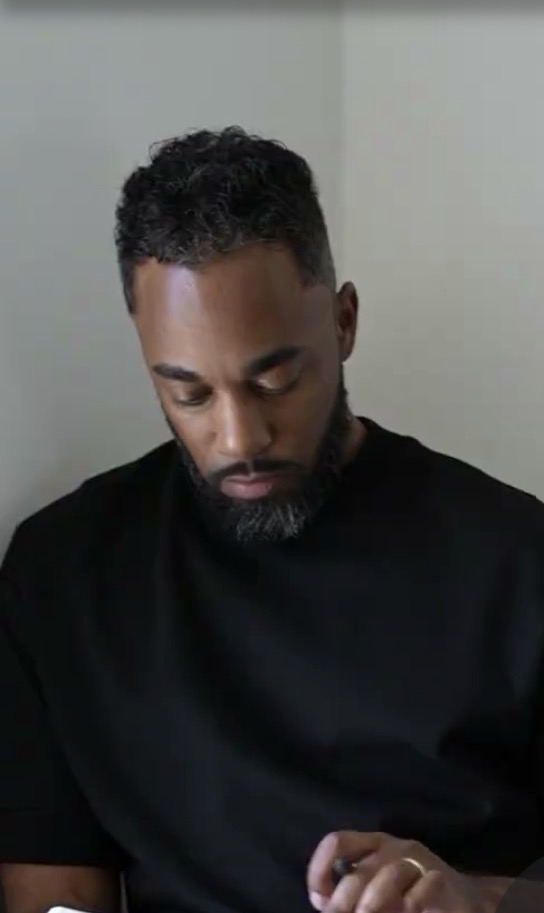
Meet Matthew West | Founder & Psychologist
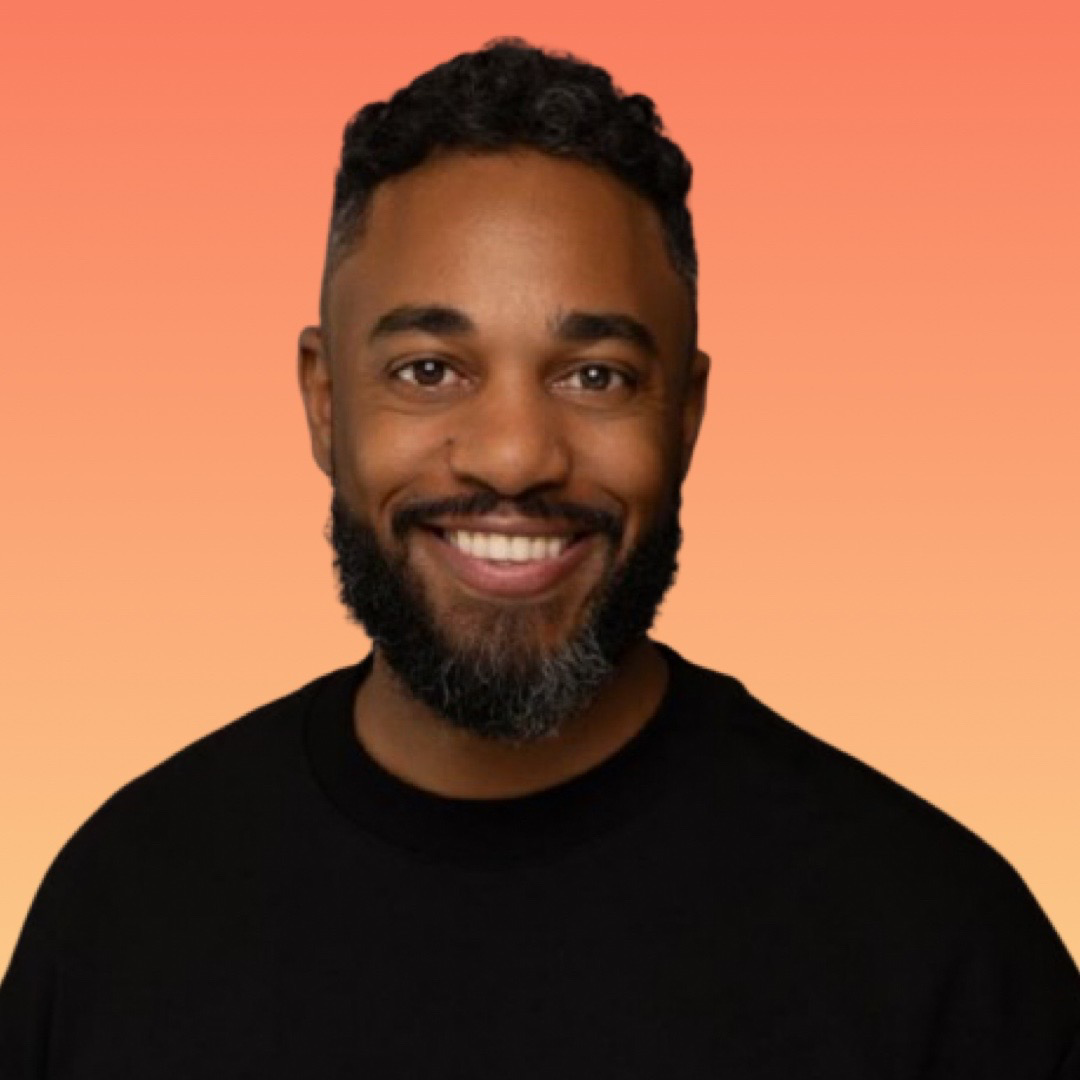


We had the good fortune of connecting with Matthew West and we’ve shared our conversation below.
Hi Matthew, how does your business help the community?
As Matthew West, founder and psychologist behind Boom AI: The mental health crisis on college campuses isn’t just a student problem – it’s a societal crisis with ripple effects that touch every corner of our communities.
The Human Cost We’re Addressing:
As a psychologist, I’ve seen too many bright, capable students slip through the cracks. Nearly 40% of college students are screening positive for moderate or severe depressive symptoms Instructure, yet most won’t seek help until they’re in crisis – if they seek help at all. We lose students not because they lack potential, but because they lack timely, accessible support at the moments that matter most.
When students drop out, we don’t just lose tuition dollars. We lose future teachers, doctors, engineers, and community leaders. We perpetuate cycles of economic inequality. We leave young people carrying debt without the degree that makes it worthwhile. The human toll is staggering.
How Boom Creates Social Impact:
1. Democratizing Mental Health Support
Traditional counseling centers are overwhelmed – demand for counseling services has increased five times faster than student enrollment, with many institutions having only one or two clinicians on staff Instructure Community. Our AI doesn’t replace human therapists; it triages, supports, and extends their reach. A first-generation college student at 2 AM who’s panicking about failing chemistry doesn’t need to wait three weeks for an appointment. They need support now.
2. Breaking Down Barriers to Help-Seeking
There’s still tremendous stigma around mental health, especially in certain communities. Students are embarrassed to ask for help. They don’t want to “burden” overworked counselors. They convince themselves they’re fine until they’re not. By embedding wellness support directly in Canvas – the platform they’re already using daily – we remove the friction. It’s not “going to therapy.” It’s just part of their learning environment.
3. Catching Students Before They Fall
As a psychologist, I know that early intervention is everything. The difference between a student who gets support in week 3 versus week 10 can be the difference between graduation and dropout. Our AI identifies patterns – declining engagement, assignment stress, isolation indicators – and intervenes proactively. We’re not waiting for students to fail; we’re preventing the failure in the first place.
4. Addressing Systemic Inequities
First-generation students, students of color, LGBTQ+ students – they face compounded challenges and often have fewer support networks. They’re more likely to drop out, not because they’re less capable, but because they lack the safety nets that more privileged students take for granted. Boom provides 24/7 support that doesn’t depend on having parents who understand the system or money for private therapy.
5. Creating a Ripple Effect
When we help a student stay in school and graduate, we’re not just changing one life. That student goes on to earn more, contribute more to their community, serve as a role model for younger siblings, break generational patterns of poverty. Poor retention rates negatively affect operational budgets and alumni donor programs in the long term EdTech Magazine – but more importantly, they represent lost human potential.
The Broader Vision:
I believe we’re at an inflection point. Mental health should be as routine and accessible as physical health. Just as you don’t need to be “sick enough” to see a doctor, you shouldn’t need to be in crisis to get emotional support. AI allows us to provide that preventive, ongoing wellness support at scale.
But here’s what keeps me up at night: technology alone isn’t the answer. It’s a tool. We have to use it ethically, thoughtfully, and in service of human connection – not as a replacement for it. That’s why Boom is designed to work with campus counseling centers, with faculty advisors, with the human infrastructure that already exists. We’re force multipliers, not replacements.
The World I Want to See:
A world where no student loses their educational dreams because they couldn’t access help when they needed it. Where mental wellness is so normalized and accessible that seeking support carries no more stigma than going to the gym. Where institutions have the data and tools to intervene early, often, and effectively.
That’s not just good for students. It’s good for families, communities, and society. Education is still the most powerful engine for social mobility we have. Every student we help stay in school and thrive is one more person equipped to solve the world’s problems.
That’s the social impact I’m committed to creating.
What should our readers know about your business?
We’re the bridge between wellness and retention that higher education has been missing. Most solutions are either pure mental health support (expensive human clinicians) or pure analytics (cold early alert systems). Boom is different – we use AI to provide proactive, empathetic wellness support and predictive insights, all embedded where students already spend their time: Canvas LMS. What makes me proudest? We’re not replacing human connection – we’re scaling it. Our AI catches students before they’re in crisis, provides immediate support at 2 AM when counseling centers are closed, and seamlessly connects them to human resources when needed. We’re force multipliers for overwhelmed campus wellness teams.
The Journey Here:
Easy? Not even close.
I started as a clinical psychologist at Pepperdine, watching brilliant students slip through the cracks despite our best efforts. The math was devastating: 40% of students showing depressive symptoms, but counseling demand growing 5x faster than enrollment. One or two clinicians on staff trying to serve thousands of students. Three-week waitlists when students needed help now.
The breakthrough came when I stopped thinking like a traditional clinician and started thinking like a product designer. Students weren’t avoiding help because they didn’t need it – they were avoiding it because we made it too hard. The stigma. The scheduling. The “am I broken enough to justify this?” internal calculus.
The Challenges:
The biggest hurdle? Convincing stakeholders that AI could handle something as sensitive as mental health without being cold or dangerous. I spent months in pilot programs, proving our approach with real data. We had to earn trust from counseling center directors who’d been burned by edtech snake oil before.
Technical challenges too – building AI that could genuinely understand context and nuance, not just keyword matching. Creating a system that respected privacy and FERPA compliance while still being effective. Figuring out the Canvas integration without being intrusive.
And honestly? Overcoming my own resistance. As a psychologist, I was trained to value the therapeutic relationship above everything. Learning that technology could enhance rather than replace that relationship required unlearning years of professional dogma.
Lessons Learned:
1. Start with the pain, not the technology. I didn’t build Boom because AI was cool – I built it because students were suffering and existing solutions weren’t scaling.
2. Data proves skeptics wrong. When campus partners saw retention rates improve and counseling center efficiency increase, philosophical objections melted away.
3. Partner, don’t compete. We succeed by making counselors more effective, not by replacing them. Once we framed it that way, doors opened.
4. Students will tell you what they need if you listen. Our best features came from the 47 students who shared their stories in early research.
What I Want the World to Know:
Boom isn’t about putting therapy in an app. It’s about recognizing that mental wellness and academic success are inseparable, and giving institutions the tools to support both at scale.
I want people to know that we’re clinician-founded and evidence-driven. Every decision is grounded in psychological science and validated with real outcomes. We’re not Silicon Valley bros disrupting healthcare – we’re practitioners using technology to extend our reach.
Most importantly: no student should lose their educational dreams because they couldn’t access help when they needed it. That’s not just our mission statement – it’s personal. I’ve held too many exit interviews with talented students who just needed someone to notice they were struggling.
Canvas reaches 30 million students. If Boom can help even a fraction of them stay in school, graduate, and thrive? That’s the world I’m building toward
Any places to eat or things to do that you can share with our readers? If they have a friend visiting town, what are some spots they could take them to?
Day 1 – Malibu Grounding Start where it all began for me – Pepperdine’s campus. That view of the Pacific from Alumni Park? Still takes my breath away. We’d grab breakfast at Malibu Farm on the pier (the avocado toast is worth the hype), then hit El Matador Beach for the morning. Lunch at Malibu Seafood – order at the counter, eat on the deck, watch the surfers. Evening walk along Point Dume at sunset. This is where I do my best thinking.
Day 2 – Wellness & Nature
Morning hike at Runyon Canyon – yeah, it’s touristy, but the views and people-watching are unbeatable. Post-hike recovery at Kreation in West Hollywood (their wellness shots saved me through dissertation hell). Afternoon exploring The Getty Center – the architecture, the gardens, the art. It’s where I learned that beauty is part of healing. Dinner at Gjelina in Venice – share everything, especially the Brussels sprouts.
Day 3 – The Real LA
Breakfast burritos at Cofax on Fairfax (coffee shop meets donut shop meets taco spot – very LA). Spend the morning at Grand Central Market downtown – it’s LA’s diversity in food form. Visit The Broad museum (free, but book ahead). Late afternoon at Arts District – the murals, the energy, the breweries. Dinner at Bestia if we can get a reservation, otherwise Bavel. Both life-changing.
Day 4 – Beach Day
This is sacred. We’re doing the full Santa Monica to Venice Beach experience. Rent bikes, hit the path early. Coffee at Blue Bottle on Abbot Kinney. Lunch at Bay Cities deli (get the Godmother sandwich). Afternoon just existing on the sand. As the sun sets, we’re at The Bungalow in Santa Monica for drinks. Yes, it’s sceney, but the vibe is unmatched.
Day 5 – Culture & Community
Brunch at Sqirl in Silver Lake (get there early or prepare to wait – the sorrel rice bowl is legendary). Explore Echo Park Lake and the neighborhood. Afternoon at The Last Bookstore downtown – it’s an Instagram darling but genuinely magical. Dinner in Koreatown – either Kang Ho-dong Baekjeong for KBBQ or Sun Ha Jang for late-night soup. End at a karaoke spot because it’s Ktown.
Day 6 – Adventure Day
Drive up to Griffith Observatory early (beat the crowds, catch the views). Hike down through Griffith Park. Lunch at HomeState (Texas comfort food in LA – trust me). Afternoon: if my friend is outdoorsy, we’re doing the Wisdom Tree hike. If not, we’re vintage shopping on Melrose. Dinner at Republique – the pastries alone justify the trip, but stay for dinner. It’s where I celebrated finishing my dissertation.
Day 7 – The Send-Off
Slow morning with coffee at Intelligentsia in Silver Lake. Drive up Mulholland Drive for the views. Lunch at Gjusta in Venice (sister restaurant to Gjelina, equally incredible). Spend the afternoon at Getty Villa in Pacific Palisades – it’s less crowded than The Getty Center and the gardens are stunning. Farewell dinner wherever they loved most from the week, or we’re trying Nightshade (Vietnamese fine dining that’ll change your life).
The Hidden Gems I’d Actually Show Them:
• Self-Realization Fellowship Lake Shrine in Pacific Palisades – peaceful, spiritual, and most tourists miss it
• Eaton Canyon Falls hike in Pasadena – easier than Runyon, more rewarding
• The Huntington Library gardens in San Marino – where I wrote half of my thesis
• Cha Cha Chicken in Santa Monica for Caribbean food on a hidden patio
• Sunset Beach in Malibu – locals only, way less crowded than Zuma
Coffee Spots I Actually Work From:
• Blue Bottle (Arts District or Melrose)
• Go Get Em Tiger (Los Feliz)
• Verve Coffee (West Hollywood)
• Dinosaur Coffee (Silver Lake) – where I sketched out the first Boom AI wireframes
What Makes LA Special to Me:
It’s not just one thing – it’s the collision of cultures, the creative energy, the fact that you can surf in the morning and hike in the afternoon. As a psychologist building a tech company, LA gives me access to both the wellness/mindfulness world and the startup ecosystem.
But honestly? It’s the optimism. People come here to reinvent themselves, chase big dreams, take risks. That energy is contagious. It’s why Boom was born here.
Plus, you can’t beat having the ocean 20 minutes away when you need to clear your head.
Who else deserves some credit and recognition?
My Shoutout: I want to dedicate this to Dr. Prince, my high school mentor.
Dr. Prince taught me something crucial that shapes everything about Boom AI: “The best intervention is the one that actually reaches the person who needs it.”
As a young student, I was focused on understanding therapeutic techniques – the “right” approach, the evidence-based protocols. But Dr. Prince showed me that brilliant interventions mean nothing if students never walk through the door. He was ahead of his time, running one of the first text-based crisis lines for college students back in 2012, when everyone thought it was “impersonal.”
He understood what I’m now building Boom around: students need support where they are, when they need it, in formats that feel natural to them. Not in an office during business hours. Not after a three-week waitlist. Not when they’re already in crisis.
Dr. Prince also taught me to never lose sight of the human being behind the data. When I get excited about our AI’s pattern recognition or predictive accuracy, I hear her voice: “But did it help that student feel less alone?”
Those talks while I was at Pepperdine’s graduate program, talking about the future of mental health care, planted the seeds for Boom AI. He saw the potential of technology to scale compassion long before most clinicians were willing to consider it.
I also want to recognize:
• The 47 students who shared their stories in our early research – your courage and honesty shaped everything
• Canvas/Instructure – for building an ecosystem that actually welcomes innovation in service of students
Sarah used to say, “We’re not saving students. We’re removing barriers so they can save themselves.” That’s what Boom AI is about.
Website: www.boomai.app
Instagram: https://www.instagram.com/iammattwest?igsh=NTc4MTIwNjQ2YQ%3D%3D&utm_source=qr
Twitter: https://x.com/iam_mattwest?s=21