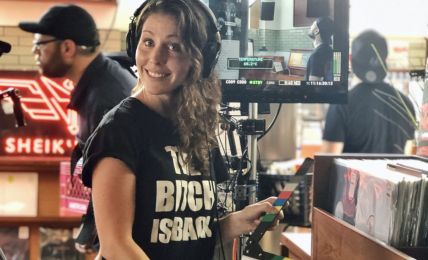
Meet Miao Chen


We had the good fortune of connecting with Miao Chen and we’ve shared our conversation below.
Hi Miao, how does your business help the community?
As a female film and theatre writer-director from China, I have long been committed to bringing the under-presented Third-World females concealed in East Asia’s long history to the foreground of the international stage. Along such line of storytelling, the history of WW2, which weighs the heaviest on Chinese people’s collective memory, is a special highlight that I am continually working on. While pursuing my MFA in Film Production at USC, I was awarded a fellowship by USC East Asian Studies Center on an experimental film project, Norika, which sheds light on WW2’s fatal impact on Japanese military’s female households, which was no less brutal than that on Chinese women of the same time. My newly-coming film, Dandelion, on the other hand, tells the story of Chinese comfort women during the time of the 1937 Nanking Massacre in China. Like Norika, Dandelion and my other female-centered war films shift the camera lens away from the common cinematic obsession with male military violence rendered on women, and instead put the focus back on those women themselves and how they made their way out of the darkness of a time of war. In Dandelion, for example, I chose to omit the detailed process of soldiers’ violence, and present all the soldiers’ part through offscreen voiceovers. In this way, female participation is technically pulled back in focus. I believe my perspective is helpful in building authentic female power on the big screen, and with the growth of a healthy mode of female power, the easily-shattered world peace can achieve steadier support. Dandelion was screened at the Oscar-qualifying LA Shorts International Film Festival this July, and has been selected and nominated for awards by several other well-known film festivals. We received feedback from audiences saying they were stunned by the war tragedy and deeply moved by the female bravery. With these achievements, Dandelion is going on to the screening in October by the Micheaux Film Festival in LA and ready to make more impact on the Third-World female community.

Alright, so let’s move onto what keeps you busy professionally?
Alongside my storytelling of the East Asian history, as my stay in the US and this special “world citizen” status of being extends, another branch of my storytelling, the fantasy genre, is on the growth. Another two films of mine, Fortune Teller and Eternal Summer, which are coming out soon, fall in this category. While I hold the belief that Chinese storytellers have a firm tendency towards historical storytelling, as our narrative tradition grew from history writing, and all history we are talking about would end up in reflecting upon the present time, my fantasy storytelling, I believe, has the closest ties with the most up-to-date ups and downs we human beings are experiencing after the pandemic. That said, I call it the sensitivity of time that separates me from fellow storytellers. Let it be the forgotten past time, or the apocalyptic future — me and my stories live with time, and my audience would see themselves as a part of that time that we are all experiencing.

Any places to eat or things to do that you can share with our readers? If they have a friend visiting town, what are some spots they could take them to?
I recommend the Manhattan Beach, where I did promotional photography for my theatre play The Tale of a Lake and where I shoot a scene of my film Eternal Summer. LA is a city by the sea, and among all the beaches here, the Manhattan Beach stands out to me as the richest in beauty and depth.
I also recommend the Griffith Observatory. It is high up on a hill, providing you with the best bird’s eye view of the city of stars. When you raise your head, you see the actual stars in the dark blue night sky. How inspiring is that?

Shoutout is all about shouting out others who you feel deserve additional recognition and exposure. Who would you like to shoutout?
I came to the US, to the renowned top-one film school at USC to explore the dazzling but demanding world of filmmaking. I would never call it easy, but with the guidance and help from my film school faculty, things did become smoother, and my horizons have been unprecedentedly broaden. I want to thank my producing faculty Eric Freiser, who helped to set me on the right track of film storytelling. I want to thank my directing faculty James Savoca for inspiring me to focus on the film directing track, which turned out to be my most important decision during grad school. I want to thank my thesis mentor, John Watson, who helped me and my team out during the most difficult times of our thesis film shooting. I also want to thank my film and media studies faculty Aniko Imre, who always stands as my strongest support for my further academic plan, and who truly advanced my understanding of the world.
In terms of speaking for Third-World community, I also want to dedicate my shoutout to the former Chinese-American author-journalist, Iris Chang, who first brought the historical memory of Nanking Massacre to the mainstream Western world with her phenomenal book, The Rape of Nanking: The Forgotten Holocaust of World War II. I always look up to her as a pioneer and someone whom I can follow. One after another, we make voices heard.
Website: https://www.miaochen99.com/
Instagram: https://www.instagram.com/mariah_miaochen/
Linkedin: https://www.linkedin.com/in/miao-chen-19b030220/
Facebook: https://www.facebook.com/miao.chen.5458498/
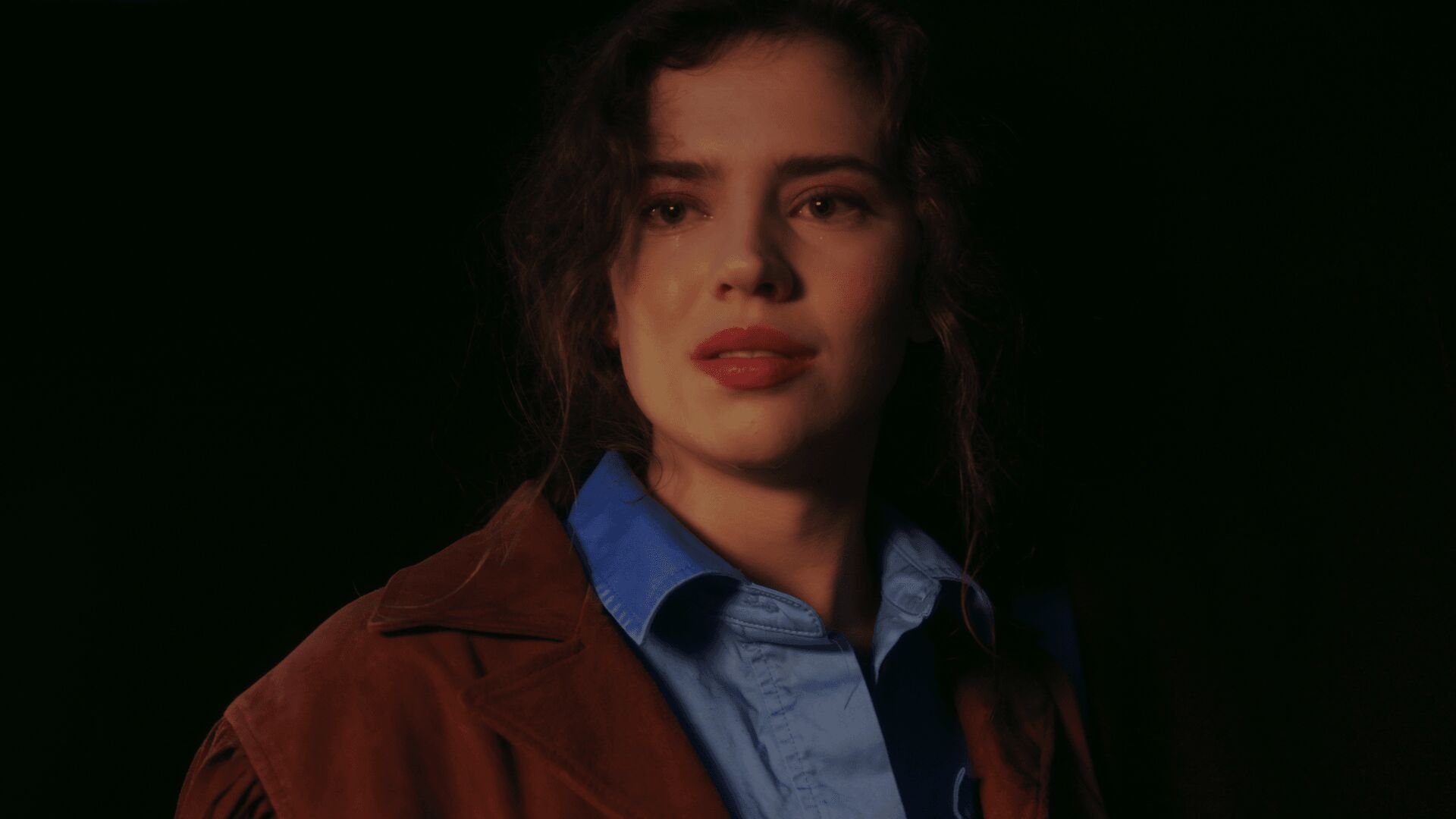
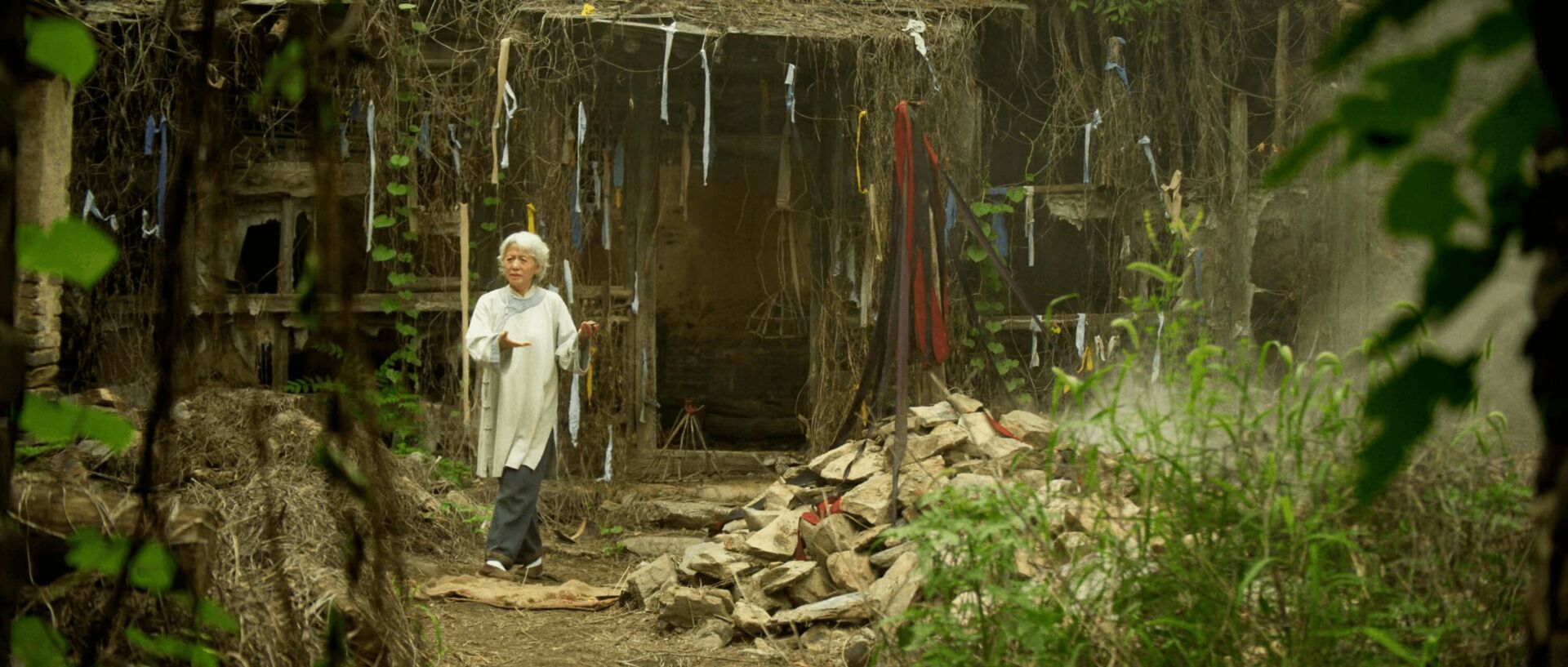
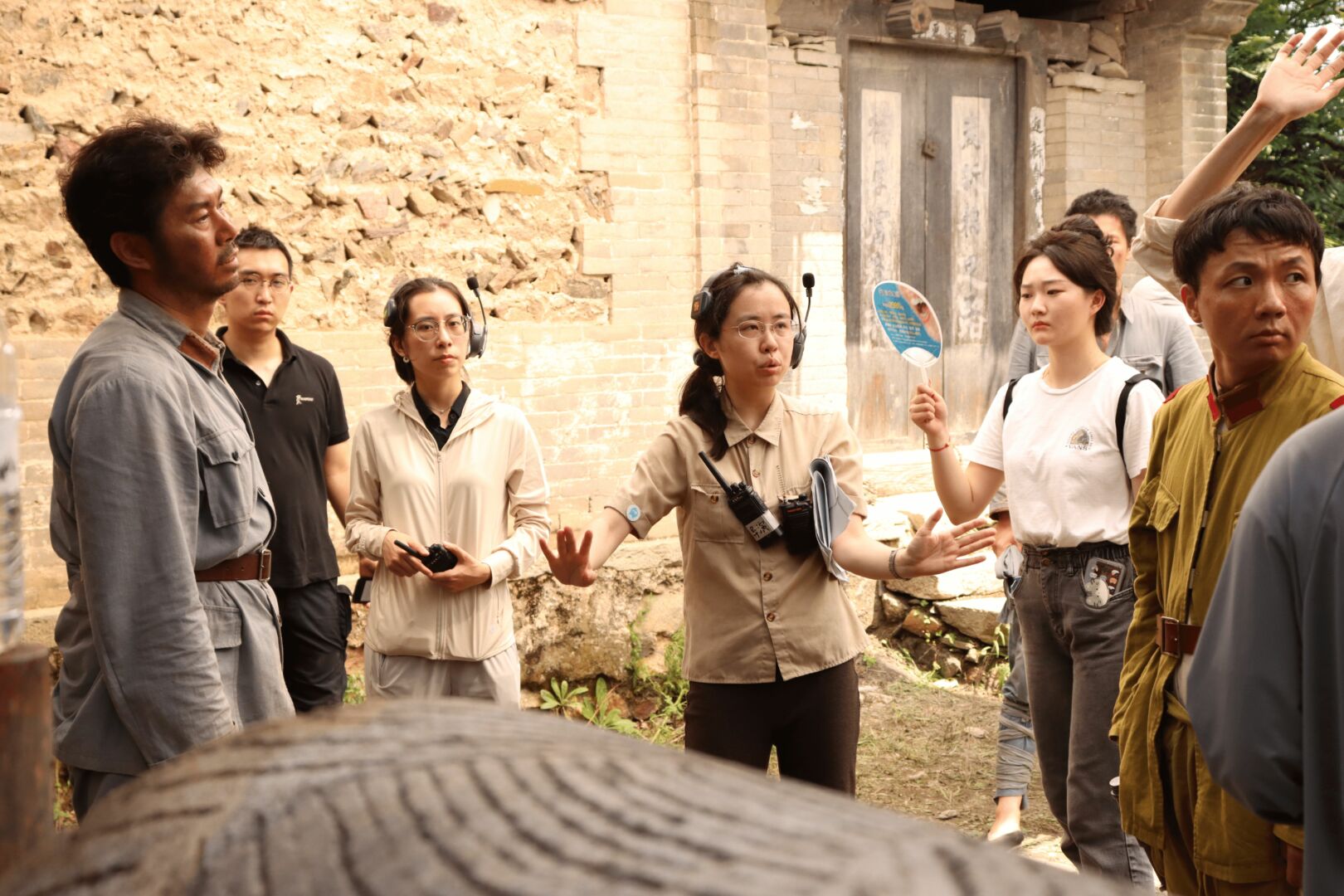
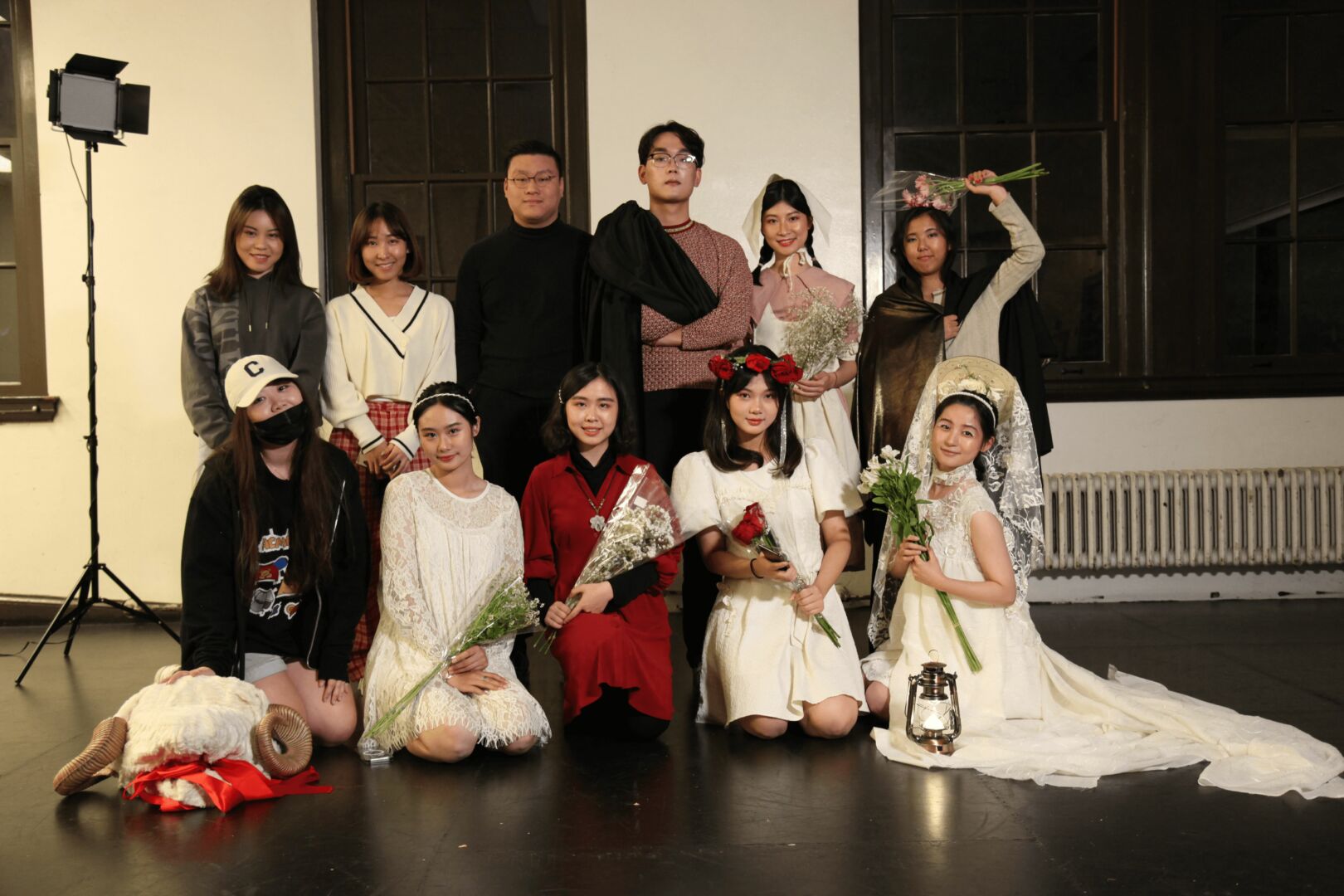

Image Credits
Lily Yuan Yang, Sharon Yanchu Zhou, Ray Rui’en Zhang, Surui Guo, Yida Zhao, Tingting Lyu, Leslie Huang, Nian Chen, Lauren Studios of California