Meet Pierce Csurgo | Filmmaker
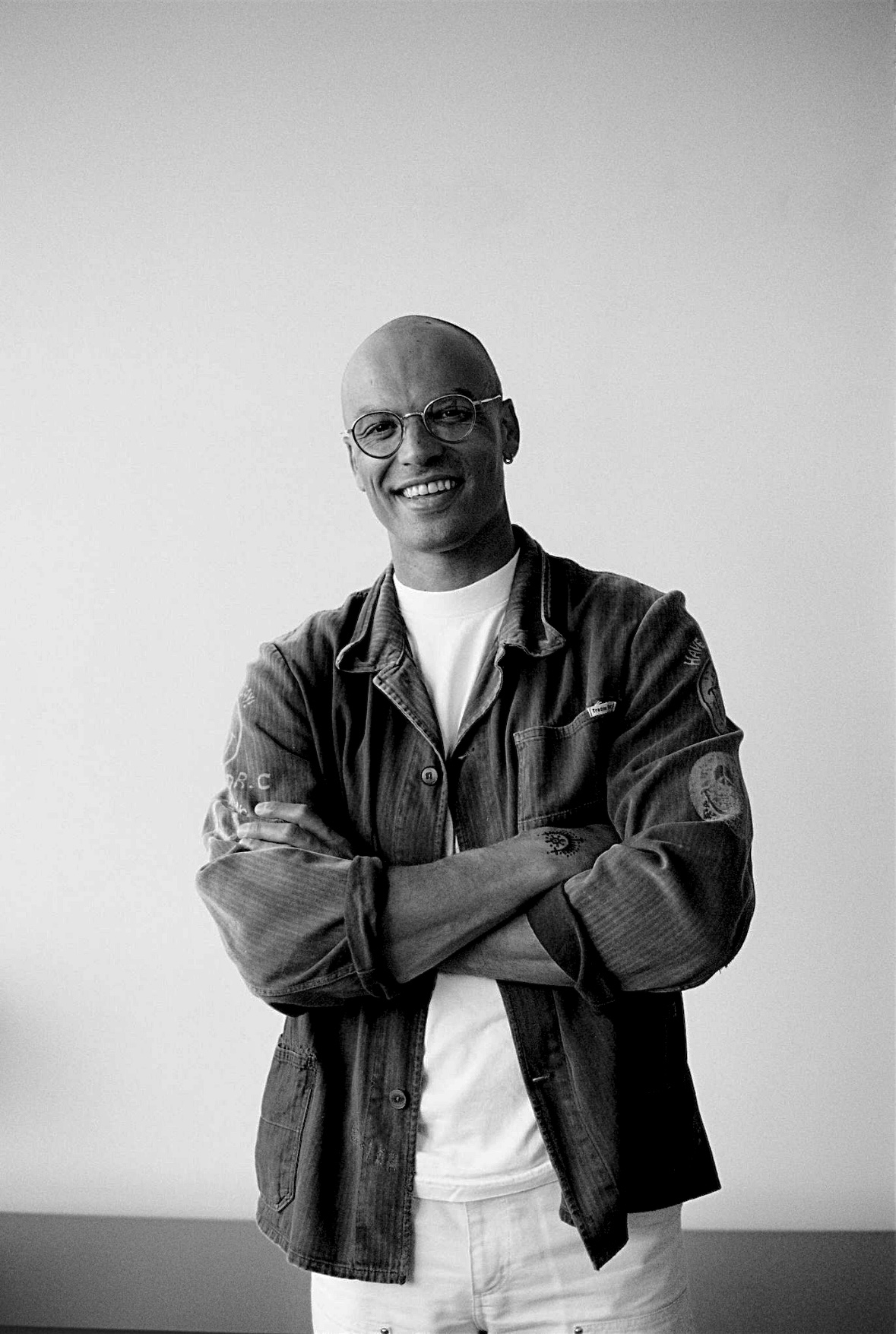


We had the good fortune of connecting with Pierce Csurgo and we’ve shared our conversation below.
Hi Pierce, why did you pursue a creative career?
My artistic path was born largely out of necessity. I went to business school and was working in finance in London when, perhaps predictably, I became depressed. The only reasonable solution at the time seemed to be to travel, which became a two-year sojourn across Asia and the Middle East. I’d like to say I had some grand plan, but mostly I was fleeing a life built on someone else’s definition of success.
Turns out you can’t outrun yourself. I tried, extensively, across two continents. Toward the end of that journey, something shifted. I had one strong feeling. I needed to tell the story of my trip. I wrote a novel called The Wanderer based on my experiences abroad. It became a way to make sense of what I’d been running from and what I’d found along the way. I also wanted to pay it forward to others who weren’t as compelled to travel like that, to offer them a window into those distant places and the transformation that’s possible when you step outside the life you thought you had to live. From there, I turned toward filmmaking. I was seeking something less solitary, more collaborative, closer to the pulse of life.
Early on, the compulsion into art came from pain. But as I’ve come more securely into myself, I’m still inspired by all that I live through and what interests me, only from a different place now. It’s about wanting to connect to others and connect more deeply to myself, rather than escaping the parts of myself I found unacceptable. Art became the bridge between who I was and who I needed to become. Whether I’m producing, directing or writing, I find there is no mastery, yet that’s exactly what I’m striving for.
Alright, so let’s move onto what keeps you busy professionally?
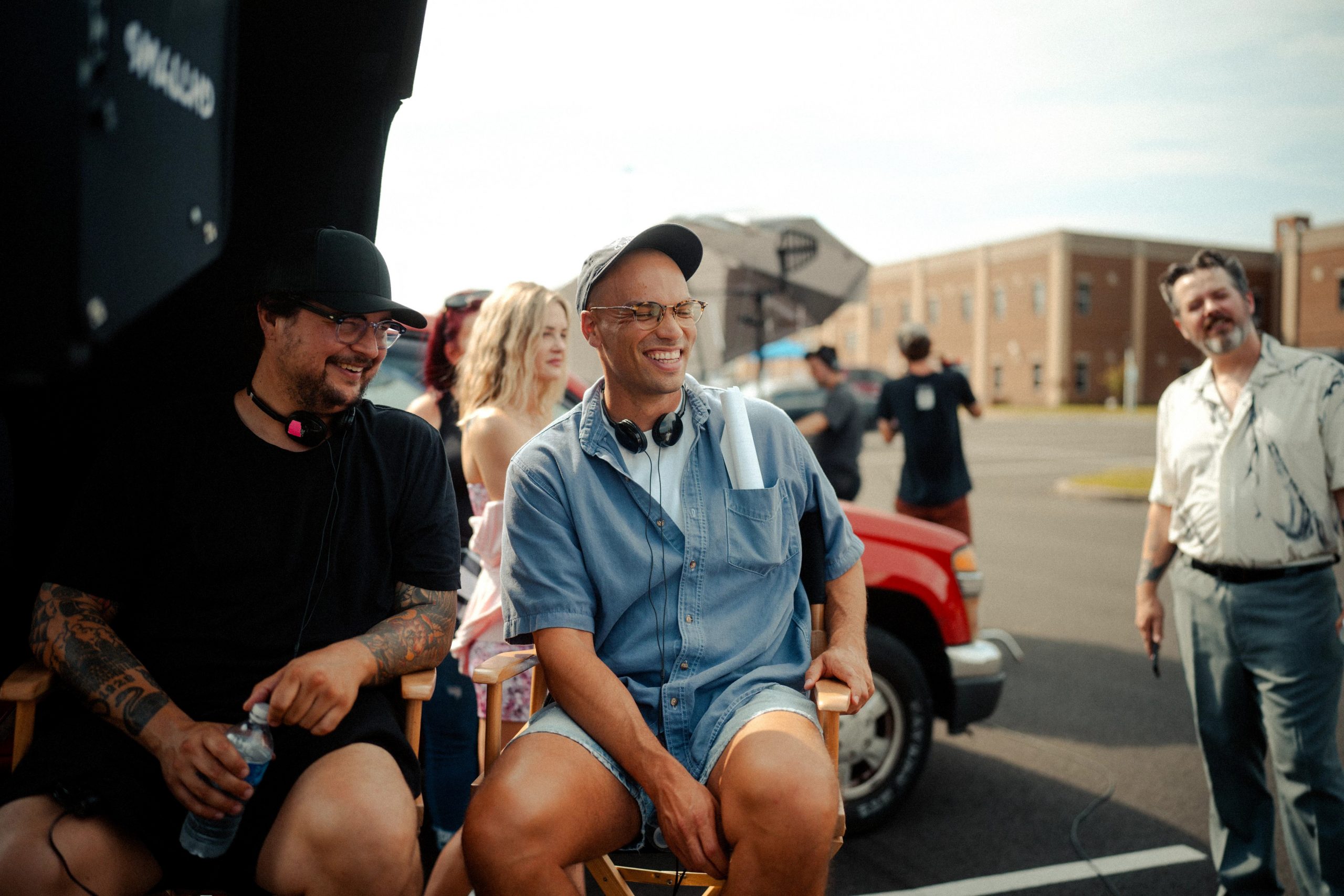
I see myself as a story maker. The stories I tell are drawn from my own experiences and then reimagined as fiction. What I’ve found is that through bringing these stories to life, I’m invited to better understand myself and my own patterns. It’s cheaper than therapy, though arguably just as painful. There’s a weaving that happens where my stories are, at times, ahead of my own personal growth. They show me where I need to go before I fully know it myself. There’s a Junot Díaz quote I love: “In order to write the book you want to write, in the end you have to become the person you need to become to write that book.”
My recent films have been concerned with modern masculinity, placing sensitive men in harsh, unforgiving environments and seeing how they fare. The story arc is often like crawling through barbed wire, but with a grounded redemption and a hopeful, though uncertain, future. I want to show that vulnerability isn’t weakness, that there’s a particular kind of strength in staying open when everything tells you to close down. These are the stories I need to tell because, in many ways, they’re about becoming the kind of man I’m trying to be.
It’s been a meandering journey with an underlying intensity. The cost of living authentically is uncertainty, and uncertainty turns out to be both biting and necessary. There were moments when I questioned whether I’d made the right choice leaving finance, whether I was fooling myself. But it’s been rewarding and heartfelt. I wouldn’t trade it.
The biggest lesson I’ve learned is being present to what is. I’m interested in the moments between the moments, the small gestures that reveal who we really are. That’s where the poetry lives, in the everyday struggle to become more honest versions of ourselves.
Any places to eat or things to do that you can share with our readers? If they have a friend visiting town, what are some spots they could take them to?
LA is my favorite city in the world. The contrast, the contradictions, the cacophony of culture that somehow works in beautiful concert. It’s a city that shouldn’t function but does, held together by perfect weather and the shared delusion that anything is possible.
I live in Venice, so I’d start on the west side. We’d play tennis or take a yoga class at Open, then wander through the canals where it’s quiet and surprisingly beautiful. A walk along the boardwalk is mandatory, if only to witness the collision of ambition and performance that makes Venice what it is. We’d hit the Santa Monica Farmer’s Market on Wednesday for excellent produce and people-watching, then dinner at Gjelina where the farm-to-table ethos actually lives up to itself.
We’d spend a day drifting up PCH, hiking in Topanga where the trails open up to ocean views, then wind back down through Tuna Canyon. From there, head up to Malibu for the beach and post-hike smoothies.
I used to live on the east side, so it’s mandatory to venture over for brunch at Honey Hi, coffee at Canyon and a lap around Echo Park Lake as the swan boats lazily drift across the water. We’d vintage hunt on Sunset and soak in the culture of trying as hard as possible to look like you’re not trying at all.
DTLA deserves its own day. We’d browse the latest exhibit at Hauser and Wirth, then dinner at Manuela before heading to Tea at Shiloh, a late-night tea house that feels like one of the better kept secrets in the city. At some point, we’d stop at Scent Bar at The Row, smelling hundreds of fragrances until your nose stops working.
If it’s summer, my absolute favorite venue is the Bowl. Watching the sunset in a canyon while a concert unfolds below is just the best.
And because this is LA and film is the unofficial religion, we’d end a night at an American Cinematheque screening for something you can’t stream. There’s something about watching a film the way it was meant to be seen, surrounded by people who care about that distinction, that reminds you why you’re here in the first place.
The Shoutout series is all about recognizing that our success and where we are in life is at least somewhat thanks to the efforts, support, mentorship, love and encouragement of others. So is there someone that you want to dedicate your shoutout to?
To this day, I feel indebted to all the people I met and came to know on my travels. I had been narrowly focused on a path I thought I had to be on, the aspirational one about wealth and status and proving something. The kind of life you live for an audience rather than for yourself. There was this repetitive liberation in seeing how people lived their lives across great distances and foreign cultures. The never-ending lesson seemed to be that there are so many ways to be a human being. It was the breaking free I needed to feel brave enough to pursue a life that was uniquely mine, one in service of something greater rather than in service of an image.
If I had to dedicate this to something specific, it would be to Tiziano Terzani’s A Fortune-Teller Told Me. A dear friend gave me a copy before my travels, and it ultimately informed how I decided to move through the world. Terzani was an Italian journalist covering Asia for Der Spiegel. Told by a fortune teller in 1976 that he should avoid flying in 1993, he decides to travel only by land or water that year. His editors, remarkably, were understanding enough to let him take the extra time required to catch trains, buses and boats to follow his stories. Along the way, he seeks out local fortune tellers, seers, astrologers and shamans to see what they have to tell him about his future.
That book became my compass. I went from London to Shanghai by train and gave preference to overland transport whenever I could. Terzani’s interest and respect for Eastern spirituality guided where I was pulled to and opened me up to divination practices that continue to inform my life and work today. Surrendering to guidance outside yourself creates space for what wants to happen rather than what you think should happen. The former has always been more interesting.
Website: https://www.piercecsurgo.com/
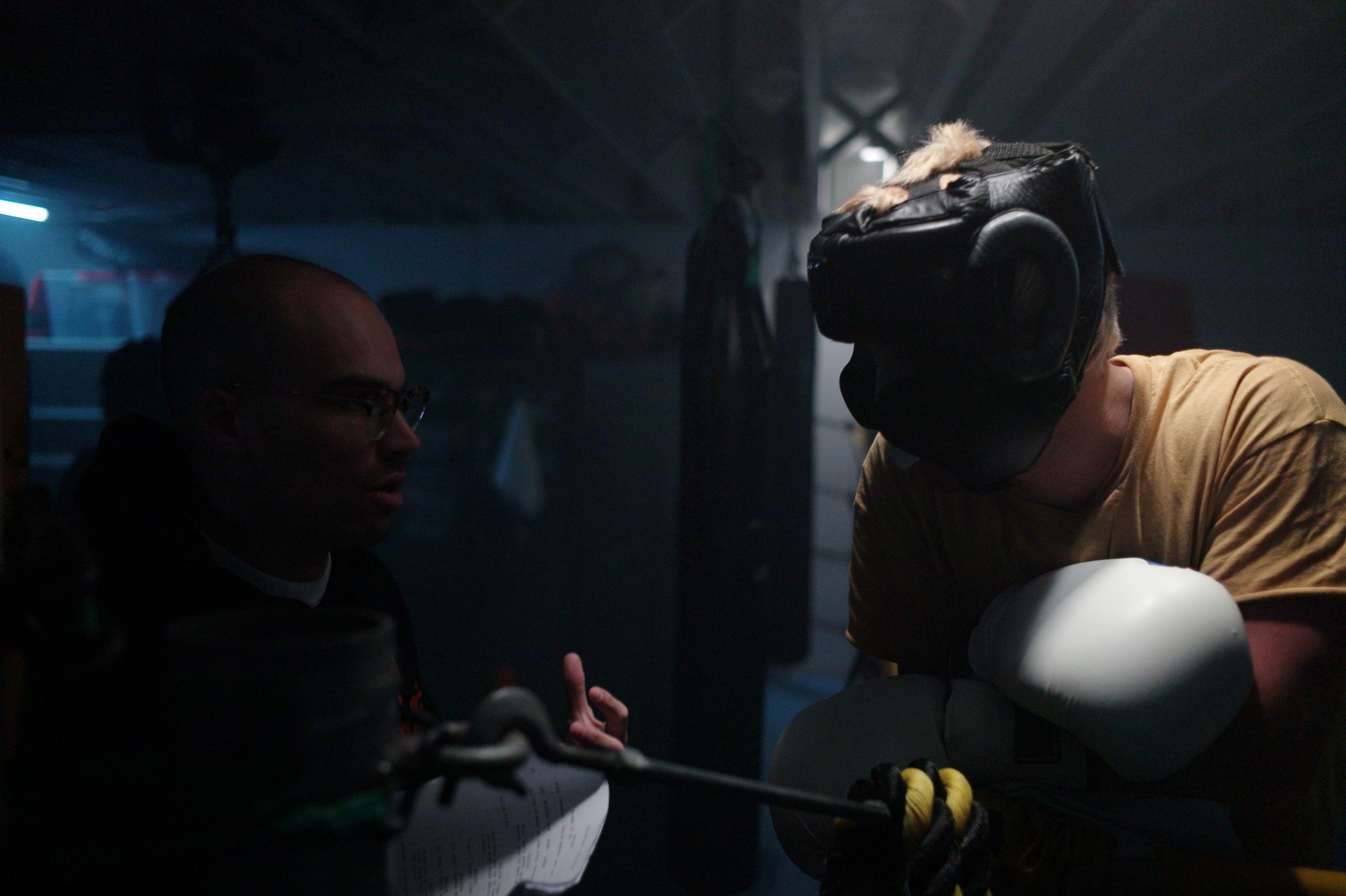
Image Credits
Austin Cieszko
Hannah Gray Hall
Joseph Zentil