Meet Ryan Campbell | IATSE Local 600 Rostered Camera Operator


We had the good fortune of connecting with Ryan Campbell and we’ve shared our conversation below.
Hi Ryan, how has your background shaped the person you are today?
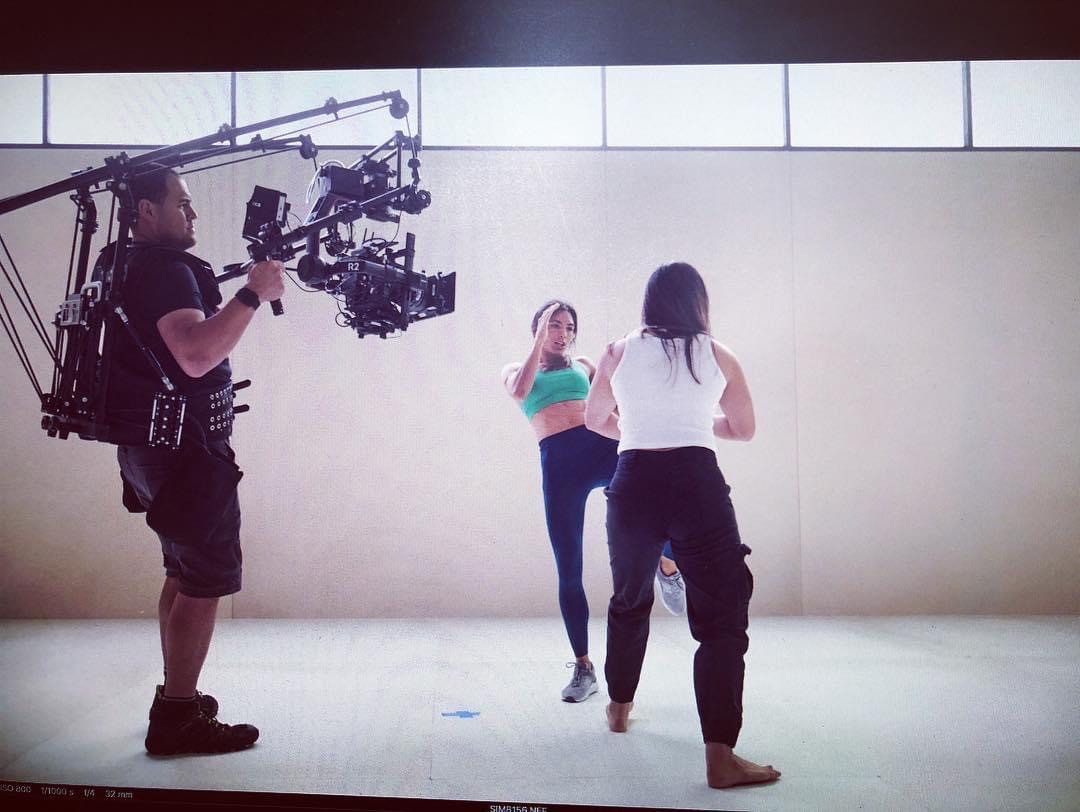
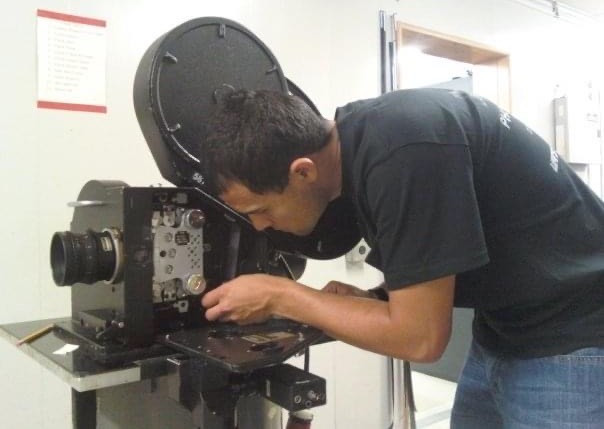
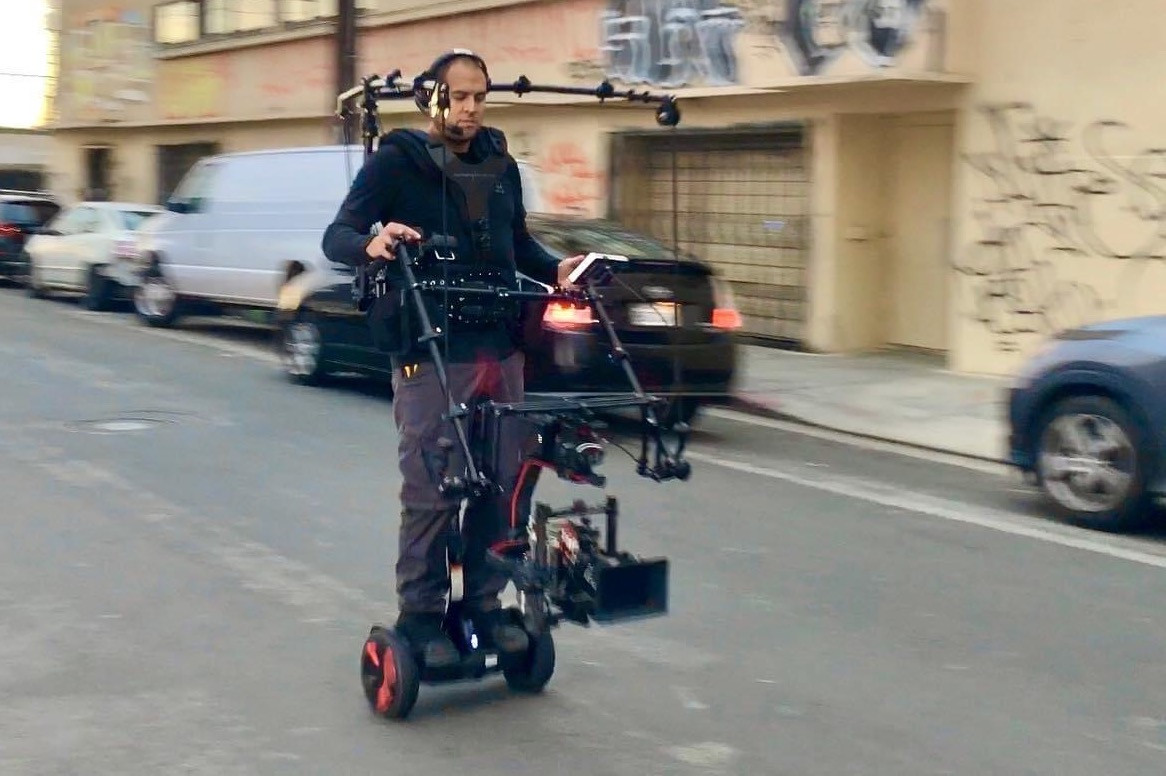
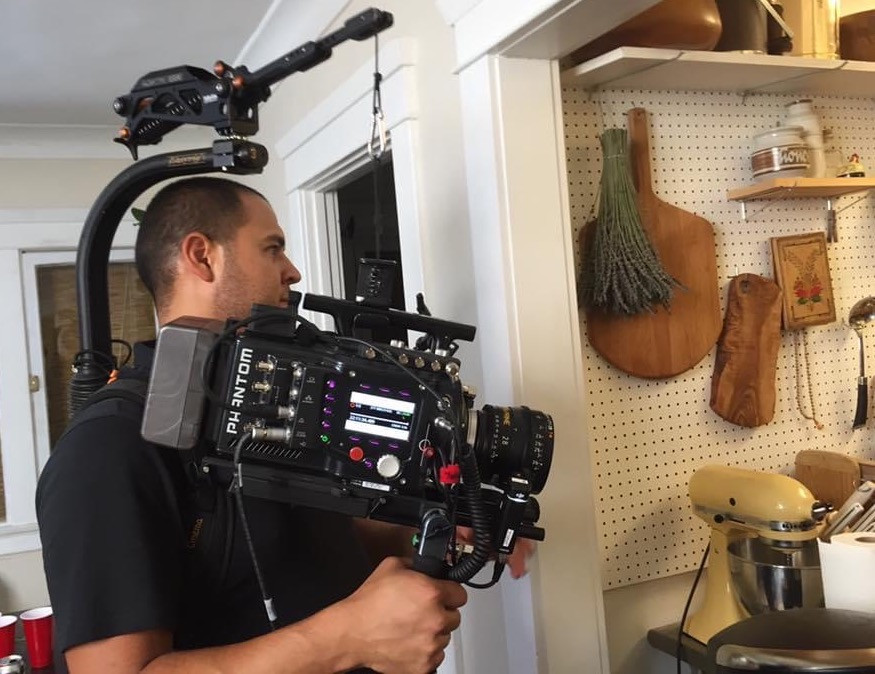
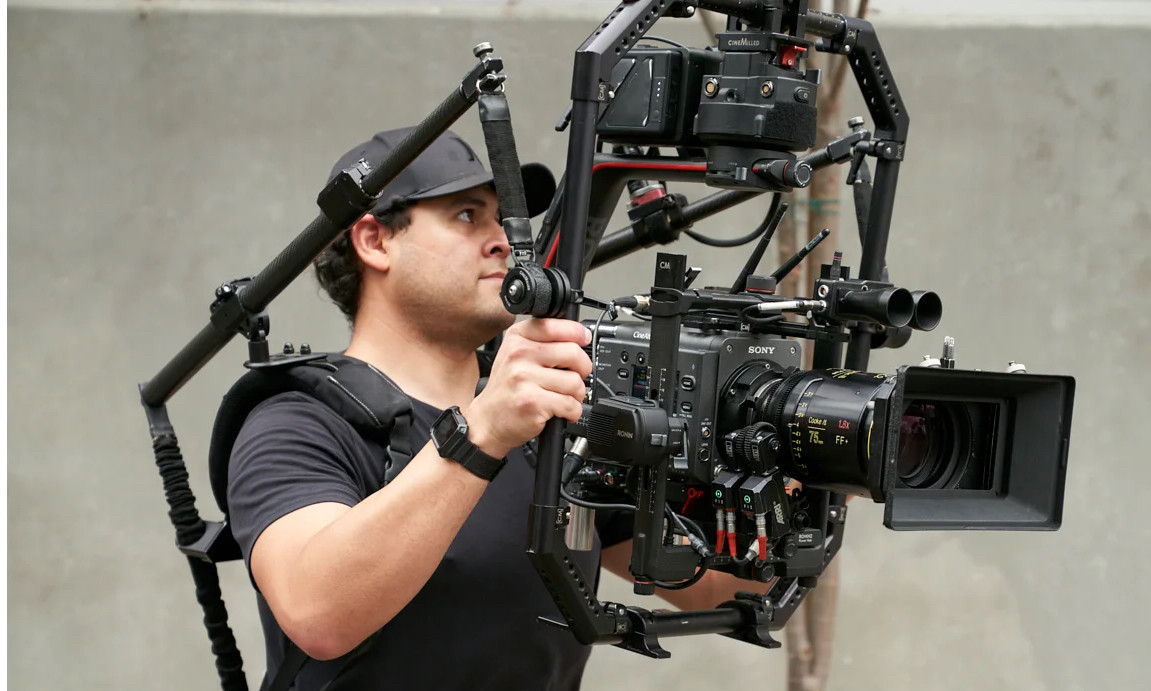
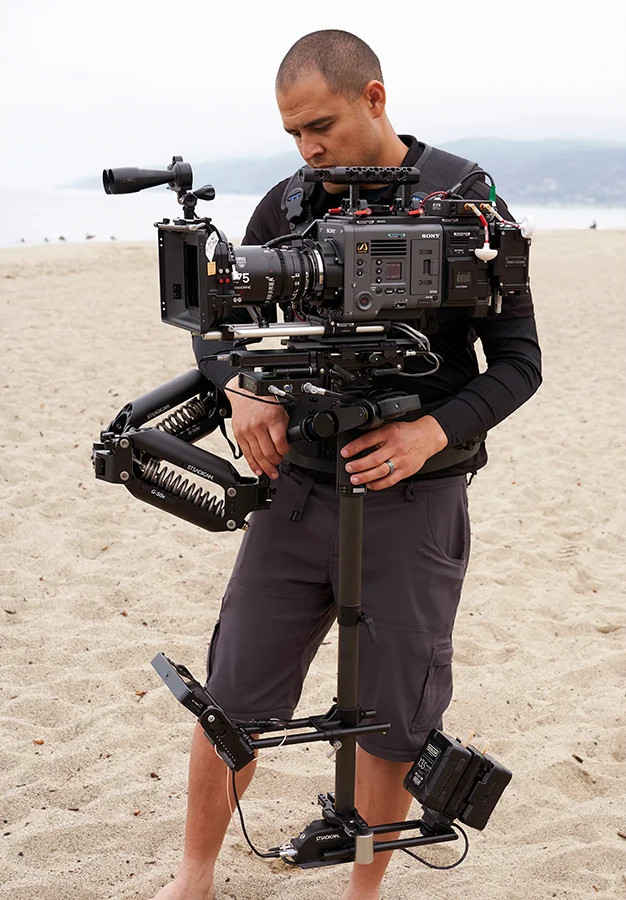
When people say, “If only,” it always feels like a regret. If only I added more garlic. If only I had more money. If only we had more time together. I try to be thankful for my if-onlys, so don’t let the next parts get depressing, they’ve made me who I am. I promise that all the dots will connect. After my father finished at Yale, he got a law degree at Tulane, this moved us from Connecticut to New Orleans. In New Orleans my parents divorced, and my mother picked up a creepy boyfriend that ended up stalking us on an FBI level which for me lasted from ages 7-14 years old. At the beginning, I was immediately shipped off to safety with relatives in a small farming town in Southern Illinois. As time went on, we just kept moving from place to place, which ultimately landed me in Pensacola, Florida where I picked up surfing. Not long after, I met a local surfing filmmaker named John Russell who taught me how to surf better, about cameras, lenses, underwater housings, and editing. My surfing took me to amateur surfing nationals in California. If only that all didn’t happen, I wouldn’t be me, and I can’t imagine without it, filmmaking ever being on my radar. I enjoyed California and decided to go to a “for-profit” college for filmmaking. The teachers were good people, but the school not so much, so I’m going to leave it at that. Film school was great for equipment and networking, but for what it’s worth, not one job has asked for my degree. At school someone had talked about attending a yearly gathering to showcase the new releases of camera equipment, lenses, camera support, set lighting, and grip equipment… it was heavenly… I encourage anyone interested in the film industry to attend Cine Gear. It used to be held at the Paramount studio lot which added to the magic, but since Covid, it has been relocated to the Los Angeles Convention Center. While I’ve been working in film since, I was 16 years old, and even failed class assignments to take jobs, Cine Gear is the pivot point where I broke into top tier. I passed a slow-motion booth ran by Photo-Sonics Inc, the originals for high-speed film (extreme slow motion) development for the government and film industry. I was just fascinated at the imaging and technology that would lace film through it at the utmost tensile strength of the celluloid itself. I kept hounding one of their booth employees with questions, which turned out to be their vice-president, Conrad Kiel. I started going in and learning their high-speed film cameras and early digital slow motion Phantom cameras. One thing led to another and my now retired friend, Michael May, needed a competent assistant on a Union set. What’s even better is that people were constantly putting these cameras into underwater housings by Hydroflex, so I was able to use and utilize my high-school beginnings in Florida with underwater housings. I went from 0 to 60 with my film career in high-speed, I was now interacting with world renowned crew, cinematographers, producers, and directors that have been, and still are, responsible for so much national and international content, leading to a 14-year career as a High Speed Tech and Digital Imaging Technician. While this line of work was my bread and butter, I was still working on smaller level projects as a Director of Photography and Camera Operator. My love for tech and moving a camera in a space had me learning to fly early drones and eventually building some. After a few years from their inundation, drones had small rudimentary electronic gimbals that could be built and programmed. I had no idea working on those would turn out to be my next area specialization. Learning how to program those early gimbals, put me on an easy path to understanding and troubleshooting larger professional gimbals, and a new job area was unlocked as a gimbal technician. Early gimbals were notorious for failure if the exact conditions and process weren’t met or inputted, I had already learned my pentameter for precise repetition from the high-speed world, since the workflow of those cameras was rather tedious as well. When I was in college, I also had a hyper fixation on camera movement, which at the time, gave me an interest in Steadicam that I did with a knockoff rig for about 3 years. I’ve since then revisited Steadicam, however, with my gimbal proficiencies, my time has morphed into primarily being a gimbal operator. With this skillset, drones and remote-controlled cars came back into the picture. I pilot remote control cars on set and work with top drone teams in the film industry such as CineDrones and DroneDudes; framing up the image for whatever camera and gimbal they’re flying. I feel that growing up in different environments with all the potential “if onlys”, and being inundated with the personality types from different regions has helped me bounce from crew-family to crew-family, especially growing up professionally in the commercial world.
Let’s talk shop? Tell us more about your career, what can you share with our community?
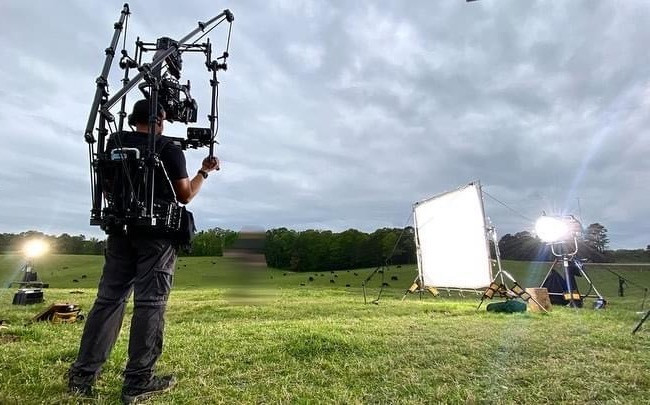
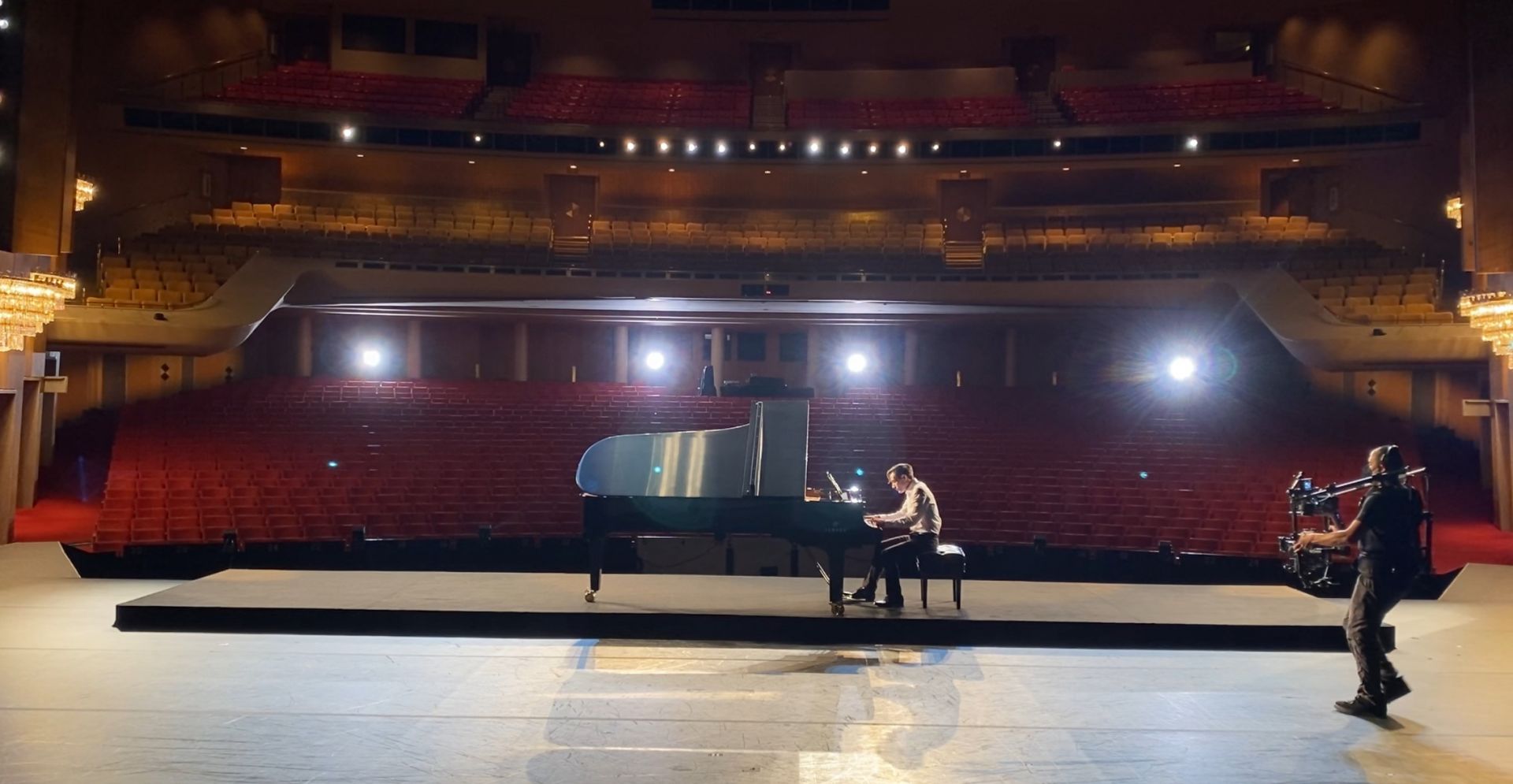
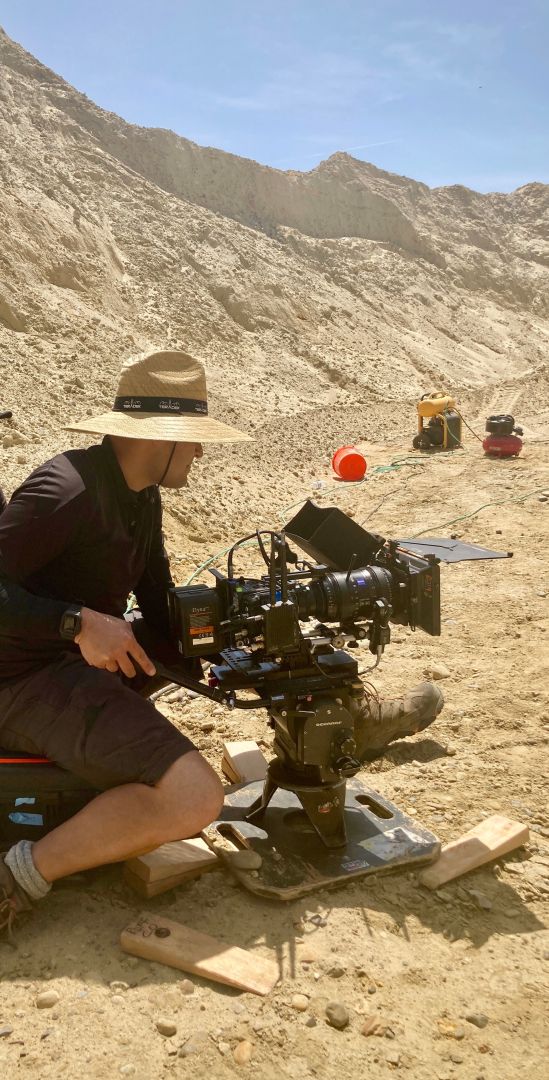
I work in the camera department of the film industry as a rostered IATSE Local 600 camera operator, and specialist. I specialize in electronic gimbals, Steadicam, underwater, and extreme slow motion. I think I already touched on this, so I’ll go with a few things I’ve learned along the way:
Like many other freelancers in the film industry or elsewhere, I am my own business. The sole representative. No annual reviews to be written, no bonuses on the horizon, no promotions to be expected…the effort others put into a promotion is just what gets you hired again tomorrow. It’s one of those worlds where the simplest slip up or comment can mean someone else gets brought in or you just don’t get called back for the next one. Your physical self and talents as a business, of any sort, means staying on top of your craft, relationships, and health, both mentally and physically; getting to the next job through working the best at today.
The ruthlessness that businesses and the film industry are expected to have with their competition, is where I fail as a business, but I feel I succeed as a person. I’d rather my crew-family leave set with more knowledge and efficiency than they arrived with, knowing how to do the job right. Of all of the things out there, I feel the risk percentage of losing your job shouldn’t increase by teaching others. While I have had this mindset bite me, I would rather help someone floundering than just stand there knowing I could do something, and choose not to act. I can’t count the number of times I’d be told by fellow crew members, “Don’t elaborate so much or they’ll take your job.” I wholeheartedly disagree. The hierarchy in the film industry of expectations and knowledge forces the discernment of teaching with respect to time and place. I’ve been able to teach many people, in private, or under the radar so clients or whoever don’t judge them. No names or glory to be had there. Crew-family is family, successes is measured differently when we value each other.
I have yet to meet one person who has been thought as genuinely superior by acting stuck up on set. Be humble. The best people of the industry all have this in common. The outliers are notorious.
Last thought: There’s a lot of behind the scenes posts out there, a lot of them with click-bait, high-risk scenarios. Just remember, no shot is ever “worth it” if it puts your or other people’s safety at risk. Don’t be afraid to call people out if they’re endangering themselves or others.
If you had a friend visiting you, what are some of the local spots you’d want to take them around to?
I don’t think the average tourist realizes how big Los Angeles actually is or the variety it offers. You can literally surf and snowboard in the same day. You can go on a half day hike with worldclass views and still be at the Theater that evening. The best I can do with so many options is rattle off some bullet points. If they’ve never been to Los Angeles, the beach is going to take priority. Maybe they want to try surfing or already surf, with the right swell, from County Line to Cabrillos, there’s plenty of skill options. Santa Monica pier is a classic to stop by and then walk the beach front pathway between there and Venice. If they want breakfast or brunch then Bru’s Wiffle in Marina Del Rey or Terranea in Rancho Palos Verdes also has some great breakfast options. Nelson’s at Terranea also has some amazing cliff side views and whale/dolphin watching. I dunno where we’re all going so if they’re more coffee-people and then maybe we’re by Sip and Sonder in Inglewood, the staff and coffee there is excellent. Or maybe we’re getting coffee downtown at Verve Coffee Roasters. While in DTLA, have to visit Santee Alley. Or maybe it’s late so dinner at Momma Shelter with drinks on the roof is always a nice view. I don’t know how many days we’re into for this week vacation? I used to be able to bring friends and family for visits on set, but with studio regulation changes due to Covid, something like the WB studio tours is the closest I can get them to seeing my world. Climb to the Hollywood sign for a nice overlook of the city? The observatory in Griffith Park? Every workout needs a reward, so we’d end the day at Malibu Wines and Beer Garden in West Hills for a nice glass of wine while hanging out the historic horse stables.
Who else deserves some credit and recognition?
God and my wife Joella have been my leading support. I’ve learned so much, from so many people that this could become quite a lengthy list. I just know I couldn’t have done it by myself.
Website: https://www.ryan-campbell.net/
Instagram: https://www.instagram.com/ryancampbellfinally/
Linkedin: https://www.linkedin.com/in/ryanelliotcampbell/
Facebook: https://www.facebook.com/RyanCampbell.me/


