Meet Siddharth Dutta | Scenic Designer & Dancer


We had the good fortune of connecting with Siddharth Dutta and we’ve shared our conversation below.
Hi Siddharth, the decisions we make often shape our story in profound ways. What was one of the most difficult decisions you’ve had to make?
One of the most difficult decisions I’ve ever had to make was leaving home—leaving India—to pursue a life and career in a completely new country. It wasn’t just about moving geographically; it was about stepping away from everything that had made me feel safe, known, and understood. I left behind family, friends, and a familiar rhythm of life to step into something that felt wide open, uncertain, and full of questions I didn’t yet have the answers to.
I moved to the U.S. knowing I would have to rebuild from the ground up—emotionally, professionally, and personally. I was shifting not just location, but identity: transitioning from architecture to dance, from a structured profession to a creative path that was far less defined. I knew this choice would come with struggle, and it did—financial challenges, cultural adjustments and finding your community. There were days I wondered if I had made a mistake. I missed home in ways I couldn’t always put into words. The food, the festivals, the sense of belonging that comes so naturally when you’re surrounded by your roots.
But in the midst of that disorientation, something else was forming—a deeper relationship with myself, with my voice as an artist, and with the many threads of my identity. I started to understand that leaving home didn’t mean abandoning it. Instead, it meant carrying it with me in a different form. Every movement I choreograph, every space I design, holds pieces of where I came from—shaped now by where I’ve been and where I’m going.
It was a hard decision, no doubt. But it also helped me grow in ways that made space for everything I am today. It taught me to trust that uncertainty is often the doorway to discovery, and that home can stretch and evolve with you—even when it’s thousands of miles away.
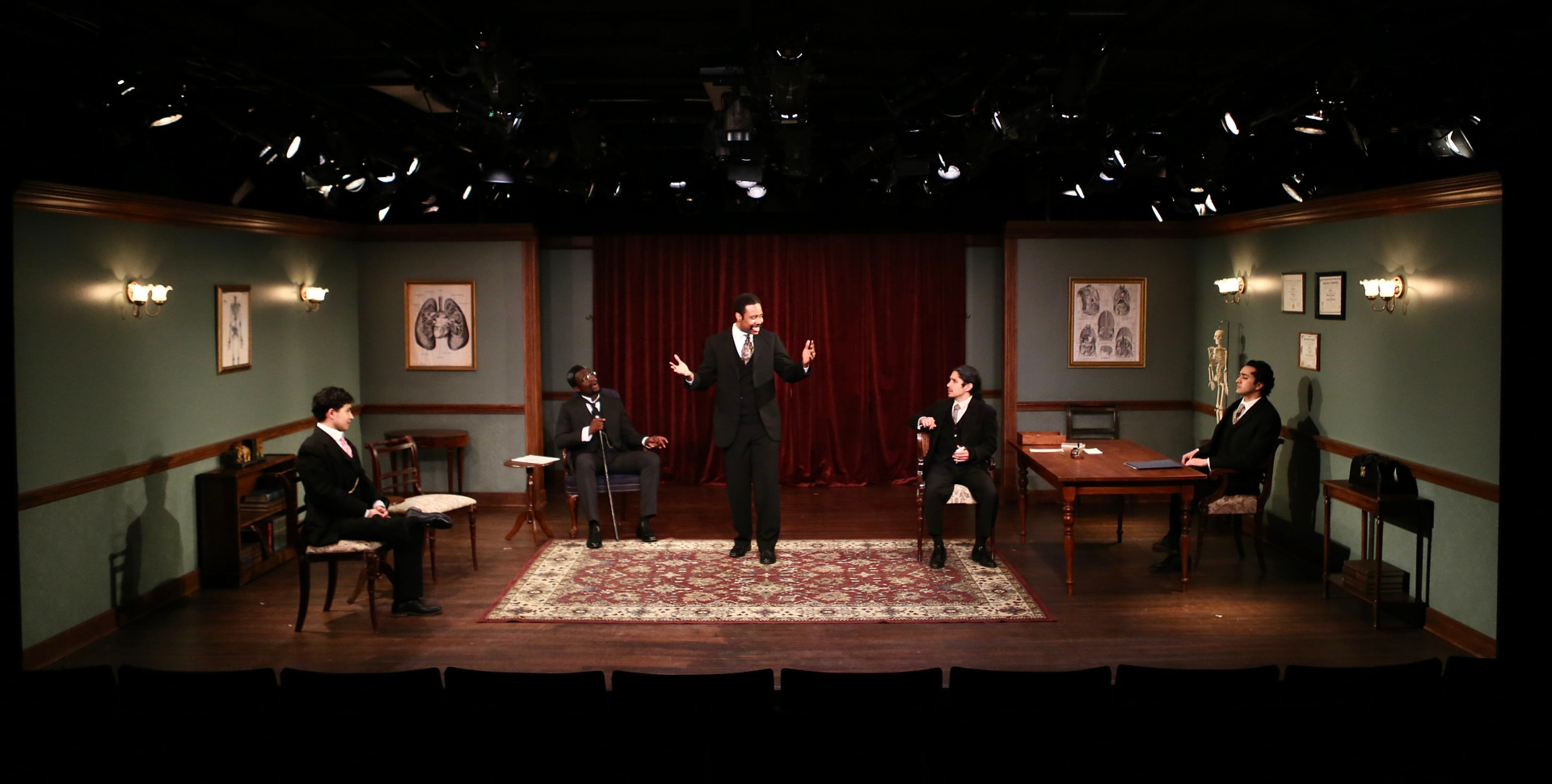
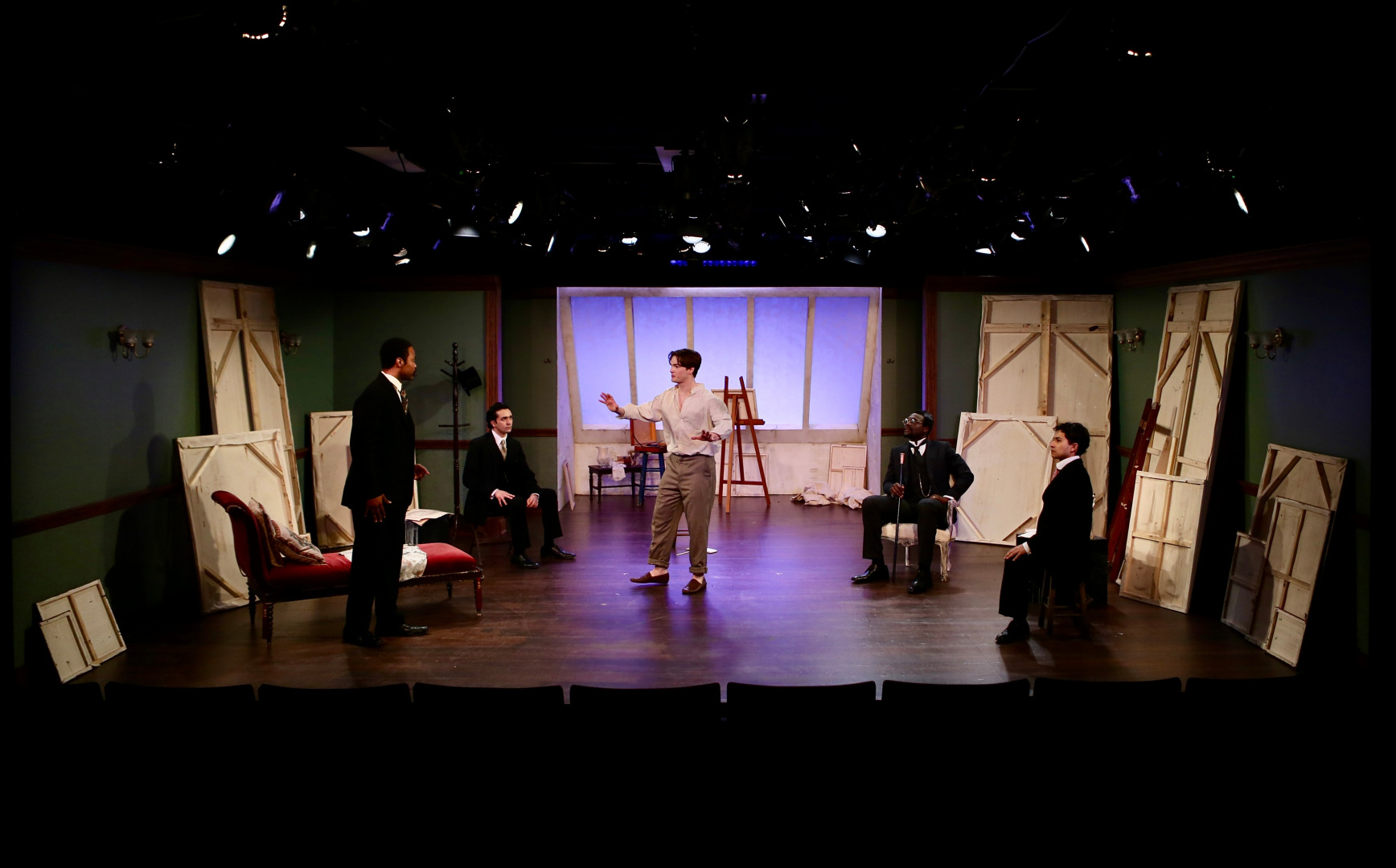
Can you open up a bit about your work and career? We’re big fans and we’d love for our community to learn more about your work.
My artistic journey has never followed a traditional path, and I think that’s become the heart of my work. My art lives at the intersection of structure, movement, and emotion—rooted in architecture, shaped by dance, and brought to life through scenic design. Each phase of my journey has added a new dimension to how I create and connect with the world.
What sets my work apart is the way these disciplines inform one another. As a scenic designer and Dancer with a background in architecture, I approach storytelling through a unique lens—one that considers not just what the audience sees, but how a performer moves within space, how light breathes life into a scene, and how design can support emotional narrative. My goal is always to craft environments that are not just visually engaging, but alive—spaces that hold memory, tension, and transformation.
I began in architecture, drawn to the poetry of space—how lines, forms, and materials could shape human experience. I was fascinated by the way a building could hold memory, emotion, and rhythm, much like a piece of music or choreography. But as I delved deeper into the discipline, I realized I craved something more immediate—something that allowed me to feel and express in real time. That search for a more visceral form of connection led me to dance. It gave me the freedom to explore time, gesture, and emotion in ways that design alone couldn’t. Movement became a language—one that helped me connect more deeply to myself and to others.
While I was choreographing, I often found myself drawing inspiration from architecture—referencing lines, structures, and spatial dynamics in the way I moved or staged dancers. I realized I was naturally incorporating architectural elements into my choreographic work, which eventually led me into the world of scenic design. That’s when it all clicked: I wasn’t choosing between disciplines—I was bridging the gap between architecture and movement.
Scenic design became the meeting point between these two worlds—space and story, structure and movement. Designing sets felt like returning to architecture, but this time with a deeper understanding of rhythm, breath, and emotion. It allowed me to merge all parts of myself into a cohesive practice.
The journey hasn’t always been smooth. Shifting between disciplines meant constantly learning, starting over, and facing doubts—both internal and external. But every challenge taught me something valuable: how to adapt, how to trust my instincts, and how to keep moving forward even when the path isn’t fully visible. I’ve learned to embrace not fitting into one category—and to see that as a strength, not a limitation.
What I’m most proud of isn’t just the work itself—it’s the intention behind it. I care deeply about the environments I create and the stories they hold. Whether it’s a large-scale production or an intimate piece, I approach every project with curiosity, empathy, and a genuine commitment to collaboration. I want my designs and movement to serve the work—not just to look beautiful, but to feel alive and emotionally resonant.
If there’s one thing I hope people take away from my story, it’s that fluidity can be a strength. My work is shaped by exploration, by cross-disciplinary thinking, and by a constant hunger to learn and grow. I want to keep making work that surprises me—work that bridges worlds, holds space for emotion, and leaves a lasting imprint long after the lights go down.
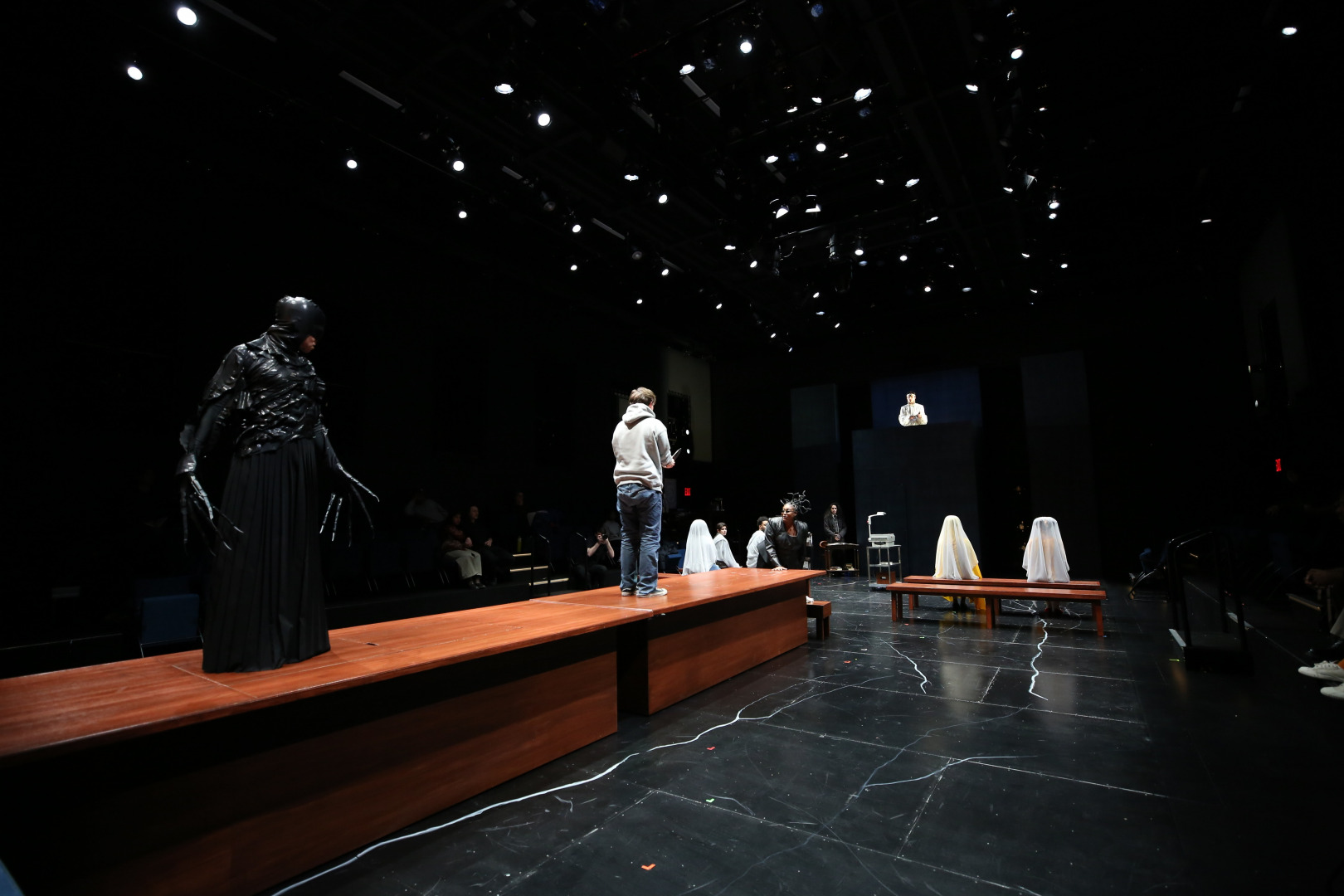
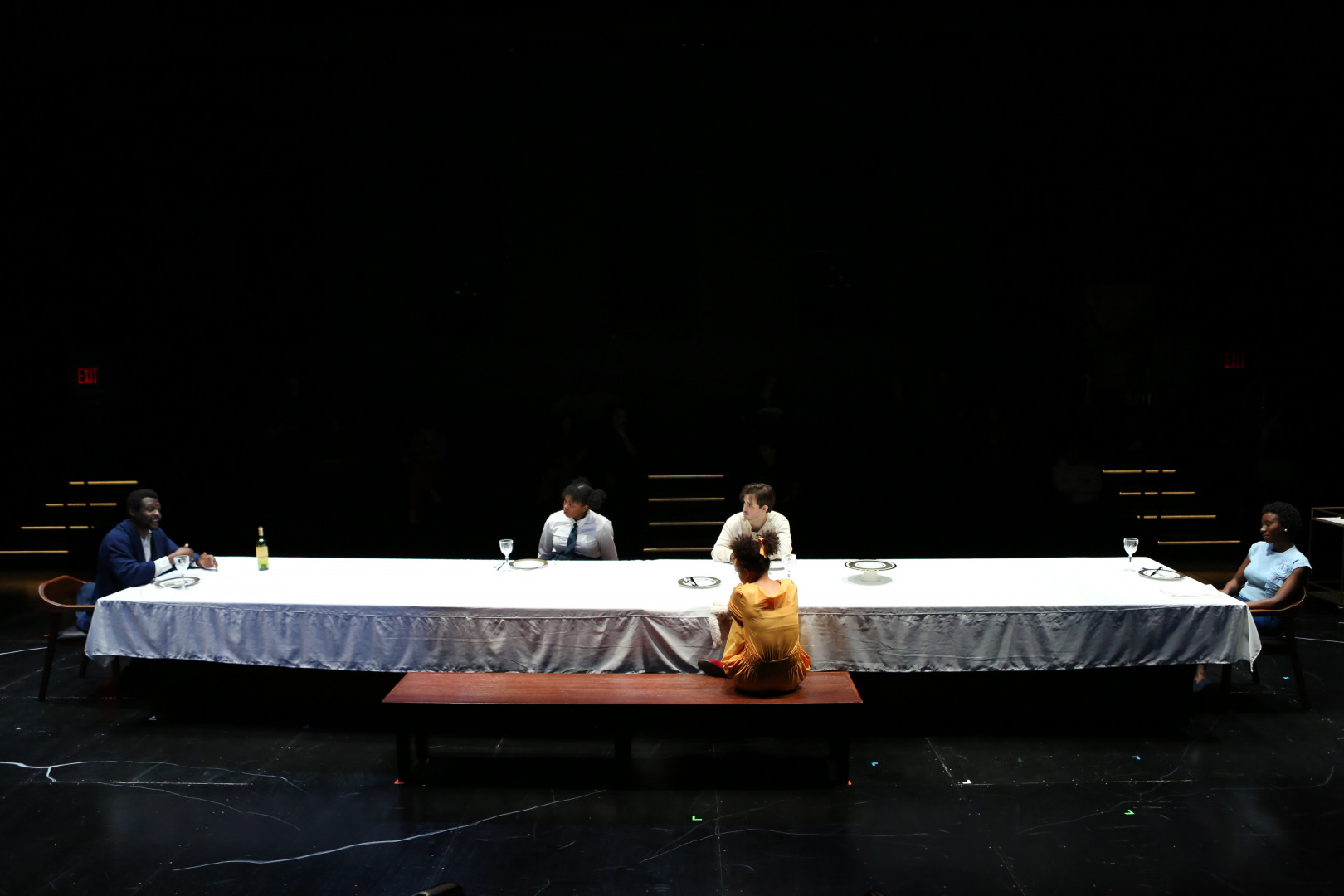
If you had a friend visiting you, what are some of the local spots you’d want to take them around to?
If my best friend were visiting, I’d want to show them the version of New York that feels most personal—one rooted in rhythm, texture, and small joys, far from the tourist trails. I live in Greenpoint, so we’d start close to home, walking through McGolrick Park with coffee and catching a golden-hour view from Transmitter Park, where the skyline of Manhattan feels like a still from a film—quiet, iconic, and endlessly inspiring.
We’d linger in the neighborhood for a brewery crawl—Greenpoint and Williamsburg have some lovely breweries that would be great for a relaxed afternoon. For lunch, we might tuck into Glasserie for mezze in an atmospheric, converted factory space, or I’d take them to Ras near Prospect Park for some really good Ethiopian food. The neighborhood has this perfect balance of industrial edges and warm community energy.
A trip to Dia Beacon would definitely be on the itinerary. It’s one of my favorite escapes from the city—a place where scale, silence, and light transform how you experience art. The journey itself, with views along the Hudson, feels like a reset. I always come back from Beacon with my creative cup refilled.
Back in the city, I’d take them on a flavor-packed adventure through Jackson Heights in Queens—arguably one of the most diverse and delicious neighborhoods in NYC. From Tibetan momos to Indian street food, there’s an entire map of street food to eat through, and it’s all vibrant, bold, and full of heart.
I’d want them to leave feeling like they saw New York through my eyes—not just as a city of noise and motion, but as a living, breathing canvas. A place where movement meets stillness, where design hides in everyday corners, and where each moment—no matter how fleeting—holds the possibility of connection, inspiration, and story.
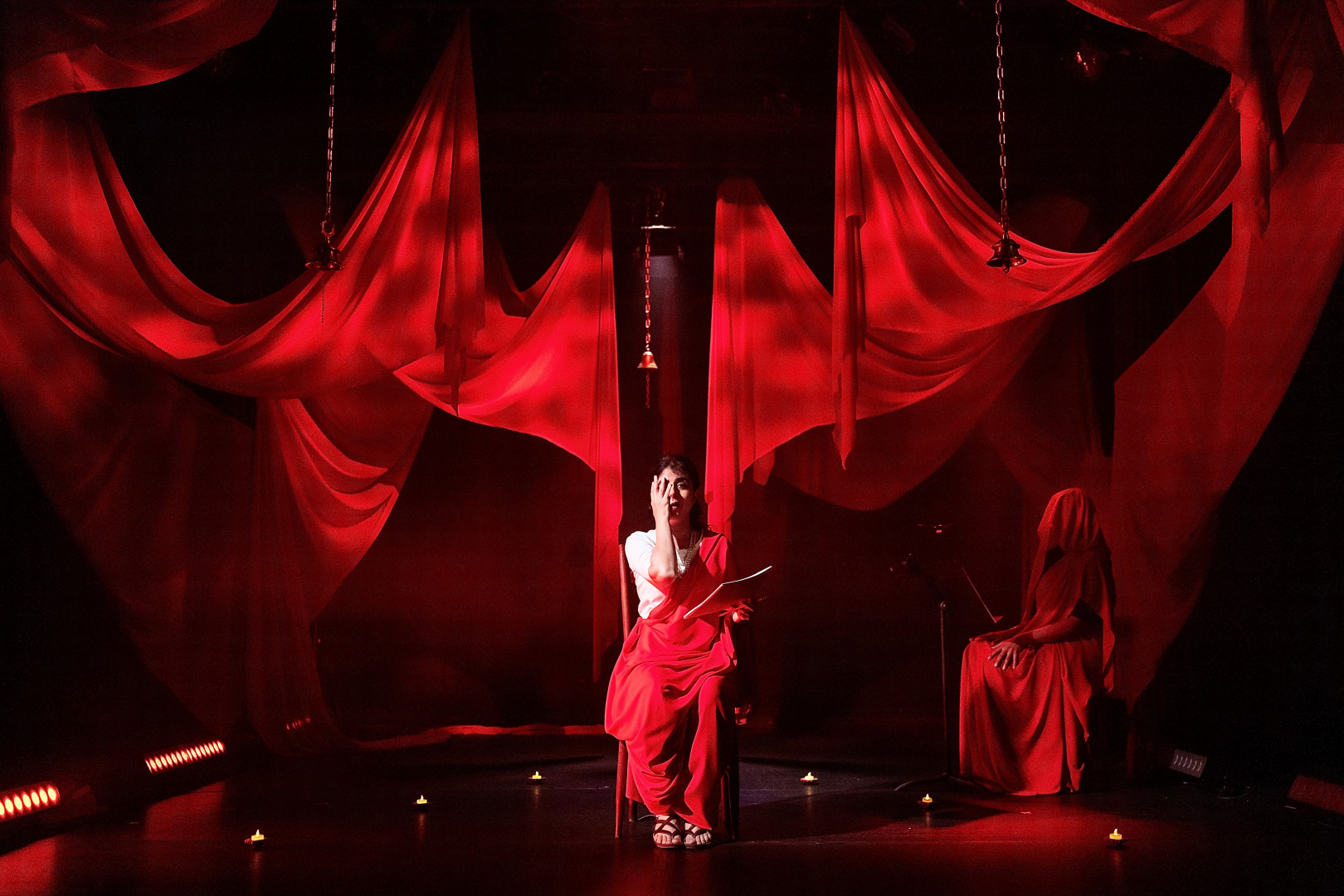
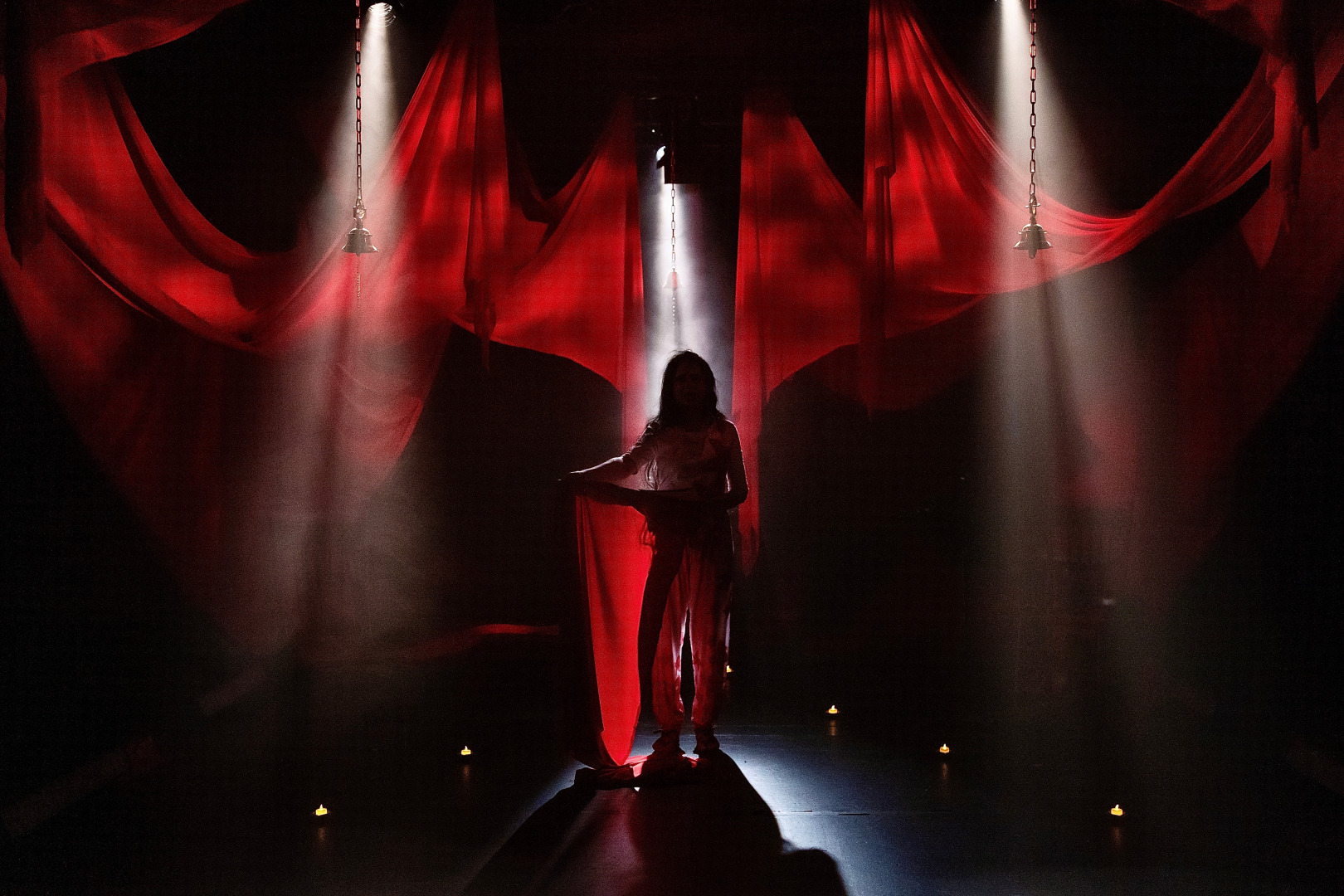
The Shoutout series is all about recognizing that our success and where we are in life is at least somewhat thanks to the efforts, support, mentorship, love and encouragement of others. So is there someone that you want to dedicate your shoutout to?
Absolutely. I strongly believe none of us get anywhere alone, and I owe a great deal of who I am today to the extraordinary people and powerful experiences that have shaped me.
First and foremost, I want to dedicate this shoutout to my incredible partner Ashmita Biswas whose unwavering belief in me has been my grounding force and my greatest source of strength. Her love and support through every high and low has been invaluable. I also want to thank my brother (Saurav Dutta) and sister-in-law (Anisha Malhotra), who have not only encouraged me emotionally but also helped me financially and supported my dream when it mattered most.
I’m endlessly thankful to my parents for standing by me with love, patience, and faith. Even when the road was uncertain, they never asked me to be anything other than who I truly am—and that gave me the courage to follow my creative calling.
Dance has been at the heart of my journey. I’m endlessly thankful to my dance gurus who introduced me to the artistry, emotion, and spiritual depth of movement. Their mentorship continues to shape not just how I move, but how I see and interact with the world.
Scenic design opened up a whole new way for me to tell stories and express emotion visually. My professors at NYU’s design program pushed me to expand my vision, dig deep into storytelling, and always strive for excellence. They helped me evolve my perspective from performer to visual storyteller.
To my friends—from childhood to the present—thank you for lifting me up, showing up for me, and seeing potential even when I couldn’t. Your support has carried me through many uncertain moments.
And finally, I have to mention the profound impact that movies, live performances, and being on stage have had on me. The magic of storytelling in these forms—the way they challenge, move, and connect people—has always been a guiding light. Whether I’m dancing, designing a space, or watching from the audience, I am reminded of why I chose this path: to create moments that resonate, inspire, and stay with people long after the lights go down.
Website: https://siddharthduttadesigns.myportfolio.com/
Instagram: siddutta.23
Linkedin: https://www.linkedin.com/in/siddharth-dutta-794122248
Facebook: Siddharth Dutta
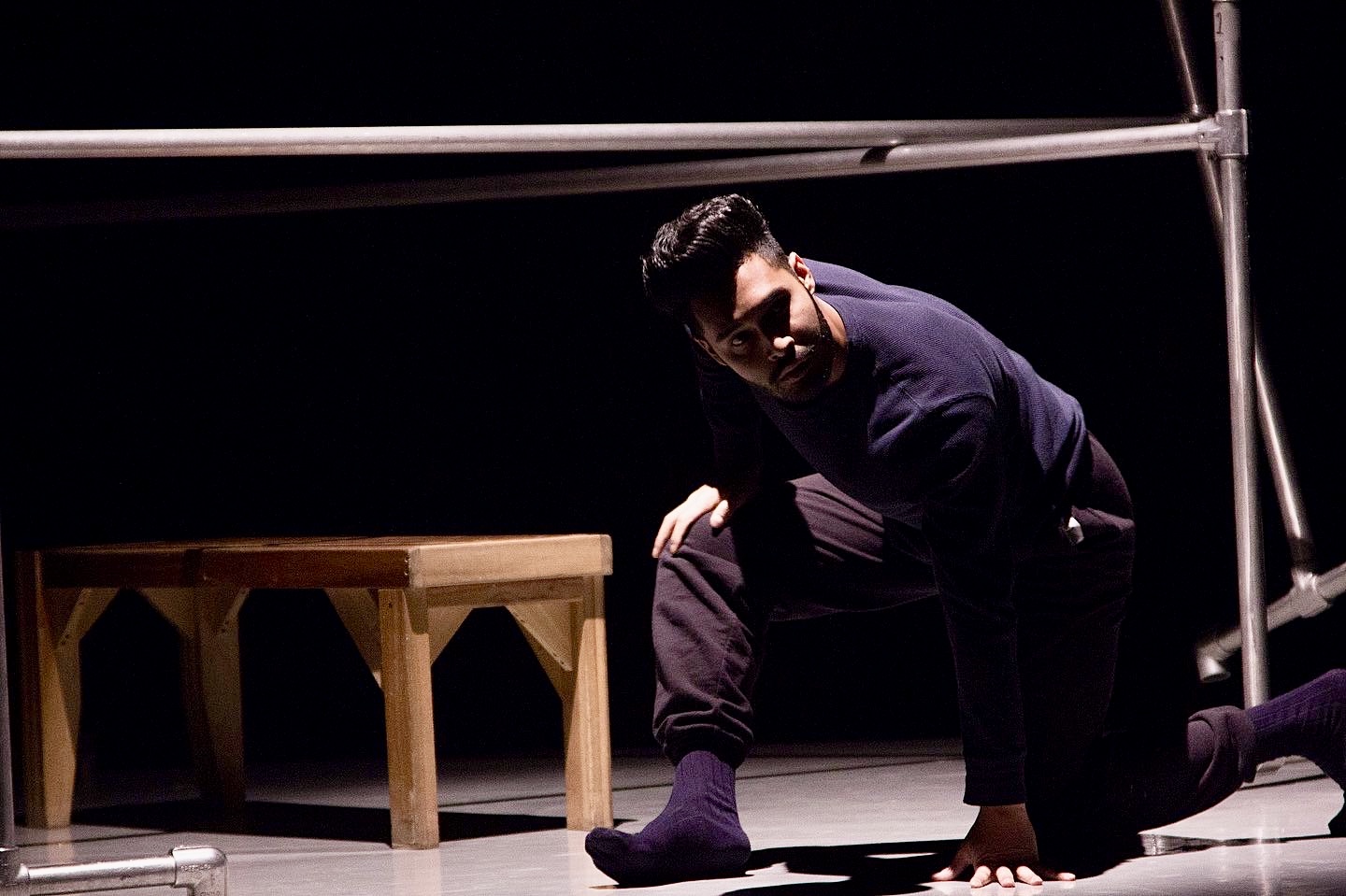
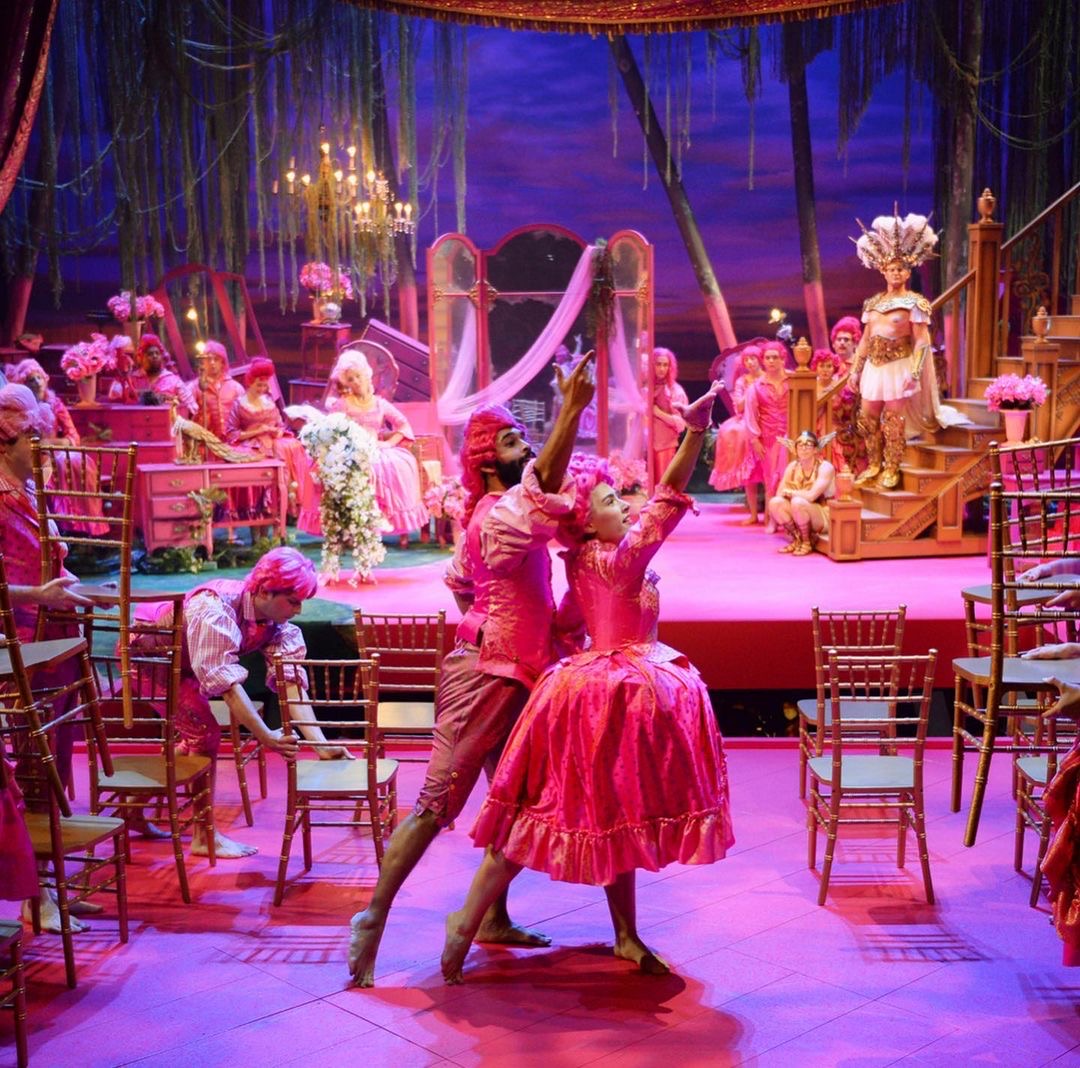
Image Credits
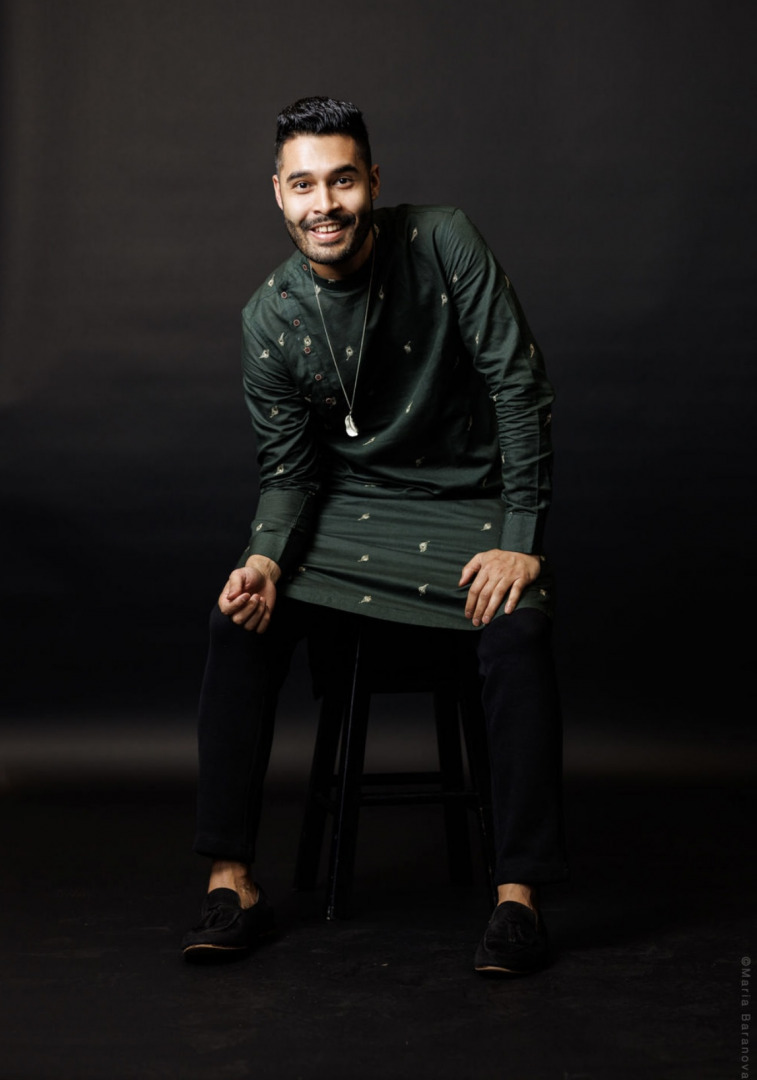
Headshot/Self Portrait image- P.C: MARIA BARANOVA
WORK:
1st & 2nd Image: “THE DOCTOR’S DILEMMA”
Playwright: GEORGE BERNARD SHAW
Director: JANET ZARISH
Set Design: SIDDHARTH DUTTA
Lighting Design: LAUREN NYCHELLE
Costume Design: ALEXANDRA JANOWSKI
P.C: Ella Bromblin
3rd & 4th Image: “ORESTEIA”
Playwright: AESCHYLUS, New Adaptation by Robert Icke
Director: SARA HOLDREN
Set Design: SIDDHARTH DUTTA
Lighting Design: KAIA MERRELL
Costume Design: HANXIAO ZHANG
P.C: Ella Bromblin & Owen Burnham
5th & 6th Image: “DRAUPADI”
Playwright: MAHIRA KAKKAR
Director: DANILO GAMBINI
Set Design: SIDDHARTH DUTTA
Lighting Design: NIC VINCENT
Costume Design: RISA ANDO
Performers: MAHIRA KAKKAR & SARA HAIDER
P.C: HANJIE CHOW
7th Image: THROUGH A MEDIUM- Choreographed by Siddharth Dutta, P.C: Darya
8th Image: PLATEE- Choreographed by Isaac Martin Lerner