Meet Sirtaj Bhangu | Cinematographer & Steadicam Operator
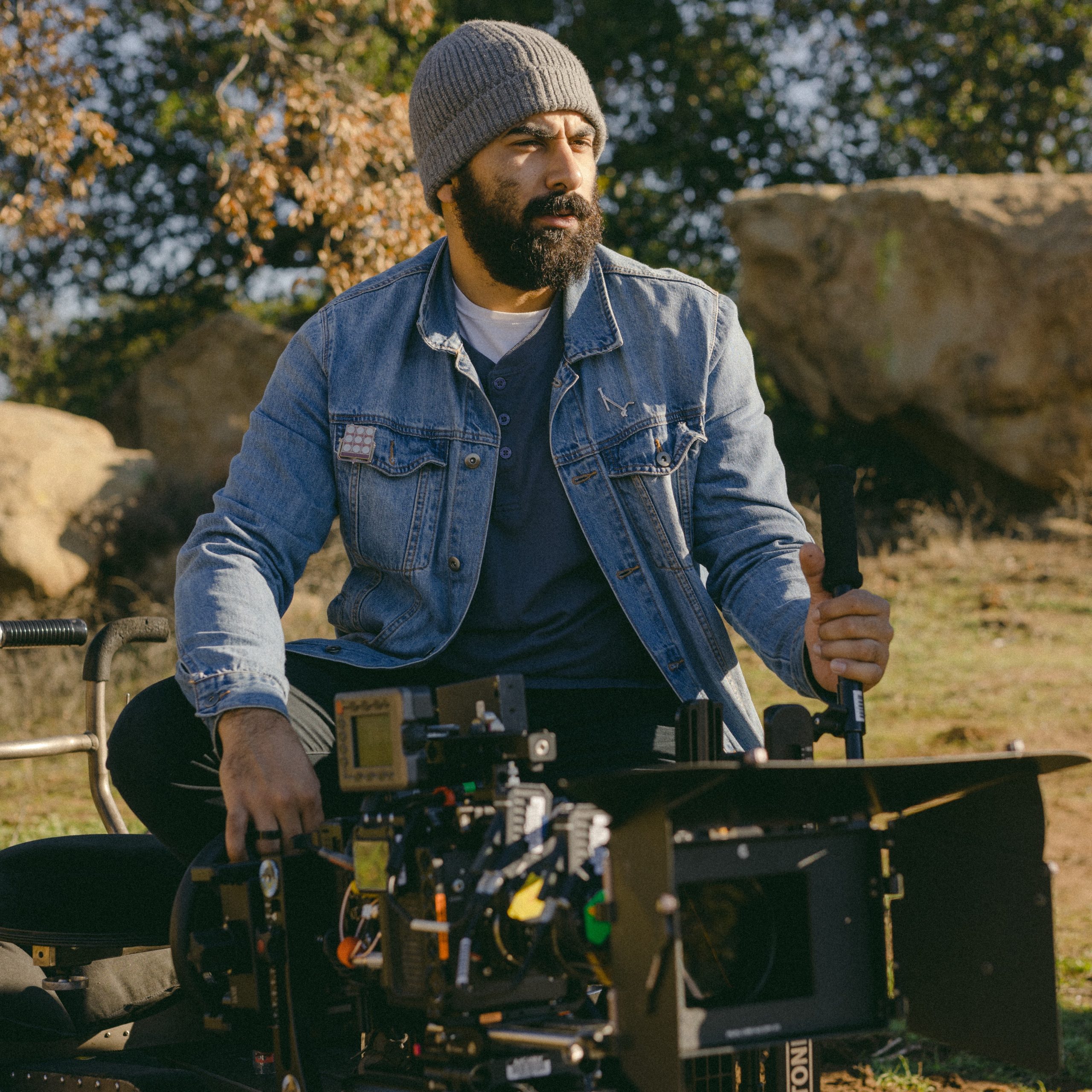


We had the good fortune of connecting with Sirtaj Bhangu and we’ve shared our conversation below.
Hi Sirtaj, is there something you can share with us that those outside of the industry might not be aware of?
How blue-collar this industry actually is. Most people have a romanticized view of Hollywood—red carpets, big premieres, and ‘elites’ calling the shots. But the reality is far from that. Filmmaking is a grind. It’s an up-at-dawn, pride-swallowing siege that will test your endurance. It’s hauling gear, sweating under lights, running on caffeine, and sacrificing sleep. It’s “hurry up and wait.” It’s 12-hour days that turn into 16, overnight shoots that mess up your internal clock, and problem-solving on the fly when nothing goes as planned.
But what makes it all worth it is the people. This industry is built on a community of artists and technicians— who also love cinema down to their bones. Filmmakers are the living definition of, “A jack of all trades is a master of none, but oftentimes better than a master of one.” You can talk to a costumer about 16th-century garb, a makeup artist about the history of sailor tattoos, a production designer about Soviet brutalist architecture, or a grip about how to rig a camera to a comb that needs to brush someone’s hair—and they’ll all somehow tie it back to storytelling. The depth of knowledge, the passion, the sheer ingenuity of film crews—that’s the real Hollywood.
Can you open up a bit about your work and career? We’re big fans and we’d love for our community to learn more about your work.
Like many first-generation Asians, my parents had big plans for their kids—we were supposed to be an army of doctors, lawyers, and engineers. Land, sea, and air. But I blame my mom for setting me on a different path. She’s the only person in my family with an artistic bone in her body. She rarely showed it, but when she did—doodling, knitting, embroidering, painting—I paid attention. I must’ve inherited that from her.
One day in high school, I found a DSLR lying on my bed. No birthday, no special occasion—just a camera. I started taking pictures, but they weren’t good enough, so I became obsessed with learning how to make them better. Then came an anti-smoking PSA project for health class. My friends and I struggled to put something coherent together, but it was fun. When we screened our ads, I shrank in my seat—visually, it was a disaster. It looked nothing like what I had in my head. But then, the class laughed exactly when I wanted them to laugh. And that felt incredible.
After high school, I went straight to work. I co-founded a small production company making commercials for businesses, learning every part of the process. But cinematography was what I fell in love with. It was where I felt at home.
Eventually, I moved to LA and worked my way up—PA, grip, dolly grip, electric, best boy, gaffer. Now, I’m a camera operator and cinematographer. And along the way, I was shaped by the people around me. The first cinematographers who truly impacted me weren’t just great image-makers—they were great leaders. Akis Konstantakapoulos and Christopher Rossiter approached their work with seriousness, directness, and passion. They weren’t just technicians; they were collaborators and managers, setting the tone on set. Rossiter taught me that understanding the technology is just the starting point. The real job is about people—who you choose to work with and how you work with them.
Then I had the chance to watch Dean Cundey, ASC, in action. His approach was entirely different—calm, effortless. He didn’t need to assert control. He sat in his chair, eyes on the monitor, whispering to the director or gaffer, and then—magic appeared on screen. At ArtCenter, Steven Poster, ASC, reinforced this idea, but from a scientific angle. He tested everything—filters, lenses, color science, light sources—because, for him, every technical choice informed an artistic instinct.
These experiences shaped my philosophy as a cinematographer. Film is the most collaborative art form, and I love that about it. I love being a leader, a problem-solver, and a creative partner. My approach is to be a chameleon in service of the director’s vision. I don’t want to impose my own style—I want to be the director’s best friend, right hand, and confidant. And yet, I still feel deep authorship in the work. I still get nervous before a big job. I still feel that fire every time I step on set.
At my core, I’m a builder. If I weren’t in film, I’d probably be a carpenter or a mechanic. I love working with my hands, tinkering, and constructing something tangible. Cinematography is the perfect marriage of art and engineering, creativity and problem-solving. It allows me to create something beautiful while staying grounded in the technical craft. That’s why I do this. That’s why I keep doing this.
Any places to eat or things to do that you can share with our readers? If they have a friend visiting town, what are some spots they could take them to?
There’s so much to do and see in LA, but when people visit, I always make sure we hit a couple of hikes. On day one, we can start early with a hike to Griffith Observatory, then grab breakfast at Fred 62. Afterward, we can check out Skylight Books, stop by Maru’s Coffee, and have lunch at Little Dom’s or Musso & Frank. We can explore the galleries around La Brea and Santa Monica Blvd, catch a movie at a classic theater like the New Beverly, or see who’s headlining at the Comedy Store or Troubadour. For dinner, we can try Arden, Kingdom Dim Sum, or Zankou, but honestly, we’ll also find the nearest taco truck—an LA must-have. The bar scene here is fantastic, so we can’t go wrong. Some favorites of mine around Hollywood and Los Feliz are Alma’s Cider & Beer, Voodoo Vin, The Dresden, Delilah, and Melrose Umbrella Co. And that’s just day one!
Grand Central Market is a must-visit. I like to sample a few small bites from different vendors. I also love the Biltmore Hotel’s bar—it’s a hidden gem. Other spots to check out include Bottega Louie, the Last Bookstore, and a brewery crawl in DTLA, with stops at Arts District Brewing Co., Angel City Brewery, Arrow Lodge Brewing, and Boomtown Brewery. Little Tokyo is often overlooked, but places like Daikokuya, Hachioji, and Mr. Ramen are definitely worth trying. Chinatown has gems too—Wax Paper, General Lee’s, and Grand Star Jazz Club are all favorites.
For jazz, LA’s scene is phenomenal. Some great spots include The Baked Potato in Burbank, 1881 in Pasadena, Pips on La Brea, and Vibrato Grill Jazz in Bel Air.
There’s so much more to explore, but a few other shout-outs include Joy in Highland Park, Monty’s Good Burger, Lucky Baldwin’s Pub in Pasadena, New Flavor of India & Kim Ky Noodles in San Gabriel, and Din Tai Fung in Arcadia.
The Shoutout series is all about recognizing that our success and where we are in life is at least somewhat thanks to the efforts, support, mentorship, love and encouragement of others. So is there someone that you want to dedicate your shoutout to?
I want to give a huge shoutout to Jonathan Chan, one of the hardest working 1st ACs I know. He approaches every set with the work ethic of someone who grew up on the legendary film sets of the ’70s—disciplined, focused, and always keeping the wheels turning. He’s the kind of person you want on your team: dependable, resilient, and calm under pressure. Even during the toughest hours, he somehow manages to keep things light with a laugh or a witty remark at Hour 14. Jonathan’s the definition of an unsung hero on set, and I’m lucky to work alongside him.
Check him out on insta @focusfoo.la
Website: https://sirtajbhangu.com
Instagram: @sirtaj
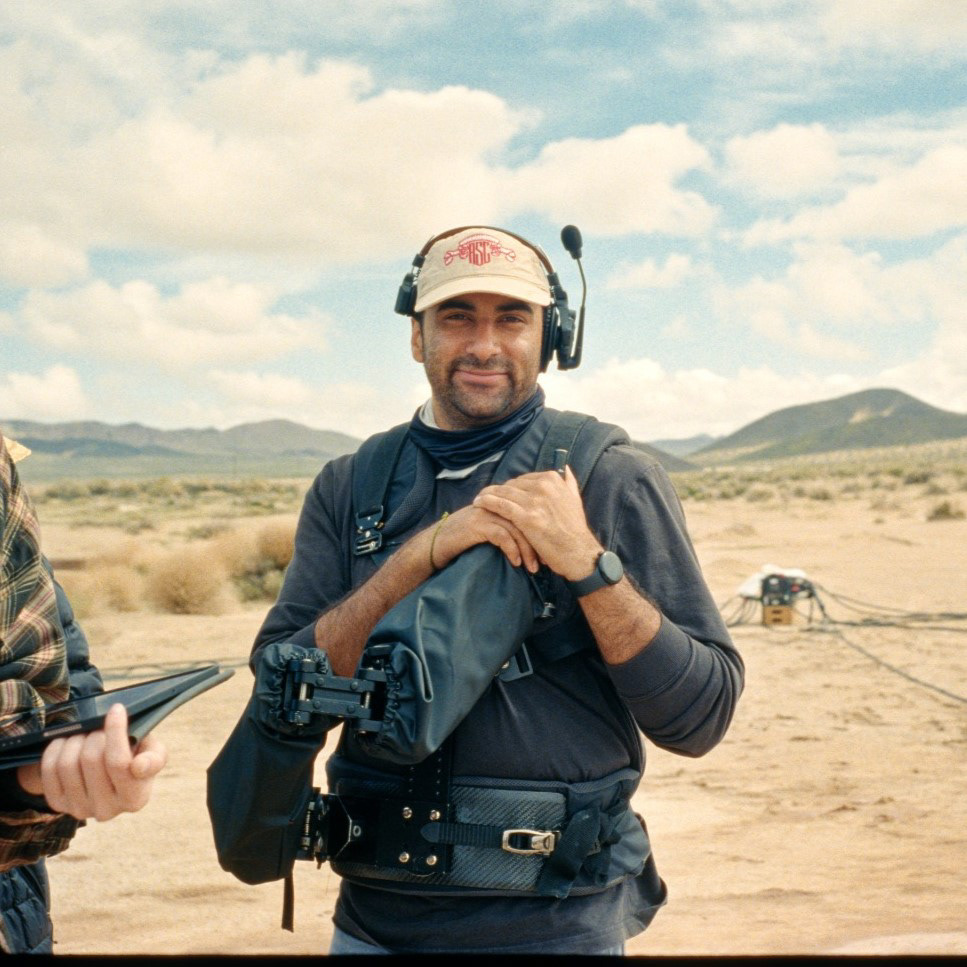
Image Credits
Zheng Qu