Meet Wolf Marloh | Portrait/Headshot Photographer and Writer
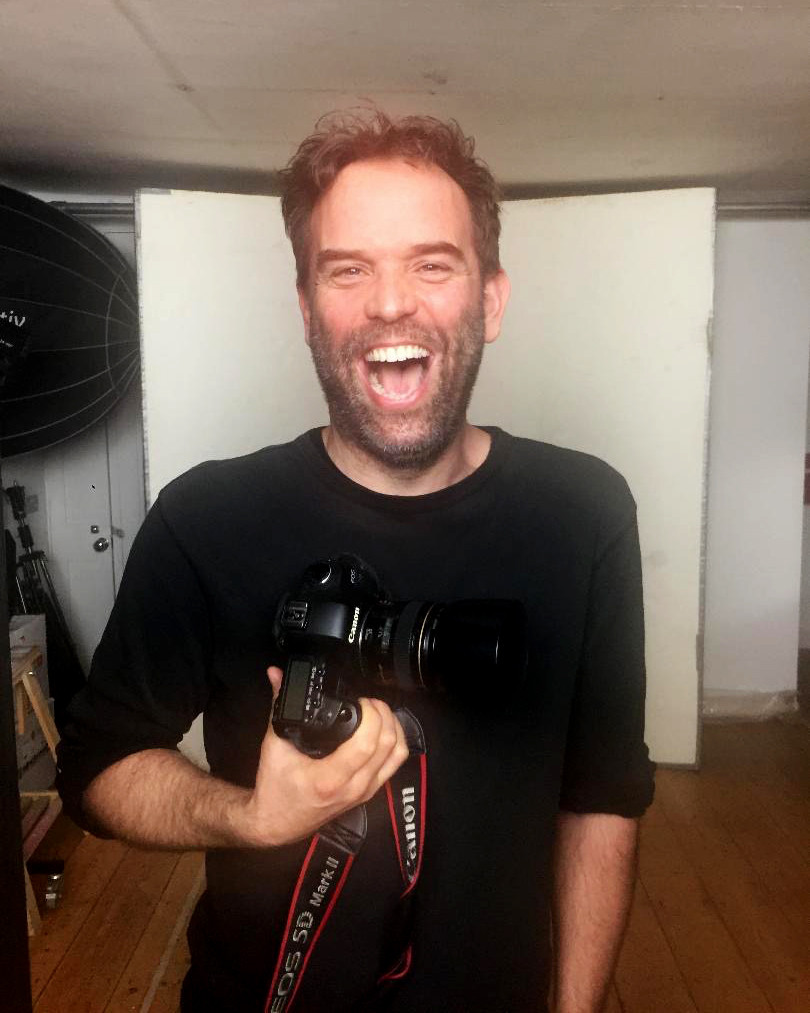


We had the good fortune of connecting with Wolf Marloh and we’ve shared our conversation below.
Hi Wolf, we’d love to hear more about how you thought about starting your own business?
I tried working for other people, but it’s not for me. From as far back as I can remember, I wanted to do work in a creative field. That pretty much means you work for yourself. I wanted to be a novelist, a photographer, a film maker, or maybe play the piano in a bar. I had my head stuck in books, had piano lessons from an early age and my first camera age ten. One way or another, I wanted to tell stories. I knew that going to an office five days a week wasn’t going to do that. I just wasn’t particularly good at doing long term plans. I did some odd jobs — bus boy, bar tender, waiter; I worked as a runner in TV production. I left my native Germany and moved to London in my early twenties and went completely off-target: I slipped into a career as a programmer. It was the early 90s, and I did animations for CD-ROMS. I picked up a book on programming and suddenly I was writing code. I didn’t have financial support from my family, so I figured I’d do programming part time, and this would allow me to pursue my creative aspirations.
The reality was it took over my life and I got stuck in it for seven years. I didn’t write or take photographs for years. I didn’t even own a camera anymore. Instead I read books on object-oriented programming and managing business risk. In the end I was in a full-time job in an open plan office, running a production department of twenty programmers.
Then I saw a show called Mnemonic at the Oxford Playhouse by the theater company Complicite. The show jostles your memory. And all I could remember of the previous years was being stuck in a meeting or behind a computer screen at all hours. I was 29 and I was doing the exact thing I had known ‘wouldn’t be for me’.
So the next day I quit my job. Everyone thought I’d gone mad: I was in a management position in a new media company right when the internet started to explode — and I wanted to ditch it all and go to back to square one?
I knew I didn’t want to go back to an office, and there were two things I truly loved doing — writing and photography. Photography took me out into the world, put me in contact with people; writing took me inside, and let me sit quietly with my imagination. In the short term, photography seemed the more viable. You don’t just write something and instantly get money for it. But, provided you know how to, you can take a photograph of someone and they may be willing to pay you for it.
To make a living from a creative pursuit, you have to fully commit. I pretty much emptied my savings, bought a camera, registered a website and started working on a portfolio, which at the time consisted of photographs of flowers, friends, tea pots and landscapes. I photographed anything and everything. I still shot on film, but learnt everything about scanning the negatives and how to post process them in Photoshop. I set up a dark room in the bathroom, processed and printed my own film. I shot digital catalogue stills of diamond encrusted clocks at the in-house photo studio at Christie’s auction house. I photographed forty weddings over several years through an agency, all still on 35mm film, three cameras hanging around my neck, in case one of them failed. I bought a 5×4 camera and schlepped it up mountains at 5am to catch the first light peering over the hill tops. I thought ‘Ansel Adams, here I come!’ But it’s hard making a living of landscapes.
I love every aspect of taking photographs, but what really excites me is having a little bit of quiet time with one person. I love having the focus less on the technology, the lens and the light, and more on the person to person interaction. I focused more on portraits. I started on a project photographing people and interviewing them about their inspirations. I contacted a bunch of politicians and got to photograph them in their offices in parliament and the House of Lords.
I started a second project, ‘No laughing matter,’ photographing comedians looking serious. Then a friend asked whether I might take some acting headshots of her niece. I didn’t know what this headshot thing was or what I should charge for it, but I was game. She was at drama school in London. A few of her classmates saw her shots and called and wanted headshots. They in turn were happy with the shots I took and recommended me to their friends. This is a thing, I thought, and built a website around it. Two years later I was shooting ten sessions a week. Drama schools and talent agents put me on their recommended lists. I had more work that I could handle.
When I started working as a photographer, I made a deal with myself was that once I made an actual living from photography, I would dedicate proper time to writing. So I enrolled at University of London, Birkbeck College. I did a year of literature, then switched into Creative Writing. I’m currently working on the final draft of a novel which I’m excited to start sending out to agents later this year. I’m impatient to start work on my next book, which has been bouncing about in my head for years.

Let’s talk shop? Tell us more about your career, what can you share with our community?
There’s a general idea that self-employed people just sit around in their garden drinking cappuccinos and eating croissants and occasionally come up with something creative. And don’t get me started on what people think photographers do. Now, here’s the thing, I don’t want to sit in my garden sipping cappuccinos all day. For a start, I don’t have a garden.
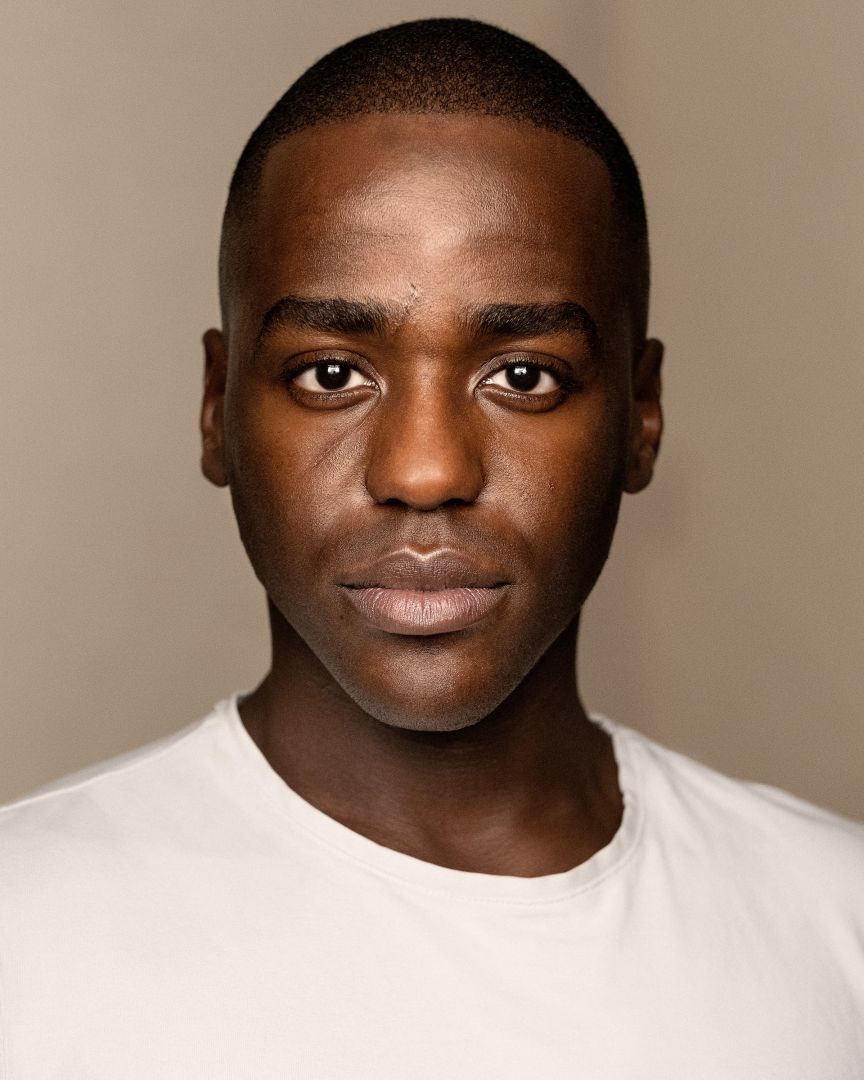
I love working with people, and I’m lucky to spend my time with interesting people. Most of my work is headshots, with some portraits, and most of my clients are actors, with some corporate clients. I love the mix, and I love that beside a name, I know very little about who comes in. Everyone is a surprise that I get to unravel.
But of course not all my time is spent shooting. It’s one of the pitfalls of starting a creative pursuit: Nobody tells you that you have to actually run a business! Luckily enough, I’d already been self-employed for years before I started working as a photographer. So my general policy has been that this is a full-time job and I’m employed by me. If I’m not shooting, there’s usually admin and retouching to do. And when that’s done, I work in sales, which might be as simple as posting recent work on social media. Of course, the best ‘sales people’ are happy clients. More than half of my clients find me through the recommendation of a previous client. The rest come across me on Google or social media.
But the fun part is when I’m in the studio with a client. My actors headshots are more about who you are as a person than what characters you might play. In my opinion, a good headshot answers the question: “Who will I see when I open the door?”
I’m excited about who I’m going to meet, and what stories they come with. When someone comes into my studio, they hit me over the head with whoever they are and when they leave, they’ve left an imprint and I’m a slightly different person. I like that energy exchange. I’ve taken pictures of probably 6000 people now and it never gets boring. Nobody ever has the same personality or the same stories, and nobody ever looks the same. People surprise me constantly, and while I might be physically tired after a day of shooting, my mind is buzzing.
I used to think I was pretty good at figuring people out, but one thing I’ve learnt through my work is that you don’t know anything about anybody. You think you’re so smart and got people figured out, but you really, truly have no idea. I had a client years ago who seemed a thoroughly nice guy when I worked with him. I really liked the photographs we took and put one of them on my website. Then one day another client told me I might want to take his shot off my site because hadn’t I heard? The guy had just been sent to prison for some really horrific stuff. Stuff that had been going on literally around the time that he came to me for his headshots. On a lighter note, I had a client who was so perfect and angelic and clean, and her shots looked so pristine. Then one day I worked with her roommate who said “That girl has the messiest bedroom I’ve ever seen. It’s a pig sty. You can hardly open the door for the pizza boxes on her floor. You have to climb over mountains of dirty clothes and coffee cups to get to her window.”
So, truly, the only thing you can know about someone is your experience of that person, on the day you meet them. What they do at all other times, you have no idea. What they think, you have no idea. Early on, I had a client who was so terse and mono-syllabic, I thought she hated me and the photographs we took. But the next day she emailed me and gushed about the whole experience, how relaxed it was, how much fun it was, and how much she loved the pictures and how this was the first time she truly saw herself in her headshots. She recommended me to dozens of people.
People express themselves differently, and people experience situations differently. You judge others so much by how you think you’d behave in the same situation. My face is pretty transparent — it tends to be quite obvious whether or not I’m enjoying myself (and whether I’m holding a good hand of cards — I’m a hopeless at poker). But some people don’t smile and don’t talk, and are having the best time.
The other thing I learnt, and it’s kind of related, is that you can’t really learn anything about someone ahead of meeting them. You might check their social media, or read about them, or watch interviews or shows they’re in. But all that stuff is either how they project themselves into the world, how they like to be seen, or it’s their work and how they’re typecast.
When they come into the studio, they’re just human beings with a head and two legs, who are a little nervous and worried about their smile being crooked, and who need the rest room and who didn’t sleep well the previous night, or broke up with their partner the week before. They’re not their wikipedia article, or the not-for-profit they’re running and they’re definitely not their social media account which starts with ‘official,’ or ‘thereal’.
I consciously avoid learning too much about my clients before a shoot. It clogs up my head and stops me from being open to see the person as they are when they come in. That goes for a famous actress just as much as it does for an accountant who comes in for a LinkedIn shot.
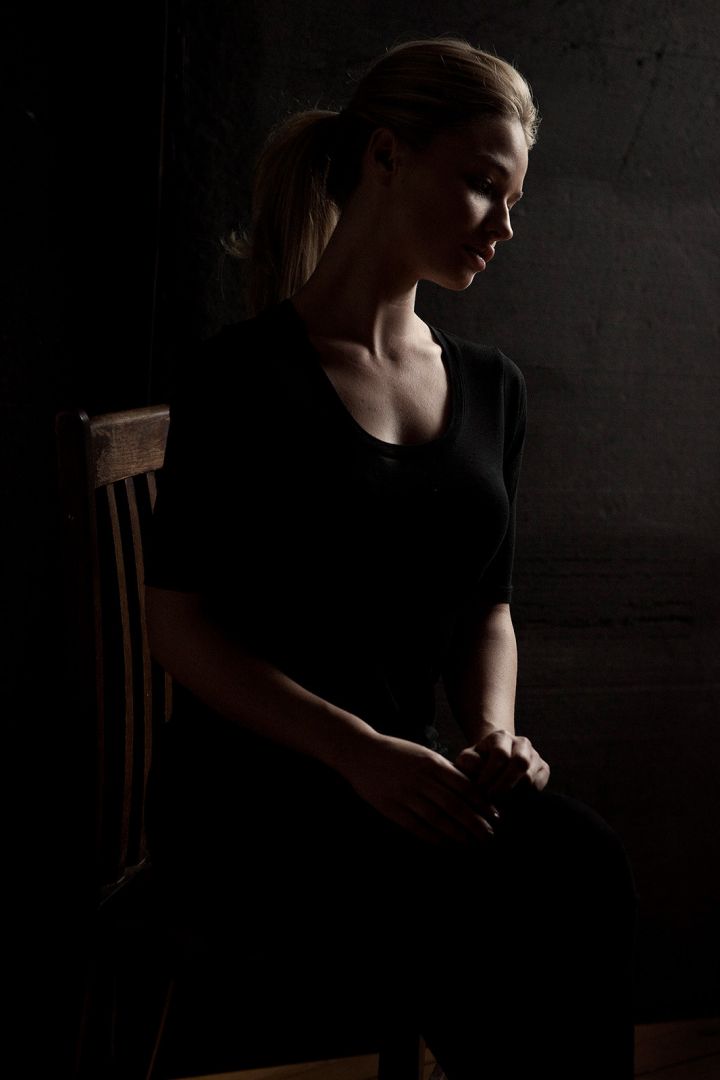
I love how painters like Rembrandt, Van Gogh, da Vinci, Vermeer, Caravaggio used light. I’ve sat in galleries for hours just taking in how a painter illuminated their subject with just a candle, or a shaft of sunlight falling through a window.
And of course there’s a string of photographers who I greatly admire. One of the first photographers I felt inspired by was Ansel Adams. You lose yourself in the landscape when you’re standing in front of one of his large prints. I studied Adams’ work meticulously. He wrote three books that go through his entire process in detail and I read them back to front several times over. It taught me so much about photographic technique.
In terms of style, I love a wide variety of portrait artists: Yousuf Karsh, Richard Avedon, Annie Leibovitz, Jane Bown. Their style is each completely different. Karsh used hot lights, rubbed people in baby oil so their skin shone and usually placed them carefully in an environment. Avedon’s signature style is very even light against a plain white background shot on 10×8. Leibowitz work is so cinematic, like a still from movie production. Jane Bown was completely unassuming — she carried two 35mm cameras in a plastic shopping bag and shot her subjects using available light— in bars, by windows, sitting on staircases, in doorways. All their diverse ways of working have inspired me, and their books sit in my shelf. I’ll never get tired seeing their work.
To this day, I like simple lighting, preferably from one source. The kind of light you get from an overcast sky. I sometimes use more lights, like three-point lighting, but I find it takes me away from looking at the person. Still, it has its place. I just find it often takes my mind off the person. When I look at a portrait, I want to meet someone. I want to open the door, and there they are. I don’t want to look at it and go ‘ooh, great background, or ‘great three-point-lighting.’
Besides my long-term inspirations, and as cheesy as it sounds: my inspirations are my clients, each and everyone one of them, every day. I don’t create work out of thin air. My work is all about the people I work with. My skill as a portrait photographer has to be about being perceptive, creating a safe and relaxed environment, which allows my clients to let go and be themselves. There is this beautiful quote by Martha Graham where she talks about keeping yourself open so you can be a conduit for your art to pass through you. Hope it’s OK if we put the whole quote in, because I love it so much:
“There is a vitality, a life force, an energy, a quickening that is translated through you into action, and because there is only one of you in all of time, this expression is unique. And if you block it, it will never exist through any other medium and it will be lost. The world will not have it. It is not your business to determine how good it is nor how valuable nor how it compares with other expressions. It is your business to keep it yours clearly and directly, to keep the channel open. You do not even have to believe in yourself or your work. You have to keep yourself open and aware to the urges that motivate you. Keep the channel open.”
I think as a portrait photographer, you have to really try and get out of the way. Of course, you have to get the light right, and understand angles and lenses and all the rest of it. That’s a given, that is your craft, and if you have talent, it’s your art. But there’s another level when you work with people. That person you photograph is that life force she talks about, that quickening, and it translates itself through you into a photograph. As the photographer you just need to keep the channel open. I’m not saying portrait photographers are just empty vessels through which greater life forms step into an 8×10 frame. Still, for me, the way to go about it is to take the lead from the person you’re working with. They’ve got to be your inspiration. You just shine a light on it.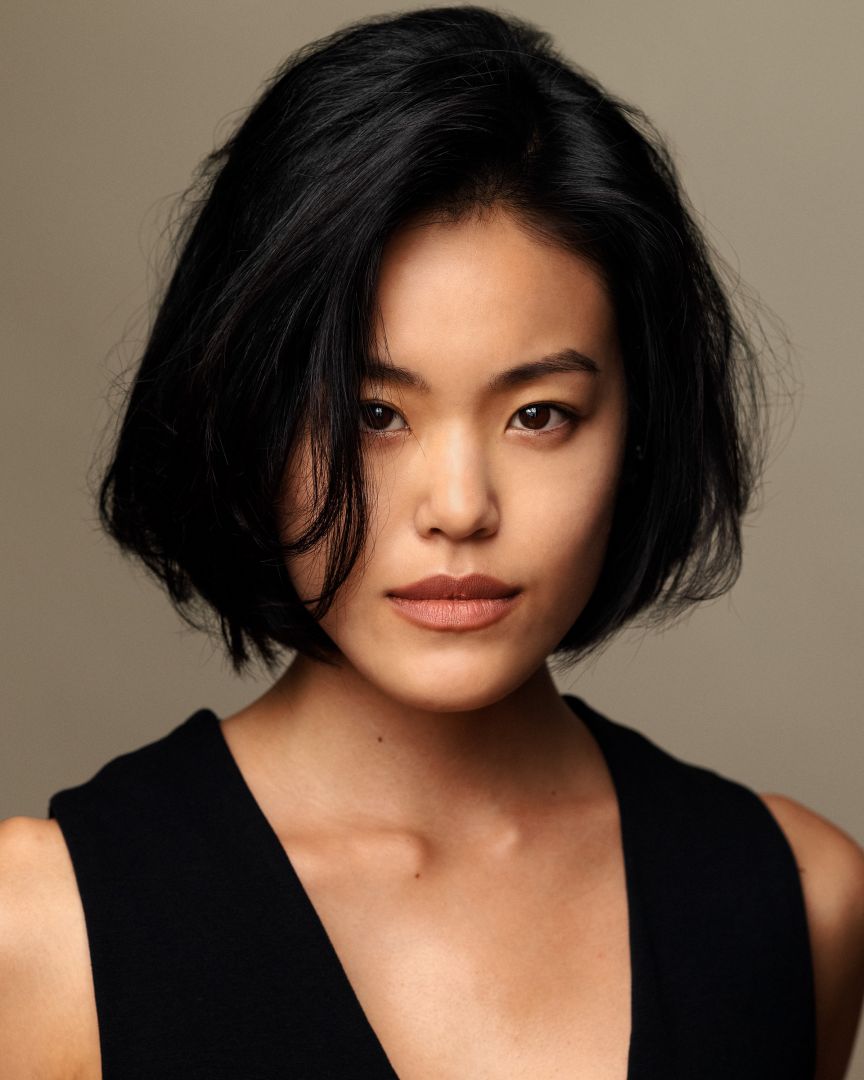

Any places to eat or things to do that you can share with our readers? If they have a friend visiting town, what are some spots they could take them to?
I am very new to LA, so I don’t yet have an address book full of amazing places. I live in Santa Monica, so I would probably first stroll down to the ocean front. We’d stop at McConnell’s on 3rd Street Promenade and get an ice cream for breakfast and then walk down to the ocean front and decide what to do.
The truth is, it would all depend a little on what kind of visitor I had. If they were the hiking kind, and we only had a day, I’d drive up to Malibu Creek State Park, or maybe one of the trail heads in Topanga State Park and walk all the way up to enjoy the beautiful view over the ocean and LA. If we had a week, I’d drive up the coast all the way along Big Sur and visit Yosemite.
If the visitor was my younger sister, she’d probably want to go hiking, but I’d take her to Disneyland, because she’s never been, and I’d make her go on all the rides and and buy her Minnie Mouse ears, and then we’d have a double chocolate Sunday at Ghirardellis. If we had time left, which we wouldn’t, we could then go on a hike.
Ask me again in a year. I’ll have more options than just hikes and ice cream. Though you must admit, it’s a good start.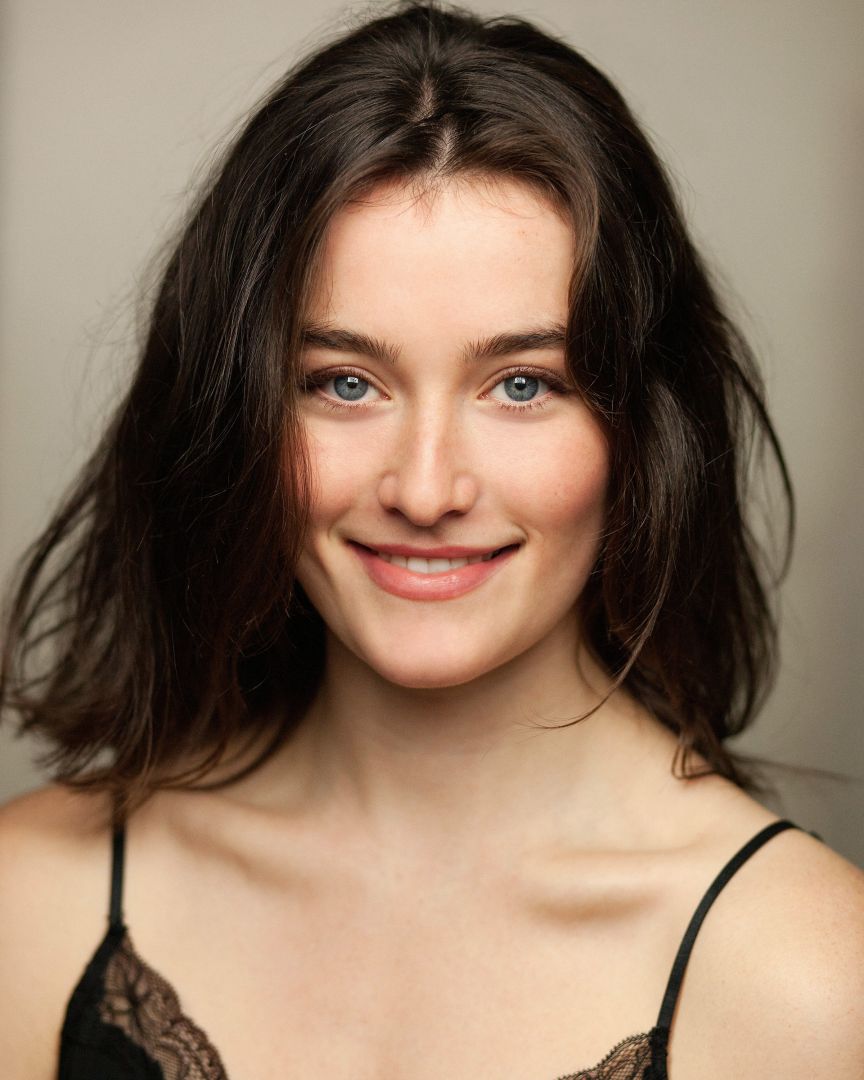
The Shoutout series is all about recognizing that our success and where we are in life is at least somewhat thanks to the efforts, support, mentorship, love and encouragement of others. So is there someone that you want to dedicate your shoutout to?
There are two people who have been with me through some of the darkest times and who stood by me and helped me find a path through the night.
I wouldn’t be here if it wasn’t for my wife Vanessa. She has literally saved my sanity and my life, over and over again. When I’m hyper, she calms me, and when I’m on the ground, she picks me back up. She brought so much joy and laughter and ease into my life. We met when we both did an undergraduate degree in Creative Writing at the University of London, Birkbeck College. We would all prepare for class every week by reading each other’s work, and I loved her work before I even met her in person. There were some very talented writers in our year, but Vanessa has a way of writing that condenses so much into so few words. She can write a whole life time into a paragraph. She just wrote a beautiful collection of short stories. I am the lucky person that gets to read them first, and they make me want to be a better writer. She is a daily inspiration to me in so many ways.
And there’s Camilo Gallardo, who is a rock and a magician. Who sat with me, hour after hour, year after year, through the highs and the lows, through the confusion, the nightmares, and the eventual clarity; and who was especially there for me when I dove head first into the inferno. He is my Virgil, my fearless companion. Who told me these words by C.G. Jung: “I am not what happened to me, I am what I choose to become.”
Thank you, my friend. I wouldn’t be here without you.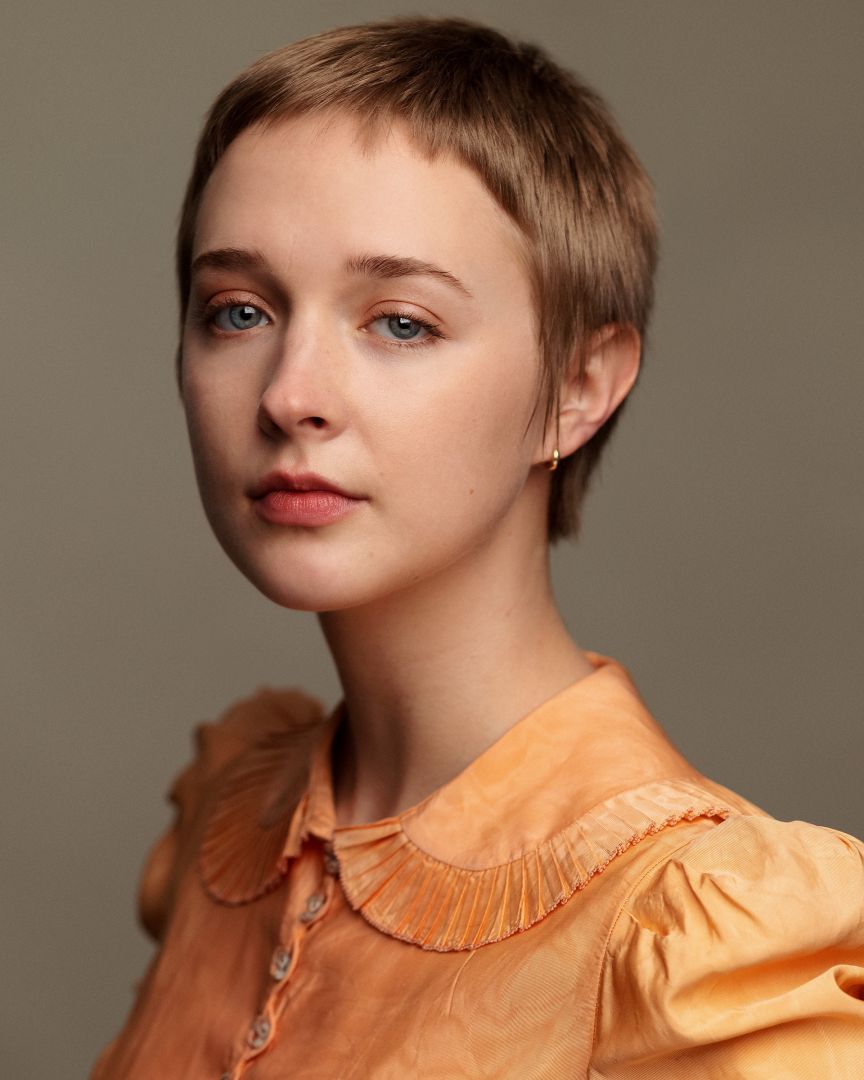
Website: https://www.wolfmarlohphoto.com
Instagram: https://www.instagram.com/wolfmarlohphoto/