Meet Grace Hansen | Screenwriter
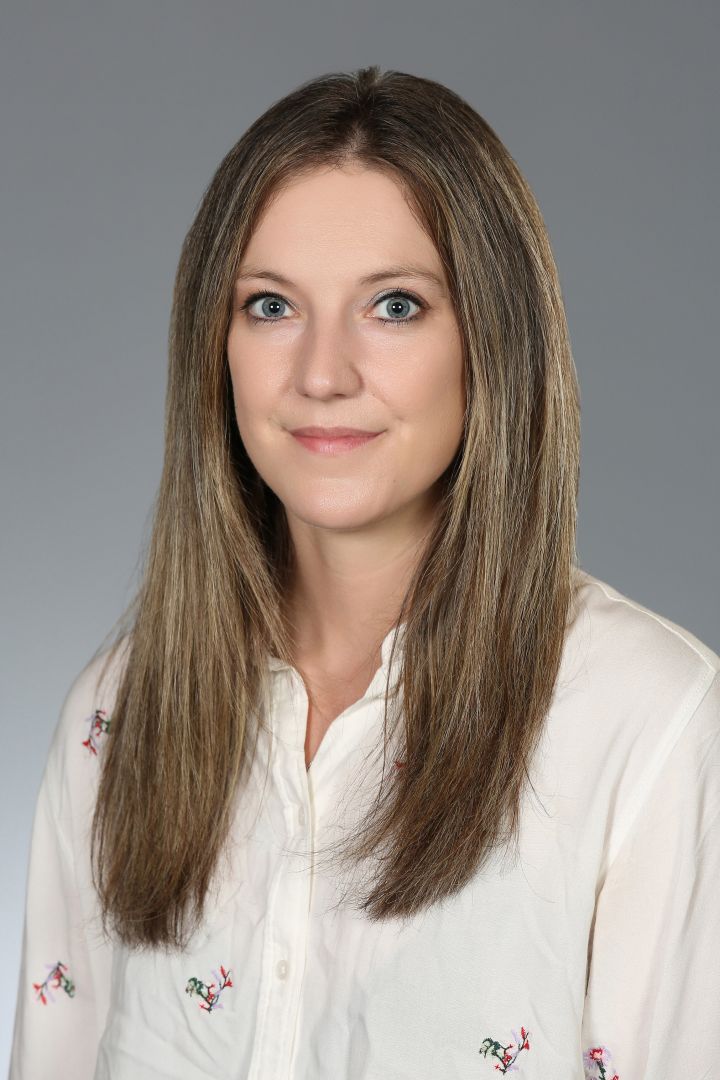


We had the good fortune of connecting with Grace Hansen and we’ve shared our conversation below.
Hi Grace, how do you think about risk?
When I was working as a prosecuting attorney for the Shoshone-Bannock Tribes in Fort Hall, Idaho, I watched the consequences of poorly executed risk evaluation every day. I talked to defendants who regretted forging a check, stealing a car, or, quite literally, playing with fire. Every day, I showed up to work, and I saw the dark side of risk taking. Still, I knew that there was more to the psychology of risk than that—or at least I hoped there was—because I was on the brink of taking a huge risk myself: quitting the law to become a high school teacher in an attempt to become a writer. That path seems narrow, rocky, or illogical, I know. But I was about to assume the biggest liability of my life—going after a dream.
Part of me wondered if I was the ultimate hypocrite putting people in jail every day for taking unwieldy, unwise risks while embarking on my own. But around that same time, I discovered Jimmy Chin and Elizabeth Chai Vasarhelyi’s documentary Free Solo, and it offered a new perspective that allowed me to ask the question a different way. Instead of, “Am I crazy for resigning from a respectable, well-paying position to try and find my way into one of the most competitive, unstable industries in the world?” I found myself asking, “If for some reason I have to get to the top of this mountain, what’s the safest way to do it?”
Of course, my petty risks are nowhere near the one Alex Honnold took when he soloed El Capitan in Yosemite. But the fascinating part of that story to me is far more relatable. Alex pointed out that there’s a difference between risk and consequence. For him, he explained, falling off any given route would be high consequence, of course. A couple hundred feet, a couple dozen even, and it’s over. But, he went on, his risk of falling is actually quite low. As low, if not lower, than getting in a car accident or getting hit by a bus. And so, as I walked out of the courtroom and into the classroom, I tried to apply that principle to my own life.
What is the consequence of staying in a career that I’m not passionate about? High. I would be, forever, wondering about the life that could have been. That kind of purgatorial limbo was not a life I was interested in pursuing. What was the risk of staying, though? Low. Stability, ease, and meaningful work. A life that, I realized increasingly, was a privilege to have and an even greater one to be able to voluntarily give up.
So, in a stalemate, I moved on to the next question. What is the risk of leaving the law and trying to be a screenwriter? High. The odds, no matter how I ran them, were heavily tipped in favor of failure. Even after getting into the American Film Institute Conservatory as a screenwriting fellow, I was still facing an uphill, dubious trail to success, if there even was one. Still, and this was equally undeniable, the consequence of trying, just trying, was relatively low. If I failed, I could practice law or teach high school again. I would have incurred more debt, but I would also have answered a lifelong, inescapable question: can I tell stories for a living? Am I honest enough? Am I brave enough? Am I determined enough? I’m ready to do what it takes to find out.
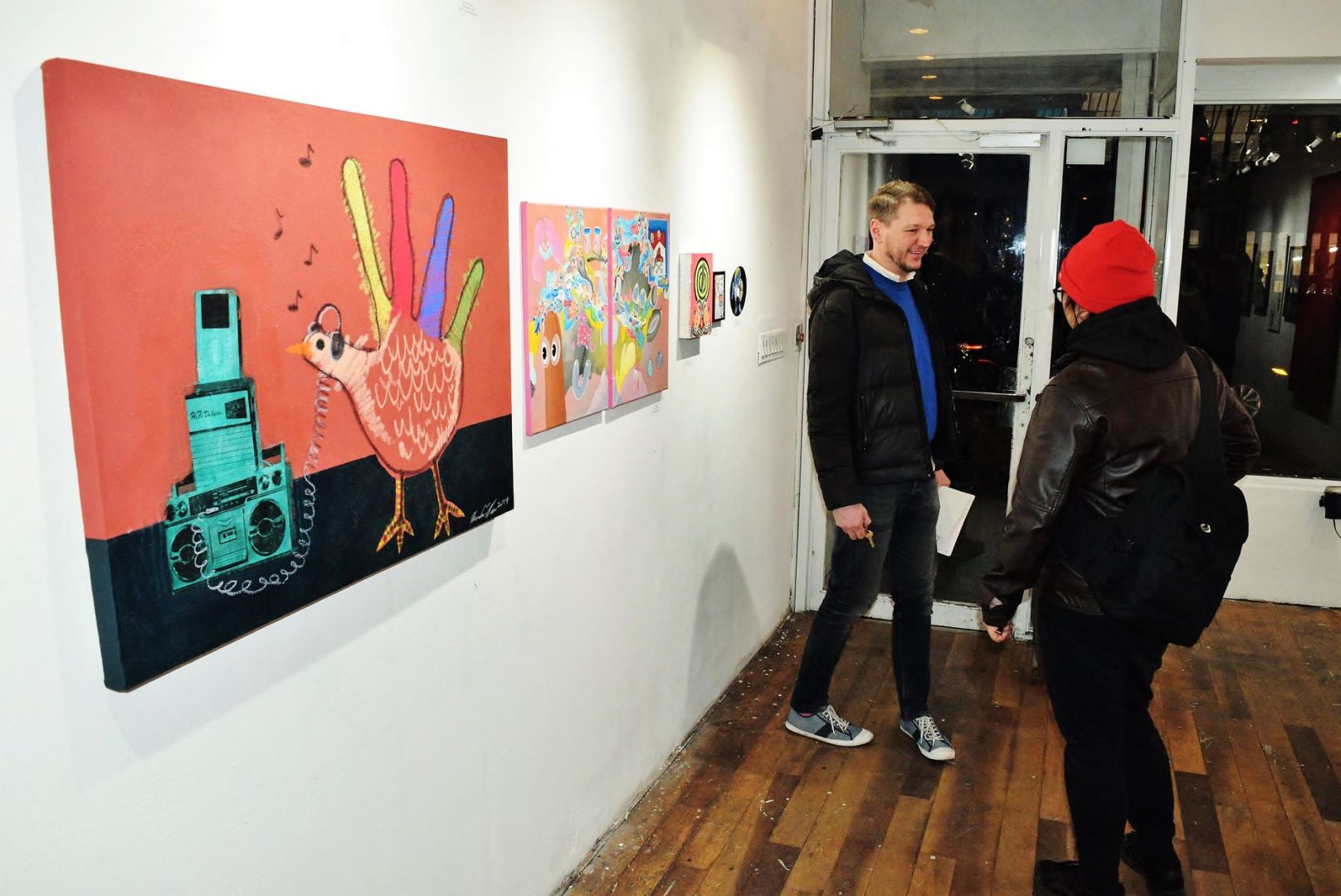
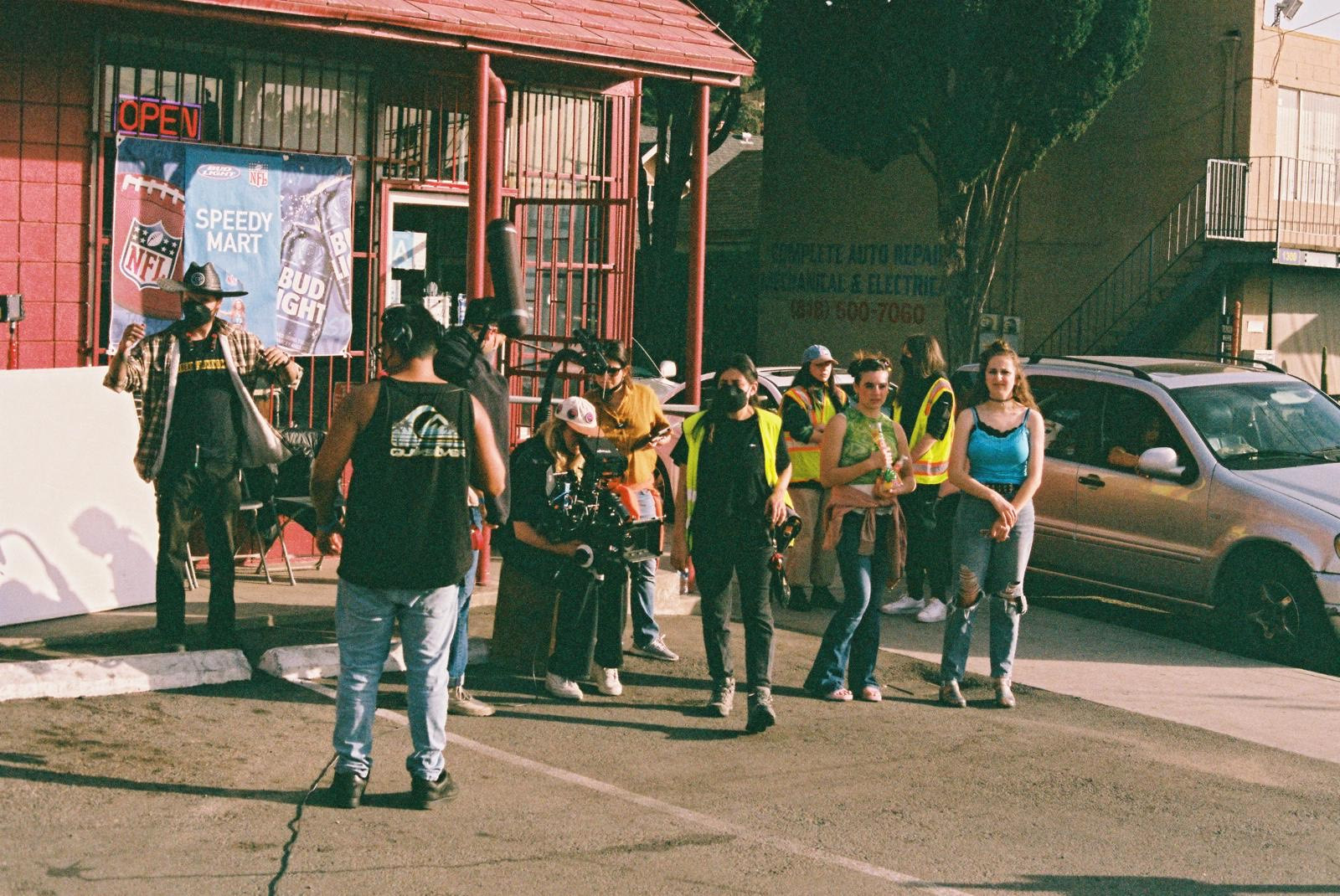
Alright, so let’s move onto what keeps you busy professionally?
One day when I was a high school teacher, a student lingered in my room after the last bell. She’d been having a rough time—fighting with her parents, falling out with her friends, and skipping easy assignments in class. For better worse, I remember what it feels like to be 14-year-olds with a brain that’s trying its very hardest to convince you that every single aspect of every choice you make carries life or death stakes. This student of mine was exhausted by that struggle, and when she sat in the desk next to mine, and I asked her if she was okay, she cried. I gave her a Reese’s egg. She offered me one of her watermelon sour patch candies. We laughed a little. And then she told me that the only thing keeping her going was a TV show she would watch at night, alone, on her phone. She’d sit in her bedroom, door closed, and stream Heartstopper on Netflix. She didn’t know who wrote it. She didn’t know the budget or the development process or the profit margin. She just knew that when she watched it, she felt, for each 30 minute episode, like maybe everything would turn out okay. If anyone, watching something I’ve written someday, feels like my student did when she watched Heartstopper, then I will have accomplished everything I set out to do when I quit lawyering and quit teaching and started screenwriting.
Although my path to get here has been unconventional, I did always want to write. During my junior year of undergrad, I was lucky enough to obtain an internship working for Matt Janzen at Lionsgate Entertainment. Matt gave me a shot, which I will always be grateful for, and I learned so much reading scripts in the production and development department that autumn. One of the biggest things I learned, though, was that I wasn’t ready to tell stories yet. I read page after page of lives I hadn’t lived, words I hadn’t said. So I decided to go out and try to learn to be human before I started to try to write about it.
In the years between that decision and now, I’ve been a lawyer and a teacher. Those experiences have weaved themselves into my work because they are part of who I am. For example, one of the pilots I’ve been writing at AFI, Triple Jurisdiction, focuses on a white prosecutor working on a Native American reservation. It’s a narrative loosely inspired by my own, similar career but one that I recognize I could never truly tell without Native American co-creators and collaborators. Both what I know about that story and what I know I cannot know about that story come from my first-hand experience.
But life, of course, hasn’t just consisted of career. In 2020, my grandma got diagnosed with an aggressive form of cancer. It zapped her energy, and it led to us spending many evenings watching TV. The shows got her to laugh. They helped her remember. They offered a glimpse of the world outside her living room walls. Those shows made—and continue to make—her life better. What a gift that is. One of those shows was Doogie Howser, M.D.. One of my pilots, Jordy Black, Esq., takes a similar concept—teen genius—and puts it in a legal context. Instead of becoming a doctor like Doogie, Jordy becomes a lawyer like his late grandmother. While trying to balance the woes and hijinks of growing up, Jordy also has to take tort cases to court and carry on his grandmother’s legacy. Like Doogie Howser, Jordy Black is a comedy. Like Doogie Howser, I hope someday it will make someone’s grandmother smile.
Finally, for my last project at AFI, I dove all the way back in to my childhood. For me, there have always been two constants in life: stories and dogs. In fact, as I answer this question, my own dog is snoring from his spot on the bed. But for Morgan, the protagonist of my children’s live action TV pilot, that’s not the case. She’s never even truly known a dog—that is until she makes a discovery on her grandparents’ rural Pennsylvania farm that changes everything.
Of course, those are just a few of the stories written and the lessons learned. But I’ve had fun along the way, like my grandpa taught me, and I’ve been reading, writing, and walking, like my mom.
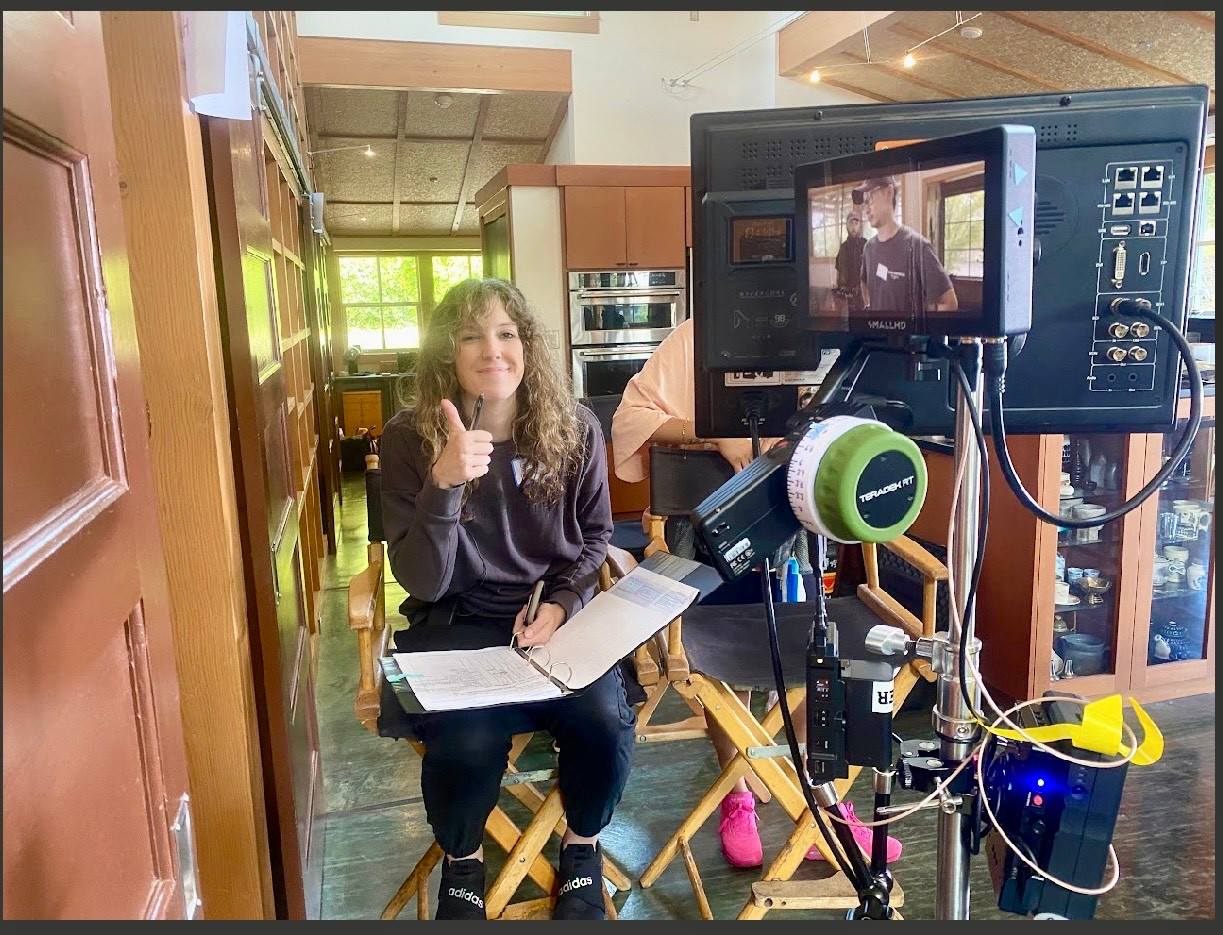
If you had a friend visiting you, what are some of the local spots you’d want to take them around to?
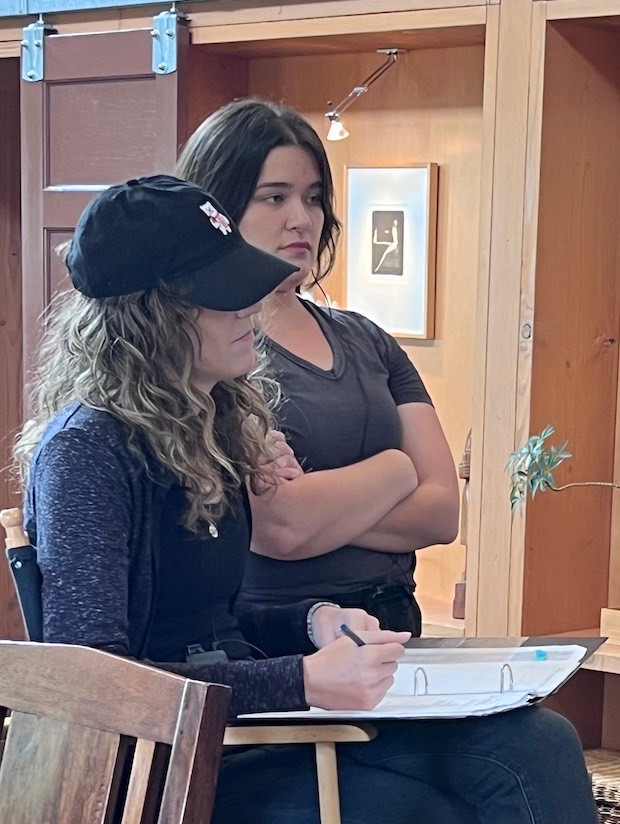
I’m lucky enough that my best friend and fellow screenwriting student Ysabeaux Ng lives here in Los Angeles, but since we were both new to the city a year and a half ago when we moved, we’ve had fun finding some of our favorite spots together. And what a city I’m discovering LA to be! I must admit, I seriously underestimated it before. So, for the purposes of this itinerary, I’m forcing Ysa to take a work break, and I’m flying my sister in with her two daughters.
Since we all grew up in the mountain/pacific northwest, I’d suggest we start by getting back to our roots with a hike and take a romp up to the wisdom tree in Griffith Park. We’d bring my dog, Ollivander, and he and the baby would get backpack rides. After that, we’d drive to Koreatown and treat ourselves with the amazing coconut desert Melo Melo—I’d pick the Nutella flavor—and we’d finish the night by catching a movie and cheering on Nicole Kidman at an AMC theater. Or, more likely, Ysa and I would cheer on Nicole Kidman, and my sister and nieces would look at us like this city had officially caused us to lose our minds.
The rest of the week, we’d meander through the distinct niche neighborhoods of the city. We’d stroll around the reservoir and take pictures of the Hollywood sign in the distance. We’d visit the LA Zoo, where my six-year-old niece and I would sit in the little birds’ nests for a photo moment, and then we would all take turns finding our favorite animals. While we were in the vicinity, we might catch a concert at the Hollywood Bowl—someone like The Killers or Brandi Carlile if we got lucky.
Of course, the family couldn’t leave LA without a trip to the ocean. Ysa and I would take them to an Irish pub, Patrick’s Roadhouse, and after we ate way too much of their famous garlic hash or Arnold’s mother’s secret recipe, we’d walk along the water. Ysa and my sister, both volleyball players, would probably cajole me into getting destroyed by them in a round robin of beach volleyball. By the early afternoon, we’d pile back into the car and take the quick drive up the hill to the Getty Villa, where we’d stroll around the recreated Roman architecture and spend the sunset with history and people watching by the Outer Peristyle.
Finally, because I know the kids would never want to miss out on a chance for cotton candy and adrenaline (and, okay, neither would I), we’d spend a few days visiting Six Flags, Universal, and Disneyland. At Six Flags, I’d somehow bribe my sister into riding the Tatsu rollercoaster because what every mother of two children under eight needs is probably 100 feet of zero G corkscrew. We’d spend a full Wednesday or Thursday at Disneyland, meeting all of my nieces’ favorite characters—especially Goofy and Pluto because, of course, dogs. And we’d finish with Universal. Nothing like a butter beer and a broom stick ride to find the magic in LA.
The Shoutout series is all about recognizing that our success and where we are in life is at least somewhat thanks to the efforts, support, mentorship, love and encouragement of others. So is there someone that you want to dedicate your shoutout to?
Growing up, I used to wake each morning to find my mom drinking her Diet Mountain Dew and grading her students’ college essays. At five or six years old, I would climb onto her lap and she would tell me that if she could read, and write, and walk, and spend time with me and my sister, then her life would be fulfilling and complete. That simplicity of focus and purity of intention has stuck with me my whole life. In every meaning of the words, I would not be here if it weren’t for her. This shoutout, and everything I ever do, will be dedicated to her.
How lucky am I, then, that there are also so many other voices, stories, and influences to recognize— only some of whom I will have the space to talk about here because otherwise I would be talking forever. My sophomore year of high school, my then teacher and now friend and mentor Sandy Bybee looked me in the eye and told me I could be a writer. Then she told me she has a great career judgment record, so I shouldn’t mess it up. If I ever doubt myself, I remember that her perfect score is on the line. My BYU-Idaho college professors taught me to write and then, more importantly, to write again. In law school, my educators encouraged me to learn history, precedent, and policy worth writing about. At AFI, all of my instructors have patiently explained, among other things, that although human emotion might not be relevant in a legal brief, it is apparently quite paramount to include in a screenplay.
Finally, my grandpa, Doug Smith, taught me the art of fun, without which I never would have believed I could make a career out of make believe. He passed away when I was ten, but the unconditional, humble, mischievous love he offered to my grandma and everyone in our family will remain with me forever.
Instagram: https://www.instagram.com/gracehansen77
Linkedin: https://www.linkedin.com/in/grace-hansen-4a619214/
Image Credits
Tiffany Wu Alex Aljouni


