Meet Yibin Yang | Architectural Designer
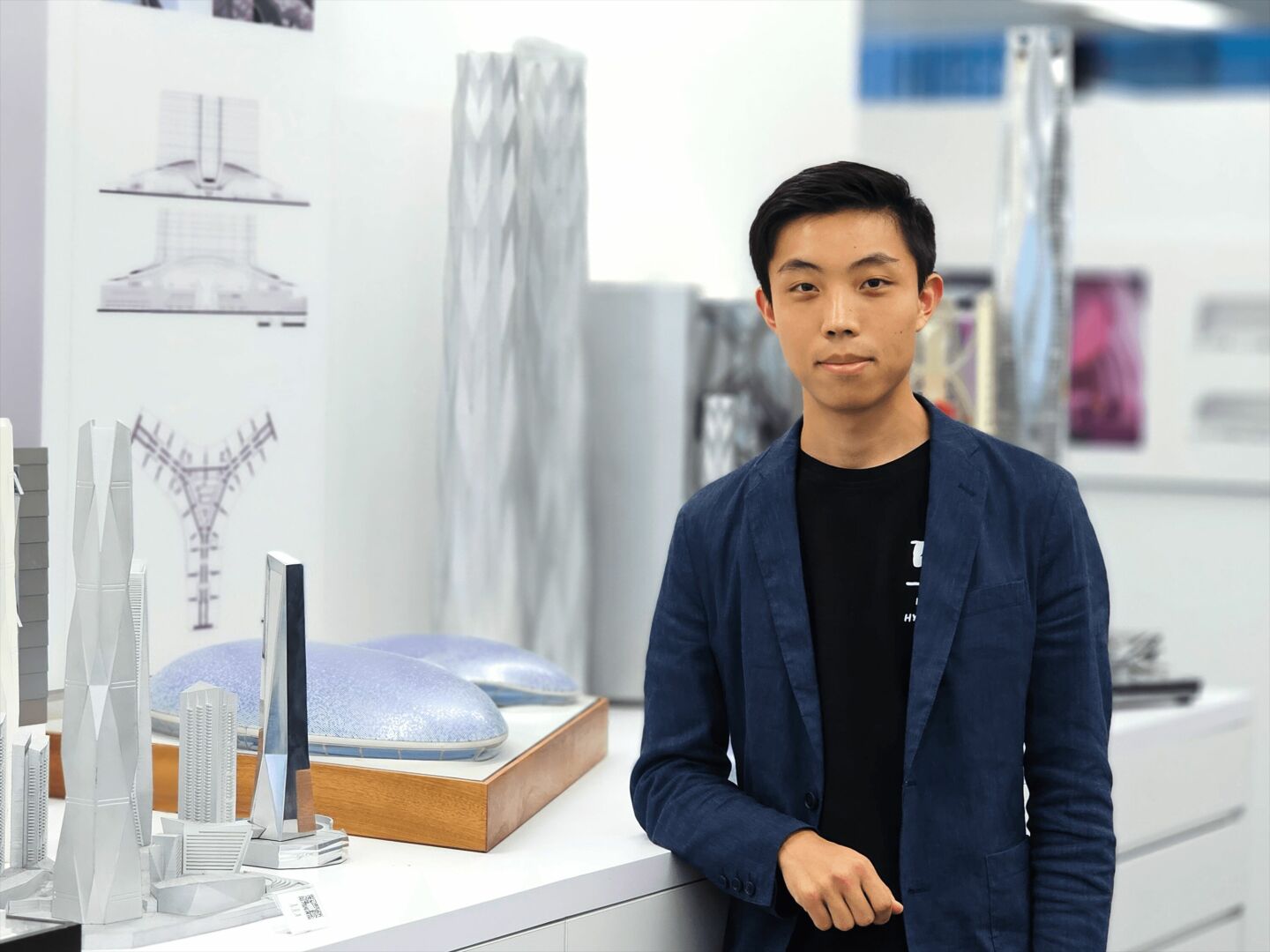


We had the good fortune of connecting with Yibin Yang and we’ve shared our conversation below.
Hi Yibin, why did you pursue a creative career?
Actually, I haven’t always wanted to be a designer. I remember very clearly that, from primary school through middle school, I always wanted to work in computer science. I grew up during the advent of information technology in China, and catching up on all the latest tech news constituted a large part of my childhood pastimes. However, as I got older, probably under the influence of my parents who worked in advertising, I started to become conscious of the things that shape our culture and living environment. Eventually, I chose to study architecture, a field where creativity meets practicality.
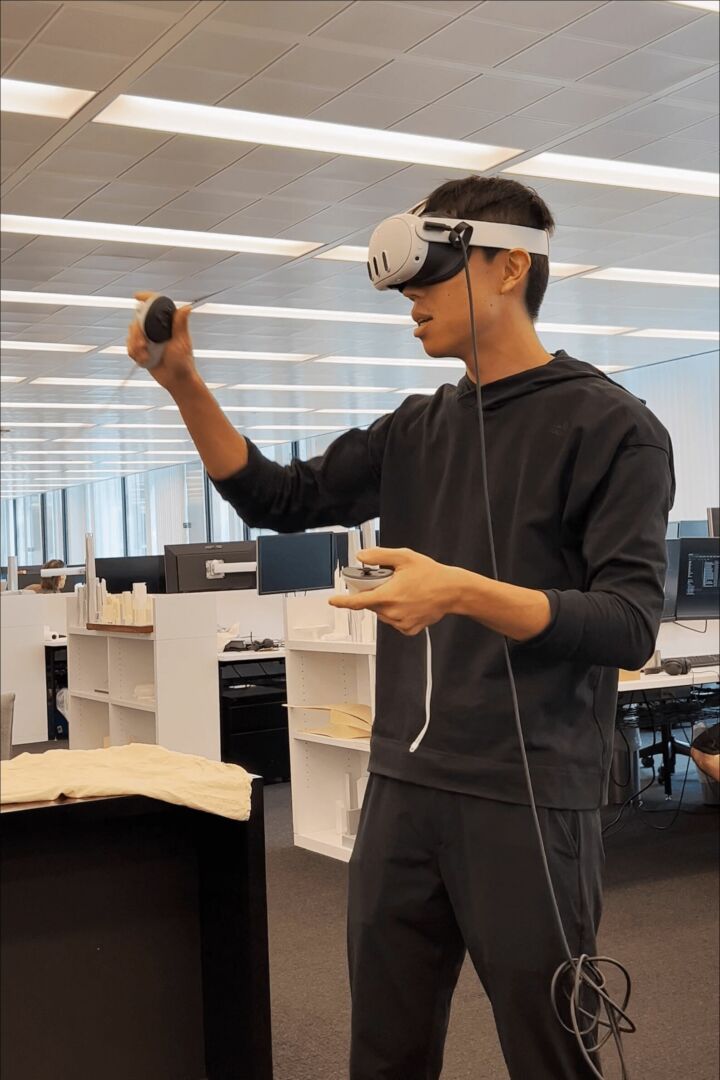
I find great satisfaction in the combination of art and functionality working as an architectural designer. My interest in technology hasn’t gone to waste. Rather, it became a valuable asset to my work. Architecture is a sophisticated form of problem-solving. At Adrian Smith + Gordon Gill Architecture (ASGG), the firm that I work for, we are constantly pushing the boundaries of design in terms of structure, sustainability, and smart technologies for our projects that require highly complex solutions. In those cases, the ability to understand and implement technology has allowed me to handle design problems and create innovative designs efficiently. I often incorporate scripting to streamline the design process, create algorithms to rationalize complex geometries, utilize VR immersion to fine tune spatial experiences, and perform simulation to inform design decisions. I am always on the lookout for the latest technological developments that can aid in our creative endeavors, ensuring that we stay at the forefront of the industry.
What inspires me more than anything in my day-to-day work is the opportunity to both create and to enhance the creative process. Besides my own work, I am dedicated to helping my peers realize their ideas with my skills, and I am constantly learning from my peers. This drive to improve and innovate really keeps me passionate about my career.
Let’s talk shop? Tell us more about your career, what can you share with our community?
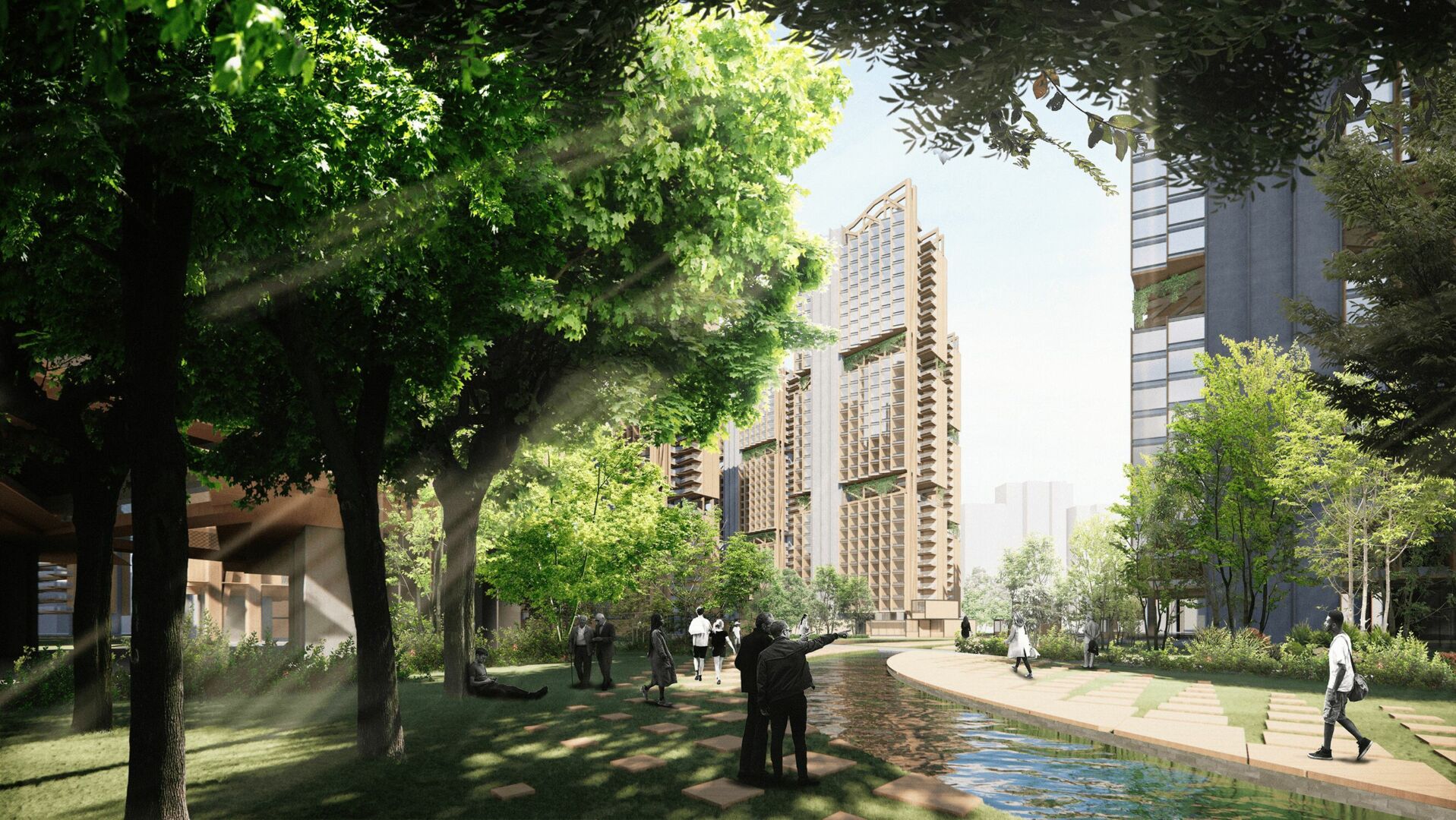
I am a very rational person, and rationality has always been the core of my design philosophy. Therefore, besides the artistic aspect of architectural design, I always try to fold in a layer of rationality that serves as the backbone of the design. In my thesis project Biophilia, I proposed to convert an extremely overpopulated and dense slum in the city center into a neighborhood consisting of high-rise timber residential towers. The proposal was made based on my in-depth field study both inside of the slum and in other parts of the city where similar conversions took place with varying levels of success. The high-rise building typology allows for the same population density to be stacked vertically instead of spreading horizontally, thus creating more open green space on the ground. The unconventional material of choice—timber—potentially allows for a highly industrialized and efficient construction process, as well as creating a biophilic atmosphere in contrast to the literal concrete jungle that the current state of the slum resembles.
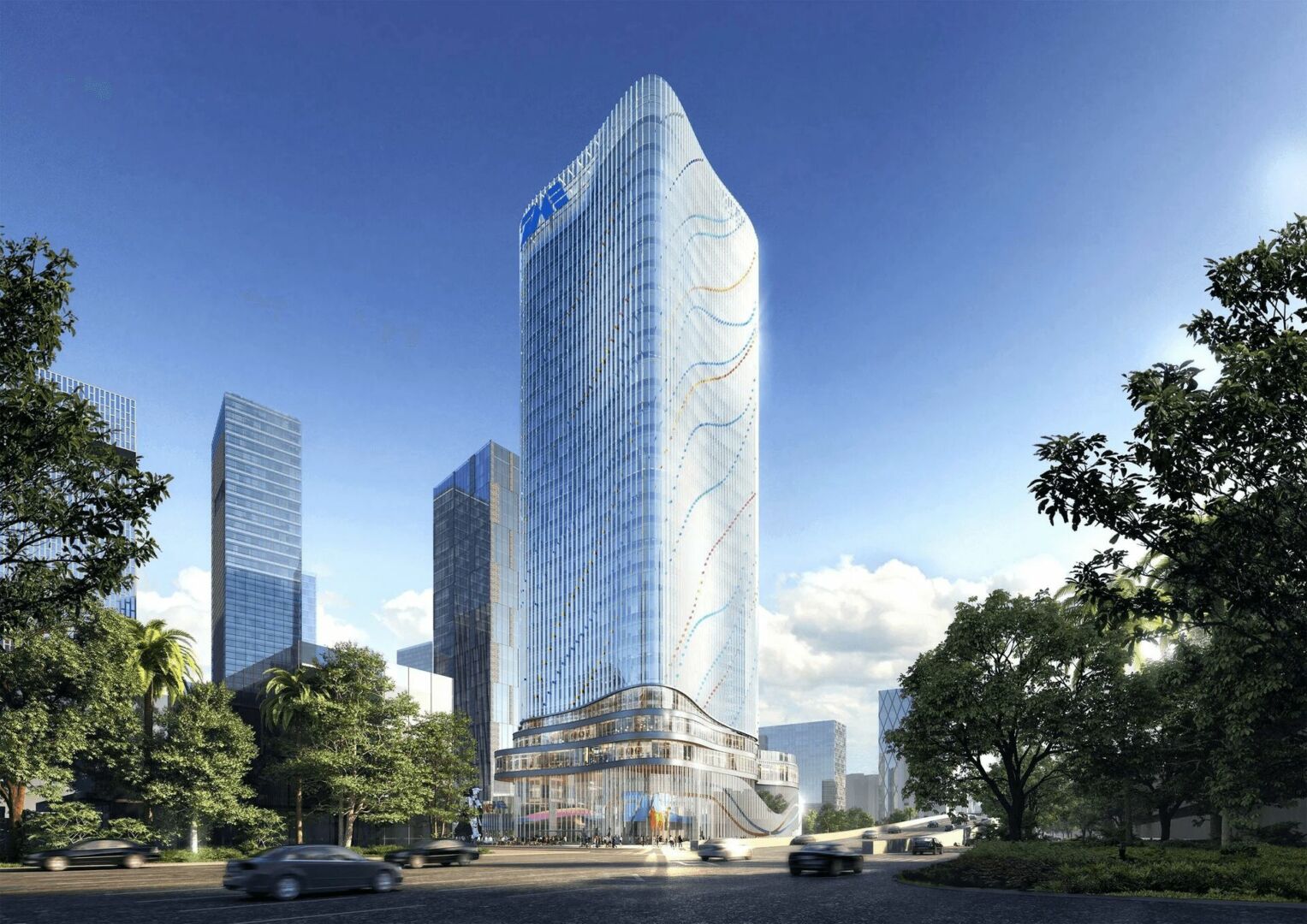
This focus on rational design has also manifested in my professional work, and it led me to persistently develop and hone my skills in design technologies. These skills have allowed me to create designs that are rational both technically and experientially. Whenever I finish a specific design, I always reference existing projects and trade journals to make sure that the design is viable. I would also utilize VR equipments, putting myself virtually into the space to make sure that I made the correct choice of material, and that the design is comfortable in scale. In addition, being proficient in design technologies allows me to develop efficient workflows that aid the design process. For example, on a project involving a large-scale trellis with complex geometry and hundreds of unique structure members, I developed algorithms that approximate primitive forms to the complex geometry with minimal deviation, generate cladding details for every different structure member based on structure consultant’s calculation, and create custom patterns that optimize the trellis’s occlusion of daylight in specific locations. These efforts have allowed the team to push the design forward in a speedy manner while ensuring construction feasibility. Overall, my rational approach to design enabled me to embed intelligence in my work which I am very proud of.
Any places to eat or things to do that you can share with our readers? If they have a friend visiting town, what are some spots they could take them to?
I live and work in Chicago. To have a great week in the city, I would treat my friend with the following activities:
Architecture boat tour on the Chicago River: The architecture of Chicago is one of the best attractions the city has to offer, and the boat tour does a great job of presenting the architectural history of Chicago, where the skyscrapers are born, as well as the beautiful city skyline.
Millennium Park and Maggie Daley Park: These two parks are the best public spaces in the city. There are some very interesting art and design in the parks, and they show how well-cultivated is the Chicago public sphere.
Michigan Avenue/The Magnificent Mile: Although it has been declining, you still have to check it out if this is your first time in the city.
Any of the beaches: Again, great public space. Makes you appreciate living next to the great lake.
Andersonville/Pilsen/Wicker Park/Ukrainian Village/Chinatown: All of these neighborhoods have their own unique identities, and they make you realize how diverse the city is.
Green Mill: Great place to wrap up the night.
Shoutout is all about shouting out others who you feel deserve additional recognition and exposure. Who would you like to shoutout?
Shoutout to my parents who inspired and supported me to become a creative professional. Shoutout to my Alma mater Virginia Tech for creating a learning environment so free that I was indulged to make some of my most interesting designs. Also shoutout to my firm Adrian Smith + Gordon Gill Architecture for providing me with a platform that allows me participate in shaping the built environment and to collaborate and learn from some of the best architects and designers in the world.
Website: https://archyang.com/
Linkedin: https://www.linkedin.com/in/yibin-yang-15a75318b/
Image Credits
Nicolas Stetkevych
Anthony Viola