Meet Anthony DeFeo | Art Director & Set Dresser
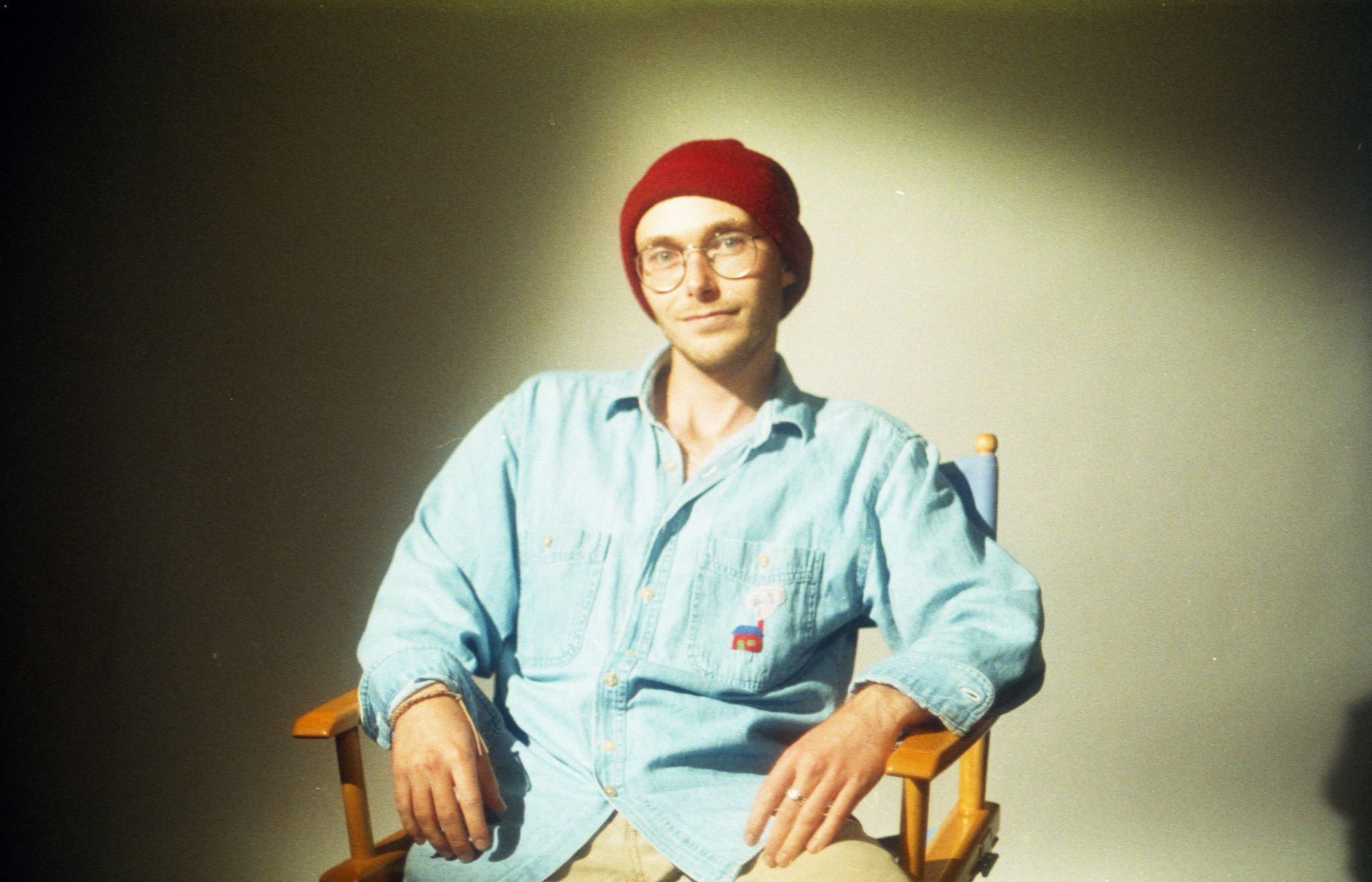


We had the good fortune of connecting with Anthony DeFeo and we’ve shared our conversation below.
Hi Anthony, what is the most important factor behind your success?
Compassion. Loving what you do is important, but it’s crucial to remember and respect the people who do it with you.
If you work in the arts, you’re passionate about art, but it’s important to understand that you’re therefore passionate about people. It can be easy to sideline compassion in pursuit of whatever it is you’re making.
I imagine it’s obvious that a lot of hands are needed in order to make a film. Nonetheless, the desire of a writer or director to express themself is no different from the desire of any below-the-line crew to eat well and go home at the end of the day.
Compassion is the baseline. That said, to be frank: hard work, a willingness to try anything once, and no small amount of luck make up the other 49% of my ability to do what I do.
A film set can be a very stressful environment to work in. Going outside of one’s comfort zone is, from time to time, required in order to make the day. That’s fine so long as everyone’s baseline is accounted for first.
I lose sight of this myself sometimes; my work is a very big part of my life. Still, I do my best to keep compassion in mind when I’m working, either as an art assistant or as an art director: I want to see the vision of the project come to fruition, but that’s not going to happen without everyone feeling respected and cared for, including myself. My favorite coworkers are those who tell me what they need; my favorite employers are those who truly look out for me.
Can you open up a bit about your work and career? We’re big fans and we’d love for our community to learn more about your work.
I’d like to focus on art direction, which is the thing I do the least but is ultimately the trajectory I’d like my career to follow.
In art direction I find I’m much closer to the immediate need for balance between the value of the final product and the support and understanding of your team. Compassion, which I spoke to before, is the cornerstone of leadership, and it’s helped me equate advocating for others to advocating for myself. I’m still working on that, but there will always be facets of my career and my craft that I can improve upon. It’s part of what keeps my job interesting.
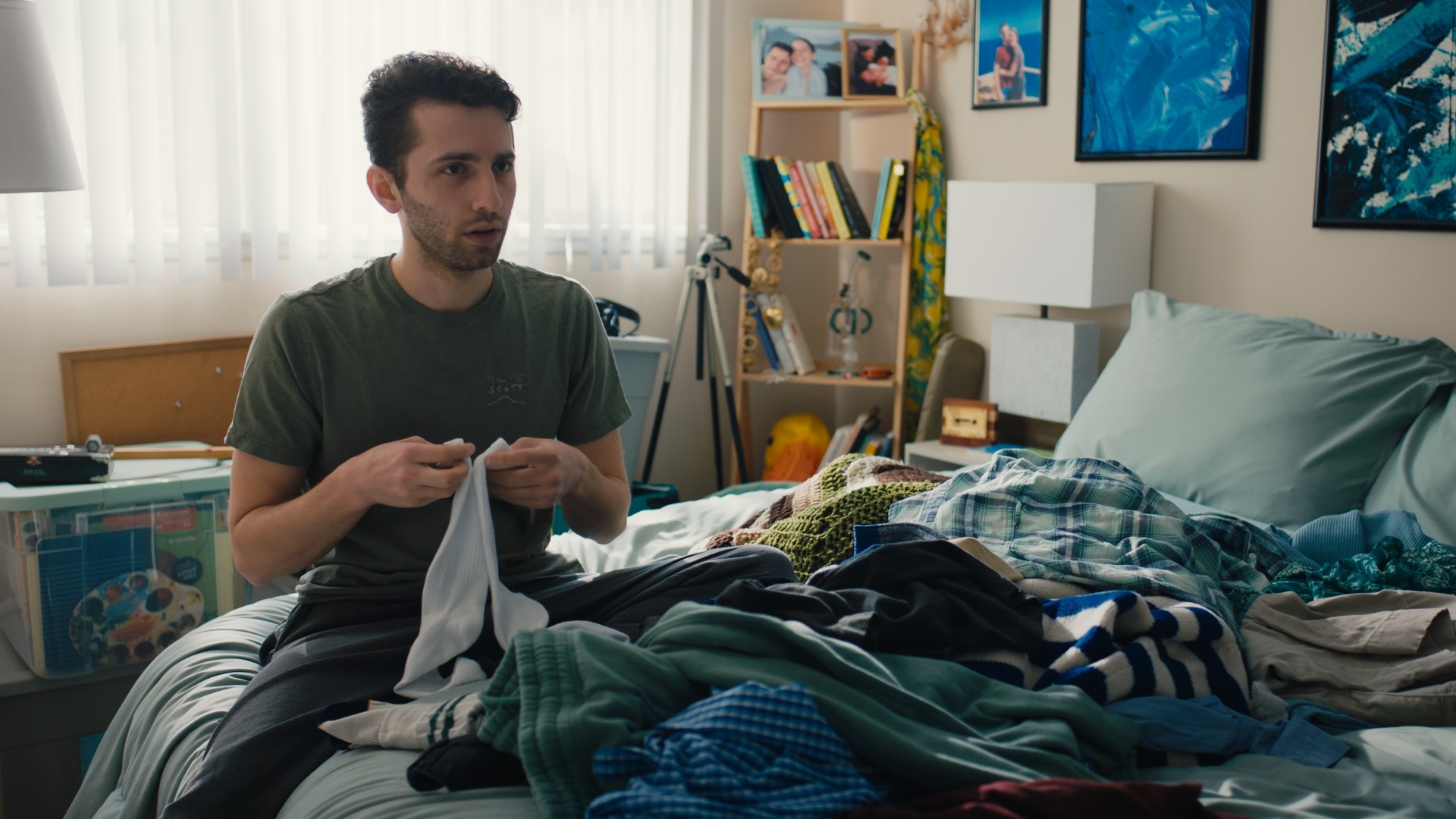
On productions where my personal, creative opinions are more likely to appear throughout the final edit, I’ve found that I bring a degree of verisimilitude to my work. I really like any object that has a blemish or a lack of uniformity. It shows human interaction, and I think inanimate things have more meaning in a story when living things touch them, use them. The world is imperfect, and it’s full of texture like dust, scratches, and trash.
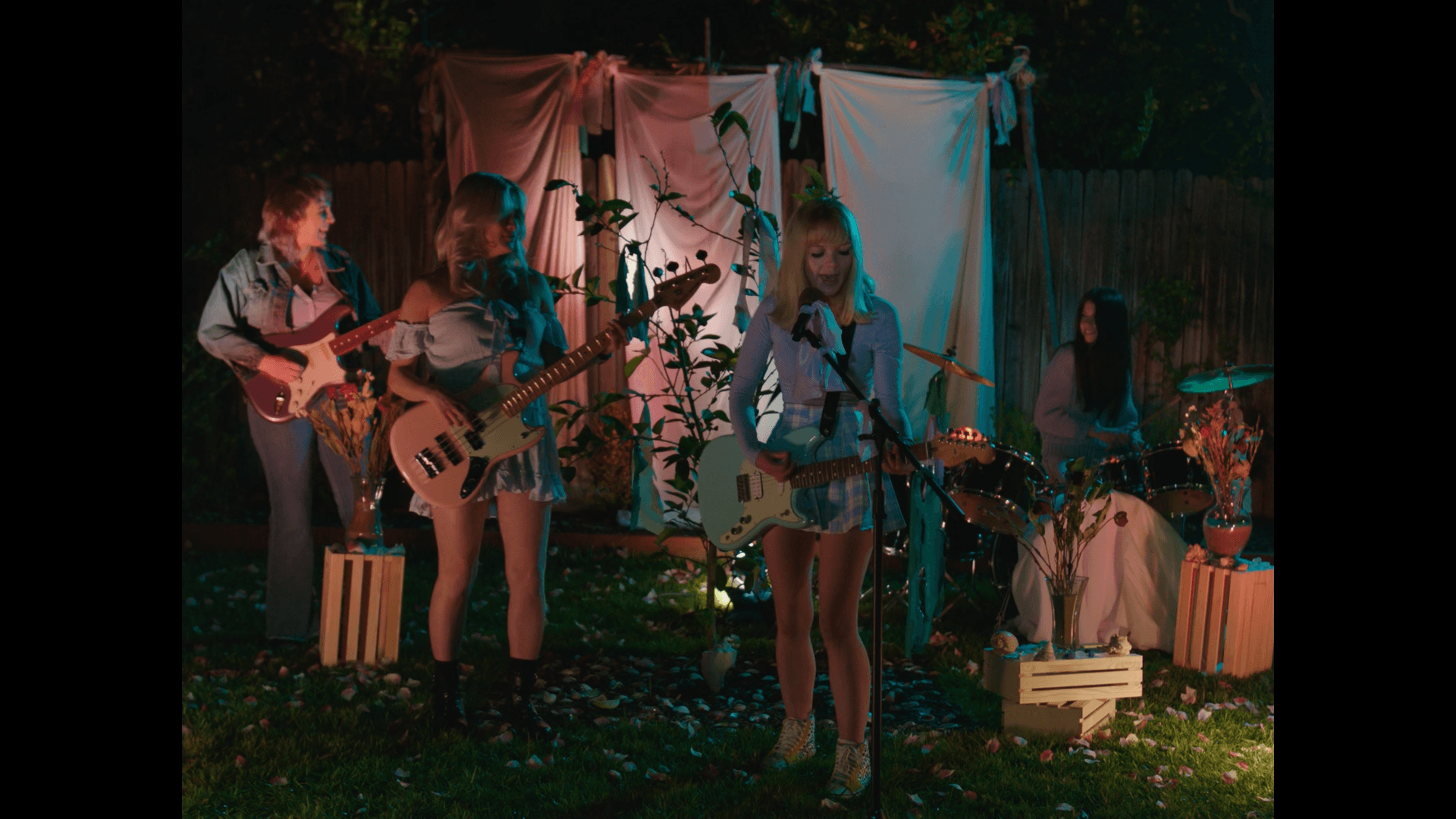
I like to think of what I do as reverse archaeology: instead of finding an object and determining who interacted with it, I’m given characters and ideas, and I’m asked to determine what things and spaces they interact with now. What bits of bric-a-brac would occupy the apartment living room of a working-class, NYC family in the 1960s? What kind of artwork would be hung in a megalomaniac’s bedroom? How can an impromptu, backyard stage carry scraps and hints of lost loves and broken promises?
These are all real questions my work has posed. No matter the answer, there’s dirt and garbage in there somewhere. Nothing is “perfect,” or, rather, nothing is “clean.”
If you had a friend visiting you, what are some of the local spots you’d want to take them around to?
The first that comes to mind is the Huntington Library, Art Museum, and Botanical Gardens in Pasadena. I’ve likely been there more than any other place in the city. The first time I visited, I got pleasantly lost inside, and I’ve seen something new every time I’ve gone since. It’s easy to spend a very chill day there and it’s a great place to go with old friends. Nothing else comes close to being as architecturally, culturally, and scientifically interesting, not to mention beautiful.
A close second would be hiking along the Arroyo Seco in the Angeles National Forest. I can’t disclose the precise spot I like to go to (it’s very public but somehow I’ve barely ever seen people there, and therein lies its value). Secrecy aside, it’s one of the most beautiful hikes I’ve ever been on, and I do it again and again. In the summer, it’s wonderful to hike high up on a hot ridge and then descend into a cool valley and take a swim in the river. Sometimes I’ll bring a hammock and a cooler on my own to take a day off from the noise of the city up there.
Finally, I go to the farmer’s market in Atwater Village akmost every Sunday. Admittedly, much of the reason is to drop off my food trash with LA Compost (they have a stand there each week, which is very convenient for anyone in the neighborhood who’s interested). However, it also happens to be the best farmer’s market in town. It’s fairly large, with a sizable produce section, plenty of baked goods, and always live music of some kind. If I’m going on a picnic on a Sunday, I’ll stock up on jam, fresh bread, and fruit there without the need to go anywhere else. I love that string of shops along Glendale Boulevard, but the best part about the market is that it’s bustling with happy people enjoying good food.
Shoutout is all about shouting out others who you feel deserve additional recognition and exposure. Who would you like to shoutout?
I was fortunate enough to be part of very developed, professional stagecraft and theatre programs when I attended Eastport-South Manor High School in Manorville, NY. The teachers who ran the programs had experience in community theatre, and they advocated strongly for funding and resources to support us. They set the example for my understanding of what it means to be working artists and craftspeople.
The environment they created wouldn’t have been so impactful if it wasn’t for those teachers’ efforts in giving students independence and professional-grade experience. It was there I first learned about the distinctions between the different crafts that make up a theatre production; they’re not so different from those that comprise a film.
I remember how proud I was when I saw the school’s 2009 production of Picnic by William Inge; I was 12, and I had cut and scenic painted a lot of the cardboard shingles on Madge and Millie’s house. I get that same feeling every time I see the final cuts of projects I’m truly proud of, no matter how I contributed. These experiences gave me much of the passion I hold for my work today, but they also laid the groundwork for my understanding of the business I’m in.
When these programs experienced significant budget cuts, a non-profit (the ESM Community for the Arts) was founded in order to raise money on our own; we participated in many fundraisers to support our own productions. When the school administration raised questions of censorship regarding a production of A Chorus Line, the students held a town hall with the principal to advocate for our rights to free speech.
A strong focus on our rights as people gave me my first steps toward advocating for myself as an independent contractor. Understanding the distribution of labor and the importance of everyone’s safety comes into play on every single set. Without the theatre program at ESM, I would have arrived much later at the understanding that you can work as a passionate, dedicated artist without starving or breaking your back.
Website: https://addefeo.com/
Instagram: https://www.instagram.com/thedefeokid/ also at https://www.instagram.com/anthonydefeodesign/
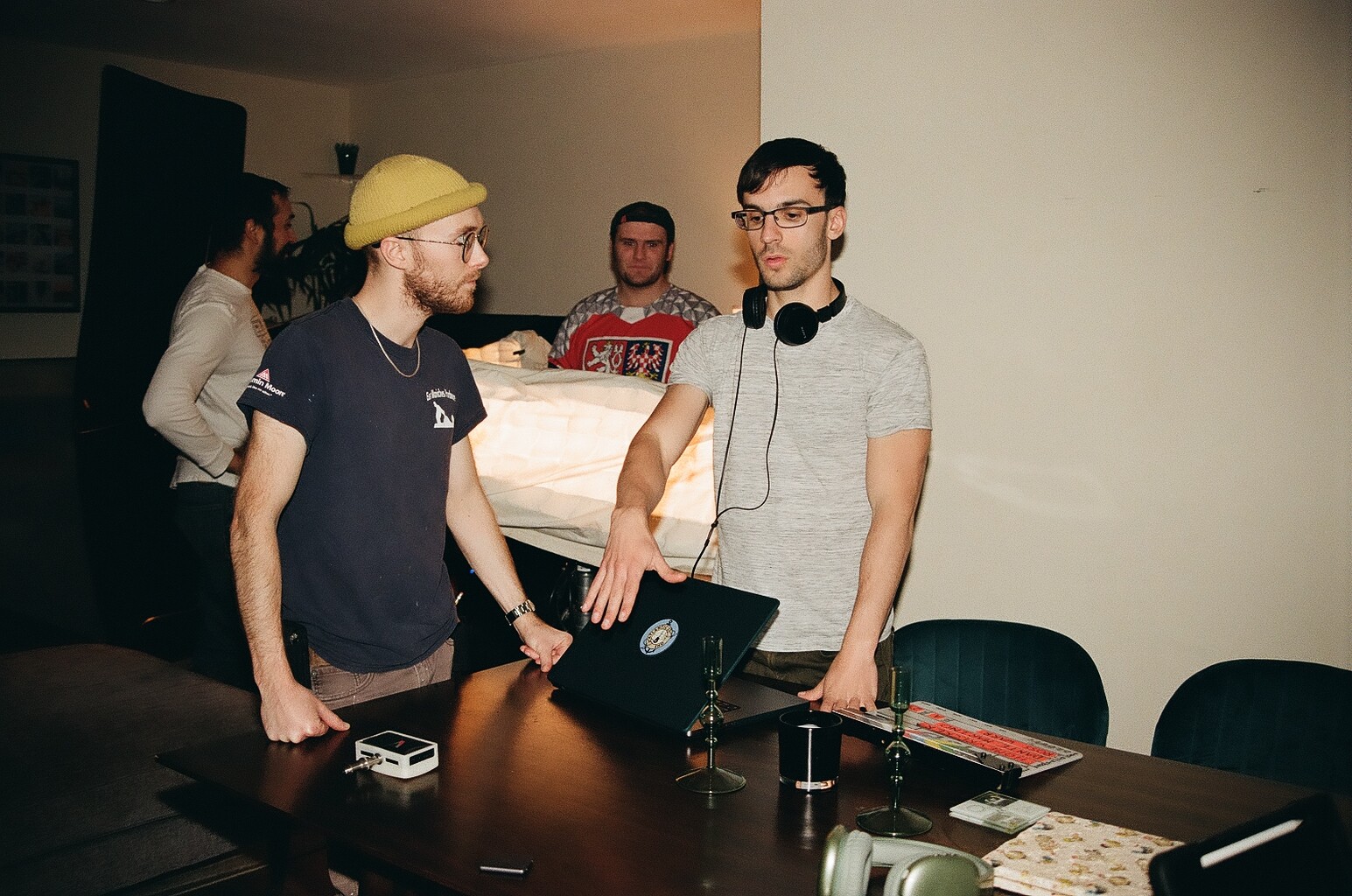
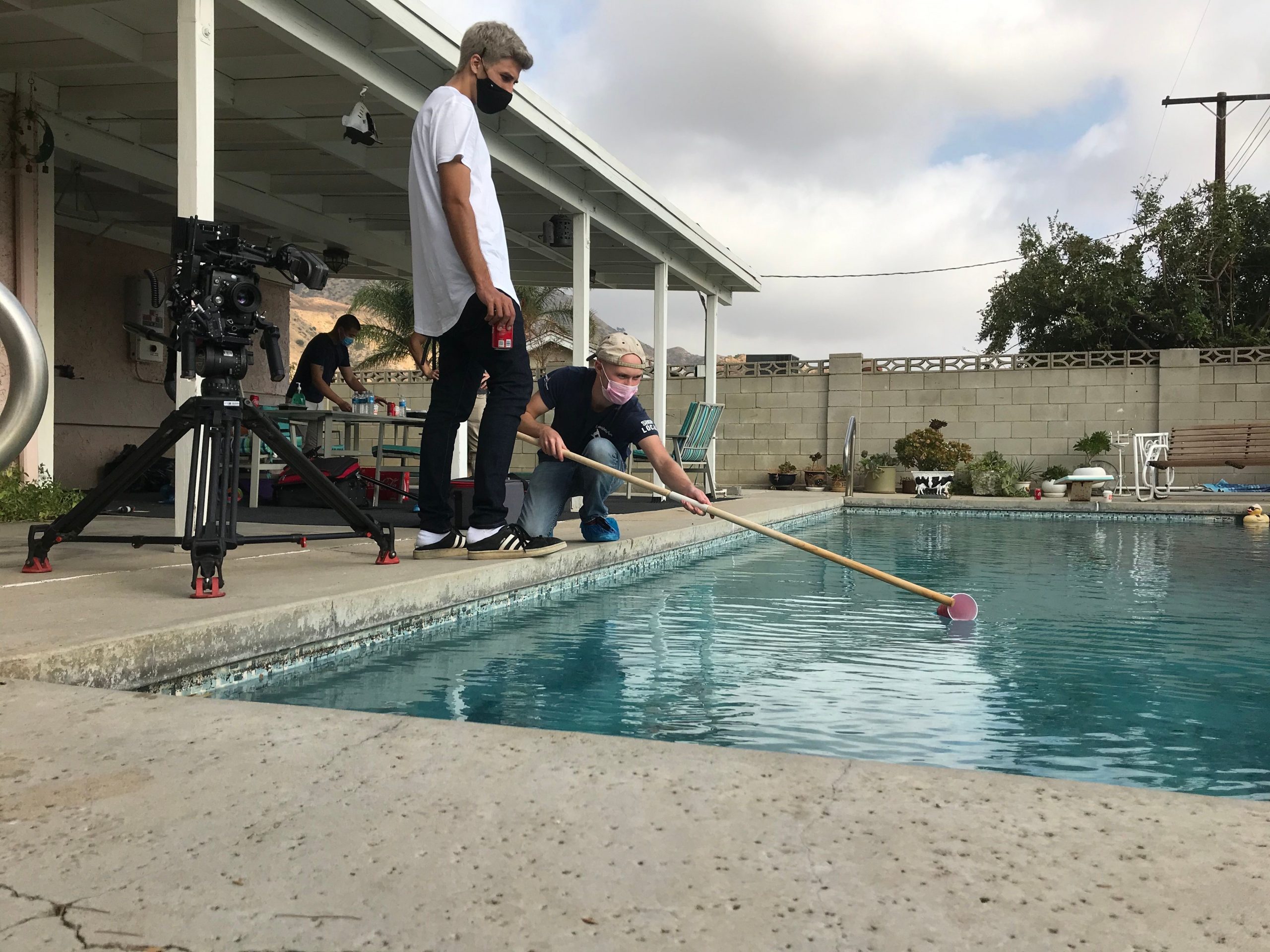
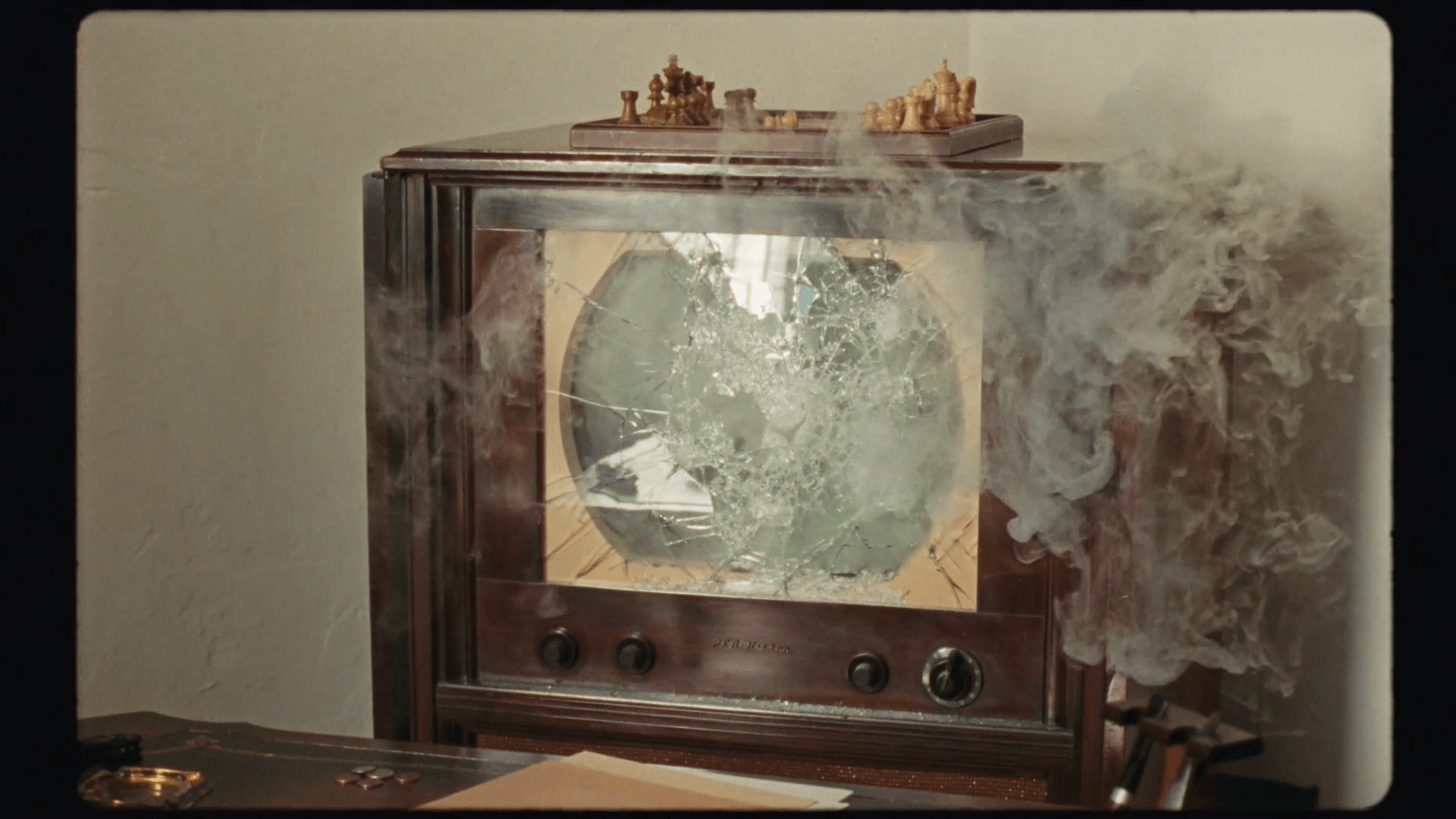
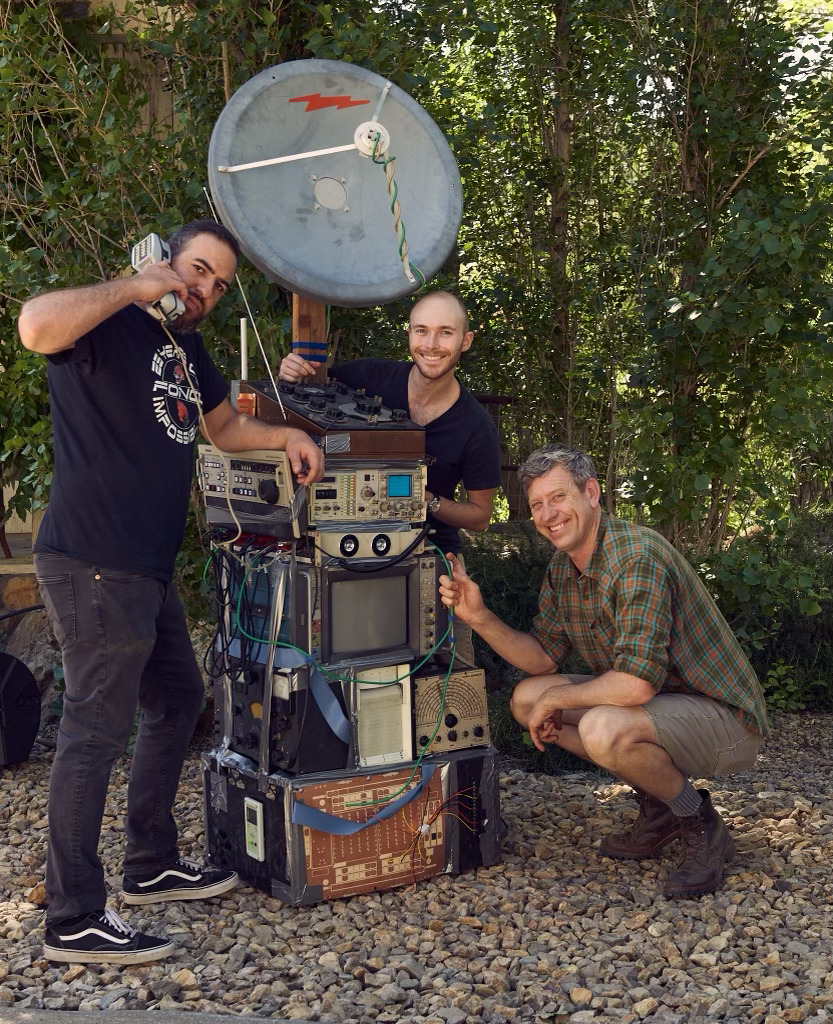
Image Credits
Cover image: Morgan Dwyer
Still from the feature film Homewrecker: Director: Dante Marino. Director of Photography: Ross Warr. Production Designer: Anthony DeFeo
Still from the music video “Luck in Love” by Lavalove: Director: Kyle Ferris. Director of Photography: Ross Warr. Production Designer: Anthony DeFeo Behind-the-scenes on Homewrecker: Nick Neira
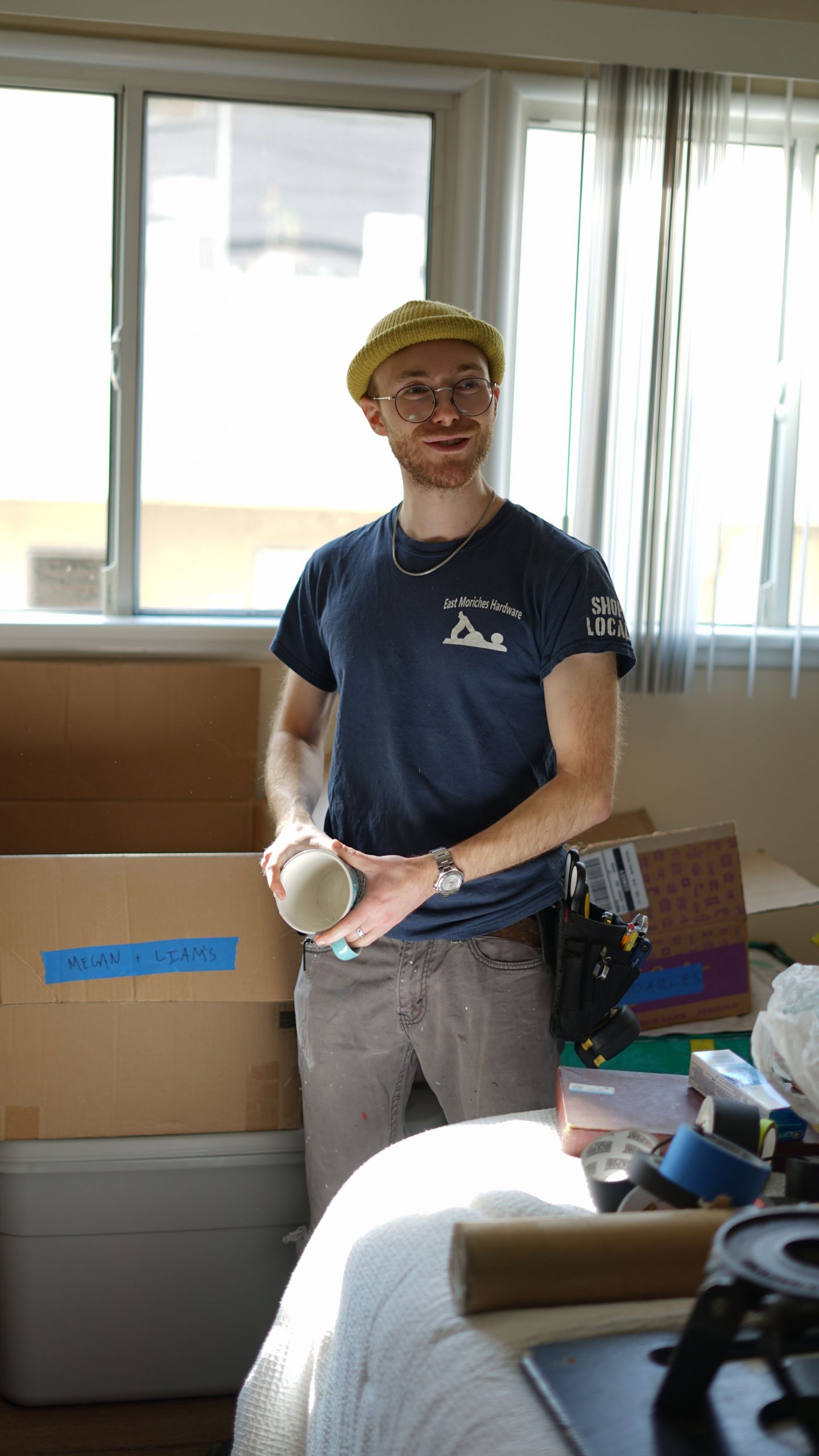
Behind-the-scenes on Homewrecker: Nick Neira. Pictured (besides Anthony DeFeo, Production Designer): Dante Marino (Director, Producer), Danny Souza (1st Assistant Director), Jose Gallo (Sound Recordist)
Behind-the-scenes on Washing Up: Dante Marino. Pictured (besides Anthony DeFeo, Production Designer): Ross Warr (Director of Photography, Director, Producer), Tommy Zhao (Producer)
Still from the feature documentary Lucky My Entire Life: Director: Isaac Hertz. Director of Photography: Jake Mitchell. Production Designer (LA Unit): Anthony DeFeo Behind-the-scenes on the album artwork shoot for World Music Radio: Dave Cooper. Pictured (besides Anthony DeFeo, Art Assistant): Jeremy Deibo (Prop Fabricator), Tim Ford (Production Designer)


