Meet Natalie Speech | Entertainment Executive, Producer & Founder of the Black Entertainment Museum Foundation
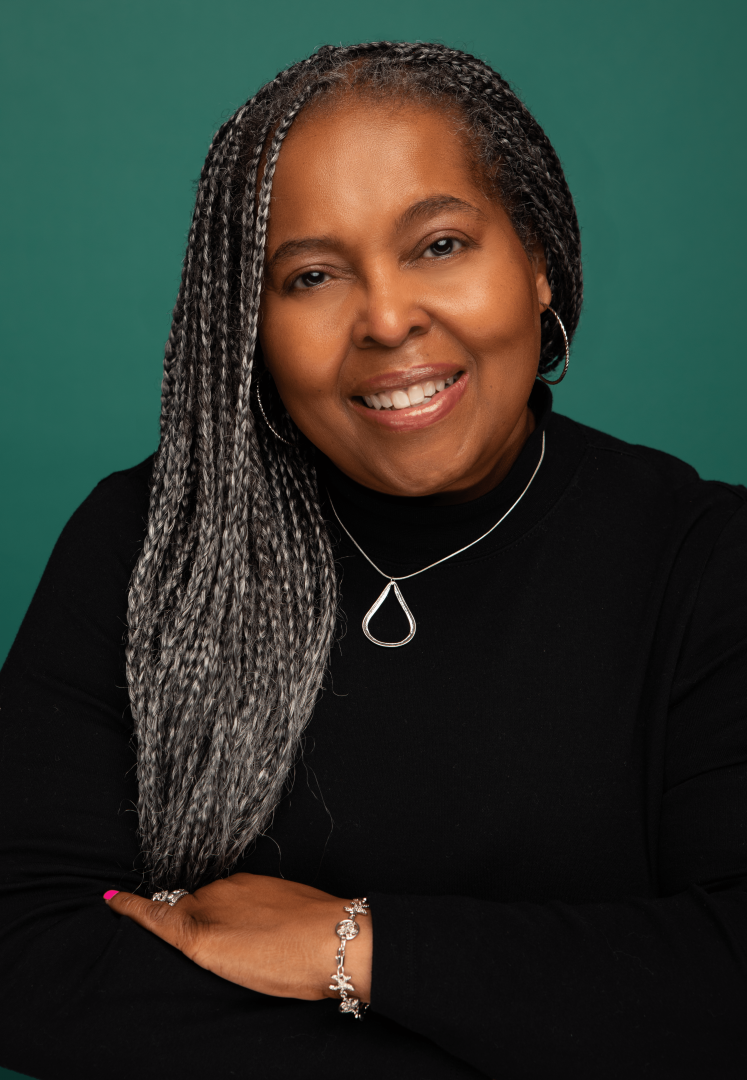


We had the good fortune of connecting with Natalie Speech and we’ve shared our conversation below.
Hi Natalie, how has your background shaped the person you are today?
I was born in Kalispell, Montana, but I was raised mostly in Kansas City. In the late ’70s, my mother had the chance to work anywhere in the United States. With six brothers and sisters, we wanted to stay put, but ultimately, the family had to choose. Since I had always dreamed of being on Soul Train, I voted for California.
We arrived on a Friday night, and I was determined that if we went to bed early, we could wake up and head straight to Soul Train the next morning. So we put on our best clothes, and my dad told us to ask the bus driver to take us there. Full of excitement, we did just that, only to learn the driver could only take us as far as downtown San Jose—and then we’d have to catch a Greyhound to Los Angeles. I was crushed. To top it off, as soon as the last one of us walked through the door that night, we experienced our very first earthquake. My dad just laughed and said, “Welcome to California!” Looking back, I realize we should have been more specific about where in California we were headed.
Over the years, I lived all over—in Hawaii, Arizona, Virginia, and eventually Los Angeles—each place leaving an imprint on who I am today. My childhood was filled with training in acting, tap, ballet, and acrobatics, and those early experiences taught me discipline, artistry, and the joy of storytelling. I’ll never forget performing multiple roles in The Prince and the Pauper at the Southside Community Center in San Jose—that’s when the performance bug truly bit me.
I took the scenic route through college, balancing my studies with raising four children, before earning my theater arts degree at San Jose State University. There, I discovered not only my love for acting but also for producing and directing. I founded “Artists in Minority,” produced plays that gave voice to our stories, and received recognition as Best Student Director. Those formative years taught me that the stage wasn’t just a place to perform—it was a platform to empower others.
When I eventually settled in Los Angeles, I immersed myself in every facet of the entertainment industry—working backstage, managing theaters, producing shows, running casting companies, managing talent, negotiating contracts as an agent, and eventually founding multiple businesses in the arts. Each chapter added layers of knowledge, resilience, and creativity to my journey.
My background gave me two invaluable gifts: a deep respect for the traditions of Black artistry and a bold entrepreneurial spirit to create opportunities where few existed. Those lessons shaped my path to founding the Black Entertainment Museum Foundation, where I now channel more than twenty years of experience to preserve, celebrate, and elevate the contributions of Black entertainers across film, television, music, and theater.
My upbringing taught me not only to dream big, but to act on those dreams—turning ideas into reality. That drive, rooted in community and creativity, continues to define who I am today.
Can you give our readers an introduction to your business? Maybe you can share a bit about what you do and what sets you apart from others?
It was definitely not an easy road—but looking back, every twist and turn prepared me for the work I’m doing today. When I graduated from college, I had four young children to raise. While many of my classmates headed off to New York to chase their acting dreams, I knew my path had to look different. My responsibility was to my kids, but I refused to give up on my passion. That meant learning to do it all—directing, lights, sound, makeup, costumes, even building sets.
My first real break came when I was hired out of the Bay Area to work at the Burbage Theater in Los Angeles. It was my first time working with SAG actors in a 99-seat house. I thought I was being paid $12 an hour, but quickly learned it was $12 per show! (LOL). On top of being the house manager, I ended up being stage manager, stage crew, prop master, sound operator, costume assistant, and light board operator. It was a trial by fire, but it taught me resilience, adaptability, and the importance of knowing every part of the craft.
That experience opened doors, including working with the legendary Barbara Morrison at her Southland Cultural Center. I’ll never forget auditioning for a role, making the mistake of bringing a friend, and watching her land the part because she knew the producer. Lesson learned! But instead of walking away, I stayed on to help get the show up and running—for free. That experience reminded me that showing up, serving, and staying dedicated can open doors in unexpected ways.
Eventually, I founded my own theater company, Ne’j Productions, and later Ne’j Management. People would see my kids with me and ask if they were in the business. At first, I said no, but my boys convinced me to let them try, and they started working regularly. When parents began sharing horror stories about how their children were treated in the industry, I stepped in to manage them, protect them, and advocate for their careers. That led me into management, then agenting, and eventually into producing for theater, television, and film. I also found myself casting projects and helping other creatives bring their visions to life.
Along the way, I took a temp position at NBCUniversal that was supposed to last two months—18 years later, I’m still there. That job taught me the value of pivoting: sometimes you take work to pay the bills, but in the process you build relationships, expand your skills, and create networks that support your long-term goals.
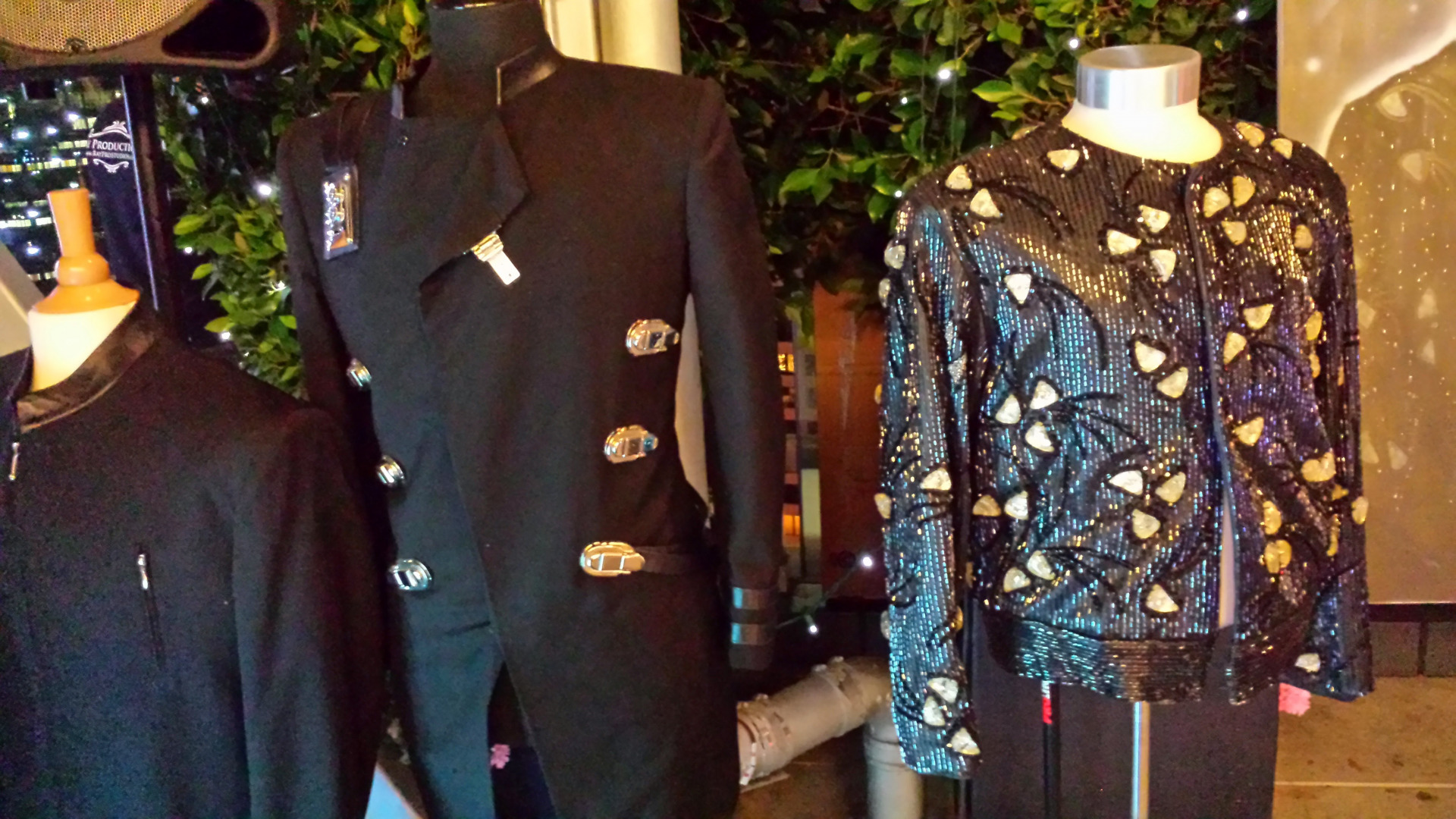
All of those experiences—motherhood, theater, management, producing, and the lessons learned from both victories and setbacks—prepared me for my proudest endeavor: founding the Black Entertainment Museum Foundation (BEMU). BEMU is dedicated to preserving, celebrating, and elevating the contributions of Black entertainers across film, television, music, theater, fashion, and beyond. From our permanent museum plans in Hollywood to our mobile museum unit that will travel to schools and communities ahead of the 2028 Olympics, BEMU is about creating both a historical monument and a living, breathing space where young people can see themselves reflected and know that their dreams are possible.
What sets BEMU apart is that it’s not just a museum—it’s a movement. It’s about education, storytelling, and making sure Black voices are honored in the past, present, and future of entertainment. My journey hasn’t been easy, but it has been full of purpose, and every step led me to this mission. The lessons I’ve learned—be resilient, be willing to pivot, keep learning, and never lose sight of your “why”—are the very principles fueling BEMU today.
Any places to eat or things to do that you can share with our readers? If they have a friend visiting town, what are some spots they could take them to?
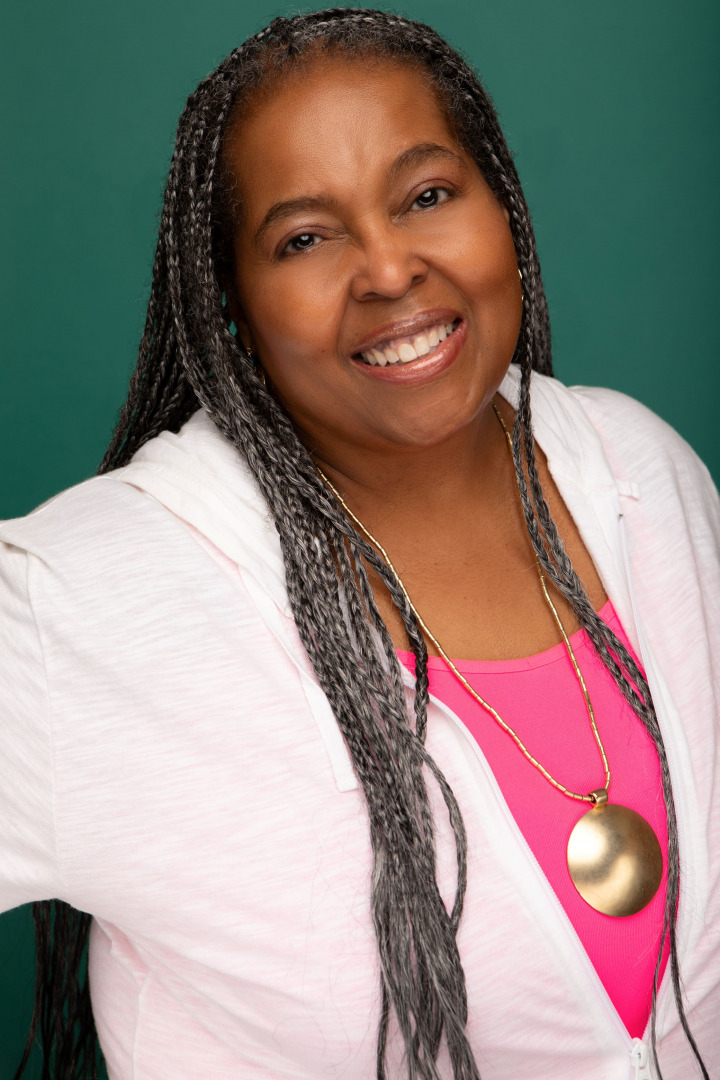
If my best friend came to visit, I’d want them to experience Los Angeles the way I know and love it—through food, history, culture, and a few funny stories along the way.
We’d start with food, of course. Back in the day, Arts Wings N Things on Crenshaw was a favorite, and I’ll never forget Chef Marilyn’s soul food—though it’s not 99 cents anymore! (LOL). I used to love Phillips BBQ too, though I don’t get back to that neighborhood as much these days. And one day, I’d finally take them to Harold & Belle’s. I couldn’t afford it when I first moved to L.A., but it’s been on my list ever since.
From there, I’d give them a real taste of Black Los Angeles history. We’d drive through the historic Sugar Hill district and down Central Avenue to see the iconic Dunbar Hotel, where Black Hollywood once celebrated in style. We’d stop in Leimert Park for the drum circle, which is always alive with culture and community.
We’d also spend time by the water. I’d take them to Zuma Beach, which has special meaning for me because it’s where I did my first (and last!) triathlon for Children’s Hospital under the NBCUniversal banner. Then we’d go to Santa Monica to visit The Inkwell, that small stretch of sand where Black and Latino swimmers were once allowed to gather. While we were there, we’d pay homage to Nick Gabaldón, the first documented Black and Mexican American surfer—my little sister Rhonda, founder of Black Girls Surf, helped the city put up a plaque in his honor.
And for some fun and laughter, I’d take them to Ha Ha’s Comedy Club in North Hollywood. That’s where I did my very first stand-up set (just one night!) under the guidance of the late, great David Arnold. It’s one of those “only in L.A.” memories I’ll never forget.
Between the food, the history, the beach, and the laughter, my friend would leave with a real sense of what makes Los Angeles not just a city, but a living, breathing story—one I’m proud to be part of.
Shoutout is all about shouting out others who you feel deserve additional recognition and exposure. Who would you like to shoutout?
When I reflect on the people who deserve recognition for shaping who I am, I first think of my parents, Linda and Nathaniel Harper. As Civil Rights activists, they instilled in me a deep commitment to justice, community, and perseverance. Their example taught me that art and activism are never far apart—that creativity can be a form of resistance and a tool for change.
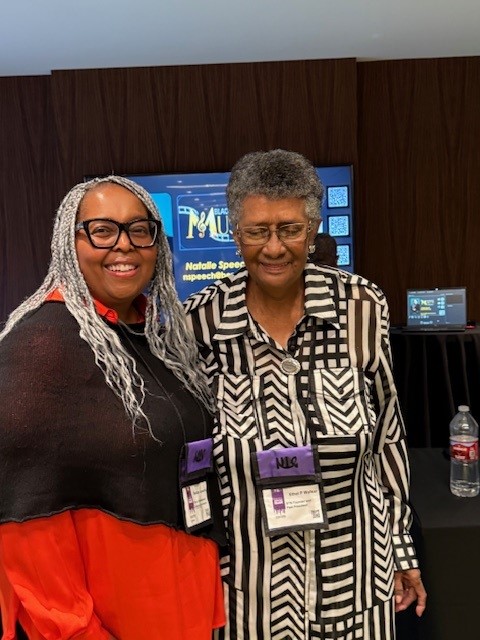
At San Jose State University, Dr. Ethel Pitts Walker sparked my “producer’s bug.” She encouraged me to step beyond performance into producing and directing, helping me realize the impact I could make by shaping the stories that reach the stage and screen. That encouragement transformed the course of my career.
I also carry inspiration from cultural icons who showed me what was possible. Moms Mabley, with her fearless humor and ability to break barriers in comedy, reminded me that laughter could be revolutionary. And I’ll never forget watching Damita Jo Freeman dance with Joe Tex on Soul Train—it made a little girl in Kansas dream of being on stage one day. That vision of unapologetic joy and self-expression planted a seed in me that still guides my work today.
Each of these influences—family, mentors, and trailblazers—planted seeds that continue to grow through my work, especially in building the Black Entertainment Museum Foundation. They remind me daily that none of us walk this path alone.
Website: https://www.blackentertainmentmuseum.org/
Instagram: https://www.instagram.com/bemuhollywood/
Linkedin: https://www.linkedin.com/in/natalie-j-speech-24433b8/
Facebook: https://www.facebook.com/BEMuHollywood/
Other: https://bsky.app/profile/bemuhollywood.bsky.social
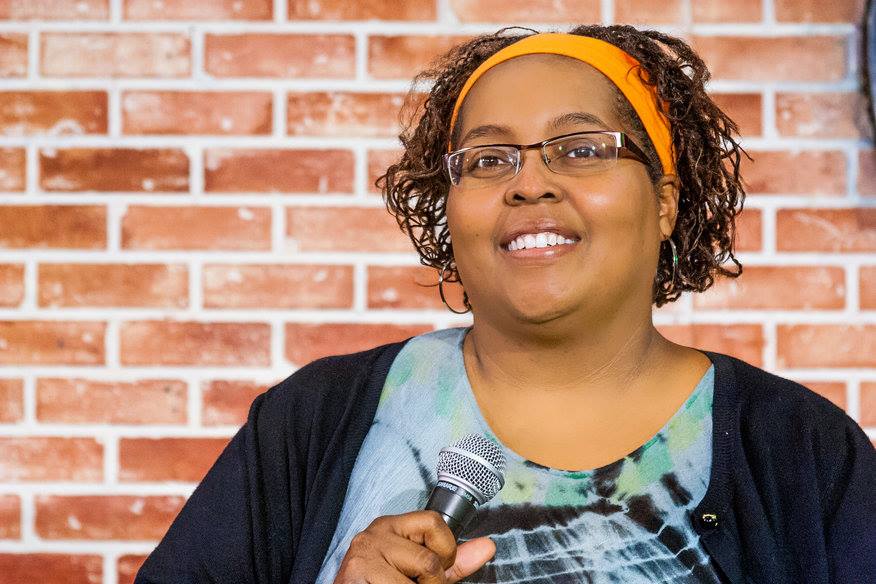
Image Credits
My photos taken by me ( Keith’s wardrobe)
California Department of Health
Unknown photographer with mic taken in class
headshot paid for by Natalie Speech


