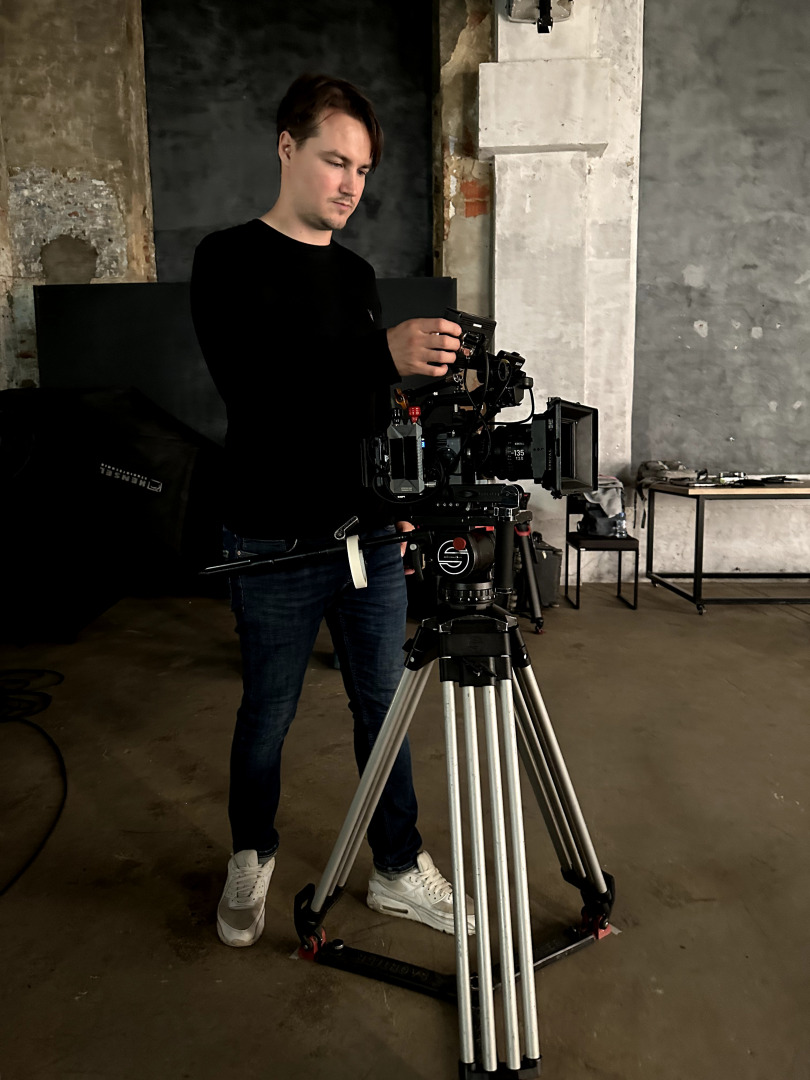
Meet Andriy Shvydkyy | Director & Creative Producer for Digital Media and YouTube Projects
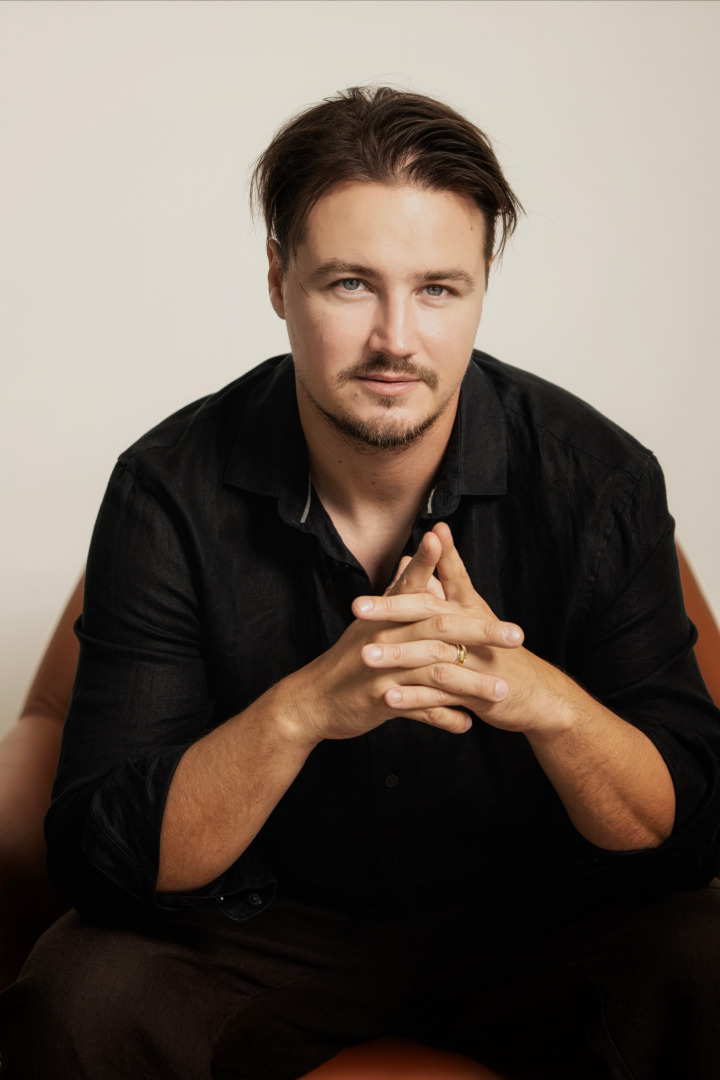


We had the good fortune of connecting with Andriy Shvydkyy and we’ve shared our conversation below.
Hi Andriy, can you walk us through the thought-process of starting your business?
For years, I worked inside large production environments where everything moved fast – documentaries, branded content, digital campaigns, platform media. Over time, I realized the industry itself was changing much faster than the traditional production model around it.
Today, especially in digital media, you’re not just making one film or campaign anymore. Large YouTube ecosystems operate nonstop. Content is constantly being filmed, edited, localized, tested, versioned, analyzed, and republished across different countries and audiences at the same time.
Working around some of the world’s largest children’s digital media projects completely changed the way I look at directing. From the outside, people see simple entertainment. Behind the scenes, it’s a huge production environment involving analytics, publishing strategy, localization, retention, production stability, and constant coordination between teams.
That experience pushed me toward building production systems and creative environments that can scale without turning into chaos.
South Florida became especially interesting to me because it still feels more open than places like Los Angeles. You have international communities, strong travel infrastructure, year-round filming conditions, growing creator culture, and direct access to both U.S. and Latin American audiences.
I think Florida is going to become a much bigger hub for creator-driven media over the next few years, especially for YouTube-native content, digital entertainment, and new hybrid formats that combine production, technology, and online platforms.
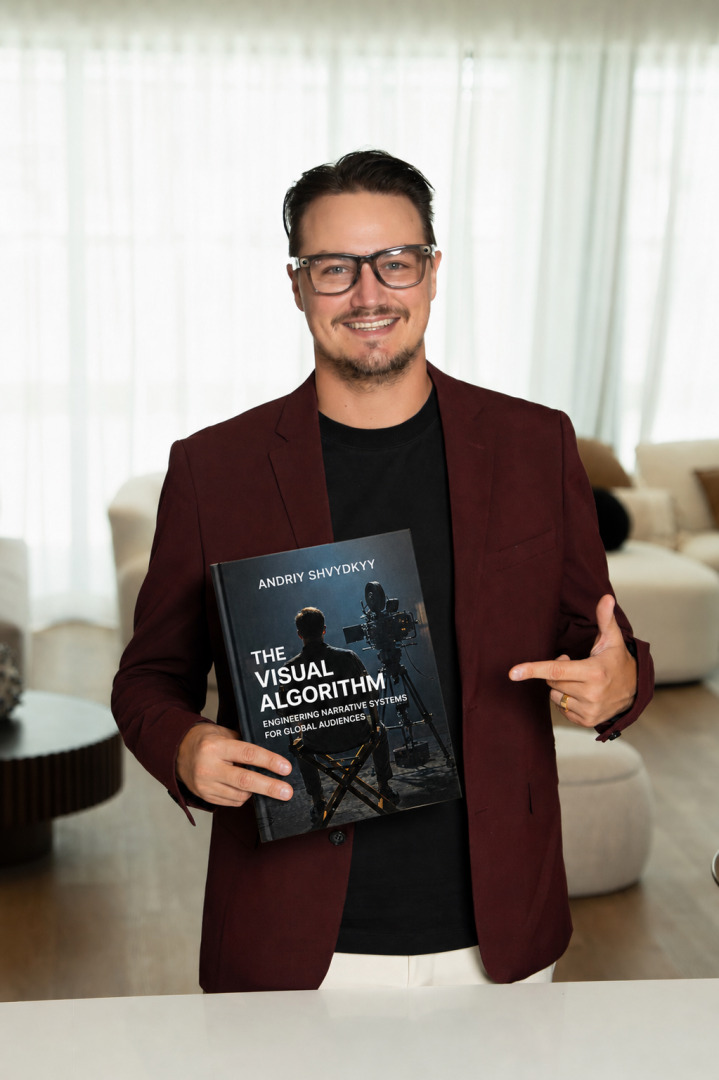
Let’s talk shop? Tell us more about your career, what can you share with our community?
I’ve never really separated creativity from organization. Even early in my career, I was interested not only in the visual side of production, but also in how everything actually works behind the scenes once projects become large and complicated.
Over time, I moved more into large digital media environments connected to YouTube and online audiences.
Traditional filmmaking usually has a beginning and an end. Digital media doesn’t really work like that anymore. Content is constantly being filmed, edited, tested, localized, versioned, analyzed, and republished. Everything affects everything – pacing, thumbnails, audience behavior, editing rhythm, retention.
One of the areas that interests me most today is children’s digital media. People often underestimate how much responsibility exists there. When content reaches millions of kids every day, even small creative decisions start mattering long term – pacing, sound design, emotional intensity, repetition, visual overload.
And once projects start operating at massive scale, maintaining long-term consistency becomes much harder than people imagine.
The path definitely wasn’t easy. The industry changes constantly, and every few years the whole landscape looks different again. One of the biggest challenges was learning how to adapt without losing my own instincts and creative approach.
I also learned very quickly that talent alone is not enough in large productions. Communication matters. Team stability matters. The ability to work under pressure matters.
What excites me most right now is the intersection between media production, AI tools, and large digital platforms. Production is becoming faster, more technology-based, and much more interconnected across different markets and audiences.
At the same time, I still believe the human side remains the most important part. AI can speed things up, but it cannot replace judgment, emotional understanding, creative responsibility, or long-term human oversight.
Let’s say your best friend was visiting the area and you wanted to show them the best time ever. Where would you take them? Give us a little itinerary – say it was a week long trip, where would you eat, drink, visit, hang out, etc.
I’d probably try to show them the side of South Florida that exists beyond the usual tourist version.
Honestly, I think Miami is best very early in the morning. Before the traffic, before the nightlife, before everything gets loud. Walking near the ocean at sunrise with coffee feels much more real than the version of Miami people usually see online.
During the week I’d mix together completely different parts of the area. Wynwood is still interesting because you can feel how art, nightlife, branding, social media, and creator culture all blend together there. Design District is also fascinating visually – the architecture, lighting, fashion, even the way spaces are designed feels very intentional.
At the same time, I’ve started enjoying areas outside central Miami more and more. Aventura, Hallandale, Hollywood, Fort Lauderdale – they move at a calmer pace while still feeling international and creative.
I’d definitely include a road trip through the Florida Keys too. Once you leave the city, Florida starts feeling completely different. Everything slows down a little, and you understand why so many creative people end up building their lives here.
Food-wise, I honestly think South Florida works best through smaller local places instead of luxury restaurants. Cuban food, Latin American cafés, Mediterranean spots, seafood near the water – the cultural mix is what really makes the area special.
What I like most about South Florida is the variety of people here. You have entertainment, tech, tourism, startups, creators, artists, international business, families – everybody moving through the same environment at the same time.
That combination gives the region a very different energy from more traditional media cities.
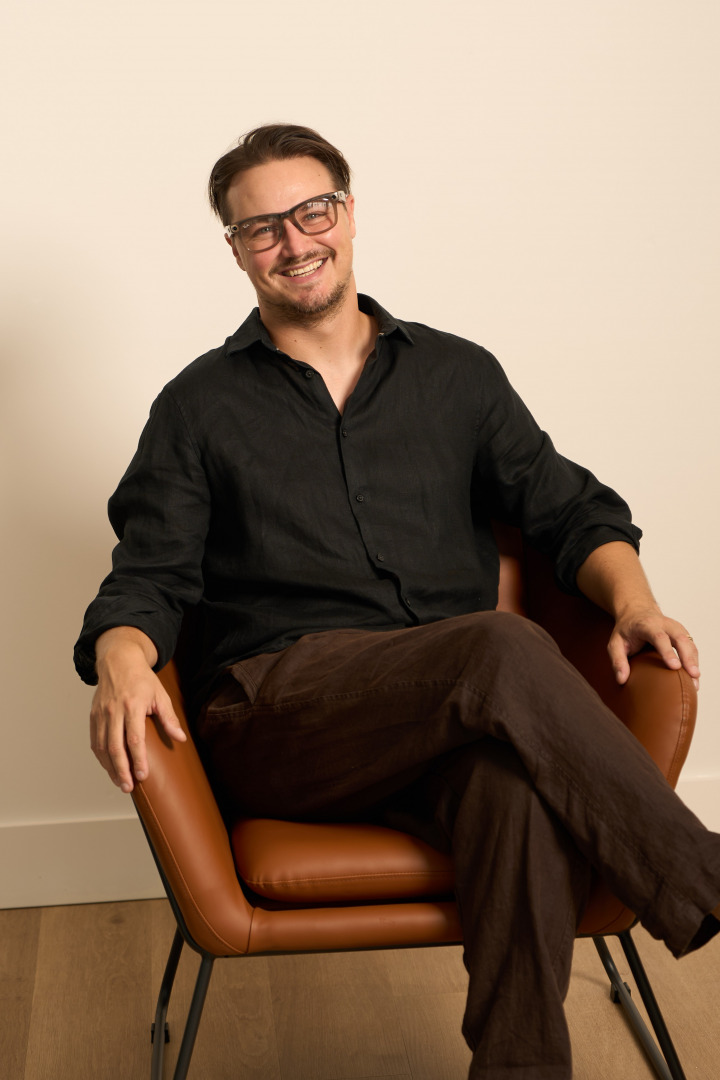
Who else deserves some credit and recognition?
Honestly, almost everything I learned came from working inside real production environments with strong teams and constant pressure.
Large-scale productions teach you very quickly that creative work is never built by one person alone. People see the final video, but behind it there are producers, editors, cinematographers, assistants, technical crews, localization teams, and hundreds of small decisions happening every day.
A huge influence on me came from working around large international digital media projects where content is produced continuously and audiences are measured in millions. Those environments completely change the way you think about responsibility, deadlines, consistency, and teamwork.
I’m especially grateful to the people who taught me to look at directing not only as creativity, but also as communication, coordination, and problem-solving. That became incredibly important once projects started getting larger and operating at scale.
And honestly, modern digital media itself shaped a lot of the way I think today. Platforms move incredibly fast. Audience behavior changes constantly. Algorithms, localization, publishing cycles, audience retention – all of it forces you to adapt quickly and rethink how storytelling actually works now.
Instagram: https://www.instagram.com/andriy_shvydkyy/
Linkedin: https://www.linkedin.com/in/andriy-shvydkyy-89772286/?skipRedirect=true
Other: https://vimeo.com/shvydkyy
https://medium.com/@shvydkyyandriy/visual-storytelling-beyond-intuition-d1a3d381df57
How Andriy Shvydkyy Sees the Future of Large-Scale Children’s YouTube Production