Meet Bria Clark


We had the good fortune of connecting with Bria Clark and we’ve shared our conversation below.
Hi Bria, can you talk to us a bit about the social impact of your business?
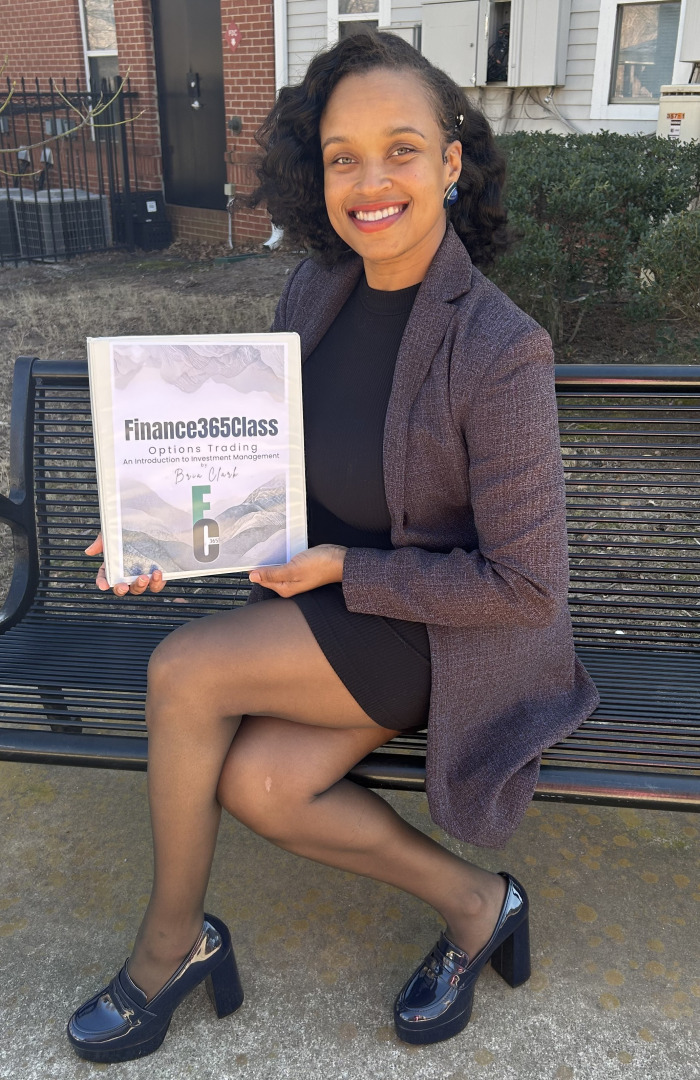
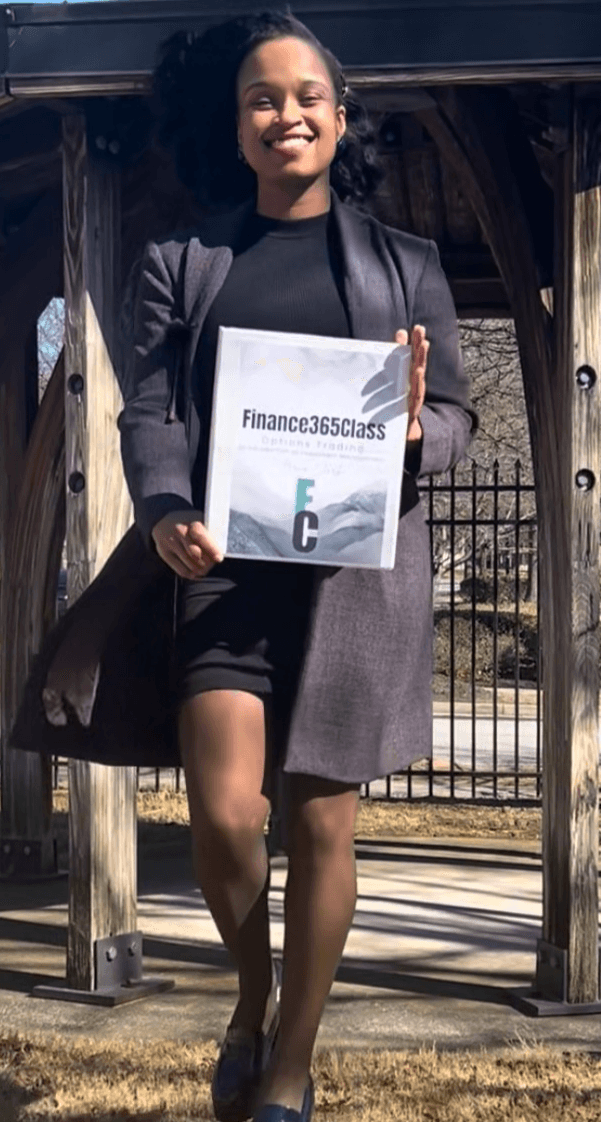
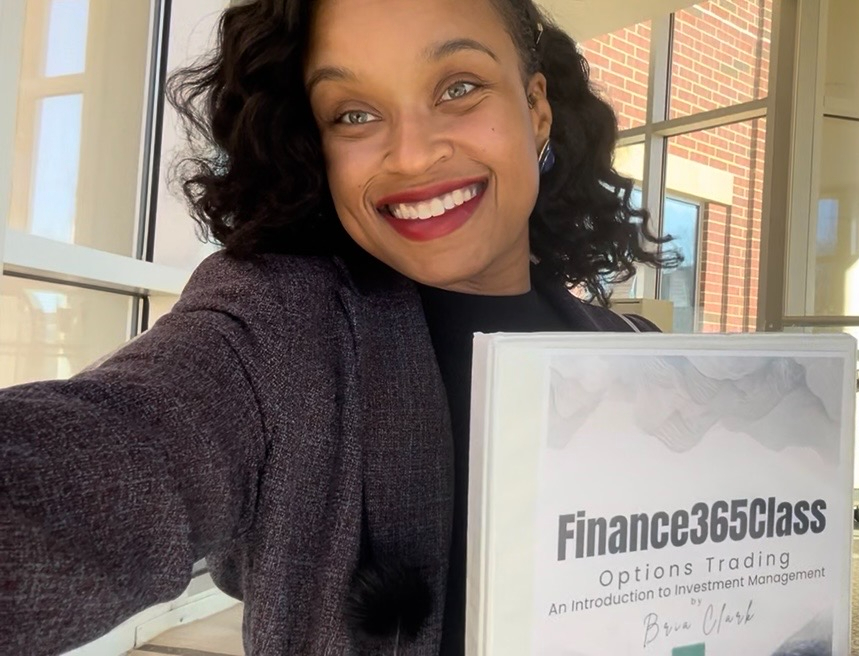
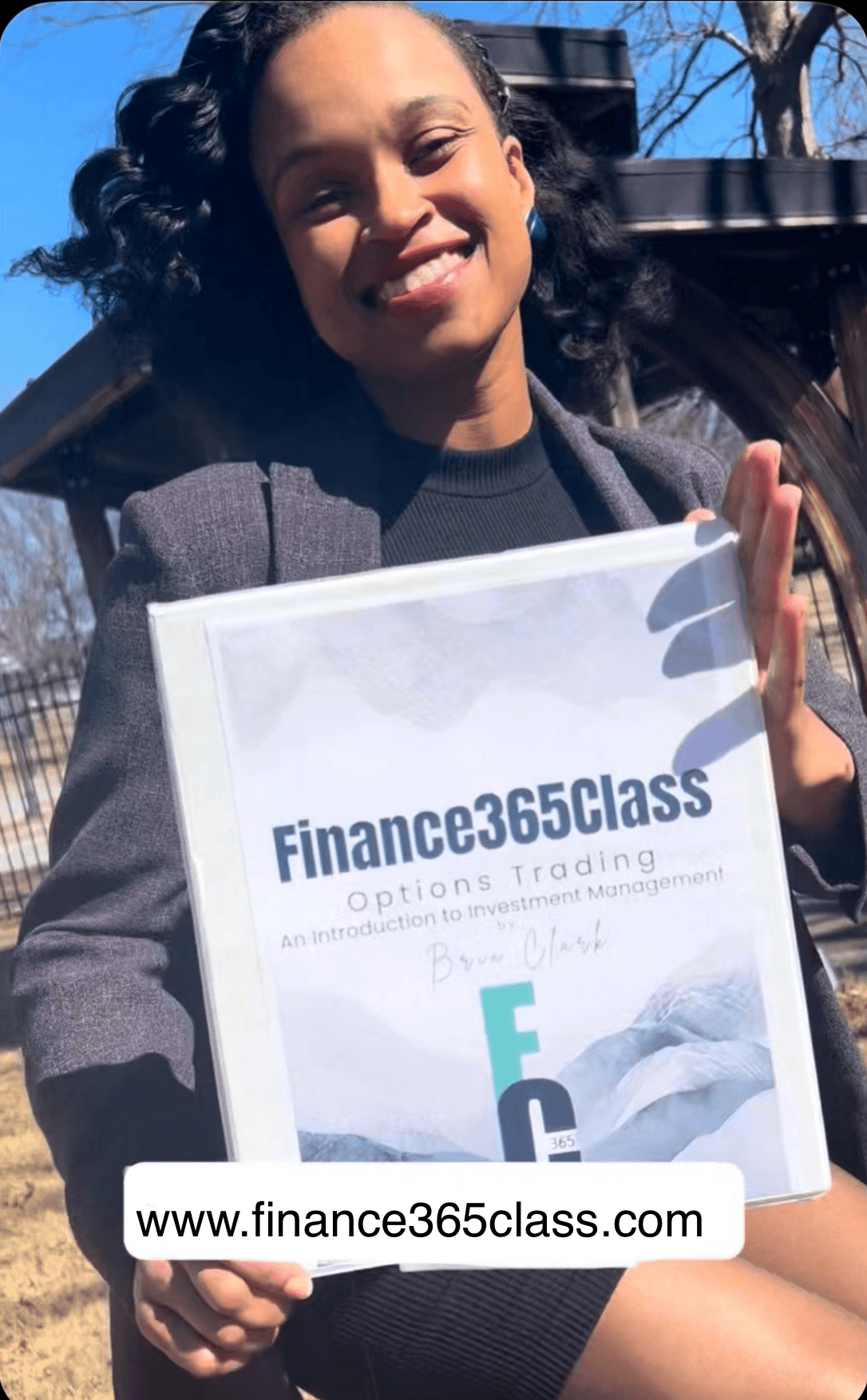
In today’s economy, people are searching for more control, clarity, and confidence in how they manage and protect their money. Many feel overwhelmed by the complexity of financial markets. I simplify the learning process in my new investment guide, “Finance365Class: Options Trading, An Introduction to Investment Management.”
People interested in investing need to learn options trading. Options investment contracts give people more control by allowing them to protect investments from market drops, earn income in sideways markets, lock-in potential gains, and limit losses with defined risk.
Markets have changed. Traditional savings accounts barely grow. Stocks move fast. Economic conditions are unpredictable. My investment guide empowers traders to make informed choices instead of guessing. This guide removes the fear around investment decisions and connects options strategies to real-life situations in a way people can actually understand. It empowers folks to think more like investors, which is the core value it delivers.
Alright, so for those in our community who might not be familiar with your business, can you tell us more?
When I first heard the term options trading, the concept was presented like something reserved for Wall Street — complicated charts, elite investors, and thorny financial language. But something in me was curious. I didn’t want to guess about money anymore; I wanted to understand it.
So, I started small. I opened a paper‑trading account — a simulated environment where I could practice without risking a single dollar. At first, I treated it like learning a new language. Calls, puts, strike prices, volatility — none of it felt familiar. But every day, I showed up, clicked around, made mistakes, and watched how those simulated trades moved.
Then one day it clicked.
When headlines broke about a surge in gold prices, I immediately checked my simulation portfolio. Almost instantly, my call options tied to gold and other precious‑metal commodities spiked. Not because of luck — but because I finally understood how global events drive commodity markets. And each move taught me something valuable:
· A supply chain delay = volatility rising.
· A new product launch = call options gaining value.
· Uncertainty in global politics = protective puts becoming more expensive.
Bit by bit, the simulated world started to feel like a training ground for real decisions. By the time I transitioned from paper trading to funding my actual portfolio, I wasn’t gambling — I was applying a skill. I began using options to protect my investments, generate extra income, and position myself ahead of trends, not behind them.
And the best part? It wasn’t magic. It wasn’t luck. It was learning — slow, steady, committed learning.
Options trading became more than a financial tool for me. It became proof that everyday people can understand the markets, make informed decisions, and build confidence in their financial future — all starting with one simulated trade.
Any places to eat or things to do that you can share with our readers? If they have a friend visiting town, what are some spots they could take them to?
If my best friend—or in this case, my cousins, Ciara and Justin—came to visit, we wouldn’t just stay local. We’d start the week by waking up early, steeping herbal tea and heading straight to the airport for the first flight out. Instead of limiting the trip to one city, we’d turn it into a multi‑city adventure, hopping between Atlanta, Los Angeles, and San Diego. Each stop would give us a different flavor of fun, culture, and energy.
We’d be posting content that connects the events, environments, and energy of each destination to key options‑trading concepts. We would transform sightseeing into analogies that help new traders understand the structure of the market. The result is a trip that blends travel, education, and business strategy in a way that’s both authentic and IRS‑friendly. Since all U.S. options trading occurs electronically through national exchanges, we can justify traveling the world to learn the subject matter. While options trading doesn’t happen in local buildings located in Los Angeles, San Diego, Atlanta, or Washington, DC—each city gives us a real‑world way to explain how the markets actually work. Consider the analogies below to help connect the dots.
We’d kick off in Atlanta, exploring the Belt Line, doing yoga at Ponce City Market, and catching tacos and sunset views from the rooftop. Atlanta has the world’s busiest airport. Imagine a major aviation systems outage that temporarily grounds flights. In options terms, Atlanta’s delay is like an unexpected volatility shock. A sudden airport disruption is like a stock facing a surprise earnings risk. No one knows whether things will resolve quickly or drag on, so: volatility spikes, option premiums surge, traders rush to buy “insurance” in the form of puts.
The next day, we’d fly to DC for full tour of the National Museum of African American History and Culture (NMAAHC), after we’d go visit my bison family at Howard University and eat dinner down on the Waterfront in Southwest DC. Bright and early the next day, we’d head west to Los Angeles— relaxing at Manhattan beach, hiking the Hollywood hillsides, and tasting eats from random food trucks in West Hollywood.
Los Angeles routinely experiences film industry strikes or movie production pauses. Options behave exactly like markets do when a major revenue-generating machine suddenly pauses. A Hollywood strike is similar to a company facing production shutdown concerns. For traders: expectations become unclear, agreement on valuation wobbles, volatility increases, both call and put options become more expensive.
We’d end in San Diego, relaxing at La Jolla Cove, walking the harbor, and enjoying some of the best nightlife in the Gaslamp district. San Diego is a coastal logistics hub. Imagine there’s a temporary slowdown at the Port of San Diego. Port delays are like an unexpected jump in implied volatility. Even if goods eventually arrive, uncertainty increases the “price of insurance” (options premiums). Options traders respond the same way when uncertainty rises in a stock or commodity: premiums go up, call and put options become more expensive.
Before boarding their flights back to Chicago, we’d visit the travel store to purchase refrigerator magnets for our mothers—Sharon (my auntie‑cousin) and Shalona (my mama)—because in our family, that’s how we mark a great trip. And when all the fun was over, we’d fly back home, tired in the best way.
Who else deserves some credit and recognition?
I give God all the glory for my growth, discipline and opportunities. I believe all good things come from the Lord and from that threshold I have inherited favor.
My journey as a financial planner, insurance producer, entrepreneur, and investor is guided by God’s grace. My prayer is that others seek a closer relationship with God, trusting the Lord for guidance, while building purpose, faith, and prosperity in their lives.
Peace to All. #AbundanceInAllAreas #BRIALife #HowToNotBeBroke #Finance365Class #CallBriaClark #BriaClark
Website: https://www.finance365class.com
Instagram: @Finance365Class
Linkedin: Bria Clark
Twitter: @Finance365Class
Facebook: @Finance365Class
Yelp: Bria Clark
Youtube: Bria Clark
Other: bria.clark@aol.com
@callBriaClark
www.callbriaclark.com
@finance365class
www.finance365class.com
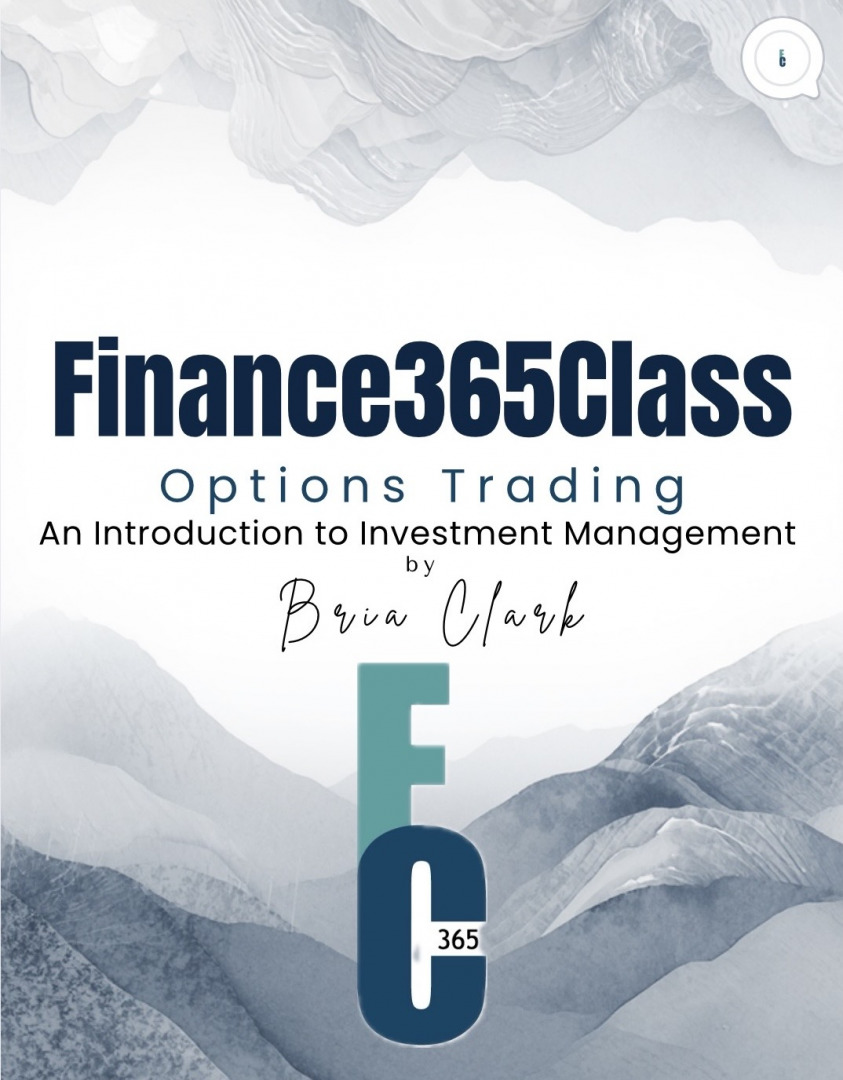
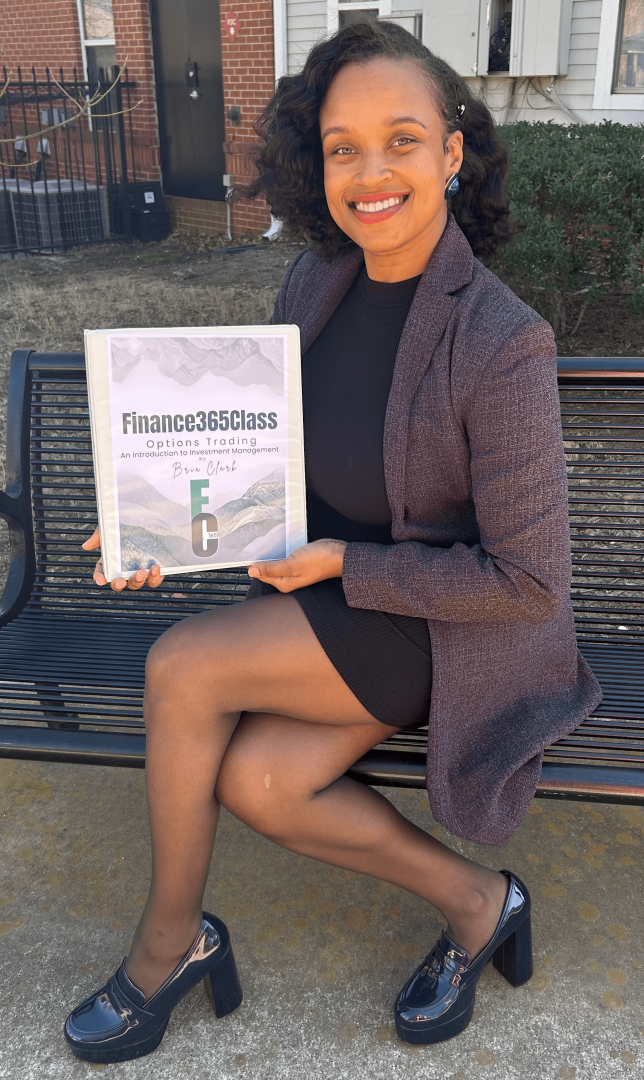
Image Credits
Bria Clark & Capitol Gateway’s Very Own, Black


