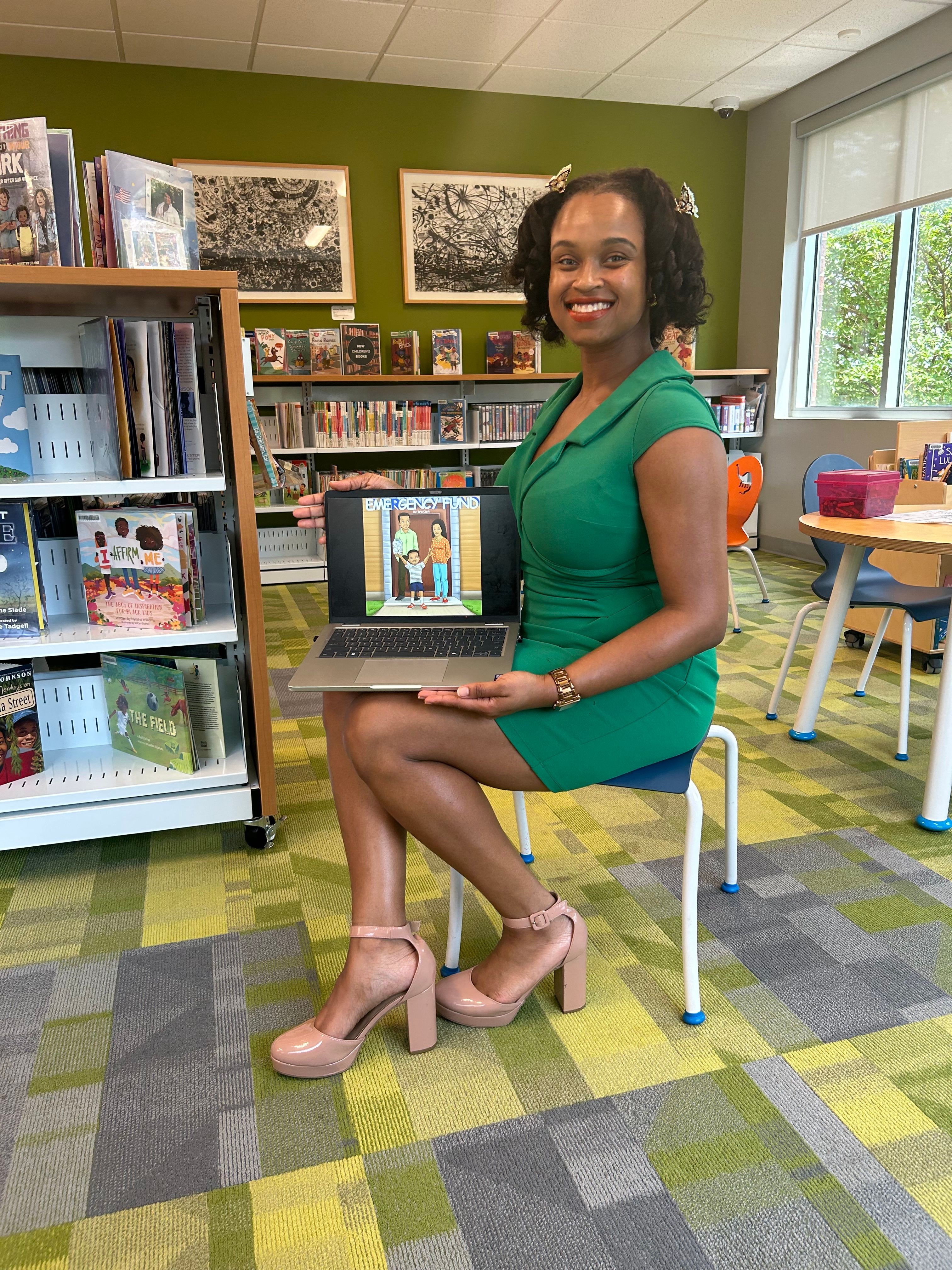
Meet Bria Clark


We had the good fortune of connecting with Bria Clark and we’ve shared our conversation below.
Hi Bria, as a parent, what do you feel is the most meaningful thing you’ve done for them?
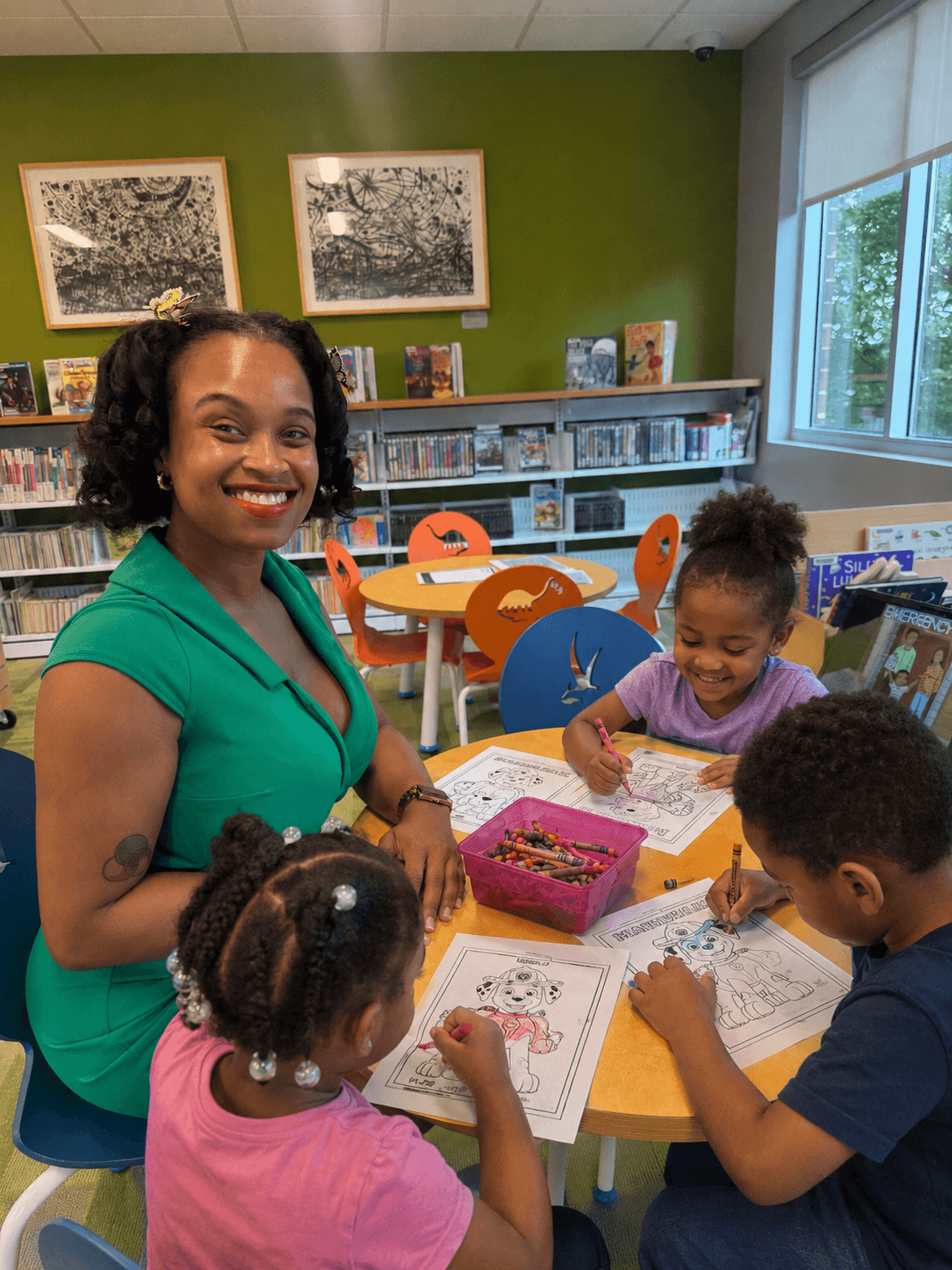
The most impactful thing I’ve done for all children is teach them about money.
What began as a ministry for adults and professionals has grown into a movement that now reaches young people as well. Through the #Finance365Class and #TeachChildrenAboutMoney platforms, I’ve been working to introduce financial education to the community and make these lessons accessible to families everywhere.
As this work expanded, research kept guiding me forward. A Google Alert later notified me of media coverage showing financial literacy being taught in Brooklyn schools—proof that our mission to inspire the next generation is shared nationwide. I also learned that Professor Patrick Oseni, a Howard University graduate, teaches at one of these schools. That Howard connection created instant common ground. We both believe deeply in empowering students and honoring the legacy of leadership Howard represents.
When Mr. Oseni and I spoke, he echoed the same passion for financial education. That like‑minded connection fueled our collaboration, because we believe teaching money skills helps young people become leaders, protect their future, and uplift their communities. With that in mind, we focused on practical financial tools families can use right now.
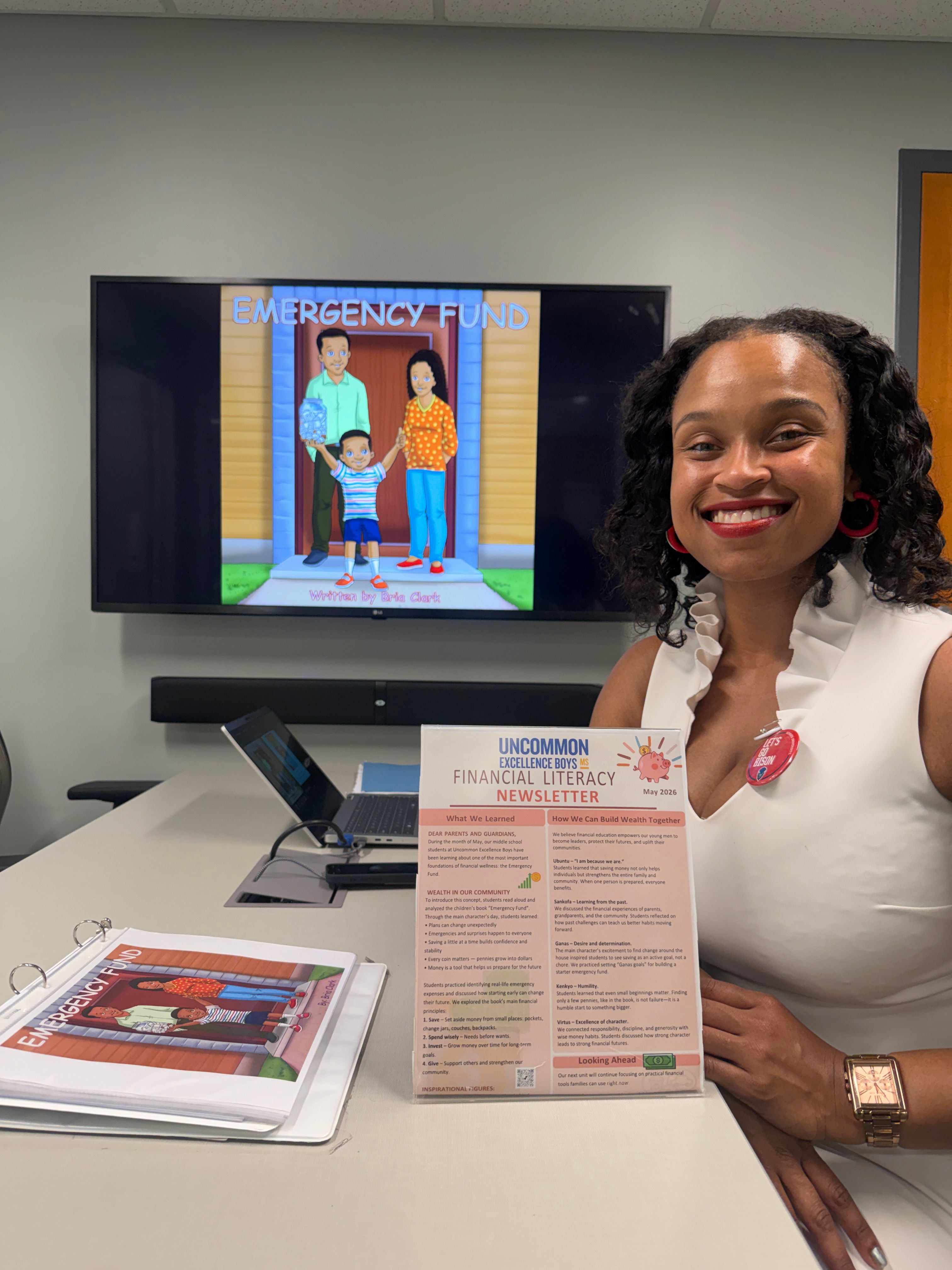
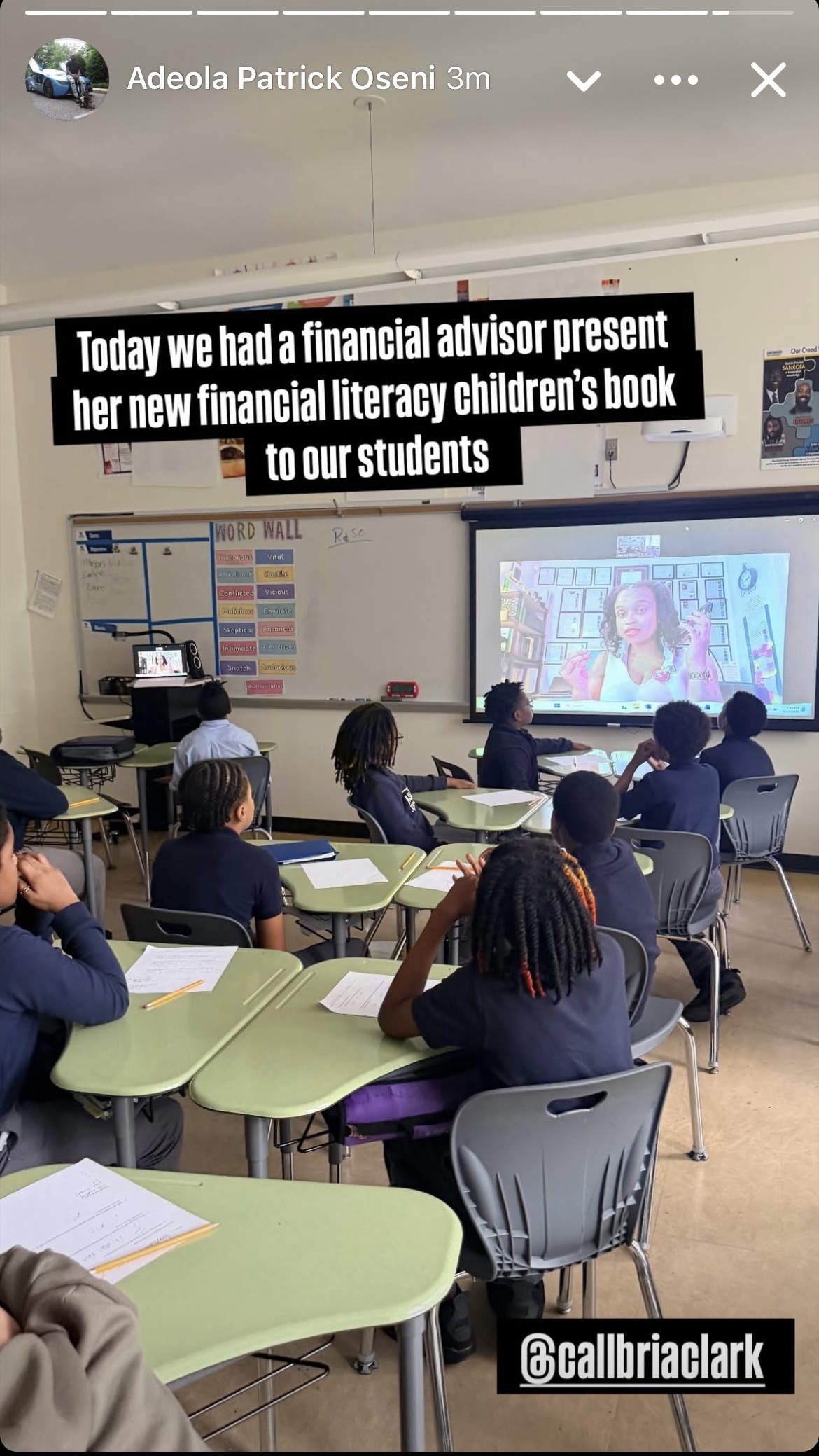
This past school year, the students at Uncommon Excellence Boys Middle School continued learning the foundations of financial wellness by exploring the children’s book “Emergency Fund.” Two classrooms joined us, reading aloud and sharing feedback—an experience that opened doors for even greater visibility.
The book introduces the concept of an emergency fund. Through the main character’s day, students discovered that plans change unexpectedly, emergencies happen to everyone, and saving even a little at a time builds confidence and stability. They learned that every coin matters—pennies grow into dollars—and that money is ultimately a tool to help prepare for the future. Students practiced identifying real‑life emergency expenses and discussed how starting early can transform their future.
To keep them engaged, we used a popcorn‑style reading method. Each student read a portion aloud, which built confidence, encouraged collaboration, increased focus, and helped them practice new vocabulary. Since middle schoolers often struggle with staying on task, the anticipation of being “next to read” kept them attentive and motivated.
We also explored the book’s key financial principles: saving, spending, investing, and giving. Students learned to set aside money from small places—pockets, loose change, jars, even Cash App transactions—and to spend wisely by meeting needs before wants. They discussed investing for long‑term goals, growing money over time, and supporting others to strengthen the community.
Ultimately, our goal is to reach students early. Whether they’re in eighth grade or younger, it’s never too soon to learn about money. A student who saves or invests even thirty dollars a week could build something remarkable by their twenties or thirties. We teach them about financial aid, scholarships, and creating funds to support their goals—tools that will sustain them through challenges and help them shape a brighter future.
Alright, so let’s move onto what keeps you busy professionally?
One of the guiding principles of my life is this: you can’t wish for a strong character and an easy life, because the price of one is the other. Strong character is built through challenge. Resilience, discipline, maturity, and inner strength don’t come from comfort—they come from facing hardship, making tough decisions, and showing up even when it’s difficult. Ease doesn’t produce depth. Difficulty does.
That same truth applies to building wealth. You can’t wish for abundance and also wish for convenience. Wealth requires trade‑offs: discipline, planning, sacrifice, and long‑term thinking. The price of a wealthy lifestyle is structure—budgeting, investing, managing risk, controlling debt, and choosing long‑term gain over short‑term pleasure. Financial strength is a result of habits: consistent saving, disciplined investing, resisting impulsive spending, staying insured, and building skills that increase earning power. These habits aren’t easy, but they create the stability and freedom people seek.
My life’s mission is to remove wealth barriers. I help people create abundance in every part of their financial lives, and that purpose is what keeps me moving forward. Adults need this wisdom just as much as students do. An emergency fund is foundational —it supports you during the elimination period of a disability policy, provides liquidity when investments are inaccessible, and protects you during unexpected life moments.
As our practice continues to grow, we want people to understand both our direction and our intention. It is never too late to check in with yourself, reassess your financial position, and talk openly about your money. That openness creates clarity, and clarity creates change. It’s never too late to learn, grow, or build a comprehensive financial plan. You always have the opportunity to create structure and act while you’re here, so don’t let negative thoughts convince you that your time has passed. Your opportunity is still present.
Our energy comes from knowing that our longevity depends on uplifting people and transforming their financial landscape. This is measurable change. Our practice is positioned to profit from purpose and pour from abundance. When you empower people financially, you improve every aspect of their lives—and that is the work we are committed to.
Let’s say your best friend was visiting the area and you wanted to show them the best time ever. Where would you take them? Give us a little itinerary – say it was a week long trip, where would you eat, drink, visit, hang out, etc.
We’d start the day early and meet in Downtown San Diego. First, I’d take them to the Northwestern Mutual office where I used to work—an area surrounded by financial planning firms, wealth management groups, banks, and accounting offices. The building overlooks the harbor, giving them a beautiful view of the water while they take in the professional energy of the district.
After that, we’d walk a couple of blocks for breakfast—Dutch pancakes at a local café—before driving up to Carmel Valley. It’s close to San Diego and gives visitors a chance to explore the community, see the neighborhoods, and experience areas known for great networking and prospecting. Carmel Valley has beautiful homes, event spaces, and a warm, inspiring atmosphere.
Healthy conversation always flows during client meetings and networking sessions, and the same happens with friends. We pour into each other, talking about how investing money strengthens individuals and communities. We reflect on our financial experiences — our families, our mentors, and the people who shaped us.
Once we finish exploring, we’ll head back toward the city before lunchtime and make our way to Coronado. We’d enjoy lunch right on the waterfront, taking in ocean views and relaxing in the fresh air. After lunch, we’d spend the afternoon on the beach—close to the city but peaceful enough to feel like an escape. We’d reflect on how past challenges have taught us better habits and remind each other that small beginnings matter. Even finding a few pennies isn’t a failure — it’s a humble start to something bigger.
We’d end the day back at our place in Coronado, unwinding after a full itinerary of work, community, and coastal beauty. And if we’re lucky, we might even catch fireworks from the backyard—an unforgettable way to close the night.
Shoutout is all about shouting out others who you feel deserve additional recognition and exposure. Who would you like to shoutout?
I dedicate this article to my first children’s book, Emergency Fund—the voice of financial empowerment for the next generation. This book is designed to help kids communicate their needs, understand money, and grasp big financial concepts through simple, authentic language. Our goal is to build the next generation of leaders by giving them the vocabulary and confidence they need early in life.
There is also a special Howard University connection behind this project. Innocent Mwebella, a fellow School of Business alum, created color illustrations for Emergency Fund. He has designed multiple logos for my professional brands and helped bring this story to life. Working with people from our Howard community —circulating our talents, supporting one another, and creating together—is exactly the kind of empowerment we want to model. We are powerful. We are creative. We are Black. We are economically empowered. That is the message we share with the world.
There are layers to the Howard experience. People often see the fashion, fun, and excitement, but they don’t always see the insecurity, the scrutiny, and the inner work required to trust yourself—and trust God—to bridge the gaps life presents. When I look back, I see courage, compassion, and even humor woven throughout the journey. Howard teaches you to think boldly and independently—to choose your own path even when everyone else is going a different direction. That honesty and self‑awareness come with sacrifice, but they prepare you for leadership.
As a young person, I was deeply inspired the first time I saw Howard students. They were sharp, confident, and they fueled my ambition. Howard taught me discipline, exposed me to the diversity of Black experiences, and reinforced the importance of reinvesting in my community—and in myself. That foundation is still present in the work I do today.
That’s why discovering that Professor Patrick Oseni—a proud Howard University graduate—was teaching at the middle school we partnered with felt like divine alignment. One detail changed everything. The moment I realized he was a fellow Bison, there was an instant sense of shared legacy, shared values, and shared purpose. Howard teaches you to lead, to build, and to pour into your community. Patrick embodied those principles inside his classroom.
What started as a simple virtual visit quickly evolved into a powerful collaboration. Together, we introduced middle school students to Emergency Fund, our children’s book designed to teach the importance of saving for a rainy day. The story uses an unexpected weather change to help students understand how quickly plans can shift—and why financial preparedness matters.
Watching Patrick guide his students through these concepts felt like witnessing two Howard alumni extend the work that began on the Yard: empowering the next generation with knowledge, confidence, and discipline. Our shared Howard roots didn’t just create common ground—they created momentum. They connected my financial education mission with his commitment to developing young minds, allowing us to show these students what leadership, legacy, and community look like in action.
In many ways, collaborating with Patrick felt like coming full circle. Howard prepared us, and now we’re preparing those who come after us.
Howard’s business program shaped so much of who I am today. It gave me confidence, stage presence, and the ability to write strong business plans. Through courses in product expansion, service‑line strategy, vertical integration, and supply chain analysis, I discovered how deeply I love business. I’ll forever be a finance girl. Professors like Dr. Debby Lindsey‑Talifero, Dr. William (Bill) Brent, Dr. Lynne Kelly, Dr. Paul Choi, Dr. Maru Etta-Nkwelle, Dr. Allison Morgan Bryant, Dr. Daniel Owunwanne, Dr. Michael Ogbolu, Ms. Karen Hampton, Ms. Karen Nash, Director Tya Boyden, Dr. Yuvay Meyers Ferguson, Dr. Angela Hausman, Dr. William Barbie, Dean Samuel Paschall and Dean Barron Harvey (2014), poured into me far beyond the classroom. They helped me grow spiritually, professionally, and personally, and taught me how to present myself with a competitive edge.
Another key part of my story is my Bison Brother, Eric Grant. Entering the wealth management space can feel like a solo journey, but Eric showed me that you’re never truly alone — you just need the right team and the right resources. We met during my junior year at Howard, bonded over our Chicago roots, and collaborated over the summer. I traveled to his radio station to record a college funding segment about scholarships. Six years later, we are in business together.
Eric has provided apprenticeship, mentorship, and unwavering support as I pursue my financial planning career. I spoke to him many times about my frustrations with corporate environments and my commitment to industry professionalism. He showed me that while compliance is mandatory, conformity is not. You can uphold excellence without losing your authenticity. Eric is a true rainmaker—constantly bringing me into business deals and multimillion‑dollar partnerships. My gratitude for him runs deep.
What keeps me going is knowing that building a wealth practice requires strength, but it doesn’t have to be isolating. Eric helped me establish the foundation I needed to grow, and together, we continue to elevate our work.
Other: You can email me directly at bria.clark@aol.com
Connect with me across platforms where I teach, engage, and build community every day: @Finance365Class and @CallBriaClark and @TeachChildrenAboutMoney
Use the following hashtags to search for relatable content: #Finance365Class #BriaClark #HowToNotBeBroke #CallBriaClark #AbundanceInAllAreas #BRIALife #RUBSCRUBS #SBURCS #TeachChildrenAboutMoney #Finance365